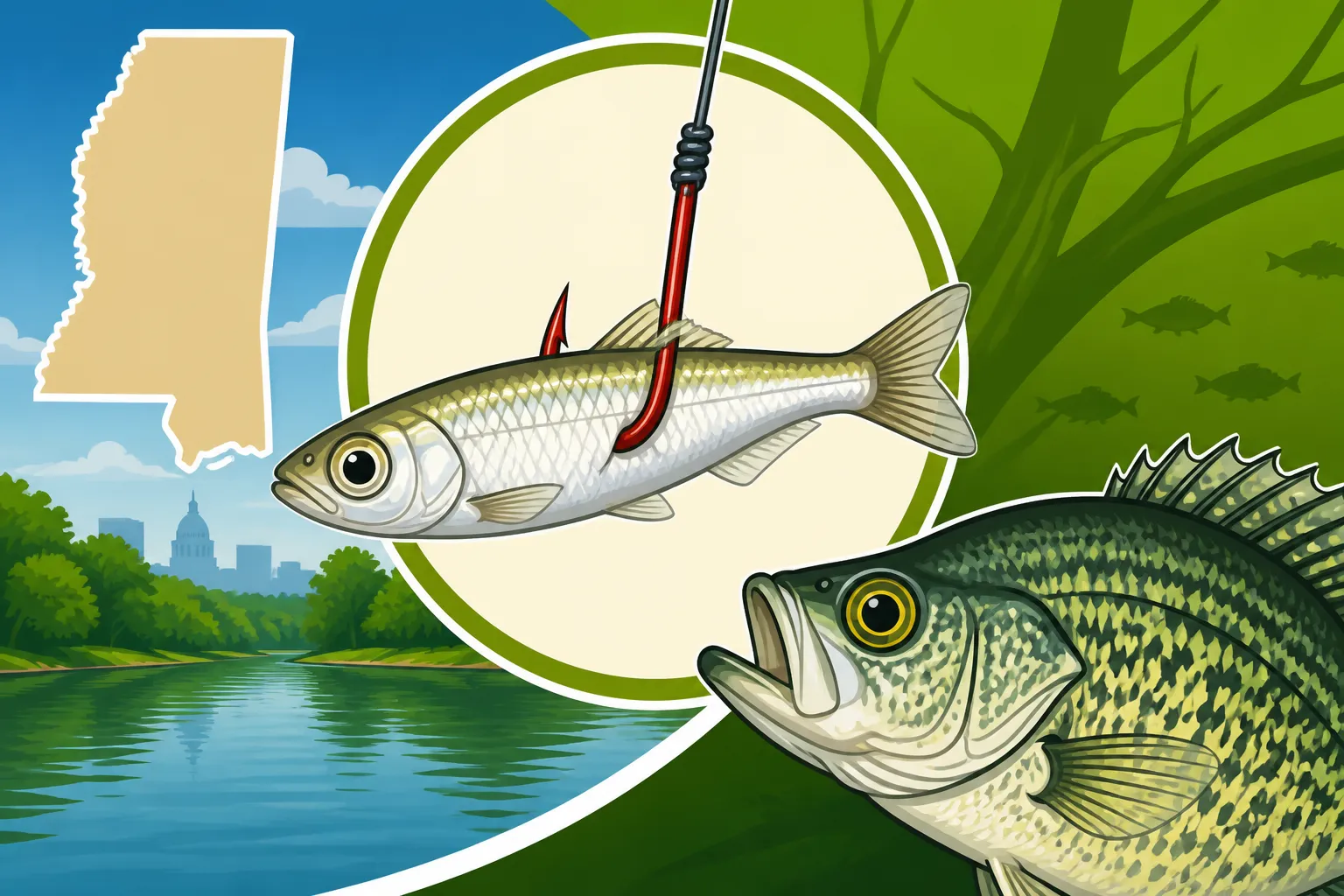
How to Rig Live Shiners for Crappie
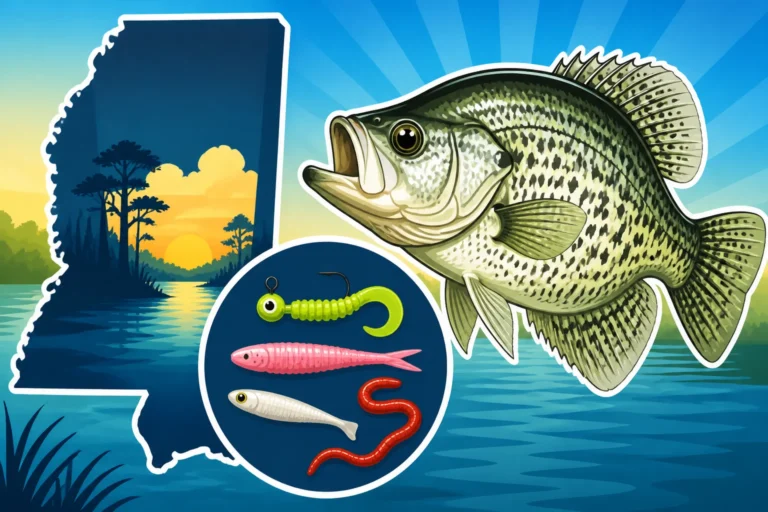
Crappie fishing can be one of the most rewarding pursuits in Mississippi, but sometimes those notoriously finicky slabs can make you pull your hair out. When artificial lures just aren't cutting it, the natural appeal of live bait, especially live shiners, often proves to be the ultimate game-changer. This comprehensive guide will walk you through everything you need to know about rigging live shiners for crappie, from selecting your bait to mastering the most effective presentation techniques, ensuring you're ready to fill your cooler.
Why Live Shiners Are a Game-Changer for Crappie
There's something uniquely enticing about a live shiner that crappie simply can't resist. While jigs and soft plastics certainly have their place, a struggling, natural baitfish often triggers an aggressive bite when nothing else will. If you've ever spent hours casting without a nibble, only to switch to live bait and immediately start catching, you know exactly what I'm talking about.
The Undeniable Attraction: What Makes Shiners So Effective?
The primary reason live shiners outperform many artificial lures is their natural presentation. They mimic the actual prey crappie feed on in their natural habitat. A lively shiner sends out vibrations and emits scents that crappie can detect from a distance, even in murky waters. Its erratic swimming action, especially when hooked correctly, screams "easy meal" to a hungry crappie. This isn't just about movement; it's about the entire sensory experience for the fish – the sight, the smell, and the feel of a real baitfish struggling to escape. It's an instinctual response that artificial baits, no matter how realistic, struggle to fully replicate. When you're trying to figure out the Best Bait for Crappie in Mississippi, live shiners are almost always at the top of the list for a reason.
Getting and Keeping Your Shiners Alive and Kicking
A dead shiner is just bait, but a lively shiner is a fishing magnet. Sourcing quality live bait is the first step. Many local bait shops across Mississippi, especially near popular crappie lakes like Grenada Lake or Ross Barnett Reservoir, will carry fathead minnows or other small shiner species suitable for crappie. When buying, look for active, healthy minnows with no obvious signs of stress or injury.
Transporting and keeping them alive is crucial. A good aerated bait bucket is non-negotiable. Don't overcrowd your bucket; give the shiners enough space and oxygen. On hot Mississippi days, adding a frozen water bottle or ice pack to the cooler (ensuring it doesn't directly contact the water, or the ice melts slowly into the water) can help keep the water cool, increasing oxygen retention and reducing stress. If you're planning a multi-day trip or want to keep a larger supply at home, a dedicated bait tank with a strong aerator and filtration system will be your best friend. Remember, happy shiners mean more bites! Many anglers find great deals on aerators and bait buckets on platforms like Amazon, ensuring their bait stays fresh and lively.
Gathering Your Rigging Arsenal: Essential Gear
Before you even think about putting a hook in a shiner, you need to have the right tools for the job. Using oversized or incorrect gear can quickly turn your live bait setup into a tangled mess or, worse, result in lost fish. Crappie have delicate mouths, and being able to feel subtle bites is paramount.
Rod, Reel, Line: Balancing Sensitivity and Power
For crappie fishing with live shiners, a light to medium-light action spinning rod, typically 6 to 7 feet long, is ideal. This rod action provides the sensitivity needed to detect those light crappie bites, while still offering enough backbone to set the hook and fight a decent slab. Pair it with a small spinning reel (1000 or 2000 size) spooled with 4 to 6-pound test monofilament or fluorocarbon line.
Monofilament is a popular choice due to its stretch, which can act as a shock absorber against a crappie's soft mouth, preventing tear-outs. However, if you're fishing in deeper water or need more sensitivity, a 6-pound fluorocarbon leader tied to a braid mainline can offer the best of both worlds. The low stretch of fluorocarbon transmits bites more readily, and its invisibility underwater is a bonus, especially in clear water conditions. If you're serious about your crappie game, investing in a good quality rod and reel setup, easily found on Amazon, can make a huge difference in your success. You might even consider specialized crappie rods for Crappie Fishing Techniques for Mississippi Lakes.
Hooks, Weights, and Floats: The Critical Components
The small size of crappie mouths and their delicate lips necessitate specific hook choices. A #2, #4, or #6 Aberdeen or Kahle hook is generally preferred. Aberdeen hooks are thin-wired, which helps penetrate the shiner without killing it and makes them less likely to tear out of a crappie's mouth. Kahle hooks have a wider gap, which can be advantageous for hooking crappie that "mouth" the bait.
For weights, a small split shot or an egg sinker (1/8 to 1/4 ounce) is usually sufficient. The goal is just enough weight to get your shiner down to the desired depth, allowing it to swim naturally. Too much weight will hinder the shiner's movement and make your presentation unnatural.
Finally, floats (or bobbers) are indispensable for visual bite detection and controlling depth, especially when How to Catch Crappie From the Bank in Spring. A slip bobber setup is incredibly versatile, allowing you to easily adjust your fishing depth without having an excessive amount of line between the rod tip and the bobber. This means you can fish shallow banks or suspend your shiner over deep brush piles. Small, sensitive floats are best; don't use a big, clunky float that will resist a crappie's gentle pull.
Step-by-Step: Mastering the Art of Rigging Live Shiners for Crappie
Properly rigging your live shiner is perhaps the most crucial step. A poorly hooked shiner will die quickly, swim unnaturally, or easily fall off the hook. The goal is to keep the shiner alive and active for as long as possible, allowing it to attract crappie with its natural movements.
The Dorsal Fin Method: For Natural Movement
This is one of the most popular and effective rigging methods for crappie, especially when you want the shiner to swim freely and naturally.
How to Do It:
- Gently grasp the shiner in your hand, being careful not to squeeze it too hard.
- Locate the dorsal fin (the single fin on its back).
- Carefully insert your hook just beneath the dorsal fin, making sure to pass it through the skin and a small amount of muscle, but avoiding the spine. The hook point should emerge on the other side of the shiner's back.
- Ensure the hook is not penetrating too deeply, which would injure the shiner and limit its movement, or too shallow, causing it to rip out easily.
Pros:
- Natural Presentation: The shiner can swim freely, making it appear lively and enticing.
- Durability: When done correctly, the shiner stays alive and active for a long time.
- Good Hook-Up Ratio: Crappie often strike from below or the side, making for solid hook sets.
Cons:
- Can be Tricky: Requires a gentle hand to avoid injuring the shiner or the angler.
- Slightly Slower Hooking: Takes a bit more care than a simple lip hook.
The Lip-Hook Method: A Versatile Approach
The lip-hook method is perhaps the quickest and easiest way to rig a live shiner. It's excellent for faster fishing, especially when using multiple rods for Spider Rigging Techniques or just needing a quick bait change.
How to Do It:
- Hold the shiner gently but firmly.
- Insert the hook through both its upper and lower lips, starting from the bottom jaw and pushing upwards.
- Ensure the hook point is exposed above the upper lip.
Pros:
- Quick and Easy: Fastest method for rigging, ideal for fast-paced action.
- Good for Trolling or Drifting: The shiner stays relatively straight in the water, reducing spinning.
- Keeps Shiner Alive: Minimal injury allows for extended liveliness.
Cons:
- Less Natural Movement: Can restrict the shiner's natural swimming motion somewhat.
- Potential for Missed Bites: Crappie might nip at the tail first, missing the hook.
The Tail Hook Rig: When They're Finicky
This method is less common but can be highly effective when crappie are particularly lethargic or short-striking, often nipping at the tail of the bait. It makes the shiner swim in a slightly more frantic, injured way.
How to Do It:
- Gently hold the shiner.
- Carefully insert the hook through the fleshy part just above the tail fin, ensuring you avoid the spine.
- The hook should pass horizontally through the base of the tail.
Pros:
- Trigger for Finicky Fish: Presents the hook closer to where crappie often strike first.
- Frantic Movement: Can induce a more distressed swimming action, attracting aggressive bites.
Cons:
- Shortened Lifespan: More prone to injuring the shiner, reducing its liveliness.
- Higher Chance of Missed Hook-Sets: Crappie might still strike in front of the hook.
- Can Cause Spinning: In current or when trolled, the shiner might spin unnaturally.
Setting Up Your Bobber Rig with Shiners
A bobber rig is quintessential for crappie fishing with shiners, especially in shallower waters or around visible cover.
- Attach Bobber Stop: If using a slip bobber, first slide a bobber stop onto your mainline. This small piece of string allows you to adjust your depth.
- Slide on Bead: Next, slide a small plastic bead onto your line. This protects the knot and ensures the bobber slides smoothly.
- Attach Slip Bobber: Thread your mainline through the top and bottom of your slip bobber.
- Add Weight: Crimp a small split shot or slide on an egg sinker a foot or so above your hook.
- Tie on Hook: Secure your chosen crappie hook (Aberdeen or Kahle) to the end of your line using a Palomar or improved clinch knot.
- Hook Your Shiner: Rig your live shiner using one of the methods described above (dorsal, lip, or tail).
- Adjust Depth: Use the bobber stop to set your desired fishing depth. Remember that crappie often hold at specific depths, so experiment by checking your fish finder for crappie or observing the water column.
Going Deeper: Tightlining with Live Shiners
When crappie are holding deeper, often suspended in the water column or tight to bottom structure, tightlining (or "straight-lining") is a highly effective technique. This eliminates the bobber for a more direct connection to your bait.
- Add Weight: Slide an egg sinker (1/8 to 1/2 ounce, depending on depth and current) directly onto your mainline.
- Attach Swivel: Tie a small barrel swivel to the end of your mainline, below the egg sinker. This prevents line twist and acts as a stop for the sinker.
- Add Leader: Tie a fluorocarbon leader (12-24 inches) to the other end of the swivel.
- Tie on Hook: Attach your crappie hook to the end of the leader.
- Hook Your Shiner: Rig your shiner via the lip or dorsal fin method.
With this setup, you can drop your shiner straight down into brush piles, along creek channels, or into deep holes. The weight gets the bait down, but the leader allows the shiner to swim naturally just above the bottom or structure. This method requires constant attention to your line, as crappie bites can be subtle, feeling like a slight tick or just added weight. This is a common method for Deep Water Crappie Fishing Techniques.
Advanced Tactics: Presenting Your Live Shiners Effectively
Rigging is just one piece of the puzzle. Knowing how to present your shiner, where to find crappie, and how to adapt to conditions will dramatically increase your success rate.
Targeting Structure and Cover: Where Crappie Hide
Crappie are ambush predators that love structure and cover. Think about submerged brush piles, standing timber, dock pilings, bridge supports, and even changes in bottom contour like creek channels or ledges. These areas offer crappie protection from predators and concentrate baitfish.
- Brush Piles and Timber: Use a slip bobber rig to drop your shiner precisely into the heart of a brush pile. Adjust your bobber stop so the shiner is suspended just above or within the top layer of the brush, where crappie often hold. You can also tightline by slowly lowering your bait until you feel the structure, then raising it a foot or two.
- Docks and Bridges: Crappie will often congregate in the shade of docks and bridges, especially on sunny days. Cast your shiner as close to the pilings or under the dock as possible. A lip-hooked shiner cast to these areas can be very effective.
- Ledges and Channels: These are fantastic areas for Winter Crappie Fishing in Mississippi and when crappie move to deeper water in summer. Use your electronics to locate these features and any baitfish schools or crappie congregating there. Tightlining or slow trolling with multiple rods (spider rigging) across these contours can be incredibly productive.
Using Electronics to Your Advantage
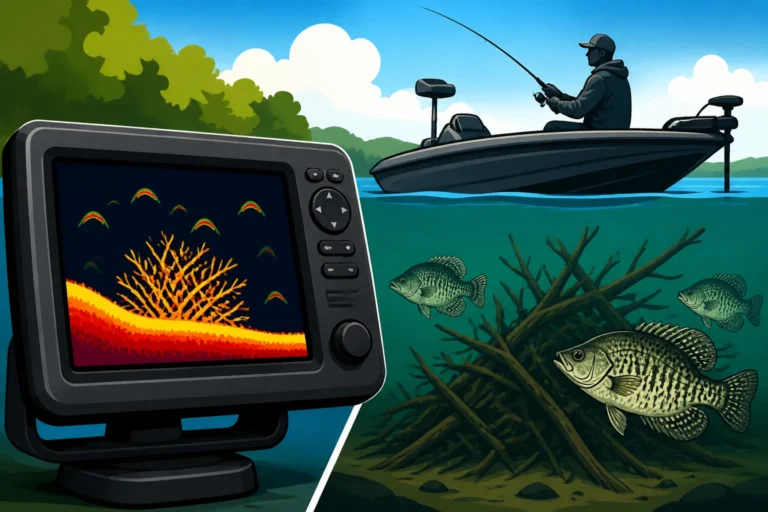
Modern fish finders, especially those with side imaging or forward-facing sonar, are invaluable tools for live shiner fishing. They allow you to pinpoint brush piles, identify schools of crappie, and even see how your shiner is behaving relative to the fish.
Before you even drop a line, use your sonar to scan for likely holding areas. Look for baitfish schools—where bait is, crappie usually aren't far behind. Once you've located crappie, note their depth and structure. You can then adjust your bobber stop or tightline depth precisely to put your live shiner right in their strike zone. Seeing your shiner swim on the screen and watching crappie move towards it is an exciting experience and boosts your confidence immensely.
Adapting to Seasonal Changes for Crappie Success
Crappie behavior, and thus the effectiveness of different live shiner rigging and presentation methods, changes significantly with the seasons.
- Spring (Pre-spawn and Spawn): This is prime time for crappie. As water temperatures rise into the 50s and 60s, crappie move shallow to spawn. They'll be found in 2-10 feet of water, often around submerged grass, reeds, and flooded timber. A slip bobber rig with a dorsal-hooked shiner presented slowly in these shallow areas is deadly. Remember to check Mississippi Crappie Spawning Season Closure Rules for specific lakes.
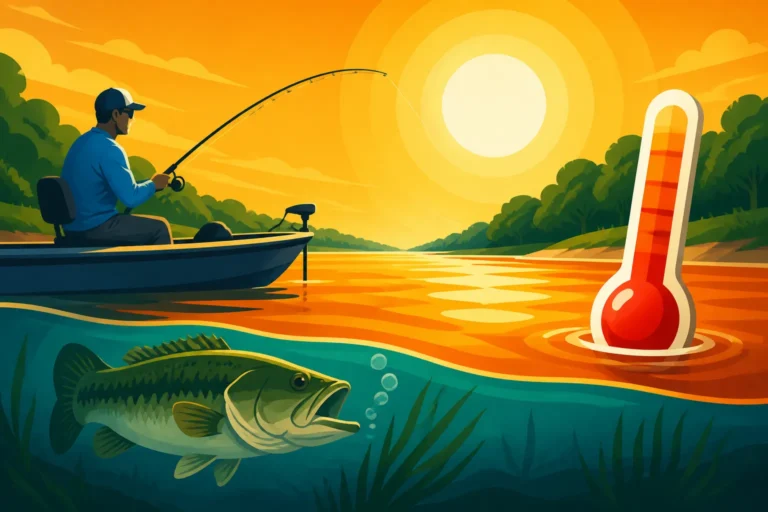
- Summer: When the heat sets in and water temperatures climb into the 80s, crappie move to deeper, cooler water. They'll often suspend over creek channels, congregate on deep brush piles, or relate to thermoclines. This is when tightlining or Trolling for Crappie on Mississippi Reservoirs with lip-hooked shiners becomes highly effective. Understanding How Deep Do Crappie Go in Summer is key.
- Fall: As water temperatures cool, crappie become very active, chasing baitfish that are fattening up for winter. They can be found moving back shallower, often on ledges, points, and humps where baitfish school. Both bobber rigs and tightlining can work well, depending on the depth they're feeding at. Look for "bait balls" on your sonar and position your shiners around them.
- Winter: Crappie generally move back to deep, stable water during winter. They might hold tightly to deep brush piles, bluff walls, or suspend over creek channels. They become less active, requiring a slower, more subtle presentation. Tightlining a small, lively shiner directly into deep cover with minimal movement is often the best approach. Don't be afraid to keep your shiner still for extended periods; cold crappie won't chase much. The Best Time of Day to Catch Crappie in winter might be mid-day when the sun warms the water slightly.
Remember, the Mississippi Department of Wildlife, Fisheries, and Parks (MDWFP) regularly provides fishing reports and regulations for various species and bodies of water. Always stay informed about current conditions and rules to ensure a successful and legal fishing trip.
Rigging Live Shiners for Crappie: A Comparison
To help you decide which rigging method is best for your situation, here's a quick comparison:
| Rigging Method | Best For | Shiner Action | Durability of Shiner | Pros | Cons |
|---|---|---|---|---|---|
| Dorsal Fin | Natural presentation, finicky fish, slow drifts | Free, natural swim | High | Mimics natural prey, excellent hook-up ratio, shiner stays lively longer | Can be tricky to hook without injury, slower to rig |
| Lip Hook | Quick rigging, trolling, fast drifts, current | More restricted, swims straight | High | Quick and easy, good for active presentations, minimal shiner injury | Less natural action, crappie might miss hook if nipping tail |
| Tail Hook | Short-striking fish, lethargic crappie | Erratic, distressed swim | Moderate | Triggers aggressive bites from finicky fish, hook is near common strike zone | Shorter shiner lifespan, higher risk of injury, can cause spinning in current |
Disclaimer
Fishing involves inherent risks, including but not limited to injuries from hooks, sharp objects, and adverse weather conditions. Always prioritize safety, wear appropriate personal flotation devices, and be aware of your surroundings. Fishing regulations in Mississippi are subject to change; always consult the latest Mississippi Department of Wildlife, Fisheries, and Parks (MDWFP) guidelines before heading out to ensure compliance with all licensing, creel limits, and size restrictions. The information provided in this guide is for general informational purposes only and should not be considered professional advice.