Is Noodling Legal Statewide in Mississippi?
Navigating the unique world of fishing regulations can feel like trying to untangle a hundred-pound test line in a strong current, especially when it comes to a method as unconventional as noodling. Many folks wonder about the legality of hand-fishing for catfish in the Magnolia State, and the good news is, you've come to the right place. This guide will clarify Mississippi's stance on noodling, detailing the specific rules, seasons, and important safety considerations you need to know before you ever consider diving in.
Understanding Noodling: The Bare Hands Approach
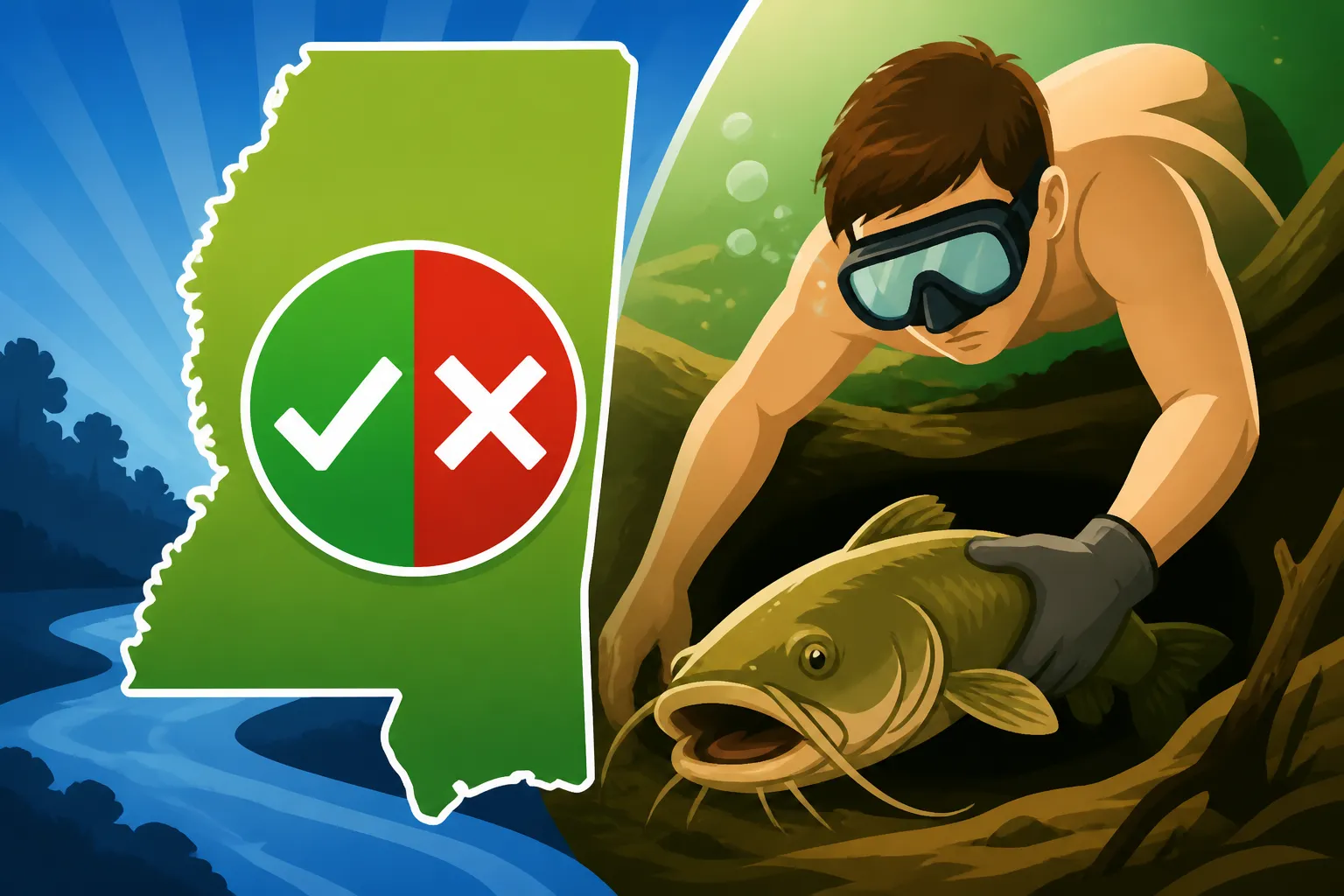
Noodling, also affectionately known as "hand-fishing" or "grabbling," is a truly unique fishing technique that sets it apart from almost every other method. Instead of rods, reels, or nets, anglers use their bare hands and arms to entice and capture fish, typically large catfish, from their underwater lairs.
What Exactly is Noodling?
Imagine wading into murky waters, reaching into submerged logs, undercut banks, or rock crevices, and feeling around until you find a catfish. The fish, naturally protecting its spawning bed or territory, often bites or latches onto your hand or arm, allowing you to pull it out. It's a primal, adrenaline-pumping experience that dates back generations in the South, relying on pure grit, a keen understanding of fish behavior, and a fair bit of bravery. While it sounds intense, for those who practice it, noodling is a thrilling connection to traditional fishing methods and the raw power of nature. It’s certainly not for the faint of heart, but it yields some incredibly impressive catches.
Why the Buzz Around its Legality?
The legality of noodling is a hot topic across many states, and for good reason. Because it involves direct, physical interaction with fish in their natural habitats, concerns often arise about fish welfare, potential habitat destruction, and public safety. Different states have grappled with these issues, leading to a patchwork of laws. Some states have banned it entirely, others permit it with strict regulations, and a few embrace it openly. The debate centers on whether the method is sustainable, humane, and if it poses undue risks to the angler or the ecosystem. This varied legal landscape is precisely why many Mississippi anglers, and those visiting, need clear guidance on whether they can legally engage in this age-old tradition within state borders.
The Legal Status of Noodling in Mississippi
So, let's get right to the heart of the matter: Is noodling legal statewide in Mississippi? The answer is a resounding yes, with specific conditions and a clear season. The Mississippi Department of Wildlife, Fisheries, and Parks (MDWFP) has laid out precise regulations for hand-fishing, making it a legal and recognized method for harvesting certain fish species.
Statewide Legality Clarified
Unlike some neighboring states where noodling is completely outlawed or heavily restricted to private waters, Mississippi embraces the tradition, albeit under strict control. This means you can legally noodle for catfish in public waters across the state, provided you adhere to the established rules. The MDWFP understands the cultural significance of noodling to many Mississippi residents and has chosen to regulate it rather than prohibit it entirely, allowing anglers to continue this unique pursuit. However, "statewide" doesn't mean "anything goes." It simply means the practice is permitted under state law wherever the specific regulations can be met, which usually excludes smaller, managed state fishing lakes that might have different rules. For comprehensive information on overall fishing requirements, take a look at our full Mississippi Fishing Regulations Explained guide.
Key Regulations and Restrictions
Noodling in Mississippi isn't a free-for-all; it's governed by specific rules designed to protect both the fish population and the safety of the anglers. Understanding these nuances is crucial before you even think about sticking your hand into a dark hole.
First and foremost, noodling in Mississippi is exclusively for catfish. You cannot use this method to catch other species like bass or crappie. The primary targets are typically blue catfish, channel catfish, and flathead catfish, known for their territorial nature, especially during spawning season.
Secondly, the "hand-fishing" aspect is taken literally. You are only allowed to use your bare hands and arms to catch the fish. This means no artificial aids, such as gaffs, hooks, ropes, or any other type of device, are permitted in the hole or den to assist in the capture. Your hands are your only tools. This rule is in place to maintain the traditional and challenging nature of noodling, as well as to prevent excessive damage to the fish or their habitat.
Thirdly, there's a strict season for noodling. It's not permitted year-round. This regulation is particularly important for conservation reasons, as it aligns with the catfish spawning season when they are most aggressive and likely to bite. We'll delve deeper into the specific season dates shortly.
Lastly, general Mississippi Fishing Creel and Size Limits that apply to rod-and-reel fishing for catfish often extend to noodling as well. While the focus is on large, mature fish with noodling, it's always wise to be aware of any daily bag limits or minimum size requirements for the specific catfish species you are targeting. This ensures sustainable harvesting practices.
Here's a quick summary of the main points:
| Regulation Aspect | Mississippi Noodling Rule |
|---|---|
| Permitted Species | Catfish only (Blue, Channel, Flathead). |
| Method | Bare hands and arms only. No artificial aids (hooks, gaffs, ropes, etc.) allowed in the hole. |
| Season | Specific, limited season, typically during warmer months (check current MDWFP regulations). |
| License Required | A valid Mississippi fishing license is required for residents and non-residents. |
| Creel & Size Limits | Standard catfish daily creel and size limits apply. |
Remember, the MDWFP website is the definitive source for current regulations, which can sometimes be updated. It's your responsibility to know and follow the most recent rules.
Species and Seasons for Noodling in Mississippi
For those brave enough to try their hand at noodling, knowing which fish are fair game and when you can pursue them is paramount. Mississippi's regulations are quite clear on both these fronts, primarily focusing on the state's abundant catfish populations.
Permitted Catfish Species
When it comes to noodling in Mississippi, the focus is squarely on our beloved catfish. The regulations specifically allow for hand-fishing of blue catfish, channel catfish, and flathead catfish. These three species are the giants of Mississippi's freshwater systems and are perfectly suited for the noodling technique due to their denning behavior and aggressive nature during spawning.
- Blue Catfish: These are often the largest catfish found in Mississippi waters, known for their immense size and powerful fights. They prefer larger rivers and main lake bodies, often found in deep channels or around submerged structure.
- Channel Catfish: A ubiquitous species, channel cats are found in almost every body of water, from small ponds to large reservoirs and rivers. They are excellent table fare and provide a good fight, though generally smaller than blues or flatheads.
- Flathead Catfish: Recognizable by their flattened heads and mottled brown appearance, flatheads are ambush predators that love to hide in logs, under rocks, and in deep holes. They are notoriously powerful and challenging to extract, making them a prized catch for noodlers.
It's important to understand that while these species are permitted, any other fish, such as large Largemouth Bass Fishing in Mississippi or Crappie Fishing in Mississippi, are strictly off-limits for noodling. Attempting to noodle for non-catfish species can lead to significant penalties. Our Catfish Identification Chart can help you differentiate between these species if you're new to the game.
The Noodling Season Window
The timing for noodling in Mississippi is not arbitrary; it's closely tied to the biological cycles of catfish. The traditional noodling season typically runs from May 1st through July 15th each year. This window is carefully chosen for several key reasons:
- Spawning Aggression: This period corresponds directly with the catfish spawning season. During this time, male catfish become incredibly territorial and protective of their nests, which are often found in hollow logs, undercut banks, or rock crevices. When a noodler's hand enters their chosen den, the fish will instinctively "bite" or latch on, viewing it as an intruder to be removed. This natural aggression is what makes the technique effective.
- Water Temperature: The warmer water temperatures of late spring and early summer signal the catfish to begin their spawning rituals. It also makes wading and being in the water more comfortable for anglers.
- Conservation: Limiting the season helps manage the fish population. By allowing noodling only during this specific window, the MDWFP aims to ensure that the practice doesn't negatively impact overall fish reproduction or lead to overharvesting.
It's crucial to mark these dates on your calendar and always double-check the current year's MDWFP regulations, as dates can occasionally be adjusted. Fishing outside of the designated noodling season, even if for permitted species, is considered illegal and can result in fines and penalties. Planning your trips around these dates is essential for a legal and successful noodling adventure. For more general timing advice, check out our Best Time of Year to Fish in Mississippi guide.
Safety and Ethical Considerations for Noodling
While the thrill of noodling is undeniable, it's a high-risk, high-reward endeavor. Unlike traditional fishing, where you're at a distance, noodling puts you directly in the fish's domain, bringing with it a unique set of challenges and dangers. It's absolutely crucial to prioritize safety and adhere to ethical practices to ensure a positive experience for yourself and the environment.
The Risks Involved
Let's not sugarcoat it: noodling can be dangerous. When you plunge your arm into an unknown underwater cavity, you're entering a world you can't see, and you're not always alone. Here are some significant risks:
- Getting Stuck: This is perhaps the most common fear. Catfish dens can be tight, narrow, or collapse, trapping your arm or even your entire body. Imagine reaching into an undercut bank, feeling a powerful catfish, and then realizing your arm is wedged between roots and rocks. Panic can set in quickly, and getting unstuck requires calm and often the assistance of a partner.
- Encountering Other Wildlife: Catfish aren't the only residents of these dark, submerged hideouts. You might encounter venomous snakes (like cottonmouths, which are aquatic), snapping turtles, beavers, muskrats, or even alligators in certain parts of Mississippi. A snapping turtle bite could be devastating, and a snake bite underwater is a terrifying prospect. Always be aware of your surroundings, both above and below the surface.
- Cuts and Abrasions: The inside of logs or rock crevices can be sharp and jagged. Reaching in blindly can result in nasty cuts, scrapes, and punctures, which can quickly become infected in murky freshwater. Heavy-duty gloves (like those you might find on Amazon designed for fishing or oyster shucking) are highly recommended to protect your hands and arms.
- Drowning: This is the most severe risk. Losing your footing in swift currents, becoming disoriented underwater, or being unable to surface due to being stuck or having a large fish on your arm can lead to drowning. Always noodle with at least one partner who is aware of your movements and can provide immediate assistance.
- Fish Injury: While the goal is to land the fish, aggressive handling or improper technique can cause undue stress or injury to the catfish, especially if you plan to release it.
Promoting Responsible Noodling
Given the inherent risks, responsible noodling is about more than just following the law; it's about making smart, ethical choices.
- Always Go With a Partner (or two!): This isn't a solo sport. A partner can help pull you or the fish out, provide emergency aid, or simply offer moral support. Communication is key, especially when you're underwater.
- Wear Protective Gear: Think beyond just your swim trunks. Robust gloves, like those used by commercial fishermen, are a must. A life vest, especially in deeper or faster-moving water, can provide critical flotation. Some noodlers even wear chest waders for added protection against scrapes and potential encounters.
- Scout Your Spots: Before blindly plunging your arm in, if possible, observe the area. Look for signs of activity, and understand the flow of the current. Avoid overly complex or visibly dangerous structures.
- Know Your Limits: Don't attempt to tackle a hole that looks too deep, too tight, or too risky. If you feel uncomfortable, back away. No fish is worth your safety.
- Respect the Habitat: Avoid unnecessarily destroying logs, disturbing natural banks, or creating artificial holes. Noodling should minimize its impact on the aquatic environment. A sustainable approach ensures future generations can enjoy the sport, and it's part of being a good steward of Mississippi's natural resources.
- Handle Fish Responsibly: Once you've successfully landed a catfish, decide quickly if you're keeping it or releasing it. If releasing, do so gently and quickly to minimize stress. Understand Catfish Fishing Techniques for ethical handling.
- Stay Sober: Alcohol and noodling do not mix. You need all your wits about you in such a high-stakes activity.
By following these guidelines, you can significantly mitigate the dangers and practice noodling in a way that respects both your safety and Mississippi's natural beauty.
What Happens If You Noodle Illegally?
Ignoring Mississippi's noodling regulations isn't just frowned upon; it carries real legal consequences. Just like any other form of illegal fishing, violating the specific rules for hand-fishing can lead to penalties, fines, and potentially even the loss of your fishing privileges. It's not a risk worth taking.
Penalties and Fines
If you're caught noodling outside of the designated season, targeting non-permitted species, or using prohibited artificial aids, you're looking at a citation from a Mississippi Department of Wildlife, Fisheries, and Parks (MDWFP) conservation officer. The exact penalties can vary depending on the severity of the offense and whether it's a first-time violation or a repeat infraction.
Common consequences include:
- Monetary Fines: Expect to pay a fine, which can range from a couple of hundred dollars to potentially much more for serious violations. These fines are often comparable to those issued for other fishing license or regulation infractions. You can learn more about general consequences in our Mississippi Fishing License Penalties and Fines article.
- Confiscation of Equipment: While noodling primarily involves your hands, any illegal equipment found (even if not directly used for the fish) or even the illegally caught fish itself can be confiscated.
- Loss of Fishing Privileges: For repeat offenders or particularly egregious violations, the MDWFP has the authority to suspend or revoke your Mississippi fishing license. This means you wouldn't be able to legally fish in Mississippi, by any method, for a set period.
- Criminal Charges: In rare but severe cases, especially involving commercial-level poaching or significant environmental damage, illegal noodling could escalate to more serious criminal charges, though this is less common for recreational anglers.
It's a straightforward situation: if you want to enjoy the thrill of noodling in Mississippi, you must play by the rules. The MDWFP officers are out there to protect the state's natural resources, and they take violations seriously.
Importance of Checking Current Regulations
The world of fishing regulations isn't static. Laws can change, seasons can be adjusted, and specific rules might be updated from year to year. That's why relying on outdated information or hearsay is a recipe for trouble.
Before you ever head out to noodle, it is absolutely paramount to consult the most current regulations published by the Mississippi Department of Wildlife, Fisheries, and Parks (MDWFP). Their official website is the definitive source for all fishing laws, including those pertaining to noodling. You can usually find a downloadable copy of the latest statewide fishing regulations, often referred to as the "MDWFP Outdoor Digest."
Why is this so important?
- Season Dates: While the May 1st – July 15th window is typical, there could be slight adjustments in any given year based on biological surveys or management decisions. You don't want to get caught a day early or a day late.
- Species Specifics: While catfish are the target, confirm there haven't been any changes to specific species within the catfish family or any new clarifications.
- License Requirements: Always ensure you have a valid Mississippi Fishing License Guide. Remember, noodling is still fishing, and a license is required. You can even buy a Mississippi 1-Day and 3-Day Fishing Licenses if you're just visiting.
- Habitat Changes: Occasionally, specific areas might have temporary closures or additional restrictions due to environmental factors or local projects.
Treating the MDWFP website as your primary source of truth will keep you on the right side of the law and help you enjoy your noodling adventures without fear of unexpected penalties. You can find out more about where to get your license in our guide on How to Buy a Mississippi Fishing License Online.
Disclaimer
Please remember that fishing regulations are subject to change. Always consult the official Mississippi Department of Wildlife, Fisheries, and Parks (MDWFP) website or their current Outdoor Digest for the most up-to-date and accurate information before engaging in any fishing activities. This guide is for informational purposes only and should not be considered legal advice.