Jig Fishing for Crappie
There's nothing quite like the thrill of a crappie thumping your line, but let's be honest, those papermouths can be incredibly finicky. Whether they're scattered, holding tight to cover, or suspended in deep water, getting a consistent bite often feels like cracking a secret code. This comprehensive guide will unravel the mysteries of jig fishing for crappie in Mississippi, equipping you with the knowledge and techniques to turn frustrating days into memorable cooler-filling adventures.
Understanding Crappie Behavior and Habitat
To truly master jig fishing for crappie, you first have to understand the fish themselves. Crappie aren't just random swimmers; they're creatures of habit, driven by water temperature, food sources, and protective cover. Knowing their typical movements throughout the year and where they prefer to hang out is the foundation of any successful outing.
The Crappie Calendar in Mississippi
Crappie, both white and black, follow a fairly predictable annual cycle in Mississippi's waters. Spring is, of course, the time most anglers dream about. As water temperatures rise into the mid-50s to low 60s Fahrenheit, crappie move from deeper wintering grounds into shallower areas to spawn. They'll be found around submerged brush, stumps, weeds, and even bridge pilings, often in just a few feet of water. This is when they're most aggressive and easiest to target, though the crowds can be substantial. You can learn more about this exciting period in our comprehensive guide to Mississippi Fishing Seasons Calendar.
Once the spawn is over and water temperatures continue to climb into the 70s and 80s, crappie transition to their summer patterns. They'll generally retreat to deeper, cooler water, often suspending over creek channels, river ledges, or deep timber. They'll still relate to structure, but it will be much deeper than their spring haunts. As fall approaches and temperatures begin to drop again, crappie start to feed aggressively, fattening up for winter. They'll often follow baitfish schools into shallower creek arms and points before finally settling into their deep-water winter patterns, typically congregating in large schools in the deepest parts of lakes and reservoirs.
Where Crappie Hide: Structure and Cover
Crappie are ambush predators, and they love to hide. This means you're going to find them around structure and cover, both natural and man-made. Natural structures include submerged timber, fallen trees, brush piles, rock formations, and contour changes like ledges or drop-offs. These spots offer protection from predators, a place to ambush baitfish, and often provide shade or cooler water. Crappie will hold incredibly tight to these features, sometimes practically rubbing against them.
Man-made structures are equally important. Bridge pilings, docks, culverts, boat houses, and even old submerged foundations can be crappie magnets. Many anglers, myself included, spend countless hours sinking their own brush piles and Christmas trees to create artificial habitat, knowing these spots will hold fish year after year. The key is that crappie feel safe and have a food source nearby. If you're looking for prime locations, our guide to Best Crappie Lakes in Mississippi highlights some of the most productive spots in the state.
Reading the Water: Depth, Temperature, and Clarity
Crappie are highly sensitive to their environment, and water conditions play a massive role in where they'll be and how they'll bite. Depth is paramount; crappie will move up and down in the water column based on light penetration, oxygen levels, and temperature. For instance, in sunny conditions, they'll often go deeper or seek shade to avoid bright light. In hotter months, they'll search for cooler, oxygen-rich water, often found below the thermocline (a layer in the water where the temperature changes rapidly).
Water temperature is arguably the most significant factor, dictating their activity levels and metabolic rate. They become more active and feed more aggressively in warmer water during spring and fall, but too hot in summer, and they become lethargic and seek refuge. Water clarity also affects lure choice and presentation. In clear water, crappie can be spooky, requiring lighter lines and more natural colors. In murky or stained water, brighter colors and jigs that displace more water can be more effective as they rely more on vibration and scent. Understanding these variables allows you to adjust your approach and significantly increase your chances of success.
Essential Gear for Crappie Jigging
Alright, now that we understand the "why" and "where," let's talk about the "what." Jig fishing for crappie isn't about brute force; it's about finesse, feel, and the right tools for the job. Having the proper rod, reel, line, and, most importantly, the right jig can make all the difference between a slow day and a banner day.
Choosing the Right Rod and Reel Setup
For crappie jigging, sensitivity is king. You need to feel those subtle taps and bumps that often signal a crappie bite. This usually means a lightweight, fast-action spinning rod, typically between 5 to 7 feet long. A fast action means the rod bends mostly in the tip, allowing for quick hooksets and excellent feedback on what your jig is doing. For vertical jigging or spider rigging, a slightly longer rod, maybe up to 10-12 feet, can be beneficial for reaching around boat obstacles or spreading lines. Many anglers swear by graphite rods for their superior sensitivity.
Pair that rod with a small, lightweight spinning reel, usually a 1000 or 2000 series. These reels are designed for light lines and offer smooth drag, which is crucial when dealing with a crappie's delicate mouth. The combination should feel balanced in your hand, allowing you to fish all day without fatigue. You can find excellent quality crappie combos on Amazon, offering good value and performance for various budgets.
Lines, Leaders, and the Importance of Low Visibility
When jigging for crappie, your line choice matters immensely. Most crappie anglers opt for monofilament or fluorocarbon lines in the 4-8 pound test range. Monofilament is a popular choice because it's affordable, has good knot strength, and a bit of stretch, which can be forgiving on a crappie's soft mouth during a hookset. However, its stretch can also reduce sensitivity.
Fluorocarbon, on the other hand, offers excellent sensitivity and, most importantly, is nearly invisible underwater. This low visibility can be a game-changer in clear water or when crappie are particularly finicky. Some anglers use braided line as their main line for maximum sensitivity and strength, then tie a 2-4 foot fluorocarbon leader to the end. This gives you the best of both worlds: strength and sensitivity from the braid, and stealth from the fluorocarbon. Generally, a lighter line will allow your jig to fall more naturally and get deeper with less weight, which is often crucial for drawing bites.
The Mighty Jig: Types, Sizes, and Colors
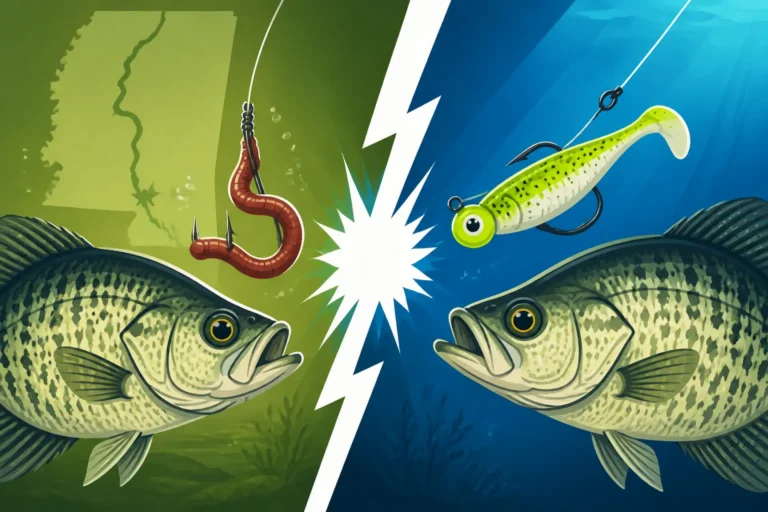
The jig itself is the heart of crappie fishing. These small, weighted lures come in an astonishing array of shapes, sizes, and colors. The most common type is a lead head jig, often paired with a soft plastic body. Soft plastics mimic small baitfish, insects, or minnows, and come in styles like grubs, tubes, swimbaits, and curly tails. Hair jigs, often made with bucktail or marabou, are also incredibly effective, especially in colder water, as their natural fibers offer a subtle, pulsating action.
Jig sizes typically range from 1/32 ounce to 1/8 ounce, though heavier jigs up to 1/4 ounce might be used in deep water or strong current. The general rule is to use the lightest jig you can get away with to reach the desired depth, as it provides a more natural fall. Colors are a whole different ballgame. There's an old saying, "The best color is the one they're biting on." However, some general guidelines apply: natural colors like white, pearl, clear, or light green often work well in clear water, while brighter colors like chartreuse, orange, pink, or neon green can be excellent in stained or muddy water, or on cloudy days. Don't be afraid to experiment! A well-stocked tackle box from Amazon will give you plenty of options to try.
Mastering the Art of Jig Fishing Techniques
Having the right gear is only half the battle; knowing how to use it effectively is what truly puts fish in the boat. Jig fishing for crappie involves several distinct techniques, each suited to different conditions and crappie behaviors. Let's dive into the most productive methods you'll use across Mississippi's waters.
Vertical Jigging: Precision in Deep Water
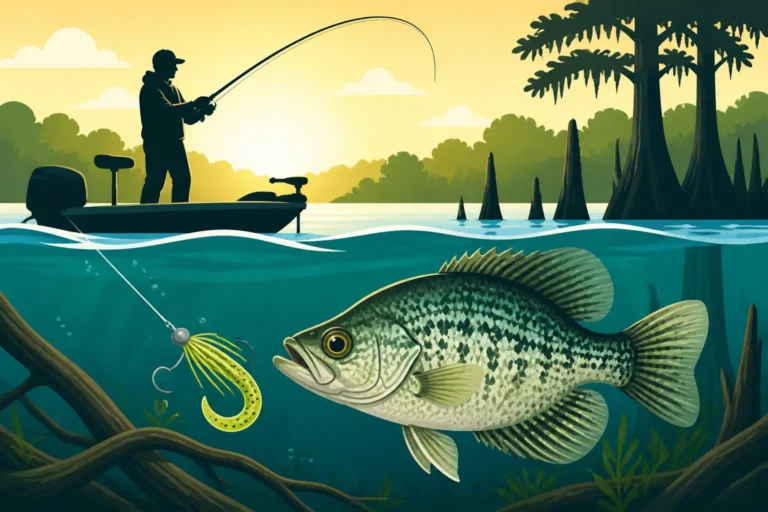
Vertical jigging is perhaps the most fundamental and effective method when crappie are concentrated in deep water, especially around specific structures like brush piles, submerged timber, or ledges. The idea is to position your boat directly over the fish, which usually requires a good fish finder. Once you've located a school or individual fish, you drop your jig straight down to their depth. The retrieve is subtle: a gentle lift of the rod tip (just a few inches to a foot), followed by a controlled fall, allowing the jig to flutter down naturally. The bite often comes on the fall, so pay close attention to any slack in your line or a sudden "thump."
Boat control is crucial here. Using a trolling motor to hold your position, even in light wind or current, allows for precise jig presentation. Many anglers will use multiple rods, each rigged with a different colored or sized jig, to quickly determine what the crappie prefer on that particular day. This technique shines during the colder months when crappie are less active and tightly schooled, but it's also effective in summer when they suspend deep. Mastering this often involves honing your skills at Deep Water Crappie Fishing Techniques.
Casting and Retrieving: Covering Water Effectively
While vertical jigging is about precision, casting and retrieving is about covering water and finding scattered fish. This technique is particularly effective when crappie are shallower during the spring spawn or when they're actively chasing baitfish in the fall. You'll cast your jig towards likely cover—docks, lily pads, fallen trees, or shallow brush piles—and then slowly retrieve it. The retrieve can vary: a steady, slow roll that keeps the jig just above the structure, or a series of short jerks and pauses that mimic a wounded baitfish.
Experiment with different retrieve speeds and cadences until you find what triggers a strike. Sometimes a steady retrieve is best; other times, a pause that lets the jig flutter on semi-slack line is what they want. Many anglers will use jigs with a curly tail grub or a small swimbait body for this, as these plastics have inherent action on a steady retrieve. Fan casting around an area helps ensure you present your lure to any fish holding in that vicinity.
Spider Rigging: The Multi-Rod Advantage
Spider rigging, sometimes called "pushing" or "tight-lining," is a highly efficient method for covering water slowly and presenting multiple baits at various depths and with different presentations. It's especially popular on large reservoirs like Grenada Lake or Sardis Lake in Mississippi. The setup involves mounting multiple rod holders around the front or sides of your boat, allowing you to deploy anywhere from 4 to 8 (or even more, depending on local regulations) rods. Each rod is typically rigged with a jig or a jig-and-minnow combination, and the boat is slowly propelled forward with a trolling motor.
By using different length rods and varying jig weights, you can present baits at multiple depths and distances from the boat simultaneously. This method is incredibly effective for locating schools of crappie and determining their preferred depth and lure quickly. It's a fantastic way to target suspended crappie over open water or along creek channels, particularly in the summer and winter months. You can delve deeper into this approach with our guide on Spider Rigging Techniques. The slow, steady movement mimics baitfish naturally, often triggering bites from less aggressive crappie.
Seasonal Strategies for Jig Fishing in Mississippi
The beauty of crappie fishing is that it's a year-round pursuit in Mississippi, but your jigging strategy needs to adapt to the changing seasons. What works in April won't necessarily work in August. Understanding these seasonal shifts is critical for consistent success.
Spring Crappie: Spawning Frenzy Jigging
Ah, spring! This is arguably the most anticipated time for crappie anglers. As water temperatures climb into the mid-50s and low 60s Fahrenheit, crappie move into shallow water to spawn. They'll be found in depths ranging from a few inches to 5-8 feet, often around submerged brush, stumps, lily pads, and shallow timber. During this period, crappie are often aggressive and focused on protecting their nests, making them relatively easier to catch.
For spring jigging, target those shallow, protected areas. Small jigs (1/32 to 1/16 ounce) in bright colors like chartreuse, pink, or orange, or natural colors like white and black, are often highly effective. You can cast them to cover and slowly retrieve, or even just pitch them into visible brush piles and let them sit for a moment before a slow lift. A jig tipped with a small minnow can be absolutely deadly. Look for "buck brush" or flooded willows where the water is slightly stained but not muddy, as these are prime spawning grounds. Remember to check Mississippi Crappie Regulations by Lake as limits can vary during this crucial season.
Summer Crappie: Deep Water and Thermoclines
When the Mississippi summer heat arrives and surface temperatures soar, crappie head for deeper, cooler water. They'll often suspend over creek channels, river ledges, and deep timber, seeking the comfort of the thermocline if one exists. This is where your electronics become invaluable, helping you pinpoint these schools. Crappie will often be found in 15-30 feet of water, sometimes even deeper, but they might suspend 5-10 feet off the bottom.
Vertical jigging or spider rigging are the most effective techniques during summer. Use heavier jigs (1/8 to 1/4 ounce) to get down to the fish quickly. While bright colors can still work, more subtle colors or even natural baitfish patterns can be effective in clearer, deeper water. The retrieve should be slow and methodical, as summer crappie can be less aggressive. Focus on shaded areas, points that drop off into deep water, and the edges of old river channels. Pay close attention to your fish finder; once you locate a school, mark that spot and work it thoroughly.
Fall Crappie: Following the Baitfish Migration
As autumn brings cooler temperatures, crappie enter a feeding frenzy, bulking up for the winter ahead. This is a fantastic time for jig fishing, as crappie often become highly active. They'll typically follow schools of baitfish, moving from deep summer haunts into shallower creek arms, coves, and main lake points where baitfish are abundant. The depths can vary widely, from 5 to 20 feet, depending on the day and the lake.
Both casting and vertical jigging can be highly effective in the fall. Look for concentrations of baitfish on your sonar, and you're likely to find crappie nearby. Jigs in natural baitfish colors like silver, white, or shad patterns are excellent choices, but don't shy away from chartreuse or orange, especially if the water has some stain. Crappie can be found schooling up on secondary points, creek channel bends, and around brush piles. The key is to find the bait, and the crappie won't be far behind. Often, a faster, more aggressive retrieve can trigger strikes during this active feeding period.
Winter Crappie: Slow and Deep Presentations
Winter crappie fishing requires patience and a subtle approach, but it can be incredibly rewarding. As water temperatures drop into the 40s and low 50s, crappie become much less active and congregate in large schools in the deepest parts of lakes and reservoirs. They'll often be found in the main river channel, deep creek channels, or around massive brush piles in 20-40 feet of water, sometimes even deeper.
For successful winter jigging, a slow, meticulous vertical presentation is paramount. Use the lightest jig possible (1/32 to 1/8 ounce) to maintain control and a natural fall. Marabou jigs or soft plastics with minimal action are often preferred, as they offer a more subtle presentation. Colors tend to be more subdued, like black and chartreuse, white, or natural baitfish imitations. The bite can be incredibly light, feeling like just a bit of added weight or a slight tick. Pay extra attention to your line for any movement. Our article on How to Catch Crappie in Cold Winter Water provides even more in-depth strategies for this challenging but productive season.
| Season | Typical Depth | Preferred Jig Weight | Recommended Colors | Primary Techniques | Crappie Behavior |
|---|---|---|---|---|---|
| Spring | 2-8 ft | 1/32 – 1/16 oz | Chartreuse, Pink, White, Orange | Casting, Vertical Jigging | Spawning, aggressive |
| Summer | 15-30+ ft | 1/8 – 1/4 oz | White, Shad, Natural, Chartreuse | Vertical Jigging, Spider Rigging | Deep, suspended, less active |
| Fall | 5-20 ft | 1/16 – 1/8 oz | Shad, Silver, Chartreuse, Orange | Casting, Vertical Jigging | Following bait, active feeding |
| Winter | 20-40+ ft | 1/32 – 1/8 oz | Black/Chartreuse, White, Natural | Vertical Jigging (slow) | Deep, tightly schooled, lethargic |
Common Mistakes to Avoid When Jigging for Crappie
Even the most seasoned anglers make mistakes, and crappie fishing, with its nuances, offers plenty of opportunities for them. Being aware of common pitfalls can help you learn faster and put more fish in your boat. Don't worry, we've all been there!
Too Fast, Too Heavy: The Subtlety of the Bite
One of the biggest mistakes newcomers (and even experienced anglers on tough days) make is fishing too fast or using too heavy a jig. Crappie, especially when they're not in an aggressive feeding mood, often prefer a slow, subtle presentation. A heavy jig falls quickly, making it harder for a lethargic crappie to react or for you to detect a soft bite. It also looks unnatural.
Instead, always strive to use the lightest jig you can manage for the conditions. If you're fishing 20 feet deep and there's no wind or current, a 1/32 or 1/16 ounce jig might be perfect. In contrast, a 1/8 ounce might be required if you're battling current or need to get down faster. Slow down your retrieve, whether casting or vertical jigging. Think about a wounded baitfish slowly fluttering. The bite often feels like nothing more than extra weight on your line, a slight twitch, or your line just stopping. If you're reeling and it suddenly feels "heavy" or "spongy," set the hook! It's probably a crappie.
Ignoring Electronics: The Modern Angler's Edge
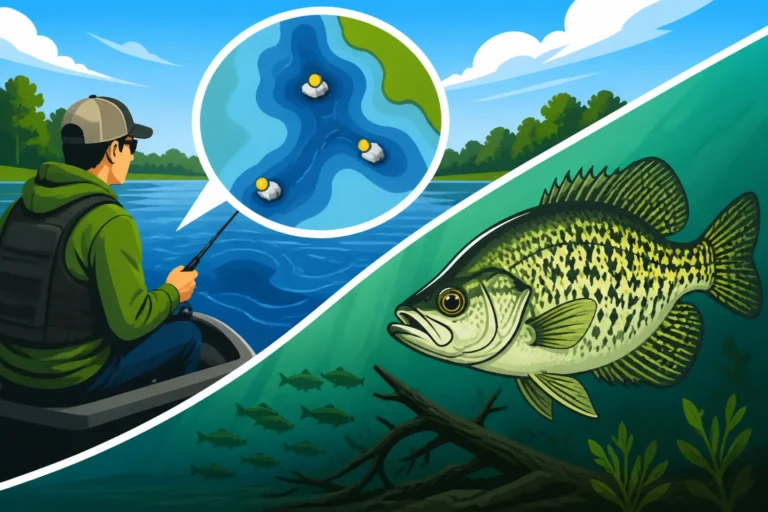
While old-school knowledge and feel are invaluable, ignoring modern fishing electronics is like trying to navigate without a map. Fish finders, particularly those with side imaging, down imaging, and 2D sonar, are game-changers for crappie jigging. They allow you to locate brush piles, submerged timber, creek channels, and, most importantly, the crappie holding to them, often before you even make a cast.
Many anglers make the mistake of having electronics but not truly understanding how to interpret them or simply not using them consistently. Take the time to learn your unit. Use your side imaging to scan wide areas for brush piles, then switch to down imaging or 2D sonar to confirm fish presence and depth. Being able to see crappie suspended around a brush pile means you can drop your jig precisely to their level, rather than blindly fishing. Our guide on How to Use a Fish Finder to Locate Crappie Brush Piles offers even more detailed tips on this. It's a significant investment, but one that pays dividends in crappie catches.
Sticking to One Spot: The Importance of Mobility
It's easy to get comfortable in one spot, especially if you caught a few fish there. However, one of the most common mistakes is to stay put, even when the bite dies off. Crappie are often schooling fish, and while you might find a concentration, they can move, or you might have simply picked off the aggressive ones. Sticking around for too long in a dead spot is a waste of precious fishing time.
Successful crappie anglers are mobile. They use their trolling motor to continuously search for new schools or active fish. If a spot dries up, move on. Circle back later, as crappie patterns can change throughout the day. Don't be afraid to explore new areas, even if they don't immediately look "fishy." Sometimes the biggest schools are in unexpected places. This means constantly reading your electronics and your surroundings, adjusting your depth and technique as you go.
Locating Crappie Hotspots for Jigging Success
Finding crappie is often the hardest part of crappie fishing. They're masters of camouflage and hiding. While electronics are a massive help, knowing the types of places crappie prefer to hang out will give you a significant advantage, even before you turn on your sonar. Let's explore these crappie magnets.
Natural Structure: Timber, Ledges, and Rock Piles
Crappie naturally gravitate towards structure that offers protection, ambush points, and proximity to food. Submerged timber, whether it's standing trees from a flooded area or fallen logs, is a classic crappie haven. These provide vertical cover, which crappie love, and are often teeming with baitfish and insects. Ledges and drop-offs, especially those leading into deeper channels, act as highways for crappie, allowing them to easily move between shallow feeding areas and deeper sanctuaries. They'll often hold right on the edge of these depth changes.
Rock piles, whether natural or man-made, also hold crappie. The rocks create crevices and hiding spots, and they often attract crawfish and other invertebrates, which in turn attract baitfish and crappie. On many of Mississippi's reservoirs, these types of natural features are abundant. Targeting areas where these structures intersect – for example, a timber line along a deep ledge – can be particularly productive. Remember, crappie often suspend above the actual structure, so be sure to check various depths. If you're keen on finding larger specimens, our article on Trophy Crappie in Mississippi Waters offers great insights into where those bigger fish might be lurking.
Man-Made Structures: Brush Piles and Docks
Beyond natural features, anglers owe a lot to man-made structures for crappie fishing. Brush piles are perhaps the most common and effective artificial cover. These are typically bundles of trees, limbs, or even old Christmas trees sunk to create concentrated habitat. They provide exactly what crappie look for: dense cover, shade, and a place for baitfish to hide. Many local fishing clubs and state agencies like the Mississippi Department of Wildlife, Fisheries, and Parks (MDWFP) sink brush piles in public waters, and coordinates are often available. However, many successful crappie anglers also sink their own.
Docks, piers, and bridge pilings are also crappie hotspots. The pilings provide vertical structure, and the shade created by the dock itself offers cooler water and low-light conditions, especially on sunny days. Crappie will often be found holding tight to the pilings or suspended directly under the dock. Even isolated buoys can hold crappie, as they attract baitfish. These easily accessible spots are great for bank anglers or those without a boat, offering a solid chance to hook into some crappie.
Creek Channels and Deep Bends: Highways for Crappie
Creek channels and deep river bends are incredibly important, serving as major migration routes and holding areas for crappie throughout the year, especially outside of the spring spawn. These channels provide deeper water that crappie can retreat to during extreme temperatures and serve as natural pathways for them to move between different parts of the lake.
During the summer and winter, crappie will often stack up along the edges of these channels or suspend directly over them, particularly where the channel makes a sharp bend or where it intersects with a flat or a submerged point. In fall, baitfish will often move into these channels, and crappie will follow them. Learning to identify these features on your sonar and focusing your efforts on the subtle contours and intersections can unlock some truly fantastic crappie fishing. Understanding the species that inhabit these environments is key, and our Mississippi Freshwater Fish Species Guide can provide further context on the diverse aquatic life you might encounter.
Disclaimer
Fishing conditions and regulations in Mississippi can change. Always consult the official Mississippi Department of Wildlife, Fisheries, and Parks (MDWFP) website or printed guides for the most current rules and regulations before heading out on the water. This information is for general guidance only and should not be considered a substitute for official sources.