Can You Bring Your Own Boat and Just Hire a Guide?
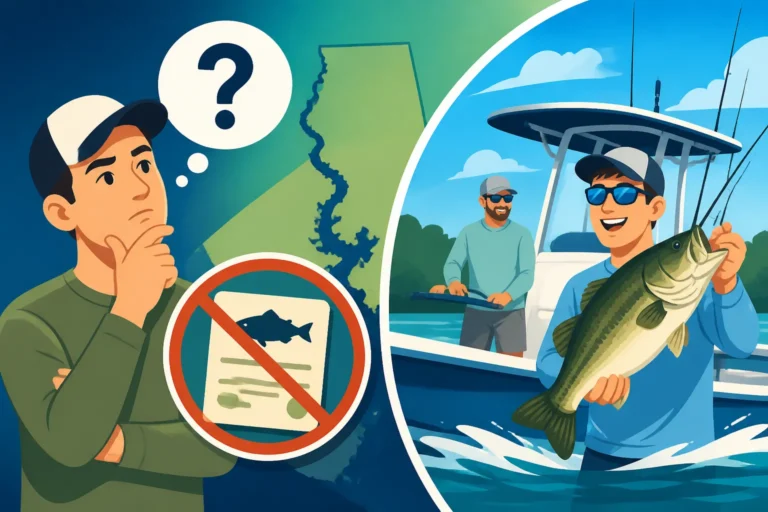
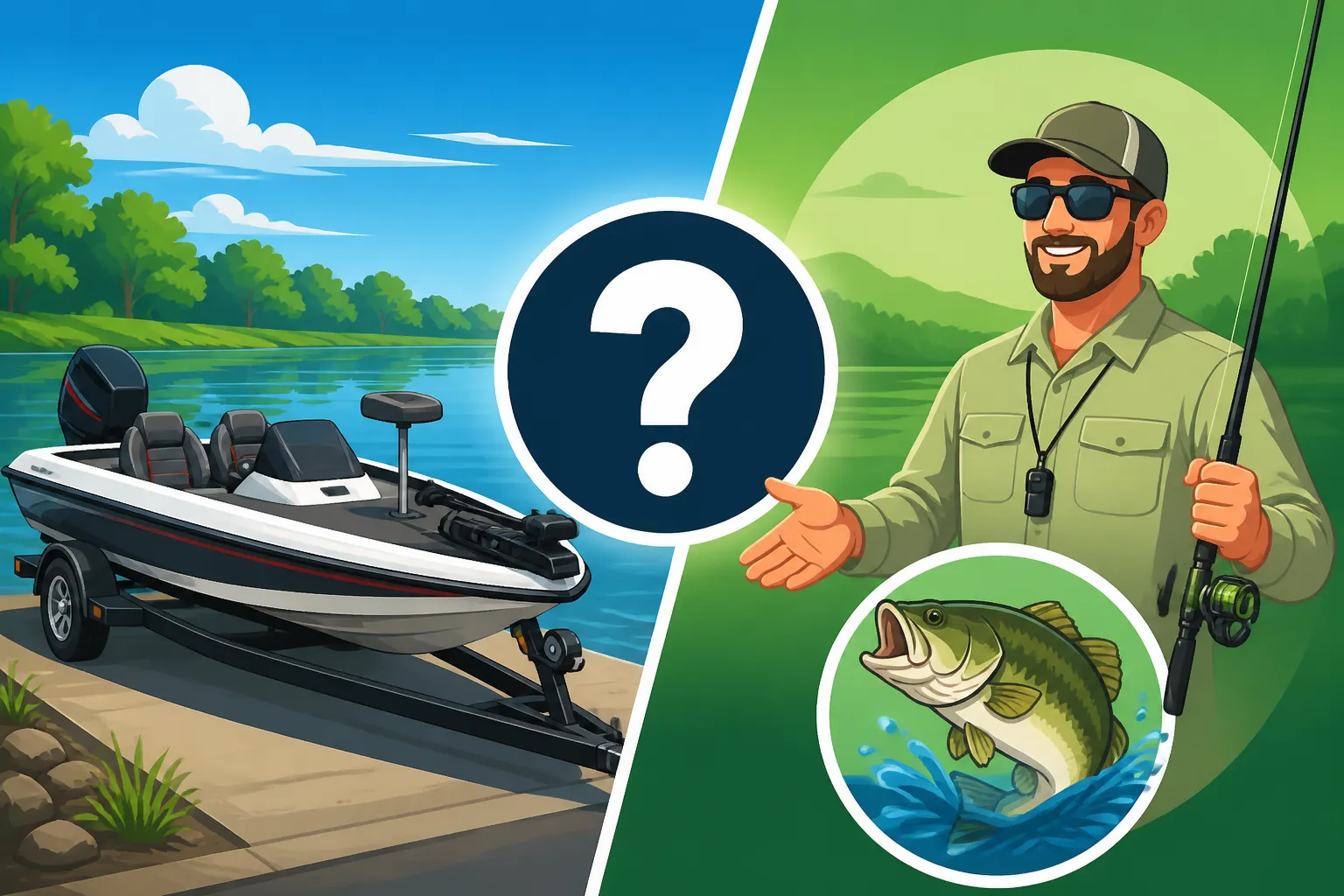
It's a common scenario for many passionate anglers in Mississippi: you've got your own boat, it's rigged just the way you like it, and you love being out on the water. But maybe you're new to a particular lake, or you're stuck in a rut with your usual spots and techniques, and you crave that expert local knowledge. The big question then becomes, can you bring your own boat and just hire a guide to come along with you? This guide will dive deep into that very specific query, helping you understand the feasibility, benefits, and challenges of bringing your own vessel to a guided fishing trip here in the Magnolia State.
Understanding the "Why": Benefits of a Guide on Your Own Boat
Many folks think if you're hiring a guide, you're automatically going to be hopping onto their boat. And sure, that's often the most straightforward way to do it, and it works great! But for those of us who have invested time and effort into our own vessels, and are comfortable with them, the idea of having an expert step aboard our familiar craft holds a unique appeal. It's not about lacking a boat; it's about leveraging what you have with professional insight.
Why You'd Want This Unique Experience
Imagine you've got your trusty bass boat, perfect for navigating the stumps and shallows of Ross Barnett Reservoir, but you just can't seem to crack the code on where the big ones are hiding this season. Or perhaps you're thinking about tackling Grenada Lake for crappie, but you're intimidated by its vastness and legendary reputation, and you want to learn the local secrets on your own setup. This is where the "bring your own boat" guided trip really shines. You get to keep your comfort, your gear, and your familiar environment, while gaining the invaluable experience of a seasoned professional.
It’s about more than just catching fish; it’s an educational opportunity. You want to learn how to fish your boat more effectively in Mississippi waters. A guide stepping onto your boat can teach you specific techniques for your electronics, how to run your trolling motor more efficiently in local currents, or even where to position your boat for optimal casting angles in those secret honey holes. It’s a hands-on masterclass tailored to your equipment and your skill level, building your confidence for future solo trips. This can be especially true if you’re looking to improve your skills for specific species like Largemouth Bass Fishing in Mississippi or Crappie Fishing in Mississippi.
Personalized Learning and Local Insight
When a guide joins you on your boat, the entire experience becomes incredibly personalized. They're not just showing you fish; they're showing you how to find them with your setup. They can look at your depth finder, analyze your sonar readings, and explain what they mean in the context of specific Mississippi lake bottom structures. This is far more effective for long-term learning than simply being told "fish here" on someone else's boat. They can explain Bass Fishing Techniques for Mississippi Anglers or Crappie Fishing Techniques for Mississippi Lakes right there on your deck, demonstrating with your rods and reels.
Think about it: a guide can help you understand the nuances of a particular spot, like why fish hold on a certain creek channel bend on Pickwick Lake, or how the current affects bait presentation in the Mississippi River. They can teach you how to read the water in ways you never considered, pointing out subtle signs of baitfish or ideal ambush points for predators. This direct, in-the-moment coaching, applied to your own equipment and fishing style, makes for a deeper, more impactful learning experience that you can immediately replicate on your next outing. It transforms a simple fishing trip into an advanced training session, allowing you to truly master the local waters yourself.
Navigating the Logistics: Finding the Right Guide and Setting Expectations
While the idea of having a guide on your boat is appealing, it's crucial to understand that not all guides offer this service. Many guides operate with their own specialized boats, equipped precisely for their style of fishing and for carrying clients. So, finding a guide willing to jump aboard your vessel requires a bit more intentional searching and clear communication upfront.
The Search for a "Bring Your Own Boat" Guide
Your first step is to recognize that this is a specialized request. Don't assume every guide listed online or at your local tackle shop will accommodate it. You'll need to actively seek out guides who specifically mention "on-your-boat" or "instructional" trips, or those who are open to discussing the possibility. Start by looking at guides who focus on education, technique improvement, or those who cater to specific local waterways where you own a boat.
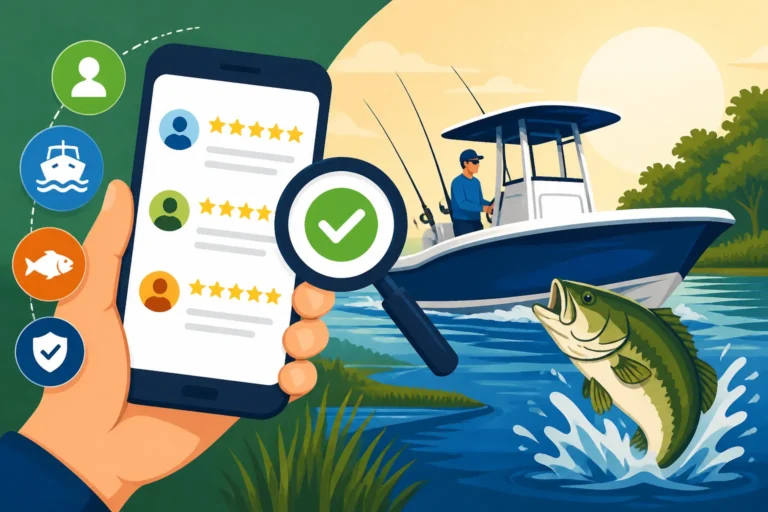
Websites and platforms like FishingBooker can be excellent resources for finding guides. When you're browsing, look for profiles that hint at flexibility or a focus on teaching. If a guide emphasizes "learn to fish like a pro" or "improve your sonar skills," they might be more receptive. Don't be afraid to reach out directly to potential guides with a clear, concise inquiry about their willingness and experience with on-your-boat trips. Be prepared to explain what kind of boat you have, its size, and what features it offers, like electronics packages. It’s also wise to check if they are a Licensed Fishing Guides in Mississippi.
Here's a quick comparison of what you might expect:
| Feature | Guide's Boat Trip | Your Boat Guide Trip |
|---|---|---|
| Boat Familiarity | Guide knows every nook and cranny | You know your boat, guide adapts |
| Equipment | Guide provides all gear, specialized setups | You use your gear, guide advises on it |
| Learning Focus | Catching fish, general techniques | Specific to your boat, your gear, your skills |
| Logistics | Show up, hop on, fish | Coordinate boat launch, ensure guide compatibility |
| Guide Availability | Widely offered by most guides | More specialized, fewer guides offer |
| Insurance/Liability | Guide's responsibility for boat issues | Your boat, your primary responsibility |
| Cost | Standard guide rates | Potentially similar, some might charge premium for flexibility |
Essential Conversations Before You Book
Once you've identified a few potential guides, open a dialogue that leaves no room for misunderstanding. Be crystal clear about your intentions: "I have my own bass boat/bay boat/etc., and I'd like to hire you to guide me on it for a day on [Specific Lake/River]." Discuss the specifics of your boat – make, model, length, engine size, and most importantly, what kind of electronics you have (e.g., brand of fish finder, GPS, trolling motor with spot-lock). This helps the guide assess if your boat is suitable and if they can effectively teach you with your equipment.
Furthermore, discuss their comfort level and experience operating or teaching from a client's boat. Some guides might have strict policies or specific requirements. You'll also want to cover important logistical details like meeting points, launch ramps, and what equipment the guide prefers to bring (e.g., their own rods, tackle, or just their expertise). It’s also crucial to clarify insurance and liability. Your boat is your responsibility, and you need to understand any implications of having a guide on board. Don't shy away from asking about their standard rates and if they have a different rate for this specific type of service. Confirming these details upfront is vital for a smooth and productive trip. You'll want to be sure they understand your goals, whether it's learning Mississippi Black Bass Regulations or mastering new Catfish Fishing Techniques.
Preparing for Your On-Water Adventure: What to Expect
Once you've found a guide willing to embark on your vessel, the preparation phase becomes key to a successful day. It's a partnership, and you both need to be ready to make the most of the unique arrangement.
Getting Your Boat Ready for a Guest Guide
Before your guide steps foot on your boat, make sure your vessel is in tip-top shape. This isn't just about courtesy; it's about maximizing the time on the water and ensuring safety. Double-check all your safety equipment: life jackets, fire extinguisher, horn, and throw cushion. Make sure your navigation lights work, especially if you plan on being out early or late. A guide might also check for a Mississippi Fishing License Guide or remind you of current regulations.
Beyond safety, consider the functionality of your fishing specific gear. Ensure your trolling motor batteries are fully charged, your depth finder/GPS units are functioning correctly, and any livewells are clean and ready. Clear out any unnecessary clutter from the deck to provide ample working space for both you and your guide. Think about where the guide will sit, where they might cast from, and how they can comfortably move around. Having a clean, organized, and fully functional boat shows respect for the guide's time and expertise, and sets the stage for a productive teaching environment. Don't forget basic provisions like plenty of water, snacks, and any personal items you'd typically bring, as well as considering What to Bring on a Mississippi Fishing Charter.
Making the Most of Your Guided Session
When the day finally arrives, your primary goal should be to absorb as much knowledge as possible. This isn't just a day to catch fish (though that's certainly a bonus!); it's an opportunity for hands-on learning. Be an active participant. Ask questions, observe their techniques, and don't be afraid to ask them to slow down or repeat something if you don't understand.
Your guide might show you how to interpret different sonar readings on your fish finder, pointing out fish arches, bait balls, or subtle changes in bottom contour that you've overlooked before. They might demonstrate Jig Fishing for Crappie using your own tackle, explaining why they choose a particular jig color or weight for the current conditions. Or perhaps they'll help you refine your casting accuracy for pitching into tight cover for bass. Embrace the opportunity to learn how your boat and your gear can be used more effectively on specific Best Fishing Spots in Mississippi. This is your chance to elevate your own skills dramatically, moving beyond casual angling to truly understanding the patterns and behaviors of fish in Mississippi's diverse waterways.
Beyond the Trip: Maximizing Your Investment
A guided trip on your own boat isn't just about the hours spent on the water; it's an investment in your long-term fishing success. The true value comes from how you apply what you've learned to your future solo outings.
Integrating New Knowledge into Your Fishing
After your trip, take some time to reflect on everything you learned. Review any notes you took, mentally re-run the scenarios where the guide offered advice, and look back at your GPS waypoints if you marked new spots or interesting structures. The guide likely showed you specific retrieves for certain lures, or how to read subtle changes in water temperature or clarity that indicate where fish might be holding.
The next time you're out on your boat, consciously try to implement these new techniques. Use your electronics to scan for the types of bottom features the guide taught you to identify. Cast to the areas they emphasized, and experiment with the baits and presentations they recommended. Don't be discouraged if it doesn't click immediately; mastery takes practice. The goal is to make these new skills a natural part of your fishing repertoire, allowing you to confidently tackle different conditions and target species like Catfish Fishing in Mississippi on your own. This continuous application is where the investment truly pays off.
Considering Future Guided Trips
Just because you've had one successful guided trip on your boat doesn't mean you can't have another! In fact, many anglers find that these types of instructional trips become a valuable annual or semi-annual tradition. As seasons change, or as you decide to explore a new body of water, bringing a guide back onto your boat can provide fresh perspectives and updated strategies. For instance, if you had a successful bass trip in the spring, you might consider booking another guide to learn How to Catch Bass in Hot Summer Weather during the tougher summer months on the same lake.
You might even consider hiring a different guide specializing in another species or technique, further broadening your knowledge base while still using your trusted vessel. Perhaps you want to learn advanced Trolling for Crappie on Mississippi Reservoirs or master specific Redfish Fishing Techniques on the Gulf Coast with your bay boat. Each trip with a new expert can unlock different secrets and help you refine your skills in new ways. Platforms like FishingBooker often allow you to search for guides based on their specialties and experience, making it easier to find the perfect match for your evolving fishing goals. It's a continuous journey of learning, and your boat is the perfect classroom.
Disclaimer
This article is for general informational purposes only and does not constitute professional advice. Laws, prices and regulations vary by location and change over time. Consult a qualified professional for guidance on your specific situation.