How to Read Reviews Before Booking a Charter
Deciding on the perfect fishing charter for your Mississippi adventure can feel like navigating a maze, especially with so many options vying for your attention. You're probably sifting through websites, comparing prices, and then, inevitably, you land on the reviews section. It's overwhelming to tell the genuine experiences from the fluff, leaving you wondering if you're truly picking the right guide. This guide will help you confidently decipher those crucial reviews so you can book a charter that leads to unforgettable memories, not regret.
Why Reviews Are Your Best Friend (and Biggest Deceiver)
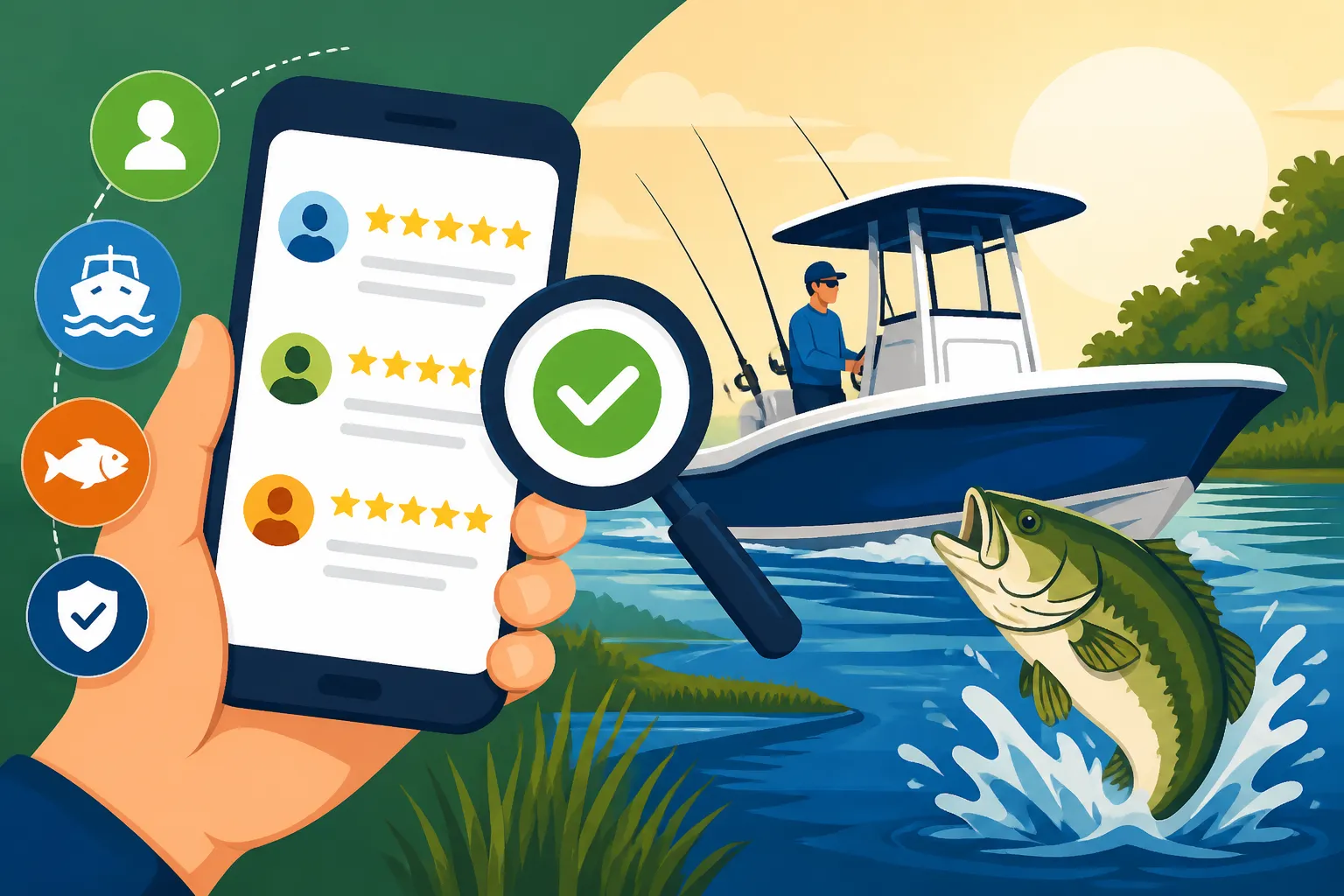
In today's digital world, online reviews are like word-of-mouth recommendations on steroids. They offer a window into other anglers' experiences, providing insights that brochures and glossy websites simply can't. Think of them as a crowdsourced report card for a charter captain and their crew. However, not all reviews are created equal, and knowing how to discern the genuine from the less-than-truthful is a critical skill for any savvy angler.
When you're looking at a captain's page, whether it's on their direct site or a booking platform like FishingBooker, the sheer volume of stars and comments can be intimidating. It's easy to get swept up in the glow of five-star ratings, but sometimes the most telling information lies buried within the less perfect scores or in the subtle nuances of language. Don't just glance at the average; dig deeper to truly understand what you're getting into. A five-star rating with no details is far less useful than a four-star rating explaining exactly why it wasn't perfect, but still a great trip.
Ultimately, reviews are a powerful tool, but like any tool, they need to be used correctly. They can save you from a disappointing trip or steer you towards a truly exceptional one. The key is approaching them with a critical eye and understanding what elements to prioritize based on your own fishing goals and preferences. It's not just about finding a captain who catches fish, but one who offers the kind of experience you're seeking.
The Good, The Bad, and The Fake: What to Look For
When you're scrolling through reviews, you'll encounter a spectrum of feedback, from glowing praise to scathing critiques, and sometimes, reviews that just feel…off. Understanding the characteristics of each type can help you interpret them more accurately. A truly "good" review often contains specific details, mentions the captain by name, details the type of fish caught, the weather conditions, and personal highlights, such as the captain's patience with kids or their knowledge of best fishing spots on the Mississippi Gulf Coast. These are the gold standard because they offer actionable insights.
"Bad" reviews, while disheartening, can be incredibly informative if they're genuine. Look for complaints that detail specific issues like a dirty boat, broken equipment, or a captain's poor attitude. Was the booking process confusing? Did they feel rushed? These criticisms, especially if echoed by multiple reviewers, point to consistent problems that you'll want to avoid. However, a single, overly emotional negative review without specific grievances might just be an anomaly or a clash of personalities.
"Fake" reviews are the trickiest to spot. They can be overly enthusiastic with generic praise ("Best trip ever! So much fun!") or suspiciously vague ("Great captain, caught lots of fish."). On the flip side, fake negative reviews, sometimes left by competitors, often lack specific details or use overly dramatic language without substance. Pay attention to the reviewer's profile: do they have a history of other reviews, or is this their only contribution? Platforms like FishingBooker often have systems to verify reviews, which can help weed out some of the less authentic ones.
Spotting Red Flags in Reviews
Knowing what raises a red flag in a review is almost as important as understanding what makes a good one. A major red flag is a sudden influx of highly positive, yet vague, reviews after a period of poor feedback. This can indicate an attempt to artificially boost ratings. Look for reviews that sound too similar, using identical phrases or structures, as if they were copied and pasted. This lack of originality can signal that they're not from independent sources.
Another red flag is a disproportionate number of reviews from users who have only ever reviewed that one specific charter. While everyone starts somewhere, a pattern of single-review accounts giving only five stars to one business can be suspicious. Similarly, be wary of reviews that seem to dismiss legitimate concerns by other users without offering any counter-explanation other than "they just had a bad day." A charter captain's response to negative feedback can also be telling; a defensive or aggressive reply is often a worse sign than the negative review itself.
Finally, consider the timing. If all the positive reviews popped up within a very short, recent timeframe, it might be a marketing push rather than organic growth. Legitimate reviews typically trickle in over time, reflecting ongoing business. Be sure to check the dates of the reviews. A charter might have been fantastic three years ago, but if all recent feedback is negative, it indicates a decline in service or a change in captain or crew.
Deciphering the Details: Beyond the Star Rating
The star rating is a great starting point, a quick snapshot of overall satisfaction. But honestly, it's just the appetizer. The real meat of the review lies in the descriptive text. This is where you'll find the nuances that will truly make or break your decision. You need to go beyond the average score and immerse yourself in the stories and experiences shared by previous customers. This narrative content provides context that no numerical rating ever could.
Think about what you value most in a fishing trip. Is it a family-friendly atmosphere, the chance to land a trophy fish, or a relaxed day on the water? The comments will reveal how well a charter delivers on these different fronts. For example, a five-star rating might come from an experienced angler who loved the challenge, but the detailed review might mention the captain's intense focus and minimal interaction, which wouldn't suit a family with young children. Conversely, a lower star rating might come from someone who didn't catch many fish, but the detailed review might praise the captain's hospitality and the boat's comfort, which could be exactly what you're looking for.
This deep dive into the specifics allows you to build a more accurate picture of the charter's strengths and weaknesses relative to your own expectations. It helps you see past the generalized sentiment and focus on the practical realities of the trip. Remember, a "good" charter is subjective, and what one angler considers a fantastic experience, another might find disappointing.
What Specific Details Matter Most?
When you're combing through reviews, certain specific details pop up repeatedly that can give you a clear picture of what to expect. First and foremost, look for comments about the captain's personality and communication style. Is the captain patient, friendly, and good with beginners or kids? Are they knowledgeable and willing to share tips? Or are they quiet, reserved, or even gruff? This is huge for the overall vibe of your trip, especially if you're bringing family or Kids on Charter Boats.
Next, pay close attention to descriptions of the boat and equipment. Is the boat clean, well-maintained, and comfortable? Are the rods, reels, and tackle in good condition? Nothing sours a fishing trip faster than malfunctioning gear or an unkempt vessel. Reviews that mention the quality of the bait provided or the readiness of the gear are particularly helpful. For example, a review stating, "The boat was spotless, and the captain had all top-of-the-line rods ready to go," gives you a much better feeling than "The gear was a bit worn, but it did the job."
Finally, look for details about the fishing experience itself. Did the captain work hard to find fish, even if conditions were tough? Were they adaptable? What species were caught, and were the anglers satisfied with the numbers or size? Comments about the captain's willingness to go the extra mile, explain techniques, or adapt to changing conditions (like What Happens If the Weather Is Bad on Charter Day) are incredibly valuable. Even if the fishing was slow, a good review might highlight the captain's effort and positive attitude, which can still make for a memorable day.
Reading Between the Lines: Tonal Clues
Beyond the explicit statements, the tone of a review can reveal a lot about the true experience. A genuinely satisfied customer often uses enthusiastic, positive language, but it feels authentic – they might describe moments of excitement, specific interactions, or even a sense of accomplishment. They might mention aspects like, "The captain was incredibly patient when my son tangled his line for the third time!" or "We learned so much about Speckled Trout Fishing Techniques that day." This kind of specific, heartfelt praise is usually a good sign.
On the other hand, look for signs of passive-aggressive language or veiled disappointment. For example, a review that says, "We went out, and we fished for a few hours," without any further detail about the enjoyment or success, might suggest a mediocre experience. A review that mentions, "The captain was present," rather than "The captain was engaging," could indicate a lack of interaction. Sometimes, what's not said is as important as what is said. If a key aspect like "fish caught" is conspicuously absent from an otherwise positive review, it might imply the fishing wasn't great.
It's also worth noting how the reviewer describes their overall feeling. Do they express excitement about returning, or do they simply say, "It was fine"? Pay attention to recurring themes in the tone. If multiple reviews, even those with decent star ratings, hint at a rushed feeling, or a lack of personal attention, that’s a consistent tonal clue that tells you something about the charter's operating style. This "reading between the lines" helps you connect the dots and form a more complete understanding of the charter's reality.
Practical Steps for Review Analysis
Okay, so you've learned what to look for and how to interpret the subtle clues. Now, let's talk about putting it all into practice. It's not enough to just read reviews on one platform and make a decision. A truly informed choice comes from a more holistic approach, combining various sources and tools at your disposal. This systematic analysis will give you the confidence that you're making the best choice for your hard-earned fishing trip.
Remember, booking a fishing charter isn't a small investment, and your time on the water is precious. Whether you're planning a trip for Red Snapper Fishing on the Mississippi Coast or a relaxing day catching Bream and Bluegill Fishing in Mississippi, the effort you put into researching reviews now will pay dividends in enjoyment later. Don't rush this process; treat it as an essential part of your pre-trip planning.
One final piece of advice: trust your gut. After reading through numerous reviews, you'll start to develop a feeling about certain captains and operations. If something feels off, even if you can't pinpoint exactly why, it's probably worth exploring other options. Your intuition, combined with solid review analysis, is your strongest tool.
Cross-Referencing and Broader Research
Never rely on just one source for reviews. Savvy anglers know that cross-referencing information across multiple platforms is key to getting a well-rounded perspective. Start by checking the primary booking site you're considering, like FishingBooker, which often features verified reviews from actual customers. But don't stop there. Take the captain's or charter's name and do a quick search on Google, Facebook, and even dedicated fishing forums or local guides' websites.
Often, you'll find different insights on different platforms. For instance, a captain's own website might feature only testimonials, which are inherently positive, while Google Reviews or Yelp might provide a broader, unfiltered view. Social media groups for local fishing in Mississippi can also be a goldmine, as people often share their honest experiences and recommendations in real-time. Look for consistency in the feedback – if a captain consistently receives praise for their expertise with Crappie Fishing Techniques for Mississippi Lakes across all platforms, that's a strong indicator.
Furthermore, don't be afraid to broaden your research beyond just reviews. Look at the charter's social media presence. Do they post recent catches? Do they engage with comments? This gives you an idea of their current activity and customer interaction. You can also check if the captain is a Licensed Fishing Guides in Mississippi through state resources, which offers another layer of confidence. The more data points you gather, the clearer the picture of the charter's reputation and reliability becomes.
Using Platforms like FishingBooker Effectively
Booking platforms like FishingBooker are designed to streamline the process, but they also offer powerful tools for review analysis if you know how to use them. First, take advantage of the filters. Many platforms allow you to filter reviews by date, rating, or even keywords. Want to know about family-friendliness? Search for "kids" or "family." Curious about specific fish species? Type in "redfish" or "bass." This can quickly narrow down relevant feedback.
Secondly, pay attention to verified reviews. Many reputable platforms will distinguish between reviews left by users who actually booked through their system versus general public reviews. Verified bookings mean the reviewer genuinely used the service, adding a layer of credibility. On FishingBooker, for instance, you'll often see indicators that the review came from a confirmed trip, which is incredibly helpful.
Lastly, look at the captain's response to reviews. Some platforms allow captains to respond to feedback, both positive and negative. A thoughtful, professional response to a less-than-stellar review can actually be a good sign, showing they care about customer satisfaction and are willing to address issues. Conversely, no response or a defensive one can be a red flag. Using these platform features effectively allows you to quickly sift through a large volume of information and focus on what matters most for your specific trip.
| Review Aspect | What to Look For | Red Flags to Watch Out For |
|---|---|---|
| Specificity | Detailed accounts of fish caught, captain's actions, specific positive/negative events. | Vague, generic praise ("great trip," "so much fun") or complaints without examples. |
| Consistency | Similar positive or negative themes across multiple reviews from different people. | Drastic swings in sentiment, particularly after a negative review, or contradictory details. |
| Recency | Current reviews from the last year or so. | All reviews are very old, or a sudden flood of new reviews in a short period. |
| Reviewer Profile | Reviewers with multiple contributions, various interests. | Accounts with only one review (especially a 5-star for that specific charter). |
| Captain's Response | Professional, polite, and constructive responses to all feedback. | Defensive, aggressive, or no responses to negative reviews. |
| Emotional Tone | Authentic excitement, genuine appreciation, or clear, calm explanation of dissatisfaction. | Overly effusive or dramatic language that feels forced; passive-aggressive remarks. |
Disclaimer
This article is for general informational purposes only and does not constitute professional advice. Laws, prices and regulations vary by location and change over time. Consult a qualified professional for guidance on your specific situation.