How to Choose Between Nearshore and Offshore Trips
The thought of casting a line into Mississippi's abundant waters is exciting, but for many, the biggest hurdle isn't catching the fish—it's figuring out where to even begin. Specifically, when you're looking at saltwater adventures along our beautiful Gulf Coast, the question of whether to book a nearshore or an offshore trip can feel like a real head-scratcher. Both offer incredible experiences, but they are distinctly different. This guide is designed to cut through the confusion, helping you understand the unique characteristics of each option so you can choose the perfect fishing charter for your group and ensure your Mississippi fishing trip is exactly what you hoped for.
Understanding the Difference: Nearshore vs. Offshore Fishing
Before you even start looking at boats or captains, it's essential to grasp the fundamental differences between nearshore and offshore fishing. It's not just about how far you travel; it's about the entire experience, the type of fish you'll encounter, and the conditions you'll face.
What Exactly is Nearshore Fishing?
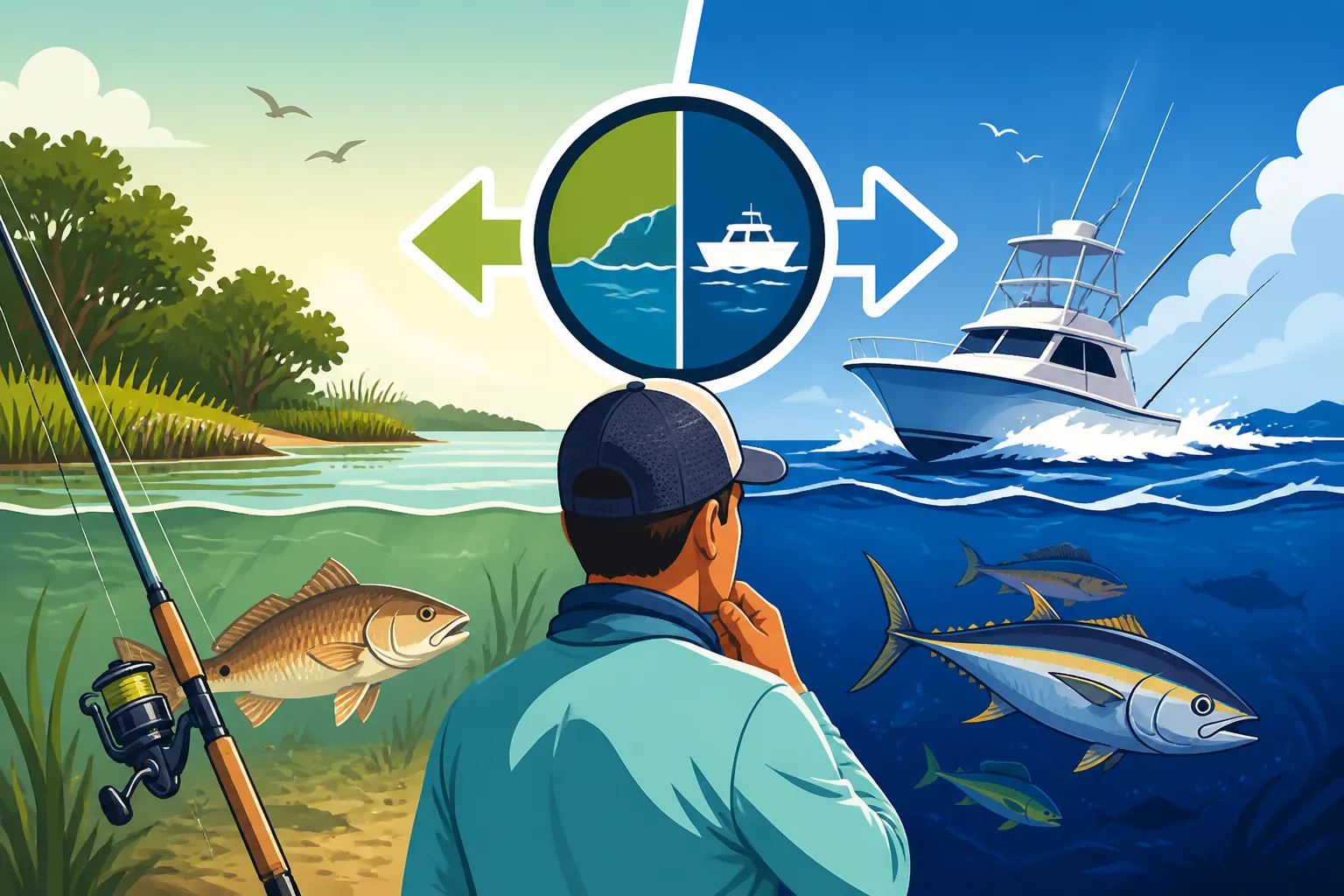
When we talk about nearshore fishing, we're generally referring to fishing trips that stay relatively close to the Mississippi coastline, typically within a few miles of land. Think of it as fishing the "skinny" waters or the immediate coastal zone. These trips often take place in bays like Biloxi Bay or Bay St. Louis, around the barrier islands, over artificial reefs that are relatively shallow, or even around structures like visible oil rigs and gas platforms that aren't too far out. The water depth in these areas is usually shallower, ranging from just a few feet up to 50 or 60 feet.
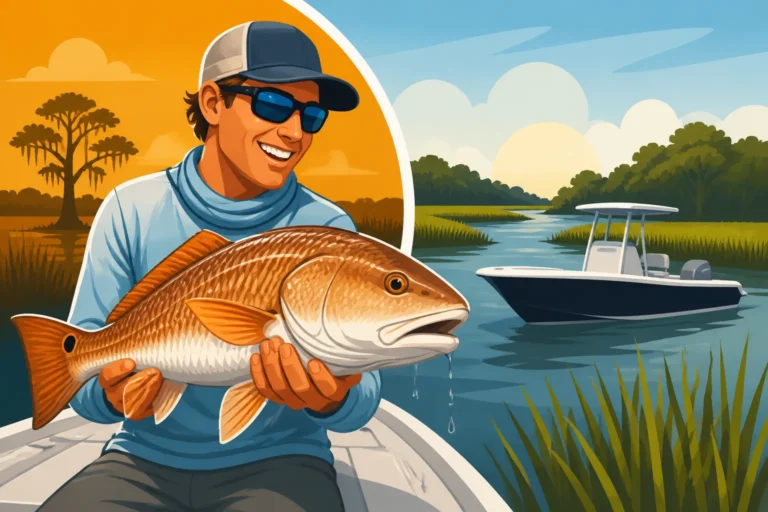
The beauty of nearshore fishing lies in its accessibility and often calmer conditions. You're usually on the boat for a shorter duration of travel time to reach fishing spots, meaning more actual fishing time. The ride out to the grounds is typically smoother, making it a fantastic option for families, beginners, or anyone who might be prone to seasickness. The species you'll target are often plentiful and can include popular catches like Speckled Trout, Redfish, Flounder, Sheepshead, and various species of drum. It's a fantastic way to experience the thrill of a saltwater catch without venturing too far into the open Gulf. Many folks on a vacation want to catch dinner, and nearshore fishing is often the most productive and enjoyable way to fill a cooler with delicious fish that are perfect for a fresh fish fry.
Delving into Offshore (Deep Sea) Fishing
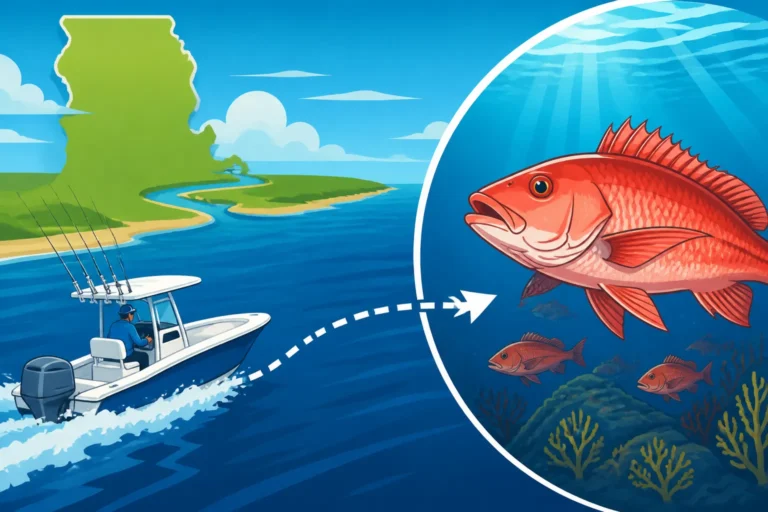
Offshore, or deep sea, fishing is a completely different beast, and it's certainly not for the faint of heart! These trips involve heading much further out into the Gulf of Mexico, often traveling 20, 50, or even over 100 miles from the Mississippi coastline. The journey alone can take a significant portion of the trip, as captains navigate large boats to distant fishing grounds. Once there, you'll be fishing in much deeper waters, sometimes hundreds of feet down, targeting natural reefs, deep-water wrecks, and substantial oil and gas platforms that are barely visible as specks on the horizon.
The draw of offshore fishing is the chance to hook into truly formidable, larger-than-life game fish. We're talking about species like mighty Red Snapper, hard-fighting Amberjack, fast-swimming King Mackerel, acrobatic Mahi-Mahi (Dolphin), Wahoo, various Tuna species, Grouper, and the highly sought-after Cobia. Catching these fish often involves specialized gear and requires considerable strength and stamina, as they put up an incredible fight. Offshore trips are typically longer, often lasting a full day (8-10 hours) or even extending into multi-day adventures for those truly committed. The conditions can be rougher, with open ocean swells, and seasickness is a more common concern. It's an adventure for those seeking a true challenge, a rush of adrenaline, and the potential for a trophy fish that will be a story for a lifetime. If you're looking for that epic battle, the deep sea calls your name.
Factors to Consider When Making Your Choice
Deciding between nearshore and offshore isn't about one being "better" than the other; it's about finding the right fit for you and your group. Several key factors should weigh into your decision-making process.
Your Fishing Goals and Target Species
This is arguably the most crucial factor. What do you really want to catch, and what kind of fishing experience are you hoping for?
If your dream is to enjoy a relaxed day on relatively calm waters, reel in plenty of tasty fish like Speckled Trout and Redfish, and potentially fill a cooler for a delicious seafood feast, then nearshore fishing is likely your ideal choice. It offers consistent action and a great variety of inshore species that are excellent table fare. Many families or casual anglers find immense satisfaction in the steady bites and comfortable environment that nearshore trips provide. You might want to check out our Mississippi Saltwater Fish Species Guide to get a better idea of what swims where.
However, if your ambition is to battle a powerful, large game fish, to feel the strain of a huge Red Snapper pulling against your line from hundreds of feet down, or to chase pelagic species that scream line off the reel, then offshore fishing is what you're after. These trips are designed for the thrill of the hunt for bigger, stronger fish. While the action might not be constant, the reward of landing a trophy-sized King Mackerel or a beautiful Mahi-Mahi is unparalleled. Just remember, some of these species, like Red Snapper, are subject to very specific Red Snapper Season Dates, so timing your trip correctly is vital.
Time Commitment and Trip Length
How much time do you have to dedicate to your fishing adventure? This will significantly narrow down your options.
Nearshore fishing trips are incredibly flexible. You can often find charters offering half-day excursions (typically 4-5 hours) or full-day trips (6-8 hours). The advantage here is less travel time to and from the fishing grounds, which means more actual time with your line in the water. This flexibility makes nearshore trips perfect if you have other vacation plans, want to avoid being on the water all day, or are just testing the waters with a shorter fishing experience. You can easily fit a morning or afternoon trip into your schedule without sacrificing an entire day. For more on this, check out Half-Day vs Full-Day Charters on the Mississippi Coast.
Offshore trips, by their very nature, require a much more substantial time commitment. Due to the significant distances involved, most offshore charters are full-day trips, often lasting 8 to 10 hours, and sometimes even longer. The travel time to reach productive deep-sea spots can be several hours each way, so be prepared for a long day on the water. If you're short on time or have a tight schedule, an offshore trip might feel rushed or leave you exhausted. However, if you have a full day to dedicate to the pursuit of big fish and don't mind the journey, the extended time offshore allows you to reach the best spots and maximize your chances for those epic catches.
Budget and Cost Implications
Let's be realistic – fishing charters come with a price tag, and understanding the general cost difference between nearshore and offshore trips is important for planning your budget.
Generally, nearshore fishing trips tend to be more budget-friendly. This is due to several factors: the boats are often smaller, they consume less fuel because they don't travel as far, and the trips are typically shorter in duration. This makes nearshore charters a great value for families or groups looking for an enjoyable and productive fishing experience without breaking the bank. While I can't give specific figures, you'll usually find them more accessible.
Offshore fishing, on the other hand, is almost always more expensive. The larger, more robust vessels required for open ocean conditions are costlier to operate and maintain. Fuel consumption for a long journey far offshore can be substantial. The specialized heavy-duty tackle needed for bigger fish also adds to the operational costs. Therefore, you can expect the overall price for an offshore charter to be significantly higher than a nearshore trip. Always check with specific charter companies for their current rates and what exactly is included in the price. It's always a good idea to clarify if things like bait, tackle, and even fishing licenses are part of the package or if you'll need to purchase them separately. Our guide on Mississippi Fishing Charter Prices might give you some insights.
Experience Level and Physical Demands
Consider the physical comfort and experience level of everyone in your fishing party. This can be a deal-breaker for some.
Nearshore fishing is generally a much more comfortable and less physically demanding experience. The waters closer to shore and within the bays are typically calmer, reducing the likelihood of severe seasickness. The fight with most nearshore species, while exciting, isn't usually as physically taxing as battling a large offshore fish. This makes nearshore trips ideal for anglers of all ages and experience levels, from young children to seniors, and those who are new to saltwater fishing. If you're bringing kids or someone who's never fished the salt before, a nearshore trip provides a gentle introduction to the sport. Family-Friendly Fishing Charters on the Mississippi Coast are almost always nearshore options.
Offshore fishing, however, can be quite strenuous. The open Gulf can be rough, with significant swells that can lead to seasickness for even experienced boaters. If anyone in your group is particularly susceptible to motion sickness, an offshore trip might be a miserable experience rather than a fun one. Beyond the boat ride, battling large offshore species can be physically demanding. Reeling in a heavy Amberjack or a powerful Red Snapper from deep water is a full-body workout that requires strength and stamina. It's an incredible challenge, but one that anglers should be prepared for. If you're concerned about seasickness, reading Do People Get Seasick on Mississippi Charter Boats? could be helpful.
The Pros and Cons of Each Trip Type
To help you visualize the choice, let's break down the advantages and disadvantages of both nearshore and offshore fishing.
Advantages and Disadvantages of Nearshore Fishing
Nearshore fishing holds a special place in the hearts of many anglers, and for good reason. It’s a wonderful blend of relaxation and excitement.
One of the biggest advantages is accessibility and comfort. Being close to shore means shorter travel times, less fuel consumption, and typically calmer waters. This makes nearshore trips incredibly suitable for families with young children, seniors, or anyone new to boating and fishing. The smoother ride minimizes the chances of seasickness, allowing everyone to enjoy the trip. You're also often back at the dock quicker, freeing up the rest of your day for other coastal adventures.
Another pro is the variety of species you can target without specialized, heavy gear. You'll often find yourself reeling in Speckled Trout, Redfish, Flounder, Sheepshead, and various drum species. These fish are not only fun to catch but also make excellent table fare. The action can be quite consistent, which is very rewarding, especially for beginners who want to feel a tug on their line regularly. Furthermore, nearshore trips are generally more affordable than their offshore counterparts, offering great value for a memorable day on the water.
However, nearshore fishing isn't without its drawbacks. The fish caught are generally smaller in size compared to the giants of the deep, so if you're solely chasing a trophy monster, this might not be your ideal trip. While calmer than offshore, weather can still impact these trips; strong winds can make bay waters choppy, and storms can still lead to cancellations. Finally, because these areas are so accessible and popular, some of the well-known nearshore fishing spots can get crowded, especially during peak seasons or holidays.
Here's a quick comparison table to help visualize:
| Feature | Nearshore Fishing | Offshore Fishing |
|---|---|---|
| Proximity | Within a few miles of shore, bays, barrier islands | 20-100+ miles offshore |
| Water Depth | Shallower, typically 10-50 feet | Deeper, often hundreds of feet |
| Target Species | Speckled Trout, Redfish, Flounder, Sheepshead, etc. | Red Snapper, Amberjack, King Mackerel, Tuna, etc. |
| Trip Length | 4-8 hours (half or full day) | 8-12+ hours (full day or multi-day) |
| Cost | Generally lower per hour/trip | Generally higher per hour/trip |
| Water Motion | Calmer, less prone to heavy swells | Can be rough, open ocean swells |
| Physical Demand | Less strenuous, good for all ages | More strenuous, battling large fish |
| Typical Boat Size | Smaller bay boats, center consoles | Larger, offshore-capable center consoles, sportfishers |
Advantages and Disadvantages of Offshore Fishing
Offshore fishing is where true adventure seekers often find their calling. It offers an entirely different kind of excitement and challenge.
The primary advantage of offshore fishing is the trophy fish potential. This is where you encounter the big ones – massive Red Snapper, powerful Amberjack, lightning-fast King Mackerel, and other pelagic species that provide an unforgettable fight. The exhilarating battle against a truly large fish is a unique thrill that many anglers crave. Beyond the fish, there's a profound sense of adventure that comes with venturing far out into the open Gulf, seeing nothing but endless water and sky. These trips take you to less crowded fishing grounds, where the tranquility of the deep blue water is profound.
However, offshore fishing comes with significant disadvantages. The most notable is the higher cost, driven by fuel, larger boats, and specialized equipment. These trips also demand a much longer time commitment, with several hours often spent just traveling to and from the fishing grounds. This means fewer actual fishing hours per total trip duration compared to nearshore. The rougher conditions of the open ocean are a major factor; severe swells are common, making seasickness a genuine concern for many. Furthermore, battling large fish requires considerable physical stamina, which can be exhausting. Lastly, specific seasons and regulations, like the notoriously short Red Snapper Season Dates, can limit when you can actually target certain prized species offshore.
Making Your Decision and Booking Your Adventure
With a better understanding of both options, it’s time to weigh your choices and prepare to book your Mississippi fishing adventure.
Questions to Ask Yourself Before Booking
Before you even start browsing for charters, take a moment to honestly assess what you and your group truly want and need from this experience.
First, what's your ultimate goal for the trip? Are you looking for a relaxing day on the water, hoping to catch enough fish for a fresh dinner? Or are you driven by the thrill of a monumental battle, chasing a potential trophy fish? Perhaps you just want to experience the vastness of the Gulf. Your primary goal will be your strongest guide.
Next, who is coming with you? This is critical. Are you bringing young children who might get bored or seasick on a long, bumpy offshore ride? Are there older relatives who prefer calmer conditions? Or is it a group of seasoned anglers ready for a challenge? The composition of your party dictates much of what will make a trip enjoyable for everyone.
How tolerant are you and your group to boat motion? This is not a trivial question. If even a gentle rock on a small lake makes you queasy, the open ocean will likely be a significant challenge. Be honest about potential seasickness. It’s far better to opt for a calmer nearshore trip than to spend an offshore day miserable. For insights into preparing, look at Do People Get Seasick on Mississippi Charter Boats?.
Consider your realistic budget. Have a clear idea of what you’re willing to spend. Remember that costs vary, and a longer, more distant trip will inevitably be more expensive. Also, factor in any additional costs like tipping your crew.
How much time do you have? Can you dedicate a full 10-12 hours, or do you need a shorter, more flexible 4-6 hour trip to fit into a busy vacation schedule?
Finally, are there any specific fish species you absolutely must try to catch? If it's a specific "bucket list" fish like a Red Snapper, then offshore is your only real option, assuming it's in season. If you're happy with a wide variety of excellent eating fish, nearshore provides plenty of excitement. Also, always keep an eye on the weather forecast as your trip date approaches; sometimes Mother Nature makes the decision for you! Our article What Happens If the Weather Is Bad on Charter Day covers scenarios where weather forces changes.
How to Find the Right Charter
Once you've reflected on your preferences, it's time to find the perfect charter. The Mississippi Gulf Coast boasts many excellent captains and boats, and finding the right one can feel like a quest, but there are great resources available.
Start by talking to locals if you have the chance, and always make sure to read online reviews. Past customer experiences can tell you a lot about a captain's professionalism, the boat's condition, and the overall vibe of the trip.
Online platforms are incredibly useful for comparing options. A fantastic resource is FishingBooker, which allows you to easily filter charter listings by location, the type of trip (inshore, nearshore, offshore), target species, and even amenities available on the boat. You can view detailed profiles of captains, see photos of their vessels, and read genuine reviews from other anglers, which is a real game-changer for finding the best fit. Using a platform like FishingBooker makes it straightforward to compare various options side-by-side, helping you make an informed decision without having to scour countless individual websites.
Don't be shy about calling captains directly once you've narrowed down your choices. A good charter captain will be happy to answer your questions, discuss the best options for your group's size and experience level, and help you choose between a nearshore or offshore adventure. This conversation can also give you a feel for their personality and whether they're a good match for your group.
Before booking, always confirm what is included in the charter price. This typically covers bait and tackle, but sometimes fishing licenses are included, or you might need to purchase your own. It's also wise to ask about fish cleaning services. Details like these can make a big difference in your overall experience and budget. For more information on what to expect, check out What's Included in a Mississippi Charter Trip and Does a Mississippi Fishing Charter Include the License?. Whether you opt for an offshore pursuit or a calmer nearshore excursion, the Mississippi Gulf Coast offers incredible fishing, and with careful planning, you're set for an unforgettable day!
Disclaimer
This article is for general informational purposes only and does not constitute professional advice. Laws, prices and regulations vary by location and change over time. Consult a qualified professional for guidance on your specific situation.