Do People Get Seasick on Mississippi Charter Boats?
The idea of heading out on a fishing charter along Mississippi's beautiful Gulf Coast or even on a large freshwater lake can be incredibly exciting. However, for many folks, there's a nagging worry that often crops up: "Am I going to get seasick?" It's a completely valid concern, and one that can actually stop people from experiencing some truly fantastic angling. This guide is here to tackle that fear head-on, explaining why seasickness happens, what you can do about it, and how Mississippi's charter operators typically handle it, so you can confidently plan your next fishing adventure.
Understanding Seasickness on the Mississippi Coast
That uneasy feeling, the dizziness, the cold sweat—seasickness, or motion sickness, is no fun at all. It's not a sign of weakness; it's a physiological response that many people experience, and understanding it is the first step to conquering it.
What Exactly is Seasickness?
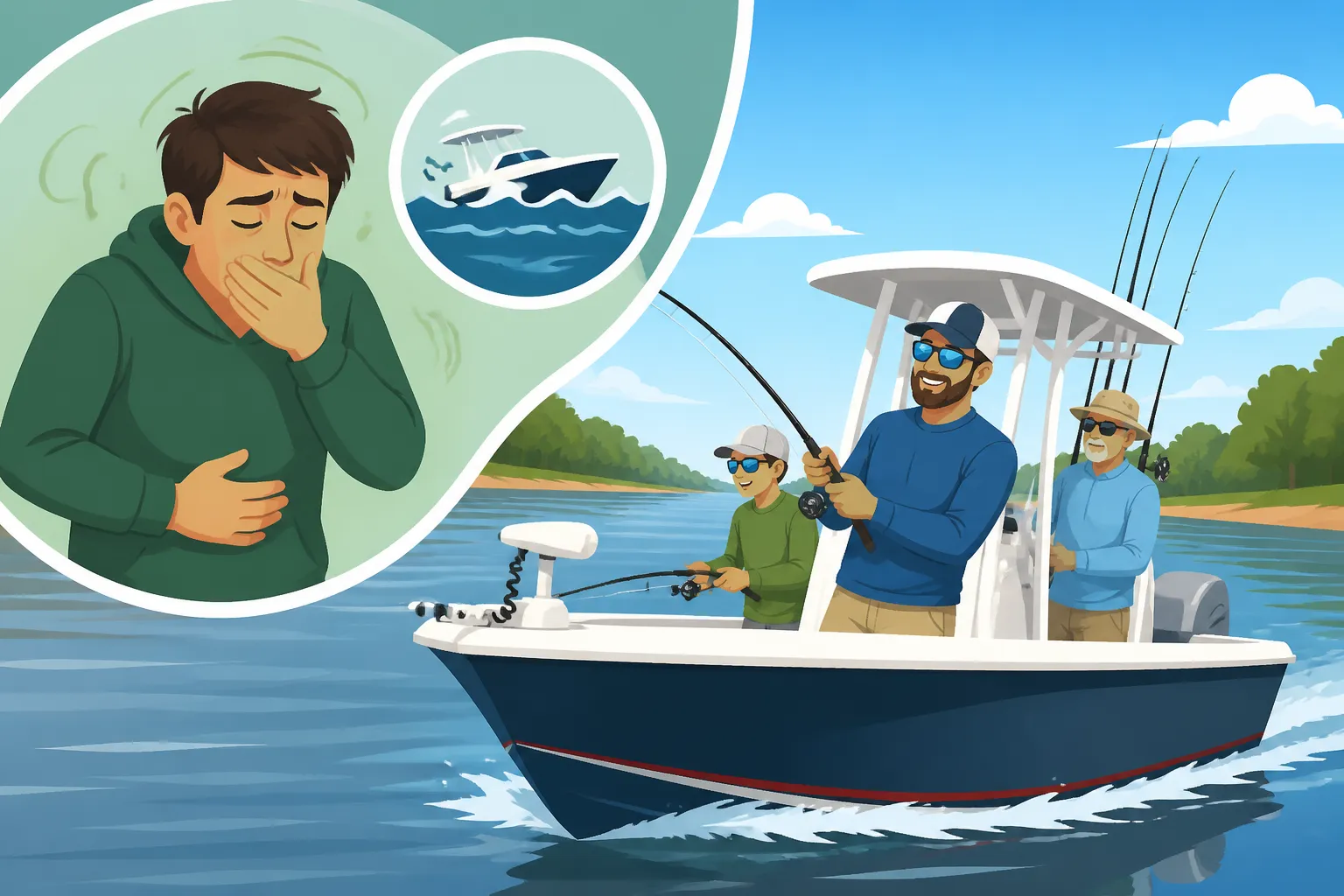
At its core, seasickness is a conflict in your brain. Your inner ear, which is responsible for balance, detects motion from the boat rocking and swaying. However, your eyes might be focused on something stable inside the cabin, or the horizon might not be visible, sending a conflicting message to your brain. This sensory mismatch—your eyes saying one thing and your inner ear saying another—is what triggers the nausea, vomiting, dizziness, cold sweats, and general misery associated with seasickness.
It’s important to remember that this isn't just "feeling a little queasy." For some, it can be debilitating, making it impossible to enjoy the trip, much less fish. A perfectly good fishing day can be ruined if you're stuck leaning over the rail. This is why addressing the possibility proactively is so important for anyone considering a fishing charter, especially for those new to boating or sensitive to motion.
Factors Influencing Seasickness on Mississippi Waters
While the basic mechanism is the same for everyone, several factors can influence the likelihood and severity of seasickness when you're out on a Mississippi charter boat. It's not a one-size-fits-all experience.
First and foremost are the wave height and sea conditions. A calm day with glassy water means minimal motion, greatly reducing the risk. However, if the wind picks up, or if you're heading out after a storm has passed, the water can become choppy, creating more rocking and rolling. The Gulf Coast can certainly see its share of rough days, especially further offshore. Even large freshwater bodies like Ross Barnett Reservoir or the Mississippi River can get choppy with strong winds, though generally, the motion is less pronounced than on the open Gulf.
The size and type of the boat also play a huge role. Larger, heavier vessels tend to be more stable in the water than smaller, lighter boats. A deep-V hull design often cuts through waves more smoothly than a flat-bottomed boat. If you're particularly prone to seasickness, asking about the vessel when booking a charter could be a game-changer. For Deep Sea Fishing Charters in Mississippi, you'll often be on larger, more robust boats built for offshore conditions, which can sometimes provide a smoother ride than smaller bay boats in certain chop.
Your individual susceptibility is another critical factor. Some people can ride out hurricane-force winds on a dinghy without a hint of nausea, while others feel woozy just thinking about a boat. If you've experienced motion sickness in cars, planes, or amusement park rides, you're likely more susceptible to seasickness. Genetics, age, and even current stress levels can play a part.
Finally, the duration of the trip matters. A quick two-hour Half-Day vs Full-Day Charters on the Mississippi Coast trip into a calm bay might be perfectly fine, but an all-day offshore excursion where you're exposed to continuous motion for eight or more hours increases the chances of feeling unwell, even for those who are generally resilient. It's a cumulative effect, and what might be a minor annoyance early on can become full-blown seasickness later in the day.
Proactive Measures to Prevent or Mitigate Seasickness
The good news is that for most people, seasickness isn't inevitable. There are many steps you can take both before and during your charter trip to drastically reduce your chances of feeling sick or to lessen the symptoms if they do appear.
Pre-Trip Preparations
The battle against seasickness often starts before you even step foot on the dock. Thinking ahead can make all the difference between a memorable trip and a miserable one.
Perhaps the most common strategy involves medications. Over-the-counter options like Dramamine (dimenhydrinate) or Bonine (meclizine) are popular choices. These work best when taken before you start feeling sick, usually an hour or so before your trip. There are also prescription options, such as scopolamine patches, which are worn behind the ear and release medication slowly over several days. These can be very effective but require a doctor's visit. Always consult your healthcare provider before taking any new medication, especially if you have existing health conditions or are taking other drugs. Remember that some of these medications can cause drowsiness, so be sure to test them out at home before your trip to see how you react.
Ginger is a natural remedy that many swear by for nausea. You can take it in various forms: ginger candies, ginger ale (real ginger, not just flavorings), ginger capsules, or even fresh ginger tea. Like medications, it's often more effective if consumed before the motion begins.
Your food and drink choices leading up to the trip are also crucial. Avoid heavy, greasy, or spicy foods the night before or the morning of your trip. These can sit uncomfortably in your stomach and exacerbate nausea. Opt for light, bland foods like toast, crackers, or fruit. Stay well-hydrated with water, but avoid excessive alcohol the night before, as dehydration and hangovers will only make you more susceptible to seasickness. Similarly, steer clear of caffeinated drinks and sugary sodas right before heading out, as they can sometimes upset your stomach.
Finally, ensure you get enough rest before your fishing adventure. Being tired can lower your resistance to motion sickness and make symptoms feel worse. A good night's sleep is a simple yet effective preventative measure. When considering What to Bring on a Mississippi Fishing Charter, definitely include any seasickness remedies you plan to use.
Onboard Strategies for Comfort
Once you're out on the water, there are still plenty of things you can do to keep seasickness at bay or alleviate its grip. These simple actions can help your brain cope with the motion.
One of the most effective strategies is to stay on deck and focus on the horizon. By looking at a fixed point far away, you help synchronize the signals from your eyes and inner ear, reducing the sensory conflict. If you're inside the cabin, your eyes perceive stability while your body feels the motion, making things worse.
Avoid reading, looking at your phone, or doing any close-up work that requires your eyes to focus on something immediately in front of you. This is a surefire way to trigger seasickness, as it maximizes that sensory mismatch we talked about. Put the phone away, enjoy the view, and focus on the fishing!
Finding fresh air is also incredibly helpful. Being in a stuffy, enclosed space can make nausea worse. Head to the rail, take a few deep breaths of sea air, and let the breeze cool you down. Sometimes, just changing your position to get more air can make a significant difference.
When choosing where to sit or stand, try to stay in the middle of the boat. The bow (front) and stern (back) experience the most extreme up-and-down motion. The midship area, near the boat's center of gravity, tends to have the least movement, providing a more stable environment.
Continue to stay hydrated throughout the trip, sipping water regularly. Avoid gulping down large amounts of liquid. If you feel nauseous, try nibbling on bland crackers or a small piece of fruit; an empty stomach can sometimes make nausea worse. Even if you're only out for a few hours, staying hydrated is important, especially on warm Mississippi days.
What to Expect from Mississippi Charter Operators Regarding Seasickness
Mississippi's charter captains are seasoned professionals who know their local waters and understand that seasickness is a real concern for many of their clients. They typically take steps to make your trip as comfortable and enjoyable as possible, even if you're prone to motion sickness.
Captains' Experience and Boat Choices
One of the greatest assets of booking a professional charter is the captain's experience. Reputable Mississippi captains, whether they're running Biloxi Fishing Charters Guide or smaller inshore trips, are intimately familiar with local weather patterns and sea conditions. They continuously monitor forecasts and often have a good sense of how the water will behave on a given day. If the forecast looks particularly rough, they may advise rescheduling, or at least discuss the conditions with you beforehand. They know the routes that can minimize exposure to the roughest patches of water.
The vessel types they operate are also chosen for their suitability to the fishing grounds. For offshore trips targeting species in deeper waters, captains often use larger, more stable boats specifically designed for open-water travel. For Inshore Fishing Charters on the Mississippi Coast, smaller bay boats or center consoles are common, which might feel more motion in choppy bays but offer quick access to calmer marsh areas. When you're browsing for a charter, perhaps through a platform like FishingBooker, pay attention to the boat specifications and look at photos. Don't hesitate to contact the captain directly before booking to ask about the boat's stability, especially if you know you're sensitive to motion. This upfront communication is key.
Common Courtesy and Support on Charters
A good charter crew understands that passengers might get seasick, and they're typically very sensitive and supportive if someone starts to feel unwell. They've seen it all before! They won't judge you; their priority is your safety and comfort.
Most boats will have designated areas where someone feeling unwell can sit or lie down, often in a spot with good airflow and a view of the horizon. The crew might offer advice on remedies, fresh water, or simply offer a sympathetic ear. While they can't provide medication, they can certainly offer practical comfort.
While rare, it's good to know that charter captains are trained in emergency procedures. In extreme cases, if a passenger's seasickness becomes severe or leads to other health concerns, the captain is equipped to handle the situation, which may include returning to shore if necessary. However, for most cases, a bit of fresh air and a sympathetic crew member are all that's needed to help a seasick angler recover enough to enjoy the rest of the trip. Remember, if you're worried about things like this, checking reviews for Mississippi Gulf Coast Fishing Charters on sites like FishingBooker can give you insight into how other clients felt about the crew's attentiveness and professionalism.
Making the Decision: Is a Mississippi Charter Right for You?
With all this information, you might be wondering if a Mississippi fishing charter is truly for you. The answer, for most people, is a resounding yes! By understanding your own body and making smart choices, you can absolutely enjoy the thrill of fishing the Magnolia State's waters.
Assessing Your Personal Risk
Before you even start looking at Mississippi Fishing Charter Prices, take a moment for some self-reflection. Have you been seasick before? If you have, think about what triggered it. Was it a specific type of boat, rough conditions, or a long journey? Knowing your history is your best defense. If you've never been on a boat but get carsick easily, consider that a red flag.
For your first trip, consider starting with a shorter trip duration. Instead of an 8-hour offshore adventure, perhaps try a 4-hour inshore trip in calmer bay waters. This allows you to test your sea legs without committing to a full day of potential discomfort. Many charter companies offer both Half-Day vs Full-Day Charters on the Mississippi Coast specifically for this reason.
It's always a good idea to talk to your doctor if you have significant concerns about seasickness, especially if you have underlying health conditions or are taking other medications. They can provide personalized advice and recommend the most suitable anti-motion sickness remedies for you. Don't leave your health to chance.
Choosing the Right Charter for Your Comfort
Once you've assessed your risk, you can make an informed decision when booking. The key is research, research, research! Look for charter companies that explicitly mention comfortable, stable boats in their descriptions. Read reviews on platforms like FishingBooker or Google; often, other clients will mention if the ride was smooth or if they had issues with seasickness.
Consider the type of fishing you want to do. If you're highly susceptible, inshore fishing charters might be a better starting point than offshore trips. Inshore Fishing Charters on the Mississippi Coast generally operate in calmer, protected waters like bays, bayous, and coastal marshes, where the waves are significantly smaller than in the open Gulf. This can drastically reduce motion. Deep-sea trips, while exciting for targeting bigger fish, will naturally expose you to more open-water conditions.
Don't be afraid to ask questions when you call to book. Inquire about the boat's size, its stability, and what the captain typically does to accommodate passengers who get seasick. A good captain will appreciate your proactive approach and be happy to provide reassurances or advice. And remember, if you're bringing the family, it's worth checking if Can Kids Go on a Deep Sea Fishing Charter? is a good idea if they also get motion sickness.
Even if the weather looks great, sometimes conditions can change. It's smart to know What Happens If the Weather Is Bad on Charter Day and what the charter's cancellation or rescheduling policy is. This way, you won't feel pressured to go out in conditions that might exacerbate seasickness. Ultimately, your comfort and enjoyment are paramount, and with a little planning, your Mississippi fishing trip can be a fantastic, seasickness-free experience. If you're a beginner to fishing in general, it's also worth reading up on Is Deep Sea Fishing Safe for Beginners? to ensure you're fully prepared.
Disclaimer
This article is for general informational purposes only and does not constitute professional advice. Laws, prices and regulations vary by location and change over time. Consult a qualified professional for guidance on your specific situation.