Best Charter for Photographing Your Catch
There's nothing quite like the thrill of reeling in a fantastic catch, but sometimes, the memory starts to fade a little too quickly after you've told the story a few times. For many anglers, capturing that moment with a truly epic photograph is just as important as the catch itself. This guide is all about helping you find that perfect Mississippi fishing charter that understands and supports your desire to get stunning photos of your angling adventures.
What Makes a Charter "Photo-Friendly" Beyond Just Catching Fish?
You might think any fishing charter will naturally lead to great photos, but that's not always the case. Some charters are purely focused on efficiency: get the fish in the boat, unhook, measure, repeat. While that's great for filling a cooler or hitting a high count, it doesn't always lend itself to those picture-perfect moments you're dreaming of. A truly photo-friendly charter goes beyond just putting you on the fish; it understands the value of the visual storytelling that comes with it.
Captain's Mindset and Patience
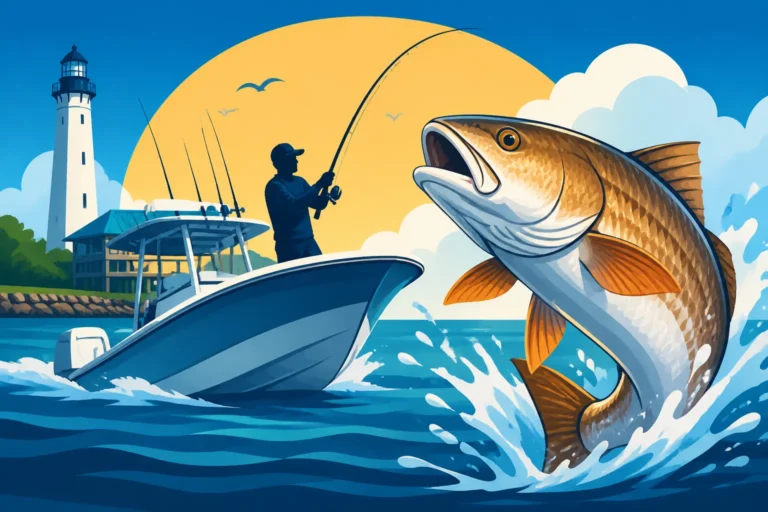
The most critical factor in a photo-friendly charter is the captain's attitude. Are they patient enough to pause the action for a few extra seconds while you compose your shot? Do they understand that a quick snap of the phone isn't always enough? A captain who values the experience as much as the outcome will be more inclined to help you get that "hero shot." They might even have a knack for knowing the best angles or light conditions. For instance, if you hook into a bull redfish, a photo-minded captain won't immediately grab the pliers to de-hook it but will instead guide you on how to hold it safely for a quick picture before a healthy release.
It's about finding someone who recognizes that for many, these photos are cherished souvenirs, a way to relive the excitement long after the trip is over. They won't rush you or make you feel like you're holding up the fishing. They might even offer tips on how to hold the fish to make it look bigger, or suggest moving to a different spot on the boat where the background is clearer or the sun is just right. This level of understanding can turn a good fishing trip into an unforgettable photographic expedition.
Boat Layout and Space for Photography
The physical characteristics of the boat play a huge role too. Is there enough open deck space to maneuver around and get different angles without tripping over gear or other anglers? A crowded boat with limited room makes it incredibly difficult to capture dynamic shots, especially if multiple people are hooked up. Look for charters with spacious decks, clear sightlines, and stable platforms.
Consider where the captain positions the boat. If they constantly put you with a busy dock or a cluttered shoreline in the background, your photos might lack that pristine, natural feel. A photo-conscious captain will try to position the boat to get the best backdrop possible, whether it's an open expanse of water, a beautiful marshland, or the distant Gulf Coast skyline. Some boats even have elevated casting decks or a sturdy leaning post that can double as a tripod mount for quick, stable shots. When researching charters on platforms like FishingBooker, pay attention to photos of the boats themselves and read reviews that mention spaciousness or ease of movement.
Types of Charters Best for Memorable Photos
The type of fishing experience you choose will significantly impact the kind of photos you'll be able to capture. Both inshore and offshore charters offer unique photographic opportunities, but they excel in different areas.
Inshore Fishing Charters: Scenic Backdrops and Diverse Species
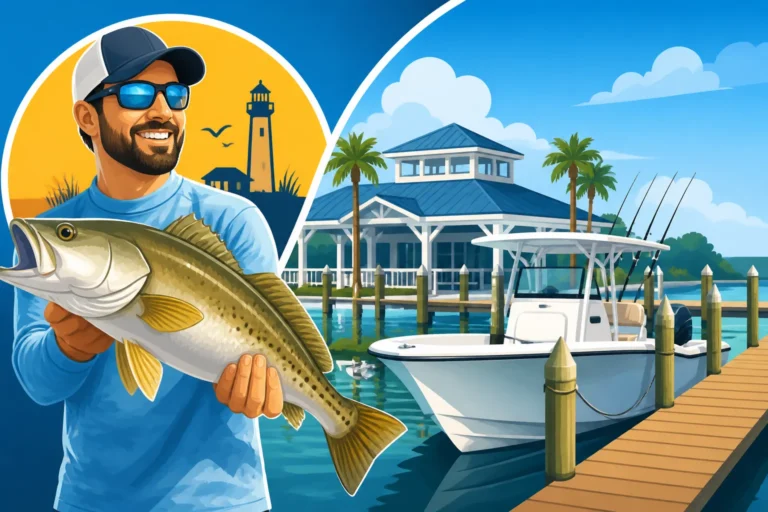
Inshore fishing charters, focusing on bays, estuaries, marshes, and nearshore waters, are often fantastic for photography. The calmer waters make it easier to stabilize your camera and prevent motion blur. More importantly, these environments offer incredibly diverse and picturesque backdrops. Imagine a shot of you holding a speckled trout with a verdant Mississippi marsh in the background, or a redfish against the backdrop of an old cypress tree stump emerging from the water. These are the kinds of unique, regional shots that truly tell a story.
You're also likely to encounter a wider variety of species on an inshore trip, from speckled trout and redfish to flounder and drum. Each species presents its own photographic charm. A vibrant redfish with its distinct spot, a sleek speckled trout, or even a unique sheepshead can make for a striking image. Plus, because you're often closer to shore, the natural light tends to be better, without the harsh glare of direct sun on open water. Charters specializing in Redfish Fishing on the Mississippi Coast or Speckled Trout Fishing on the Mississippi Coast will often take you to these visually rich areas.
Offshore Fishing Charters: Epic Battles and Trophy Catches
If you're looking for dramatic action shots and truly massive fish, an offshore deep sea fishing charter might be your best bet. While the open water background might be less varied, the sheer size and power of species like snapper, king mackerel, or even tuna create incredible photo opportunities. Think about capturing the bending rod, the strained expression on your face as you battle a behemoth, or the exhilarating moment a powerful fish breaks the surface.
Offshore trips also offer the chance for stunning sunrise or sunset photos over the vast expanse of the Gulf of Mexico. Many deep-sea charters leave before dawn or return at dusk, providing those magical golden hour opportunities. The challenge here is the motion of the boat; a steady hand or a camera with good image stabilization is crucial. However, the payoff—a photo of you with a trophy-sized red snapper or a proud shot with a hefty cobia—is often well worth the effort. For those interested, exploring Deep Sea Fishing Charters in Mississippi can lead to some truly epic photographic adventures.
Communicating Your Photography Goals to Your Captain
This is perhaps the single most important step in ensuring a successful photo-centric fishing trip. Don't assume your captain will know your intentions. Be upfront and clear about what you're hoping to achieve.
Before You Book: Ask the Right Questions
When you're first inquiring about a charter, whether through a direct call or using a platform like FishingBooker, make it known that capturing high-quality photographs is a priority for you. Don't be shy! Ask specific questions:
- "Are you comfortable with me taking a few extra moments for photos after a good catch, especially if it's a catch-and-release fish?"
- "Do you have experience helping clients get good pictures with their fish?"
- "Is there space on the boat for a small tripod or camera bag?"
- "What's the best time of day for good lighting during the trip?"
A reputable captain will appreciate your honesty and will either confirm they can accommodate you or gently suggest a different type of trip if they can't. This transparency helps manage expectations for both parties and avoids disappointment on the water. You can often find helpful information and contact details for various captains by searching for How to Book a Mississippi Fishing Charter.
On the Day of the Trip: Reiterate and Collaborate
Even if you've discussed your photo goals beforehand, it's always a good idea to reiterate them politely when you first step on the boat. A simple reminder like, "Hey Captain, just a reminder, I'm really hoping to get some great shots today!" can set the tone. Then, be prepared to collaborate. When you hook a fish, let the captain know you'd like a photo. They might give you instructions on how to land it cleanly for the best presentation, or suggest a particular area on the boat for the shot.
Sometimes, the fishing action is fast and furious. In these moments, you might need to prioritize the fishing or be quick with your camera. A good captain will try to balance the fishing action with your photo requests, but understanding that there are limits to how much they can pause will make for a better experience for everyone. Be respectful of their expertise and the flow of the trip, and they'll be more likely to go the extra mile for you. Don't forget, a generous tip, often discussed in guides like Tipping Etiquette for Mississippi Fishing Guides, can also show your appreciation for their efforts in making your photo dreams a reality.
Preparing for Your Photo-Focused Fishing Trip
To truly maximize your chances of getting those fantastic photos, a little preparation on your part goes a long way. This isn't just about bringing your camera; it's about thinking through the entire experience from a photographic perspective.
Gear Considerations for On-Water Photography
When bringing camera equipment on a fishing trip, protection is paramount. Water, salt spray, and fish slime are no friends to electronics. Invest in a good waterproof bag or hard case for your camera and lenses. Consider a waterproof or water-resistant camera if possible. Many modern smartphones are excellent for quick shots and are often water-resistant, making them a great secondary option.
Here’s a quick checklist for your camera gear:
- Waterproof camera or protective housing: Essential for preventing damage.
- Extra batteries: Nothing worse than a dead battery when the action starts.
- Microfiber cloths: To wipe off water spots and smudges from lenses.
- Lanyard or strap: To prevent accidental drops overboard.
- Polarizing filter (for DSLRs/mirrorless): Helps reduce glare on the water and deepens colors.
- Wide-angle lens: Great for capturing the angler and the environment.
- Small, stable tripod or monopod: Useful for self-portraits or steady video.
Remember, the goal is to be ready when the moment strikes, so having your gear accessible but protected is key. For more general advice on what to pack, check out What to Bring on a Mississippi Fishing Charter.
Attire and Presentation for Your Photos
While comfort and sun protection are always priorities on a fishing trip, thinking about your attire from a photographic standpoint can also help. Bright, contrasting colors can sometimes distract from the fish, especially if they have subtle patterns. Consider wearing more neutral or earth-toned clothing. Avoid shirts with overly busy patterns or large, distracting logos if you want the focus to be on your catch.
Also, don't forget accessories! A wide-brimmed hat not only protects you from the sun but can also add a classic angler look to your photos. Quality polarized sunglasses are a must for visibility on the water and can also make you look more comfortable and relaxed in your pictures. If you're planning for a catch-and-release photo, think about wearing something that cleans up easily from fish slime or mud. The cleaner and more cohesive your look, the more professional and pleasing your photos will be.
Practicing Safe and Respectful Fish Handling
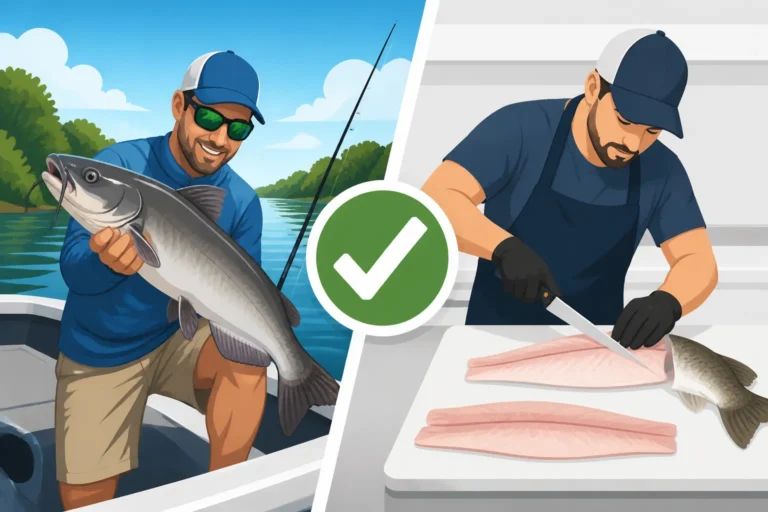
For many anglers, the best photos are those taken before releasing a fish back into the water. This requires quick, respectful, and safe fish handling. Talk to your captain about the best way to hold different species for a photo while minimizing stress to the fish. For instance, smaller fish like crappie or bream can often be held horizontally with one hand supporting the belly. Larger fish, especially redfish or speckled trout, are best supported horizontally with two hands, ensuring their internal organs aren't damaged by hanging vertically.
Always wet your hands before touching the fish to protect its slime coat, and keep the fish out of the water for the absolute minimum amount of time required for a good photo. A quick, well-composed shot is far better for the fish than a prolonged session. A captain who is accustomed to catch-and-release photography can guide you through this process, ensuring both a great photo and a healthy release. Remember, the best fishing memories are those that also ensure the future of the sport. Understanding Mississippi Fishing Creel and Size Limits will also help you determine which fish are keepers and which should be released.
Maximizing Your Photo Opportunities on the Water
Once you're out on the water, the real fun begins. But even with the right captain and gear, you can take active steps to ensure you're getting the best shots possible.
Capitalizing on Natural Light
Light is the photographer's best friend. On the water, the sun can be harsh at midday, creating deep shadows and blown-out highlights. The "golden hours"—the first hour after sunrise and the last hour before sunset—offer the softest, most flattering light. If your charter departs early or returns late, these are prime times for stunning shots. Discuss with your captain if they can plan fishing around these times, or at least be prepared to maximize them.
During midday, try to position yourself so the sun is behind you or slightly to the side, illuminating the fish and your face evenly. Avoid having the sun directly overhead or behind the fish, which can create glare or deep shadows. The captain might be able to orient the boat to put you in the best light. For example, if you're out on Ross Barnett Reservoir Fishing Guide or a Grenada Lake Fishing Guide, the captain might know specific spots where the lighting is consistently better at certain times of the day.
Action Shots vs. Grip-and-Grin Photos
While the classic "grip-and-grin" photo (you holding your catch) is a must-have, don't underestimate the power of action shots. These can capture the excitement and challenge of fishing. Here are a few ideas:
- The Hookset: If you have a friend or family member along, ask them to be ready to snap a picture as you set the hook.
- The Battle: Get shots of the rod bending, the line screaming off the reel, or even the fish jumping out of the water if it's an acrobatic species.
- The Landing: Photos of the net coming out, the gaff being deployed, or the fish being brought aboard can be incredibly dynamic.
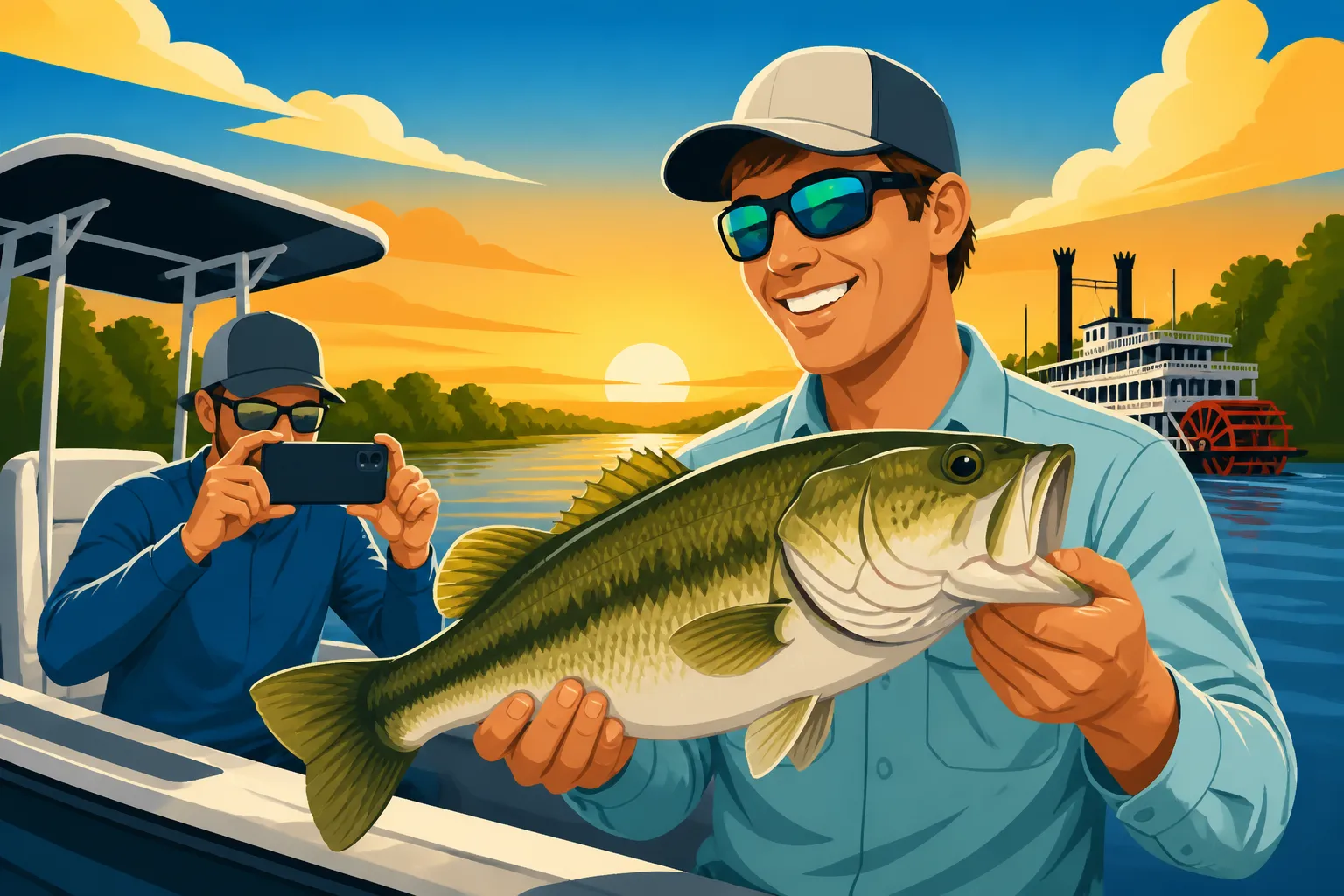
For "grip-and-grin" shots, focus on presenting the fish clearly, keeping your face unobstructed, and smiling! A clean background is always a plus. Consider taking a few vertical and horizontal shots to give you options. Some charter companies, or individual guides found on platforms like FishingBooker, might even offer professional photography services or have a dedicated crew member who can help take these shots for you, adding a significant upgrade to your photo collection.
Experimenting with Angles and Compositions
Don't just take one photo from one angle. Move around, try different perspectives. Get down low to make the fish look larger, or shoot from slightly above to capture more of the action on deck. Include elements of the boat, the water, or the distant shoreline to add context. A wide shot can tell the story of the entire environment, while a close-up on the fish's scales or eye can highlight its beauty.
Think about the "rule of thirds" in photography: imagine your photo divided into nine equal squares, and try to place your main subjects (you, the fish) along these lines or at their intersections. This often creates a more balanced and interesting composition than simply centering everything. Most importantly, take lots of pictures! Digital photography is free, and the more shots you take, the higher your chances of getting that one truly spectacular image.
| Photo Opportunity | Best Charter Type | Ideal Lighting | Key Prep & Tips |
|---|---|---|---|
| Grip-and-Grin with Fish | Inshore/Offshore | Golden Hour/Overcast | Practice safe fish handling, wet hands, clean background, smile! |
| Fish Jumping/Fighting | Offshore | Any bright day | Fast shutter speed, continuous shooting, anticipate action. |
| Scenic Background (Marshes, Shoreline) | Inshore | Golden Hour | Position boat for clear backdrop, avoid clutter. |
| Sunrise/Sunset over Water | Offshore | Dawn/Dusk | Wide-angle lens, stable hand/tripod, keep horizon straight. |
| Angler in Action (Rod Bending) | Inshore/Offshore | Any bright day | Friend to photograph, focus on rod/reel, capture intensity. |
| Close-up of Fish Detail | Inshore/Offshore | Even, diffuse light | Macro setting if available, stable hand, focus on eye/scales. |
Disclaimer
This article is for general informational purposes only and does not constitute professional advice. Laws, prices and regulations vary by location and change over time. Consult a qualified professional for guidance on your specific situation.