Does the Charter Clean and Fillet Your Fish?
One of the most common questions that swirls around any fishing trip, especially when you're shelling out for a charter, is "What happens after the fish are caught?" It’s a totally valid concern! You've had an amazing day on the water, battled some fantastic fish, and now you're wondering if you'll be left wrestling with a cooler full of whole fish and a dull knife. This guide aims to clear up the mystery, letting you know what to expect from Mississippi fishing charters regarding fish cleaning and filleting services.
Understanding the Standard Charter Offering for Fish Cleaning
When you book a fishing charter, you're not just paying for the boat ride and the captain's expertise; you're often investing in an all-encompassing experience. For many anglers, especially those visiting the beautiful Mississippi Gulf Coast or venturing onto our legendary freshwater lakes, the expectation is that the hard work ends when the fish hits the deck. And for the most part, many reputable charters do offer some level of fish cleaning, but it's not always a universal given, and the extent of the service can vary quite a bit.
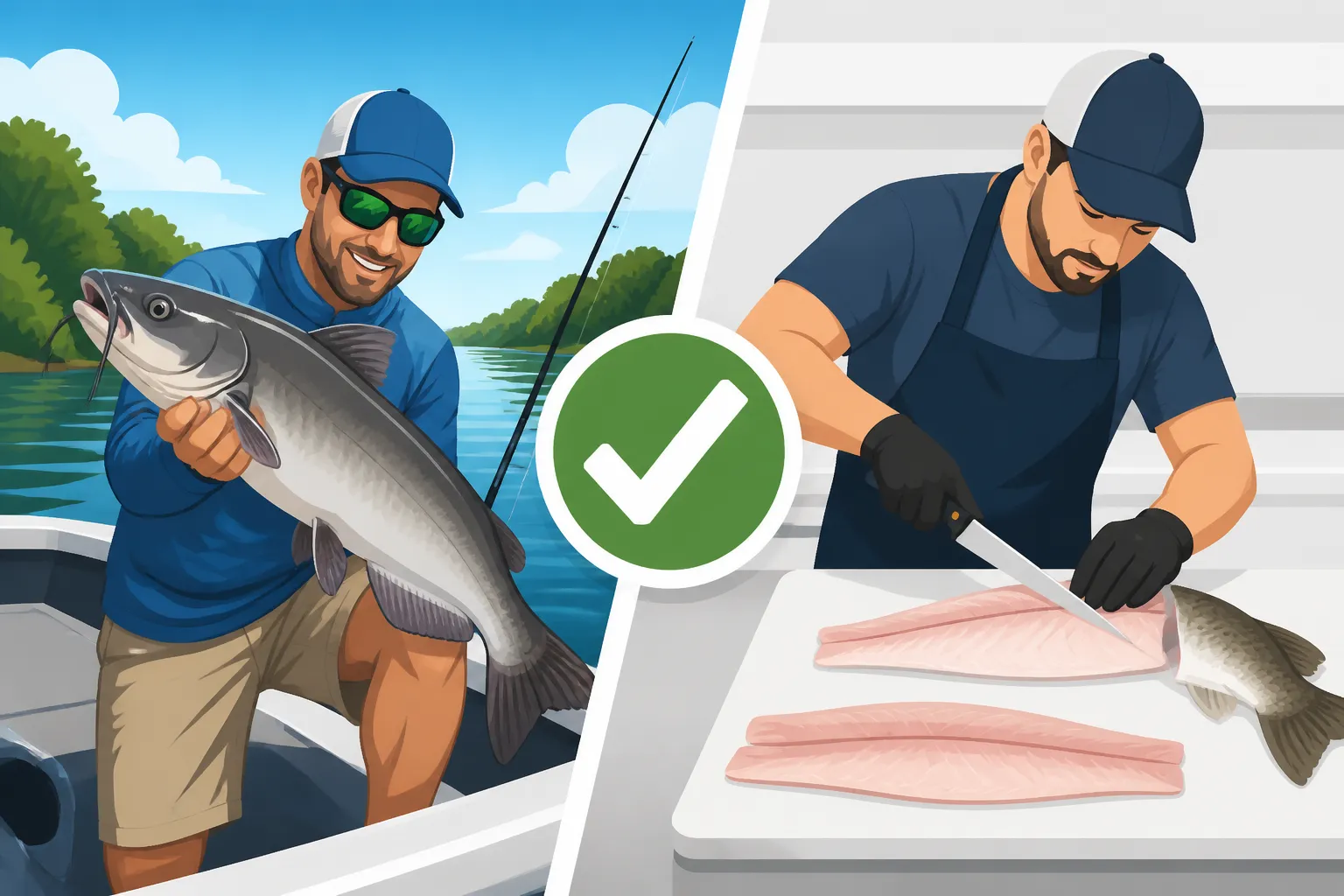
Imagine you've just spent a thrilling morning reeling in speckled trout and redfish off the Mississippi Sound, perhaps on a trip booked through a platform like FishingBooker. You're tired, happy, and already dreaming of fresh fish tacos. The last thing you want is to get back to the dock and realize you have to gut and scale every single one of those beauties yourself. Most captains understand this sentiment. They know that part of providing a great experience is ensuring their clients can easily take home their catch in a ready-to-cook state. This typically means filleting the fish into boneless portions, removing the skin, and sometimes even bagging them for you. However, the level of service might differ between a small, independent guide and a larger charter operation that processes dozens of fish daily.
The key here is "standard offering," and what's considered standard often includes basic filleting. This isn't just a courtesy; it's also a practical matter for the captain. They want you to have a positive experience and recommend them, and a big part of that is making sure your catch is handled properly. Plus, in many cases, it's easier for them to process the fish quickly and efficiently with their specialized tools and setup at the dock rather than having every angler try to do it themselves. However, it's crucial not to assume. Always confirm this detail when you are making your reservation.
Factors That Influence Fish Cleaning Services
While many charters offer fish cleaning, several factors can influence whether it's provided, the extent of the service, and any associated costs. It's not a one-size-fits-all situation, and understanding these nuances will help you better plan your trip.
Type of Charter and Vessel Size
The kind of fishing charter you book plays a huge role. A smaller, inshore guide operating a bay boat for a half-day trip might have different capabilities and expectations than a large, offshore deep-sea vessel heading out for an all-day excursion.
For instance, if you're on a smaller private charter targeting redfish and speckled trout in the back bays of Mississippi, the captain might personally handle the filleting right at the dock after the trip. They often have a dedicated cleaning station or a spot where they can efficiently process your catch. These smaller operations thrive on personal service, and cleaning your fish is often seen as an integral part of that experience. On the other hand, if you're on a larger "party boat" or headboat out of Biloxi or Gulfport that takes 20-30 people deep-sea fishing for snapper or amberjack, the situation can be different. These boats might have dedicated deckhands who handle the cleaning, often for a separate fee. The sheer volume of fish and passengers makes it impractical for the captain to personally fillet every fish from every angler. In such cases, the deckhands work incredibly hard, and their services are invaluable, making that small fee well worth it. You'll often see them setting up at the end of the day, making quick work of a mountain of fish, transforming them into neat, edible portions. Don't forget, these deckhands also rely on tips, which we'll discuss a bit later.
Fish Species and Quantity Caught
The type of fish you catch and the sheer volume can also impact the cleaning service. Filleting a crappie is a different job than filleting a large tuna or even a big amberjack.
Smaller, panfish species like crappie or bream, while numerous, are generally quick to clean if you know what you're doing. Many freshwater guides in Mississippi, especially those specializing in Crappie Fishing Techniques for Mississippi Lakes, will usually clean all your crappie and bag them up for you. It's almost expected when you've filled a cooler with a day's limit. However, larger, tougher fish with scales and bones that are harder to navigate, like big catfish or certain saltwater species, might require more effort. If you’ve landed a monster blue catfish on the Mississippi River, you might find that while the guide will clean it, it might take a bit longer or be a more involved process than a cooler full of small bass. Similarly, if you're on an offshore trip and the cooler is overflowing with a mixed bag of legal-sized snapper, triggerfish, and grouper, the deckhands will be working hard. The time and effort involved can sometimes influence if a fee is charged or if it's included. It's generally understood that if you catch a few fish, cleaning is a breeze; if you limit out with several different species, it's a bigger undertaking.
Trip Duration and Time Constraints
The length of your charter trip can influence how fish cleaning is handled. A quick 4-hour Half-Day vs Full-Day Charters on the Mississippi Coast might have less time pressure at the dock than an 8-12 hour deep-sea adventure.
After a long full-day trip, everyone is typically tired and eager to get home. Captains often factor in cleaning time post-trip, knowing that anglers don't want to wait around for hours. For shorter trips, it's often a seamless transition: boat back to the dock, unload gear, and the fish are cleaned while you settle up. However, for those extended offshore trips, especially if the boat is running late, the crew might prioritize getting the boat cleaned and prepped for the next day, with fish cleaning being a final, often quick, task. Some charters might even start processing fish on the way back to the dock if conditions allow, but this is less common due to safety and space constraints. The general rule of thumb is that the crew will make every effort to get your fish cleaned efficiently, recognizing that it's the final flourish to a fantastic day of fishing.
Here’s a quick overview of what you might encounter:
| Charter Type | Fish Cleaning Included? | Typical Fee (if applicable) | Notes |
|---|---|---|---|
| Small Private (Freshwater) | Usually Yes | Often None | Captain or guide personally cleans. |
| Small Private (Saltwater) | Usually Yes | Often None | Captain personally cleans at dock. |
| Large Party/Headboat | Often Yes | Small fee per person/cooler | Deckhands clean, tips expected, sometimes a fixed processing fee. |
| Specialty (e.g., Tuna) | Sometimes | Variable, higher fee | Larger, more complex fish may incur higher processing costs. |
What to Confirm Before Booking Your Charter
Given the variations, the best approach is always to ask questions upfront. Don't be shy! Reputable charter operators, whether found through a service like FishingBooker or by word-of-mouth, expect these questions and are happy to provide clear answers.
Directly Asking the Captain or Booking Agent
When you're making that initial phone call or sending an email to inquire about availability and pricing for Mississippi Fishing Charter Prices, always include the question about fish cleaning.
You might ask, "Do you clean and fillet the fish we catch, and is there an additional charge for that service?" This straightforward question will get you the clearest answer. Some captains will explicitly state that cleaning is included in the charter fee, while others might explain that a deckhand will clean the fish for a separate cash fee, often a small amount per person or per cooler. Knowing this beforehand helps you budget accordingly and avoids any awkward surprises at the end of a long day. It’s better to have all the details ironed out so you can focus on the excitement of the trip itself. A good captain will appreciate your thoroughness and provide a transparent answer.
Reading Charter Descriptions and FAQs
Many charter operations, especially those listed on online booking platforms, provide detailed information in their descriptions or FAQ sections.
Before you even pick up the phone, take a moment to scroll through the charter's listing. Websites often outline What's Included in a Mississippi Charter Trip, and this frequently covers whether fish cleaning is part of the package. Look for phrases like "Fish cleaning included" or "Deckhand will clean your catch for a small fee." If you're using a platform like FishingBooker to browse Mississippi Gulf Coast Fishing Charters, pay close attention to the amenities and services listed. It's a quick and easy way to gather initial information. If it's not explicitly stated, that's your cue to reach out and ask directly. Don't assume that because it's not mentioned, it's automatically included for free. Clear communication is key to a smooth and enjoyable fishing experience for everyone involved.
Understanding Tipping Etiquette for Cleaning Services
Even if fish cleaning is "included" or a small fee is charged, remember that deckhands and captains work incredibly hard to ensure your trip is enjoyable and successful. Tipping is a customary way to show your appreciation.
If a deckhand cleans your fish, a separate tip for their service, in addition to the regular charter tip, is a thoughtful gesture. A general guideline for Tipping Etiquette for Mississippi Fishing Guides is 15-20% of the total charter cost for the crew, but a few extra dollars specifically for the person who spent time cleaning your fish is always appreciated. They often stand there for an hour or more, meticulously turning your catches into ready-to-cook fillets. This hard work, often done after a full day of assisting on deck, deserves recognition. Many anglers forget that cleaning fish isn't always part of the captain's main role but rather an added service provided by the crew. A good tip reflects your satisfaction not just with the fishing, but with the entire experience, from casting lines to packing up your fillets.
What if Fish Cleaning Isn't Offered?
While most Mississippi fishing charters will offer some form of fish cleaning, there might be rare occasions where it's not available, or you might prefer to handle your catch differently. Don't fret! It's not the end of the world, and there are still plenty of ways to ensure your fish make it from the boat to the dinner table.
Preparing Your Own Fish Cleaning Kit
If you find yourself on a charter that doesn't offer cleaning services, or if you simply prefer to clean your own catch, being prepared is half the battle. This is particularly relevant if you're fishing smaller lakes or private ponds where a formal cleaning station might not be readily available.
A basic fish cleaning kit includes a sharp filleting knife (or several, with different blade lengths), a sturdy cutting board, and a cooler filled with ice. You might also want some disposable gloves, a scaler, and plenty of resealable bags. If you’re planning to head straight home after a charter trip where cleaning isn't provided, ensure your cooler is packed with ice to keep the fish fresh. Knowing How to Fillet a Crappie or How to Fillet a Catfish ahead of time can turn a potential hassle into a rewarding part of your fishing experience. Many public boat ramps and state parks in Mississippi have designated fish cleaning stations, often with running water, which can be a huge convenience. So, even if the charter doesn't do it, a quick stop on your way home can get the job done. Just make sure to check local regulations regarding cleaning fish at public facilities.
Proper Fish Handling for Freshness
Regardless of who cleans the fish, proper handling from the moment it’s caught is paramount to preserving its quality and taste. A freshly caught fish can quickly degrade if not cared for properly.
The absolute best practice is to get your fish on ice immediately after catching it. This means having a cooler ready on the boat, filled with a good mix of ice and a little water to create an icy slush. This rapidly chills the fish, slowing bacterial growth and maintaining the firm texture of the meat. Many experienced anglers and guides refer to this as the "ice bath" method. Best Way to Keep Fish Fresh on a Hot Day emphasizes the importance of cooling your catch quickly. Don’t just toss fish into a dry cooler in the hot Mississippi sun. The goal is to lower the fish’s core temperature as fast as possible. This simple step, which any charter crew will typically facilitate, ensures that whether the captain, a deckhand, or you clean the fish, the fillets you end up with are as fresh and delicious as possible. Good fish handling practices are a testament to respecting your catch and ensuring it provides the best possible meal.
Locating Public Fish Cleaning Stations
Even if your charter doesn't include cleaning, Mississippi offers various public facilities where you can process your catch. These can be a real lifesaver after a successful day on the water.
Many state parks, public boat launches, and even some municipal marinas throughout Mississippi provide fish cleaning stations. These stations typically feature stainless steel tables with sinks and sometimes grinders for disposing of offal, making the cleaning process much more convenient than doing it at home or in a hotel room. For example, if you've been fishing Ross Barnett Reservoir Fishing Guide, there are several public access points that might offer such facilities. Similarly, along the Gulf Coast, many docks and marinas catering to recreational anglers will have cleaning tables. Before your trip, a quick online search or a call to the local marina can help you identify nearby options. This way, you can leave the charter boat with your whole fish, knowing you have a clean, designated spot to prepare them for cooking or freezing. It’s all about having a plan!
Ultimately, while the expectation for fish cleaning on a charter is high, especially when you've invested in a fantastic day of Mississippi fishing, it's a detail that deserves a quick confirmation. Most of the time, you'll find that your Mississippi fishing charter, whether it's a small guided trip on a lake or a big offshore adventure, will make sure your catch is professionally handled, leaving you with nothing but delicious fillets and great memories.
Disclaimer
This article is for general informational purposes only and does not constitute professional advice. Laws, prices and regulations vary by location and change over time. Consult a qualified professional for guidance on your specific situation.