Physical Demands of a Deep Sea Fishing Trip
The idea of a deep sea fishing trip often conjures up images of thrilling catches and serene moments on the open water, but let's be honest, those Instagram-perfect photos don't always tell the full story. Many folks underestimate the sheer physical exertion involved in battling a big game fish miles offshore, leading to surprise and exhaustion when they’re out there. This guide aims to pull back the curtain on the real physical demands of deep sea fishing off the Mississippi Gulf Coast, helping you understand what to expect and how to best prepare your body for a memorable, and manageable, angling adventure.
Beyond the Postcard: What Deep Sea Fishing Really Entails
When you picture deep sea fishing, you might envision a calm, sunny day with a gentle breeze and a monster fish practically jumping into the boat. While those moments certainly happen, the reality of chasing big fish far out in the Gulf of Mexico involves a whole lot more grit and physical stamina than most people realize. It's an immersive experience that tests your body from the moment you leave the dock until you return.
The Reality of the Journey Out
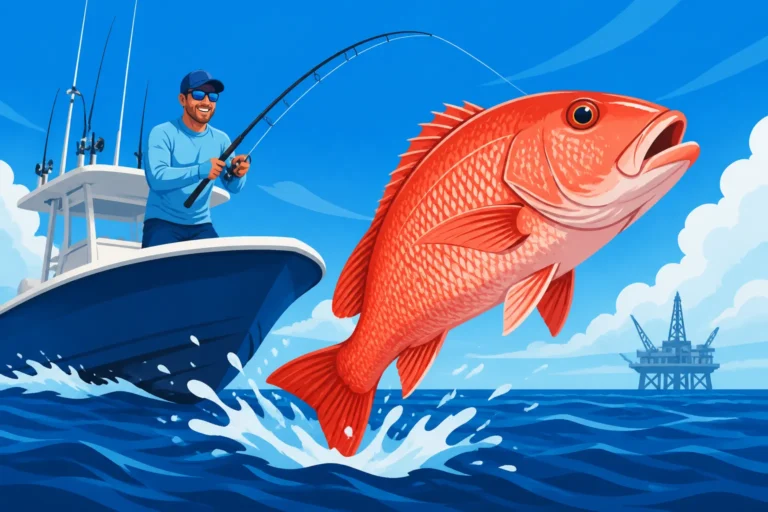
The journey itself can be a significant physical precursor to the actual fishing. Depending on where the fish are biting and how far offshore your captain needs to go, you could be looking at a boat ride that lasts anywhere from an hour to several hours. For instance, chasing certain species like Red Snapper often means venturing quite a distance into federal waters, which translates to a longer trek. During this time, the boat is constantly moving – rocking, rolling, and pitching with the waves. It's not like sitting in a car on a smooth highway. You'll be standing, bracing yourself, trying to maintain your balance, and constantly engaging your core muscles without even realizing it. The sun will likely be beating down, the wind will be whipping, and the salt spray might be a constant companion. All of these factors combine to create a low-level, continuous physical demand that can wear you down before you even drop a line. Imagine spending two or three hours standing on a treadmill that's swaying back and forth – that's a closer approximation to the effort involved in just getting to the fishing grounds.
The Fight of Your Life: Battling Big Game
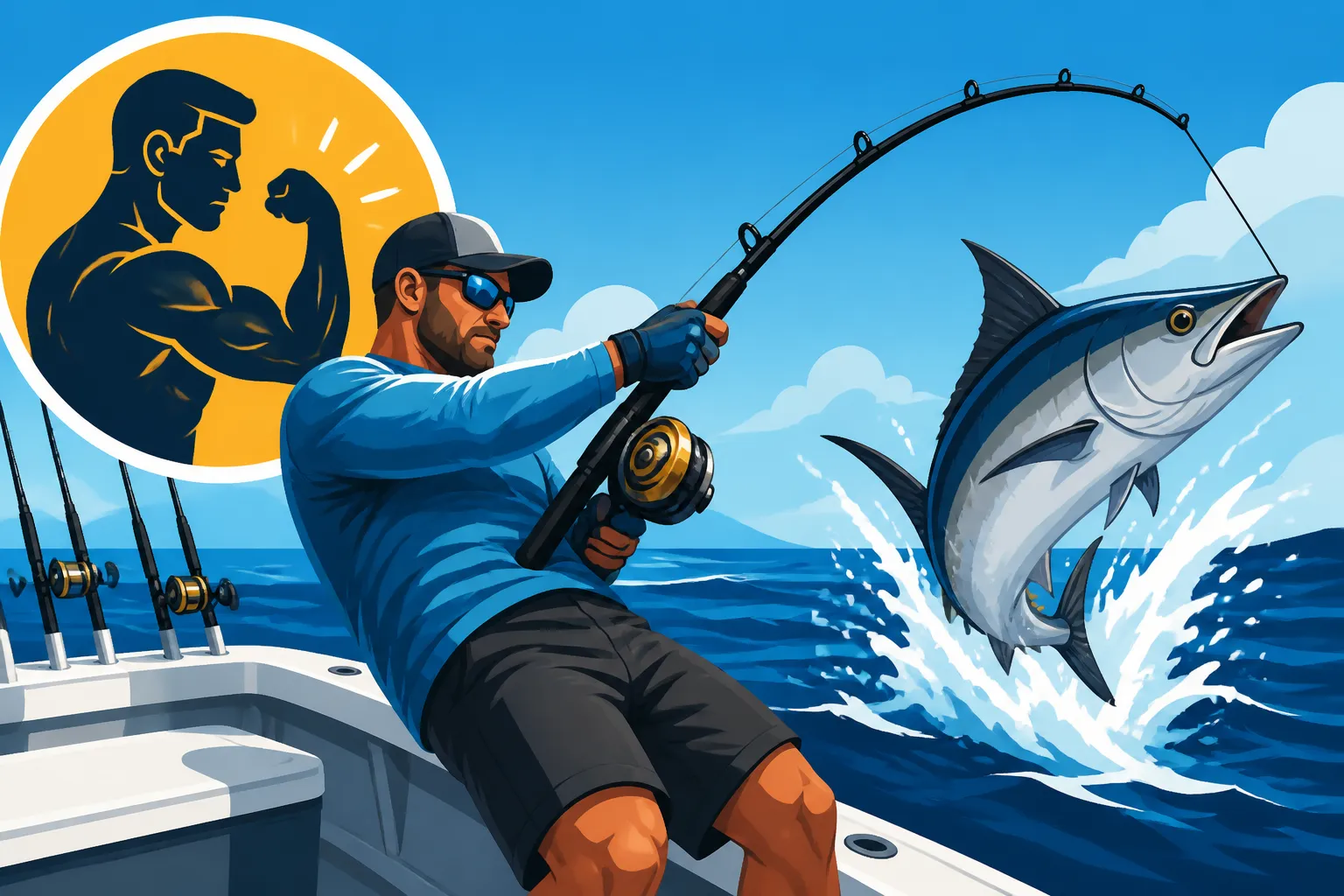
This is where the real physical test begins for many. Hooking into a large offshore species like a powerful Amberjack, a hard-fighting King Mackerel, or a bottom-dwelling Goliath Grouper is less about finesse and more about brute strength and endurance. It's a full-body workout that makes gym sessions feel like child's play. You're not just casually reeling in a fish; you're often standing, leveraging your body weight, pulling the rod up, dropping it down, and cranking with all your might. The fish will make powerful runs, stripping line off your reel at incredible speeds, and you'll have to maintain tension, fight the drag, and use every muscle in your arms, back, shoulders, and even your legs to regain that line. A ten-minute fight with a sizable fish can feel like an eternity, leaving your muscles burning and your heart pounding. The continuous pressure on your arms and shoulders, the strain on your lower back as you brace against the boat, and the relentless cranking against a determined fish can be utterly exhausting, yet incredibly exhilarating. This sustained battle is a core physical demand that often surprises newcomers.
The Elements: Sun, Wind, and Waves
Beyond the direct exertion of fighting fish, the natural elements of the open ocean play a huge role in the physical demands of deep sea fishing. The Mississippi Gulf Coast sun can be intense, even on a cloudy day, leading to rapid dehydration and sunburn if you’re not careful. You’ll be exposed for hours without much shade, absorbing UV rays that drain your energy. The constant wind, while sometimes a welcome cool-down, can also be relentless, contributing to fatigue and further drying you out. And of course, the ever-present motion of the boat on the waves can trigger motion sickness in even the most seasoned anglers. Do People Get Seasick on Mississippi Charter Boats? is a common concern for a reason. Once motion sickness sets in, it can incapacitate you, making the entire experience miserable and amplifying feelings of exhaustion. Dealing with these environmental factors requires its own form of physical and mental resilience.
Specific Physical Challenges You'll Encounter
Deep sea fishing isn't just one big physical challenge; it's a collection of specific demands that target different parts of your body. Understanding these individual challenges can help you prepare more effectively and ensure you enjoy your time on the water, rather than just enduring it.
Upper Body Strength and Endurance
This is perhaps the most obvious demand. Reeling in a heavy fish from deep water, or continuously jigging a lure, requires significant strength in your arms, shoulders, and forearms. Imagine pulling a heavy rope for extended periods while also trying to keep it from snapping out of your hands. That's a bit like battling a stubborn fish. Your biceps, triceps, and deltoids will be engaged, and your grip strength will be tested to its limits. Many anglers report burning sensations in their forearms and shoulders, especially after reeling in multiple fish. If you're not regularly engaging these muscle groups, you might find yourself quickly fatigued, struggling to maintain tension, or even having to hand the rod over to someone else. This is why some experienced anglers train specifically for these kinds of trips, focusing on exercises that build sustained upper body and grip endurance.
Core Strength and Balance
Often overlooked, but critically important, is your core strength and balance. You'll be standing on a moving platform for hours, and when you hook a fish, you'll need to brace your entire body to absorb the shock and leverage your weight. A strong core allows you to maintain stability, prevent falls, and transfer power from your legs to your arms more efficiently. Without it, you'll feel every bump and sway more acutely, and battling a fish will put undue strain on your lower back. Think about standing on a paddleboard in choppy water while trying to lift something heavy – that’s the kind of balance and core engagement we're talking about. A weak core can lead to muscle strains and make you more susceptible to motion sickness because your body is working harder to stabilize itself. This is particularly true on longer trips or when the seas are a bit rougher.
Heat, Sun, and Dehydration
The Mississippi Gulf Coast can get hot, and out on the open water, there’s often nowhere to hide from the sun. The combination of intense sunlight, reflected glare off the water, and the humid air can lead to rapid dehydration and heat exhaustion if you're not diligent. Symptoms like dizziness, headaches, and overall fatigue can quickly set in, making it incredibly difficult to focus or exert yourself. Sunburn, too, isn't just a nuisance; a severe burn can cause pain and further sap your energy for days after your trip. Staying properly hydrated isn't just about feeling comfortable; it's a critical safety measure. Carrying plenty of water and electrolyte drinks, and consistently sipping them throughout the day, is non-negotiable for mitigating these risks. Many people don't drink enough because they don't feel "thirsty" until it's too late.
Motion Sickness and Fatigue
For some, motion sickness is the ultimate physical demand. The constant, unpredictable motion of the boat can upset your inner ear, leading to nausea, dizziness, and vomiting. Once it starts, it can be incredibly debilitating, draining all your energy and leaving you feeling utterly miserable. Even if you don't typically get seasick, the unique motion of offshore fishing can sometimes surprise you. Beyond seasickness, simply being out on the water for an extended period, especially with the sun and wind, can lead to general fatigue. A Typical Length of a Deep Sea Fishing Trip can be anywhere from a half-day to a full-day, sometimes even longer, and that's a long time to be actively engaged physically and mentally. The constant vigilance, the excitement of a bite, and the physical exertion all contribute to a profound sense of tiredness by the end of the day.
Getting Your Body Ready for the Big Day
You wouldn't run a marathon without training, and while deep sea fishing isn't quite that extreme, a little preparation can go a long way in making your trip more enjoyable and less physically taxing. Being proactive about your physical readiness will enhance your experience immensely.
Pre-Trip Physical Preparation
You don't need to become a gym rat overnight, but incorporating some targeted exercises in the weeks leading up to your trip can make a huge difference. Focus on exercises that build core strength, upper body endurance, and grip strength. Planks, push-ups, rows (using dumbbells, resistance bands, or even a heavy backpack), and bicep curls are all excellent choices. Even simple activities like holding a gallon of water with an outstretched arm for a minute, or squeezing a tennis ball repeatedly, can build relevant endurance. Consider doing some cardiovascular exercise like brisk walking or jogging to improve your overall stamina. The goal isn't to bulk up, but to increase your endurance and build functional strength that will serve you well when you're battling a fish. Even just a few minutes of these exercises a few times a week can provide noticeable benefits, especially for those who don't regularly engage in strenuous physical activity.
Hydration and Nutrition Strategy
What you put into your body before and during the trip matters. Start hydrating well before your trip – drink plenty of water in the days leading up to it. On the morning of your charter, avoid overly greasy or heavy foods that might upset your stomach. Opt for lighter, easily digestible meals. Pack plenty of water, sports drinks with electrolytes, and non-perishable snacks like granola bars, fruit, or sandwiches. What to Bring on a Mississippi Fishing Charter always includes provisions for staying energized. Snacking throughout the day helps maintain your energy levels, preventing the "bonk" that can come from prolonged exertion without fuel. Remember, the salt air and sun will accelerate dehydration, so conscious, consistent hydration is key.
Gear and Clothing for Comfort and Protection
The right gear isn't just about fishing; it's about physical comfort and protection. Wear light-colored, long-sleeved shirts and pants made of moisture-wicking material to protect against the sun and keep you cool. A wide-brimmed hat, sunglasses with UV protection, and plenty of high-SPF sunscreen are absolutely essential. Don't forget lip balm with SPF too! For your feet, choose comfortable, non-slip, waterproof shoes or boots. Decks can get wet and slippery, and proper footwear will prevent slips and falls, which can lead to injuries or simply add to your fatigue as you constantly try to keep your footing. Layering is also a good idea, as temperatures can change, especially early in the morning or later in the afternoon. Having good quality rain gear is also a smart move, just in case the weather turns. For more advice, check out What to Wear on a Gulf Coast Fishing Charter.
Managing Motion Sickness Proactively
If you're prone to motion sickness, or even if you're not sure, take preventative measures. Over-the-counter medications are available and can be highly effective when taken before you board the boat. Patches, ginger chews, or acupressure wristbands are other popular options. It's much easier to prevent motion sickness than to treat it once it has set in. Once on the boat, try to stay on deck in the fresh air, focus on the horizon, and avoid reading or looking at your phone. Position yourself near the stern (back) of the boat, which tends to move less than the bow (front). Many Mississippi Gulf Coast charters, which you can easily find and book through platforms like FishingBooker, are accustomed to helping guests manage motion sickness and can offer advice.
Is Deep Sea Fishing the Right Adventure for You?
Deep sea fishing is an incredible experience, but it’s not for everyone, and that’s perfectly fine! Being realistic about your own capabilities and preferences will help you choose the right kind of trip and ensure you have a fantastic time.
Assessing Your Current Fitness Level
Before you commit, take an honest inventory of your current physical condition. Are you generally active? Do you have any pre-existing conditions (back problems, shoulder issues, heart conditions) that might be exacerbated by strenuous activity or prolonged exposure to the elements? It's important to be honest with yourself. If you're completely new to physical activity, perhaps a full-day offshore trip targeting large tuna isn't your ideal starting point. There are many types of fishing trips available, and acknowledging your current fitness level is the first step in finding the perfect match. Don't feel pressured to tackle the most demanding trips if your body isn't ready. This isn't about proving anything, it's about having fun safely.
Choosing the Right Charter and Trip Length
The beauty of fishing on the Mississippi Gulf Coast is the variety of options available. You can opt for a shorter, Half-Day vs Full-Day Charters on the Mississippi Coast trip that stays closer to shore, targeting smaller but still fun-to-catch species. These trips are generally less physically demanding than a full-day excursion far offshore. Private charters can also tailor the experience more to your group's needs and energy levels, allowing for more breaks or less aggressive fishing if desired. Party boats, while often more budget-friendly, operate on a set schedule and pace, which might be too much for someone with limited stamina. Platforms like FishingBooker can help you filter charters by trip length and type, making it easier to find captains who specialize in family-friendly trips or those that are more relaxed. Remember, Is Deep Sea Fishing Safe for Beginners? depends a lot on the captain and the trip you choose.
Communicating with Your Captain
This is a crucial tip. When you book your trip, or certainly before you leave the dock, have an open conversation with your captain or first mate about any physical concerns you might have. Are you prone to seasickness? Do you have a bad back? Are you bringing kids or elderly family members who might need extra assistance? A good captain is there to ensure your safety and enjoyment. They can often adjust the game plan – perhaps staying in slightly calmer waters, offering more breaks, or providing more hands-on help with bigger fish. For instance, if you mention you're a first-timer worried about the physical demands, a captain might position you in a less challenging spot on the boat or recommend a specific rod setup that's easier to handle. These experienced professionals, many of whom you can discover on FishingBooker, want you to have a great time and are usually happy to accommodate reasonable requests to make your trip comfortable and successful. The more they know, the better they can tailor the experience. If you’re unsure about what else to expect, reading articles like Best Charter for a First-Time Deep Sea Angler can provide valuable insights.
| Aspect of Trip | Physical Demands | Preparation Strategy |
|---|---|---|
| Boat Ride | Constant balance, core engagement, motion stress | Stay hydrated, take motion sickness meds pre-trip, rest beforehand |
| Fighting Fish | Upper body strength, core leverage, endurance | Arm, back, and core exercises; practice grip strength |
| Environmental | Heat exhaustion, dehydration, sun exposure | Hydrate, protective clothing, sunscreen, wide-brim hat |
| General Fatigue | Sustained standing, excitement, mental focus | Good sleep, balanced nutrition, light stretching |
Deep sea fishing is an exhilarating sport, but it's undoubtedly physically challenging. By understanding these demands and taking the necessary steps to prepare, you can transform a potentially arduous day into an incredibly rewarding adventure on the beautiful Mississippi Gulf Coast.
Disclaimer
This article is for general informational purposes only and does not constitute professional advice. Laws, prices and regulations vary by location and change over time. Consult a qualified professional for guidance on your specific situation.