What a White Bass Run Is
There's nothing quite like the anticipation in Mississippi when word starts spreading that the white bass are running. For many anglers, it’s a yearly pilgrimage, a chance to experience some of the most frantic and exciting fishing the state has to offer. But if you're new to the scene, or just haven't experienced it yet, you might be wondering, "What exactly is a white bass run?" This guide is here to pull back the curtain, explaining this incredible natural phenomenon, when and where to find it, and how you can get in on the fast-paced action that makes it so legendary among Mississippi fishermen.
Understanding the White Bass Run Phenomenon
The term "white bass run" is more than just a catchy phrase; it describes a spectacular and predictable event driven by the fundamental instincts of these energetic fish. It's a period of intense activity that every angler in Mississippi should experience at least once.
What Exactly is a White Bass Run?
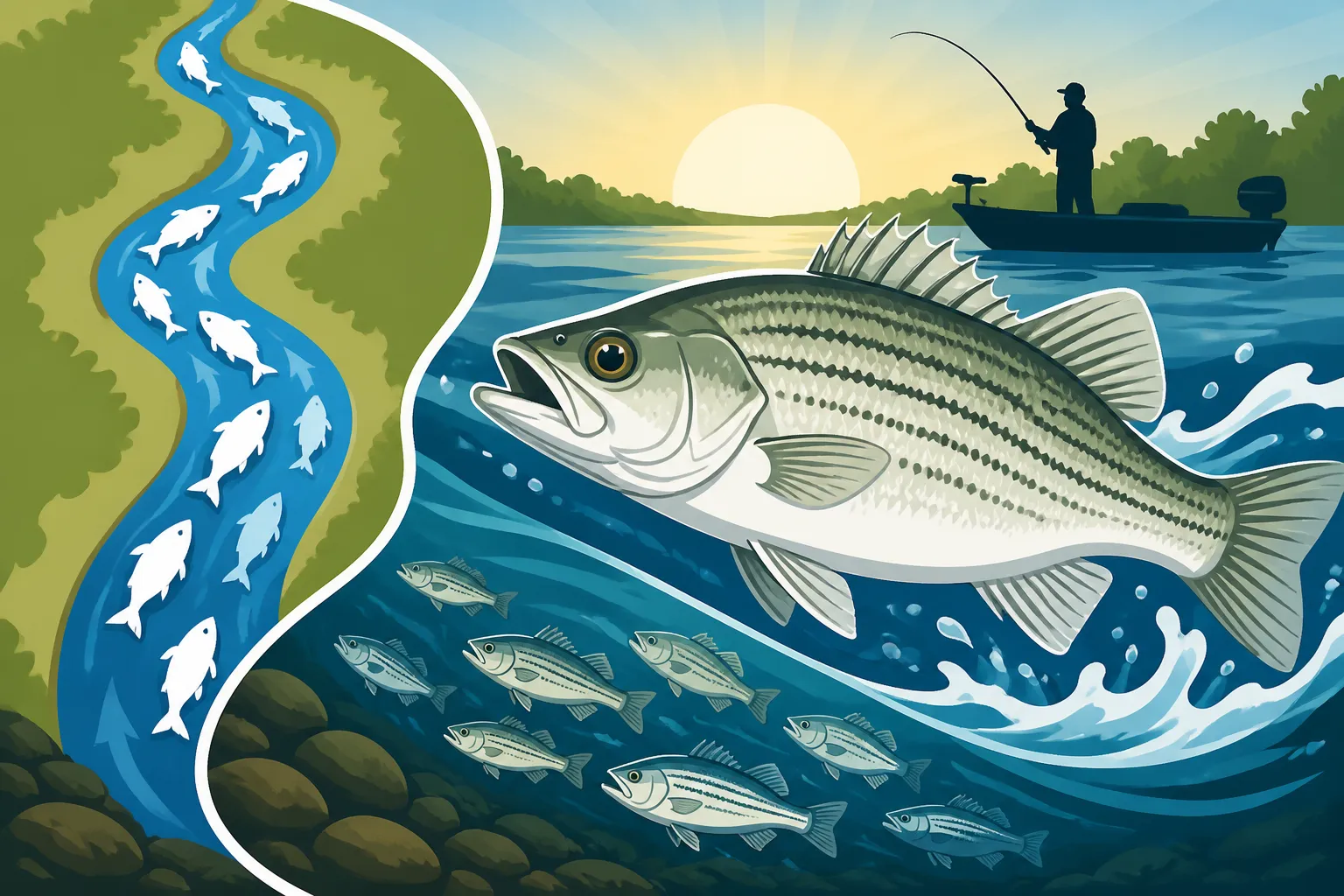
At its heart, a white bass run is a mass migration of white bass from their deeper, main-lake haunts into the shallower, moving waters of tributaries and creeks. This isn't just a leisurely swim; it's a determined, instinct-driven journey upstream, all for one crucial purpose: spawning. As the waters of Mississippi's reservoirs and rivers begin to warm in late winter and early spring, these fish feel an undeniable pull to reproduce.
They gather in huge schools, often numbering in the hundreds or even thousands, creating what can feel like an endless supply of biting fish in concentrated areas. Imagine a river or a creek arm, typically quiet, suddenly teeming with fish pushing upstream, chasing baitfish, and looking for ideal spawning grounds. It's a chaotic, vibrant scene that offers a unique angling opportunity. The sheer numbers involved mean that when you find them, the action can be non-stop, leading to some truly memorable fishing trips. It’s an experience that really sets itself apart from your typical day on the water, transforming a peaceful outing into an adrenaline-filled one.
Why White Bass Run
The primary motivation behind the white bass run is reproduction. White bass are an open-water schooling species for most of the year, preferring the deeper sections of lakes and reservoirs. However, when spring approaches, and specific environmental cues align, their ancient instincts kick in.
The most critical cue is water temperature. As the water warms to a range typically between 50 and 60 degrees Fahrenheit, it signals to the white bass that it's time to spawn. They need moving water to successfully reproduce because their eggs are semi-buoyant and require current to keep them suspended until they hatch. This is why they make their journey upstream into rivers and creeks, seeking out gravelly bottoms, rocky riffles, and areas with a consistent flow. These moving waters ensure their eggs are dispersed and oxygenated, increasing the chances of successful hatching.
Another significant factor is the availability of food. While their primary drive is spawning, the migration also concentrates baitfish, like shad and minnows, in these same tributary areas. White bass are opportunistic predators, and this convergence of spawning grounds and a plentiful food supply leads to the intense feeding frenzies that anglers cherish during the run. They're often in an aggressive mood, making them eager to strike a well-presented lure. It’s this combination of biological imperative and feeding opportunity that makes the run such an incredible phenomenon to witness and participate in.
When and Where to Find the White Bass Run in Mississippi
Timing and location are absolutely everything when it comes to intercepting the white bass run in Mississippi. Miss it by a week, or even a few days, and you might completely strike out. But hit it just right, and you're in for some unforgettable action.
The Timing: When to Expect the Run
Predicting the exact start and end of the white bass run can be a bit like forecasting the Mississippi weather – it's an art more than an exact science. Generally, you can expect the white bass run to kick off in early spring, typically from late February through April. However, this window is heavily influenced by Mother Nature.
The key indicator, as mentioned before, is water temperature. When the main lake body starts consistently hitting that 50 to 60-degree Fahrenheit range, the internal clock of the white bass starts ticking. Beyond temperature, heavy spring rains can also play a huge role. Rising water levels and increased flow in the feeder creeks and rivers can act as a powerful magnet, drawing fish upstream. A good rain can turn a slow bite into an explosive one almost overnight.
Because conditions vary year to year, and even week to week, flexibility is your best friend. Keep a close eye on local fishing reports, weather forecasts, and water temperature readings for your chosen lake or river. The run can sometimes last several weeks, but the peak action might only be for a few days within that period. Many seasoned anglers consider the run a relatively short window of opportunity for the most concentrated action, so when you hear whispers that the white bass are "in," it's time to drop everything and go! It’s all about timing it right, and patience for those ideal conditions. You'll want to consult a Mississippi Fishing Seasons Calendar to get a general idea, but always rely on current conditions for the most accurate timing.
Prime Locations for a Mississippi White Bass Run
While white bass can be found in many waters across Mississippi, some locations are legendary for their springtime runs. Knowing where to focus your efforts drastically increases your chances of success.
The major reservoirs in Mississippi are often the epicenters of incredible white bass runs. Think about places like:
- Ross Barnett Reservoir: The Pearl River arm and its various feeder creeks upstream can be fantastic.
- Grenada Lake: The Skuna River and Batts Creek areas are classic spots where fish stage before moving further upstream.
- Sardis Lake: The Little Tallahatchie River and its tributaries see strong runs.
- Pickwick Lake: The upper reaches of the Tennessee River and its feeding creeks offer prime opportunities.
Beyond these well-known lakes, the key is to look for the specific habitat within these systems. You want to focus on the feeder rivers and creeks that empty into the main lake. As you move upstream in these tributaries, look for:
- Shallow riffles and rapids: These oxygenated areas with gravel or rocky bottoms are ideal spawning sites.
- Rocky points and humps: Fish will often stage in deeper pools just below these areas before making their final push upstream.
- Confluence points: Where two creeks meet, or where a major creek enters a river, can create current breaks that hold large schools.
- Bridge pilings and log jams: These structures can provide current breaks and ambush points for hungry white bass.
Often, the best fishing is found anywhere from a few miles to several miles upstream from the main lake body, depending on water levels and flow. Don't be afraid to walk the banks, exploring different stretches of the river or creek. Sometimes, the fish are concentrated in very specific holes or bends. A little exploration can lead to a huge payoff. For a broader overview, check out some of the Best Fishing Spots in Mississippi.
Gear and Techniques for a Successful White Bass Run
Once you know what a white bass run is and when and where to find it, the next step is arming yourself with the right tools and knowledge to capitalize on the action. You don't need highly specialized gear, but having the right setup can make a big difference in both your comfort and your catch rate.
Essential Tackle for White Bass
White bass are not typically giant fish, but they are incredibly feisty for their size, and they fight hard! This means you don't need heavy-duty saltwater gear, but a light to medium-light setup is ideal for maximum fun and sensitivity.
A light to medium-light spinning rod, around 6 to 7 feet in length, paired with a matching spinning reel, is the go-to setup for most white bass anglers. A fast action rod tip is particularly beneficial. This allows you to cast lighter lures a good distance and provides the sensitivity needed to feel the often subtle "thumps" of white bass striking, even in current. It also has enough backbone to handle the strong runs of a hooked fish. When you're constantly casting and retrieving, having a comfortable, lightweight rod and reel combo makes all the difference. Many anglers find excellent, affordable options for rods and reels, along with other fishing necessities, on sites like Amazon, making it easy to gear up for the season. For more detailed information on selecting your gear, take a look at Choosing the Right Rod and Reel for Mississippi Fishing.
For fishing line, 4 to 8-pound test monofilament or fluorocarbon is generally sufficient. Some anglers prefer a thin braided line with a fluorocarbon leader for increased sensitivity and casting distance, especially when using very light lures. The thinner line helps your lures sink naturally and offers less resistance in the current, allowing for a better feel of the bite.
Top Baits and Lures
White bass are not overly picky during the run, especially when they are in a feeding frenzy. However, certain lures consistently outperform others. The key is often to mimic the small baitfish they are actively feeding on, or to trigger a reaction strike with something flashy.
Here are some of the most effective options:
- Small Jigs: These are absolute white bass killers. Sizes from 1/8 to 1/4 ounce are usually perfect. Colors like white, chartreuse, silver, or combinations of these are highly productive. Tipping a jig with a small piece of minnow or a Crappie Nibbler can sometimes seal the deal on slower days.
- Small Spinnerbaits or Inline Spinners: Think classic Rooster Tails, Mepps, or similar brands in sizes appropriate for small fish. The flash and vibration they create are irresistible to aggressive white bass. Silver or gold blades are usually best.
- Grubs and Soft Plastic Swimbaits: Small (1-2 inch) curly-tail grubs on a lead head, or tiny paddle-tail swimbaits, can be incredibly effective. White, smoke, clear with glitter, or chartreuse are excellent color choices.
- Small Crankbaits: Very small, shallow-diving crankbaits that mimic minnows can work well, especially in slightly deeper runs or pools.
- Live Bait: If artificial lures aren't producing, or if you just prefer a more natural presentation, small live minnows fished under a bobber or on a light jig head can be deadly. Always check local regulations regarding the use of live bait.
Many of these versatile lures are readily available online through retailers like Amazon, allowing you to stock up on a variety of colors and styles before your trip. Having a good selection lets you experiment and find out what the white bass are keying in on that particular day. For more on bait selection, particularly for similar species, consider Best Bait for Crappie in Mississippi.
Techniques to Hook Into the Action
The beauty of white bass fishing during the run is that the techniques are relatively straightforward, focusing on presentation and covering water.
- Casting and Retrieving: This is the most common and often most effective method. Cast your lure upstream or quartering upstream, allowing it to drift naturally with the current while you slowly retrieve it. Maintain enough tension to feel the bite but not so much that you pull the lure too fast. Experiment with retrieve speeds and pauses. Sometimes a steady retrieve works; other times, a stop-and-go or a slight jigging motion during the retrieve can trigger strikes. Pay close attention to where in the current flow the fish are hitting.
- "Slab Spooning" or Vertical Jigging: If you locate a deep hole or a staging area where fish are concentrated, vertical jigging a metal slab spoon can be incredibly effective. Drop the spoon to the bottom, then snap it up a foot or two, letting it flutter back down on a semi-slack line. Most bites will occur on the fall.
- Drifting with Live Bait: If you're using live minnows, simply drifting them with a split shot or small weight in the current, or under a small bobber, can be highly productive. Let the current carry your bait naturally through suspected holding areas.
- Looking for Bird Activity: Keep an eye on gulls or other fish-eating birds diving into the water. This is a classic indicator of baitfish being pushed to the surface by actively feeding white bass below, essentially pinpointing the fish for you.
- Focus on Current Breaks: White bass will often hold just out of the main current, in eddies or behind rocks, logs, or other structures, waiting to ambush passing bait. Cast to these areas, letting your lure swing into the calmer water.
Remember that white bass often school tightly, so where you catch one, there are likely many more. If you find a productive spot, keep working it! The action can be fast and furious, with multiple hook-ups possible. You might even find yourself limited by the number of How Many Fishing Poles Can You Use in Mississippi? rules, so make sure to check those out! Don't forget to review White Bass Fishing in Mississippi for even more specialized tips.
Maximizing Your Experience and Understanding the Impact
A white bass run isn't just about catching fish; it's about connecting with nature, enjoying the thrill of the chase, and understanding your role in maintaining this incredible resource. Taking a thoughtful approach to your fishing can enhance the entire experience.
Reading the Water and Conditions
Becoming a successful white bass angler during the run involves more than just casting a lure; it requires a keen eye for reading the water and understanding how conditions influence fish behavior. The river or creek you fished last week might be completely different this week due to rainfall or temperature changes.
Water clarity is a huge factor. After heavy rains, the water might become muddy or stained. In these conditions, brighter colored lures like chartreuse, orange, or even dark colors that create a strong silhouette (like black or purple) can be more effective. If the water is clearer, natural baitfish colors like silver, white, or light greens might be better.
Water levels and flow are also critical. Rising water can draw fish further upstream and into previously dry areas, while falling water might concentrate them in deeper holes or the main river channel. Strong current might require heavier jigs or lures to get down to the fish, whereas lighter presentations work better in slower moving water. Be prepared to adjust your lure weight and retrieve speed accordingly.
The most effective anglers are adaptable. They don't stick to one lure or one spot if it's not working. Using tools like a fish finder (if you're fishing from a boat or kayak) can help locate schools of fish in deeper channels or bends. Even without electronics, simply observing the water—looking for surface activity, current breaks, or areas where baitfish might congregate—can give you invaluable clues. Continually ask yourself: "Where would I be if I were a white bass in these conditions?"
Responsible Angling During the Run
The sheer abundance of fish during a white bass run can make it easy to get carried away, but responsible angling is paramount to ensure these incredible runs continue for future generations. White bass are prolific spawners, but overharvesting, especially of the larger, egg-laden females, can impact local populations.
Always, always familiarize yourself with the current catch limits and size regulations set by the Mississippi Department of Wildlife, Fisheries, and Parks (MDWFP). These regulations are in place for a reason – to manage the fishery sustainably. Don't push the limits or keep more fish than you genuinely intend to eat or process. You can find detailed information in the Mississippi Fishing Creel and Size Limits and Mississippi Fishing Regulations Explained.
If you're practicing catch and release, do so with care. Handle the fish minimally, use appropriate tools to remove hooks quickly, and release them gently back into the water. This is especially important for the larger breeding fish. Even if you're keeping a limit, consider releasing some of the bigger females after a quick photo. They are the future of the fishery. By practicing ethical angling, we can all contribute to the long-term health and vibrancy of Mississippi’s white bass populations.
The Pure Joy of the Run (and Meal Prep!)
Beyond the technical aspects, the white bass run offers an unparalleled sense of pure angling joy. There's a thrill that comes with finding a school of actively feeding white bass, where nearly every cast results in a strike. The fights are vigorous, often described as "pulling a wet sack" by some, but the sheer volume and continuous action make it incredibly exciting. It's a fantastic opportunity for new anglers, kids, or anyone looking to simply catch a lot of fish and have a blast.
It's also a wonderfully social event. You'll often find fellow anglers lining the banks or sharing stories from their boats, all united by the common pursuit of these spirited fish. There's a camaraderie that develops when everyone is in on the action.
And let's not forget the culinary aspect! White bass are excellent table fare. Their meat is firm, white, and mild, making them perfect for frying, baking, or grilling. Many anglers cherish the white bass run not only for the fishing experience but also for the delicious meals it provides. Freshly caught white bass, seasoned and cooked simply, is one of the true delights of spring fishing in Mississippi. Knowing how to properly clean your catch, much like How to Fillet a Crappie, will ensure you get the most out of your harvest. So, gear up, get out there, and enjoy one of Mississippi's most exciting annual fishing traditions!
Disclaimer
This article is for general informational purposes only and does not constitute professional advice. Laws, prices and regulations vary by location and change over time. Consult a qualified professional for guidance on your specific situation.