Biggest Fish Ever Caught in Mississippi
Ah, the quest for a true giant! Every angler, deep down, dreams of that one fish that makes jaws drop, a story that gets retold for generations, and maybe, just maybe, earns a spot in the record books. It’s a feeling that transcends the simple act of fishing; it’s about pushing limits, understanding the water, and connecting with something truly magnificent. If you’ve ever wondered what leviathans lurk in Mississippi’s abundant waters, or dreamed of breaking a state record yourself, you’re in the right place. This guide is all about celebrating the biggest fish ever caught in our beloved Magnolia State and giving you a glimpse into what it takes to join that elite club of trophy anglers.
The Lure of the Lunker: Why We Chase Record-Breaking Fish in Mississippi
There’s something undeniably captivating about a record-breaking fish. It’s not just a fish; it’s a legend. For anglers in Mississippi, with our incredible diversity of freshwater lakes, rivers, and the rich Gulf Coast, the dream of landing a true lunker is a powerful motivator. We're blessed with waters that consistently produce some truly enormous specimens, from monster bass in our sprawling reservoirs to colossal catfish in the muddy depths of the Mississippi River, and powerful game fish in the Gulf. This pursuit isn't for the faint of heart; it demands dedication, knowledge, and often, a hefty dose of patience.
The thrill comes from knowing that somewhere beneath the surface, there's a fish that has outsmarted countless others, grown to an incredible size, and represents the pinnacle of its species. Catching such a creature is a testament to an angler's skill, preparation, and sometimes, a little bit of good old-fashioned luck. It's about more than just dinner; it's about making history, even if it's just personal history.
The Thrill of the Chase and What It Means to Anglers
For many, the "thrill of the chase" is the essence of fishing, and it's amplified tenfold when a potential record is on the line. Imagine spending countless hours studying maps, monitoring weather patterns, and fine-tuning your gear, all in pursuit of one exceptional fish. You might wake up before dawn, launch your boat in the mist, and cast hundreds of times, enduring heat, cold, or relentless mosquitoes. Most days, you’ll come home with a respectable catch, perhaps even a few nice ones, but that specific, elusive giant remains a phantom.
Then, there’s that moment. The rod bends dramatically, the drag screams, and a fight begins that tests every fiber of your being and every component of your tackle. It's a primal dance between angler and fish, a battle of wills where experience and technique are paramount. When that immense fish finally surfaces, often after a grueling struggle, and you realize it's larger than anything you've ever seen, the adrenaline rush is incomparable. It’s a moment of pure triumph, a validation of all those early mornings and late nights. For many, it's not just about the weight or length; it's about the challenge, the respect for the animal, and the sheer accomplishment.
How State Records Are Established and Verified
Catching a truly massive fish is one thing; getting it officially recognized as a state record is another beast entirely. Mississippi, like other states, has a meticulous process to ensure the integrity of its fishing records. This isn't just a casual weigh-in; it involves strict guidelines set forth by the Mississippi Department of Wildlife, Fisheries, and Parks (MDWFP). First and foremost, the fish must be caught legally, adhering to all Mississippi Fishing Regulations Explained, using conventional angling methods (no snagging, noodling, or other non-sporting techniques for game fish). The "fair chase" principle is absolutely critical.
Once a potential record fish is landed, time is of the essence. It needs to be weighed on a certified scale, usually at a grocery store, marina, or official MDWFP office, where the scale has been independently calibrated. You'll need witnesses present, and often, photographic evidence. A biologist from the MDWFP will usually need to officially identify the species to prevent any mix-ups, especially between similar-looking species like Largemouth Bass vs Spotted Bass Differences or White Crappie vs Black Crappie: How to Tell Them Apart. Finally, detailed paperwork must be completed, including information about the angler, the location, the date, and the tackle used. It's a rigorous process, but it's what gives state records their undeniable prestige.
Mississippi's Freshwater Giants: State Records That Will Astound You
Mississippi's freshwater fisheries are legendary, consistently producing some of the largest game fish in the country. From the vast flood control reservoirs of North Mississippi to the serpentine rivers and oxbow lakes, our waters are fertile ground for true giants. Anglers travel from all over to try their luck, hoping to hook into one of these incredible fish that push the boundaries of size and weight for their species.
When we talk about the biggest fish, it’s often a testament to healthy ecosystems, strong conservation efforts, and the natural abundance of our state. The MDWFP does a tremendous job managing our fisheries, ensuring that future generations also have the opportunity to chase these magnificent creatures.
Legendary Largemouth Bass and Other Black Bass Species
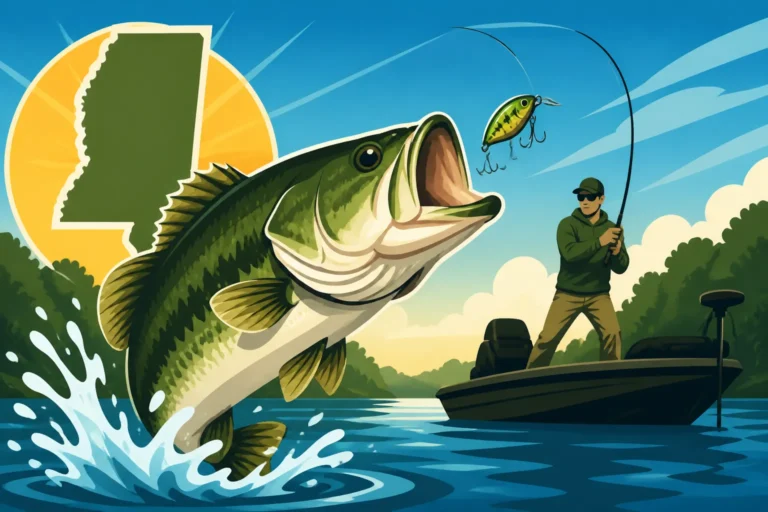
The largemouth bass is arguably the king of freshwater game fish in Mississippi, and our state has produced some truly astounding specimens. The thought of hooking into a double-digit bass is what keeps countless anglers casting. While I can't give you the exact current record weight right now, the Mississippi State Record Largemouth Bass Weight is definitely a testament to the incredible potential of our waters. Lakes like Ross Barnett Reservoir, Pickwick Lake, and even some smaller, well-managed private ponds have a reputation for growing absolute giants. Anglers often spend years refining their techniques, studying Largemouth Bass Diet and Feeding Habits, and exploring prime habitats like submerged timber, weed lines, and creek channels, all in pursuit of that one monster bass.
Beyond the classic largemouth, Mississippi also boasts healthy populations of spotted bass and smallmouth bass, particularly in the northeastern parts of the state. While they don't typically reach the same gargantuan sizes as their largemouth cousins, these species also have their own state records, celebrated for their unique fighting characteristics and the challenge they present. Knowing How to Identify a Spotted Bass is key, as they often get mistaken for largemouth. Targeting these different black bass species often requires slightly different approaches in terms of lures and locations, making the chase even more diverse and exciting for dedicated anglers.
Crappie Kings and Catfish Colossi of the Magnolia State
If bass are the kings, then crappie are certainly the princes, and Mississippi is famous for its slab crappie. Lakes like Grenada, Sardis, Enid, and Arkabutla are practically synonymous with giant crappie, drawing anglers from across the nation hoping to land a true "slab." The Mississippi State Record Crappie Weight is an impressive number that speaks to the rich forage and ideal growing conditions in these waters. Catching a crappie that weighs several pounds is an incredible feat, requiring precision jigging, spider rigging, or careful trolling, often in specific depths around brush piles or standing timber. The pursuit of these paper-mouthed titans is a passionate endeavor for many Mississippians.
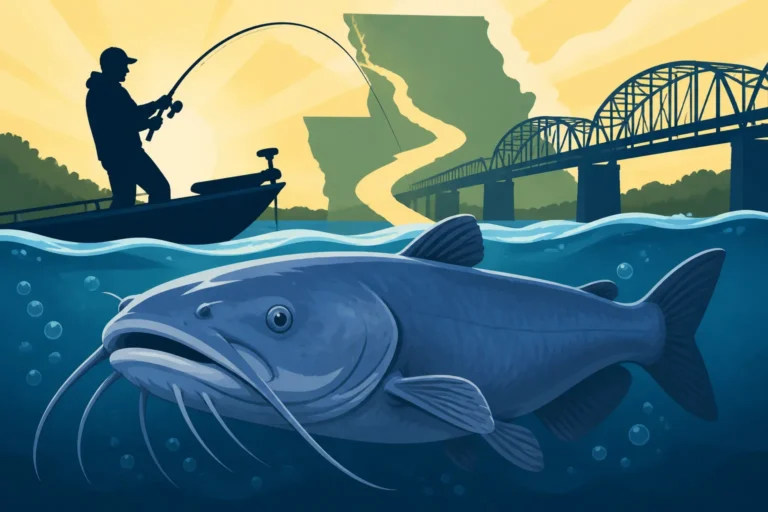
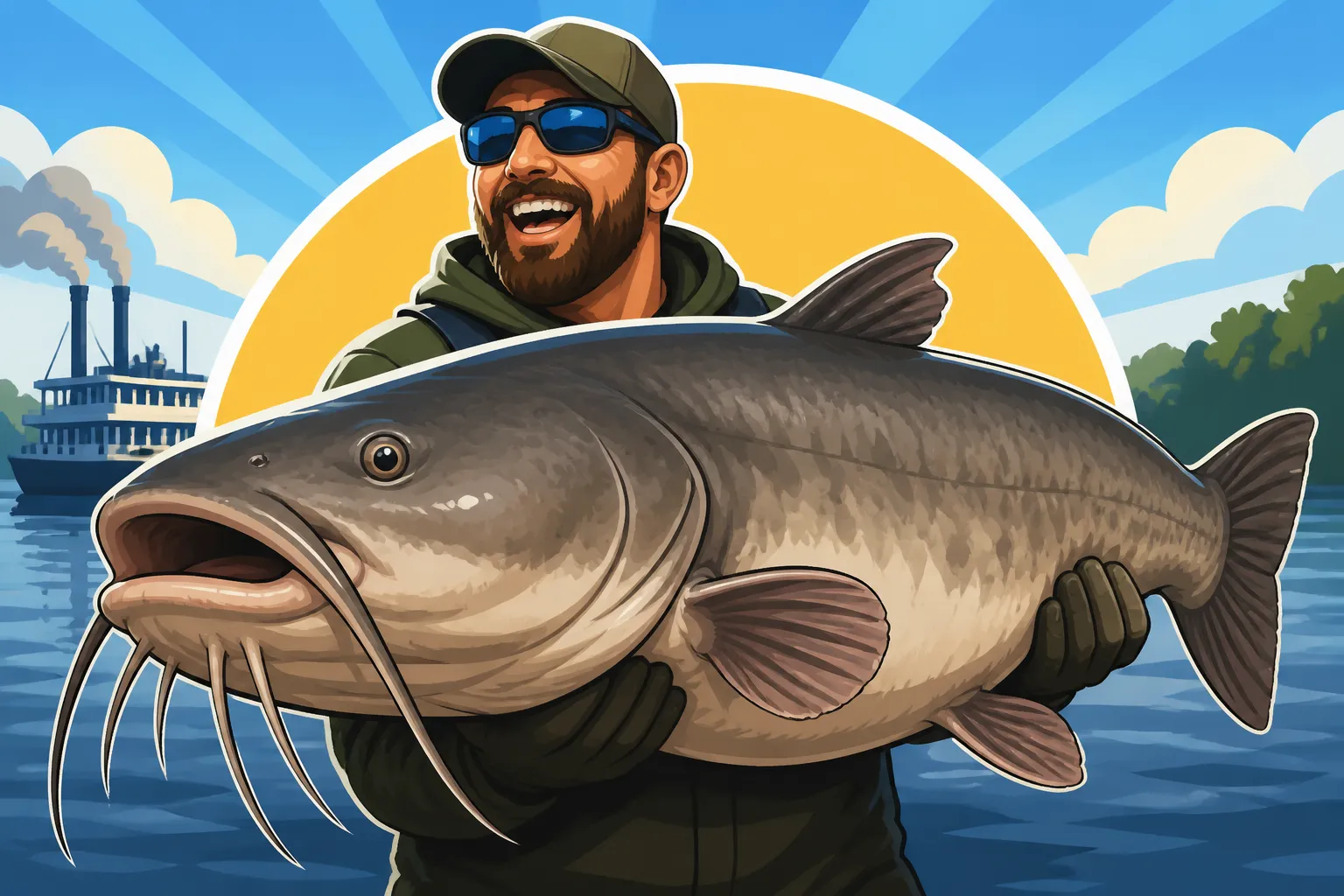
Then we have the undisputed heavyweights: catfish. Mississippi's rivers and large reservoirs are home to truly monstrous blue, channel, and flathead catfish. The Mississippi State Record Catfish Weight is usually held by an enormous blue catfish, often pulled from the depths of the Mississippi River or one of its major tributaries. These fish can grow to truly staggering sizes, capable of stripping line and testing even the stoutest rods and reels. Imagine the fight a 100-pound-plus blue cat puts up! Understanding Blue Catfish Size in the Mississippi River gives you a sense of the scale we're talking about. Anglers often employ heavy-duty gear, strong braided line, and robust baits like cut bait or live bait to entice these bottom-dwelling giants. Night fishing is a particularly popular and effective method for targeting these colossal creatures, adding another layer of adventure to the chase.
Overlooked Freshwater Titans: Gar, Buffalo, and More
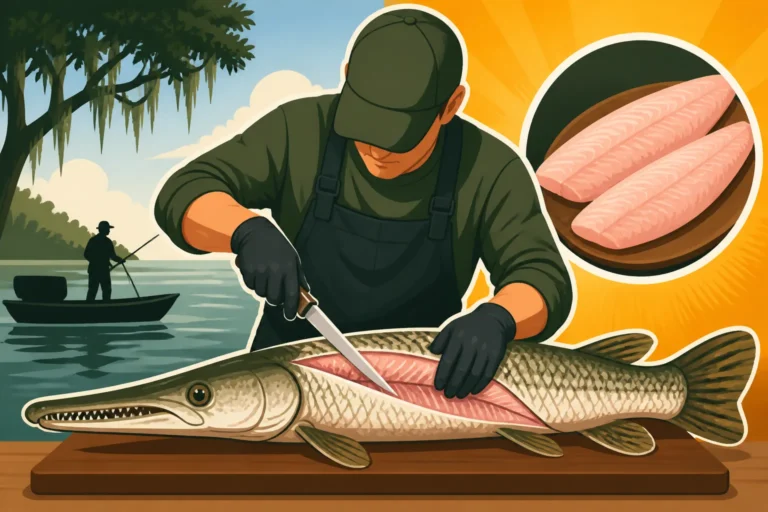
While bass, crappie, and catfish often steal the spotlight, Mississippi's waters are also home to other freshwater species that grow to truly formidable sizes and hold impressive state records. The alligator gar, an ancient and formidable predator, is one such fish. These prehistoric-looking fish can reach incredible lengths and weights, making their state record a truly awe-inspiring number. Alligator Gar Size in Mississippi Waters can be astounding, sometimes exceeding seven feet in length and well over a hundred pounds. Anglers specifically targeting gar often use heavy-duty tackle, steel leaders, and large baits, and the fight is often described as brutal and relentless.
Other species like buffalo fish and bowfin, though not always considered prime game fish, also have state records that showcase their impressive growth potential. Buffalo fish, a type of large sucker, can grow quite hefty, often found in slow-moving rivers and lakes. Bowfin, sometimes called "grinnel," are incredibly powerful and aggressive fish that can also reach significant sizes. While they might not get the same attention as a trophy bass, catching a record-sized gar, buffalo, or bowfin is still a significant accomplishment and a testament to the diverse and thriving aquatic life in Mississippi. These species offer a different kind of challenge, appealing to anglers looking to expand their horizons beyond the traditional game fish.
The Gulf Coast's Goliaths: Saltwater Records That Make Waves
Shifting from our inland waters to the majestic Mississippi Gulf Coast, anglers find a whole new world of record-breaking potential. The convergence of freshwater outflow from the Mississippi River system with the nutrient-rich Gulf of Mexico creates an incredibly productive environment, teeming with diverse and often colossal saltwater species. The Gulf Coast offers everything from intense inshore battles with powerful reds to epic offshore trips chasing deep-sea monsters, each with its own state record for anglers to aspire to.
The sheer power and size of some of these saltwater fish are enough to humble even the most experienced angler. The open waters of the Gulf provide ample space and food for fish to grow to truly spectacular dimensions, making the records here a testament to their strength and the resilience of the ecosystem.
Red Snapper, Cobia, and the Offshore Behemoths
For many, the pinnacle of Gulf Coast fishing involves heading offshore in pursuit of formidable species like red snapper and cobia. Red snapper are a highly prized catch, renowned for their incredible fighting strength and delicious white meat. The state record for red snapper is a truly impressive fish, a testament to the robust populations found on offshore reefs and wrecks. While their season is typically short, anglers meticulously plan their trips to target these powerful fish, adhering strictly to Red Snapper Season Limit in Mississippi and understanding Red Snapper Size in the Gulf. You'll need stout rods, heavy-duty reels, and strong line to wrestle these red beasts from their rocky homes, often in hundreds of feet of water.
Cobia, often called "ling," are another highly sought-after species that can grow to impressive sizes and offer a tremendous fight. These migratory fish appear along the Mississippi Coast during certain times of the year, often cruising near buoys, wrecks, or even along the beaches. The Cobia Size on the Mississippi Coast can be substantial, with fish well over 50 pounds being a common goal. Landing a record cobia requires quick reactions, accurate casting, and the ability to handle a powerful, acrobatic fish that never gives up. Beyond these, the deep waters of the Gulf hold records for other pelagic species, from king mackerel to amberjack, each capable of pushing angling gear and skill to their absolute limits.
Inshore Giants: Redfish, Speckled Trout, and Flounder
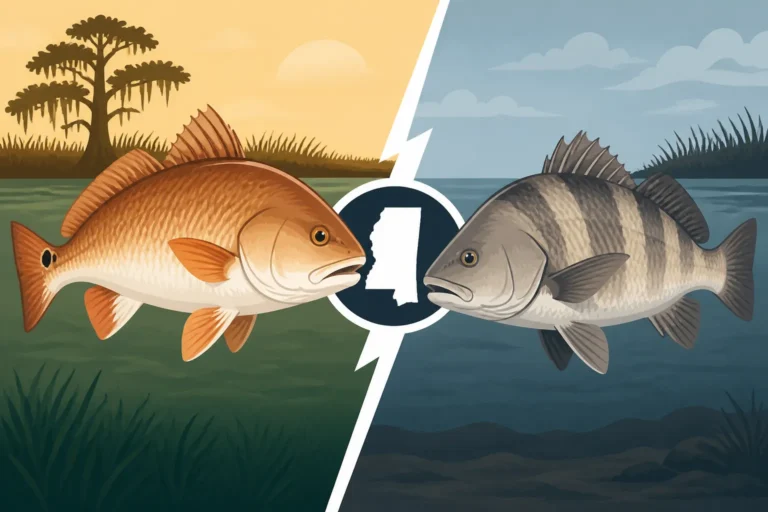
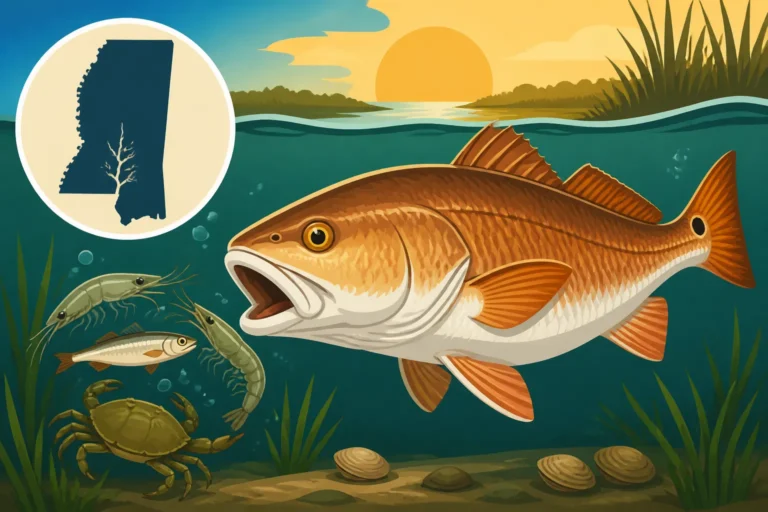
You don't always need to venture miles offshore to find trophy-sized saltwater fish in Mississippi. Our intricate marsh systems, bays, and sounds are home to some spectacular inshore species that grow to impressive dimensions and hold their own state records. Redfish, especially the larger "bull reds," are a favorite target. While most anglers adhere to the Redfish Slot Limit on the Mississippi Gulf Coast for conservation, catching and releasing a massive bull red is a bucket-list item for many. These powerful fish can easily exceed 30 or 40 pounds, providing a brutal fight on medium-heavy tackle. Anglers often sight-fish for them on shallow flats or target them in deeper bayous with live bait or artificial lures.
Speckled trout are another beloved inshore species, and while they don't reach the same weights as redfish, a true trophy speckled trout is a beautiful and highly sought-after fish. The Speckled Trout Size Limit in Mississippi ensures healthy populations, and anglers constantly chase those "gator" trout that push the upper limits of the record books. Live shrimp, soft plastics, and topwater lures are popular choices for enticing these striking predators. And let's not forget flounder, the masters of camouflage. While often caught as a bonus, a truly massive flounder can weigh several pounds and provide an unexpected, hard-hitting fight. Targeting them specifically involves slow-dragging baits along the bottom near structures or jetties. Even simple pier fishing can yield surprising results, especially if you gear up properly with quality lures and tackle, which can easily be found on Amazon.
Strategies for Landing Your Own Mississippi Legend
Chasing state records or even just personal bests isn't about luck alone; it's a strategic endeavor that combines knowledge, preparation, and perseverance. While the biggest fish ever caught in Mississippi may seem like an unreachable benchmark, every record started with an angler making a plan and executing it. If you dream of putting your name in the record books, or simply want to maximize your chances of catching a trophy, there are definitely steps you can take.
It’s about understanding the nuances of the water, the behavior of the fish, and having the right tools for the job. It's also about respecting the resource and practicing responsible angling, ensuring these incredible fish can continue to thrive for years to come.
Researching and Understanding Your Target Species
The first and most crucial step in landing a trophy fish is to become an expert on your target species. You need to know everything about its habits, preferred habitat, diet, and seasonal movements. For example, if you're after a monster largemouth bass, understanding Largemouth Bass Diet and Feeding Habits will help you choose the right lures and present them effectively. Knowledge of Mississippi Fishing Season Dates and Limits is also paramount, as fish behavior changes dramatically with the seasons, impacting where they feed and where they spawn.
Consult resources like the MDWFP's official website for species information, stocking reports (like Fish Stocked in Mississippi Lakes), and record lists. Local bait shops, fishing forums, and experienced guides can also offer invaluable insights. Pay attention to water temperature, clarity, and structure. Is your target fish a shallow-water ambush predator or a deep-water scavenger? Does it prefer clear water or muddy conditions? The more you know, the better equipped you'll be to put your bait in front of that record-breaker.
Gear Up for Giants: Tackle and Techniques
You wouldn't bring a butter knife to a sword fight, and you shouldn't bring ultralight tackle when chasing a potential state record. Gearing up properly is non-negotiable. This means investing in robust rods with the right action for fighting large, powerful fish, paired with reels that boast smooth, strong drags and ample line capacity. Your fishing line choice is critical – consider braided line for its strength and sensitivity, or heavy monofilament for its abrasion resistance, depending on the conditions and species. Don't skimp on hooks, swivels, and leader material; these are often the weakest links in the chain when battling a giant. High-quality fishing tackle can make all the difference, and it's easy to find durable, dependable options on platforms like Amazon.
Beyond the gear, mastering specialized techniques is key. For trophy crappie, this might mean precise spider rigging over deep brush piles or slow-trolling with multiple lines. For giant catfish, it could involve setting up trotlines or jug fishing with large, smelly cut baits in river channels. Bass anglers might employ oversized swimbaits, heavy jigs, or deep-diving crankbaits to tempt the biggest fish. Saltwater trophy hunters might focus on live baiting with substantial baits for cobia or dropping heavy jigs for red snapper. Even choosing the Best Rod and Reel Setup for Beginners is a good starting point to understand the basics, but for records, you'll need to level up.
Patience, Persistence, and Proper Handling
Perhaps the most underrated qualities of a trophy angler are patience and persistence. Landing a state record rarely happens on the first cast, or even the hundredth. It requires countless hours on the water, enduring slow days, frustration, and often, failure. But it's in those moments of persistence that true opportunities arise. You might have to fish a spot for hours, or even multiple trips, before that giant finally decides to bite. The mental game is just as important as the physical one.
Finally, proper handling of a potential record fish is paramount. If you're planning to release the fish, which is a noble goal for many trophy anglers, ensure you have the tools and knowledge for a quick, safe release to maximize its survival. If you are pursuing a state record, you need to keep the fish alive and healthy if possible until it can be officially weighed and verified. Have a large livewell, a suitable cooler with ice, or even a fish bag ready. Know where the nearest certified scales are located and get there as quickly as possible. Ethical angling practices not only preserve the species but also uphold the integrity of the sport for everyone.
Here's a quick overview of some record categories and where you can find the current official figures:
| Species Category | Description of Record Potential | Where to Check Current Records | Common Habitats & Tips |
|---|---|---|---|
| Largemouth Bass | Impressive double-digit weights | MDWFP Website | Ross Barnett, Pickwick, private ponds. Structure fishing. |
| Crappie (White/Black) | "Slabs" often exceeding 3 pounds | MDWFP Website | Grenada, Sardis, Enid. Brush piles, spider rigging. |
| Catfish (Blue/Flathead) | Massive weights, often over 100 lbs | MDWFP Website | Mississippi River, major reservoirs. Heavy tackle, cut bait. |
| Alligator Gar | Prehistoric giants, over 100 lbs | MDWFP Website | Slow rivers, oxbows. Heavy tackle, strong leaders. |
| Redfish | "Bull Reds" inshore and nearshore | MDWFP Website | Coastal marshes, bays, passes. Live bait, sight fishing. |
| Speckled Trout | "Gator" trout, often over 5 lbs | MDWFP Website | Estuaries, grass flats. Live shrimp, soft plastics. |
| Red Snapper | Powerful offshore fighters | MDWFP Website | Offshore reefs, wrecks. Deep dropping, strong gear. |
| Cobia | Migratory powerhouses | MDWFP Website | Buoys, wrecks, clear water. Live bait, sight casting. |
Disclaimer
This article is for general informational purposes only and does not constitute professional advice. Laws, prices and regulations vary by location and change over time. Consult a qualified professional for guidance on your specific situation.