Largemouth Bass Diet and Feeding Habits
Ever wonder why those big Mississippi largemouth bass seem to turn their nose up at your perfectly presented lure sometimes? It's not always about your technique; often, it's about understanding what they're actually looking for on any given day. This guide dives deep into the intricate world of largemouth bass diet and feeding habits in Mississippi, giving you the insights you need to consistently put more fish in your boat and truly understand the minds of these elusive predators.
The Opportunistic Apex Predator: A Bass's Menu in Mississippi Waters
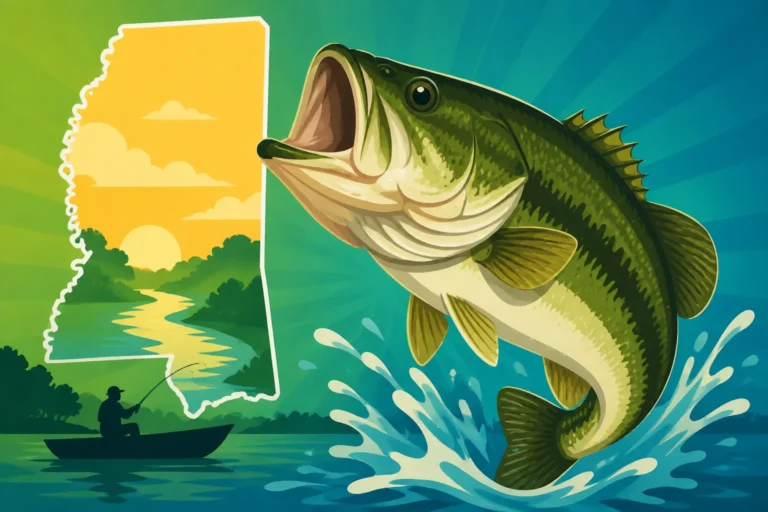
Largemouth bass are truly remarkable fish, not just for their fighting spirit but also for their incredibly adaptable diet. They're often called opportunistic feeders, which basically means if it moves and fits in their mouth, there's a good chance they'll try to eat it! In Mississippi's diverse waters, from the vast reservoirs like Ross Barnett to countless smaller ponds and oxbows, their menu can be surprisingly varied. Understanding what they typically forage on is the first step to choosing the right bait and approach.
Primary Forage: Baitfish, Crayfish, and Frogs
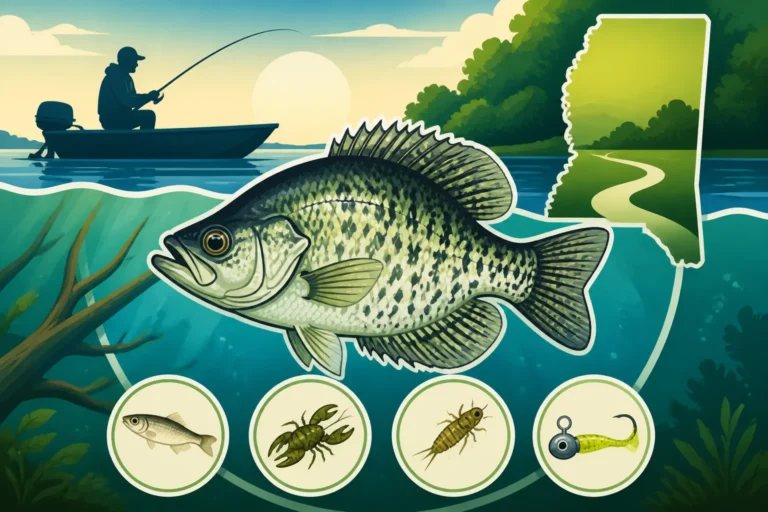
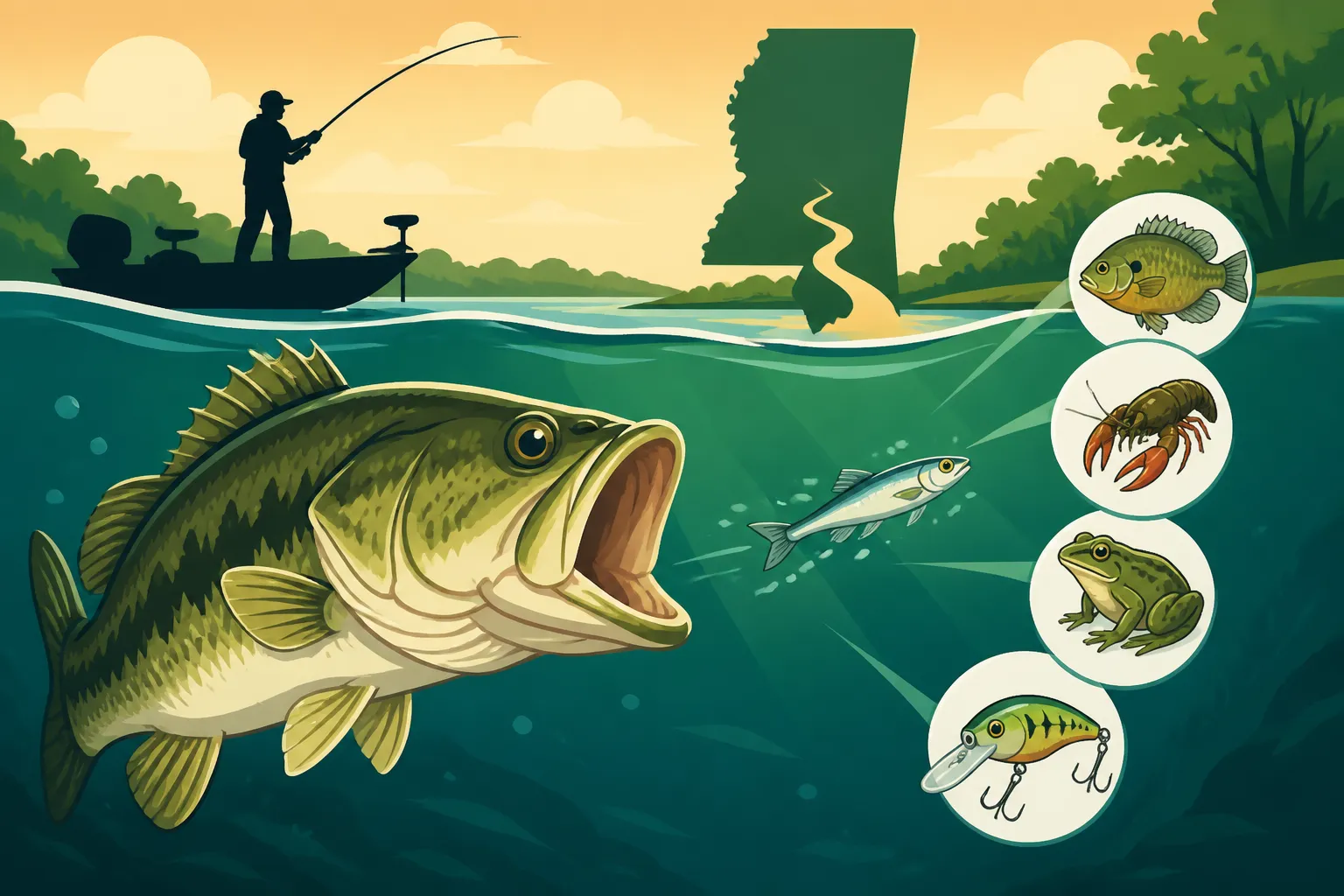
When you think about a largemouth bass's favorite meal, certain staples immediately come to mind. Baitfish are high on that list. Species like shad (gizzard and threadfin), various minnows, and even smaller sunfish are a constant food source, especially in larger impoundments. If you've ever watched a bass bust a school of shad on the surface, you know the excitement that comes with it! Mimicking these common baitfish with crankbaits, swimbaits, or soft plastic flukes is often a highly effective strategy.
Beyond finned prey, crayfish are another absolute powerhouse in the bass diet, particularly in lakes and rivers with rocky bottoms or plenty of submerged timber. These crusty critters are packed with protein, and bass absolutely gorge on them when they're available. Many a seasoned angler will tell you that if you're not throwing a jig or a creature bait that looks like a crayfish, you're missing out on some serious bites, especially when the water temperature dictates a slower, bottom-oriented retrieve. You can find a huge variety of realistic crayfish lures on Amazon, perfect for matching the local forage.
And who could forget frogs? A frog plopping into the water near a lily pad patch is like ringing a dinner bell for a hungry bass. While perhaps not a year-round staple everywhere, during warmer months, frogs are a critical part of their diet in shallow, vegetated areas. Topwater frog lures are not just incredibly fun to fish; they're incredibly effective because they perfectly imitate a natural meal that bass simply cannot resist. When the water gets warm, consider throwing a hollow-bodied frog over matted grass.
Beyond the Basics: Insects, Worms, and Even Small Critters
While baitfish, crayfish, and frogs dominate the headlines, a bass's diet extends far beyond these main courses. Insects, especially larger ones like grasshoppers, cicadas, and dragonflies, can become a significant food source at certain times of the year, particularly in ponds or near banks with overhanging vegetation. If you've ever seen a bass jump clear out of the water to snatch a bug, you know how keen they are to these morsels. This is where subtle topwater presentations or even fly fishing can shine. Worms, whether natural earthworms washed into the water after a rain or aquatic worms, are also consumed, especially by smaller bass or when other forage is scarce.
But here's where it gets really interesting and a bit wild: largemouth bass are known to eat a surprising array of other small animals. Hatchling ducks, baby turtles, snakes, and even small rodents or birds that accidentally fall into the water are fair game for a truly ambitious or hungry bass. While you might not specifically "fish" for bass with a baby duck imitation, understanding this broad predatory instinct helps you realize just how aggressive and opportunistic these fish truly are. It reinforces why large, noisy topwater lures or bulky swimbaits can sometimes entice a monstrous strike.
The Impact of Invasive Species on Bass Diet
In Mississippi, like many places, the presence of invasive species can certainly alter the local ecosystem, and that includes the largemouth bass's diet. While not always a negative, it introduces new variables. For instance, in some waters, species like the omnipresent Asian carp, particularly the smaller ones, can become an available food source. While full-grown carp are too large for most bass, their juveniles could certainly be prey. However, a more pressing concern might be how invasive species outcompete the native baitfish that bass traditionally rely on, potentially making bass work harder for their meals or shifting their focus to other available forage. Anglers who stay abreast of local reports on Mississippi Fishing Season Dates and Limits and invasive species populations will have an edge. This highlights the importance of keeping an eye on local conditions and adjusting your strategy rather than sticking to one tried-and-true method.
Decoding Bass Behavior: Factors Influencing Feeding Habits
Understanding what bass eat is only half the battle; knowing when and why they eat it is where you truly start to connect the dots. Largemouth bass are creatures of habit and environment, and numerous factors dictate their feeding patterns. These elements can change rapidly, meaning that what worked yesterday might not work today. This is the challenge and the thrill of Largemouth Bass Fishing in Mississippi!
Water Temperature and Metabolism
Water temperature is perhaps the single most crucial factor influencing a largemouth bass's metabolism and, by extension, its feeding habits. Bass are cold-blooded, meaning their body temperature mirrors that of their environment.
- Cold Water (Below 50°F): In the colder months, especially during the Mississippi Winter Fishing Guide, a bass's metabolism slows way down. They become lethargic, move less, and need fewer calories. Their feeding windows are short, and they prefer slow-moving, high-protein meals that require minimal effort to catch. Think deep-water jigs or slowly dragged creature baits. They're not going to chase a fast-moving crankbait across a flat.
- Cool to Warming Water (50-65°F): As spring arrives and water temperatures begin to climb, their metabolism picks up. This is a prime time for a bass to start actively feeding and bulking up for the spawn. They'll chase baitfish more aggressively and start looking for crayfish as they become more active. This transitional period, covered well in the Mississippi Spring Fishing Guide, can offer some incredible fishing as bass move shallower.
- Warm Water (65-80°F): This is often peak activity for bass. Their metabolism is high, and they need to eat frequently. They're active throughout the water column and will chase a wide variety of prey. Topwater action can be fantastic, and they'll hit spinnerbaits, crankbaits, and soft plastics with gusto.
- Hot Water (Above 80°F): During the dog days of summer, as discussed in the Mississippi Summer Fishing Guide, very warm water can cause oxygen levels to drop, and bass might become less active during the hottest parts of the day. They'll often retreat to deeper, cooler water or dense shade and feed more during dawn, dusk, or even at night. This is when deep-diving crankbaits or slower, Texas-rigged worms become more effective.
Light Conditions and Ambush Predation
Largemouth bass are sight feeders, but they excel in low-light conditions thanks to excellent low-light vision. This makes them particularly effective ambush predators at dawn, dusk, and on cloudy days.
- Low Light (Dawn, Dusk, Overcast): These are often prime feeding times. Bass use the reduced visibility to their advantage, ambushing prey that might not see them coming. Topwater lures, spinnerbaits, and buzzbaits that create a strong silhouette or vibration are highly effective. Many anglers swear by the early morning bite, and for good reason—bass are actively hunting. What Is the Best Time to Fish for Bass in Mississippi? often boils down to these low-light periods.
- Bright Sunlight: When the sun is high and bright, bass often retreat to cover, such as submerged timber, weed lines, docks, or deep structure. They'll still feed, but their activity might be reduced, and they'll be more focused on prey that ventures too close to their hiding spots. Slower presentations, like pitching jigs or soft plastics into heavy cover, are key. They're less likely to chase a bait across open water.
- Full Moon/Night Fishing: While not always intuitive, a full moon can provide enough ambient light for bass to feed actively at night, especially in clear waters. This phenomenon is something many experienced anglers take advantage of, using dark-colored lures that create a distinct silhouette against the moonlight.
Habitat and Available Forage
The specific habitat a bass inhabits directly influences its diet by determining what food sources are readily available. A bass living in a heavily vegetated lake like Lake Washington will have different primary forage than one in a rocky, clear reservoir like Pickwick Lake.
- Vegetated Lakes: Here, bass will find an abundance of frogs, small sunfish, and insects. They'll also find plenty of cover for ambush attacks. Lures that mimic these species, and can be fished through heavy cover without snagging (like weedless frogs or soft plastics), are indispensable.
- Reservoirs with Standing Timber/Brush Piles: These areas are prime locations for baitfish and crayfish. Bass will hide within the timber, waiting for unsuspecting prey. Jigs, crankbaits that deflect off wood, and lipless crankbaits are highly effective here.
- Clear, Rocky Lakes: In clearer waters, visibility is high, and bass rely heavily on sight. They might feed more on crayfish and shiners. Lure colors become more critical here, and a more natural presentation is often required. Lines can also be lighter, as the fish can see heavy line in clear water. For Best Bass Fishing Lakes in Mississippi, matching your presentation to the specific water body is crucial.
Seasonal Shifts: How Bass Diets Change Throughout the Year
Mississippi experiences distinct seasons, and with each shift, the largemouth bass's metabolism, location, and preferred meal change right along with it. Being able to adapt your strategy to these seasonal dietary shifts is what separates an average angler from a consistently successful one. It's a continuous learning process, but one that yields great rewards.
Spring Spawning Feasts
Ah, spring in Mississippi! The trees are budding, the air is warming, and the bass are getting ready for arguably their most important event of the year: the spawn. This period, thoroughly explored in When Do Bass Spawn in Mississippi?, is characterized by significant dietary changes.
- Pre-Spawn (Water 50-60°F): As water temperatures rise into the 50s, bass begin to move from their deeper wintering holes toward shallower spawning areas. They are driven by a huge need to feed and build up energy reserves for the strenuous spawning process. This is often when they're at their most aggressive, gorging on anything they can catch. Crankbaits, spinnerbaits, and jigs are excellent choices. They'll chase schools of baitfish moving into shallower creeks and coves, and crayfish becoming active are also a major target.
- Spawn (Water 60-70°F): During the actual spawn, when bass are on beds, their focus shifts from feeding to reproduction. Males guard the nests, and females lay eggs. While they become very territorial and will strike at anything perceived as a threat to their nest, they are not actively feeding for sustenance. Small plastics, creature baits, or even weightless worms pitched onto a bed are often used to provoke a strike, but the intent isn't to eat the lure.
- Post-Spawn (Water 70°F+): After the spawn, bass are often exhausted and recuperating. They might be sluggish for a week or two, but once they recover, they're hungry again. They often retreat to slightly deeper cover near spawning areas. They'll still hit a variety of baits, but often with less aggression than pre-spawn. They're still looking for high-protein meals to regain their strength. Often, a slower presentation of a soft plastic or a subtle jig can coax a bite.
Summer's Deepwater Bounty
When the Mississippi summer heat truly settles in, and water temperatures climb into the high 70s and 80s, bass feeding habits adjust dramatically. They seek refuge from the heat and bright sun.
- Deepwater Retreat: During the hottest parts of the day, bass often move to deeper, cooler water, seeking thermoclines, submerged structure, or dense cover like hydrilla beds or lily pad fields. Here, they'll often feed during low-light hours or on baitfish that also seek these cooler, oxygen-rich zones.
- Nocturnal and Crepuscular Feeding: Many anglers find success fishing for bass at night during the summer. With the sun gone, temperatures drop, and bass feel more comfortable moving into shallower areas to hunt. Topwater lures, dark-colored spinnerbaits, and large worms can be very effective after dark. This is often detailed in Mississippi Night Fishing Rules.
- Opportunistic Strikes: Even in the heat of the day, a bass will not pass up an easy meal. Flipping and pitching jigs or heavy Texas-rigged worms into dense cover, under docks, or into thick mats of vegetation can still draw powerful strikes from resident bass unwilling to move far for a meal.
Fall's Frenzy and Winter's Slow Bite
As the oppressive summer heat gives way to cooler autumn days, bass enter a "fall frenzy," followed by the lethargic winter bite.
- Fall Turnover and Feeding Frenzy (Water 60-70°F): Fall is often considered one of the best times of year for bass fishing. As temperatures drop, water bodies undergo "turnover," redistributing oxygen and nutrients. Bass become incredibly active, feeding aggressively to fatten up for the coming winter. They often chase baitfish that school up, making crankbaits, spinnerbaits, and topwater lures highly effective. This period can see some of the most exciting action of the year as bass try to gorge on everything they can find. If you want to know Best Time of Year to Fish in Mississippi, many would point to the fall.
- Winter Sluggishness (Water Below 50°F): Once winter fully arrives, bass activity slows significantly, mirroring their slowed metabolism. They move to deep water, often congregating in specific areas like channel swings, bluff walls, or deep creek beds. Their feeding windows are short, and they prefer slow, subtle presentations. Jigs, finesse worms, and slow-rolled blade baits are the go-to baits. Patience is key, as bites can be few and far between, but the fish you catch are often healthy and robust. The Mississippi Winter Fishing Guide offers more specific advice for this challenging but rewarding season.
Putting Knowledge into Practice: Matching Your Approach to Their Appetite
Knowing what and when largemouth bass eat is valuable, but the real magic happens when you translate that knowledge into actionable fishing strategies. It's about matching your presentation to their current mood and the available forage. This adaptive approach is at the heart of Bass Fishing Techniques for Mississippi Anglers.
Selecting the Right Lures and Baits
Choosing the right lure isn't just about what you like to throw; it's about what the bass are looking for.
- Mimic the Prey: If bass are feeding on shad in open water, a chrome or silver crankbait or a soft plastic swimbait that mimics a shad is a strong choice. If you're pitching into thick cover where crayfish are prevalent, a brown or green pumpkin jig with a creature trailer is often irresistible. For areas with lots of frogs, a topwater frog is a no-brainer. Think about the size, shape, and color of the natural forage and try to match it. Many anglers find great success with a variety of realistic imitations available from online retailers like Amazon.
- Consider the Water Clarity: In clear water, natural colors and more subtle presentations are usually best. In stained or muddy water, brighter colors (like chartreuse or orange) and lures that create a lot of vibration (like spinnerbaits or squarebill crankbaits) can help bass locate your bait.
- Action Matters: The speed and action of your lure should also match the bass's activity level. During a cold front, a fast-moving topwater bait won't get much attention, but a slowly dragged football jig might. Conversely, during a fall feeding frenzy, a burning spinnerbait might be exactly what they want. You can find detailed breakdowns of effective options in Best Lures for Largemouth Bass.
Here's a quick look at common forage and suitable lure profiles:
| Primary Forage | Typical Habitat | Recommended Lure Type(s) | Presentation Notes |
|---|---|---|---|
| Shad/Minnows | Open water, schooling | Crankbaits, Swimbaits, Jerkbaits, Spinnerbaits, Flukes | Vary retrieve speed; erratic movements mimic fleeing bait. |
| Crayfish | Rocky bottoms, submerged wood | Jigs, Creature Baits, Carolina Rigs, Football Jigs | Hop, drag, or "walk" along the bottom; slower retrieves often best. |
| Frogs | Lily pads, thick vegetation | Hollow-body Frogs, Buzzbaits, Soft Plastic Frogs | Work over or near cover; allow pauses. |
| Worms/Insects | Near banks, post-rain, subtle cover | Texas-rigged Worms, Neko Rigs, Wacky Worms, Topwater Poppers | Finesse presentations; allow ample soak time; subtle twitches. |
| Small Sunfish | Around structure, shallow cover | Swim Jigs, Squarebill Crankbaits, Small Swimbaits | Work around docks, laydowns, or weed edges. |
Timing Your Attack: Best Feeding Windows
Just as crucial as the lure is the timing. Bass aren't constantly feeding, and certain times of day offer significantly better chances of success.
- Low Light Dominance: As we discussed, dawn and dusk are almost universally great times to fish for bass. The reduced light gives them an advantage over their prey, and they often become more active. Plan your trips to coincide with these windows, especially during the warmer months.
- Weather Conditions: Overcast days or periods just before a storm can often trigger a strong bite, as the low light and barometric pressure changes stimulate feeding. Conversely, bluebird skies after a cold front can make fishing tough, requiring a much slower and more precise approach. Learning how to read the Best Barometric Pressure for Fishing can be a game changer.
- Tidal Influence (Coastal Rivers): While most Mississippi bass fishing is freshwater, in tidal rivers or brackish areas, the tide can play a huge role. Often, falling tides concentrate baitfish in specific areas, creating easy ambush points for bass.
Understanding Forage Patterns in Your Favorite Lake
Finally, applying this knowledge means being a detective on the water. Every lake, every pond, and even different sections of the same reservoir can have unique forage patterns.
- Observe Your Surroundings: Look for signs of baitfish activity—shiners jumping, shad busting the surface. Pay attention to what bugs are hatching or what animals are present around the banks. If you see dragonflies buzzing, a topwater bug imitation might be worth a try.
- Check Stomach Contents: If you harvest a legal fish, take a moment to check its stomach contents (if you're not planning to release it immediately). This provides invaluable direct evidence of what the bass have actually been eating. You might be surprised by what you find!
- Talk to Local Anglers: Local bait shops and seasoned anglers are a goldmine of information. They often have real-time updates on what the bass are biting on and what the primary forage is in a particular area. Information about places like Ross Barnett Reservoir Fishing Guide or Grenada Lake Fishing Guide often comes from these valuable local sources. Don't be shy about asking questions!
By combining a deep understanding of what largemouth bass eat with the factors that influence their feeding, and then applying that knowledge on the water, you'll not only catch more fish but also develop a much deeper appreciation for these magnificent Mississippi game fish.
Disclaimer
This article is for general informational purposes only and does not constitute professional advice. Laws, prices and regulations vary by location and change over time. Consult a qualified professional for guidance on your specific situation.