Redear Sunfish (Shellcracker) Fishing in Mississippi
There's nothing quite like the tug of a feisty panfish on your line, and for many anglers across Mississippi, the Redear Sunfish, affectionately known as the "Shellcracker," offers some of the most enjoyable fishing experiences. While they might not get the same glory as a trophy bass, these hard-fighting sunfish can provide incredible action and delicious table fare. If you've ever struggled to consistently locate and catch these elusive bottom-feeders, or wondered how to tell them apart from their bream cousins, this guide is designed to equip you with all the knowledge you need to become a successful Shellcracker angler in our beautiful state.
Understanding the Redear Sunfish
Before you can effectively target any fish, it's essential to understand who you're dealing with. Redear Sunfish are a unique and rewarding species, often underestimated by those new to panfishing. They have distinct characteristics and behaviors that set them apart, and knowing these details will give you a significant advantage on the water.
Identification and Key Characteristics
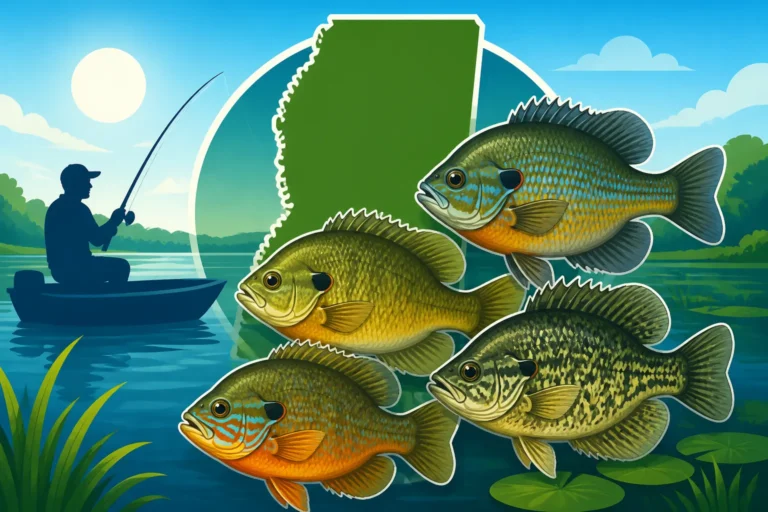
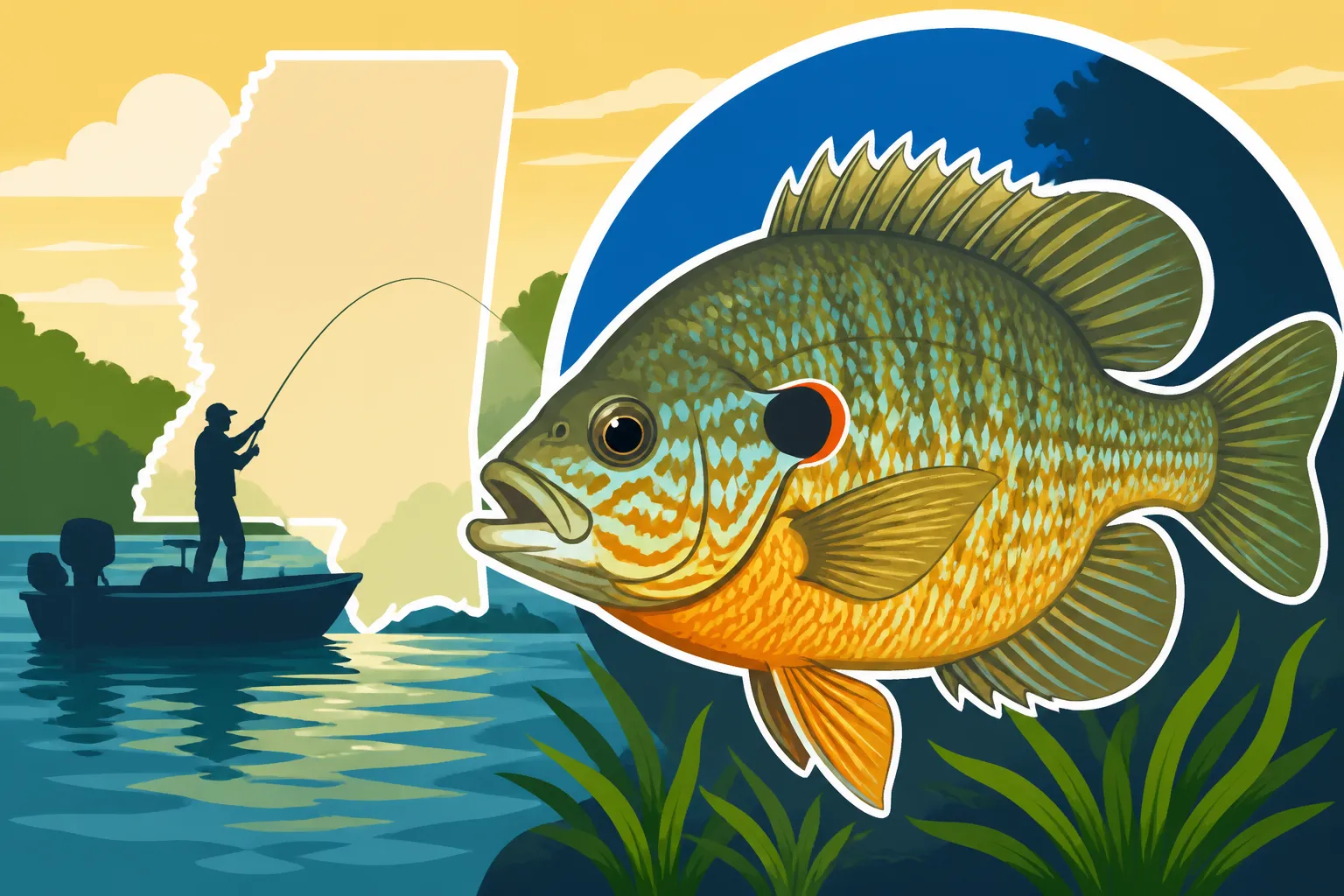
The Redear Sunfish gets its "redear" name from the distinctive red or orange margin on the opercular (gill) flap, which is typically quite prominent, especially on the males. This little splash of color is one of the easiest ways to distinguish them from other sunfish species like bluegill or even spotted sunfish, though sometimes the color can be duller in females or younger fish. Their bodies are typically deep and compressed, with a high back, giving them that classic panfish shape. They often have a yellowish-green to olive-green coloration on their backs, fading to lighter green or yellow on their sides, with a white or yellowish belly. Sometimes you'll see faint vertical bars on their sides, but these are usually less pronounced than on a bluegill.
Another key feature that sets them apart is their mouth. Redear have a smaller, more pointed mouth compared to a bluegill, which is perfect for their preferred diet. They also tend to grow larger than many other sunfish, with a stocky build that makes them real fighters when hooked. A big Shellcracker can easily rival a small bass in terms of fighting spirit! If you're ever in doubt when comparing them to other panfish, check out our guide on Redear Sunfish vs Bluegill Differences for a clear breakdown.
Typical Habitat and Behavior
Shellcrackers are true bottom-feeders, and their specialized diet dictates where you'll most often find them. Unlike bluegill, who are often found suspended in the water column or near surface cover, Redear prefer to cruise the bottom, searching for snails, mussels, and other invertebrates. Their powerful pharyngeal teeth (located in their throat, not their jaws) allow them to crush the shells of these creatures, hence the "Shellcracker" nickname. This means they'll often be found in slightly deeper water than other sunfish, or at least along the deeper edges of weed beds and structure.
In Mississippi, you'll find them thriving in clear, calm waters with plenty of submerged vegetation, brush piles, and gravel beds. Lakes, slow-moving rivers, and large ponds are prime Shellcracker territory. They appreciate areas where they can easily access their preferred mollusk buffet. You'll often find them schooling, especially during the spawn, making it possible to catch several once you locate a productive spot. They're not as aggressive as bass, often taking baits with a subtle 'thump' rather than a hard strike, which can sometimes make them a bit trickier to detect.
Where to Find Shellcrackers in Mississippi
Mississippi is blessed with an abundance of fantastic fishing opportunities, and that certainly includes prime locations for Redear Sunfish. Knowing where to start looking can save you a lot of time and lead to a much more productive day on the water. From expansive reservoirs to tranquil state park lakes, Shellcrackers have made themselves at home across our state.
Major Reservoirs and Large Lakes
Many of Mississippi's major reservoirs are excellent for Shellcrackers, offering vast expanses of ideal habitat. Lakes like Ross Barnett Reservoir near Jackson, often called "The Rez," are phenomenal. Here, you'll want to focus on areas with hard bottoms, shell beds, or submerged vegetation that lines the deeper channels and creek arms. The transition zones where shallow flats drop off into deeper water are always a good bet, especially if there's structure like brush or stumps present. Look for those slight depressions or humps on the bottom that might indicate a prime feeding area.
Other large bodies of water like Sardis Lake and Grenada Lake, famous for their crappie, also hold impressive populations of Redear. While people are often chasing slabs, many anglers inadvertently pull up some monster Shellcrackers here. Focus on the main lake points and deeper flats, particularly those with a history of good growth of aquatic plants or scattered natural debris. Using a good depth finder can help you pinpoint these subtle bottom features where Shellcrackers love to congregate. Remember, they're often overlooked, meaning less pressure and bigger fish for those who know how to target them. If you're planning a trip to one of these larger lakes, it’s always smart to check out guides like Ross Barnett Reservoir Fishing Guide or Sardis Lake Fishing Guide for broader insights into the lake's structure and overall fishing conditions.
State Park Lakes and Local Ponds
Don't overlook the smaller, often more accessible waters for incredible Shellcracker action. Mississippi's State Park Lakes are often managed for panfish, making them fantastic destinations. Lakes such as Lake Mary Crawford (Percy Quin State Park), Lake Tom Bailey (Clarkco State Park), or Neshoba County Lake are regularly stocked and offer excellent public access. These lakes often have clear water and abundant vegetation, creating perfect conditions for Redear to thrive. The shallower depths of many state park lakes also make it easier for bank anglers or those in smaller boats to reach productive areas without needing specialized equipment.
Even local farm ponds and private waters can be hidden gems. If you have permission to fish a well-managed pond, chances are it holds a healthy population of Shellcrackers. These smaller bodies of water often warm up faster in the spring, triggering an earlier spawn and offering some of the year's first good panfish action. Look for areas where submerged weeds meet deeper water, or around any visible cover like docks, fallen trees, or lily pads. Many local tackle shops can give you tips on lesser-known spots, or you can use resources like our Mississippi State Park Lake Fishing Permits guide to understand access requirements.
Effective Techniques for Catching Redear Sunfish
Successfully catching Redear Sunfish, while not overly complicated, does require a specific approach different from targeting a schooling bluegill or an aggressive bass. Because they are bottom-feeders, your presentation needs to get down to them and stay there. Stealth, patience, and the right tackle are your best friends when chasing Shellcrackers.
Bottom Fishing with Live Bait
This is arguably the most effective and traditional method for catching Redear Sunfish. Since they forage primarily on the bottom for snails and other invertebrates, presenting your bait directly in their strike zone is crucial. A simple Carolina rig or a slip-sinker rig works wonders. For a Carolina rig, you'd thread a small egg sinker (1/8 to 1/4 ounce is usually plenty) onto your main line, then tie on a swivel. Below the swivel, add a leader of about 6-12 inches (lighter fluorocarbon or monofilament, say 4-6 lb test), and finally, a small, sharp hook (size 6 or 8). This setup allows the fish to pick up the bait without feeling the weight of the sinker, which is important for their often subtle bite.
For bait, you'll want to use what they naturally eat or something similar. Worms are king here. Small pieces of red wiggler, nightcrawler, or even specialized panfish worms can be irresistible. Many anglers swear by crickets or grubs too. The key is to cast your bait out, let it settle to the bottom, and then slowly reel in any slack. Watch your line carefully for the slightest twitch or bump, as a Shellcracker bite can be very light. Sometimes, they just "mush" the bait, and you'll only feel a slight pressure. Setting the hook with a gentle but firm sweep is usually all it takes.
Jigging and Artificial Lures
While live bait is hard to beat, artificial lures can also be effective, especially once you've located a concentration of fish. The trick is to mimic their natural forage and present it on the bottom. Small jigs, typically 1/32 to 1/16 ounce, tipped with a tiny plastic grub, tube, or a soft plastic worm imitation, can work well. Colors like brown, black, green pumpkin, or natural tones often resemble aquatic insects or small crustaceans, which Shellcrackers might also consume.
When jigging for Redear, the presentation is paramount. You want to retrieve the jig very slowly, letting it bounce or drag along the bottom. Subtle twitches of the rod tip can impart action, making the lure appear like a crawling insect or a struggling worm. Another highly effective method is to tip your jig with a piece of real worm or a wax worm. This adds scent and a little extra wiggle, often providing that extra appeal needed to trigger a bite from a finicky Shellcracker. While not as common as for crappie, some anglers successfully use ultra-light spinning gear to cast tiny spoons or spinners, retrieved slowly near the bottom, especially if they are aggressive and in shallower water during the spawn. You can find a fantastic selection of these small jigs and plastics on Amazon, perfect for stocking your panfish tackle box.
Best Baits and Lures for Shellcrackers
Choosing the right bait can make all the difference in a successful Shellcracker outing. While their diet is somewhat specialized, they aren't entirely picky, and having a few go-to options will ensure you're always ready.
Live Bait Selections
As mentioned, worms are the undisputed champions for Redear Sunfish. Red wigglers are particularly effective due to their active wiggling and natural scent. Nightcrawlers, cut into smaller pieces, also work wonders. The key is to use just enough worm to cover your hook, leaving a tempting tail section for movement. Crickets and grasshoppers can also entice bites, especially if they are presented near emergent vegetation where they might naturally fall into the water. For a different texture and scent profile, wax worms or mealworms can be very appealing.
Some seasoned Shellcracker anglers also swear by small freshwater mussels or snails, which they collect from the same waters they plan to fish. Cracking a snail's shell and presenting the soft body on a hook is about as natural as it gets for a Redear. This can be time-consuming, but the results can be outstanding, especially when other baits aren't producing. Always ensure your live bait is fresh and lively – a sluggish bait is less enticing. You can often find a good selection of live bait at local bait shops across Mississippi, or even sometimes order specialty worms online.
Artificial Bait Options
For those who prefer artificials or want to cover more water, there are several excellent choices. Soft plastic baits in the 1 to 2-inch range are usually best. Think tiny grubs with curl tails, small tube jigs, or micro creature baits. Colors that imitate natural forage like brown, black, olive, or even chartreuse can be effective. The key is to keep them small and to present them slowly and near the bottom. Scented soft plastics can give you an added edge, as the scent trail can attract fish and encourage them to hold onto the bait longer.
Small spinnerbaits designed for panfish, often called "beetle spins," can also produce, especially if tipped with a small plastic body or a piece of worm. The flash and vibration can draw attention, and the small profile is perfect for a Shellcracker's mouth. When choosing artificials, remember the Redear's preference for bottom-dwelling invertebrates. Focus on baits that can be fished effectively on the bottom or with a slow, crawling retrieve. Finding the right combination of size, color, and action might take some experimentation, but once you crack the code for a particular body of water, it can lead to fantastic fishing. When it comes to stocking up, online retailers like Amazon have an incredible variety of micro jigs and small panfish plastics, sometimes with options you won't find in every local store.
| Bait Type | Best Presentation | Notes |
|---|---|---|
| Red Worms | Bottom rig, under a float | Classic, effective, irresistible scent and movement |
| Nightcrawlers | Cut into pieces, bottom rig | Good for larger Shellcrackers, robust on the hook |
| Crickets | Under a small float, shallow | Effective near surface vegetation, especially in spring |
| Wax Worms/Mealworms | Tipped on a jig, bottom rig | Adds scent and natural appeal to artificials |
| Small Soft Plastics | Jigged slowly on bottom | Mimics insects/grubs, choose natural colors |
| Micro Jigs | Slow retrieve, tipped with bait | Versatile, good for probing structure and cover, widely available on Amazon |
Seasonal Strategies for Shellcracker Fishing
Understanding how Redear Sunfish behave throughout the year is crucial for consistent success. Their patterns shift with water temperature and spawning cycles, and adapting your approach to the season will significantly increase your catch rates.
Spring Spawn Frenzy
Spring is arguably the best time of year to target Redear Sunfish. As water temperatures rise, typically into the high 60s and low 70s Fahrenheit, Shellcrackers move into shallower waters to spawn. This is when they become most concentrated and aggressive, making them easier to locate and catch. Look for them in shallow coves, along sandy or gravelly banks, or in areas with sparse vegetation, often in water depths of 2 to 5 feet. They will create saucer-shaped beds, often in colonies, similar to bluegill, but typically in slightly deeper water and often with more shell fragments present.
During the spawn, the fish are actively protecting their nests and will readily strike at anything that intrudes. This is when a small jig tipped with a wax worm, or a red wiggler presented on a lightweight bottom rig, can lead to non-stop action. Many anglers use a small bobber or float rig to keep their bait suspended just above the beds. Stealth is still important; approach these areas quietly to avoid spooking the fish. If you find one bed, chances are there are more nearby, so cast around to locate the entire colony. Our article on Mississippi Spring Fishing Guide offers broader tips for the season, but for Shellcrackers specifically, focus on these shallow, hard-bottomed areas.
Summer Deeper Dwellers
Once the spawn is over and Mississippi's scorching summer heat sets in, Redear Sunfish will typically retreat to deeper, cooler waters. They'll still be looking for their mollusk meals, but you'll need to adjust your tactics to find them. Focus on main lake humps, points that drop off into deeper channels, and submerged creek beds. Look for depths ranging from 8 to 20 feet, often near brush piles, stumps, or other forms of submerged cover that provide both food and protection.
Vertical jigging or tight-lining with a bottom rig becomes extremely effective during the summer. Using a fish finder to locate schools of fish or concentrations of structure is a huge advantage. Once you find them, drop your bait directly onto their heads. The bites might be lighter in the warmer water, so pay close attention to your line. Early mornings and late evenings can sometimes offer a brief window of opportunity when Shellcrackers move slightly shallower to feed, but for consistent action, focus on the deeper structure during the heat of the day. Don't forget to stay hydrated and protect yourself from the sun during those long summer days on the water!
Fall and Winter Patience
Fall fishing for Redear can be a pleasant surprise. As water temperatures cool, Shellcrackers become more active again, often feeding heavily to build up reserves for winter. They might move back into shallower areas, especially sunny spots or creek channels, but generally remain near good cover or deeper structure. This is often a transition period, and finding them might require covering a bit more water. Look for them along the edges of remaining grass beds or near woody cover in 5-15 feet of water.
Winter fishing for Redear is possible in Mississippi, but it demands patience. They will be much slower and less active, often holding tight to deep structure like brush piles, channel bends, or ledges. The bite will be incredibly subtle, sometimes just feeling like added weight on your line. Presenting a small jig or a tiny piece of worm directly in front of their face is usually the only way to entice a strike. Focus on sunny, calm days when the water might warm up a degree or two, and be prepared for a slower bite. While it's not the most productive season, catching a few chunky Shellcrackers on a crisp winter day is a truly rewarding experience. For more general seasonal advice, check out Mississippi Fishing Seasons Calendar.
Panfish Partners: Common Catches and Comparison
When you're out targeting Redear Sunfish, you'll inevitably encounter other panfish species. Mississippi's waters are teeming with a variety of sunfish, and understanding their differences and how they relate to Shellcrackers can enhance your overall fishing experience.
Distinguishing Redear from Other Sunfish
It's common for anglers, especially beginners, to confuse Redear Sunfish with their more common cousins, the Bluegill. Both are popular panfish and often inhabit similar waters, but there are distinct differences beyond the red ear flap. Bluegill typically have vertical bars on their sides, a darker overall coloration, and a more rounded, often black, opercular flap. Their mouths are also larger and more upturned, indicating a diet that includes more insects from the water column or surface. Redear, with their smaller, pointed mouths and specialized crushing teeth, are built for bottom feeding.
Another sunfish you might encounter is the Green Sunfish, which has a larger mouth and a more elongated body, with iridescent green coloration and often wavy blue lines on its face. Warmouth also have larger mouths and a more mottled, bass-like appearance. While you're targeting Shellcrackers on the bottom, you might also pick up smaller bass or even catfish, as they too frequent similar bottom structure. Knowing the key identification features will help you adhere to specific creel and size limits for each species, and it's just plain fun to know what you've caught! For a more detailed look, our Panfish Species Found in Mississippi article covers the various types you might encounter.
Complementary Catches and Mixed Bags
One of the great joys of panfishing for Shellcrackers is the potential for a fantastic mixed bag. While you're targeting Redear, it's highly likely you'll also catch Bluegill, particularly if you're using worms or small jigs. You might also encounter Crappie if you're fishing near brush piles or submerged timber, especially if your bait is suspended slightly off the bottom. Smaller Channel Catfish are also common complementary catches, as they also frequent the bottom and are opportunistic feeders, often drawn to the same baits.
The beauty of a mixed bag is that it keeps the action going and provides a wonderful variety for the dinner table. When you're fishing for Shellcrackers, always be prepared for these other species. Having a few different bait options on hand, or even a second rod rigged differently (perhaps with a minnow for crappie), can capitalize on whatever species is most active. It’s all part of the fun of Mississippi fishing! And if you're wondering about general regulations that might apply to all these species, our Mississippi Fishing Creel and Size Limits guide is a must-read.
Essential Gear for Shellcracker Success
Having the right gear makes a world of difference when chasing Shellcrackers. While you don't need highly specialized equipment, choosing the right rod, reel, line, and terminal tackle will increase your sensitivity, improve your casting, and ultimately lead to more fish in the cooler.
Rod and Reel Combinations
For Redear Sunfish, a lightweight and sensitive rod and reel setup is key. An ultralight spinning combo is often the preferred choice. Look for a spinning rod in the 5 to 6-foot range with a fast or moderate-fast action, which means the tip is flexible but the backbone is strong enough to handle a feisty fish. This sensitivity will allow you to detect those subtle Shellcracker bites. A light power rod is crucial for casting small baits and enjoying the fight of these fish.
Pair this rod with a small spinning reel, typically a 500 or 1000 series. These reels are designed for light lines and offer smooth drag systems, which are important when a big Shellcracker decides to make a run. A good quality reel will also provide smooth casting and retrieval. Brands like Shimano, Daiwa, or even Pflueger offer excellent value in this size range. Investing in a decent ultralight setup will not only serve you well for Shellcrackers but also for bluegill, crappie, and even smaller bass. You can often find great deals on these combos on Amazon, with options for every budget.
Line and Terminal Tackle
When it comes to fishing line, light monofilament or fluorocarbon in the 4 to 6-pound test range is ideal. Monofilament is a popular choice for its affordability, stretch, and ease of handling, especially with small baits. Fluorocarbon offers lower visibility, less stretch for increased sensitivity, and good abrasion resistance, which can be beneficial when fishing around submerged structure or shell beds. Avoid lines heavier than 6-pound test, as they can hinder your casting distance with light baits and make it harder to detect faint bites.
For terminal tackle, you'll want small, sharp hooks. Sizes 6 or 8 are excellent for most Shellcracker fishing, but sometimes a size 10 might be necessary for very small baits or finicky fish. Aberdeen hooks are popular for their thin wire, which makes them less visible and easier to remove from a fish's mouth. Small lead split-shots or egg sinkers (1/8 to 1/4 ounce) are perfect for getting your bait to the bottom without being overly heavy. Swivels are also useful to prevent line twist and connect your main line to your leader for Carolina rigs. Always carry a variety of sizes to adapt to changing conditions. A small tackle box with these essentials will ensure you're ready for any Shellcracker opportunity that comes your way.
Disclaimer
This article is for general informational purposes only and does not constitute professional advice. Laws, prices and regulations vary by location and change over time. Consult a qualified professional for guidance on your specific situation.