Alligator Gar Fishing in Mississippi
There's a special kind of thrill that comes with targeting truly prehistoric fish, and in Mississippi, few species fit that description better than the formidable alligator gar. If you've ever felt the sheer power of one of these ancient predators on the end of your line, or just heard tales of their massive size and toothy grins, you know why anglers are drawn to them. This guide is dedicated to helping you understand, locate, and successfully (and safely!) catch alligator gar in the Magnolia State, tackling everything from what gear you'll need to the specific regulations you need to follow.
Understanding Alligator Gar in Mississippi Waters
Before you even think about casting a line, it's crucial to really understand the creature you're after. Alligator gar aren't your typical panfish or even your average largemouth bass; they are a unique and powerful part of Mississippi's aquatic ecosystem, steeped in history and often misunderstood. Learning about their biology and habits is the first step to becoming a successful and responsible gar angler.
What Exactly is an Alligator Gar?
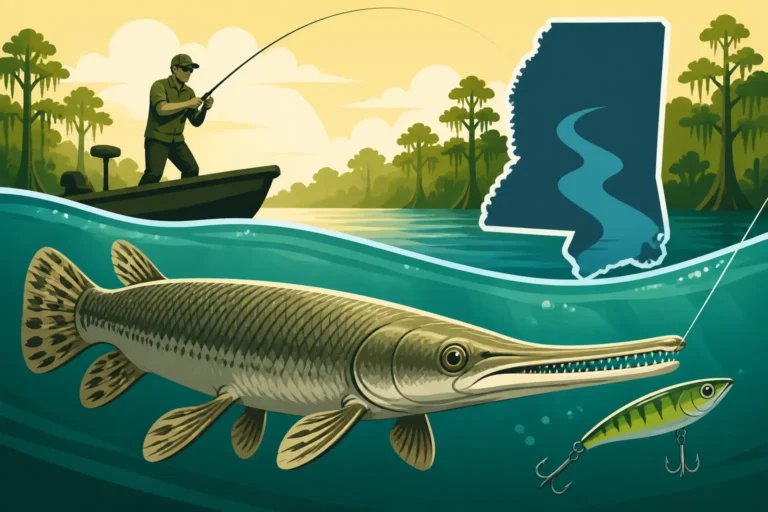
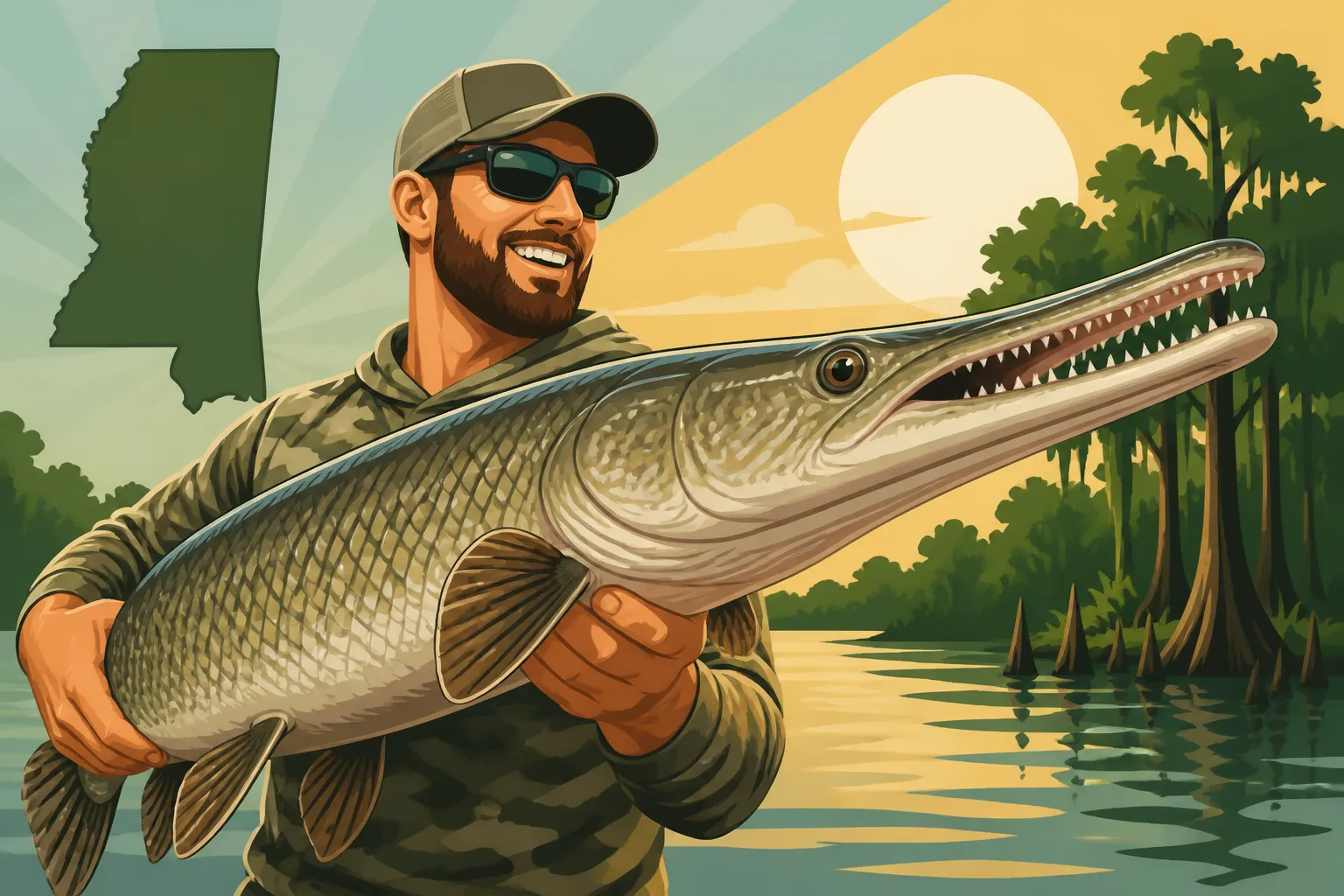
The alligator gar (Atractosteus spatula) is a truly impressive fish, a living fossil that has roamed North American waters for millions of years. They're easily recognized by their long, cylindrical bodies, distinctive duck-bill-like snout, and two rows of razor-sharp teeth on their upper jaw – hence the "alligator" in their name. Their scales are incredibly tough, almost like armor, making them quite resilient. Unlike other gar species, the alligator gar has a broader, shorter snout and larger, more prominent teeth, which helps distinguish it from its smaller cousins like the longnose or spotted gar. These fish are apex predators in their habitat, playing a vital role in maintaining the balance of the ecosystem by preying on larger, slower fish.
They are incredibly hardy and can tolerate a wide range of water conditions, from brackish coastal marshes to slow-moving freshwater rivers and bayous. In Mississippi, you'll find them in many of our major river systems and associated oxbow lakes. Their ability to breathe both in and out of water (using a modified swim bladder) allows them to survive in oxygen-depleted areas where other fish would perish, giving them a distinct advantage during hot summer months or in stagnant backwaters. This resilience is part of what makes them such fascinating and challenging targets for anglers.
Historically, alligator gar were often demonized as "trash fish" that consumed game fish, leading to widespread eradication efforts. However, scientific understanding has evolved, and we now know that healthy gar populations are indicators of a healthy ecosystem. They primarily feed on rough fish like carp, buffalo, and shad, and occasionally on waterfowl or small mammals, helping to keep those populations in check. It's a testament to their adaptability and crucial role that they've endured for so long, and recognizing their ecological value is key to their continued conservation.
Where Do Alligator Gar Live in Mississippi?
Mississippi offers prime habitat for alligator gar, particularly in its extensive river systems and large, connected water bodies. You're most likely to encounter these behemoths in the slow-moving, often murky waters of our major rivers. The Mississippi River itself, along with its numerous oxbow lakes and backwater sloughs, is a well-known hotspot for large gar. These areas provide the perfect combination of deep holes, submerged timber, and abundant prey fish that alligator gar thrive on.
Beyond the mighty Mississippi, other significant river systems like the Pearl River, Yazoo River, and Pascagoula River also hold healthy populations of alligator gar. These rivers, especially in their lower reaches, often connect to bayous and marshy areas that provide excellent ambush points and spawning grounds for gar. Anglers often find success in floodplains after high water, when gar might be found in temporarily flooded areas foraging for food before retreating to deeper channels as water levels drop. Understanding the river's hydrology and how gar use different areas depending on water levels is a huge advantage.
While primarily freshwater fish, alligator gar can also tolerate brackish water for extended periods, especially closer to the coast. This means some of the lower river stretches and delta regions, where freshwater meets saltwater influences, can also be productive. However, for targeting the true giants, focusing on the expansive, nutrient-rich freshwater systems is usually your best bet. Always check with local anglers or fisheries biologists for the most up-to-date information on specific hotspots and recent activity; conditions can change, and local knowledge is gold. You might also want to consult a guide on Best Fishing Spots in Mississippi for general locations, then narrow down for gar.
Alligator Gar Size and Growth in Mississippi
Alligator gar are truly impressive in size, making them one of North America's largest freshwater fish. While their exact size can vary depending on factors like food availability and habitat quality, they consistently grow much larger than their other gar relatives. In Mississippi, it's not uncommon to catch alligator gar ranging from 50 to over 100 pounds, and fish exceeding 6 feet in length are regularly reported. The state record alligator gar weight is a testament to the incredible growth potential of these fish in our waters.
Their growth rate is influenced by a number of factors, including water temperature, food abundance, and genetics. Younger gar grow relatively quickly, feeding on smaller fish and invertebrates. As they mature, their diet shifts to larger prey, allowing them to pack on significant weight and length. These fish are long-lived, with some individuals estimated to live for 50 years or more, giving them ample time to reach their gargantuan sizes. This longevity is part of why managing their populations through sound conservation practices is so important.
The thrill of landing a truly massive alligator gar is an experience few other freshwater fish can provide. Imagine hooking into a fish that's longer than you are tall, with the power to match! While catching a gar of any size is exciting, many anglers specifically target these trophy-sized specimens, which requires patience, the right gear, and often, a bit of luck. Always remember to respect these magnificent creatures, especially the larger, older individuals, as they are crucial breeding stock for future generations.
Essential Gear for Alligator Gar Fishing
Successfully landing an alligator gar isn't something you can do with your ultralight panfish rod. These are powerful, heavily armored fish, and they demand serious tackle. Trying to skimp on gear will almost certainly lead to heartbreak, a lost fish, and potentially a broken rod. Investing in the right equipment is not just about catching the fish; it's about doing so effectively and with the best chance of safely landing and releasing (or harvesting) your catch.
Heavy-Duty Rods and Reels
When it comes to alligator gar, think big and think strong. You'll need a rod with a heavy to extra-heavy power rating and a fast action. This setup provides the backbone necessary to handle the initial powerful runs and headshakes of a large gar, while the fast action allows for quick, decisive hook sets. Many dedicated gar anglers opt for sturdy saltwater rods, typically in the 7 to 9-foot range, as these are built to withstand immense pressure and abuse. A fiberglass rod, or a composite with a high percentage of fiberglass, is often preferred for its durability and parabolic bend, which helps absorb shock from powerful lunges.
Matching that heavy-duty rod is an equally robust reel. Conventional baitcasting reels are generally favored over spinning reels for alligator gar because they offer superior cranking power and drag systems. Look for a reel with a high line capacity, capable of holding at least 200-300 yards of heavy braided line, and a smooth, reliable drag system that can withstand prolonged battles. Brands like Penn, Shimano, and Daiwa offer several models that fit the bill, often found readily available on platforms like Amazon. A sturdy reel seat and strong guides on your rod are also critical; weaker components will fail under the strain of a heavy gar.
The importance of a well-balanced, durable rod and reel combo cannot be overstated. When a 100-pound gar decides to run, it will test every component of your setup. Your arms and back will get a workout, but your gear needs to hold up its end of the bargain. Don't be afraid to invest in quality here; it will pay off in successful catches and prevent the frustration of lost fish due to equipment failure. Remember, this isn't finesse fishing; it's a brute force engagement, and your tackle needs to be ready for it.
Strong Lines and Leaders
Just as important as your rod and reel is the line you spool them with and the leader you attach to it. For alligator gar, standard monofilament or fluorocarbon just won't cut it for your main line. Braided line is the absolute minimum, and often preferred, due to its incredible strength-to-diameter ratio, zero stretch for solid hooksets, and abrasion resistance. Think lines in the 80 to 150-pound test range for serious gar fishing. You want something that can handle sharp teeth, rough scales, and the potential for snags on submerged timber.
However, even heavy braided line isn't immune to the cutting power of an alligator gar's teeth. This is where a specialized leader becomes indispensable. Traditional fluorocarbon or monofilament leaders, no matter how heavy, will be quickly severed. Anglers typically use heavy-duty steel leaders, multi-strand wire leaders, or even heavy cable leaders. The length of the leader is also important; it needs to be long enough (18-36 inches) to prevent the gar from reaching your main line if it rolls or thrashes. Some anglers even prefer a several-foot section of heavy-duty nylon-coated cable or similar material to be absolutely certain.
Another popular leader choice, particularly for those targeting truly giant gar, is heavy-gauge tarpon leader or a specialized "gar leader" made from strong, stiff nylon rope that's difficult for their teeth to cut or fray. The key is to select a leader material that is both robust enough to withstand the gar's bite and abrasion, and strong enough to handle the immense pulling power. When preparing your leaders, always use appropriate crimps and swivels rated for extreme breaking strengths. Don't let your efforts be undone by a weak link in your line system.
The Right Hooks and Baits
Choosing the right hook and bait is critical for alligator gar fishing. Given their hard, bony mouths and impressive dental work, you need hooks that are incredibly strong and designed for penetration. Circle hooks are overwhelmingly preferred by serious gar anglers for several reasons. First, they are extremely effective at hooking fish in the corner of the mouth, which is ideal for both landing the fish and ensuring a clean release if you plan to let it go. Second, their design makes them less likely to be swallowed deep, reducing harm to the fish. Look for heavy-duty, corrosion-resistant circle hooks in sizes ranging from 12/0 to 20/0, depending on the size of your bait and the gar you're targeting.
As for bait, alligator gar are opportunistic predators, and fresh dead bait is often the most effective. Their diet primarily consists of rough fish, so using locally abundant species as bait is a smart strategy. Common choices include carp, buffalo, shad, drum, and mullet. The key is to use large pieces or whole fish. A 1- to 3-pound chunk of a common carp, or a whole shad, is not too big for a hungry alligator gar. The scent trail from fresh dead bait is incredibly attractive to them, and they aren't shy about inhaling a substantial meal.
Some anglers also have success with live bait, again using larger rough fish or even large live mullet where legal. When using live bait, ensure it's securely hooked to allow it to swim naturally but prevent it from easily escaping. Presentation is key; you want your bait to be in a prominent location where a passing gar can detect it easily. Experiment with different types and sizes of bait to see what's most effective on any given day, but always prioritize freshness. You can often find suitable heavy-duty hooks and leader materials on websites like Amazon.
Top Techniques for Targeting Alligator Gar
Alligator gar fishing isn't about finesse; it's about presenting an irresistible meal to a powerful predator. While there are various approaches, most successful techniques revolve around using substantial bait and waiting for a solid take. Patience is a huge virtue in this game, as these fish often "play" with their food before fully committing.
Dead Bait Rigging
One of the most popular and effective methods for targeting alligator gar is using dead bait, fished on the bottom or suspended just above it. The beauty of dead bait is its strong scent trail, which gar, being primarily olfactory hunters, can follow from a distance. A typical dead bait rig involves a heavy lead weight (often several ounces, depending on current) to keep the bait anchored, followed by a heavy swivel, and then a strong wire or cable leader terminating in a large circle hook. The hook is usually threaded through the bait fish's body, or through the head, to ensure it holds securely during the cast and the gar's take.
When rigging dead bait, the size of your bait matters. Don't be afraid to use large chunks of fish or even whole smaller fish like carp, shad, or buffalo. A common tactic is to cut large pieces of a fresh carp or buffalo, exposing the flesh to maximize scent dispersion. For example, a cross-section of a 5-pound carp can make a fantastic bait. Presenting this bait on the bottom, especially in deep holes, along ledges, or near submerged cover like log jams in river channels, is highly effective. Gar often cruise these areas looking for easy meals.
Once your bait is deployed, the waiting game begins. When a gar takes the bait, it often won't be a dramatic strike. Instead, you might see your rod tip slowly bend, or your line begin to peel off slowly. Resist the urge to set the hook immediately! Gar often "mouth" the bait, carrying it for a while before turning it to swallow. Let the gar swim off with the bait, allowing the circle hook to do its job as the line tightens and the fish moves away. A good rule of thumb is to let the fish run for 10-20 seconds, or until it pauses and then runs again, before slowly reeling into the pressure and letting the circle hook rotate into place. This patience is key to proper hook sets and successful catches. You'll find many rig components, like heavy weights and swivels, on Amazon.
Live Bait Presentation
While dead bait is widely used, live bait can also be incredibly effective for enticing alligator gar, particularly in clearer water or when the fish are more active. The erratic movement of a live bait fish can trigger a predatory instinct that still bait sometimes won't. Just like with dead bait, the size of your live bait needs to be substantial – think large sunfish (where legal), small carp, shad, or even mullet. Ensure your live bait is healthy and active, as a sluggish bait won't attract much attention.
Rigging live bait for gar requires careful consideration to keep the bait alive and lively while still allowing for a solid hookup. A common setup involves a large circle hook (again, 12/0 to 20/0) lightly hooked through the back of the bait fish, being careful not to hit its spine, or through the mouth/lips. This allows the bait to swim freely but keeps it secure. The use of a balloon or bobber can help suspend the live bait at a desired depth, keeping it off the bottom and in the strike zone, especially when fishing over submerged structure or deeper channels.
When fishing live bait, the "take" might be more aggressive, but the same rule of patience applies: let the gar run with the bait. They will often grab the bait and swim off with it, sometimes for a considerable distance, before stopping to turn and swallow it headfirst. Waiting for this second run or a significant pause before slowly engaging the reel and letting the circle hook work its magic is crucial. While live bait can be more work to acquire and keep, its effectiveness can be undeniable on certain days. Learn more about Best Bait for Catfish in Mississippi as some of those options can overlap for gar.
Bowfishing for Gar
For a completely different and highly adrenaline-fueled experience, bowfishing for alligator gar is incredibly popular in Mississippi. This method combines elements of hunting and fishing, requiring precision, stealth, and powerful equipment. Bowfishing is typically done from a boat, often at night, using bright lights to illuminate the water and spot gar cruising in shallow areas or near the surface. The thrill comes from actively hunting these giants and using a specialized bow and arrow system to physically spear the fish.
The equipment for bowfishing is distinct from traditional rod-and-reel gear. You'll need a specialized bow (compound or recurve) fitted with a bowfishing reel, which is essentially a simple drum reel designed to quickly retrieve a heavy fishing line. The arrows are heavy-duty, solid fiberglass or carbon fiber, tipped with a barbed point that expands inside the fish to secure the catch. A safety slide system on the arrow prevents the line from tangling in the bowstring, which is crucial for safety and preventing misfires. High-power lights, often mounted on the boat, are essential for spotting fish in low-light conditions.
Bowfishing for gar requires practice and a good understanding of aiming in water, as light refraction makes fish appear shallower than they actually are. It's a challenging but highly rewarding sport. Once an alligator gar is spotted and shot, the fight is far from over. The fish will often thrash violently, and you'll need to use the line attached to your arrow to bring it alongside the boat, often with the help of a gaff. Bowfishing is often done in groups, as handling a large, angry gar in a boat requires teamwork and caution. Always be aware of Mississippi Bow Fishing Regulations and ensure you're compliant with all laws regarding seasons, legal species, and bag limits.
Best Times and Conditions for Alligator Gar
Understanding when and where alligator gar are most active can drastically improve your chances of success. These fish are influenced by seasonal changes, water temperature, and even the time of day, much like other species. Tuning into these environmental cues is part of the art of gar fishing.
Seasonal Considerations
While alligator gar can be caught year-round in Mississippi, certain seasons tend to be more productive. Spring and early summer are often considered prime times. As water temperatures begin to rise after winter, gar become more active and start moving into shallower areas to feed and eventually spawn. During the spring, after heavy rains and when rivers are at higher levels, gar will often move into flooded timber and backwater areas, presenting excellent opportunities for anglers. This is when they are actively foraging after a period of relative dormancy.
As summer progresses and water temperatures peak, alligator gar might become a bit more sluggish during the hottest parts of the day, often retreating to deeper, cooler water. However, late evenings, nights, and early mornings in the summer can still be very productive, especially if you're fishing areas with good current or deeper holes where they seek refuge. Fall can also be a fantastic time as water temperatures begin to cool, and gar start to feed heavily in preparation for winter. They'll be actively pursuing baitfish, offering good chances for a hookup.
Winter is typically the slowest season for alligator gar fishing. Their metabolism slows down considerably in cold water, and they become less active. They'll often congregate in deep holes or slower-moving stretches of rivers, making them harder to locate and tempt. While not impossible to catch in winter, the effort-to-reward ratio is often lower compared to the warmer months. Focus your efforts in spring and fall for the best consistent action, and adapt your techniques during the summer and winter.
Optimal Water Conditions
Alligator gar are incredibly adaptable, but certain water conditions will definitely put the odds in your favor. They generally prefer slow-moving or stagnant water, making the backwaters, oxbow lakes, and lower reaches of large rivers ideal habitats. While they can tolerate murky water, clearer water can sometimes make them more visually aware of prey, especially during bowfishing. However, for rod-and-reel with dead bait, a bit of turbidity isn't necessarily a bad thing as it enhances the scent trail.
One of the most crucial factors is water temperature. Alligator gar are ectothermic, meaning their body temperature is regulated by their environment. They become most active and feed aggressively when water temperatures are in the optimal range, typically between 70-85 degrees Fahrenheit (21-29 Celsius). Below this range, they become more lethargic, and above it, they might seek deeper, cooler water. Monitoring water temperature can be a key piece of information for planning your trip.
Water levels and current also play a significant role. Stable or slowly falling water levels after a high-water event are often ideal. As floodwaters recede, gar will often be concentrated in remaining channels or pockets, making them easier to locate. Strong currents can make it difficult for gar to ambush prey and hold their position, so look for eddy lines, slack water pockets, or oxbows where the current is minimal. Understanding How Low Water Levels Affect Reservoir Fishing or high water can be applied to gar as well, as they react to changes in their environment.
Time of Day and Tides
For many anglers, the best time of day to target alligator gar is during the late evening, throughout the night, and into the early morning hours. Alligator gar are often more active feeders under the cover of darkness or in low light conditions. This is partly because many of their prey species are also more active at night, and the cooler temperatures can make gar more comfortable moving and hunting. Night fishing also offers a serene experience, free from boat traffic and harsh sunlight, allowing you to focus on the subtle bites of a large gar. Setting up your lines just before dusk and fishing through the night can be incredibly productive.
During daylight hours, especially in the heat of summer, gar often retreat to deeper, cooler water or seek refuge in dense cover. If you're fishing during the day, focus on deep river bends, log jams, submerged timber, or areas with significant shade. However, if conditions are overcast or water temperatures are moderate, they might be more active throughout the day. Remember, the key is to present your bait where the gar are most likely to be at that specific time.
For anglers fishing in tidal areas, such as the lower reaches of rivers that connect to the Gulf Coast, understanding tidal movements can also be beneficial. While alligator gar are not as tidally dependent as many saltwater species, moving water can sometimes stimulate feeding activity or concentrate baitfish, which in turn attracts gar. Focusing your efforts around the beginning or end of a tidal flow, when water is moving but not raging, can sometimes lead to increased success. Always check a local fishing forecast or tide chart if fishing in such zones.
Regulations and Conservation for Alligator Gar in Mississippi
Fishing for alligator gar in Mississippi isn't just about catching a big fish; it's also about being a responsible angler and understanding the critical role these fish play in our ecosystem. Mississippi has specific regulations in place to ensure the sustainability of alligator gar populations, and it's your responsibility to know and follow them. Ignoring these rules can lead to significant penalties and negatively impact the species.
Mississippi Alligator Gar Fishing Rules
Mississippi Department of Wildlife, Fisheries, and Parks (MDWFP) has implemented specific rules for alligator gar fishing to manage populations. These regulations can include bag limits, size limits, and even designated seasons for harvest. For instance, in many areas, there's a daily bag limit of one alligator gar per person, per day. There might also be restrictions on the size of fish that can be harvested, often with a minimum length to protect younger fish and ensure they have a chance to reproduce. These rules are in place because alligator gar are long-lived and slow to reproduce, making their populations vulnerable to overharvesting.
It's crucial to consult the most current MDWFP fishing regulations guide before heading out. Regulations can change, and what was legal last year might not be this year. These guides are typically available online on the MDWFP website or at license vendors. Pay close attention to any specific management areas or river systems that might have unique rules. For example, some areas might be designated for catch-and-release only, or have different size or bag limits. Misunderstanding a regulation is not a valid excuse, and enforcement officers are diligent in protecting these valuable resources. You can find comprehensive details in the Mississippi Fishing Regulations Explained.
Beyond the general fishing license requirements, there might be specific permits or tags required for harvesting alligator gar, particularly trophy-sized specimens. Always ensure you have the correct Mississippi Fishing License Guide for your residency and the type of fishing you plan to do. Being prepared with the right licenses and understanding the specific gar rules is not only about legal compliance but also about demonstrating respect for the fish and the regulations designed to protect them for future generations.
Tagging and Reporting Requirements
For anglers who plan to harvest an alligator gar, especially a larger one, there are often specific tagging and reporting requirements in Mississippi. These measures are vital for fisheries biologists to monitor population health, growth rates, and harvest pressure. If you successfully harvest an alligator gar, you may be required to immediately attach a harvest tag to the fish, which typically comes with your specific gar permit or license. This tag often needs to be filled out with the date, time, and location of the catch.
Beyond initial tagging, the MDWFP often requires anglers to report their alligator gar harvest within a certain timeframe. This reporting can be done online, by phone, or at designated weigh stations. When reporting, you'll typically need to provide information such as the length and weight of the fish, the method of capture, and the specific location. This data is invaluable to scientists who use it to make informed decisions about future management strategies, ensuring sustainable fishing opportunities. If you want to know about Mississippi Fishing License Penalties and Fines, failure to tag or report can result in citations.
The reporting requirements might seem like an extra step, but they are a fundamental part of conservation. By providing accurate data, you become a partner in the management of this unique species. It helps the MDWFP understand population trends and respond appropriately if there are signs of decline or an increase in fishing pressure. Remember, these magnificent fish are a shared resource, and our collective efforts ensure they remain a vibrant part of Mississippi's aquatic heritage.
Catch and Release vs. Harvest Guidelines
The decision to catch and release or harvest an alligator gar is a personal one, but it should always be guided by ethical considerations and adherence to regulations. Given the slow growth rate and longevity of alligator gar, many anglers strongly advocate for catch and release, especially for larger, older fish. Releasing these trophy-sized individuals allows them to continue contributing to the gene pool and ensures future generations of big gar. If you plan to release, use proper handling techniques to minimize stress and injury to the fish.
However, if you choose to harvest, ensure you are fully compliant with all state regulations regarding size, bag limits, and tagging. Harvesting smaller, legal-sized gar for consumption is a perfectly valid choice, as they provide an excellent food source (more on that later!). The key is selective harvest – taking only what you need and what is legally allowed, leaving the larger breeding stock to thrive. Responsible harvesting contributes to healthy population dynamics by removing some individuals while protecting the most valuable members of the population.
Here's a quick comparison of factors to consider:
| Factor | Catch and Release | Harvest (within limits) |
|---|---|---|
| Purpose | Conservation, sport, photography | Food, trophy (if permitted), population management |
| Gear | Circle hooks highly recommended | Any legal hook, circle hooks still preferred |
| Handling | Minimize out-of-water time, support body | Secure quickly, humane dispatch |
| Impact | Minimal if done correctly, protects breeding fish | Removes individual from population, impacts genetics |
| Regulations | Adhere to all general fishing rules | Must follow specific size, bag, and tagging rules |
Regardless of your choice, the welfare of the fish should be paramount. Use appropriate gear to minimize fighting time, handle the fish carefully, and if harvesting, ensure a swift and humane dispatch. Respect for the species is the foundation of ethical alligator gar fishing.
Safety First When Handling Alligator Gar
Landing and handling an alligator gar is not like handling a bass or a catfish. These are powerful, ancient predators with rows of sharp teeth and incredible strength. Prioritizing safety, both for yourself and for the fish, is absolutely essential. Rushing or being unprepared can lead to serious injury or unnecessary harm to the gar.
Safe Landing and Handling Practices
Once you've hooked and battled an alligator gar, the real challenge sometimes begins: getting it safely into your boat or onto the bank. Forget using a standard landing net; it simply won't suffice for a large gar. For smaller gar (under 4 feet), a heavy-duty lip gripper or a large cradle net designed for musky or pike can work, but for anything substantial, you'll need more specialized tools. A sturdy, long-handled gaff is often used by experienced gar anglers, typically targeting the lower jaw or gill plate, only if you intend to harvest the fish. If you plan to release, a gaff should never be used.
For catch and release, the safest method involves securing the fish's head. Some anglers use specialized "gar grippers" which are heavy-duty, long-handled tools designed to clamp firmly onto the gar's snout, similar to a bulldog clip. Another common technique, especially for very large gar, is to use a rope or cable noose carefully slipped over the gar's head and cinched tight behind the gills, allowing you to control the head and prevent it from thrashing. Having two people for landing a large gar is almost always necessary – one to manage the line and the other to secure the fish.
Once secured, minimize the time the gar spends out of the water. If you're on a boat, a large, wet mat or tarp can protect both the fish and your boat from its abrasive scales and thrashing. Avoid dragging the fish over rough surfaces. When holding the gar for a photo, support its body evenly, especially if it's a long fish, to avoid damaging its internal organs. Never hold a large gar vertically by its head or tail without supporting its body. Always remember Are Alligator Gar Dangerous to Swim With?; while generally not aggressive towards humans, caution around their powerful jaws is always warranted.
Avoiding Injuries
The most obvious danger when handling an alligator gar is their formidable teeth. They have two rows of sharp, conical teeth on their upper jaw, perfectly designed for grasping and holding prey. Never put your hands near a gar's mouth. Even after a gar appears subdued, a sudden thrash can result in severe cuts. Heavy-duty, bite-proof gloves, ideally made from chainmail or thick leather, are a must-have if you anticipate needing to handle the fish directly for unhooking or photos.
Beyond the teeth, a gar's scales are incredibly tough and abrasive. A thrashing gar can easily scrape and cut unprotected skin. Wearing long sleeves and pants, even in warm weather, can offer some protection. Be mindful of their powerful tail, which can deliver a surprising blow if the fish thrashes unexpectedly. When working with a gar, always have a clear escape path and maintain situational awareness.
Another potential hazard is the sharp barbs on your hooks. Large circle hooks, while safer for the fish, are still dangerous if they snag you. Use long-nosed pliers, bolt cutters, or de-hooking tools to remove hooks safely. If a hook is deeply embedded and you plan to release the fish, it's often safer to simply cut the leader as close to the hook as possible, allowing the hook to rust out rather than risk injuring yourself or the fish further trying to extract it. Always have a first aid kit readily accessible for minor cuts and scrapes.
Proper Release Techniques
If you've opted for catch and release, ensuring the gar swims away healthy is paramount. The primary goal is to minimize stress and physical harm during the entire process. Once you've secured the fish, unhook it as quickly and efficiently as possible using long-nosed pliers or a de-hooking tool. If the hook is difficult to remove, especially if using a circle hook that has done its job well, consider cutting the leader instead of prolonging the struggle.
Once unhooked, gently guide the gar back into the water. If it's a large fish, hold it upright by the tail and jaw/snout (with proper protection, of course) and slowly move it back and forth to help water flow over its gills. This "resuscitation" process can be crucial, especially if the fight was long or the fish was out of water for an extended period. Watch for signs of recovery, such as strong tail kicks or an attempt to swim away, before fully releasing your grip.
Never simply "toss" or "drop" a gar back into the water from a height. This can cause internal injuries. Always release it gently, headfirst. If you notice the gar rolling or struggling to stay upright, continue to assist it until it can swim strongly on its own. Releasing a gar properly ensures that these incredible fish continue to thrive in Mississippi waters, contributing to the health of the ecosystem and providing future angling opportunities. Your careful handling ensures the legacy of Alligator Gar Size in Mississippi Waters continues.
Beyond the Catch: Alligator Gar as a Resource
While often targeted for sport, alligator gar also represent a fascinating and delicious food source for those who choose to harvest them. They have a unique culinary history and provide lean, firm meat. Understanding how to prepare them and their place in the ecosystem adds another layer to the angling experience.
Is Gar Good to Eat?
Despite historical misconceptions, alligator gar are indeed excellent table fare. Their meat is white, firm, and flaky, with a mild flavor that many compare to scallops, swordfish, or even chicken. It's often described as being less "fishy" than many other freshwater species. The firm texture makes it versatile for various cooking methods, from grilling and frying to baking and stewing. For a long time, gar were overlooked, but increasingly, anglers are rediscovering their culinary value.
The quality of the meat can depend on several factors, including the gar's diet and the water quality of its habitat. Gar from clean, flowing rivers are generally preferred over those from stagnant, muddy ponds. Smaller to medium-sized gar (say, under 50 pounds) tend to have more tender and flavorful meat than very large, older individuals, which can sometimes be tougher. However, even large gar can provide excellent steaks if properly prepared.
It's important to note that alligator gar roe (eggs) are toxic to humans and other mammals. This is a critical safety warning to remember if you harvest a female gar. Always discard the roe immediately and thoroughly clean any utensils or surfaces that come into contact with it. The meat itself, however, is perfectly safe and delicious. So, yes, when properly handled and prepared, gar is definitely good to eat!
Cleaning and Preparing Alligator Gar
Cleaning an alligator gar is not like cleaning a catfish or a crappie. Their armor-like scales are incredibly tough and require specialized tools and techniques. Standard filleting knives are useless against their hide. The most common method involves a hatchet, tin snips, or even a small saw to break through the tough outer layer. Some experienced anglers also use an electric reciprocating saw.
Here's a general approach:
- Secure the Fish: Lay the gar on its back or side on a sturdy, non-slip surface.
- Cut Down the Back: Using your heavy-duty tool, make a cut down the center of the gar's back, from behind the head down to the tail. This cut goes through the tough scales.
- Peel Back the Armor: Once the dorsal scales are cut, you can often use a strong knife or pliers to pry and peel back the armored skin from the white meat. It often comes off in large strips.
- Remove the Fillets: Once the skin is removed, you can then fillet the white meat off the backbone much like you would a conventional fish, working carefully around the bones. You'll end up with four long, thick fillets.
- Remove Roe: If it's a female, carefully remove and discard all the roe.
- Rinse and Store: Rinse the fillets thoroughly and store them on ice or refrigerate promptly.
The tough hide and unique anatomy mean cleaning a gar is a process, but the reward is a good amount of firm, white meat. Many videos online demonstrate specific techniques for How to Clean an Alligator Gar, which can be very helpful for visual learners. Once filleted, the meat can be cut into steaks or chunks for cooking.
The Ecological Role of Alligator Gar
Far from being "trash fish," alligator gar play a crucial and beneficial role in their ecosystem. As apex predators, they help maintain the health and balance of fish populations by preying on slower, diseased, or overabundant species, particularly rough fish like common carp, shad, and buffalo. By culling these populations, gar contribute to a stronger, healthier game fish population, as there is less competition for resources. They act as the "wolves of the water," ensuring that the strongest and fittest prey fish survive and reproduce.
Their long lifespan and large size also mean they store a significant amount of biomass and energy within the ecosystem. They are a natural part of the food web, and their presence indicates a healthy, functioning aquatic environment. Conservation efforts in Mississippi and other states have focused on reversing the negative perception of gar and protecting their populations, recognizing their ecological value. This includes regulations on harvest, habitat preservation, and public education.
Understanding the gar's ecological importance transforms the angling experience from simply catching a fish to interacting with a vital component of our natural world. Responsible fishing practices, including adhering to limits, using proper handling techniques, and participating in reporting, all contribute to the long-term health of alligator gar populations and the broader aquatic ecosystems they inhabit. This ancient fish is a testament to the resilience of nature, and our efforts ensure it continues to thrive in Mississippi waters for generations to come.
Disclaimer
This article is for general informational purposes only and does not constitute professional advice. Laws, prices and regulations vary by location and change over time. Consult a qualified professional for guidance on your specific situation.