Is Freshwater Drum Good to Eat?
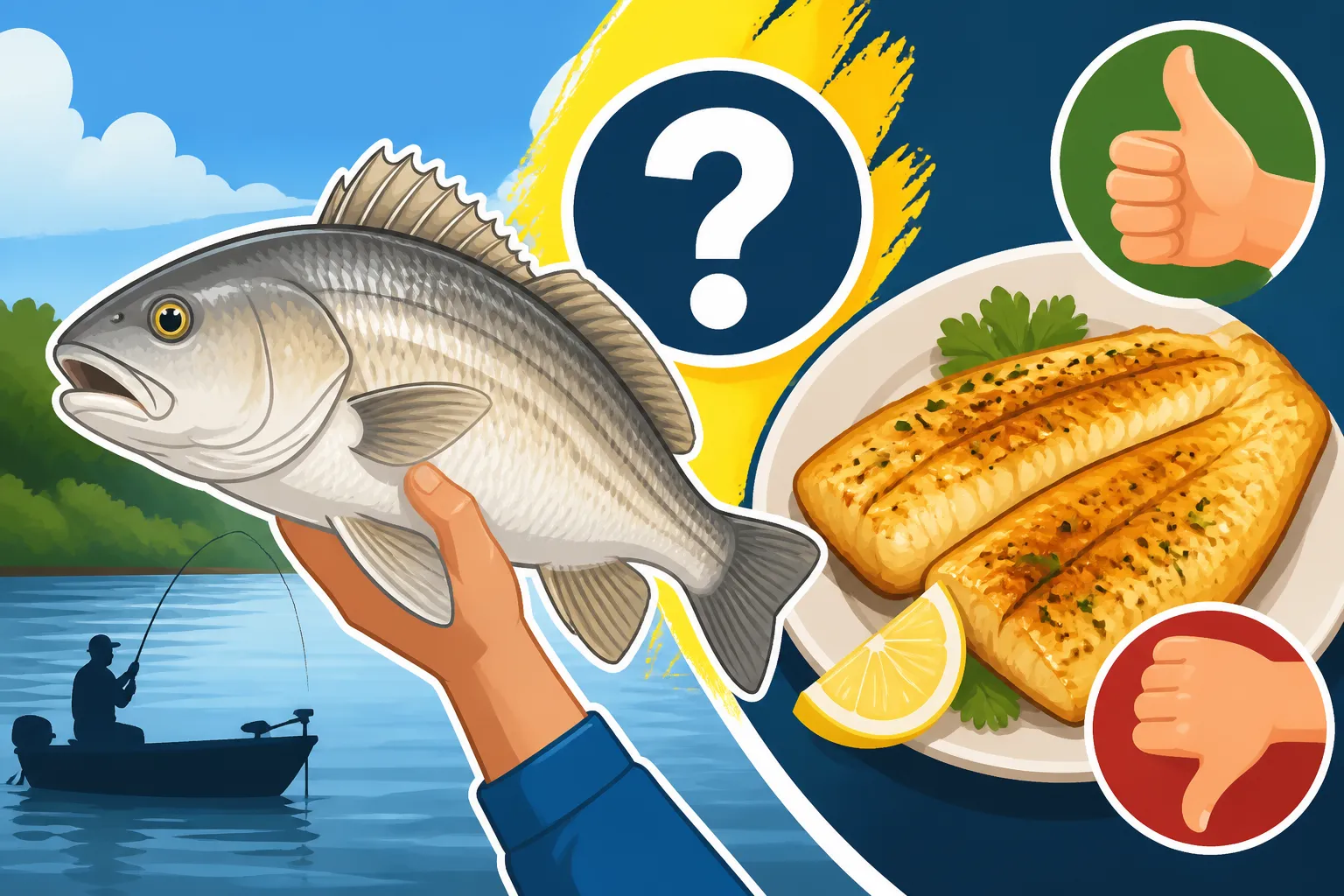
Oh, the freshwater drum! I've had so many conversations on the bank about this fish. For generations, many anglers in Mississippi have looked at the humble freshwater drum, sometimes called a "gaspergou" or even a "sheepshead," and immediately dismissed it as not being good to eat. It's a common frustration, isn't it? You catch a decent-sized one, and the first thought is often, "What do I do with this?" Well, let's settle the debate right now. This guide is all about whether this often-underappreciated fish deserves a place on your dinner table, and how to make sure it tastes absolutely fantastic if it does!
Understanding the Freshwater Drum: More Than Just a "Trash Fish"
It's easy to dismiss a fish that doesn't put up a spectacular fight or isn't as visually striking as a largemouth bass. For too long, the freshwater drum has fallen into that category for many, simply deemed a "rough fish" or even worse, a "trash fish." But that judgment often comes from a place of misunderstanding, not from actual experience with its culinary potential. Let's take a closer look at this fascinating native of Mississippi's waters.
What Exactly is a Freshwater Drum?
The freshwater drum (scientific name Aplodinotus grunniens) is a unique fish, the only North American freshwater member of the drum family. You might also hear locals call it a "gaspergou" or even "sheepshead" (though it's not the saltwater sheepshead). They're easily recognizable by their silvery-bronze bodies, high arched backs, and deeply forked tails. They can grow quite large, with trophy specimens often exceeding 10-15 pounds, though most catches are in the 1-5 pound range.
These fish are bottom dwellers, preferring deeper waters in lakes, rivers, and reservoirs. They're widespread across Mississippi, thriving in places like the Mississippi River Fishing Guide, the Pearl River Fishing Guide, and many of our larger reservoirs. Their diet consists mainly of aquatic insects, crayfish, and mollusks, which they crush with strong pharyngeal teeth. This bottom-feeding habit is one of the main reasons they've often gotten a bad rap, with some assuming it translates directly to a "muddy" flavor. But as we'll explore, that's often not the case at all with proper handling.
Common Misconceptions About Freshwater Drum
The biggest misconception about freshwater drum is that they are inherently bad to eat. This belief is often rooted in a few common, but often inaccurate, ideas. Firstly, their bottom-feeding nature makes people assume they're dirty or muddy. While it's true that any fish from poor water quality can taste off, a drum caught from clean, flowing water is just as clean as any other fish. Secondly, their name "drum" comes from the drumming sound they make using specialized muscles against their swim bladder, which some find a bit unsettling – but it has absolutely no bearing on their taste!
Another factor is simply tradition. Anglers often target specific "game fish" like bass or crappie, and anything outside that coveted list gets overlooked. There's also the appearance; while not ugly, they aren't as "pretty" as some other sport fish, leading to an unfair bias. Many seasoned anglers who have decided to give them a try, often out of curiosity or a particularly good catch, have been pleasantly surprised to find that these stereotypes simply don't hold up. Don't let old wives' tales or outdated opinions keep you from trying something new and potentially delicious.
The Culinary Verdict: Is Freshwater Drum Edible and Tasty?
Alright, let's get right to the heart of the matter. After years of anglers dismissing them, is the freshwater drum actually good to eat? The resounding answer, when handled and prepared correctly, is yes, absolutely! It's a delightful fish with a mild flavor and firm texture that can rival many popular species.
The Flavor Profile and Texture
If you're looking for a fish that doesn't taste "fishy," the freshwater drum is an excellent choice. Its flesh is mild, with a subtly sweet undertone that makes it incredibly versatile in the kitchen. It's not as robust as, say, a catfish from a muddy pond, nor is it as delicate as some whitefish. It strikes a lovely balance. The texture is firm and flaky, similar to red snapper or even a firm grouper. It holds its shape well when cooked, which is a huge bonus for various recipes.
One crucial factor that influences flavor, just like with any fish, is the water quality it comes from. A drum caught from a clear, flowing river or a large, clean reservoir will almost always taste better than one from a stagnant, muddy backwater. The key is to source your fish responsibly and ensure it comes from a healthy environment. The old "muddy" taste complaint is often a result of poor post-catch handling, not the fish itself, or catching it from less-than-ideal water conditions.
Best Practices for Preparing Freshwater Drum
The secret to a delicious freshwater drum lies in proper and quick preparation immediately after the catch. This is perhaps the most critical step to ensure a great eating experience.
- Bleed the Fish: As soon as you catch a drum you intend to keep, cut its gills or sever the artery just behind the pectoral fin and let it bleed out. This significantly improves the flavor by removing blood from the flesh, which can contribute to a "fishy" taste.
- Keep it Cold: Get your fish on ice as quickly as possible. The colder you keep it, the better the quality of the meat will be. A good cooler filled with ice is your best friend on the water. Many anglers even have a dedicated cooler just for their keepers.
- Fillet Promptly: Once you're off the water, fillet the fish. Freshwater drum have thick skin and a fair amount of bone structure, but a sharp fillet knife, perhaps one you picked up from Amazon, makes the job much easier.
- Remove the Bloodline: This is the most important step for freshwater drum. Along the lateral line, you'll find a darker, reddish strip of meat. This "bloodline" is where a lot of the stronger, sometimes "muddy," flavor resides. Trim this out completely. You'll be left with pure, white, clean-tasting fillets.
- Skin On or Off? For drum, I highly recommend skinning the fillets. The skin itself doesn't offer much flavor and can be tough.
Following these steps will transform your drum fillets into a prime cut of white fish ready for any culinary adventure.
From Water to Plate: Cooking Methods and Recipes
With your beautifully cleaned and filleted freshwater drum, the culinary possibilities are wide open! Because of its firm, flaky, and mild nature, it's incredibly versatile and stands up well to various cooking methods. You'll find it can easily substitute for other white fish in your favorite recipes.
Recommended Cooking Techniques
The firm texture of freshwater drum means it can handle a lot of heat and different preparations without falling apart. Here are some techniques I love:
- Pan-Frying: This is probably the most common and easiest method. Dredge your fillets in seasoned flour, cornmeal, or a fish fry batter, then pan-fry in hot oil (vegetable, peanut, or even butter for extra richness) until golden brown and cooked through. The mild flavor really shines here.
- Baking: For a healthier option, baking is fantastic. Place fillets on a baking sheet, drizzle with olive oil, lemon juice, and sprinkle with herbs like dill, parsley, or paprika. Bake at 375-400°F until flaky. This method keeps the fish moist and tender.
- Grilling: Drum fillets hold up well on the grill. Brush them with olive oil, season with salt, pepper, and your favorite grill rub. You can grill them directly on grates (if they're thick enough and well-oiled to prevent sticking) or use a fish basket or foil packet to keep them together. The smoky flavor from the grill pairs wonderfully with the drum's mildness.
- Deep-Frying: If you're a fan of crispy fried fish, drum fillets are an excellent candidate. Their firm flesh means they won't disintegrate in the hot oil. A light, airy batter or a seasoned cornmeal crust works perfectly. Just make sure your oil is at the right temperature for a crisp, golden finish. You can often find great deep fryers and accessories on Amazon to make this easier at home.
No matter which method you choose, remember that fish cooks quickly. Overcooked fish becomes dry and unappetizing, so keep an eye on it!
Simple Recipe Ideas for Freshwater Drum
Once you master the basic cooking techniques, you can get creative. Here are a few simple ideas to get you started:
- Classic Fish Tacos: Pan-fry or grill your drum fillets, then flake the cooked fish into warm tortillas. Top with shredded cabbage, a creamy white sauce (like a crema or a simple Greek yogurt dressing with lime), and a squeeze of fresh lime juice. The mild flavor of the drum is perfect for letting the fresh toppings shine.
- Blackened Drum: If you like a bit of spice, blackening is fantastic. Coat the fillets generously with a good blackening seasoning, then sear them in a super hot cast-iron skillet (preferably outdoors due to the smoke!). The crust will be spicy and flavorful, while the inside remains moist.
- Lemon Herb Baked Drum: A light and fresh approach. Lay your drum fillets on a bed of lemon slices and fresh herbs (like rosemary, thyme, or parsley). Drizzle with white wine or chicken broth, cover with foil, and bake until tender. Serve with roasted vegetables or rice for a complete meal.
- Fish Sticks (Homemade): This is a fantastic way to introduce drum to kids or those who are hesitant about "fishy" flavors. Cut the fillets into strips, bread them with panko breadcrumbs, and either bake or pan-fry them until crispy. Serve with tartar sauce or ketchup.
Don't be afraid to experiment! Freshwater drum is a blank canvas, ready to soak up whatever flavors you throw its way.
The Nutritional Value of Freshwater Drum
Beyond its surprisingly good taste, the freshwater drum also offers a healthy addition to your diet. It's not just about what tastes good; it's about what's good for you, too!
Health Benefits and Lean Protein
Like most fish, freshwater drum is an excellent source of lean protein. Protein is essential for muscle repair, growth, and overall bodily function. For those looking to maintain a healthy diet, incorporating fish like the drum can be a great way to meet your protein needs without excessive fat.
In addition to protein, drum also provides beneficial omega-3 fatty acids, albeit typically in lower amounts than some fatty cold-water fish. Omega-3s are crucial for heart health, brain function, and reducing inflammation. You'll also find a good range of vitamins and minerals, including B vitamins, phosphorus, and selenium. So, when you're enjoying a plate of well-prepared drum, you're not just savoring a delicious meal, you're also nourishing your body.
Sourcing and Sustainability
One of the great things about freshwater drum in Mississippi is their abundance. They are not an endangered species; in fact, they thrive in many of our waterways. This means that harvesting them for consumption is a very sustainable choice. Unlike some other popular fish that might face population pressures, you can feel good about keeping a few drum for the table.
Mississippi anglers have the opportunity to utilize a plentiful natural resource. By learning to appreciate and prepare freshwater drum, we contribute to a more diverse angling and culinary culture, and potentially take a little pressure off other popular game species. It's a win-win for both the angler and the ecosystem. Just remember to always be aware of Mississippi Fishing Creel and Size Limits for all species you catch.
Catching Freshwater Drum in Mississippi
If you're now convinced that freshwater drum is worth a try, the next step is to go out and catch some! They are widely distributed across the state, making them accessible to many anglers.
Where to Find Them
Freshwater drum are typically found in the deeper, open waters of our larger rivers and reservoirs. Think about locations with a good current, or deep channels and drop-offs.
- Major Rivers: The Mississippi River Fishing Guide is an absolute hotspot for drum. Look for them in deeper scour holes, eddy lines, and behind wing dams. The Pearl River and Pascagoula River also hold good numbers.
- Large Reservoirs: Lakes like Ross Barnett Reservoir, Grenada Lake, and Sardis Lake are also great places to target drum. Focus on main lake points, submerged creek channels, and areas with hard bottom or shell beds. They often congregate around structure.
- Tailwaters: Below dams, where current is strong and water is deep, can also be productive. Fish tend to stack up there, feeding on whatever washes downstream.
Drum are bottom feeders, so you'll want to target them near the bottom. They are often found mixed in with catfish, so if you're targeting one, you might just find the other!
Best Baits and Techniques
Catching freshwater drum isn't usually complicated, which makes them a fun target, especially for beginners or those just looking to bend a rod.
- Bottom Fishing: This is the most effective method. Use a standard bottom rig with a sinker heavy enough to hold your bait in place on the bottom, and one or two hooks on short leaders. A Carolina rig or a three-way swivel rig works perfectly.
- Baits:
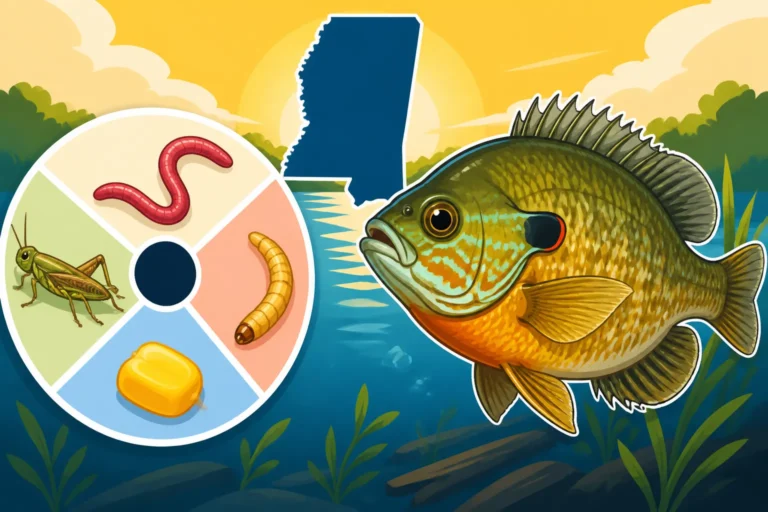
- Worms: Nightcrawlers or red wigglers are classic and highly effective for drum.
- Shrimp: Fresh or frozen shrimp, cut into pieces, is another fantastic option.
- Crayfish: Small live or dead crayfish are a natural food source for drum and often irresistible.
- Cut Bait: Small strips of shad, bream, or even a piece of hot dog can work in a pinch. Drum aren't usually picky eaters.
- Trotlines and Jug Fishing: For those looking to catch a larger quantity, Mississippi Trotline and Jug Fishing Rules allow for these methods, and drum are frequently caught using them, especially in larger river systems. Just be sure to adhere to all regulations.
- Rods and Reels: A medium-action spinning or baitcasting combo is ideal. You don't need heavy gear unless you're specifically targeting monster drum in strong currents. A general purpose fishing setup is usually sufficient.
They're not known for being exceptionally wary, so you don't need ultra-light lines or stealthy presentations. Just get your bait on the bottom where they live, and you'll likely get bites.
Here's a quick comparison of freshwater drum with a few other popular Mississippi fish:
| Feature | Freshwater Drum | Channel Catfish | White Crappie | Largemouth Bass |
|---|---|---|---|---|
| Flavor | Mild, slightly sweet | Mild to moderate, earthy | Mild, delicate, sweet | Mild, somewhat savory |
| Texture | Firm, flaky | Firm, meaty | Very flaky, tender | Flaky, medium firm |
| "Fishy" Level | Low (if bled/cleaned) | Moderate | Very Low | Low |
| Prep Difficulty | Moderate (must trim bloodline) | Easy | Easy | Easy |
| Best Cook Methods | Pan-fry, bake, grill, deep-fry | Fry, bake, grill, stew | Pan-fry, deep-fry, bake | Pan-fry, grill, bake |
| Sustainability | Excellent (abundant) | Excellent (abundant) | Good | Good |
So, there you have it! The freshwater drum is far from a "trash fish" when it comes to the dinner table. With a little care in handling and preparation, its mild, firm, and versatile flesh can be a fantastic and sustainable option for your next fish fry or family meal. Don't let old biases keep you from discovering a truly underrated culinary gem right here in Mississippi waters!
Disclaimer
This article is for general informational purposes only and does not constitute professional advice. Laws, prices and regulations vary by location and change over time. Consult a qualified professional for guidance on your specific situation.