How Low Water Levels Affect Reservoir Fishing
There’s nothing quite like the heartbreak of arriving at your favorite Mississippi reservoir, ready for a day of fantastic fishing, only to find the water levels significantly lower than you remember. It can be incredibly disorienting when the familiar shoreline is suddenly much farther out, boat ramps are high and dry, and your go-to fishing spots look completely different. This guide is here to help you understand exactly how low water conditions impact reservoir fishing and, more importantly, how you can adapt your strategies to still have a successful and enjoyable time on the water.
The Immediate Impact of Low Water: What Changes Visually and Physically?
When water levels drop in a Mississippi reservoir, it’s not just about less water; it’s about a complete transformation of the aquatic landscape. The changes are often dramatic and can redefine how you approach a body of water you thought you knew intimately. It's like a puzzle where all the pieces have shifted, and you need to relearn the connections.
Altered Shorelines and Access Points
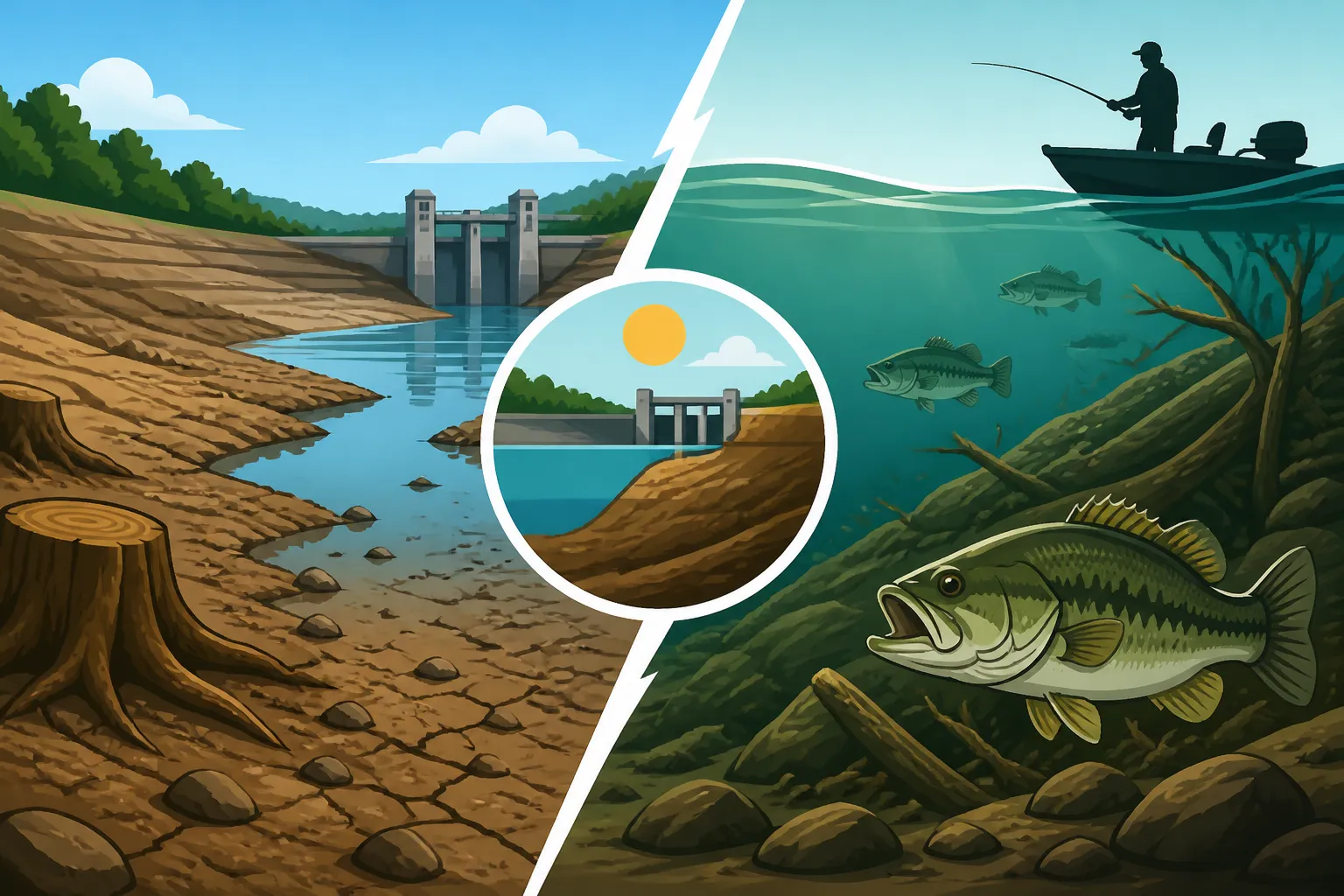
One of the first things you'll notice when reservoir levels drop is how much land suddenly appears. Shorelines recede, exposing vast stretches of mud, sand, or even old tree stumps that were once submerged. This can drastically change your fishing plans. Your favorite bank fishing spot, where you used to cast into a perfect drop-off, might now require a long, muddy trek to even reach the water's edge, if it's reachable at all. Access becomes a huge issue. Boat ramps that were perfectly fine during normal conditions might now be too shallow for launching, especially if you have a larger vessel. Smaller boats, kayaks, and canoes might still be usable, but even then, getting to the water can be a challenge. Mississippi Boat Fishing Regulations often assume typical water levels, so navigating these new conditions requires extra caution and knowledge.
Not only do the shorelines change, but the types of cover available also shift dramatically. Areas that were once teeming with submerged vegetation near the bank might now be barren, the plants dried out and withered. This forces both baitfish and predatory species to seek new refuge, often in deeper, more consistent water. For anglers, this means scouting for new entry points and being prepared to walk further or consider different launch options. Sometimes, the only viable option for boaters is to find private ramps or areas where the slope is gradual enough to get your craft into deeper water without damaging it.
Concentrated Fish and Baitfish
It might seem counterintuitive, but lower water levels don't always mean harder fishing; they just mean different fishing. One significant effect of a shrinking reservoir is the concentration of fish. With less overall water volume, all the fish – from the tiniest baitfish to the biggest predators – are forced into a smaller, more confined space. This can be a double-edged sword for anglers. On one hand, it means fish are theoretically easier to find because they have fewer places to hide. On the other hand, this concentration can make them more wary and competitive for resources, potentially making them harder to entice.
Baitfish, like shad and minnows, instinctively seek out deeper pockets of water where they feel safer from predators and where oxygen levels are often more stable. This means the bass, crappie, and catfish that feed on them will follow. So, while the overall water body shrinks, certain areas like main lake channels, deep creek beds, and prominent submerged structures become hotspots. Understanding these patterns is key to successful Mississippi Fishing Seasons Calendar adjustments. It’s all about focusing your efforts on these shrinking refuges rather than trying to cover the entire, altered landscape.
Exposed Structure and New Hazards
One of the most eye-opening aspects of low water levels is the sheer amount of structure that becomes visible. Old creek channels, humps, ledges, rock piles, and massive timber stands that were once hidden beneath the surface now reveal themselves. For seasoned anglers, this can be an incredible opportunity to "read" the lakebed and gain a deeper understanding of its topography. You might discover new sweet spots that will be goldmines when the water levels return to normal. You can visually identify how fish might move along certain contours or relate to specific types of cover.
However, this exposed structure also brings significant hazards, especially for boaters. What was once a safely navigable path could now be riddled with newly exposed stumps, rocks, or shallow mudflats capable of doing serious damage to your lower unit or prop. Always proceed with extreme caution, maintain slower speeds, and constantly scan the water ahead. Investing in a good map chip for your fish finder, or even just a detailed paper map, and cross-referencing it with the exposed landscape can be invaluable. This visual learning, while sometimes frustrating in the moment, can truly make you a better angler in the long run, helping you predict fish movements even when conditions are back to normal.
Understanding Fish Behavior in Low Water Conditions
Fish don't just disappear when water levels drop; they adapt. Their survival instincts kick in, driving them to find areas that provide safety, food, and stable conditions. Understanding these behavioral shifts is paramount to locating and catching them.
Where Do the Bass Go?
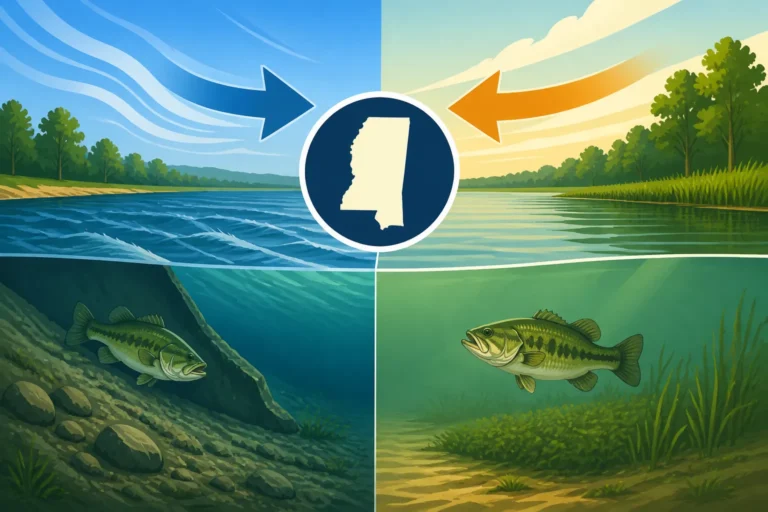
Largemouth bass, known for their preference for shallow cover, have to completely recalibrate their habits in low water. Those juicy lily pad fields, flooded timber, and shallow grass beds they usually inhabit might be completely gone. When this happens, bass will typically migrate to the nearest deep water. This means they'll often retreat to the main lake channels, deeper creek channels, or any significant drop-offs and ledges that offer a quick escape to deeper, cooler, and more stable water. Largemouth Bass Fishing in Mississippi often focuses on shallow targets, so a low water scenario requires a significant shift in strategy.
They'll still seek cover, but it will be deeper cover. Think submerged timber that's now in 15-20 feet of water instead of 5 feet, or rock piles on the edge of a deep channel. They might also congregate around bridge pilings, dam structures, or areas where current flow creates deeper scour holes. The key is to think vertically and focus on transitions – where shallow water quickly meets deep water. Even small changes in depth can hold significant numbers of bass. Look for areas where old creek beds intersect with the main reservoir, or where an old road bed dips down into deeper water.
Crappie and Panfish Reactions
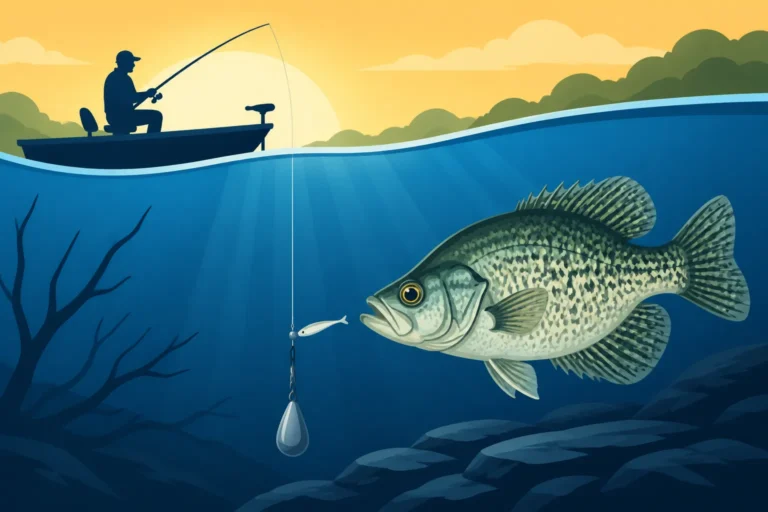
Crappie, and other panfish like bream and bluegill, are also highly sensitive to water levels. When water drops, their preferred shallow spawning grounds and feeding flats can become exposed. For crappie, this usually means they'll pull off the banks and suspend in deeper water, often orienting themselves around whatever remaining submerged structure they can find. This could be brush piles, standing timber, or even deep underwater humps. They'll also follow deep creek channels, much like bass, but often prefer to suspend over these channels rather than directly on the bottom. Crappie Fishing Techniques for Mississippi Lakes emphasizes finding structure, and in low water, that structure is likely much deeper than you'd expect.
Bream and bluegill, while often found closer to the bottom, will also seek refuge. They might school up tightly around the edges of any remaining deeper vegetation, under docks (if they're still in the water), or around any hard cover like submerged stumps or root balls that offer protection. The key for panfish is often finding these small, concentrated pockets of safety in deeper parts of the reservoir. A small worm on a light line, or a tiny jig, presented vertically over these deeper structures can be incredibly effective.
Catfish Adaptation
Catfish, being resilient bottom-dwelling scavengers, often adapt to low water conditions in a slightly different way than their predatory counterparts. While they will also seek deeper holes and main river/creek channels, especially the larger blues and flatheads, they can also become quite opportunistic. Catfish Fishing Techniques often involve targeting deeper areas or current breaks. In low water, these areas become even more crucial.
Smaller channel catfish might patrol the newly exposed banks where decaying vegetation or newly washed-in debris could be hiding food sources. They’ll gravitate towards any remaining current, like around spillways or dam outflows, as these areas concentrate bait and offer higher oxygen levels. Low water can also make traditional methods like jug fishing or trotlining more challenging due to less navigable water, so focus on stationary baits in known deep holes. The shallower areas can sometimes offer surprisingly good catfishing if you find a pocket where food is washing in.
Adjusting Your Fishing Techniques for Low Water
Adapting to low water isn't just about knowing where the fish are; it's about changing how you fish for them. It requires flexibility, a willingness to experiment, and sometimes, a whole new approach to your gear.
Equipment Changes and Considerations
With less water to cover and often more exposed hazards, your gear choices become critical. If you typically rely on a large bass boat, low water might restrict your access or make navigation perilous. This could be an excellent time to break out a kayak, canoe, or a smaller jon boat that can get into shallower areas without risking damage. For bank anglers, having a longer rod can be beneficial to cast over newly exposed mudflats and reach deeper water. A lightweight spinning combo is always a versatile choice.
Consider your electronics: a good depth finder with detailed mapping capabilities becomes even more valuable. It helps you identify those crucial deep channels, humps, and submerged timber without relying solely on visual cues or past experience. Many anglers find portable fish finders from brands like Garmin or Humminbird incredibly useful in these conditions. Furthermore, investing in a quality pair of polarized sunglasses, readily available on Amazon, can help you spot subtle underwater structure and even fish in clearer, shallower areas that might still hold pockets of life.
Lure and Bait Selection
When fish are concentrated in deeper water, their feeding patterns can change. They might become more sluggish due to cooler, more stable temperatures, or more wary due to increased pressure. This often calls for downsizing your baits and slowing down your presentations. For bass, think about smaller finesse jigs, drop shots, or shaky head worms fished slowly along channel edges. Crankbaits that run deeper are essential, or try a lipless crankbait that can be worked over submerged humps.
For crappie, tiny jigs (1/32 oz to 1/16 oz) or small minnows fished vertically over deep brush piles or suspended in the water column will often outperform larger baits. The key is to get your bait right in their strike zone and keep it there. Catfish will still hit traditional baits like cut bait, worms, or stink baits, but presenting them directly in deep holes or along the main channel becomes critical. Sometimes, a different color jig or a subtle change in bait can make all the difference, and it's always worth checking a wide selection of options on Amazon before your trip.
Rethinking Your Approach
The most important adjustment you can make is psychological. Let go of your preconceived notions about how to fish your favorite spots. Instead, approach the reservoir as if it's an entirely new body of water. Focus on finding transitions: where the main channel meets a flat, where a deep drop-off occurs, or where different types of bottom merge. These are often the highways and intersections fish use to move and feed.
Slow down your presentations. Fish in low water can be less aggressive and require more coaxing. Use your electronics to pinpoint structure and fish, then present your bait meticulously. Consider vertical jigging or slow trolling techniques. This is also an incredible opportunity for learning. Pay close attention to what the exposed land reveals about the underwater topography. Sketch out mental or actual maps of newly visible creek beds, rock piles, and timber. This knowledge will serve you well when the water levels inevitably rise again. Best Time of Year to Fish in Mississippi information often details seasonal patterns, but low water events can override these, making adaptation crucial.
Safety and Conservation When Water Levels are Low
While low water can present unique fishing opportunities, it also comes with increased risks and responsibilities. Being mindful of safety and practicing good conservation habits are more important than ever.
Boating Hazards and Navigation
Navigating a low-water reservoir demands heightened awareness and extreme caution. What was once a clear path can now be a minefield of stumps, rocks, and sandbars. Always travel at reduced speeds, especially in unfamiliar areas. Keep a keen eye on your depth finder and GPS, if equipped, and constantly scan the water ahead for any visual signs of submerged obstacles. Learning to "read" the water for subtle color changes or ripples that might indicate shallow areas is a valuable skill. It's not uncommon to see boats stranded on newly exposed features, so avoiding such predicaments should be your top priority.
If you plan to cover a lot of ground, consider marking your path on a GPS or with physical waypoints if possible. Be aware that the low water might also mean less boat traffic, which can be peaceful, but also means less immediate help if you run into trouble. Always let someone know your float plan, including where you're going and when you expect to return. Ensure you have all required safety gear onboard, as per Mississippi Fishing Regulations Explained, and that it's easily accessible.
Protecting Exposed Fish and Habitat
Low water conditions can stress fish populations. Concentrated fish might be more susceptible to disease, oxygen depletion, and increased predation. As anglers, we have a responsibility to minimize additional stress. If you're practicing catch and release, handle fish gently and release them quickly, especially in warmer temperatures that often accompany low water. Avoid dragging fish through shallow, muddy areas, which can strip their protective slime coat.
Be mindful of exposed areas that might have been critical spawning grounds or nursery habitats. Avoid disturbing these areas unnecessarily. For instance, if you see exposed beds that were clearly used by Mississippi Black Bass Regulations or Mississippi Crappie Regulations by Lake species, try not to walk directly through them, even if they are dry. The long-term health of the fishery depends on these critical habitats recovering when water levels normalize. It’s also a good idea to limit your take, even if you’re within the Mississippi Fishing Creel and Size Limits, when fish populations are under stress.
Respecting Property and Access
When reservoir levels drop, land that was once underwater, and thus considered public access for fishing, may become exposed private property. It's crucial to be aware of property lines and respect landowners' rights. What appears to be a new bank fishing spot might actually be someone's private land. Always check maps, look for signs, and err on the side of caution. Trespassing can lead to fines and strained relations between anglers and landowners, potentially reducing access for everyone in the future.
Access points themselves might also be affected. A traditional access road or path to the water might now traverse private land that was previously underwater. Do your homework before you go, and if in doubt, seek permission or find alternative public access points. This respect for property is not just about avoiding legal trouble; it’s about being a responsible outdoor enthusiast and ensuring future generations can enjoy Mississippi's incredible fishing opportunities.
Disclaimer
This article is for general informational purposes only and does not constitute professional advice. Laws, prices and regulations vary by location and change over time. Consult a qualified professional for guidance on your specific situation.