Best Early Spring Crappie Pattern
That first hint of warmth after a long, chilly Mississippi winter sends a shiver of anticipation through every crappie angler. We've all been there, staring at the calendar, just knowing the crappie bite is about to explode. But early spring crappie can be incredibly elusive, moving seemingly on a whim, leaving many of us scratching our heads and wondering if we've completely lost our touch. It's a frustrating dance between anticipation and uncertainty, but understanding the best early spring crappie pattern is key to turning those head-scratching days into memorable hauls. This guide will walk you through the essential strategies to find and catch those elusive slabs as they transition into their spawning rituals.
The Shifting Scene: Understanding Early Spring Crappie Movement
Early spring crappie fishing isn't just about throwing a jig in the water; it's about understanding a complex ballet of water temperature, forage, and instinct. Crappie, like most fish, are highly influenced by their environment, and in early spring, that environment is constantly changing. They're making a grand migration from their winter haunts to their spawning grounds, and catching them means intercepting them along this journey.
The Influence of Water Temperature
Water temperature is, without a doubt, the single most critical factor in unlocking the early spring crappie pattern. As the sun climbs higher and the days lengthen, the upper layers of the water column begin to warm, even by just a few degrees. This warming trend is the alarm clock for crappie, signaling it's time to start thinking about reproduction and feeding up for the spawn.
In Mississippi, those first consistent days of warming weather, pushing surface temperatures from the low 40s into the high 50s, are absolutely crucial. Crappie are cold-blooded, meaning their metabolism directly correlates with the water temperature. In colder water, they're sluggish, conserving energy. As it warms, they become more active, moving to feed and prepare for the spawn. We're talking about a slow, deliberate movement from deeper, more stable water towards shallower areas where they'll eventually lay their eggs. This transitional period means they might be found anywhere from deep creek channels to the very fringes of shallow cover, depending on how far along the warming trend has progressed.
Following the Baitfish
Where the baitfish go, the crappie often follow. In early spring, as the water begins to warm, shad and other small forage fish also start to become more active and migrate towards shallower, warmer areas, often congregating in creek channels or sun-drenched coves. Crappie are opportunistic feeders, and they're not going to pass up an easy meal.
This means paying close attention to your electronics, if you have them. Look for schools of baitfish, especially in creek channels or along the edges of flats. If you find the bait, there's a very good chance crappie aren't far behind, lurking just beneath or around the edges, waiting to ambush. Even without fancy electronics, observing bird activity or small splashes on the surface can indicate baitfish presence, giving you a valuable clue as to where to focus your efforts. Understanding the full Crappie Fishing Techniques for Mississippi Lakes can provide more context on how to integrate this knowledge.
Pre-Spawn Staging Behavior
Before crappie commit to their shallow spawning grounds, they go through a crucial "staging" period. This is where they hold in slightly deeper water adjacent to the spawning flats, waiting for conditions to be just right. Think of it like a waiting room before the main event. They're not fully shallow, but they're not in their deep winter holes either.
These staging areas are typically found in creek channels, along sharp breaks, or near main lake points that offer a quick escape to deeper water if a cold front pushes through. They'll often school up in significant numbers during this phase, making it a fantastic time to fill your cooler if you can locate them. The trick is understanding that they might move up and down in the water column within these staging areas throughout the day, following the sun's warmth or reacting to passing weather systems. This is a prime time to refer to a comprehensive Mississippi Spring Fishing Guide to understand the seasonal movements of various species.
Pinpointing Early Spring Crappie Hotspots
Finding early spring crappie can feel like a treasure hunt, but with a good understanding of their preferred habitats, you can significantly narrow down your search. They're looking for comfort, food, and security, and these preferences dictate their location during this transitional period.
Shallow Water Migration Routes
As the water warms into the low to mid-50s, crappie will begin to push into shallower areas, using distinct migration routes. These routes are typically deeper channels or ditches that lead directly into shallow spawning coves and flats. They won't just appear in the shallowest water out of nowhere; they'll use these underwater highways to travel.
Focus your efforts on the mouths of major creeks, secondary points within those creeks, and any ditches or old stream beds that run into expansive flats. These are the natural highways crappie use. Look for areas with slightly stained water, as it warms faster and provides a sense of security. Pay close attention to the sun-exposed banks, particularly those with dark bottom content like mud or rock, as these absorb heat more effectively, creating warmer pockets of water that crappie simply can't resist.
Deep Water Holding Zones
Even as crappie start to think about moving shallow, they still rely on deeper water for refuge, especially during unexpected cold snaps or at night when surface temperatures drop. These deep water holding zones are typically structure-rich areas like old river channels, deep creek bends, submerged timber, or brush piles in 15-25 feet of water.
These areas provide a comfortable thermal refuge and often hold a consistent population of baitfish. If you're fishing a large reservoir like Grenada or Sardis Lake, these deep channel swings are critical. Crappie will move up into the water column or closer to the edges of the channel during warmer periods of the day, then retreat to the depths when conditions get tough. Using your electronics to identify submerged structure in these deeper zones can be incredibly productive, revealing schools of crappie stacked up, waiting for their next move. Remember that even in early spring, a good portion of the Best Time of Year to Fish in Mississippi might still involve targeting these deeper holding areas.
Structure and Cover Preferences
Crappie love cover. Period. Whether it's standing timber, brush piles, submerged stumps, dock pilings, or even rock piles, they use structure for ambush points and protection. In early spring, this preference becomes even more pronounced as they transition.
Look for concentrated cover along those migration routes and in staging areas. A brush pile on the edge of a creek channel, a fallen tree limb extending from a bank into deeper water, or even a line of old dock pilings can hold significant numbers of crappie. The key is often finding multiple pieces of cover clustered together, creating a larger complex that crappie feel safe in. Don't be afraid to cast into tight spots; sometimes the biggest slabs are hiding in the thickest cover. For those targeting specific bodies of water, checking Mississippi Crappie Regulations by Lake can help ensure you're fishing legally and sustainably around these important structures.
Dialing in Your Early Spring Crappie Attack
Once you have a good idea of where crappie might be, the next challenge is convincing them to bite. Early spring crappie can be finicky, requiring precise bait selection and presentation. It’s not always about flash; sometimes it's about finesse.
Mastering the Art of Bait Selection
In early spring, slow and subtle often wins the game. Crappie are still a bit lethargic from the cold, and while they're feeding, they're not always aggressively chasing down fast-moving baits.
- Live Minnows: You simply can't beat a live minnow, especially in cooler water. Hooked through the lips or dorsal fin, a lively minnow suspended under a bobber or fished tight-line is often irresistible. The natural action is hard for any artificial lure to replicate. You can pick up high-quality minnows at local bait shops, or find some excellent live bait tanks on platforms like Amazon if you want to keep them healthy for extended trips.
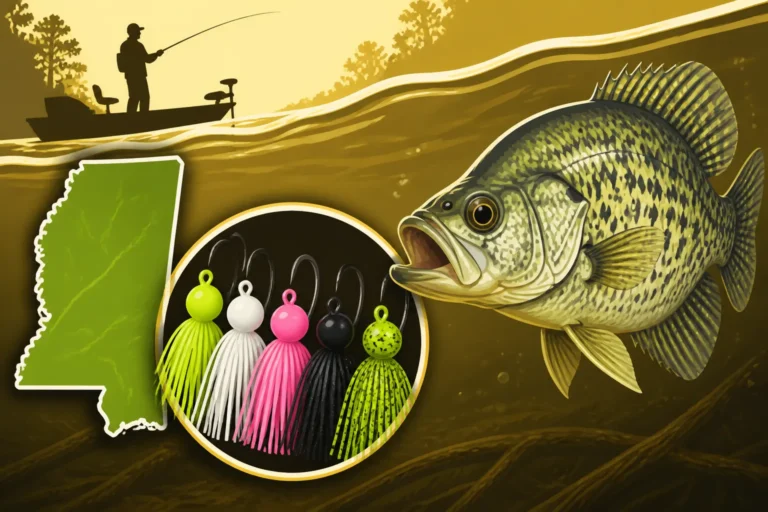
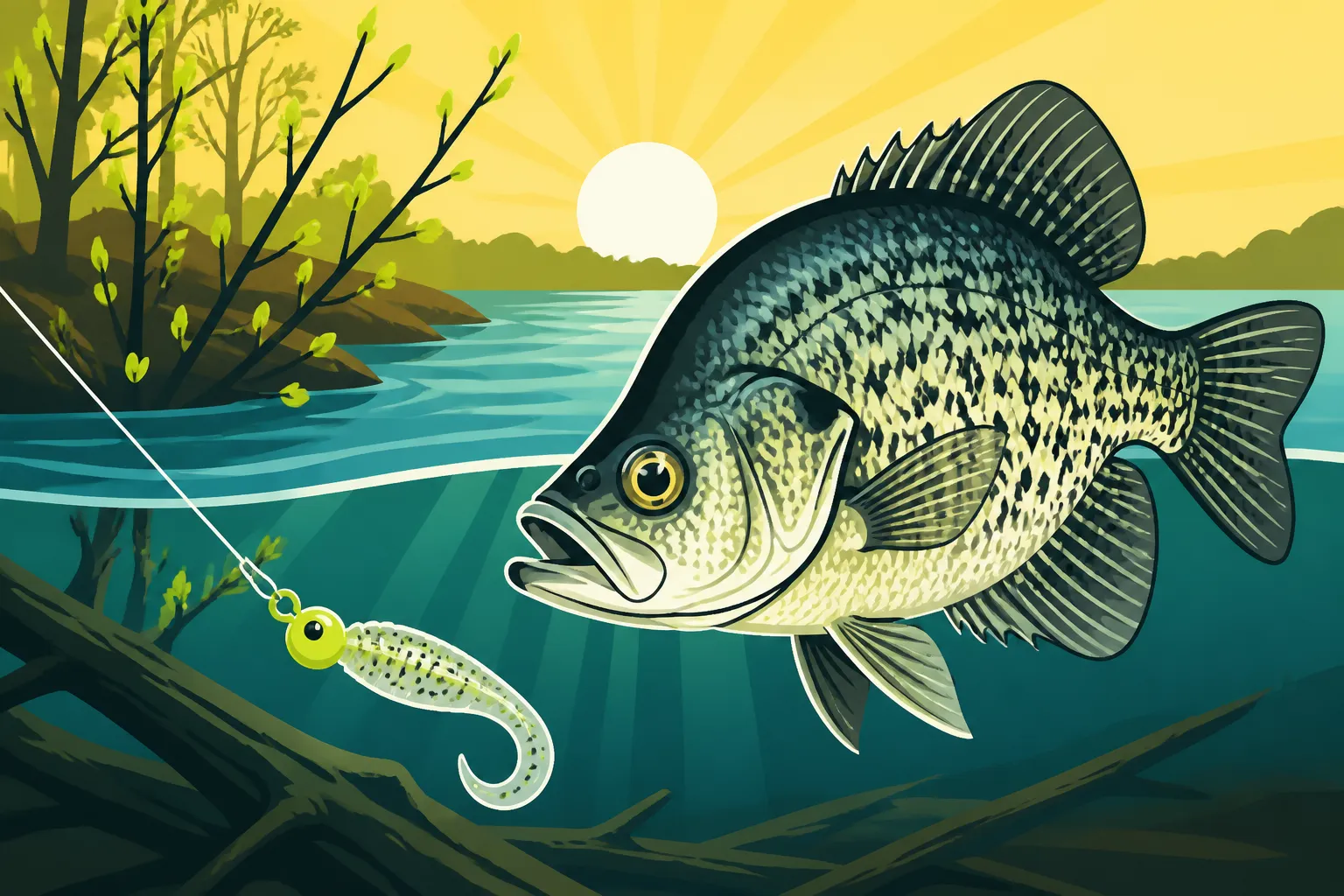
- Small Jigs: Tiny jigs, typically 1/16th to 1/8th ounce, are deadly. Soft plastic bodies in various colors work wonders. Think about subtle movements: a slow retrieve, a gentle lift-and-drop, or just letting it hang motionless. White, chartreuse, black and chartreuse, or natural shad patterns are consistent producers. For tougher bites, a tiny marabou jig can offer an even slower fall and more enticing action with minimal effort. Finding the Best Bait for Crappie in Mississippi often comes down to these two staples.
- Tubes and Grubs: These soft plastics offer a bulkier profile than a typical minnow-shaped jig body, and their tentacles or tails provide subtle action even when barely moving. Again, go with smaller sizes and fish them slowly. The beauty of soft plastics is the sheer variety; you can experiment with different colors and shapes to see what the crappie prefer on a given day.
Presentation is Everything: Techniques That Work
How you present your bait is just as important as the bait itself. Early spring crappie often require a more methodical and patient approach.
- Slow Trolling (Spider Rigging): This is a fantastic technique, especially when crappie are scattered across a flat or staging in a channel. Using multiple rods rigged with different baits and depths, you slowly motor along at a snail's pace. This allows you to cover a lot of water and present baits at varying depths simultaneously. You can find specialized rod holders and spider rigging setups on Amazon that make this technique much easier to manage. For more in-depth knowledge, dive into Trolling for Crappie on Mississippi Reservoirs.
- Vertical Jigging: When you've located a school of crappie on your electronics, vertical jigging is incredibly effective. Position your boat directly over the fish and drop your jig or minnow straight down. The key is to keep your bait in the strike zone and impart just enough action to entice a bite without spooking the fish. A slight twitch, a slow lift, or simply holding it still can be the trigger.
- Bobber Fishing (Slip Bobber): For crappie holding around brush piles or along channel edges, a slip bobber rig is invaluable. It allows you to precisely set your depth, keeping your bait suspended right in front of the crappie. The bobber also provides visual confirmation of those incredibly subtle bites that crappie are known for in cooler water. This technique is particularly effective for How to Catch Crappie From the Bank in Spring.
Gear Up for Success
Having the right equipment can make a significant difference in your early spring crappie success.
- Rods and Reels: Ultralight spinning combos are ideal. A sensitive rod, around 6-7 feet in length, will help you detect those faint crappie taps. Pair it with a small spinning reel spooled with 4-6 pound test monofilament or fluorocarbon line. Monofilament offers a bit of stretch, which can be forgiving with light bites, while fluorocarbon offers more sensitivity. You can find excellent value combos suitable for crappie fishing on Amazon.
- Electronics: A good fish finder is a game-changer for early spring crappie. It allows you to locate submerged structure, identify baitfish schools, and even mark individual crappie. Learning How to Use a Fish Finder to Locate Crappie Brush Piles will give you a significant advantage.
- Water Temperature Gauge: A handheld water temperature gauge is a simple but incredibly useful tool. Knowing the exact water temperature allows you to fine-tune your approach, as even a degree or two can dictate where crappie are holding. It's often the difference between a productive day and a frustrating one.
Adapting to Mother Nature's Mood Swings
Early spring weather in Mississippi is notoriously unpredictable. One day it's sunny and 70 degrees, the next a cold front sweeps through, dropping temperatures and bringing rain. Successful crappie anglers understand how to adapt their patterns to these rapid changes.
The Impact of Cold Fronts
A strong cold front can shut down a crappie bite almost instantly. The drop in air temperature often leads to a quick decrease in surface water temperature, sending crappie scrambling back to deeper, more stable water. If a cold front hits, don't expect to find them in the same shallow areas they were in just hours before.
When a cold front arrives, shift your focus to deeper water holding zones: creek channels, main lake points dropping into deep water, or major brush piles in 15-25 feet. Crappie will often suspend over these deeper areas or hunker down tight to cover. Your presentation needs to be even slower and more deliberate. Sometimes, just dead-sticking a live minnow or a tiny jig is all it takes. The fish are there, they're just not as willing to chase. This is particularly relevant when considering Fishing During the Spring Spawn in Mississippi, as unexpected cold fronts can temporarily halt their shallow movement.
Reading Water Clarity and Current
Water clarity and current flow also play significant roles in early spring crappie behavior. After heavy rains, runoff can make the water muddy and stained, scattering crappie and making them harder to locate. Conversely, very clear water can make crappie spooky and more difficult to approach.
- Stained Water: In stained or muddy water, crappie often relate more tightly to cover and may move shallower than you'd expect to find warmer, more stable water. They'll also rely more on their lateral line, so baits that displace a bit more water or have scent can be effective. Brighter jig colors like chartreuse, orange, or a combination of black and chartreuse can be more visible in these conditions. Consider a Best Jig Color for Stained Water Crappie Fishing guide for more specific advice.
- Clear Water: In very clear water, crappie tend to be more sensitive to boat noise and shadows. You'll need to use lighter lines, smaller baits, and make longer casts to avoid spooking them. Natural bait colors and subtle presentations are often best. Crappie may hold slightly deeper or in denser cover in clear water to feel more secure.
- Current: On rivers or reservoirs with current, crappie will often position themselves on the downstream side of structure (like log jams, bridge pilings, or channel bends) to ambush baitfish being carried by the flow. They expend less energy waiting for food to come to them. When fishing current, adjust your weight to keep your bait in the strike zone without being swept away too quickly.
Early Spring Crappie Patterns: A Quick Reference
Understanding the general patterns can help you get started, but always be prepared to adjust based on the specific conditions of the day.
| Water Temperature Range | Crappie Location Tendency | Preferred Depth Range (Feet) | Recommended Baits/Techniques |
|---|---|---|---|
| Below 48°F | Deep channels, main lake basins, major creek bends | 20-35 | Vertical jigging, slow-trolled minnows (deep) |
| 48°F – 53°F | Staging areas near channels, creek mouths, deep brush piles | 10-25 | Vertical jigging, spider rigging (minnows/jigs), slip bobbers |
| 54°F – 59°F | Shallow migration routes, secondary points, submerged timber | 5-15 | Spider rigging, casting small jigs/grubs, slip bobbers |
| 60°F+ (Pre-Spawn) | Pushing into shallow coves, flats, dense cover | 3-10 | Casting jigs/grubs, tight-lining minnows |
This table provides a generalized guide. Always remember that fish don't read the rulebook, and local conditions can vary wildly. Don't be afraid to experiment with different depths and presentations until you hit on what works. For deeper understanding, knowing the Best Water Temperature for Crappie Fishing is invaluable. And if you're struggling to find them, sometimes starting fresh on a new body of water requires understanding How to Find Crappie on a New Lake Fast.
Early spring crappie fishing is a journey of discovery and adaptation. By understanding their movements, pinpointing their preferred locations, and mastering the right techniques, you'll be well on your way to cracking the code and enjoying some of the most rewarding fishing Mississippi has to offer.
Disclaimer
This article is for general informational purposes only and does not constitute professional advice. Laws, prices and regulations vary by location and change over time. Consult a qualified professional for guidance on your specific situation.