Does Muddy Water Ruin Bass Fishing?
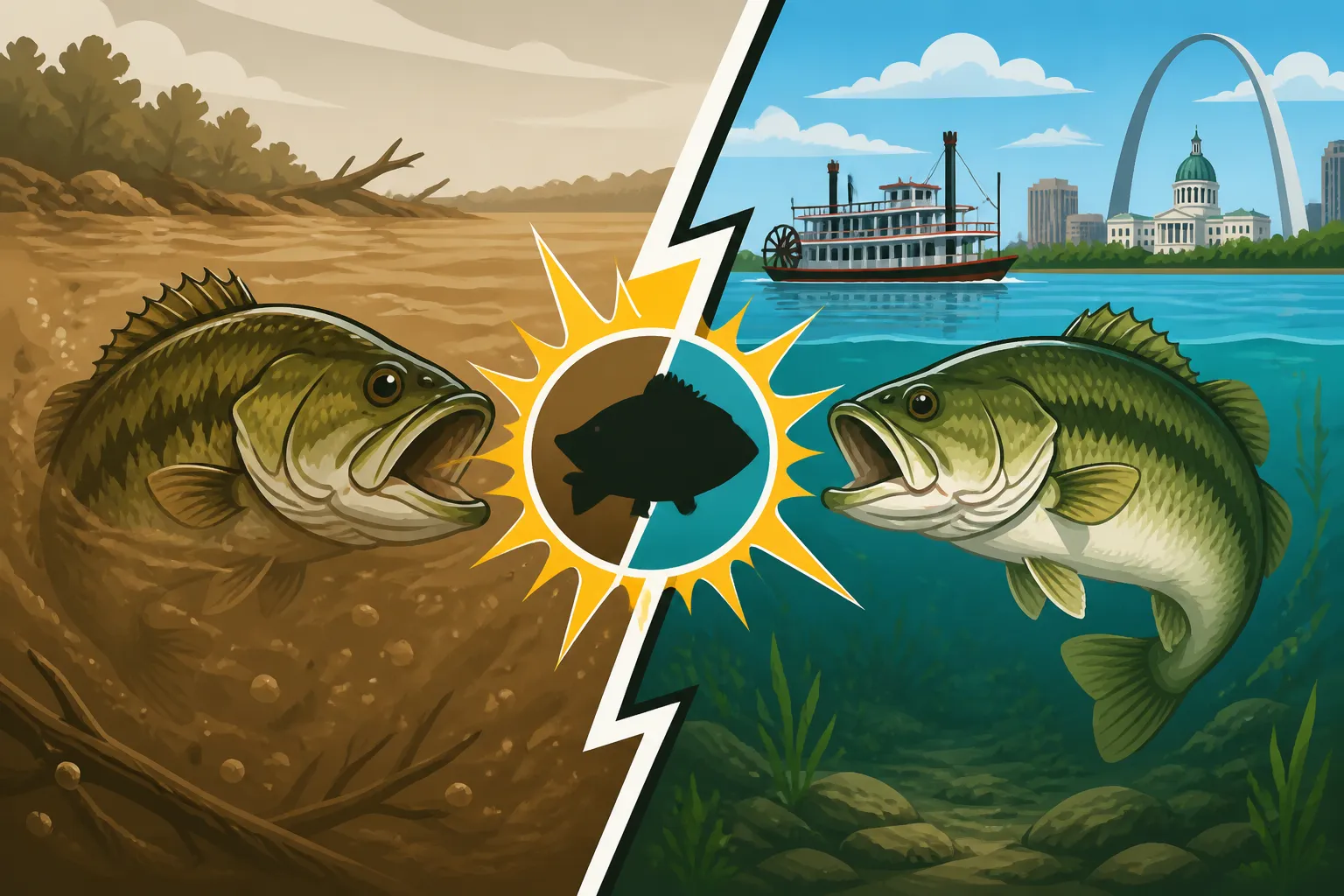
It's happened to all of us: you plan a fantastic day out on the water, you get to your favorite Mississippi fishing spot, and what do you find? The water looks like chocolate milk. Heavy rains, strong winds, or even just boat traffic can transform crystal-clear waters into murky, muddy messes. The immediate thought that often pops into an angler's head is, "Well, that's it, bass fishing is ruined for the day." But I'm here to tell you that muddy water doesn't have to spell doom for your bass fishing trip. In fact, with the right adjustments, you can still have an incredibly successful day. This guide will help you understand why bass react the way they do to turbid conditions and equip you with the strategies to keep catching them.
Understanding Muddy Water: Why It's Challenging and What It Means for Bass
When the water turns muddy, it's easy to feel defeated. But before we dive into solutions, let's understand why it feels so challenging and how it impacts the bass themselves. Think of it from the fish's perspective. Their world, which might normally offer decent visibility, suddenly becomes a dense fog. This drastic change triggers a series of behavioral adaptations that, once understood, become your keys to success.
The Impact on Bass Senses
Bass, like many predatory fish, rely heavily on their eyesight to hunt. They use their vision to spot prey, identify structure, and navigate their environment. When the water gets muddy, that visual advantage is severely diminished. Imagine trying to hunt in a dark room; it's unsettling and inefficient. For bass, this means they can't effectively track fast-moving baits or identify subtle details in their surroundings.
However, bass are incredibly adaptable creatures. When visibility drops, they don't just give up; they shift their reliance to other senses. Their lateral line system, a row of sensitive pores along their sides, becomes paramount. This system detects vibrations in the water, allowing them to "feel" changes in pressure caused by moving objects, even if they can't see them. A struggling baitfish, a crawfish scuttling on the bottom, or even your lure darting through the water – all create distinct vibrations that bass can pick up. Beyond that, their sense of smell and taste also become more critical. They can detect the chemical signals released by prey or scented baits from a greater distance, drawing them in for a closer inspection. So, while sight fishing might be out the window, you're now engaging a whole different set of their senses.
Common Causes of Murky Conditions
Muddy water isn't a singular phenomenon; it has various causes, and understanding them can help you predict and prepare. The most common culprit, especially here in Mississippi, is heavy rainfall. When torrential rains hit, they wash vast amounts of sediment, soil, and debris from the land into rivers, creeks, and lakes. This runoff rapidly discolors the water, turning it opaque. A prime example is after a summer thunderstorm rolls through, transforming a usually clear creek or a section of a reservoir like the Ross Barnett Reservoir into a coffee-colored mess.
Strong winds can also play a significant role. On large, open bodies of water, sustained winds can churn up the bottom, especially in shallower areas, suspending fine particles of silt and clay. This is a common sight on many of our larger reservoirs. River currents, particularly after a period of high water, continuously carry sediment downstream, keeping the water off-color for extended periods. Even seasonal changes, like agricultural runoff during planting or harvesting seasons, can contribute to turbidity in certain areas. Knowing why the water is muddy can sometimes give you clues as to where it might start to clear up first, or which areas might be most affected.
Adapting Your Approach: Lure Selection for Murky Conditions
So, the water's muddy, and bass can't see well. This doesn't mean your trusty clear-water baits are useless, but it does mean it's time to prioritize lures that appeal to those other, heightened senses. Your goal now is to create a disturbance, a vibration, or a scent trail that screams "here I am!" in a way that bass can't ignore.
Color Theory for Muddy Water
This is where many anglers get caught up, and rightfully so. In clear water, natural, subtle colors often excel. But in muddy water, visibility is low for everyone, including the bass. You need to make your lure stand out. This often means reaching for brighter, more contrasting colors.
Chartreuse is probably the quintessential muddy water color, and for good reason. It's incredibly bright and offers a strong contrast against the dark water, making it visible even in very low light conditions. Bright oranges, firetiger patterns, and even stark whites can also be highly effective. These colors create a distinct silhouette and profile that bass can pick up on from a distance. Think about it: if you're looking for something in the dark, you'd rather look for a glowstick than a chameleon. Some anglers also swear by very dark colors like black or dark blue. The theory here is that a dark color creates a solid, distinct silhouette against the ambient light, making it easier for bass to perceive. Often, a combination is best, such as a black and blue jig with a chartreuse trailer. Experimentation is key, but generally, steer clear of natural, translucent, or light pastel colors unless you're trying to achieve a very subtle profile.
When choosing, don't forget that many lures today incorporate UV-reflective properties. While not quite "glowing," these pigments can enhance a lure's visibility in low-light conditions, which is essentially what muddy water creates. You can often find a good selection of these specialized lures on platforms like Amazon if your local tackle shop is out. For specific lure ideas, you might want to check out our guide on the Best Lures for Largemouth Bass.
Vibration and Sound: The Key to Attracting Strikes
Since sight is compromised, getting a bass's attention through feel and sound becomes paramount. Lures that displace a lot of water or create significant noise are your best friends in muddy conditions.
- Spinnerbaits: These are a classic for a reason. The rotating blades (especially larger Colorado or Indiana blades) create a tremendous amount of flash and vibration that bass can home in on. Think about How to Fish a Spinnerbait in Muddy Water.
- Chatterbaits (Bladed Jigs): The unique hexagonal blade on a Chatterbait creates an irresistible, aggressive thump and vibration. It's an attention-grabber that can pull bass from surprising distances in murky water.
- Crankbaits with Rattles: Many crankbaits come equipped with internal rattles. The louder the rattle, the better in muddy water. Squarebill crankbaits, which deflect off cover, also create a lot of commotion.
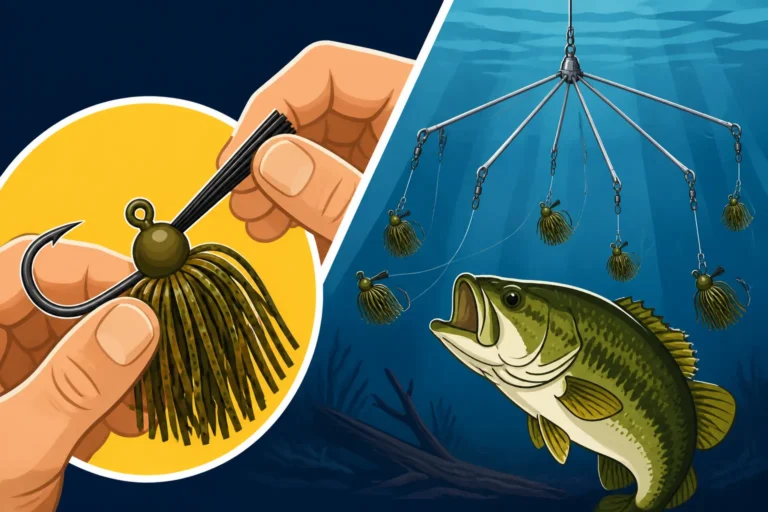
- Jigs with bulky trailers: While jigs might seem subtle, a large, bulky trailer can displace a lot of water. Adding a rattle to your jig or using soft plastics infused with salt (which changes buoyancy and sink rate, creating more vibration) can also make a difference.
- Topwater Lures: Frogs, poppers, or prop baits can be surprisingly effective in muddy water, especially in very shallow areas. The surface disturbance and sound they create can trigger explosive strikes from bass looking upwards for an easy meal. The key is that the bass can hear and feel the disturbance on the surface.
Don't be afraid to size up your lures a bit in muddy water. A slightly larger profile, combined with ample vibration, will be easier for bass to locate and track.
Scent and Profile
Beyond color and vibration, appealing to the bass's sense of smell and taste can be a game-changer. This is particularly true for slower presentations where the fish has more time to investigate.
- Scented Soft Plastics: Many soft plastic baits, like worms, creature baits, and swimbaits, come pre-impregnated with fish attractants. Brands like Berkley PowerBait or Strike King Rage series are popular choices. The scent trail they leave in the water can guide a bass right to your lure, even if they can't see it until the last moment.
- Adding Scent to Lures: You can also apply scent sprays, gels, or dips to any of your lures – hard baits, jigs, or unscented plastics. This adds another layer of attraction and can convince a hesitant bass to hold on longer, giving you more time to set the hook. This is especially helpful when you're using baits that are primarily visual or vibrational.
- Bulky Profiles: Remember how we talked about bass needing more time to locate baits? A lure with a larger, bulkier profile is simply easier for them to detect and feel through the water. Instead of a finesse worm, opt for a creature bait or a larger grub. This doesn't mean you need to throw a broomstick-sized lure, but a slight increase in overall size and displacement can be beneficial. Consider trying a Texas Rig for Bass with a bulky creature bait in muddy conditions.
Techniques and Strategies for Muddy Water Bass
Now that you've got your gear dialed in, it's time to talk tactics. Throwing the right lure is only half the battle; presenting it effectively in muddy water is where the magic truly happens. You'll need to adjust your retrieve, your targets, and your mindset.
Slowing Down Your Presentation
This is probably the most critical piece of advice for muddy water bass fishing. When bass can't rely on sight, they need more time to react. A bait whizzing by too quickly might not register on their lateral line, or they might not be able to pinpoint its exact location.
Think of it like this: if you're trying to identify a faint sound in a noisy room, you'd want it to be repeated and sustained, not just a fleeting whisper. Bass in muddy water are similar. They need those vibrations and scents to linger, giving them ample opportunity to home in. Slow down your retrieve significantly. If you're cranking, try a slow, steady retrieve with occasional pauses. For jigs or soft plastics, a slow drag, a subtle hop, or a dead stick where the bait just sits for a moment can often entice a strike. This slower presentation also keeps your lure in the strike zone for a longer period, increasing the chances of a bass encountering it. Don't be afraid to experiment with extreme slowness; sometimes the slowest retrieve is the deadliest.
Targeting Specific Structure and Cover
Bass in muddy water often stick tighter to cover and structure. Why? Because these features provide ambush points where they can hide and wait for unsuspecting prey to come close. The reduced visibility makes them feel more vulnerable in open water, so they seek refuge and strategic positions.
Focus your efforts on:
- Laydowns and Submerged Timber: These are classic bass hideouts. Flip or pitch your vibrating jigs, spinnerbaits, or scented soft plastics right into the thickest parts of the wood. Bass will often be right up against it, waiting. Learning How to Find Bass Around Submerged Timber is crucial here.
- Grass Lines and Edges: Even if the water is muddy, healthy submerged or emergent grass can provide vital oxygen and cover. Cast along the edges of grass lines, or work your bladed jigs through sparse pockets. How to Fish Grass Beds for Bass can provide more detail on this.
- Docks and Piers: The shade and structure provided by docks offer excellent ambush points. Bass will often sit directly under or next to the pilings, especially on the shady side.
- Rock Piles and Riprap: The irregular surfaces of rocks break up current and provide hiding spots. Bass will often hold tight to these features in murky conditions.
- Shallow Water Focus: Bass often move shallower in muddy water. This might seem counterintuitive since they want cover, but in very turbid conditions, the shallow water warms faster and can hold more oxygen. Plus, it concentrates baitfish into smaller areas. Focus on water depths from 1-5 feet, especially areas adjacent to deeper water. This also makes them more accessible to your cast.
Remember, bass in muddy water are less likely to chase. You need to put your bait right in front of them, practically bumping them on the nose. This means making accurate casts and working every piece of cover thoroughly.
The Importance of Repetition and Persistence
Muddy water fishing can test your patience. You might not get a bite for a while, and it's easy to get discouraged. But remember, bass have reduced visibility. They might not find your lure on the first cast, or even the second.
This is where repetition comes in. Make multiple casts to the same piece of cover from different angles. If you're working a laydown, hit the front, the sides, the back, and even the underneath portions. Sometimes, it takes several passes for a bass to finally locate your bait and commit to striking. Don't be afraid to let your bait sit for an extended period, too, especially with a heavily scented soft plastic. A bass might take its time to investigate the scent trail before deciding to bite. Persistence truly pays off when the water is murky. One moment of giving up could mean missing that trophy fish.
Finding Bass in Turbid Environments
Even with the right lures and techniques, you still need to know where to cast. Locating bass in muddy water requires a bit of detective work and an understanding of where they prefer to hold when conditions get tough.
Seek Out Cleaner Water Pockets
While the overall body of water might be muddy, there are often pockets or areas where the water is slightly clearer. These are high-percentage spots that bass will naturally gravitate towards.
- Inflows from Clearer Tributaries: If a smaller creek or stream feeds into a larger muddy lake or river, the incoming water might be less turbid. The junction where the clearer water meets the muddy water creates a distinct line, and bass will often stack up on the cleaner side of that line, waiting to ambush baitfish that venture into the murk.
- Protected Coves and Pockets: Areas that are sheltered from wind and strong currents, such as the back of coves or small pockets, can often have slightly clearer water because the sediment has had a chance to settle. These areas might also warm up faster, attracting baitfish and, consequently, bass.
- Vegetation as Filters: Dense stands of emergent vegetation (like lily pads or reeds) or submerged grasses can act as natural filters, trapping sediment and creating small zones of clearer water within a generally turbid environment. Pay close attention to these areas, as they can be hotspots.
Even a slight improvement in water clarity can make a big difference for bass. These "transition zones" from muddy to slightly clearer water are key areas to focus on.
Utilizing Electronics and Sensory Clues
In muddy water, your eyes might be useless, but your other tools are not. Modern fish finders are invaluable for identifying structure, even if you can't see the fish themselves.
- Mapping and Sonar: Use your GPS and mapping software to identify creek channels, humps, ledges, and drop-offs that might hold fish. Even if you don't see fish arches, knowing the precise location of underwater structure gives you a target to cast at. Your sonar can also help you identify bait balls, which are a dead giveaway that predators like bass are nearby.
- Side Imaging/Down Imaging: If your electronics have these capabilities, they can reveal laydowns, brush piles, and rock formations that are otherwise invisible in the murky water. You can often see the distinct shadow of a submerged tree, even if the water is too muddy for traditional 2D sonar to clearly show fish.
- Watching for Baitfish: Keep an eye out for any signs of baitfish activity. Small schools of minnows flickering on the surface, or even subtle ripples, can indicate a food source that bass are likely to be near. Even though the water is muddy, baitfish still have to eat, and bass still have to eat them!
- Listening for Splashes: In very quiet conditions, you might hear the tell-tale splash of a bass busting on the surface, or the softer "pop" of a bass feeding on prey. These auditory clues are like gold in muddy water, pointing you directly to active fish. You might not see them, but you can definitely hear them!
Focus on Shallow Water and Edges
As mentioned earlier, bass often push shallower when the water gets muddy. This isn't just about finding cover; it's also about a more consistent food source and often warmer water.
- Concentrated Bait: Baitfish, which also have limited visibility, tend to huddle closer to the bank or in very shallow areas where they feel safer from unseen predators in the deeper, darker water. This concentrates a food source for bass.
- Warmer Water: Shallow water warms faster, especially after a cold front or in cooler months. This can make bass more active and willing to feed.
- Ambush Advantage: Bass feel more secure and have a better ambush advantage in shallow cover when visibility is low. They can hide behind a stump, a rock, or a small patch of grass and wait for prey to swim by, rather than having to actively hunt in open, murky water.
Targeting visible shoreline cover, shallow points, and flats adjacent to deeper water can be incredibly productive. Work your lures right up to the bank, even into inches of water, as bass will often be tighter to the shore than you expect. Remember that even in areas that seem featureless, subtle changes in depth or bottom composition can be enough to hold a bass in turbid water. Don't be afraid to explore these shallower zones extensively. Our comprehensive guide to Largemouth Bass Fishing in Mississippi has more general tips that can be adapted for these specific conditions.
Table: Lure Selection Guide for Muddy Water Bass Fishing
| Lure Type | Primary Sensory Appeal | Ideal Presentation | Example Colors/Sizes | Key Considerations |
|---|---|---|---|---|
| Spinnerbait | Vibration, Flash | Slow Roll, Bump Cover | Chartreuse/White, Black/Blue, Large Colorado Blades | Good for searching, covers water, excellent vibration. |
| Chatterbait | Aggressive Vibration | Steady Retrieve, Stop/Go | Green Pumpkin, Black/Blue, Bright Colors | Strong thumping action, great for grass and wood. |
| Squarebill Crank | Deflection, Rattle, Profile | Bumping Cover, Steady Retrieve | Bright Reds, Oranges, Firetiger, Dark Blues | Hard deflection off cover creates chaos, loud rattles. |
| Jig (Flipping/Pitching) | Profile, Scent, Vibration | Slow Fall, Hop, Drag | Black/Blue, Green Pumpkin, with bulky scented trailer | Target specific cover, add rattles, use strong scent. |
| Scented Worm/Creature | Scent, Profile, Subtle Vibration | Slow Drag, Dead Stick | Dark Colors, Junebug, Black, with added scent | Great for slow, deliberate presentations, especially around heavy cover. |
| Buzzbait | Surface Commotion, Sound | Steady Topwater Retrieve | Black, White, Chartreuse, large blade | Excellent for aggressive topwater bites in very shallow water. |
So, the next time you arrive at your favorite fishing hole and the water looks like a stirred-up coffee cup, don't pack up your gear in despair. Instead, embrace the challenge! By understanding how bass react to these conditions and adapting your lure choices and techniques, you can turn a potentially "ruined" day into a memorable one, proving that muddy water doesn't have to ruin bass fishing in Mississippi.
Disclaimer
This article is for general informational purposes only and does not constitute professional advice. Laws, prices and regulations vary by location and change over time. Consult a qualified professional for guidance on your specific situation.