Enid Lake Best Crappie Spots
If you've ever spent hours on the water, meticulously casting, moving from spot to spot, only to come back with an empty livewell while others seem to be pulling crappie out hand over fist, you know the frustration. Enid Lake is legendary for its crappie, but finding those elusive slabs often feels like cracking a secret code. This comprehensive guide is here to decode Enid Lake's best crappie spots, helping you understand where and when to find these sought-after fish.
The Allure of Enid Lake Crappie: Understanding the Fishery
Enid Lake, nestled in north-central Mississippi, holds a special place in the hearts of crappie anglers. Known as one of the "big four" flood control reservoirs in the state, it consistently ranks among the top crappie fisheries in the nation. But what makes Enid so exceptional for crappie, and why is finding them still a challenge for many? It's a combination of habitat, forage, and seasonal movements that dictates their patterns.
Why Enid Lake Excels for Crappie
Enid Lake boasts a massive surface area of roughly 28,000 acres at pool stage, with an average depth that belies its crappie potential. Its fluctuating water levels, characteristic of flood control reservoirs, create and refresh abundant cover. As waters rise, they inundate timber, brush, and various structures along the shoreline, creating ideal spawning and feeding grounds. When levels recede, these same structures become exposed, making them identifiable targets for anglers later.
The lake's rich ecosystem provides a seemingly endless buffet for crappie, primarily in the form of threadfin and gizzard shad. These baitfish schools are the driving force behind crappie movements, and understanding their patterns is key to locating the crappie themselves. The extensive creek channels and numerous submerged brush piles, both natural and man-made, offer prime ambush points and crucial wintering grounds. This combination of fertile waters, abundant forage, and diverse cover makes Enid Lake a crappie haven.
General Crappie Behavior on Enid Lake
Crappie in Enid Lake are creatures of habit, largely influenced by water temperature and the availability of their primary food source. During the cooler months, they tend to congregate in deeper, more stable environments like the main lake channels and deep creek bends, often relating to submerged timber and brush piles. They become less active, conserving energy in the cold water.
As spring approaches and water temperatures begin to climb into the 50s and 60s, crappie undertake their annual migration towards shallower waters for spawning. This is when they become more accessible and aggressive, often found in coves, on flats, and around emergent vegetation or flooded timber. Post-spawn, they transition back to slightly deeper water, often holding on the edges of channels or around offshore structure, before settling into their deeper summer patterns. Understanding these general movements is your first step to finding success.
Prime Crappie Locations on Enid Lake: Where to Drop Your Line
Now, let's get down to the specifics. While crappie can be found throughout Enid Lake, certain areas consistently produce better results due to their inherent structure, depth, and forage concentration. These hotspots vary with the seasons, but knowing the foundational spots will give you a significant advantage.
Main Lake and River Channel Intersections
The original river channels of the Yocona River and its tributaries, now submerged beneath Enid Lake, are absolute magnets for crappie, particularly during the cooler months and post-spawn periods. Crappie use these channels as highways, moving between deeper wintering holes and shallower spawning grounds. Key areas to focus on are where these channels make sharp bends, where smaller creeks intersect the main channel, and where significant submerged timber lines their edges.
Anglers often find success by tracing these channels with their sonar, looking for abrupt changes in depth or concentrations of baitfish and crappie holding tight to structure. The depths can vary significantly, from 20 to 40 feet in the main channel, with crappie often suspended at various levels depending on water temperature and current. Many experienced guides, some of whom can be found through platforms like FishingBooker, spend countless hours mapping these underwater highways, identifying specific brush piles and ledges that consistently hold fish.
Submerged Timber and Brush Piles
Enid Lake is famous for its extensive submerged timber, a legacy of its creation when vast tracts of forest were flooded. This timber, along with countless man-made brush piles, provides crucial cover, shade, and ambush points for crappie throughout the year. These structures are literal crappie apartments, offering protection from predators and current, as well as a place to hide and feed.
Identifying these structures requires good electronics – a quality fish finder is your best friend here. Look for dense thickets of standing timber, stumps, or the tell-tale "Christmas tree" signatures of brush piles. Crappie will often hold right inside or just above these structures. Some of the most productive timber stands are found near channel edges or on submerged humps and points. Remember that many anglers also contribute to these fisheries by sinking their own brush piles, creating even more prime real estate for crappie.
Spawning Coves and Flats
When spring arrives and crappie transition from deep water to spawn, the shallow coves and expansive flats become the primary targets. These areas warm up faster than the main lake, signaling to the crappie that it's time to reproduce. Look for coves with a dark bottom, some protection from wind, and plenty of shallow cover like fallen trees, stumps, emergent vegetation, or even old docks.
Excellent examples include coves within the Yocona River arm upstream, and many of the smaller protected bays along the main body of the lake. Water depths in these areas during the spawn can be as shallow as 2 to 6 feet. Anglers should quietly motor or paddle into these areas, using polarized sunglasses to spot visible cover and any dark areas that indicate bedding crappie. This is often a great time for casting jigs or fishing minnows under bobbers. For those curious about the specifics of the spawning season, our guide on Mississippi Fishing Seasons Calendar offers more detailed insights.
Tailwater and Spillway Areas
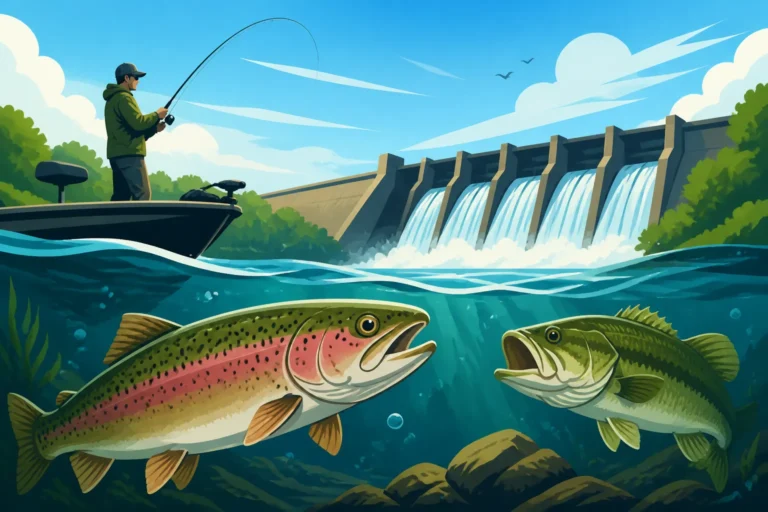
While many focus on the main lake, the tailwater below the Enid Lake dam, particularly where the Yocona River continues its flow, can be an overlooked crappie hotspot, especially during certain times of the year when water is being released. The churning water and concentrated baitfish create an attractive feeding zone for crappie and other species.
Fishing in the tailwater requires different tactics due to current. Crappie will often hold in eddies, behind submerged rocks, or along current seams, waiting for an easy meal to be swept past. This area can be particularly productive in late winter or early spring as crappie stage before their upstream spawning migration, or in the fall as they feed heavily. For a more detailed look at the fishing opportunities in this specific area, you might find our article on Enid Lake Tailwater Fishing quite helpful.
Mastering Enid Lake Crappie: Seasonal Tactics and Techniques
Finding the spots is only half the battle; knowing how to fish them effectively throughout the year is what truly separates successful anglers from the rest. Crappie tactics on Enid Lake shift dramatically with the seasons, requiring anglers to adapt their presentations and depths.
Spring Crappie Tactics
Spring is arguably the most popular time to chase crappie on Enid Lake, as the fish move shallow for their annual spawn. As water temperatures creep into the mid-50s, crappie will start staging in creek channels and along secondary points before pushing into the extreme shallows when temperatures hit the low to mid-60s.
Early Spring (Pre-Spawn): Focus on the mouths of spawning coves and creek channel bends leading into these areas. Crappie will often be suspended over depths of 8-15 feet, relating to submerged timber or brush. Vertical jigging small jigs (1/16 to 1/8 oz) tipped with a minnow or soft plastic, or slow trolling minnows on tight lines, can be incredibly effective. Consider trying some of the techniques described in our Crappie Fishing Techniques for Mississippi Lakes guide.
Mid-Spring (Spawn): Once water temperatures are consistently in the 60s, crappie will be actively bedding in 2-6 feet of water in the protected coves and flats. Look for visible cover like stumps, laydowns, and sparse vegetation. A classic technique is casting small jigs (1/32 to 1/16 oz) or live minnows under a slip bobber, allowing you to present bait precisely around cover. Quiet approaches are essential; often, paddling a kayak or using a trolling motor is better than a noisy outboard.
Summer Crappie Tactics
As the Mississippi heat truly sets in and water temperatures soar, crappie retreat to deeper, cooler waters. This doesn't mean they stop biting; it just means you have to work a little harder and often fish deeper. Summer crappie on Enid Lake will typically hold around main lake channels, deep points, and offshore humps that have access to cooler thermoclines and abundant baitfish.
Deep Water Presentations: Crappie will often be suspended in 15-30 feet of water during the summer, usually relating to submerged timber or brush piles on channel edges or deep breaks. Trolling multiple lines, a technique often called "spider rigging," with jigs or minnows at various depths is highly effective for covering water and locating schools. Our detailed article on Spider Rigging Techniques can provide an excellent primer. You might also find success by targeting deep brush piles with vertical jigging or dropping minnows straight down on a tight line. Pay close attention to your fish finder to identify bait schools and crappie holding structure.
Fall Crappie Tactics
Fall on Enid Lake is a fantastic time for crappie fishing, as cooler temperatures invigorate the fish and they begin to feed aggressively in preparation for winter. This "fall turnover" can briefly disrupt patterns, but once stable, crappie will follow baitfish into shallower and mid-depth waters before eventually moving deep again.
Following the Shad: In early fall, crappie often chase schools of shad that move into shallower bays and creek arms, creating explosive feeding frenzies. Casting small crankbaits, spinnerbaits, or even larger jigs can be productive during these periods. As fall progresses and water temperatures drop further, crappie will transition back to creek channels and main lake points, feeding on baitfish congregating near submerged cover. Look for them in 10-20 feet of water, often suspended. Slow trolling or vertical jigging around submerged structure becomes effective again.
Winter Crappie Tactics
Don't let the cold weather deter you; winter crappie fishing on Enid Lake can be incredibly rewarding, often producing some of the largest slabs of the year. Crappie congregate in large schools in deep, stable water, making them easier to target once located.
Deep Hole Specialists: During winter, crappie seek the warmest, most stable water they can find, which usually means the deepest parts of the main lake channels and major creek channels. They'll stack up in large schools around deep submerged timber, brush piles, or even on the channel bottom in depths ranging from 25 to 50 feet. It's not uncommon to find massive schools suspended right on the edge of the old river channel.
Vertical Presentations: Precision is key in winter. Use sensitive rods and light line (4-6 lb test) to detect the subtle bites. Vertical jigging small 1/16 or 1/8 oz jigs, often tipped with a minnow or small soft plastic, directly into these schools is the go-to method. Sometimes, a tiny hair jig or a spoon can trigger strikes. For more in-depth cold-weather strategies, be sure to read our guide on Winter Crappie Fishing in Mississippi. If you're struggling to locate these deep schools, consider booking a trip with a local guide through platforms like FishingBooker, as they specialize in pinpointing these hard-to-find winter hideouts.
Gear Up for Success: Essential Equipment and Insider Tips
Having the right gear and knowledge can significantly boost your success rate on Enid Lake. Crappie fishing isn't overly complicated, but a few key items will make your experience more enjoyable and productive.
Rods, Reels, and Line
For crappie, light tackle is the name of the game. A sensitive ultralight or light action spinning rod, typically 5.5 to 7 feet long, is ideal. This allows for precise casting of small jigs and excellent bite detection. Pair this with a small spinning reel spooled with 4-8 lb test monofilament or fluorocarbon line. Many anglers prefer fluorocarbon for its low visibility and sensitivity, while others stick with monofilament for its forgiving stretch. Braided line can also be used, especially for deep-water jigging, but usually with a fluorocarbon leader for stealth.
If you're into spider rigging, purpose-built crappie rods, often 10-16 feet long, are used in conjunction with small baitcasting or spinning reels. These long rods allow anglers to spread out multiple lines and present baits to a wide area from the boat.
Baits and Lures
Crappie are not overly picky, but certain baits and lures consistently outperform others on Enid Lake.
Live Minnows: The undisputed king of crappie bait. Live minnows, particularly small shiners or crappie minnows, are effective year-round and can be rigged under a bobber, tight-lined, or trolled. They provide natural scent and action that crappie find irresistible. Our article on Best Bait for Crappie in Mississippi delves deeper into minnow selection and rigging.
Jigs: Soft plastic jigs are incredibly versatile. Common sizes range from 1/32 to 1/8 ounce, with small curly-tail grubs, tube baits, and tiny minnow-imitating plastics being popular. Colors vary with water clarity; chartreuse, white, black/chartreuse, and blue/pearl are often top producers. Jigging techniques are varied, from slow-rolling to aggressive snapping.
Small Crankbaits: While not as common as jigs or minnows, small crappie-specific crankbaits can be deadly, especially when crappie are actively chasing shad in open water during the fall. They offer a larger profile and vibration that can attract bigger fish.
Electronics and Mapping
In today's crappie fishing world, electronics are indispensable, especially on a large, structure-rich lake like Enid. A good fish finder with down imaging and side imaging capabilities can reveal submerged timber, brush piles, creek channels, and schools of baitfish and crappie that would otherwise remain hidden.
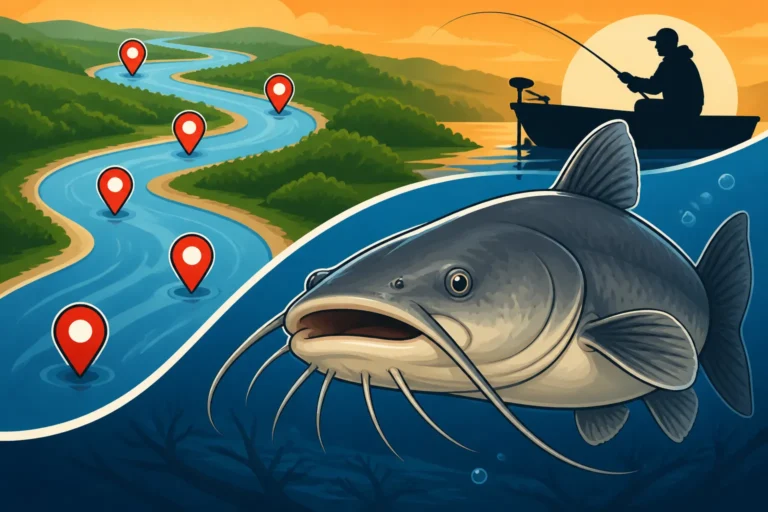
GPS mapping features, often integrated into fish finders, allow you to mark productive spots, navigate channels, and return to specific brush piles with precision. Many anglers also use mapping apps on their phones or tablets in conjunction with their boat's electronics to get a comprehensive view of the lake's contours and structure. Learning to interpret your Reading a Fish Finder for Crappie is a skill that will pay dividends.
Insider Tips for Enid Lake Crappie
- Follow the Bait: Crappie are almost always near their food source. If you find large schools of shad on your electronics, crappie are likely nearby.
- Observe Water Levels: Enid is a flood control lake, and water levels fluctuate. High water floods new cover, while low water concentrates fish in channels and around main lake structure. Adjust your approach accordingly.
- Stealth is Key: Crappie can be spooky, especially in clear water or shallow spawning areas. Use your trolling motor judiciously, make quiet casts, and avoid sudden movements.
- Don't Be Afraid to Move: If a spot isn't producing, don't waste too much time there. Crappie often move in schools, and what's hot one day might be barren the next. Use your electronics to find new concentrations of fish.
- Check Regulations: Always be aware of the current Mississippi Fishing Regulations Explained, including specific crappie limits for Enid Lake. Knowing things like Enid Lake Crappie Daily Limit is crucial for responsible fishing.
By combining knowledge of Enid Lake's prime crappie real estate with adaptable seasonal tactics and the right gear, you'll be well on your way to filling your cooler with those delicious slabs. Remember, every day on the water is a learning experience, and patience is often the biggest virtue in crappie fishing.
Enid Lake Crappie Fishing at a Glance
To give you a quick reference point for your next crappie adventure on Enid Lake, here's a summary of key structures and the techniques that often work best.
| Structure Type | Common Depths | Primary Seasons | Recommended Techniques | Key Baits/Lures |
|---|---|---|---|---|
| Main Lake Channels | 15-40 feet (suspended) | Year-round, especially W | Vertical Jigging, Spider Rigging | Minnows, Jigs (1/8 oz) |
| Submerged Timber/Brush Piles | 8-30 feet | Year-round | Vertical Jigging, Tight-lining | Minnows, Jigs (1/16 – 1/8 oz) |
| Spawning Coves/Shallow Flats | 2-6 feet | Spring (Spawn) | Casting, Bobber Fishing | Minnows, Jigs (1/32 – 1/16 oz) |
| Creek Channel Bends | 10-25 feet | Pre-Spawn, Fall, Winter | Trolling, Vertical Jigging | Minnows, Jigs |
| Deep Points/Humps | 12-25 feet (edges) | Summer, Fall | Trolling, Bottom Bouncing (jigs) | Minnows, Jigs, Small Crankbaits |
This table provides a general guideline, but always remember to adjust your approach based on current conditions, water temperature, and what your electronics are telling you.
Disclaimer
Fishing conditions and regulations can change frequently. Always consult the official Mississippi Department of Wildlife, Fisheries, and Parks (MDWFP) website or local authorities for the most up-to-date information on licenses, limits, and any special advisories before heading out on your fishing trip. Stay safe and practice responsible angling.