Best Crappie Spots on Ross Barnett Reservoir
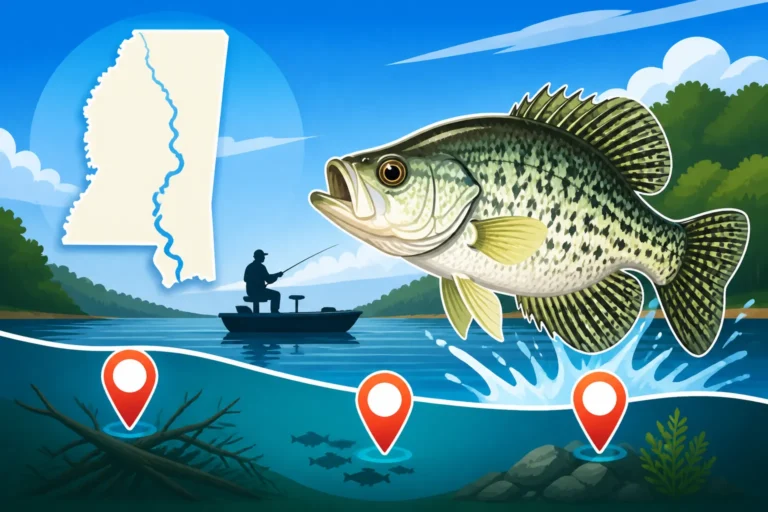
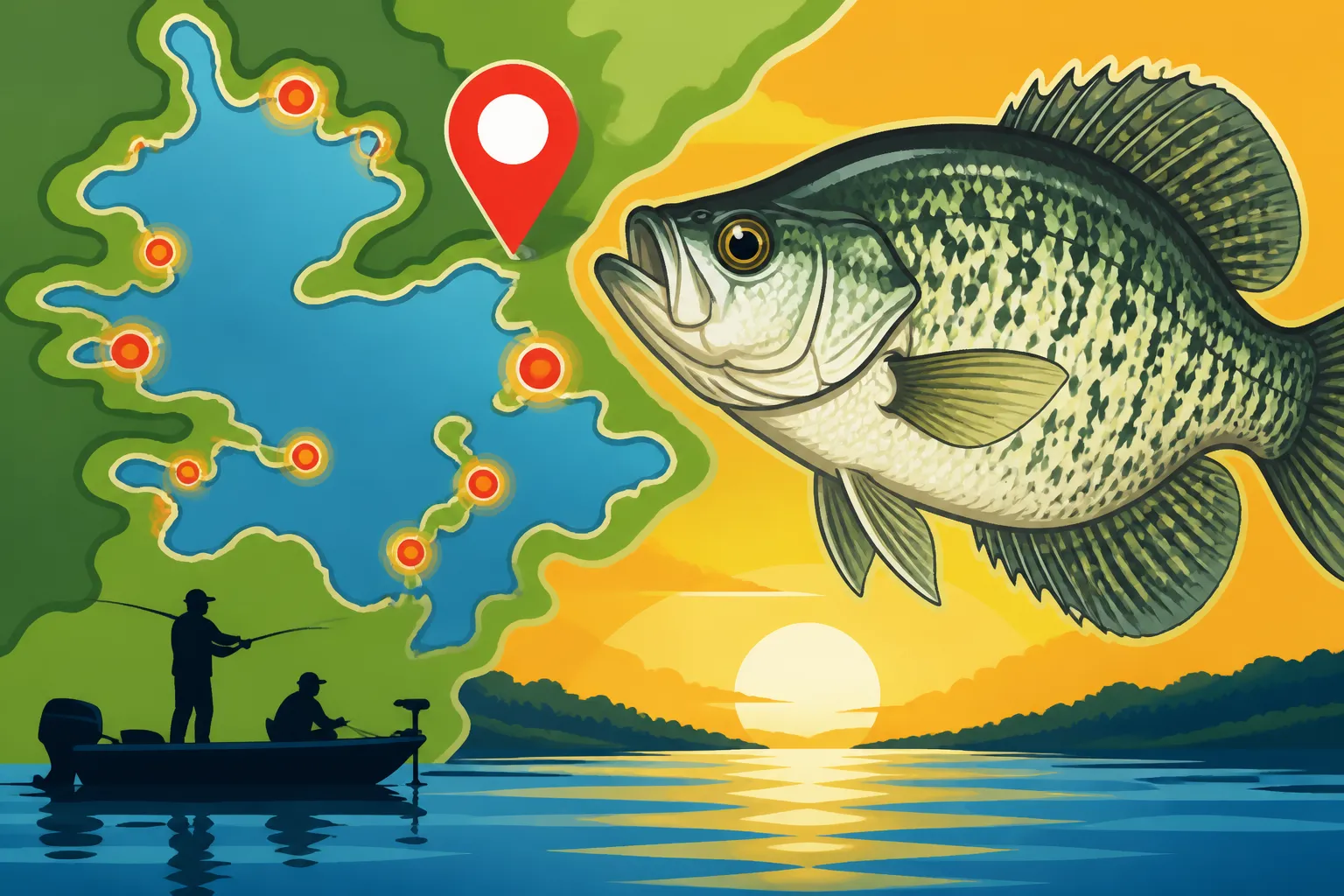
Finding crappie on a sprawling body of water like Ross Barnett Reservoir can feel like trying to find a needle in a haystack, especially if you're not familiar with its many nooks and crannies. This guide is here to cut through that frustration, providing you with a detailed breakdown of the best crappie fishing spots on the "Rez," what makes them productive, and how you can approach them to fill your cooler.
Understanding Ross Barnett Reservoir for Crappie Success
Ross Barnett Reservoir, affectionately known as "The Rez" by locals, is a massive 33,000-acre lake on the Pearl River, just northeast of Jackson, Mississippi. Its sheer size can be intimidating, but understanding its unique characteristics is the first step to consistently finding crappie. It's not just a big bowl of water; it’s a complex ecosystem with varying depths, currents, and an abundance of structure that crappie absolutely love.
The Lay of the Land: Depths, Structure, and Habitat
The Rez is primarily a shallow to mid-depth reservoir, with average depths typically ranging from 8 to 12 feet, though the old Pearl River channel can drop to 30 feet or more in places. Crappie are ambush predators that thrive on structure, and Ross Barnett offers a smorgasbord of it. You'll find extensive submerged timber, old creek channels, brush piles, roadbeds, and even remnants of old homesites that serve as prime habitat. The key is to find these structures and understand how crappie relate to them throughout the year. For instance, the northern end of the reservoir tends to be shallower and features more standing timber, while the southern end near the dam has deeper channels and larger open areas. Water levels can fluctuate significantly, particularly with heavy rains, which often draw crappie into newly flooded areas, especially during the spawn.
Seasonal Crappie Movements
Crappie, like most fish, follow predictable patterns dictated by water temperature and their biological urge to spawn. If you know when they move, you'll have a much better idea of where to start looking.
- Spring (Pre-spawn and Spawn): This is arguably the most popular time for crappie fishing. As water temperatures climb into the 50s and 60s Fahrenheit (typically late February to early May), crappie move from deeper wintering holes into shallower bays, creeks, and protected coves. They seek out hard bottom, brush, stumps, and lily pad stems in just 2-8 feet of water to lay their eggs. This is when you'll find them congregated and aggressively feeding.
- Summer: Once the spawn is over and water temperatures really heat up (75°F+), crappie retreat to deeper, cooler waters. They'll often suspend over the old river channel, gather around deep brush piles, or relate to structure along ledges in 15-25 feet of water, especially during the midday heat. Early mornings and late evenings might see them push slightly shallower to feed.
- Fall: As temperatures begin to cool in September and October, crappie become more active and start to feed heavily again, preparing for winter. They often follow baitfish into creek channels and move onto points and ledges, sometimes suspending at mid-depths. This is a great time for trolling or jigging.
- Winter: During the coldest months, crappie school up tightly in deep water. Look for them concentrated in the deepest parts of the main lake, particularly in the old Pearl River channel, or suspended over deep submerged brush piles. They might be sluggish, but when you find a school, you can often catch quite a few. Understanding these movements is crucial, and a comprehensive guide like our Best Time of Year to Fish in Mississippi can offer even more insight into general seasonal patterns for various species.
Top Crappie Hotspots on Ross Barnett
While crappie can be found throughout the reservoir, some areas consistently produce better than others due to their unique combination of depth, cover, and forage. These are the spots where local anglers often have their best days.
Pelahatchie Bay and Surrounding Creek Arms
Pelahatchie Bay, located on the eastern side of Ross Barnett, is legendary for its crappie fishing, especially during the spring spawn. This expansive bay is relatively shallow and features an abundance of standing timber, cypress trees, and submerged brush, providing perfect cover for spawning crappie. The numerous creek arms feeding into Pelahatchie, such as Pelahatchie Creek itself, are also prime targets. During late winter and early spring, crappie stage in the deeper channels leading into the bay before moving into the shallow flats to spawn. Anglers often find success slow-trolling jigs or live minnows through the timber or casting jigs directly to visible cover. As the water warms, crappie may move slightly deeper along the edges of the bay but still remain within easy reach. If you're looking for a detailed exploration, our Pelahatchie Bay Fishing Guide dives even deeper into this fantastic area.
The Main Lake Channels and Ledges
For summer and winter crappie, or even during the fall transition, the deeper waters of the main lake, particularly the old Pearl River channel and its adjacent ledges, become incredibly productive. The channel winds through the reservoir, offering depths that can hold crappie when they seek cooler water or stable temperatures. Look for sharp drops, humps, and submerged structure along these ledges, especially where they intersect with old creek beds. The area around Goshen Springs and Fannin Landing, where the channel is well-defined, can be excellent. This requires good electronics, as crappie will often be suspended over the channel or tight to submerged structure. Using your fish finder to mark schools of baitfish and crappie is paramount here. For tips on how to effectively use your gear, check out our article on Reading a Fish Finder for Crappie.
Submerged Timber and Brush Piles
Ross Barnett is full of hidden treasures in the form of submerged timber and intentionally placed brush piles. These acts as natural fish attractors, providing both cover and ambush points for crappie. Many anglers spend hours mapping out and maintaining their private brush piles, but plenty of natural timber exists. Look for old flooded forests, particularly in the northern sections of the reservoir and within the larger bays. These areas are especially good when crappie are in their pre-spawn and post-spawn phases, and even during the summer when they seek shade and cover. Vertically jigging or spider rigging with multiple rods around these structures can be incredibly effective. Remember, when you find one brush pile holding fish, there are likely others in the vicinity with similar characteristics.
| Crappie Hotspot Area | Primary Season | Typical Depth | Key Structure | Recommended Technique |
|---|---|---|---|---|
| Pelahatchie Bay & Creek Arms | Spring | 2-8 feet | Standing timber, cypress, brush, lily pads | Slow trolling, casting jigs to cover, bobber fishing |
| Main Lake Channels & Ledges | Summer, Winter | 15-30+ feet | River channel, sharp drops, humps, submerged brush | Vertical jigging, spider rigging, casting deep jigs |
| Submerged Timber & Brush Piles | All Seasons | 5-25 feet | Tree tops, stumps, man-made brush piles | Vertical jigging, spider rigging, dock shooting (if near) |
| Causeway Area (Bridges) | All Seasons | 8-20 feet | Bridge pilings, riprap, current breaks | Vertical jigging, casting jigs near pilings, tight-lining |
Essential Techniques and Gear for Ross Barnett Crappie
Having the right spots is only half the battle; knowing how to fish them effectively is just as important. Crappie fishing on Ross Barnett often involves a mix of traditional and modern techniques.
Preferred Baits and Lures
Crappie can be finicky, but a few offerings consistently get their attention on the Rez.
- Live Minnows: These are the undisputed champions for crappie. Small to medium-sized minnows, hooked lightly through the lip or back, are irresistible. They can be fished under a bobber in shallow cover, tight-lined on a jig head, or presented as part of a spider rig setup in deeper water. Always carry a good supply, especially when the bite is tough. Our guide on the Best Bait for Crappie in Mississippi delves into more detail about live bait options.
- Jigs: Soft plastic jigs, ranging from 1/16 to 1/8 ounce, are incredibly versatile. Paddle tails, curl tails, and tube jigs in various colors (chartreuse, white, black/chartreuse, pink) are popular. Experiment with colors and sizes until you find what the crappie prefer on any given day. Tipping jigs with a small piece of minnow or a Crappie Nibble can often entice extra bites.
- Crankbaits: While not as common for crappie as jigs or minnows, small crankbaits can be effective when trolling for active, suspended crappie, particularly in the fall or early summer.
Strategic Approaches: Trolling, Casting, and Dock Shooting
The vastness and varied structure of Ross Barnett lend themselves to multiple crappie fishing strategies.
- Spider Rigging: This technique is extremely popular on Ross Barnett, especially for covering water in deeper sections or around extensive submerged timber. It involves using multiple long rods (often 8-16 feet) spread out from the boat, each rigged with a jig or live minnow. The boat moves slowly, presenting baits at different depths and locations simultaneously. It’s an efficient way to locate schooling fish and target suspended crappie. To master this, you might find our article on Trolling for Crappie on Mississippi Reservoirs particularly helpful.
- Casting and Retrieving Jigs: In shallower areas, especially around visible cover like standing timber or lily pads, casting a jig and slowly retrieving it with subtle twitches can be deadly. Pay attention to any slight tap or unnatural movement in your line, as crappie bites can be incredibly light.
- Vertical Jigging: When crappie are tightly schooled around deep brush piles or along channel ledges, vertical jigging is often the most effective method. Use your electronics to position your boat directly over the fish, then drop a jig or live minnow straight down to their depth. Subtle lifts and drops are usually all it takes. This technique is often discussed in detail in guides about Deep Water Crappie Fishing Techniques.
- Dock Shooting: Around the numerous boat docks and marinas on Ross Barnett, dock shooting can be a game-changer. This technique involves bending your rod like a bow and shooting a small jig under docks and into tight spaces where crappie often hide in the shade and cover. It requires practice but can unlock access to crappie that other anglers miss.
Maximizing Your Crappie Success on the Reservoir
Ross Barnett is a productive crappie fishery, but a few additional tips can significantly boost your chances of a memorable day.
Timing is Everything: Best Seasons and Times
As we discussed earlier, understanding the seasonal movements of crappie is crucial. However, even within those seasons, timing your trips to coincide with peak feeding times can make a huge difference.
- Spring: During the spawn, crappie can be active all day, but early mornings and late afternoons often see increased feeding activity. Overcast days can extend the bite in the shallows.
- Summer: Your best bet for summer crappie is usually the first few hours after sunrise and the last few hours before sunset. During the midday heat, focus on deeper water and heavily shaded cover.
- Fall: Fall crappie can be active throughout the day as they feed aggressively. Look for them to follow baitfish schools.
- Winter: Midday, when water temperatures are at their warmest, can often be the most productive time for sluggish winter crappie. Calm, sunny days can sometimes draw them slightly shallower, even if just for a short period. Checking a local fishing report or calling a bait shop before you head out can provide up-to-the-minute insights into current patterns.
Using Technology and Local Knowledge
Modern technology has revolutionized crappie fishing, making it easier than ever to locate fish and structure.
- Advanced Sonar and Mapping: High-definition side-imaging and down-imaging sonar units are invaluable for finding submerged creek channels, brush piles, and even schools of crappie that aren't visible on the surface. GPS mapping allows you to mark productive spots and navigate back to them with precision. Don't be afraid to invest in good electronics and learn how to use them effectively; they will pay dividends.
- Local Bait Shops and Guides: The folks who work at local bait and tackle shops near Ross Barnett (like those around Flowood, Pearl, or Pelahatchie) are often a goldmine of information. They hear daily reports from anglers and can tell you what's biting, where, and on what. If you're new to the reservoir or struggling to find fish, consider hiring a local guide for a day. They know the water intimately, have honed their techniques for the specific conditions of Ross Barnett, and can teach you a tremendous amount in a short time. You can often find reputable guides specializing in crappie fishing on platforms like FishingBooker, where you can read reviews and compare offerings. This can be an excellent way to fast-track your learning curve on such a large and diverse body of water.
- Community Forums and Social Media: Many online fishing communities and social media groups are dedicated to Mississippi fishing. While not all information will be perfectly accurate or current, these can be good places to pick up tips, learn about trends, and connect with other passionate anglers who fish the Rez regularly.
Finally, always make sure you're up-to-date on Mississippi Fishing License Guide requirements and Mississippi Crappie Regulations by Lake to ensure a legal and enjoyable day on the water.
Disclaimer
Fishing conditions and regulations can change frequently. Always consult the official Mississippi Department of Wildlife, Fisheries, and Parks (MDWFP) website or their latest regulations guide before planning your trip to ensure compliance with all current laws and limits. The information provided here is for general guidance and educational purposes only.