How Big Are Grenada Lake Crappie?
One of the most thrilling parts of crappie fishing in Mississippi is the dream of landing a true "slab" – those thick, heavy crappie that make all the effort worthwhile. For many anglers, the question isn't just if they'll catch crappie, but how big those crappie will be, and when it comes to trophy potential, Grenada Lake often comes up in conversation. This guide will take a deep dive into what makes Grenada Lake a crappie hotspot, what size fish you can genuinely expect to pull from its waters, and how to maximize your chances of connecting with those coveted giants.
The Legendary Reputation of Grenada Lake Crappie
Grenada Lake isn't just another body of water in Mississippi; it's a crappie Mecca, revered by anglers across the country. Its reputation as a "slab factory" is well-earned, drawing fishermen who specifically target the large crappie that inhabit its expansive waters. This isn't just hearsay; the lake consistently produces crappie of impressive size, making it a bucket-list destination for many. The sheer volume of fish, coupled with their above-average dimensions, creates an undeniable allure that sets Grenada apart from many other crappie fisheries.
Average Size Expectations for Grenada Lake Crappie
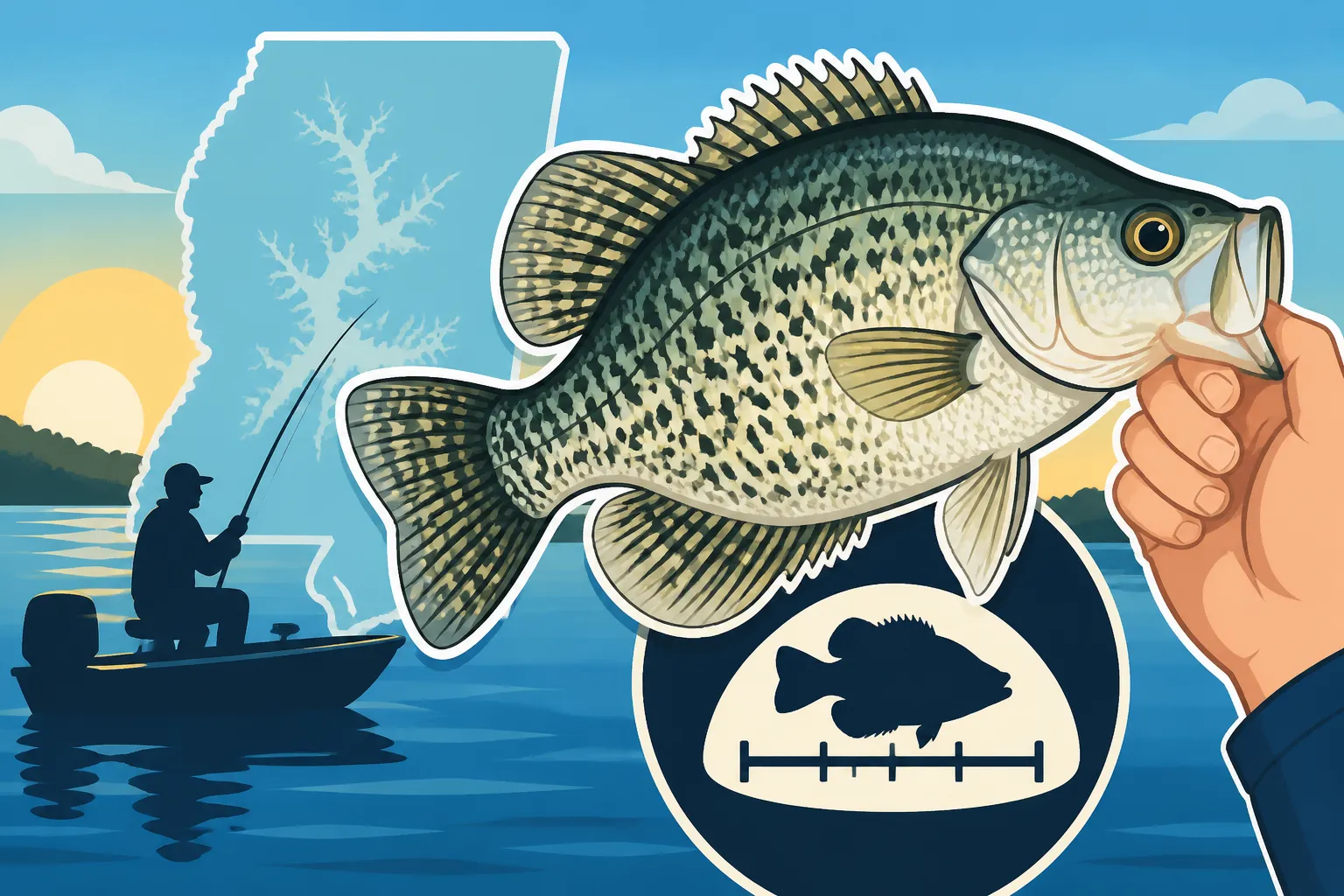
When you're out on Grenada Lake, whether you're a seasoned local or a first-time visitor, it's natural to wonder what a "typical" crappie looks like. While every day on the water is different, a "keeper" crappie on Grenada usually falls into the 10-12 inch range, which is already a respectable size for crappie fishing. These are healthy, plump fish, often weighing in at around ¾ to 1 pound. Many anglers find themselves consistently catching crappie in this size bracket, providing plenty of action and a good haul for the frying pan.
However, it's crucial to remember that averages don't tell the whole story. On a good day, especially during prime seasons, you'll be sorting through plenty of smaller crappie to find these solid keepers. The key is patience and persistence, as those slightly larger fish are often lurking in the same schools, just a bit harder to coax out. Understanding the common size range helps set realistic expectations and allows you to appreciate the quality of the Grenada fishery.
The Trophy Potential: Chasing Grenada's Slabs
What truly cements Grenada Lake's legendary status is its consistent production of true "slab" crappie. We're talking about fish pushing, or even exceeding, the 2-pound mark. These are the crappie that get your heart pounding and make for fantastic photos. Many anglers have stories of 2.5 to 3-pound crappie coming out of Grenada, and while these are certainly exceptional catches, they're far from unheard of. The lake has a proven track record of growing crappie to these impressive sizes, providing a legitimate chance for anglers to land a personal best.
While Mississippi's state record crappie wasn't caught in Grenada (that honor belongs to Arkabutla Lake with a 3 lb, 15 oz white crappie), Grenada Lake consistently ranks as one of the top lakes in the state for producing crappie that come very close to that benchmark. This consistent trophy potential is what keeps anglers coming back year after year, dedicating countless hours to unlocking the secrets of where these massive crappie hide. If you're looking for a place where a 15-inch, 2-pound crappie is a very real possibility, Grenada Lake should be at the top of your list.
Factors Influencing Crappie Size in Grenada Lake
The exceptional size of Grenada Lake crappie isn't just a fluke; it's the result of a complex interplay of environmental factors and management strategies. Understanding these elements can give anglers a deeper appreciation for the fishery and even help them predict when and where bigger fish might be found. From the abundance of food to the crucial role of water levels, each piece contributes to the "slab factory" phenomenon.
Forage and Food Availability
One of the primary drivers of crappie growth is a robust and consistent food supply, and Grenada Lake excels in this department. The lake is teeming with forage fish, particularly gizzard shad and threadfin shad. These baitfish are high in protein and readily available, providing the crappie with an all-you-can-eat buffet that fuels rapid growth. Crappie, being opportunistic feeders, spend their lives chasing these schools of shad, converting the abundant food into impressive size and weight.
The health of the shad population directly correlates with the health of the crappie population. When shad numbers are high, crappie grow faster and reach larger sizes. Conversely, a decline in forage can lead to slower growth rates and smaller average sizes. The Mississippi Department of Wildlife, Fisheries, and Parks (MDWFP) closely monitors these populations to ensure a balanced ecosystem, supporting the growth of those coveted Grenada Lake crappie. When you're out on the water, pay attention to your fish finder; if you see dense schools of baitfish, chances are the crappie aren't far behind.
Water Levels and Habitat Dynamics
Grenada Lake is a flood control reservoir, meaning its water levels fluctuate significantly throughout the year. While this might seem challenging, these fluctuations actually play a critical role in nurturing large crappie. During the spring and early summer, rising water often inundates vast areas of terrestrial vegetation, creating shallow, nutrient-rich nurseries for baitfish and young crappie. These newly flooded areas offer protection from predators and an explosion of insect life, providing crucial food for juvenile crappie.
As the lake is drawn down in the late summer and fall, these areas dry out, concentrating baitfish and crappie in the main lake channels, brush piles, and standing timber. This concentration makes the crappie more accessible to anglers but also forces them to compete for remaining resources, which can impact their immediate feeding patterns. The cyclical flooding and drawdown effectively "rest" the shallow water habitat, allowing it to regenerate nutrients and vegetation, setting the stage for another productive season. This dynamic habitat is a key reason Grenada Lake can consistently produce such impressive crappie sizes. Knowing the typical Grenada Lake Fishing Guide can help you anticipate how these water levels will affect your fishing strategy.
Genetics and Stocking Programs
While environmental factors are crucial, the genetics of the crappie themselves also play a role in their potential size. Grenada Lake is home to both white crappie and black crappie, though white crappie are generally more prevalent and grow to larger sizes in many Mississippi reservoirs. The MDWFP maintains careful oversight of the lake's fishery, conducting surveys and implementing management strategies to ensure a healthy crappie population.
While specific crappie stocking programs are less common in established, self-sustaining fisheries like Grenada (as opposed to smaller state lakes or newly impounded waters), the MDWFP's broader management efforts, which include habitat improvement and forage assessment, indirectly support the growth of large crappie. Their goal is to maintain a balanced ecosystem that allows the crappie to thrive naturally. Anglers often appreciate the work that goes into preserving this fantastic fishery, ensuring future generations can also enjoy the thrill of catching giant crappie.
Understanding Crappie Regulations and Limits on Grenada Lake
For any angler heading to Grenada Lake, knowing the specific rules and regulations is not just about compliance; it's about understanding how these rules contribute to the health and sustained trophy potential of the crappie fishery. The Mississippi Department of Wildlife, Fisheries, and Parks (MDWFP) carefully crafts these regulations to balance angler opportunity with the conservation of the resource, directly impacting the size and abundance of crappie you encounter.
Daily Creel and Size Limits for Grenada Crappie
Grenada Lake has specific regulations designed to protect its crappie population, especially the larger fish. Currently, the daily creel limit for crappie on Grenada Lake is 15 fish per person, and there is a 12-inch minimum length limit. This means that any crappie you catch must be at least 12 inches long to be kept, and you can only keep a maximum of 15 fish. These rules are particularly significant for a lake known for its slabs. The 12-inch minimum length limit acts as a protective measure, allowing crappie to grow to a substantial size before they can be harvested. This is why you'll often hear anglers talking about "Grenada Lake Crappie Regulations by Lake."
It's vital to measure your fish accurately. Many anglers carry a bump board or a reliable measuring tape to ensure their catch meets the legal requirements. Releasing undersized crappie quickly and carefully is crucial for their survival. Ignoring these regulations can lead to significant penalties, including fines and potential loss of fishing privileges, so always check the latest Mississippi Fishing Regulations Explained before heading out.
How Regulations Protect Larger Crappie
The minimum length limit on Grenada Lake is a cornerstone of its management strategy, specifically aimed at fostering a trophy fishery. By requiring crappie to reach 12 inches before being kept, the MDWFP ensures that a large portion of the crappie population has the opportunity to spawn at least once, if not multiple times. Spawning success is critical for population sustainability, but it also allows fish to continue growing beyond the reproductive stage. The larger crappie, the "slabs," have often survived multiple seasons and have contributed significantly to the gene pool.
This regulation directly contributes to why Grenada Lake is known for bigger crappie. It reduces pressure on the younger, smaller fish, allowing them to mature and reach those impressive sizes that anglers covet. Without such limits, there would be a higher chance of anglers over-harvesting the smaller, more abundant crappie, potentially depleting the number of fish that could grow into slabs. These protective measures ensure that the Grenada Lake crappie fishery remains robust and continues to offer excellent opportunities for catching trophy-sized fish for years to come. If you're wondering "How Many Crappie Can You Keep on Grenada Lake?", the answer is 15, as long as they meet the size requirement.
Strategies for Targeting Bigger Crappie on Grenada Lake
Catching a Grenada Lake slab isn't just about showing up; it requires strategy, patience, and often, a willingness to adapt. While Grenada is renowned for its large crappie, they don't jump into the boat willingly. Employing the right techniques at the right time and in the right places will dramatically increase your chances of hooking into those impressive fish that Grenada is famous for.
Seasonal Patterns and Locations for Slabs
Finding big crappie on Grenada Lake means understanding their seasonal movements. During the spring spawn, roughly from March to May depending on water temperature, crappie move into shallower waters to lay eggs. This is often when anglers have their best chance at catching a high volume of quality fish. Look for them around submerged brush, standing timber, and creek channels in 5-15 feet of water. This is also a fantastic time to study "What Month Do Crappie Spawn in Mississippi?" for detailed timing.
As summer heats up, crappie retreat to deeper, cooler waters, often suspending over ledges, creek channels, and humps. They'll relate closely to submerged structure like timber and brush piles anywhere from 15-30 feet deep, or even deeper depending on conditions. In the fall, as water temperatures drop, crappie become more active and start feeding aggressively in preparation for winter. They can often be found chasing schools of baitfish in open water or around main lake points and channel swings. Winter crappie fishing means focusing on the deepest available structure in the main lake, often near vertical drops or old river channels, sometimes suspended at various depths over these features. Knowing the "Best Time of Year to Fish in Mississippi" for crappie will always steer you towards success.
To consistently find these fish, especially the larger ones, it pays to consult local knowledge or even consider booking a guide. Platforms like FishingBooker are excellent resources for finding experienced local Grenada Lake Fishing Guides who know the nuances of the lake's seasonal patterns and can put you right on the fish, often sharing insights into exactly where the bigger crappie are holding.
Tackle and Techniques for Trophy Crappie
Catching bigger crappie often requires a slight adjustment in your tackle and techniques. While light action rods are standard for crappie, a medium-light action rod with a bit more backbone can be beneficial when trying to horse a 2-pounder out of heavy cover. Pair this with a reliable spinning reel spooled with 6-8 pound monofilament or fluorocarbon line. Many anglers opt for braided line with a fluorocarbon leader for increased sensitivity and strength.
For bait, live minnows are hard to beat for trophy crappie. A large shiner hooked through the lip or back often tempts the biggest fish. When it comes to artificials, heavier jigs (1/8 to 1/4 ounce) dressed with larger plastic bodies (2-3 inches) can attract more aggressive, larger crappie. Colors like chartreuse, white, and natural baitfish patterns are always solid choices. For an in-depth look at bait options, check out the "Best Bait for Crappie in Mississippi."
Common techniques on Grenada Lake for targeting bigger crappie include:
- Spider Rigging: This involves deploying multiple rods from the front of the boat, typically with small jigs or minnows, and slowly trolling over structure. This covers a lot of water and presents multiple baits, increasing your odds of intercepting a school of larger fish. Many guides specialize in "Trolling for Crappie on Mississippi Reservoirs" and spider rigging.
- Jigging Vertical Structure: Using your fish finder to locate schools of crappie or brush piles, then vertically dropping jigs or minnows directly into the school. This is especially effective in deeper water. If you're serious about finding fish, mastering "Reading a Fish Finder for Crappie" is essential.
- Casting to Cover: During the spawn or when crappie are in shallower timber, casting jigs or small crankbaits close to cover can trigger strikes from territorial slabs.
Regardless of your chosen method, persistence is key. Bigger crappie are often more wary, and it might take multiple passes or presentations to entice a strike. Experiment with different depths, retrieve speeds, and bait colors until you find what the fish are responding to on a given day. You can also gain valuable insights by checking recent fishing reports or even planning your trip around popular local crappie tournaments, where the biggest fish are often highlighted. If you're looking for guidance, remember that many Grenada Lake guides, often found through services like FishingBooker, can help refine your "Crappie Fishing Techniques for Mississippi Lakes" for those elusive giants.
Comparing Crappie Regulations Across Mississippi's Top Lakes
To illustrate how Grenada Lake's regulations compare to other popular crappie fisheries in Mississippi, here's a helpful table. Understanding these differences is crucial when planning your trips to various bodies of water across the state.
| Lake Name | Crappie Species | Daily Creel Limit | Minimum Length Limit | Notes |
|---|---|---|---|---|
| Grenada Lake | White/Black | 15 fish | 12 inches | Known for consistent slab production. |
| Sardis Lake | White/Black | 15 fish | 12 inches | Another top crappie lake, similar regulations. |
| Enid Lake | White/Black | 15 fish | 12 inches | Excellent crappie fishery, managed similarly. |
| Ross Barnett Res. | White/Black | 30 fish | 10 inches | Higher creel limit, slightly lower size minimum. |
| Eagle Lake | White/Black | 30 fish | 10 inches | Generous limits for a productive oxbow lake. |
This table highlights that Grenada, Sardis, and Enid lakes are managed with a more restrictive 12-inch minimum, which contributes significantly to their reputation for larger crappie. Lakes like Ross Barnett Reservoir and Eagle Lake, while still excellent crappie fisheries, have different regulations that may lead to higher catch numbers but potentially smaller average sizes overall. Always double-check current regulations before fishing, as they can change.
Disclaimer
The information provided in this guide is for general informational purposes only and is based on publicly available data. Fishing regulations, conditions, and fish populations can change. Always consult the official Mississippi Department of Wildlife, Fisheries, and Parks (MDWFP) website or printed regulations pamphlet for the most current and accurate information before planning any fishing trip. Adherence to all local, state, and federal laws is the responsibility of the angler.