Pickwick Lake Best Crappie Spots
If you've ever found yourself staring out at the vast expanse of Pickwick Lake, wondering where on earth to drop a line for crappie, you're certainly not alone. It's a massive, beautiful fishery, but its size can make pinpointing those elusive papermouths feel like finding a needle in a haystack. This guide is dedicated to helping you unlock Pickwick's crappie secrets, breaking down the best spots, seasonal patterns, and techniques to fill your livewell.
Understanding Pickwick Lake's Crappie Dynamics
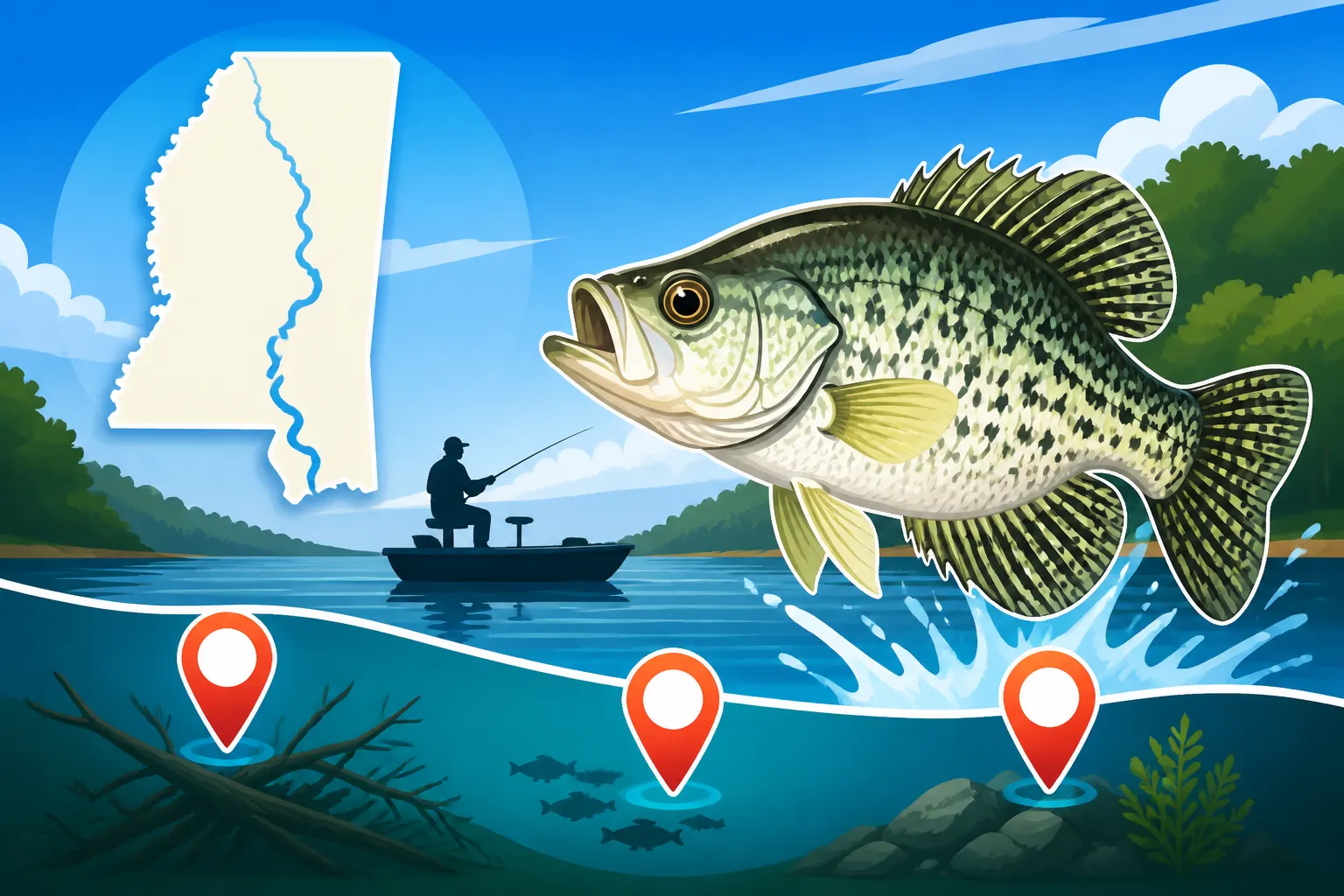
Pickwick Lake, a jewel nestled across Mississippi, Alabama, and Tennessee, is renowned for its excellent crappie fishing. But to consistently catch crappie here, you need to understand the lake's unique characteristics and how they influence crappie behavior. It's not just about finding any deep water or brush pile; it's about understanding why crappie are there and when.
The Unique Structure of Pickwick Lake
Pickwick Lake is essentially a TVA reservoir on the Tennessee River, meaning it has a distinct riverine influence, especially in its upper reaches. However, it also features numerous large creeks and bays that offer diverse habitat. This blend of river channels, expansive open water, and winding creek arms provides a variety of environments for crappie throughout the year. The Tennessee River channel itself is a major highway for baitfish and crappie, offering deep water and current, while the tributary arms like Yellow Creek and Bear Creek provide shallower, often more stained water with abundant cover. Understanding this dichotomy is the first step to becoming a successful Pickwick crappie angler.
Crappie Behavior Throughout the Seasons
Crappie, both black and white, are creatures of habit, and their habits are dictated heavily by water temperature and the availability of food. On Pickwick Lake, this means their locations and preferred depths change dramatically from season to season. What works in spring will likely fail spectacularly in summer.
- Spring (Pre-spawn & Spawn): This is arguably the most anticipated time for crappie anglers. As water temperatures climb into the high 50s to low 70s Fahrenheit, crappie move from deep wintering holes into shallower waters to spawn. They'll stage on points and ledges adjacent to spawning flats, then move into brush, stumps, and submerged vegetation in bays and creek arms when the water is just right. You'll often find them anywhere from 3 to 10 feet deep, sometimes even shallower if there's good cover and warm water.
- Summer: Once the spawn is over and water temperatures rise, crappie retreat to deeper, cooler water. They'll often suspend over creek channels, along river ledges, or relate to deep brush piles in 15-30 feet of water, sometimes even deeper. Finding schools of baitfish with your electronics becomes paramount, as crappie will be close by.
- Fall: As water temperatures begin to drop in autumn, crappie become more active and start feeding heavily in preparation for winter. They'll follow baitfish into shallower pockets and creek arms, often holding at depths similar to spring, but sometimes still suspending over deeper structures. The "fall turnover" can make fishing challenging for a week or two, but once it settles, the bite can be phenomenal.
- Winter: During the coldest months, crappie typically congregate in deeper holes, main river channels, and the deeper sections of creek channels. They become somewhat lethargic, but can be caught by presenting baits slowly and precisely. Depths can range from 20 to 40 feet, often relating to submerged timber or channel bends.
Knowing these general patterns will help you narrow down your search and maximize your time on the water, no matter what time of year you visit.
Top Crappie Hotspots on Pickwick Lake
While crappie can be found throughout Pickwick Lake, some areas consistently produce better than others due to their structure, cover, and baitfish populations. These are the places that experienced anglers often target, and for good reason.
Yellow Creek Arm
The Yellow Creek arm, located primarily in Mississippi and extending into Tennessee, is arguably one of Pickwick's most famous crappie factories. It's a vast area with numerous smaller creeks, coves, and significant variations in depth and structure. This creek is known for holding a substantial population of both black and white crappie.
The key to Yellow Creek is its abundance of cover. You'll find everything from submerged timber and brush piles to lily pads and stump fields, especially in the shallower backwater areas. During the spring, crappie push far back into the creek, seeking out these protected, warmer waters to spawn. Focus your efforts around creek channel bends, secondary points, and any visible cover in 5-15 feet of water. In summer and winter, crappie will retreat to the main Yellow Creek channel, suspending over its deeper sections or relating to brush piles dropped by local anglers. Pay close attention to your electronics here to locate schools of bait and the crappie feeding on them. If you're looking to hire a guide to show you the ropes, many local services can be found through platforms like FishingBooker that specialize in this area.
Bear Creek Area
Another fantastic crappie destination on Pickwick Lake is the Bear Creek arm, which also straddles the Mississippi-Alabama border. Similar to Yellow Creek, Bear Creek offers diverse habitats that appeal to crappie year-round. It features deep channels, numerous feeder creeks, and expansive flats.
Springtime anglers will want to explore the many small coves and pockets within Bear Creek, especially those with some form of woody cover or rocky bottom. Crappie will stage on ledges leading into these areas before moving shallow to spawn. Look for areas where the creek channel swings close to a shallow flat. During the warmer and colder months, crappie will move out to the main Bear Creek channel, congregating around submerged timber, channel drops, and old roadbeds. Trolling jigs or minnows along these deeper contours can be very effective. The confluence of Bear Creek with the main Tennessee River channel can also be a hotspot, as crappie often stage here before moving further up the creek.
Main Lake Ledges and River Channel
While creeks get a lot of attention, don't overlook the main lake ledges and the Tennessee River channel itself. These deeper structures are crucial for crappie during the post-spawn, summer, and winter periods, providing stable water temperatures and access to abundant baitfish that move along the main river system.
Anglers targeting the main lake need good electronics. Look for sharp drops, subtle humps, and submerged brush piles or timber along the main river channel. Crappie will often suspend in these areas, particularly during the summer when they're chasing schools of threadfin shad. Vertically jigging or slow trolling can be incredibly effective here. Areas near the confluence of the larger creeks with the main river, like where Yellow Creek or Bear Creek meet the Tennessee River, are transition zones that often hold large schools of crappie moving between deep and shallow water. This is also a fantastic place to observe the "Mississippi Striped Bass Regulations" if you hook into a striper while targeting crappie.
Bridge Pilings and Riprap
Bridges, especially the US-72 bridge that crosses the main body of Pickwick, can be magnets for crappie throughout the year. The pilings provide vertical structure that crappie love to orient to, and the riprap banks offer excellent habitat for baitfish and crawfish, which crappie feed on.
During the cooler months, crappie will often be found deeper around the base of the pilings or in the adjacent channel swings. In spring and fall, they'll move up into the shallower riprap, especially during low light conditions or when there's current. Jigging small minnows or artificial baits vertically alongside the pilings, or casting parallel to the riprap, can yield excellent results. Always be mindful of boat traffic around these busy structures. For details on how to use multiple rods in such situations, you might find the "Mississippi Fishing Rules for Multiple Rods" article helpful.
Seasonal Strategies for Pickwick Crappie Success
Successfully targeting crappie on Pickwick Lake is all about adapting your approach to the season. The lake's vastness and diverse habitats demand a flexible strategy.
Spring: The Shallow Water Hunt
Spring is prime time for many crappie anglers, and Pickwick doesn't disappoint. The key here is to follow the crappie as they move shallower.
- Pre-spawn: Look for crappie staging on main lake points or secondary points inside creek arms, typically in 8-15 feet of water. They'll often be found around submerged timber, brush piles, or rock piles. Slow trolling jigs or minnows around these staging areas can be very effective.
- Spawn: Once the water temperatures are consistently in the low to mid-60s, crappie move into protected, shallower areas. Target coves, shallow flats with stumps or brush, and lily pad fields in 3-8 feet of water. Single pole jigging with a small jig (1/16 to 1/8 oz) tipped with a Berkley PowerBait Minnow or a live minnow under a slip bobber is a classic and highly effective method. Consider looking into "Mississippi Fishing Season Opening Dates by Species" to time your trip perfectly.
- Post-spawn: After spawning, crappie may linger in the shallows for a short period before beginning their migration back to deeper water. They might be a bit lethargic, so a slower presentation is often best.
Summer: Going Deep for Suspended Slabs
Summer crappie fishing on Pickwick requires a different mindset and reliance on your electronics. The crappie will be in deeper water, often suspending.
- Locating Fish: Your fish finder is your best friend. Look for schools of baitfish and the crappie lurking nearby along deep creek channels, main river ledges, and submerged humps. Depths can vary widely, but 18-35 feet is a common range.
- Techniques: Vertical jigging with heavier jigs (1/4 to 1/2 oz) or drop-shot rigs with live minnows are excellent. Spider rigging (slow trolling multiple rods with jigs or minnows) across deep contours is also a popular and productive method. Pay attention to how the crappie are orienting to structure – sometimes they're right on the bottom, other times suspended 5-10 feet off the bottom. If you're keen to learn more about specific presentations, checking out "Jig Fishing for Crappie" or "Trolling for Crappie on Mississippi Reservoirs" could be beneficial.
Fall: Following the Bait
Fall can be one of the most exciting times to fish for crappie on Pickwick, as they become very aggressive and feed heavily.
- Transition Period: As water temperatures cool, crappie begin to move out of their deep summer haunts and follow baitfish into creek arms and shallower flats, often holding at depths similar to spring. Look for them around brush piles, stumps, and submerged timber.
- Active Feeding: Crappie will be actively chasing baitfish. Trolling, casting small crankbaits, or casting jigs and retrieving them with a stop-and-go action can trigger bites. Areas where creek channels intersect with shallow flats are often productive, as are the mouths of major creeks. This is also when you might encounter some active "Mississippi Hybrid Striped Bass" in the mix.
Winter: Patience in the Channels
Winter crappie fishing on Pickwick is often about finding concentrated schools in deep water and presenting baits precisely and slowly.
- Deep Water Concentration: Crappie will be huddled in the deepest parts of creek channels and the main river channel, often relating to significant submerged structure like standing timber, brush piles, or old river bends. They might be as deep as 40 feet or more.
- Subtle Presentation: Their metabolism is slower, so a slow, subtle presentation is crucial. Vertical jigging small jigs (1/16 to 1/8 oz) tipped with a minnow or soft plastic, or using a tight line rig with a minnow, are top choices. Patience is key, as bites can be very light. If you are looking for local guides to pinpoint these deep-water honey holes, websites like FishingBooker can connect you with experienced Pickwick crappie guides who know the winter patterns.
Essential Gear and Tactics for Pickwick Crappie
Having the right equipment and knowing how to use it effectively will significantly increase your success rate on Pickwick Lake.
Rods, Reels, and Line
For crappie fishing on Pickwick, versatility is key.
- Rods: Most crappie anglers prefer light to medium-light action spinning rods, typically 6 to 7.5 feet in length for casting jigs. For spider rigging or single poling in tight cover, longer rods (8-14 feet) can be advantageous, allowing you to reach further and spread out baits. A fast tip is helpful for detecting those subtle crappie bites.
- Reels: Small, lightweight spinning reels (500 to 1000 size) are perfect, balancing well with crappie rods. Ensure they have a smooth drag system.
- Line: 4-8 pound test monofilament or fluorocarbon is standard. Monofilament offers good knot strength and stretch, while fluorocarbon provides less stretch and better sensitivity, making it a favorite for deeper water presentations. Braided line can be used, especially in heavy cover, but often requires a fluorocarbon leader for stealth. For more specific recommendations, our guide on "Best Fishing Line for Crappie" offers excellent insights.
Baits and Lures
Crappie are not overly picky, but certain baits and lures are consistently effective on Pickwick.
- Live Minnows: The undisputed king of crappie bait. Small to medium shiners or fathead minnows are deadly when fished under a bobber, on a tight line, or as part of a spider rig.
- Jigs: Soft plastic jigs in sizes from 1/32 to 1/8 ounce are incredibly versatile. Popular styles include tube jigs, curly tail grubs, and shad darts. Colors can vary based on water clarity and light conditions; chartreuse, white, black, and various greens are common choices. Brands like Bobby Garland and Crappie Magnet are angler favorites.
- Small Crankbaits: For aggressive crappie, especially when trolling or casting to active schools, small crankbaits that dive to appropriate depths can be highly effective.
- Artificial Minnows: Imitations like the Berkley Gulp! Minnow or Kalin's Triple Threat Grubs offer the scent and action crappie can't resist.
Electronics and Mapping
In a lake as large and structured as Pickwick, modern electronics are invaluable.
- Fish Finder/Sonar: Essential for locating crappie schools, baitfish, and submerged structure like brush piles, ledges, and channels. Side imaging and down imaging technologies can help you literally "see" the underwater world around and beneath your boat.
- GPS/Mapping: Crucial for navigating the lake, marking productive spots, and returning to them. Many units come pre-loaded with detailed lake maps, showing depth contours, channels, and hazards. Being able to mark a specific brush pile or channel swing is a game-changer. Learning "How to Use a Fish Finder to Locate Crappie Brush Piles" will significantly boost your confidence.
Considerations for a Successful Pickwick Crappie Trip
Beyond just knowing where to go and what to throw, there are other practical considerations for planning your Pickwick crappie adventure.
Regulations and Licenses
Always, always ensure you're compliant with the latest fishing regulations. Pickwick Lake spans multiple states (Mississippi, Alabama, Tennessee), and while there are reciprocal agreements in some border waters, it's critical to know which state's rules apply to the specific area you're fishing.
- Mississippi Fishing License: If you're fishing the Mississippi portion of Pickwick Lake, you'll need a valid Mississippi fishing license. You can find all the details you need in our "Mississippi Fishing License Guide" and understand "Mississippi Freshwater Fishing Rules".
- Creel and Size Limits: Pay close attention to the daily creel limits (how many fish you can keep) and size limits (minimum length). These can vary by state and sometimes even by specific body of water. For a comprehensive overview, check out "Mississippi Statewide Creel Limits" and "Mississippi Crappie Regulations by Lake". Penalties for non-compliance can be stiff, as explained in "Mississippi Fishing License Penalties and Fines".
Boat Ramps and Access Points
Pickwick Lake offers numerous public and private boat ramps, providing easy access to various parts of the lake.
- Yellow Creek State Park: Offers excellent access to the Yellow Creek arm.
- JP Coleman State Park: Another prime location in Mississippi, providing direct access to the main lake and a good starting point for exploring the Yellow Creek area. Our guide to "JP Coleman State Park Fishing Guide" can give you more specific details on amenities and access.
- Corinth, MS Area: Several ramps near Corinth provide good access to the upper Mississippi sections of the lake.
Before heading out, it's a good idea to check ramp conditions, especially during periods of low or high water.
Hiring a Fishing Guide
If you're new to Pickwick Lake or want to maximize your time on the water, hiring a local fishing guide can be an invaluable investment. A good guide will know the current crappie patterns, the best spots for the season, and the most effective techniques. They can save you hours (or even days) of searching and provide hands-on instruction. Websites like FishingBooker are excellent resources for finding reputable, licensed guides specializing in crappie fishing on Pickwick Lake. They can help you understand "Mississippi Fishing Guide License Requirements Explained" and ensure you're fishing with a professional.
Table: Pickwick Lake Crappie Hotspot Summary by Season
Here's a quick overview to help you decide where to focus your efforts throughout the year:
| Hotspot | Primary Season | Typical Depth Range | Key Features | Best Techniques |
|---|---|---|---|---|
| Yellow Creek Arm | Spring, Fall, Winter | 3-15 ft (Spring/Fall), 15-30+ ft (Winter) | Submerged timber, brush piles, creek channels, coves | Single pole jigging, spider rigging, trolling |
| Bear Creek Area | Spring, Summer, Fall | 5-20 ft (Spring/Fall), 20-35+ ft (Summer/Winter) | Channel drops, brush piles, feeder creeks, flats | Casting jigs, spider rigging, vertical jigging |
| Main Lake Ledges | Summer, Winter, Post-Spawn | 18-40+ ft | Sharp drops, humps, submerged timber, baitfish schools | Vertical jigging, slow trolling (deep) |
| Bridge Pilings (US-72) | Year-Round | 5-30 ft | Vertical structure, riprap, current breaks | Vertical jigging, casting parallel to riprap |
| Shallow Flats with Cover | Spring | 3-8 ft | Stumps, brush, lily pads, warm water | Bobber fishing with minnows, single pole jigging |
Final Thoughts on Pickwick Lake Crappie
Pickwick Lake truly is a fantastic crappie fishery, offering diverse opportunities for anglers of all skill levels. While its size can be intimidating, by understanding the seasonal movements of crappie and focusing your efforts on these proven hotspots, you'll greatly increase your chances of a successful and enjoyable outing. Remember to check local regulations, prioritize safety on the water, and most importantly, have fun out there. Tight lines, and I hope you fill your cooler with some delicious Pickwick Lake slabs!
Disclaimer
Please note that fishing conditions and regulations can change frequently. Always consult the official Mississippi Department of Wildlife, Fisheries, and Parks (MDWFP) website or current regulations guide before heading out on your fishing trip to ensure you have the most up-to-date information.