Difference Between Inshore and Offshore Charters
One of the biggest questions I hear from folks planning a fishing trip to the beautiful Mississippi Gulf Coast is, "What's the real difference between inshore and offshore fishing charters?" It can feel like a maze trying to figure out which one is right for your crew, especially when you just want to get out on the water and catch some fish without all the confusion. This guide is here to break down the distinctions between inshore and offshore fishing charters in Mississippi, helping you choose the perfect adventure for your next outing.
Understanding Inshore Fishing Charters in Mississippi
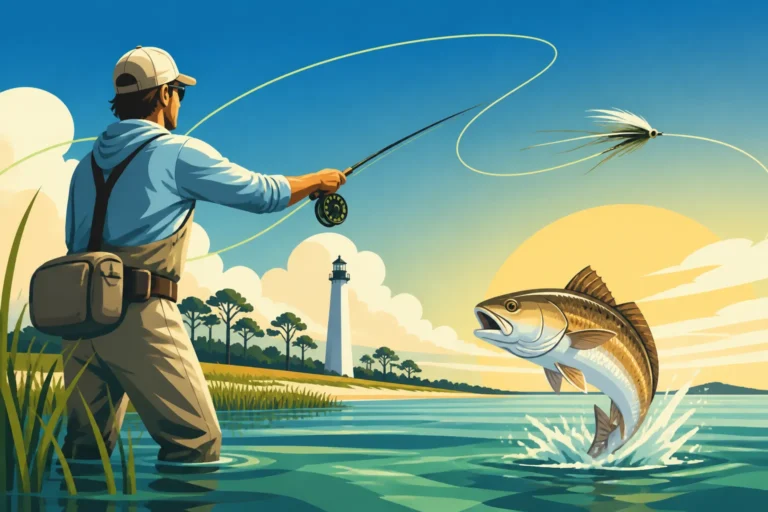
When we talk about "inshore" fishing here in Mississippi, we're really thinking about those calm, sheltered waters that hug our coastline. This isn't about rough seas and far-off horizons; it's about the vibrant ecosystems thriving closer to land. It’s a completely different vibe, offering a unique angling experience that many local fishermen, myself included, absolutely adore.
Defining "Inshore" in the Mississippi Context
For us, "inshore" typically refers to the waters found within the Mississippi Sound, along our barrier islands, and deep into the numerous bays, bayous, and tidal creeks that crisscross our coastal landscape. We're talking about places like Biloxi Bay Fishing Guide, Bay St. Louis Fishing Guide, and Pascagoula Bay Fishing Guide. These are generally shallower waters, often ranging from just a few feet deep to maybe 15 or 20 feet, though depths can vary in channels and deeper pockets. You’re almost always within sight of land, whether it’s a bustling city shoreline, a stretch of undeveloped marsh, or the sandy dunes of our barrier islands.
The beauty of inshore fishing is its accessibility and the sheer variety of habitats. You might be drifting over a grassy flat, casting near an oyster bed, or working a jig along a bridge piling. These areas are rich with nutrients, providing ample food and shelter for a diverse array of fish species. The relatively calm conditions are a huge draw for many, making it a comfortable experience even for those who might be prone to seasickness on choppier waters. It’s a fantastic way to experience the unique charm of the Mississippi Gulf Coast, with its blend of natural beauty and charming coastal towns.
Common Fish Species and Techniques
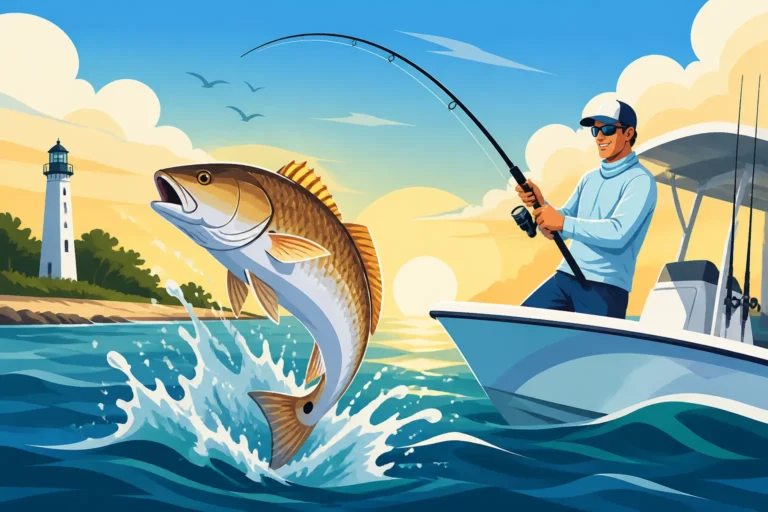
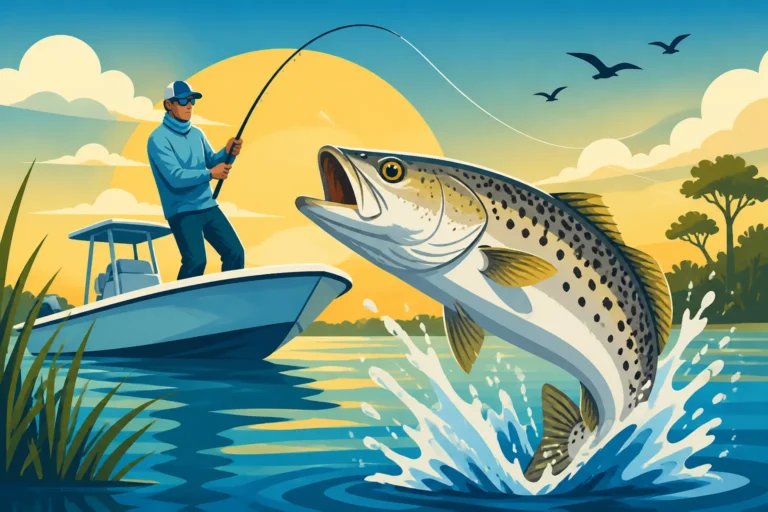
Inshore fishing is a playground for light tackle enthusiasts. The target species are often aggressive biters, making for exciting fights on lighter gear. You'll primarily be chasing species like Speckled Trout, Redfish, Flounder, Sheepshead, and sometimes even Black Drum or White Trout.
For Speckled Trout, we often use popping corks with live shrimp or artificial shrimp imitations. The sound of that cork hitting the water and the subsequent strike can be absolutely exhilarating. Redfish, known for their powerful runs, are often found cruising the flats or hiding around marsh grass. They'll readily hit a variety of baits, from live or cut mullet to soft plastics and spoons. Flounder, the masters of camouflage, are usually caught on the bottom with live minnows or Gulp! shrimp, often near sandy drop-offs or structure. Sheepshead, with their distinctive human-like teeth, are structure-oriented fish, often found around pilings, jetties, and oyster reefs, and they love fiddler crabs or small pieces of shrimp.
Techniques are diverse, including casting, drifting, or slow trolling. Many anglers enjoy sight fishing for Redfish on clear days, where you literally spot the fish before making your cast – a truly rewarding experience. A good inshore captain will know the local honey holes and how the fish are behaving on any given day, guiding you to the best action. If you're looking to learn more about targeting specific species, check out our guides on Speckled Trout Fishing on the Mississippi Coast and Redfish Fishing on the Mississippi Coast.
The Inshore Experience: What to Expect
An inshore charter typically means a shorter trip, usually anywhere from a half-day (4 hours) to a full day (6-8 hours). The boats are generally smaller, often center console vessels or bay boats, designed for navigating shallower waters. You’ll find the journey to the fishing grounds is quick, allowing for more actual fishing time.
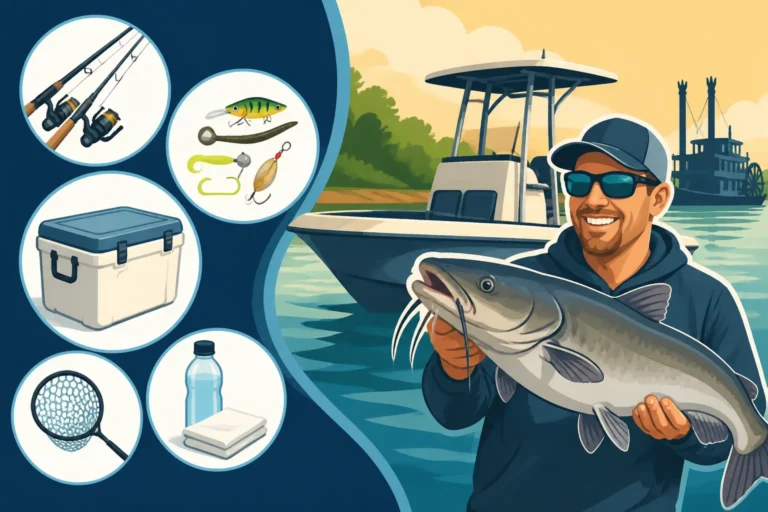
This type of charter is incredibly Family-Friendly Fishing Charters on the Mississippi Coast and fantastic for beginners or those with young children. The calmer waters reduce the chance of motion sickness, and the continuous action with numerous bites can keep everyone engaged. It’s also often a more budget-friendly option compared to going offshore, mainly due to less fuel consumption and smaller boat operation costs. You'll typically be provided with all the necessary tackle, bait, and safety equipment, but it’s always a good idea to confirm with your captain or check the details when booking through platforms like FishingBooker. You'll want to review What to Bring on a Mississippi Fishing Charter to ensure you're prepared.
Understanding Offshore Fishing Charters in Mississippi
Now, if you’re looking for a completely different kind of adventure – one that involves big water, bigger boats, and the chance to wrestle with some truly impressive game fish – then an offshore charter is probably calling your name. This is where you leave the coastline far behind and head out into the vast expanse of the Gulf of Mexico.
Defining "Offshore" in the Mississippi Context
Offshore fishing, in our neck of the woods, means venturing far out into the deep blue waters of the Gulf of Mexico, often beyond our barrier islands and into federal waters. This isn't just a quick jaunt; it can involve traveling many miles, sometimes 20, 30, or even 100 miles or more, away from shore. You're typically heading to depths that can range from a few hundred feet to thousands of feet, targeting specific structures like oil rigs, natural gas platforms, artificial reefs, or significant underwater ledges and bottom contours.
The journey itself is part of the experience. You'll watch the shoreline disappear and feel the vastness of the open ocean. These deep-sea environments support a different class of fish, those migratory pelagic species and large bottom dwellers that thrive in cooler, deeper waters. It's a commitment, requiring more robust vessels and specialized equipment, but the rewards can be truly unforgettable. This is the realm of true Deep Sea Fishing Charters in Mississippi.
Common Fish Species and Techniques
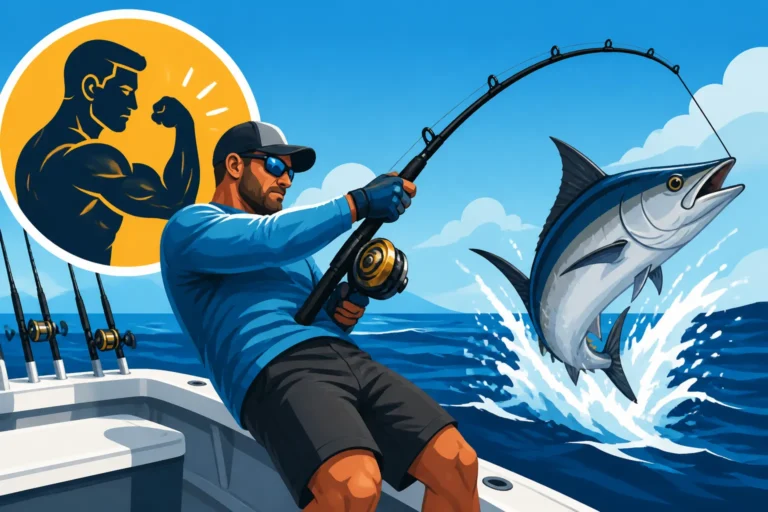
Offshore fishing requires heavy-duty tackle and specialized techniques to handle the larger, more powerful fish you'll encounter. You’ll often be targeting highly prized species like Red Snapper, Cobia, King Mackerel, Mahi-Mahi (Dolphin), Tuna, Amberjack, Grouper, and sometimes even various species of sharks.
For Red Snapper, a highly sought-after delicacy, bottom fishing with heavy weights and bait like squid, sardines, or bonita chunks is the norm. You'll drop your line down to the structures where they congregate. Red Snapper Fishing on the Mississippi Coast is a huge draw, but remember their season is often quite short and regulated. Cobia are powerful fighters often caught near buoys, wrecks, or patrolling structures, and they love live eels or jigs. You can read more about them in our guide to Cobia Fishing on the Mississippi Coast. King Mackerel are speedsters often caught trolling with live bait or large spoons near surface structures or bait schools. If you venture far enough, you might even get into schools of Mahi-Mahi, known for their acrobatic jumps and beautiful colors, often found around floating debris or weed lines.
Techniques vary from high-speed trolling for pelagic species to deep drop fishing for grouper or snapper. Chumming (throwing bait to attract fish) can also be a successful tactic to bring fish closer to the boat. It's a more physically demanding style of fishing, requiring strength and endurance, especially when reeling in a trophy fish from hundreds of feet down.
The Offshore Experience: What to Expect
Offshore charters are generally longer trips, typically full-day excursions (8-10 hours) or even multi-day overnight trips for the serious angler. The boats are significantly larger and more robust, designed to handle the open ocean. You’ll often see large center consoles, sportfishing yachts, or even dedicated offshore fishing vessels, equipped with powerful engines, advanced navigation systems, and sometimes even amenities like air-conditioned cabins and restrooms.
Due to the distances traveled and the nature of the waters, offshore trips are more susceptible to weather conditions. Rough seas can lead to cancellations or a less comfortable ride. While thrilling, it's not always ideal for very young children or those prone to severe seasickness. The cost is generally higher than inshore charters, reflecting the larger vessel, increased fuel consumption, more specialized gear, and the captain's extensive experience navigating deep waters. However, the chance of landing a truly trophy-sized fish, or filling the cooler with delicious table fare like Red Snapper, often justifies the investment for many anglers. Remember, most reputable charters will provide all necessary gear and safety equipment, but it's always wise to confirm what's included and bring personal items like sunscreen and polarized sunglasses. Check out What to Bring on a Mississippi Fishing Charter for a comprehensive list.
Key Differences and Choosing Your Adventure
Deciding between an inshore and offshore charter truly comes down to what kind of experience you're seeking. Both offer incredible fishing opportunities, but they cater to very different preferences and expectations.
Comparing Key Aspects: Location, Species, and Gear
To help make the choice clearer, let's lay out the main distinctions side-by-side.
| Feature | Inshore Fishing Charter | Offshore Fishing Charter |
|---|---|---|
| Location | Bays, estuaries, sounds, barrier island waters, tidal creeks (within sight of land) | Open Gulf of Mexico, far from shore, federal waters (out of sight of land) |
| Water Depth | Typically shallow (a few feet to 20 feet) | Deep (hundreds to thousands of feet) |
| Water Conditions | Generally calm, protected waters | Can be rough, exposed to open ocean swells |
| Target Species | Speckled Trout, Redfish, Flounder, Sheepshead, Black Drum, White Trout | Red Snapper, Cobia, King Mackerel, Mahi-Mahi, Tuna, Amberjack, Grouper, Shark |
| Boat Size | Smaller bay boats, center consoles | Larger center consoles, sportfishing yachts, cabin boats |
| Trip Duration | Half-day (4 hrs) to full-day (6-8 hrs) | Full-day (8-10 hrs) to multi-day (12+ hrs) |
| Tackle Used | Light to medium spinning or baitcasting | Heavy-duty conventional, trolling gear |
| Experience Level | Great for beginners, families, casual anglers | More physically demanding, better for experienced anglers or those seeking a challenge |
| Cost | Generally less expensive | Generally more expensive |
| Seasickness Risk | Low | Higher |
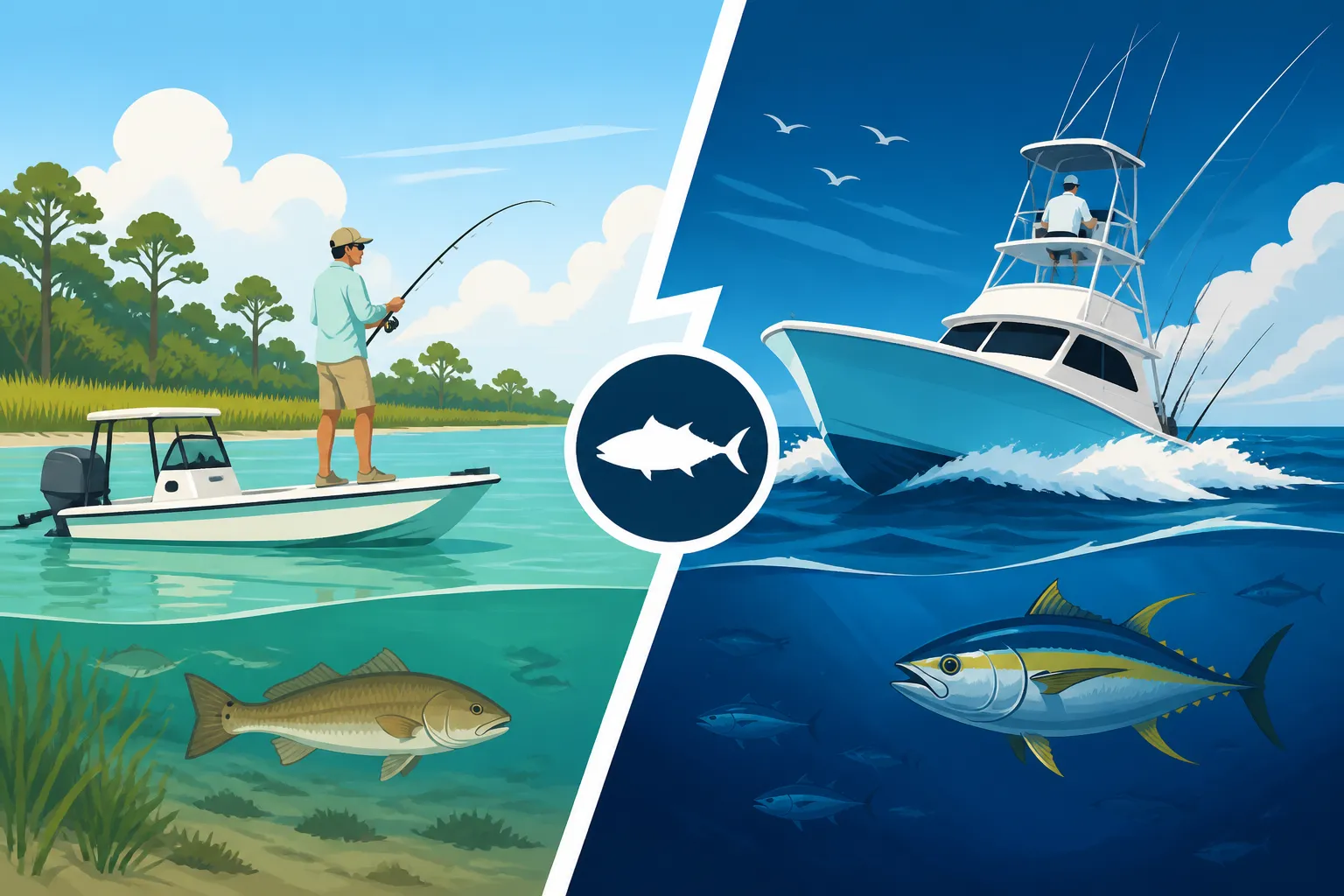
As you can see, the core difference boils down to proximity to shore and the size and type of fish you're hoping to encounter. Inshore is about quantity and constant action in calmer settings, while offshore is about the thrill of the big game hunt in the vast ocean.
Deciding Which Charter is Right for You
When you're ready to book, ask yourself a few questions:
- Who is in your group? If you have young kids, elderly family members, or anyone prone to motion sickness, an inshore trip is almost always the better choice. It's more comfortable and offers consistent action, which is great for keeping everyone entertained. For a fun, stress-free outing, check out options for Family-Friendly Fishing Charters on the Mississippi Coast.
- What's your experience level? Beginners will find inshore fishing more approachable. The techniques are often simpler, and the fight with a Speckled Trout or Redfish is exciting but manageable. Offshore fishing can be physically demanding, with long boat rides and intense battles with powerful fish, making it better suited for more seasoned anglers or those truly up for a challenge.
- What's your budget? Generally, inshore charters tend to be more affordable per person, making them a great option if you're looking to save a bit of money while still getting a fantastic fishing experience. Offshore trips are typically a larger investment due to higher operating costs.
- What fish do you dream of catching? If landing a trophy Red Snapper, a powerful Cobia, or a fast King Mackerel is on your bucket list, then offshore is where you need to be. If you prefer the constant bite of Speckled Trout and Redfish, along with the chance for a tasty Flounder, then inshore is your game.
- How much time do you have? Inshore trips fit nicely into a half-day, leaving plenty of time for other coastal activities. Offshore trips are an all-day commitment.
Platforms like FishingBooker make it incredibly easy to filter and compare different charter options, allowing you to read reviews and see what types of trips each captain specializes in. This helps ensure you find the perfect match for your group's preferences.
Planning Your Trip: Practical Considerations
No matter which type of charter you choose, there are a few general tips to keep in mind. First, consider the season. While you can fish year-round in Mississippi, certain species are more active or available during specific times. For example, Red Snapper season is very particular, typically in summer, while Speckled Trout and Redfish are more consistent inshore throughout spring, summer, and fall.
Always communicate clearly with your captain when booking. Let them know your group's experience level, what fish you're hoping to catch, and any concerns you might have (like seasickness). They are experts in their field and can offer invaluable advice.
Lastly, make sure you understand the licensing requirements. While many charters will cover the fishing license for everyone on board, it's always best to confirm beforehand. For comprehensive information, take a look at our Mississippi Fishing License Guide and specifically, Does a Mississippi Fishing Charter Include the License?. Regardless of whether the charter covers it, understanding the basics of Mississippi Fishing Regulations Explained will always be beneficial for any angler.
Maximizing Your Charter Experience
Once you've made your choice between inshore and offshore, and you're booked, there are a few more things you can do to ensure you have an absolutely fantastic time on the water. A great fishing trip is a blend of preparation, good communication, and a healthy respect for the marine environment.
Communicating with Your Captain
Your charter captain is your guide, your expert, and your host for the day. Before you even step on the boat, a quick chat about your expectations can go a long way. Are you hoping to catch a lot of fish to take home for dinner? Or are you more interested in the thrill of a big fight, even if it's catch and release? Do you have a specific species in mind, like trying for a Trophy Bass in Mississippi Waters on a freshwater trip, or perhaps a monster Redfish in the salt?
Be honest about your fishing experience. If you’re a complete novice, they’ll appreciate knowing so they can offer more instruction. If you're an experienced angler looking for specific techniques, they can often accommodate. Don't hesitate to ask questions about the boat, the safety equipment, or what the plan is for the day. A good captain values curious clients and wants you to have the best possible trip. This open dialogue helps set realistic expectations and builds a rapport that makes the whole experience more enjoyable. After all, they're not just taking you fishing; they're sharing their passion and expertise for Mississippi Gulf Coast Fishing Guide.
Respecting Regulations and Conservation
As anglers, we all have a responsibility to protect the resources that provide us with so much enjoyment. Mississippi has specific regulations in place to ensure sustainable fishing practices, and your charter captain will be well-versed in these rules. These include bag limits (how many fish you can keep), size limits (the minimum or maximum length a fish must be), and sometimes even specific seasons, especially for highly regulated species like Red Snapper. You can find detailed information in articles like Mississippi Fishing Creel and Size Limits or specific species guides such as Redfish Slot Limit on the Mississippi Gulf Coast, Speckled Trout Size Limit in Mississippi, and Red Snapper Season Limit in Mississippi.
Listen to your captain regarding these rules. They're not just guidelines; they're essential for the health of our fisheries. If you're practicing catch and release, ask your captain about the best techniques for handling fish to minimize stress and maximize their survival rate. Proper venting tools for deep-caught fish, quick release methods, and gentle handling are all part of responsible angling. Many captains are passionate conservationists and will be happy to share their knowledge on how to be a good steward of our waters. By following regulations and practicing ethical angling, you help ensure that future generations can enjoy the same fantastic fishing experiences we do today.
Disclaimer
This article is for general informational purposes only and does not constitute professional advice. Laws, prices and regulations vary by location and change over time. Consult a qualified professional for guidance on your specific situation.