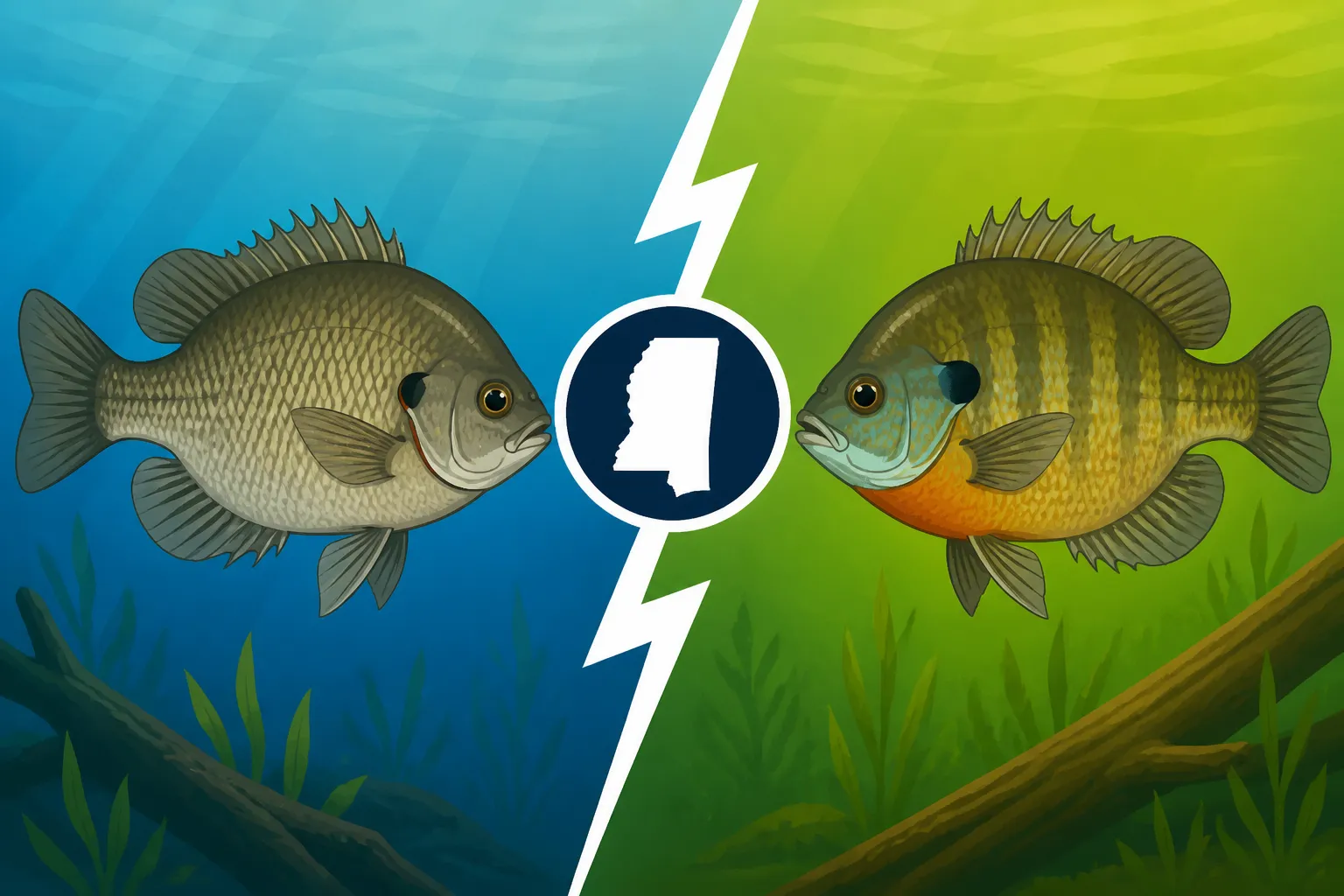
Difference Between Bream and Bluegill
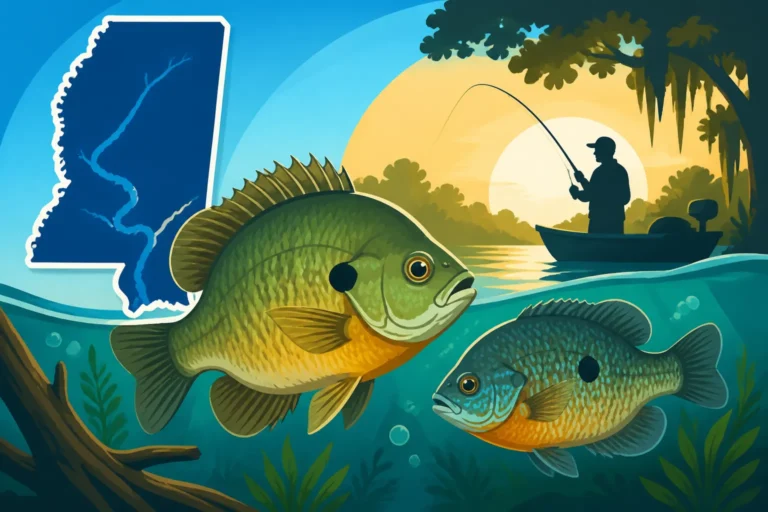
It’s a tale as old as time on any fishing bank in Mississippi: someone proudly declares they just caught a stringer full of "bream," while another angler points to a fish and says, "Look at that big bluegill!" The truth is, the line between "bream" and "bluegill" can get pretty blurry, and it often leads to a lot of good-natured confusion among even seasoned fishermen. If you've ever scratched your head wondering if you're talking about the same fish, you're not alone. This guide will dive deep into the world of Mississippi panfish to clear up the distinction, helping you understand exactly what you've got on the end of your line.
Understanding the "Bream" Umbrella Term in Mississippi Fishing
Let's start by tackling the most important point: "bream" isn't a single species of fish. In Mississippi, and throughout much of the southern United States, "bream" is actually a wonderfully broad, colloquial term that anglers use to refer to a whole host of sunfish species. Think of it like calling all sodas "Coke" – it’s a regionalism that’s deeply ingrained in our fishing culture.
What is "Bream" Really?
Scientifically speaking, most of the fish we call "bream" in Mississippi belong to the family Centrarchidae, which is the North American freshwater sunfish family. This family includes not only bluegill but also crappie, bass (largemouth, smallmouth, spotted), and various other sunfish species. However, when a Mississippi angler says "bream," they're almost always referring to the smaller, pan-sized sunfish, typically excluding the larger bass and crappie.
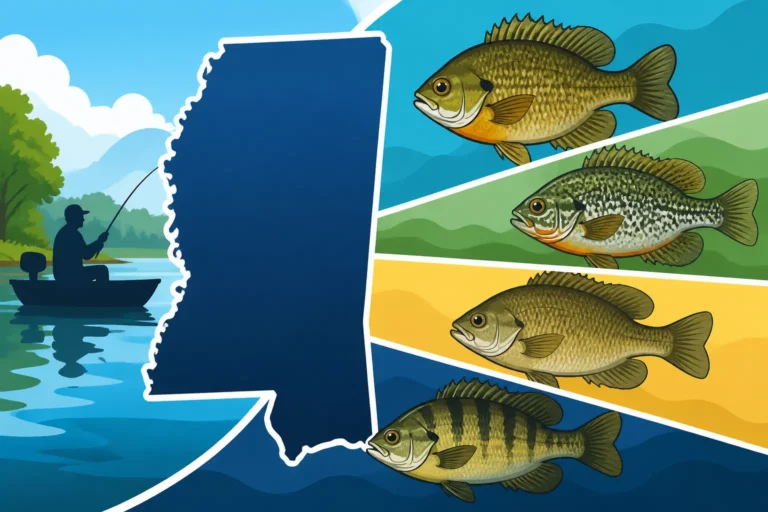
So, when someone tells you they're going bream fishing, they might be targeting bluegill, redear sunfish (often called shellcrackers), warmouth, green sunfish, or even longear sunfish. They're all small, tasty, and generally caught using similar light tackle and baits. It's a handy catch-all term that speaks to the shared fishing experience more than the precise scientific classification. For many, the joy is in catching a mess of any of these feisty little fighters.
The Local Mississippi Context of "Bream"
In Mississippi, the term "bream" carries a lot of cultural weight. It conjures images of lazy summer afternoons, cane poles, and bobbers dancing on the water. It’s a foundational fishing experience, often the first type of fishing many of us learn as kids. When you're out on Ross Barnett Reservoir or one of the smaller state lakes, and you ask what people are catching, "bream" will be a common answer.
This broad usage means that if you're talking to a local about "bream," they're likely including bluegill in that conversation, but they might also be thinking about other panfish that populate our waters. It's truly a regional dialect, and it's perfectly acceptable within the local fishing community. The important thing is to understand that while all bluegill are a type of bream (in the colloquial sense), not all bream are bluegill. This distinction becomes clearer when you start looking at the specific characteristics of each species. Knowing the difference can really help you fine-tune your techniques and gear, especially if you're targeting a specific kind of sunfish.
Bluegill: The Quintessential Mississippi Panfish
Now, let's zoom in on the star of the show for many anglers: the bluegill. This specific species is perhaps the most widely recognized and beloved of all the fish typically lumped under the "bream" umbrella. It’s arguably the most common and accessible game fish in Mississippi's freshwater systems, from large reservoirs to small farm ponds.
Physical Characteristics of the Bluegill
Bluegill (scientific name: Lepomis macrochirus) are quite distinctive once you know what to look for. They generally have a deep, laterally compressed body, giving them that classic panfish shape – almost disc-like.
Here are some key identifiers:
- Coloration: Their bodies typically range from olive-green to dark blue on the back, fading to lighter green or silvery-white on the belly. The sides often have irregular dark vertical bars or spots, which can vary greatly depending on water clarity, diet, and even their mood. Males tend to be more vibrant during spawning season.
- Gill Flap (Operculum) Spot: This is often the most definitive characteristic. Bluegill have a prominent, dark blue to black spot on the posterior edge of their gill flap. This spot usually lacks any kind of colored margin around it, differentiating it from some other sunfish.
- Mouth: They have a relatively small mouth, which is a good indicator when choosing appropriate baits and hooks. Their mouth doesn't extend past the front margin of the eye.
- Pectoral Fin: Look at their pectoral fin (the one just behind the gill cover). A true bluegill will have a long, pointed pectoral fin. If you fold it forward, it will typically extend past the front of their eye.
- Dorsal Fin: The dorsal fin is typically connected, with a spiny front section and a soft-rayed back section.
When you're comparing a bluegill to another sunfish, these features really stand out. You can even find identification charts and guides on Amazon that will help you visually distinguish them. It’s pretty neat to see the subtle variations once you start paying attention!
Bluegill Habitat and Behavior
Bluegill are incredibly adaptable, which is why they are so widespread across Mississippi. They thrive in a variety of freshwater environments, including lakes, ponds, slow-moving rivers, and even backwater areas of larger rivers like the Mississippi. You'll find them in places like Sardis Lake Fishing Guide or Ross Barnett Reservoir Fishing Guide.
They prefer areas with plenty of cover, which provides both shelter from predators and ambush points for their prey. This means you'll often find them near:
- Submerged vegetation: Weed beds, lily pads, and other aquatic plants are prime bluegill real estate.
- Brush piles and fallen trees: These provide excellent cover.
- Docks and piers: Man-made structures offer shade and protection.
- Drop-offs and ledges: Especially in deeper lakes, they’ll relate to structural changes.
Bluegill are schooling fish, particularly the younger ones. You often find them in groups, which is fantastic news for anglers because if you catch one, there are usually more nearby! They are active during the day, feeding primarily on small insects (aquatic and terrestrial), larvae, small crustaceans, and even tiny fish eggs. Their diet is quite varied, which makes them eager biters on a wide range of baits. You can learn more about their diet in Crappie Diet and Feeding Habits or Largemouth Bass Diet and Feeding Habits which often overlap with bluegill's food sources.
Fishing for Bluegill in Mississippi
Fishing for bluegill is a fantastic pastime, perfect for beginners and seasoned anglers alike. It requires simple gear and offers consistent action, making it ideal for family outings. Whether you're at a local pond or a major reservoir, the techniques are pretty straightforward.
For tackle, a light action spinning rod or even a simple cane pole works wonders. Ultralight rods with 4-6 pound test line are perfect for feeling those subtle nibbles. For bait, you can’t go wrong with the classics:
- Live bait: Worms (red wigglers are fantastic!), crickets, and small grubs are irresistible to bluegill. You can often find these at local bait shops or sometimes even on Amazon if you're looking for baiting accessories.
- Artificial lures: Small jigs (1/32 to 1/16 ounce) in colors like chartreuse, white, or black work well, especially when tipped with a piece of a worm or a small soft plastic grub. Tiny spinners can also be effective.
To locate them, look for those areas of cover mentioned earlier. Cast your bait near lily pads, under overhanging branches, or next to boat docks. A small bobber can help you suspend your bait at the right depth, usually just a few feet below the surface, though they will go deeper in hot weather or clear water. The key is to keep your presentation small and subtle. Bluegill have small mouths, so tiny hooks (size 8-12) are essential for good hooksets. You'll find many tips on Best Bait for Crappie in Mississippi that also apply to bluegill, given their similar feeding habits.
Key Differences and Similarities: Bream vs. Bluegill
So, with all this talk, how do you really tell if you have a bluegill or another type of "bream" on your line? It boils down to a few visual cues and understanding their preferred hangouts.
Visual Distinctions: A Closer Look
Let's break down the most reliable ways to differentiate bluegill from their sunfish cousins that often share the "bream" moniker:
- The Gill Flap: This is your number one identifier. A bluegill has a solid black or dark blue spot on its gill flap, with no distinct colored margin around it. Compare this to a redear sunfish, which will have a reddish-orange rim around its gill flap. A warmouth will have distinct dark lines radiating from its eye across its gill plate, and often a mottled brown appearance. Green sunfish typically have a black spot, but it's often bordered by a lighter, sometimes orange, edge.
- Pectoral Fin Length: Remember the bluegill's long, pointed pectoral fin that extends past the eye when folded forward? Other sunfish, like the redear, tend to have shorter, more rounded pectoral fins that typically don't reach the eye.
- Mouth Size: Bluegill have a relatively small mouth. The mouth of a warmouth or green sunfish, for example, is notably larger and extends further back on their head, sometimes past the middle of their eye. This larger mouth indicates they're more predatory, eating larger insects or even small fish.
- Body Shape and Coloration: While variable, bluegill tend to have a deeper, more rounded body. Other bream might be more elongated or have a different overall hue. For instance, redear sunfish are often brassier or more silvery, while green sunfish can have a strong greenish-blue iridescence.
It truly becomes an exercise in observation, much like identifying different bird species. The more you catch, the easier it becomes to spot the subtle differences. Keep a fishing identification guide handy, maybe one you picked up from a local tackle shop or ordered from Amazon, to help you in the field.
Habitat and Feeding Preferences
While all "bream" tend to be associated with cover, there are some subtle differences in their preferred hangouts and diets that can help you target specific species.
- Bluegill: As discussed, they love vegetation, brush, and structures. They are primarily insectivores, hence their preference for worms, crickets, and small jigs. You'll find them suspended in the water column or near the surface.
- Redear Sunfish (Shellcrackers): These guys are named "shellcrackers" for a reason! They have specialized pharyngeal teeth in their throats designed to crush snails and mussels. Because of this, you'll often find them closer to the bottom, especially in areas with sandy or shell-laden bottoms where their preferred mollusk snacks reside. They are less likely to be suspended high in the water column compared to bluegill. Worms are still a top bait for them, but fishing on the bottom is often more effective.
- Warmouth: With their larger mouths, warmouth are more predatory. They often lurk in very heavy cover, like dense submerged brush or thick weeds, waiting to ambush small fish, crayfish, or large insects. They are less likely to be found in open water. Live minnows or larger worms can be very effective for warmouth.
- Green Sunfish: Also quite predatory, green sunfish are incredibly hardy and can tolerate poorer water conditions. They are often found in smaller creeks, muddy ponds, and even ditches. Their diet includes insects, small fish, and crayfish.
Understanding these slight preferences means you can adjust your fishing strategy. If you're consistently catching bluegill near lily pads, but want to try for some shellcrackers, moving to a nearby sandy bottom and fishing on the ground might yield better results.
The Angler's Perspective: Why it Matters (or Doesn't)
For many casual anglers, the precise distinction between a bluegill and another type of bream might not matter much. If it's panfish, it's "bream," and it's going on the stringer for a fish fry! And honestly, that's perfectly fine. The enjoyment of catching fish, spending time outdoors, and sharing the experience is what it's all about. You might hear locals discussing Is a Spotted Bass Good to Eat? or Is Bowfin Good to Eat?, but when it comes to bream, the general consensus is always a resounding yes!
However, for those who love to dive deeper into the nuances of fishing, knowing the specific species can enhance your experience:
- Targeted Fishing: If you have a hankering for the bigger, harder-fighting redear sunfish, knowing their specific characteristics and preferred habitats will help you target them more effectively.
- Conservation and Regulation: While many sunfish have similar creel and size limits, there can be subtle differences for certain species or in specific bodies of water. Understanding what you're catching helps you adhere to Mississippi Fishing Creel and Size Limits or Mississippi Freshwater Fishing Rules more accurately.
- Educational Value: It’s simply fascinating to learn about the biodiversity in Mississippi's waters. Being able to identify different species adds another layer of appreciation for our natural environment.
- Bait and Tackle Selection: As noted, a larger-mouthed warmouth might strike a slightly larger jig or live bait than a small-mouthed bluegill. Knowing your target can help you make better choices at the tackle shop.
Ultimately, whether you call them all "bream" or differentiate every single sunfish, the joy of catching these abundant and delicious fish remains the same.
Other Common "Bream" Species in Mississippi
Beyond the bluegill, Mississippi's waters are home to several other sunfish species that commonly fall under the general "bream" classification. Recognizing these can further enhance your fishing knowledge and give you ideas for diversifying your catch.
Redear Sunfish (Shellcracker)
The redear sunfish (Lepomis microlophus), affectionately known as "shellcrackers" or sometimes "stumpknockers," are another extremely popular "bream" in Mississippi. They are highly sought after because they tend to grow larger than bluegill and offer a strong fight.
Key identifying features of redear sunfish include:
- Gill Flap Color: Their most distinguishing mark is a prominent red or orange spot or margin on the opercular flap (gill cover). This "red ear" is usually quite vibrant, especially on males.
- Body Coloration: They typically have a brassy or olive-green back, fading to silvery-white on the belly, often with faint dark spots or mottled patterns on their sides.
- Mouth: Like bluegill, they have a relatively small mouth.
- Pectoral Fin: Their pectoral fins are shorter and more rounded than a bluegill's.
As mentioned, their diet consists largely of snails and other mollusks, which they crush with specialized teeth. This means fishing for them often involves placing bait closer to the bottom, using small weights. They are commonly found in lakes and ponds with clear water and sandy or shell-covered bottoms, like those in Best Fishing Spots in Mississippi. Worms, especially nightcrawlers, are excellent bait for shellcrackers.
Warmouth and Green Sunfish
These two species are also frequent residents of the "bream" bucket, though they have more predatory tendencies than bluegill or redear.
- Warmouth (Lepomis gulosus): The warmouth is a stocky sunfish with a mottled brown and olive coloration. Its most notable features are its relatively large mouth (extending past the middle of the eye) and the three or four prominent dark lines radiating backward from its eye across its cheek and gill cover. They have short, rounded pectoral fins. Warmouth prefer slow, murky waters with plenty of heavy cover like logs, dense weeds, and stumps. They're more aggressive eaters, readily hitting small minnows, crayfish, and larger worms. You might find them in the backwaters of the Pearl River or other sluggish systems.
- Green Sunfish (Lepomis cyanellus): Green sunfish are incredibly hardy and adaptable, often found in smaller, sometimes less pristine, bodies of water like ditches, small creeks, and farm ponds. They have an elongated body, typically green to olive-brown on the back with iridescent green or blue spots, fading to a yellowish belly. They have a black spot on their gill flap, but it often has a pale, colorful margin (sometimes orange or red). Their mouth is larger than a bluegill's, extending to or past the center of the eye. They also have a dark blotch at the base of their dorsal fin. Green sunfish are aggressive and will eat insects, small fish, and crustaceans.
These two species, while smaller than bass, will strike with surprising force and fight hard for their size. If you're looking to target a variety of panfish, knowing these distinctions can really help you choose the right fishing spot and bait.
Longear Sunfish and Other Panfish
Beyond the main players, Mississippi’s waters host other lesser-known, but equally beautiful, sunfish that could occasionally make their way into your "bream" cooler:
- Longear Sunfish (Lepomis megalotis): These are truly striking fish, especially the males during spawning. They have an exceptionally long, flexible opercular flap (the "long ear"), which is typically black with a white or red margin. Their bodies are usually covered in brilliant blue-green and orange spots and wavy lines. They prefer clear streams and ponds with aquatic vegetation. While not as common in anglers' stringers as bluegill, they are a joy to catch due to their vibrant colors.
- Spotted Sunfish (Lepomis punctatus): Also known as "stumpknocker" in some areas, the spotted sunfish has a body covered in dark spots. Its gill flap is dark with a white margin. They are often found in similar habitats to warmouth.
- Other Hybrids: It's also worth noting that sunfish species can sometimes hybridize, creating fish with mixed characteristics, which can further complicate identification for the casual angler!
The richness of Mississippi's freshwater fish populations means there's always something new to learn and appreciate. Exploring these different "bream" species adds another layer of excitement to every fishing trip.
Here's a quick comparison table to help summarize the key visual differences between some of Mississippi's common sunfish often called "bream":
| Feature | Bluegill (Lepomis macrochirus) | Redear Sunfish (Lepomis microlophus) | Warmouth (Lepomis gulosus) | Green Sunfish (Lepomis cyanellus) |
|---|---|---|---|---|
| Gill Flap Spot | Solid black/dark blue, no colored margin | Dark spot with distinct red/orange margin | Dark, but often obscured by radiating eye lines | Dark spot, often with pale/colorful (orange) margin |
| Pectoral Fin | Long, pointed; extends past eye when folded forward | Shorter, more rounded; typically doesn't reach eye | Short, rounded | Short, rounded |
| Mouth Size | Small; doesn't extend past front of eye | Small; doesn't extend past front of eye | Large; extends past middle of eye | Moderately large; extends to or past middle of eye |
| Body Color/Pattern | Olive-green to blue, often with vertical bars | Brassy/olive-green, often mottled | Mottled brown/olive, dark lines from eye | Greenish-blue iridescent, scattered blue/green spots |
| Primary Habitat | Vegetation, brush, docks, open water | Sandy/shell bottoms, near vegetation | Heavy cover, sluggish murky water | Small creeks, muddy ponds, hardy environments |
Armed with this knowledge, you’ll not only be able to confidently tell the difference between a bluegill and other "bream" but also have a deeper appreciation for the diverse world of sunfish swimming in Mississippi’s lakes and rivers. So next time you hit the water, pay a little more attention to those gill flaps and mouth sizes – you might be surprised by what you discover!
Disclaimer
This article is for general informational purposes only and does not constitute professional advice. Laws, prices and regulations vary by location and change over time. Consult a qualified professional for guidance on your specific situation.