Crappie Spawning and Egg Production
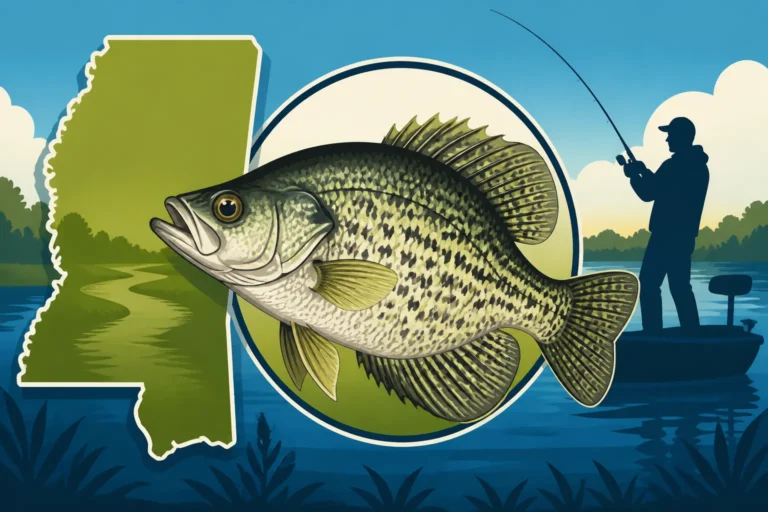
Oh, the crappie spawn! It's that magical time of year in Mississippi when anglers' hearts start beating a little faster, dreaming of those shallow-water slabs. But if you've ever found yourself scratching your head, wondering why the crappie aren't where they "should" be, or why one lake is hot while another is cold, you know there's more to it than just a calendar date. This guide is going to peel back the layers on crappie spawning and egg production, helping you understand the biological dance that dictates the best fishing of the year, and ultimately, put more fish in your boat (or cooler!).
Understanding the Crappie Spawn Cycle in Mississippi
For many Mississippi anglers, the crappie spawn isn't just a season; it's a pilgrimage. It’s when these beloved panfish move from their deeper winter haunts into the shallows, driven by an ancient biological imperative to reproduce. But it's rarely a neat, clean "start date" and "end date." It's a nuanced process influenced by a symphony of environmental cues, primarily water temperature and day length. Getting a handle on these triggers can mean the difference between a phenomenal day on the water and a frustrating skunking.
When the Crappie Spawn Begins
The crappie spawn in Mississippi typically kicks off in late winter or early spring, generally from late February through May. However, "typically" is the operative word here. Mother Nature doesn't consult a human calendar, and what's true for one lake might not be true for another, even just a few miles down the road. You could have crappie spawning on Ross Barnett Reservoir in early March while folks on Sardis Lake are still waiting for the water to warm up significantly. It's a dynamic period.
Think about it: a string of warm, sunny days in February can trick crappie into moving up shallow, getting ready for the big event. Then, a sudden cold front rolls through, dropping air temperatures and cooling the water. Just like us, the crappie get a bit of a shock, and they might pull back to slightly deeper water for a few days until conditions stabilize. This stop-and-go pattern is common throughout the early part of the spawn, especially in the northern parts of the state where colder snaps are more frequent. By the time late April and May roll around, the spawn is often winding down in the warmer southern lakes but can still be going strong in deeper, cooler impoundments or those farther north. Keeping an eye on local conditions is far more effective than just marking a date on your wall calendar.
Ideal Water Temperatures for Spawning
When it comes to the crappie spawn, water temperature is king. It’s the primary trigger that tells crappie it’s time to move, build nests, and lay eggs. While you'll hear various numbers, the sweet spot for crappie spawning generally falls between 58 and 68 degrees Fahrenheit. However, they'll often start to stage and explore shallower areas when the water temperature consistently hits the low to mid-50s. This early staging period is when you might find some aggressive males already moving up, looking for suitable nesting sites.
As the water creeps into the ideal 60-65 degree range, that's when the full-on spawning frenzy typically occurs. Females will move in, lay their eggs, and then retreat. The males, however, will stick around, diligently guarding the nests. If the temperature drops significantly, say from 65 down to 55 degrees due to a cold snap, that activity can grind to a halt. Crappie will become lethargic and often move off the beds, making them much harder to catch. Conversely, if the water gets too warm, consistently above 70 degrees, the spawn will rapidly taper off. This is why paying attention to your boat's temperature gauge or a handheld thermometer is so crucial during this season. It's truly a game of degrees, and understanding Best Water Temperature for Crappie Fishing is a real advantage.
Preferred Spawning Habitats and Depths
Crappie aren't just looking for warm water; they're looking for the right kind of warm water. When the spawn is on, you'll find them concentrating in shallow areas, typically anywhere from one to eight feet deep, depending on water clarity and available cover. They seek out protected, hard-bottomed areas where they can fan out a nest and where their eggs will have the best chance of survival.
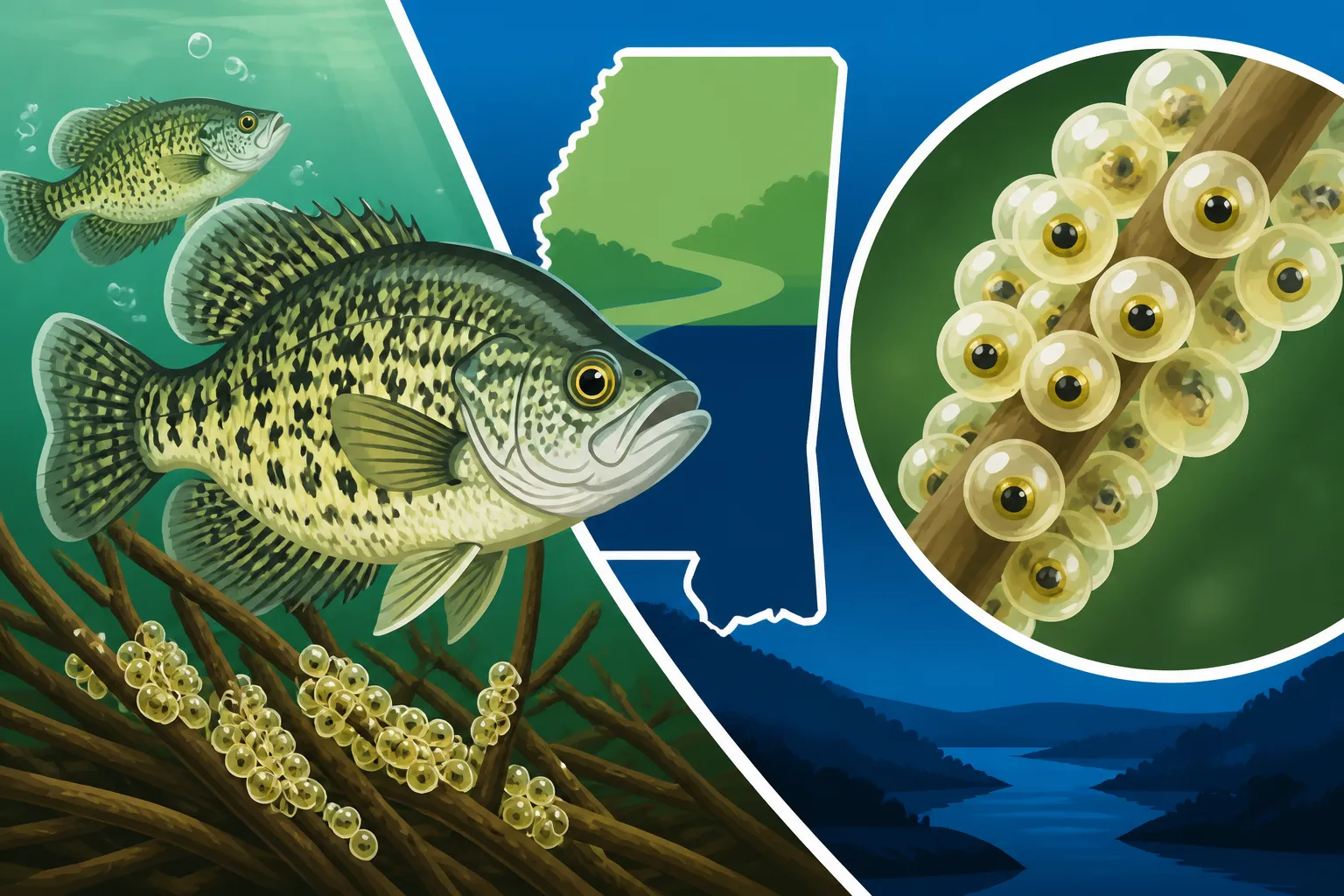
Think about shallow coves, protected pockets off the main lake, and flats with plenty of submerged brush, stumps, logs, or even lily pad fields. Areas with reeds, cattails, or button bushes are also prime real estate. The males will sweep away debris with their tails to create small, circular depressions on the bottom, often near some form of cover like a submerged stick or a dock piling. This cover provides them with a sense of security and a vantage point from which to defend their nest. In clearer lakes, they might spawn a bit deeper to avoid predation, while in stained or muddy water, they’ll often be right up in the absolute skinny water, sometimes less than a foot deep. Knowing Where Crappie Spawn in Mississippi Lakes can give you a significant leg up on the competition.
The Intricacies of Crappie Egg Production
It’s easy to focus on the act of fishing itself, but understanding what’s happening beneath the surface during the spawn—the actual egg production and protection—gives you a profound appreciation for these fish and helps you become a more strategic angler. Crappie are prolific breeders, and their reproductive strategy relies on sheer numbers and diligent parental care from the males.
Number of Eggs a Female Crappie Lays
Female crappie are egg-laying machines, and their reproductive capacity is truly astounding. The number of eggs a female can produce is directly related to her size and overall health. A healthy, mature female crappie can lay anywhere from 5,000 to over 200,000 eggs in a single spawning season. Imagine that! A big slab crappie, perhaps a trophy-sized fish, could be carrying upwards of 150,000 eggs. These aren't all laid at once, either. Crappie are known to be "batch spawners," meaning a single female might deposit eggs on multiple nests with several different males over a period of days or even weeks. This strategy increases the chances of at least some of her offspring surviving.
This incredible fecundity is why responsible angling during the spawn is so important. While there are often generous Mississippi Crappie Regulations by Lake and Mississippi Statewide Creel Limits, choosing to release some of the larger females, especially early in the spawn, ensures they can contribute more to the next generation. A female that weighs a pound or more is a vital part of the reproductive success of a crappie population.
The Role of Male Crappie in Nest Protection
While the females are responsible for egg production, the males play a critical and often overlooked role in ensuring the survival of those eggs. Once a female deposits her sticky eggs in the fanned-out nest, the male's job truly begins. His primary duty is to fertilize the eggs, then diligently guard the nest from predators. He’ll fan the eggs with his fins to keep them clean, oxygenated, and free of silt, which is crucial for their development.
During this period, male crappie undergo a remarkable transformation. Their coloration deepens, often turning much darker, sometimes almost black, especially on their heads and fins. This isn't just for show; it's a visual cue, perhaps to attract females or intimidate rivals. They become incredibly aggressive, chasing away anything that dares to approach the nest, be it a curious bluegill, a hungry turtle, or even a perceived threat like your lure. This territorial aggression is exactly what makes them so vulnerable and catchable during the spawn, as they'll strike at anything that invades their space. It's a testament to their dedication to continuing the species.
Factors Affecting Spawn Success
Even with impressive egg production and dedicated males, crappie spawn success isn't guaranteed. Several environmental factors can significantly impact how many eggs hatch and how many fry survive to become juvenile fish. Water level fluctuations are a big one. A sudden drawdown of a reservoir can leave newly laid eggs high and dry, or shallow nests exposed to air and predators. Conversely, a rapid rise in water can flood nests, burying eggs in silt or washing them away.
Sudden cold fronts, as mentioned before, can cause males to abandon nests, leaving eggs vulnerable to predation and fungal growth. Predation from other fish, turtles, and even some birds can also take a toll. Heavy winds can stir up sediment, suffocating eggs. Even human activity, like excessive boating traffic in shallow spawning coves, can disrupt the males and reduce their effectiveness as nest guardians. It's a delicate balance, and understanding these vulnerabilities helps us appreciate why some years produce banner crappie populations and others seem to lag. Maintaining healthy shorelines and stable water levels, where possible, is crucial for supporting robust crappie fisheries.
How Anglers Can Apply Spawning Knowledge
Understanding the "why" behind crappie spawning isn't just for biologists; it's incredibly practical knowledge for any angler serious about consistently catching crappie. Knowing where they are, what they’re doing, and why they’re doing it allows you to approach the spawn with a strategic mindset, rather than just blindly casting.
Locating Spawning Crappie
Finding crappie during the spawn often means changing your typical deep-water tactics. Instead of searching brush piles in 15-20 feet of water, you’ll be focused on much shallower areas. Start by looking for those protected coves, creek arms, and backwater areas that warm up first. Use your eyes more than your electronics here – sometimes you can actually spot the dark-colored males on their nests in clear water, especially if you have good polarized sunglasses, which you can find a wide variety of on Amazon.
Key features to target include:
- Shallow Wood Cover: Submerged timber, stumps, laydowns, and brush piles in 1-8 feet of water.
- Vegetation: Beds of lily pads, cattails, bulrushes, and even flooded grass offer ideal protection and nesting sites.
- Hard Bottoms: Crappie prefer firm bottoms for nest building, so look for gravel, sand, or clay mixed with cover.
- Dock Pilings and Boat Houses: These structures offer shade and protection, attracting spawning crappie, especially in developed areas.
A stealthy approach is vital. Use your trolling motor sparingly and quietly, or drift silently into an area. Spooking fish in shallow water is easy to do. I often rig several rods with different baits and depths to quickly cover water and find the exact depth they're holding at. If you find one fish, chances are there are more in the immediate vicinity, so thoroughly work the area. Best Crappie Lakes in Mississippi will often have these types of prime spawning grounds.
Best Baits and Techniques During the Spawn
Once you've located a promising spawning area, your bait and technique become critical. During the spawn, crappie can be a bit peculiar. They're not always aggressively feeding; sometimes, they're simply reacting to an intruder near their nest. This means slower, more precise presentations often outperform fast, erratic retrieves.
- Live Minnows: A small, lively minnow hooked through the lip or back and suspended under a bobber or slowly retrieved remains a classic and highly effective spawn bait. Crappie simply can't resist a struggling minnow near their bed.
- Small Jigs: Tiny jigs, typically 1/32 to 1/16 ounce, tipped with soft plastic bodies (grubs, tubes, or small paddletails) are deadly. The key is to present them slowly and accurately. Vertically jigging right over a suspected nest or making short casts to cover is often the ticket. Experiment with colors; bright colors like chartreuse, pink, and orange can be great for triggering those territorial strikes, especially in stained water. If you're looking for new jig styles or colors, checking out what's available on Amazon can broaden your options.
- Spider Rigging/Trolling: While often associated with open water, slow trolling or "spider rigging" multiple rods with minnows or jigs can be effective in larger spawning flats, allowing you to cover more ground slowly and systematically. This is often detailed in Trolling for Crappie on Mississippi Reservoirs guides.
Remember, the fish might not hit hard. Sometimes it’s just a light tap or simply feeling weight on the line as they "mouth" the bait to move it away. Setting the hook quickly on these subtle bites is crucial.
Ethical Considerations and Conservation
While the crappie spawn offers some of the most exciting fishing of the year, it also brings a heightened responsibility for ethical angling and conservation. Because crappie are concentrated and often aggressive during this time, it's easy to catch a lot of fish quickly.
Consider practicing selective harvest. While you might enjoy a fish fry with friends and family, think about releasing the larger females, especially those big slabs that are heavy with eggs. These fish are the backbone of the future crappie population. The males, though smaller, are critical for guarding the nests, so respecting them also helps ensure a successful spawn. Learning about Mississippi Crappie Regulations and Mississippi Creel and Size Limits is your duty as an angler, and adhering to them is essential for maintaining healthy fisheries for generations to come.
Using proper de-hooking tools, readily available on Amazon, can minimize harm to fish you intend to release. Also, avoid unnecessary disturbance of spawning areas. Running your big outboard through shallow coves repeatedly can wash out nests and disrupt the males. A little mindfulness goes a long way in ensuring that the crappie continue to thrive in Mississippi’s abundant waters. Every angler has a role to play in preserving the incredible fishing opportunities we enjoy.
| Spawning Factor | Ideal Range/Condition | Angler Implication |
|---|---|---|
| Water Temperature | 58-68°F (Staging begins 50-55°F) | Use thermometer; target areas warming first. Fish move shallow as temps rise, deeper if temps drop. |
| Depth | 1-8 feet (varies with clarity) | Focus on shallow coves, flats, and protected areas. Clear water may mean slightly deeper nests. |
| Habitat/Cover | Submerged wood, lily pads, reeds, stumps, dock pilings, hard bottom | Look for visual cover in shallow areas. Males fan nests near structure for protection. |
| Male Aggression | High during nest guarding | Males will strike at intruders, even if not actively feeding. Use slow, intrusive presentations. |
| Female Presence | Come and go quickly to lay eggs | Larger females might be in an area for a shorter window. Consider releasing them to protect future spawns. |
| Environmental Impact | Cold fronts, water level changes, heavy winds | Be aware of weather changes. Fishing may slow significantly after adverse conditions. Check forecasts. |
Disclaimer
This article is for general informational purposes only and does not constitute professional advice. Laws, prices and regulations vary by location and change over time. Consult a qualified professional for guidance on your specific situation.