Crappie Diet and Feeding Habits
Have you ever spent hours on the water, targeting crappie, only to come home empty-handed and scratching your head? It's incredibly frustrating when you know they're out there, but you just can't seem to entice a bite. A big part of that mystery often lies in understanding what crappie are actually eating and how their feeding habits shift throughout the year. This guide is going to pull back the curtain on the crappie's menu, helping you crack the code to more successful fishing trips in Mississippi.
The Crappie's Menu: What These Panfish Really Eat
Crappie, whether you're chasing the black or white variety, are opportunistic feeders. This means they'll eat pretty much anything that's available and fits in their mouth, from microscopic organisms when they're tiny to larger baitfish as they grow. Understanding this progression is key to consistently putting them in the livewell. They're built for ambush, with large mouths and a keen sense of sight, making them effective predators in their natural habitats.
Early Life Sustenance: Plankton and Insect Larvae
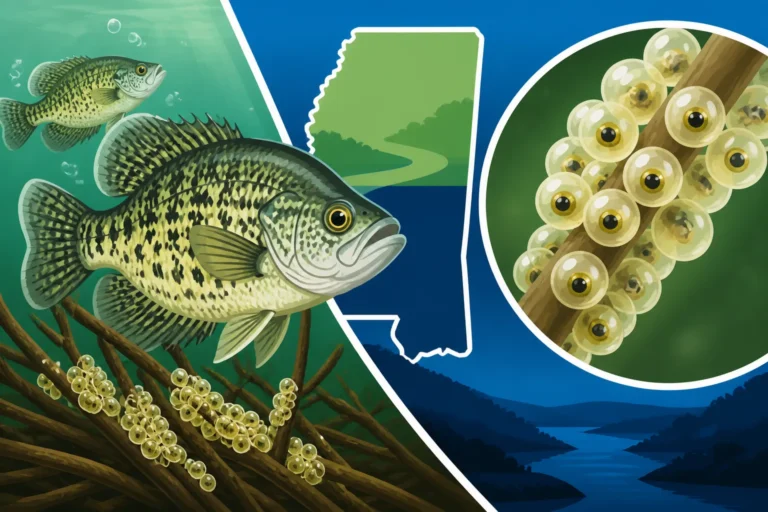
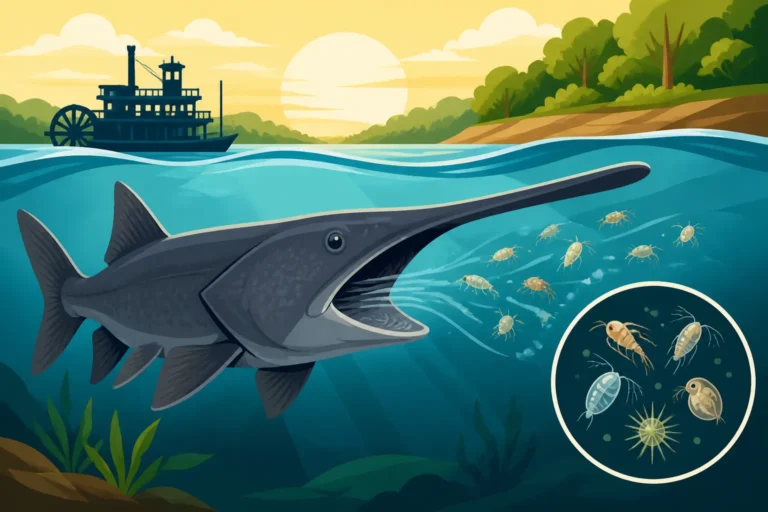
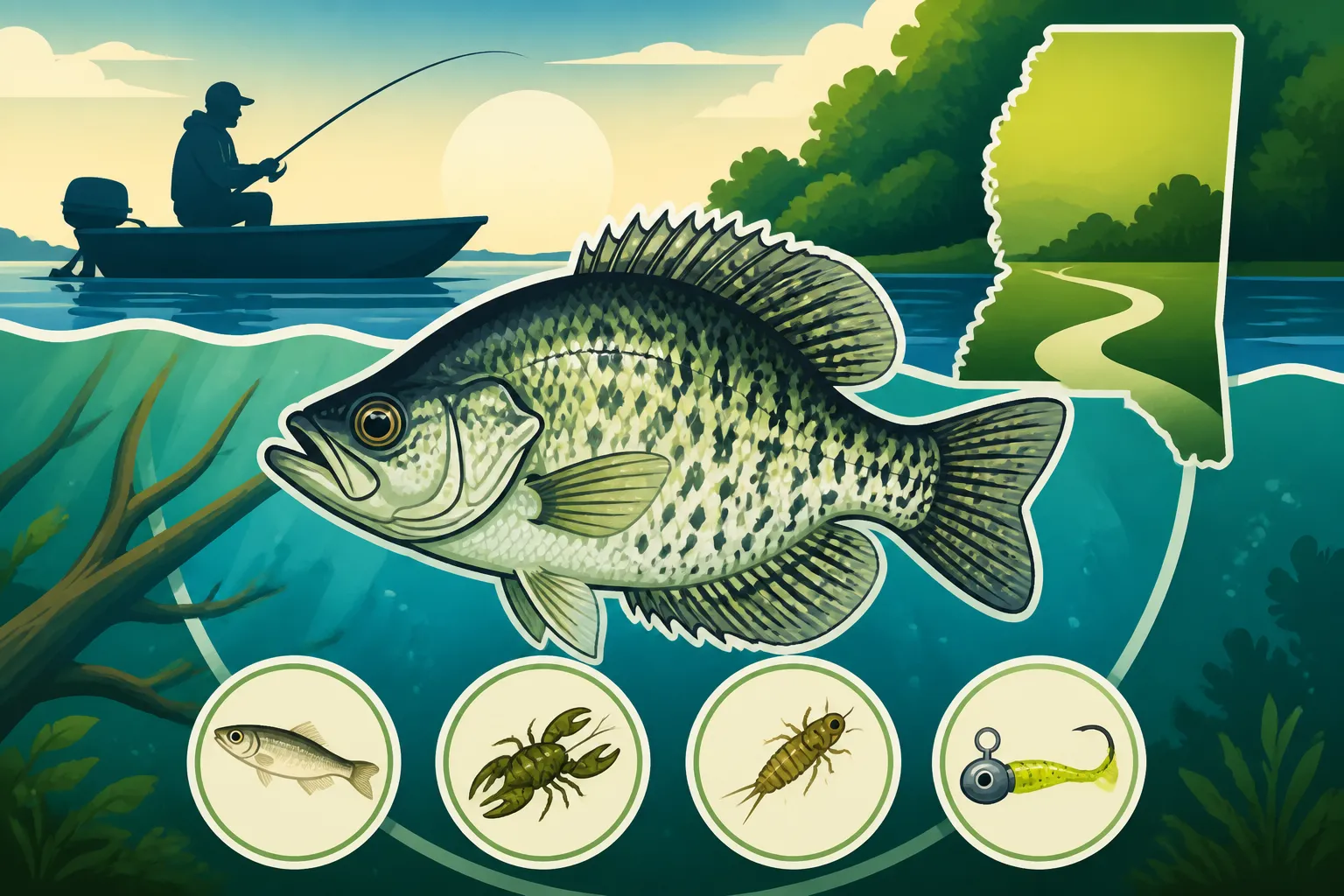
When crappie first hatch, they are incredibly small, practically transparent, and their diet reflects this. They start by feeding on zooplankton – tiny aquatic organisms that drift in the water column. As they grow just a little larger, their diet expands to include the larvae of aquatic insects. Think of mayfly nymphs, midge larvae, and other small invertebrates that crawl along the bottom or cling to submerged vegetation. These early food sources are crucial for their rapid growth in their first few months of life. If you're ever looking at tiny crappie in clear water, you might even see them darting and sipping these minute morsels.
This stage of their life, when they're reliant on these tiny food items, also makes them highly vulnerable to predation from larger fish. That's why crappie populations often produce a massive number of offspring; only a fraction will survive to maturity. Anglers rarely target crappie at this stage, but understanding their beginnings helps explain their later feeding behaviors. It reinforces the idea that small, subtle presentations can sometimes be incredibly effective, especially when trying to mimic these natural food sources.
Growing Up: Minnows, Small Fry, and Crustaceans
As crappie mature and grow into juvenile and adult fish, their diet takes a significant turn towards protein-rich foods. Minnows become a primary food source, often making up a large percentage of their diet. Crappie are particularly fond of various species of shad, small shiners, and other baitfish that swim in schools. They also won't hesitate to gobble up the fry (baby fish) of other species, including their own, if the opportunity arises. This is why live minnows are such a universally effective bait for crappie, year-round.
Beyond fish, crustaceans like small crayfish and freshwater shrimp also make an appearance on the crappie's menu, especially in lakes and rivers where these are abundant. While perhaps not as dominant as minnows, these bottom-dwelling morsels provide a good source of nutrition. Some anglers might overlook the importance of these non-fish items, but a jig that mimics a scurrying crayfish can sometimes trigger a bite when traditional minnow presentations fail. You can find a wide variety of these specialized lures on Amazon if you’re looking to experiment.
Seasonal Shifts in Crappie Feeding Habits
Just like us, crappie's appetite and what they crave can change with the seasons. Water temperature, available forage, and their own biological imperatives (like spawning) all play a huge role. Learning these seasonal patterns is like having a secret weapon in your tackle box.
Spring: The Pre-Spawn Feast and Spawning Nerves
Spring is arguably one of the most anticipated times for crappie anglers in Mississippi, and for good reason! As water temperatures begin to rise from the cold of winter, crappie become incredibly active. This is the pre-spawn phase, and they're focused on building up energy reserves for the strenuous act of spawning. They'll gorge themselves on minnows, shad, and anything else they can get their mouths around. This is when you can often find them shallower than in winter, chasing baitfish in creeks and coves. Many of the techniques discussed in Crappie Fishing Techniques for Mississippi Lakes become highly effective here.
Once the water hits that magic temperature range (usually in the high 50s to low 70s Fahrenheit), crappie move into their spawning grounds, often discussed in guides like Where Crappie Spawn in Mississippi Lakes. During the actual spawn, their feeding can become a bit erratic. While they still need to eat, their primary focus shifts to reproduction. Males will guard nests aggressively and might strike out of territoriality more than hunger. Females might eat less during the peak of egg-laying. Post-spawn, they'll usually feed heavily again to recover. This period, generally late March through May in Mississippi, is when many anglers find their greatest success, often catching their Mississippi State Record Crappie Weight if they're lucky.
Summer: Deep Water and Nocturnal Hunts
When Mississippi's summer heat really sets in, crappie often retreat to deeper, cooler waters where oxygen levels are more stable and baitfish tend to congregate. This doesn't mean they stop eating; it just means you have to adjust your tactics. Their diet remains largely minnow and shad-focused, but they might be less inclined to chase fast-moving baits due to the warmer water and higher metabolism. Slow trolling with live minnows or vertically jigging small spoons and jigs over brush piles and submerged structure are prime strategies.
Summer can also see crappie becoming more nocturnal feeders, especially in very clear lakes. The lower light conditions offer them an advantage over their prey, and the surface water might cool slightly, making shallower forays more comfortable. For specific strategies on tackling summer crappie, guides like How Deep Do Crappie Go in Summer offer valuable insights. This time of year, having a good fish finder is critical for locating those deep-water schools.
Fall: The Autumnal Ambush
Fall is another fantastic time to target crappie in Mississippi. As water temperatures begin to cool from their summer highs, crappie once again go on a feeding frenzy. They instinctively know that winter is coming, and they need to pack on fat reserves. This "feed bag" mentality often brings them back to shallower waters, especially in the mornings and evenings, where they'll actively chase schools of baitfish. Look for them around structure like standing timber, brush piles, and creek channel bends, much like in spring.
This season often involves similar techniques to spring, with jigs and minnows being highly effective. The key is finding those baitfish concentrations, as the crappie will usually be right there with them. You might notice larger schools of crappie congregating in fall, making for some excellent fishing once you locate them. This is also a great time to experiment with different lure colors, as the water clarity can change with fall rains.
Winter: Slow and Steady Meals
Mississippi winters are generally milder than in northern states, which means crappie fishing can still be excellent, though the bite often slows down considerably. Crappie's metabolism decreases in cold water, meaning they don't need to eat as frequently or as much. They'll still eat, primarily minnows, but their approach will be much more subdued. They'll conserve energy, often suspending in deep water over channels or congregating in tight schools around very dense cover.
During winter, presentations need to be extremely slow and subtle. Small jigs, particularly those tipped with a minnow, or tiny spoons fished vertically are often the most effective. It's not about making them chase; it's about putting the bait right in front of their face and letting them decide at their leisure. Understanding Winter Crappie Fishing in Mississippi techniques will be invaluable during this period. Don't be afraid to try tiny, subtle baits that mimic dormant insect larvae or sluggish minnows.
Understanding Crappie Feeding Habits and Behavior
Knowing what crappie eat is just one piece of the puzzle. Understanding how they eat and where they prefer to do it can significantly increase your catch rates. Crappie aren't just swimming around aimlessly; they have preferred methods and locations for their meals.
Ambush Predators of Structure
Crappie are classic ambush predators. Their large mouths are designed to engulf prey in a quick gulp. They love to hide in and around structure, waiting for an unsuspecting minnow or insect to swim by. This structure can be anything from submerged timber, brush piles, docks, bridge pilings, or even dense stands of aquatic vegetation. This cover provides them with both protection from larger predators and a perfect hideout to launch their attacks. This is why you'll often hear guides talk about "finding the brush piles" or "fishing the stumps."
When you're out on the water, think about where a crappie would feel safe and have an advantage. A lone minnow swimming in open water is too exposed. A school of minnows darting near a fallen tree, however, offers a perfect opportunity. This behavior is crucial whether you're using live bait or artificials; always try to present your offering close to or within some kind of cover. Using a fish finder to locate these hidden structures, especially in deeper water, is a game-changer. Many great fish finders and accessories can be found on Amazon.
Visual Hunters in Low Light
Crappie rely heavily on their eyesight to hunt, but they also have a distinct preference for lower light conditions. Their large eyes are well-adapted for seeing in dim light, which gives them an advantage during dawn, dusk, cloudy days, or in deeper, darker water. Bright, sunny days can often push crappie deeper or into the densest cover, where the light penetration is reduced. This is why some of the best crappie fishing happens in the early morning or late evening.
This visual acuity also means that lure color and profile can matter a great deal. While water clarity will dictate the most effective colors, having a selection of natural hues (like shad or minnow patterns) and brighter "attractor" colors (like chartreuse or pink) can be beneficial. Consider how your bait looks and moves in the water; does it mimic something crappie would naturally target?
Schooling for Safety and Efficiency
Crappie are highly social fish and tend to school together. This schooling behavior offers several advantages: safety in numbers from larger predators, and more efficient hunting. When a school of crappie works together, they can often corral baitfish, making it easier for individual crappie to feed. When you find one crappie, chances are there are many more nearby.
This is excellent news for anglers! It means that once you locate a school, you can often catch multiple fish from the same spot. This is especially true when they are suspended over deep water or holding tight to a large brush pile. Mississippi Crappie Regulations by Lake might have specific rules about creel limits, but when you're on a hot bite, it’s not uncommon to fill a cooler in short order.
Matching Your Bait to Crappie's Natural Diet
The ultimate goal for any crappie angler is to trick the fish into biting. The best way to do that is to present something that closely mimics what they're naturally eating or something that triggers an aggressive reaction.
Live Bait: The Undisputed King
There's a reason live minnows are considered the gold standard for crappie fishing: they are the most realistic representation of a crappie's primary food source. A lively minnow, hooked correctly, looks and acts like natural prey, swimming erratically and attracting attention. Different sizes of minnows might be appropriate depending on the size of the crappie you're targeting or the time of year. For a deep dive, check out Best Bait for Crappie in Mississippi.
Tips for using live minnows:
- Hooking: Hooking a minnow through the back, just behind the dorsal fin, allows it to swim freely and stay lively longer. Another popular method is through the lips.
- Presentation: Suspended under a bobber near structure, slow trolled, or even jigged vertically are all effective ways to present a live minnow.
- Freshness: Keeping your minnows fresh and lively is paramount. A good aerated minnow bucket is essential.
Artificial Lures: Mimicking and Triggering
While live bait is hard to beat, artificial lures offer versatility, ease of use, and the ability to cover more water. Modern crappie jigs, soft plastics, and small crankbaits are designed to mimic the look, action, and even vibration of crappie's natural prey.
Types of artificial lures and how they mimic crappie's diet:
- Jigs with Soft Plastics: These are incredibly popular for a reason. Small plastic bodies, usually 1-3 inches long, mimic minnows, insect larvae, or even small crustaceans. The paddle tails, curly tails, or straight tails create different actions in the water. Jig colors like chartreuse, white, black/chartreuse, or more natural shad patterns are always good choices. Many anglers are familiar with the effectiveness of Jig Fishing for Crappie.
- Micro Spoons: Small metal spoons, often called "crappie spoons," flash and flutter like injured baitfish as they fall. They are particularly effective when vertically jigged in deeper water, especially when crappie are suspended.
- Small Crankbaits: For aggressive crappie, especially when they're chasing bait in shallower water, small crankbaits that dive to different depths can be incredibly effective. They mimic the swimming action of a fleeing minnow. Consider buying a variety of these on Amazon to find what works best in your specific conditions.
- Hair Jigs and Marabou Jigs: These traditional jigs offer a subtle, pulsating action in the water that can be irresistible to crappie, often mimicking smaller insect larvae or small baitfish. Their natural breathing action can entice bites even from finicky fish.
When choosing artificials, always consider the water clarity and light conditions. In clear water, more natural colors might be better. In stained or muddy water, brighter colors like chartreuse or orange can help fish locate your lure. Remember, sometimes the crappie aren't actively feeding but can be triggered into a reaction strike by an aggressive or unusually presented lure. Don't be afraid to experiment with different sizes, colors, and retrieval speeds. If you're Trolling for Crappie on Mississippi Reservoirs, varying your lure choice is a great idea.
| Crappie Life Stage / Season | Primary Diet | Recommended Bait/Lure Type |
|---|---|---|
| Fry / Early Juvenile | Zooplankton, Insect Larvae | (Not typically targeted by anglers) |
| Juvenile / Adult (Spring) | Minnows, Shad, Insect Larvae, Small Fry | Live Minnows, Small Jigs (shad/minnow patterns), Small Crankbaits |
| Juvenile / Adult (Summer) | Minnows, Shad, Crayfish | Live Minnows, Small Jigs (natural/darker colors), Micro Spoons |
| Juvenile / Adult (Fall) | Minnows, Shad, Small Fry | Live Minnows, Jigs (chartreuse/white), Small Crankbaits |
| Juvenile / Adult (Winter) | Minnows, Insect Larvae (slowed metabolism) | Live Minnows (smaller), Tiny Jigs (subtle colors), Micro Spoons (slow presentation) |
Disclaimer
This article is for general informational purposes only and does not constitute professional advice. Laws, prices and regulations vary by location and change over time. Consult a qualified professional for guidance on your specific situation.