Trophy Catfish in Mississippi Waters
There's a special kind of thrill that calls to anglers across Mississippi, a deep-seated desire to tangle with something truly epic beneath the water's surface: a trophy catfish. It’s not just about catching fish; it’s about the chase, the patience, and the sheer power of these freshwater giants. This guide is dedicated to helping you understand the world of trophy catfish in our state, from where they hide to what it takes to bring one of these magnificent beasts to the boat.
The Allure of Trophy Catfish in Mississippi
There’s something almost primal about the pursuit of a true trophy catfish. It's an ambition that ignites a passion in many anglers, transcending the simple joy of a fresh catch for dinner. For those who've felt the thudding pull of a heavyweight on the end of their line, or heard tales of the monsters lurking in our deep river bends, the appeal is undeniable.
Why Anglers Chase Giants
The quest for a trophy catfish is more than just a fishing trip; it's an adventure. When you hook into a truly big cat, the fight is legendary. These fish are pure muscle, often capable of incredible runs and deep dives that test your tackle and your resolve. It's a battle of wills, and when you finally bring that massive fish to the surface, the sense of accomplishment is immense. Beyond the fight, there's the awe of seeing a creature that has grown to such an impressive size, a testament to its survival and the richness of our Mississippi waters. Catching a personal best, or even a state record contender, provides bragging rights that last a lifetime and stories that get told around campfires for years to come.
Many anglers find themselves drawn to this challenge because it requires a different level of dedication and skill. You're not just casting a line; you're studying hydrology, understanding fish behavior, and mastering specialized techniques. It's a continuous learning process, and every trophy cat caught feels like a hard-earned diploma in the school of fishing. Plus, the sheer size of these fish means that every hit could be the hit, keeping you on edge with exhilarating anticipation.
The Species Behind the Legends
When we talk about trophy catfish in Mississippi, we're primarily focused on three giants: the Blue Catfish, the Flathead Catfish, and to a lesser extent, the Channel Catfish. While all three are fantastic table fare when smaller, it’s their potential to grow to colossal sizes that truly makes them legendary among trophy hunters.
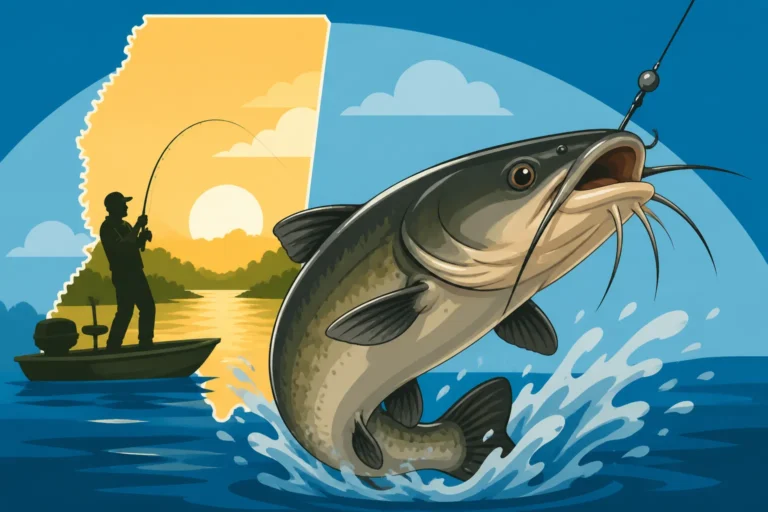
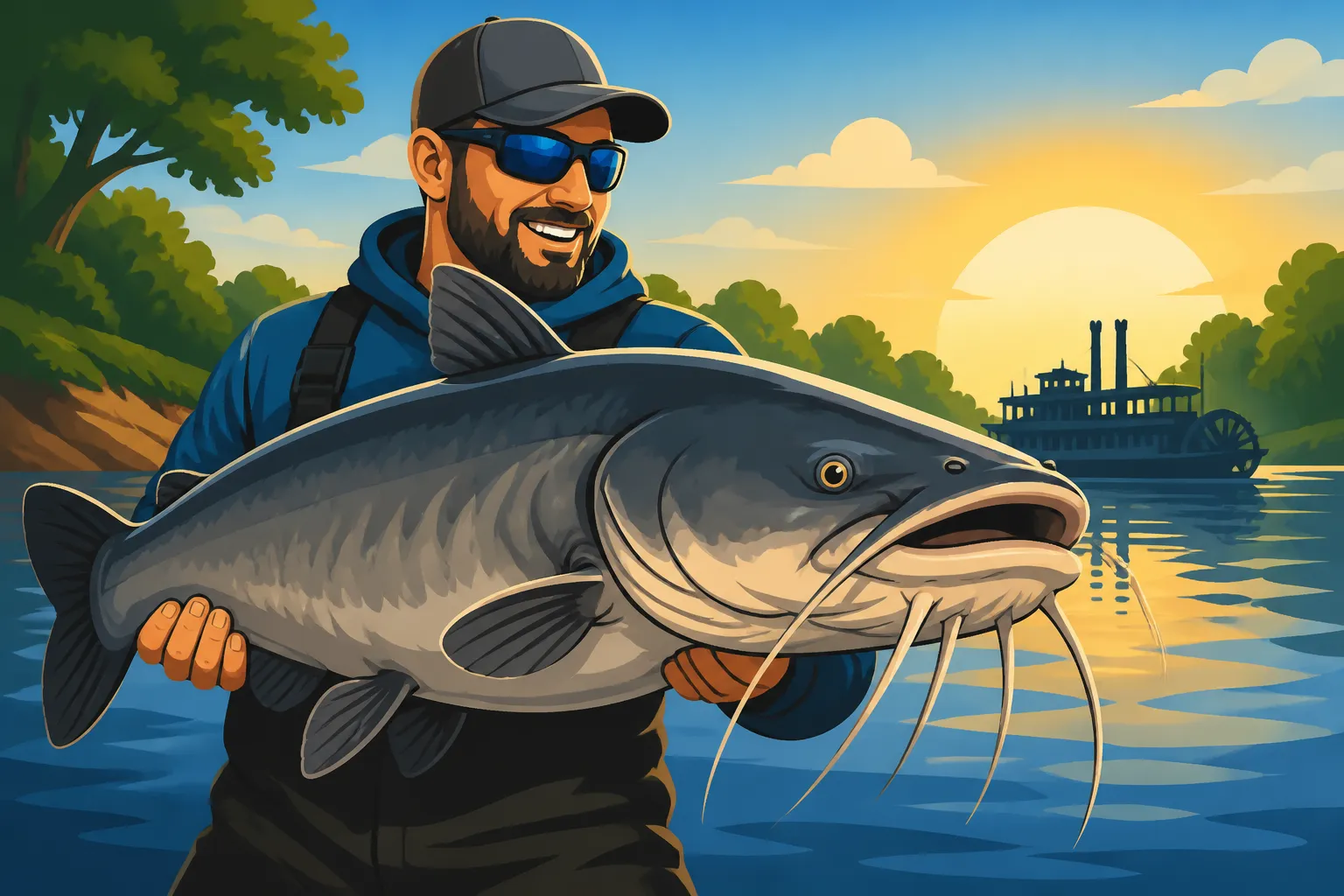
The Blue Catfish is arguably the king of the trophy scene. These fish are known for their massive shoulders and deep bodies, with records often topping 100 pounds. They prefer the main channels of large rivers and reservoirs, often congregating in deep holes or along ledges where current brings them a buffet of baitfish. Their diet consists mostly of other fish, making them aggressive eaters and incredible fighters.
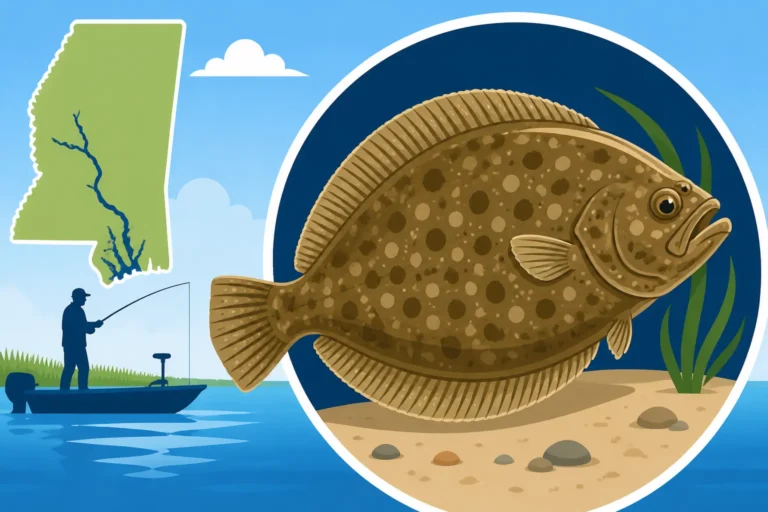
Next up, the Flathead Catfish, a true ambush predator. Unlike the blues, flatheads tend to be solitary and prefer living around heavy cover like log jams, submerged trees, and rock piles in rivers and larger creeks. They have a distinctly wide, flattened head and a mottled, camouflaged appearance. Flatheads are almost exclusively piscivorous, meaning they love live bait. While they might not reach the sheer weight of the largest blues, a 50-plus pound flathead is a phenomenal catch, and they put up a tenacious fight.
Finally, the Channel Catfish. While a 20-pound channel cat is certainly a trophy in most anglers' books, they generally don't reach the gargantuan sizes of blues and flatheads. However, they are abundant throughout Mississippi's waters and can still provide an exciting challenge, especially on lighter tackle. They are also less particular about their diet, eating everything from insects and crustaceans to cut bait and stink baits. For those looking to cut their teeth on bigger cats before chasing true monsters, channel catfish provide excellent practice.
Where the Monsters Lurk: Top Mississippi Waters for Trophy Catfish
Mississippi is blessed with an abundance of water, and within these sprawling networks of rivers and lakes, some spots stand out as consistent producers of truly massive catfish. Knowing where to focus your efforts is half the battle when you're hunting for a trophy.
The Mighty Mississippi River
Without a doubt, the Mississippi River itself is the undisputed champion for trophy catfishing in our state. This colossal waterway provides everything a giant catfish needs: immense size, diverse habitat, and an endless food supply. The sheer volume of water and the powerful currents mean that catfish here grow big and strong.
Anglers often target the main river channel, especially focusing on deep holes, scour holes, and drop-offs that are created by the current. These areas provide refuge from the strong flow and act as natural ambush points for passing baitfish. Wing dams, old bridge pilings, and vast snags of submerged timber are also prime locations where trophy blues and flatheads will set up shop. The deeper sections downstream from Vicksburg, near Natchez, and even further south, are particularly legendary for their monster blue cat populations. For those looking to explore the river's potential, diving into a Mississippi River Fishing Guide can give you invaluable insights into navigation and specific tactics for this monumental waterway. Remember, fishing the main Mississippi River is not for the faint of heart; it requires a robust boat, powerful motor, and a keen understanding of river currents and navigation.
Reservoirs Known for Giants
Beyond the grand old river, Mississippi's large reservoirs are also excellent destinations for chasing trophy catfish, offering different challenges and opportunities. These impoundments can hold incredible populations of giant fish, especially blue catfish.
Pickwick Lake, located on the Tennessee River in the northeastern corner of the state, is widely renowned for its trophy blue catfish. The lake's deep channels, rocky bottom, and abundant forage species (like gizzard shad) create a perfect environment for blues to thrive and grow to immense sizes. Anglers here often focus on the main river channel, especially around structural elements like old river bends, humps, and submerged roadbeds. If you're planning a trip to this fishing mecca, a Pickwick Lake Fishing Guide can provide specific information on hot spots and seasonal patterns.
Further south, the Ross Barnett Reservoir, often affectionately called "The Rez" by locals, is another fantastic option. While perhaps more famous for its bass and crappie, the Rez has a robust population of blue and channel catfish, with some genuine trophy-sized fish pulled from its waters each year. Look for them in the deeper creek channels, particularly where there's significant timber or other cover. Areas like Pelahatchie Bay and the main lake's deeper basins can be very productive. To maximize your chances, consult a Ross Barnett Reservoir Fishing Guide for detailed maps and seasonal strategies.
And, of course, the north Mississippi flood control reservoirs, particularly Grenada Lake, are household names for crappie, but don't sleep on their catfish potential. Grenada has produced some truly massive blue and flathead catfish over the years. The lake's deep, timber-laden areas and creek channels are perfect for these giants. The tailwater below the dam can also be a hotspot during certain times of the year. For detailed insights on this renowned fishery, check out a Grenada Lake Fishing Guide. These reservoirs, with their vast expanses and diverse underwater topography, offer distinct opportunities for the dedicated trophy catfish angler.
Lesser-Known Hotspots and Oxbows
While the major rivers and reservoirs grab all the headlines, Mississippi is dotted with countless smaller waterways and forgotten oxbow lakes that can surprise you with genuinely colossal catfish. Often, these less-pressured waters harbor resident giants that have grown old and wise away from the main angling crowds.
Oxbow lakes, which are crescent-shaped lakes formed in old river bends, are particularly fertile ground. Many of these are remnants of the Mississippi River's past meanderings and are teeming with baitfish and dense cover. Because they have less current, they tend to hold flatheads and channel catfish that prefer a more stable environment, but large blues can certainly be found where there's a connection to a larger river system. Fishing these waters often requires smaller boats or even kayak access, but the reward can be well worth the effort. Think about the smaller, less talked-about lakes around the Delta region; some of them are truly hidden gems. While often associated with crappie, even lakes like Eagle Lake, known for its crappie, have been known to yield impressive catfish, showing that you can find unexpected giants in many different places. Eagle Lake Crappie Limit and Minimum Size is a great resource, and while it focuses on crappie, understanding these waters often means understanding all the species within them.
Beyond oxbows, consider the larger tributaries that feed into the major rivers. Rivers like the Pearl River, Yazoo River, and Pascagoula River, with their deep bends, fallen timber, and rocky bottom structures, offer excellent habitat for trophy catfish. These rivers often have stretches that are less accessible, requiring careful navigation but rewarding those who put in the effort. The key to these spots is often exploration and patience; don't be afraid to try a new stretch of water, especially if it looks undisturbed and offers good cover. These areas can often provide a more serene fishing experience away from the bustling crowds of the larger bodies of water, adding to the charm of the trophy hunt.
Gear Up for the Big Fight: Essential Tackle for Trophy Catfish
When you're targeting fish that can weigh as much as a small person, your tackle isn't just a suggestion—it's a necessity. Skimping on quality here is a surefire way to lose the fight of a lifetime and walk away with a broken heart (and possibly a broken rod). Trophy catfishing demands heavy-duty, robust equipment designed for serious stress.
Rods, Reels, and Line That Can Handle the Strain
Let’s start with the foundation: your rod and reel. For trophy catfishing, you need a setup that can withstand immense pressure. Think of it as a tug-of-war with a freight train.
Rods: You'll want a heavy-duty rod, typically in the medium-heavy to heavy power range, with a fast action. This combination gives you the backbone to turn a big fish and the sensitive tip to detect subtle bites. Look for rods between 7 and 9 feet long; the extra length provides better leverage for casting heavy baits and fighting powerful fish. Fiberglass or composite rods are often preferred for their durability and parabolic bend, which helps absorb those powerful surges. Brands known for their catfishing rods offer models specifically designed to handle these monsters. You can find a fantastic selection of these robust rods on platforms like Amazon, often with detailed reviews from other trophy hunters.
Reels: A robust baitcasting reel is essential. You need a reel with a strong, smooth drag system that can put out 20-30 pounds of drag pressure, along with high line capacity. Big blue cats can make long, powerful runs, so having enough line is critical. Look for reels with a low gear ratio (e.g., 4.2:1 or 5.3:1) for maximum cranking power, which is vital when you’re pulling a heavy fish out of strong current or thick cover. Durability, corrosion resistance, and a comfortable handle are also key features. Many top manufacturers produce reels specifically engineered for heavy-duty saltwater or muskie fishing that cross over perfectly into trophy catfishing.
Line: This is your direct connection to the fish, and it must be strong. Most trophy catfish anglers opt for braided line due to its superior strength-to-diameter ratio, zero stretch, and abrasion resistance. A good starting point is 50-80 pound test braid, but some anglers go even heavier, up to 100-150 pound test, especially when fishing in snaggy areas or the Mississippi River’s formidable current. If you prefer monofilament, choose a high-quality line in the 30-50 pound test range. Monofilament offers more stretch, which can be forgiving, but it's less abrasion-resistant than braid and has a larger diameter for the same breaking strength. Always check your line for nicks and abrasions after every trip, as one weak spot can cost you a trophy.
Hooks, Rigs, and Accessories for Success
Beyond the rod, reel, and line, the terminal tackle and accessories are just as crucial for converting bites into landed fish. These smaller components bear the brunt of the fish's power up close.
Hooks: For trophy catfish, you’ll typically use large, heavy-duty circle hooks or J-hooks, depending on your preference and bait. Circle hooks (like 8/0 to 12/0) are fantastic for preventing gut-hooking, which is crucial for catch-and-release, and they often result in solid hooksets in the corner of the fish's mouth. If using J-hooks (like 7/0 to 10/0), ensure they are stout, forged steel to prevent straightening under pressure. Brands like Gamakatsu and Owner make excellent, strong hooks suitable for monster cats.
Rigs: The "Santee Cooper Rig" is a favorite among trophy blue cat anglers. It consists of a leader tied to a swivel, with a float positioned a few inches above the hook to keep your bait slightly off the bottom and visible to cruising catfish. A heavy lead weight (2-8 ounces, depending on current) slides freely above the swivel. The "Slip Sinker Rig" is another classic, where the sinker slides directly on the main line above a swivel, providing less resistance to the biting fish. For fishing heavy cover, a "Three-Way Swivel Rig" can present bait effectively without getting constantly snagged. If you're looking for different methods to present bait, learning How to Set Up a Trotline for Catfish can give you ideas for stationary, heavy-duty presentations, even if you’re not using a trotline itself.
Accessories: Don't forget the essentials! Heavy-duty pliers or cutters are vital for handling hooks. A good pair of jaw spreaders can protect your hands and the fish if a hook is deep. A large, robust landing net or a set of heavy-duty lip grippers (with a scale) is indispensable for safely landing and weighing a trophy cat. Many anglers also carry a long, sturdy gaff, though this is often reserved for fish intended for harvest. A headlamp for night fishing, a cooler for bait, and a sharp fillet knife (if keeping fish) round out the basic kit. You can find all these specialized tools and more on online retailers like Amazon, making it easy to outfit yourself for any catfishing expedition.
Baiting the Beast: Proven Strategies for Trophy Catfish
Landing a trophy catfish is often about more than just finding them; it's about enticing them to bite. These big fish are not always easy to fool, and having the right bait, presented in the right way, can make all the difference between a slow day and an unforgettable one.
The Allure of Live and Cut Bait
When it comes to trophy catfish, natural bait reigns supreme. These fish are predators, and they respond incredibly well to what they naturally eat. Forget the artificial lures for these giants; fresh is almost always best.
Live Bait: For flathead catfish, live bait is practically non-negotiable. They are primarily piscivorous ambush predators and prefer their meals alive and struggling. Popular choices include small bluegill, sunfish, shad, and suckers, typically in the 4-8 inch range. It's crucial to check local regulations regarding the use of live game fish as bait. Presenting a lively baitfish near a flathead's ambush point, like a submerged log jam or rock pile, can be incredibly effective. The distressed movements of the baitfish are often too tempting for a flathead to resist.
Cut Bait: For blue catfish, fresh cut bait is king. Blues are scavengers and opportunistic predators, and they are drawn to strong scents. The fresher the cut bait, the better. Favorite options include fresh-cut shad (gizzard shad and threadfin shad), skipjack herring, carp, and even fresh chunks of perch or buffalo. The oilier the fish, the stronger the scent trail it will leave in the water, which is like a dinner bell for hungry blue cats. Using different sizes of cut bait can also be effective; sometimes a whole side of a small shad is perfect, other times a smaller chunk is better. For a deeper dive into bait selection, our guide on Best Bait for Catfish in Mississippi offers a wealth of information, and What Catfish Eat in Mississippi Rivers provides insight into their natural diet, helping you choose the most appealing options.
Techniques for Targeting Big Catfish
Beyond selecting the right bait, how you present it and where you cast it are critical. Trophy catfish often require specialized techniques that put your bait exactly where they want to eat it.
Bottom Fishing: This is the bread and butter of catfishing. Whether you're fishing from the bank or a boat, placing your bait directly on the bottom or just a few inches off it is often key. Using a slip sinker rig or a Santee Cooper rig allows your bait to stay in the strike zone, especially in current. The weight keeps your bait down, while the smell disperses downstream, drawing in distant fish. Drifting with the current over known catfish haunts, such as deep channels, humps, or structure, can also cover a lot of water and help you locate actively feeding fish.
Anchoring on Structure: For flatheads and often for very large blue cats, anchoring directly over or just upstream of known structure is incredibly effective. This could be a submerged log pile, a deep eddy, a rock ledge, or a channel swing. You want your bait to settle right into their comfort zone or where they might be ambushing prey. Patience is key here; sometimes it takes a while for a trophy cat to find your bait, but once they do, the wait is usually worth it. When night fishing, these deeper, structured areas become even more active as big cats venture out from their daytime hiding spots to feed. Night Fishing for Catfish can provide excellent tips for targeting these nocturnal giants.
Advanced Electronics: Modern fish finders and side-imaging sonar units are invaluable tools for trophy catfishing. They allow you to locate deep holes, submerged timber, baitfish schools, and even individual large fish. Learning to read your electronics effectively will dramatically increase your success rate, helping you pinpoint those crucial structures where big cats hide. You can find some excellent, feature-rich fish finders on platforms like Amazon, many of which are specifically designed to help anglers target deep-dwelling species.
Understanding Catfish Behavior and Feeding Patterns
To consistently catch trophy catfish, you need to think like one. Understanding their seasonal movements, environmental preferences, and feeding habits will give you a significant edge.
Seasonal Movements: Catfish behavior changes with the seasons. In spring, as water temperatures rise, they move into shallower areas to spawn. Post-spawn, they might be lethargic for a bit before moving back into deeper haunts. During the hot summer months, big cats often retreat to the deepest, coolest parts of a lake or river, often near oxygenated water or strong current. Fall can be fantastic as they feed aggressively to build up fat reserves for winter, moving into shallower feeding flats before retreating to deep holes for the colder months. Winter catfishing can be surprisingly productive if you can locate those deep, consolidated schools of fish.
Water Temperature and Current: These are perhaps the two most critical factors. Catfish are cold-blooded, so water temperature directly influences their metabolism and activity levels. They generally prefer warmer water, but extreme heat can drive them deep. Current is vital in rivers; it brings food, oxygenates the water, and often dictates where fish will hold. Learning to read the current and identify slack water areas, eddies, and seams where fish can conserve energy while waiting for food is paramount.
Time of Day and Moon Phases: While catfish are often thought of as nocturnal, they absolutely feed during the day, especially in low-light conditions like dawn and dusk, or during overcast weather. Many trophy blue cats are caught during daylight hours, particularly in deep, current-laden areas. Flatheads, however, are more strictly nocturnal. Some anglers also swear by specific moon phases, believing that full and new moons trigger more aggressive feeding behavior. While scientific evidence varies, paying attention to these factors can sometimes give you an extra edge. The more you observe and record your successes, the better you’ll understand the specific patterns of the water you fish.
Landing and Releasing Trophy Catfish Responsibly
The moment of truth—when a trophy catfish finally bites and the fight begins—is exhilarating. But getting that fish into the boat and ensuring its well-being for release requires a blend of skill, patience, and a deep respect for the fish itself. These are magnificent creatures, and responsible angling means giving them the best chance to swim away strong.
The Battle: What to Expect When You Hook a Monster
When a true trophy cat hits, it’s not a gentle tap. It’s often a powerful thud or a steady, increasing pull that signals something substantial. Your reel will likely scream as the fish makes an initial, powerful run. This is where your heavy-duty tackle earns its keep.
The key during the fight is to maintain constant pressure on the fish. Never give slack, as a big catfish can easily throw the hook or wrap your line around submerged structure. Use your rod to pump the fish, lifting its head, then reeling down to gain line. It will likely make several powerful runs, especially as it nears the boat. Be patient and let the rod and drag do the work. Don't try to horse a big fish in too quickly, or you risk breaking your line or snapping your rod. If you're fishing from a boat, use your motor to follow the fish, keeping it out of snags and reducing the amount of line it can peel off your reel. A good boat driver can be an invaluable asset in landing a truly massive fish. The battle can last anywhere from 10 minutes to over an hour, depending on the size of the fish and the conditions.
Handling and Photography Tips
Once you’ve successfully fought the fish to the boat, proper handling is paramount, especially if you plan to release it. These fish are powerful and can injure you if not handled correctly.
First, use a large, strong landing net specifically designed for big fish, or heavy-duty lip grippers. If using grippers, ensure they can safely support the entire weight of the fish without damaging its jaw. Avoid grabbing large catfish by the gill plates, as this can cause internal damage. A cradle net, which supports the entire body of the fish, is ideal for very large specimens, reducing stress and damage when lifting them from the water.
When taking photos, speed is of the essence. Have your camera ready before you lift the fish. Support the fish horizontally with both hands, one hand firmly on the lip grippers (if using them) and the other supporting its belly. Avoid holding large fish vertically by the jaw for extended periods, as their internal organs are not designed to be supported in that manner out of water. Get your photos quickly, then gently lower the fish back into the water. If the fish appears stressed or tired, take a moment to revive it by holding it upright in the water and moving it back and forth to force water over its gills until it can swim away under its own power.
Conservation for Future Generations
The pursuit of trophy catfish goes hand-in-hand with conservation. These large, mature fish are the prime breeders in the population, and their continued survival is essential for healthy fisheries. For this reason, many trophy catfish anglers practice catch-and-release for the largest specimens.
While Mississippi regulations allow for keeping catfish within certain limits, voluntarily releasing truly massive fish helps ensure that these genetics remain in the water, producing more healthy, fast-growing catfish for future generations. It’s a way of giving back to the resource that provides so much enjoyment. Always be aware of the specific Mississippi Catfish Regulations for the body of water you're fishing, including creel and size limits, as these can vary. Understanding these rules is a fundamental part of responsible angling. Taking the time to properly handle and release a trophy catfish is a mark of a true sportsman and a commitment to preserving the thrill of the chase for years to come.
Beyond the Catch: Safety and Preparation for Trophy Catfishing
Catching a trophy catfish is an incredible experience, but it’s one that should always be underpinned by thorough preparation and a strong focus on safety. Fishing for these powerful creatures often means being on the water in challenging conditions or remote locations, making preparedness non-negotiable.
Safety First on the Water
The waters of Mississippi, especially the large rivers and reservoirs, can be unpredictable. Strong currents, rapidly changing weather, and boat traffic all pose potential hazards. Prioritizing safety ensures that your trophy hunt remains a memorable and enjoyable adventure, not a dangerous ordeal.
Life Jackets: This is non-negotiable. Everyone on board your boat should have a properly fitting life jacket, and it’s always best practice to wear it, especially when navigating fast currents, in choppy water, or during low-light conditions. Large rivers like the Mississippi can be unforgiving, and a life jacket can be the difference between life and death in an unexpected fall overboard. Remember that Mississippi Life Jacket Rules for Anglers are in place for your safety and should always be followed.
Weather Awareness: Always check the weather forecast before heading out. Conditions can change rapidly, especially in Mississippi. High winds can make large reservoirs incredibly dangerous, and thunderstorms bring lightning and sudden squalls. Have a weather app or a weather radio on board, and be prepared to cut your trip short if conditions deteriorate. No fish is worth risking your life over.
Boating Safety: If you're using a boat, ensure it’s in good working order, with all required safety equipment on board (flares, horn, fire extinguisher, navigation lights). Understand how to operate your boat safely in current and around other vessels. Always let someone know your float plan – where you’re going, when you expect to return, and who is with you. Fishing with a partner is also highly recommended, especially when targeting large fish or fishing at night or in remote areas. Not only is it safer, but an extra set of hands can be invaluable when battling a monster cat or handling heavy equipment.
Essential Preparations for a Successful Trip
The more prepared you are before you even cast a line, the better your chances of success and enjoyment will be. A little planning goes a long way.
Checking Regulations and Licenses: Before every trip, double-check the current fishing regulations for the specific body of water you plan to fish. Limits, seasons, and bait restrictions can change. And, of course, ensure you have your valid Mississippi fishing license. It's a simple step, but forgetting it can lead to fines. If you're unsure, our comprehensive Mississippi Fishing License Guide or the specific guide Do You Need a License to Fish in Mississippi? can clarify all requirements. Having your license in order is the first step to a legal and worry-free fishing experience.
Supplies and Provisions: Pack plenty of water, even if it's a cool day, to stay hydrated. Snacks or a packed meal will keep your energy up during long hours on the water. A well-stocked first-aid kit is crucial for minor cuts, scrapes, or hook accidents. Don't forget sunscreen, insect repellent, sunglasses, and appropriate clothing layers for changing weather conditions. A sharp knife, headlamp, and fully charged phone (with a waterproof case) are also indispensable.
Mapping Out Your Spots: Even if you have prior knowledge of a body of water, revisit your maps (paper or digital) to scout potential new spots or to refresh your memory on underwater contours and structure. Consider current flow, prevailing winds, and recent fishing reports. Having a few backup spots in mind is always a good strategy, especially if your primary location is occupied or unproductive. Being organized and ready for anything will significantly enhance your trophy catfishing adventure.
Comparing Mississippi's Top Trophy Catfish Species
To truly appreciate the nuances of trophy catfishing in Mississippi, it helps to understand the distinct characteristics of the three main species that grow to impressive sizes here. While all are catfish, their behaviors, habitats, and preferred baits often differ significantly.
| Feature | Blue Catfish (Ictalurus furcatus) | Flathead Catfish (Pylodictis olivaris) | Channel Catfish (Ictalurus punctatus) |
|---|---|---|---|
| Typical Trophy Size | 50-100+ lbs (State records over 100 lbs) | 30-70+ lbs (State records over 70 lbs) | 15-30 lbs (State records over 40 lbs) |
| Preferred Habitat | Main river channels, deep holes, ledges, reservoirs with current, open water areas | Heavy cover: log jams, submerged timber, rock piles, deep creek channels, solitary structure | Versatile: rivers, lakes, ponds, prefers slower currents and varied cover (can be open water) |
| Typical Diet | Mostly fish (shad, skipjack), mussels, crustaceans, opportunistic scavenger | Almost exclusively live fish (bluegill, shad, sunfish) | Omnivorous: insects, crustaceans, small fish, detritus, prepared baits |
| Best Bait for Trophy | Fresh cut bait (shad, skipjack, carp) | Live bait (bluegill, shad, sunfish) | Cut bait, prepared stink baits, worms, chicken livers, small live bait |
| Mouth Shape | Terminal mouth, upper jaw extends slightly beyond lower | Flattened head, lower jaw extends beyond upper | Small mouth, upper jaw extends slightly beyond lower |
| Tail Shape | Deeply forked tail | Slightly notched to rounded tail | Deeply forked tail |
This comparison highlights why different strategies are often employed depending on which trophy catfish species you are targeting. Blue cats are the leviathans of the main currents, flatheads are the solitary ambush kings of heavy cover, and channel cats, while smaller trophies, are abundant and can be found almost anywhere. Understanding these differences is key to tailoring your approach and increasing your chances of landing that fish of a lifetime.
Disclaimer
This article is for general informational purposes only and does not constitute professional advice. Laws, prices and regulations vary by location and change over time. Consult a qualified professional for guidance on your specific situation.