Best Time to Fish Ross Barnett Reservoir Before Work
There's a special kind of satisfaction that comes from hitting the water at Ross Barnett Reservoir before the rest of the world has even had its first cup of coffee. But let's be real, those pre-work fishing trips are often a race against the clock. You've got limited time, fading darkness, and the pressure of knowing you need to be showered and presentable for your day job. This guide is all about helping you optimize those precious early morning hours, making every cast count so you can enjoy the peace of the reservoir and still make it to work on time, feeling refreshed and perhaps even with a fish story or two to tell.
Understanding Ross Barnett Reservoir's Morning Dynamics
Fishing before work means embracing the very specific conditions of early morning. Ross Barnett is a big, diverse body of water, and its moods change dramatically with the seasons and the rising sun. Understanding these dynamics is crucial for making your short trips successful.
The Impact of Season and Water Temperature
The time of year dictates everything when it comes to early morning fishing. In Mississippi, our seasons truly transform the reservoir.
- Spring (March-May): This is prime time! As water temperatures rise into the 50s and 60s, fish, especially bass and crappie, move shallower for the spawn. Early mornings often see them actively feeding close to the bank or in submerged vegetation. The water is often a comfortable temperature, and the sun isn't yet brutal. You'll find that fish are more aggressive and willing to chase baits. Knowing Mississippi Fishing Season Dates and Limits can help you time your trips perfectly.
- Summer (June-August): Things get tricky as the Mississippi heat really settles in. Water temperatures can soar. Early mornings become absolutely critical because the fish will be most active during the cooler, darker hours just before and shortly after sunrise. Once the sun gets high and starts baking the water, most game fish will retreat to deeper, cooler waters or dense cover. This means your window of opportunity is narrow, but highly productive if timed right. Check out our Mississippi Summer Fishing Guide for more tips on this season.
- Fall (September-November): Another fantastic period! As water temperatures begin to cool, baitfish become more active, and predator fish like bass and crappie will follow them into shallower waters, often going on a feeding spree to prepare for winter. Early mornings can be explosive, with topwater action and aggressive bites. The comfortable temperatures for anglers are a bonus.
- Winter (December-February): While not as productive for quick, shallow bites, winter mornings can still yield fish, especially if you focus on slightly deeper channels or structure where fish might be staging. The bite will generally be slower, but larger fish can be caught with the right techniques.
Light Conditions and Fish Activity
The transition from darkness to light is a magical time for anglers, and it's particularly important for pre-work trips.
- Pre-dawn Gloom: This is often the quietest, most peaceful time on the water. Fish, especially nocturnal feeders like catfish, might still be active, but many predatory game fish are just starting to wake up. Low light means they feel less exposed, making them more comfortable feeding in open or shallow water. Your bait presentation needs to be something they can easily detect by vibration or silhouette.
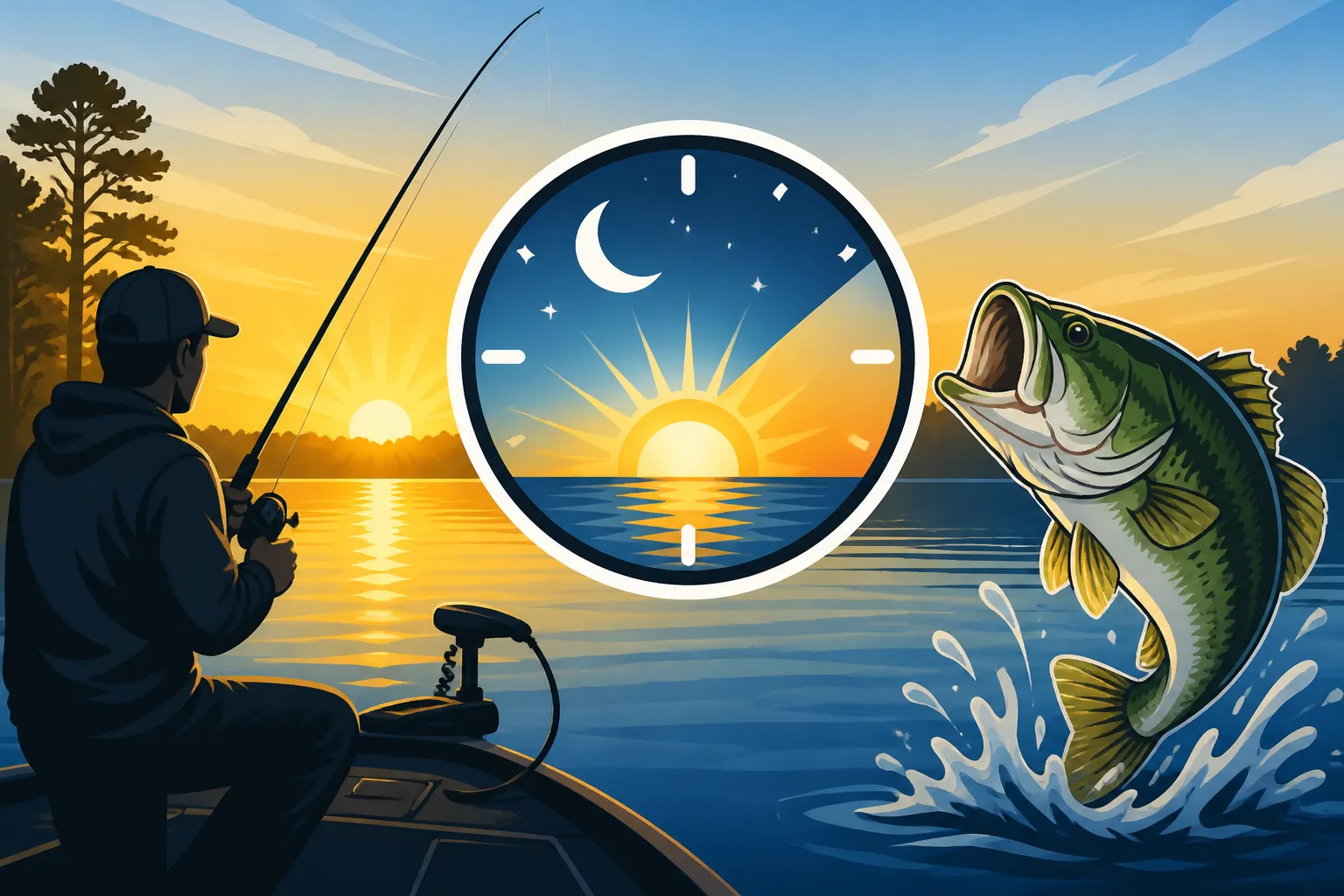
- First Light/Sunrise: This is the golden hour. As the first rays of light hit the water, fish activity often explodes. This is when topwater baits can be incredibly effective for bass, and crappie might move up from deeper brush piles to feed aggressively. The low angle of the sun creates long shadows, offering cover for both predator and prey. This is absolutely the prime window you want to hit before work. Learn more about Best Time of Day to Catch Bass to maximize this window.
- Early Morning Sun: As the sun rises higher, the fishing can remain strong for a while, but it often shifts. Fish might move slightly deeper or tighter into cover. The bite can transition from aggressive strikes to more subtle takes. You need to adapt your lures and techniques as the light intensifies. Your goal for a pre-work trip is usually to be off the water by the time the sun is truly high.
Weather Patterns and Their Influence
Don't ignore the weather forecast, even for a short trip. A sudden cold front, a night of heavy rain, or a strong wind can drastically alter fish behavior. For example, after a cold front, fish often become sluggish and retreat to deeper water, making shallow, early morning bites less likely. Conversely, a stable weather pattern with consistent temperatures can lead to predictable and productive early morning fishing. How to Catch Bass at Night can provide some crossover tips for those very dark pre-dawn hours, focusing on how weather affects nocturnal feeding.
Strategic Species Targeting for Early Birds
When you've only got an hour or two, you can't afford to waste time chasing ghosts. You need to focus on species that are reliably active and accessible in the early morning at Ross Barnett.
Largemouth Bass: The Aggressive Morning Hunter
Largemouth bass are often the go-to species for early morning power-fishing, especially from spring through fall. They are incredibly reactive to changing light conditions and are known for their aggressive strikes as the sun begins to creep over the horizon.
- Why They're Ideal: Bass are often found in relatively shallow water during early morning, making them accessible from both boat and bank. They'll actively chase baitfish, frogs, and insects that become active with the rising sun. Their willingness to hit topwater baits at this time makes for exciting, visual fishing.
- Where to Find Them: Look for bass around shallow cover such as submerged hydrilla beds, lily pads, cypress trees, boat docks, and rocky points. Any area with structure that provides ambush points and proximity to deeper water for retreat is a good bet. The edges of channels and coves, especially those with some current, can also be productive. Our guide on Where to Catch Bass at Ross Barnett Reservoir offers specific locations.
- Recommended Techniques:
- Topwater: This is arguably the most exciting early morning technique. Poppers, walk-the-dog baits, buzzbaits, and frog lures are deadly as bass smash them on the surface. Choose darker colors for low light and natural colors as it brightens.
- Spinnerbaits/Chatterbaits: These lures offer a lot of flash and vibration, which can be great for covering water quickly and drawing strikes in low light or slightly stained water.
- Shallow Cranks/Jerkbaits: As the sun gets a little higher, these can be effective for targeting bass that have moved slightly off the bank but are still in relatively shallow water.
- Soft Plastics (Texas Rig/Weightless): If the bite is a bit tougher, a weightless senko or a Texas-rigged worm can entice strikes from hesitant bass hidden in cover.
- Pro Tip: Pay attention to any signs of baitfish activity on the surface – splashing, schooling, or even birds diving. Where there's bait, there are usually bass. For more in-depth information, explore Largemouth Bass Fishing in Mississippi.
Crappie: Finesse for a Fast Start
Crappie are another fantastic target for pre-work trips, especially during their spawning periods in spring or when they are schooling up in fall. While not as prone to explosive topwater strikes as bass, they offer consistent action and are delicious table fare.
- Why They're Ideal: Crappie tend to school, so once you find one, you're likely to find more, allowing you to fill a cooler quickly. They can be very aggressive during certain times of the year and are often found in predictable areas.
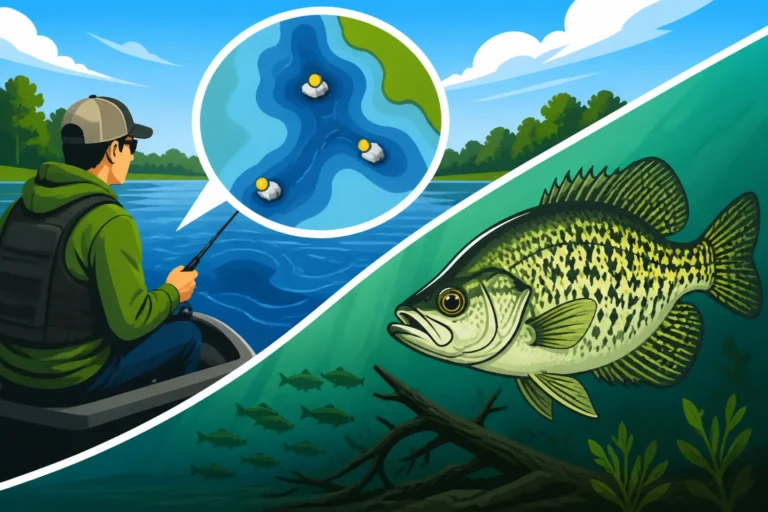
- Where to Find Them: In early morning, look for crappie around brush piles, submerged timber, bridge pilings, and dock structures. During the spring spawn, they will move into very shallow water near reeds, lily pads, or flooded timber to lay eggs. In colder months, they might be suspended over deeper channels or concentrated on humps and ledges.
- Recommended Techniques:
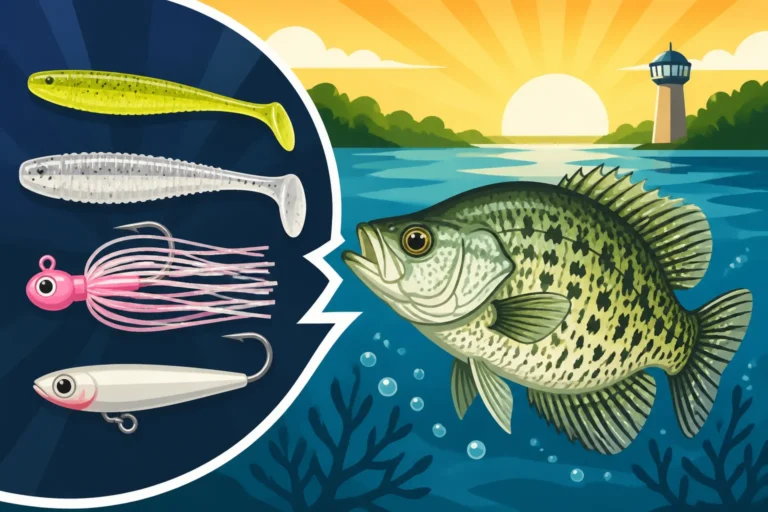
- Jigging: Small jigs (1/16 to 1/8 ounce) tipped with soft plastic bodies (grubs, tubes, swimbaits) are classic crappie getters. Fish them vertically over structure or cast and retrieve slowly near cover. Vary your retrieve until you find what they like.
- Live Minnows: A small live minnow under a slip bobber or tight-lined is often irresistible to crappie. This can be a slower method but is incredibly effective when fish are finicky.
- Spider Rigging/Trolling (Boat Only): If you have a boat and want to cover water, spider rigging multiple rods with jigs or minnows at different depths can quickly locate schools of crappie. This is more of an efficiency technique for finding them quickly.
- Pro Tip: Bring a small sonar unit if you have a boat. Locating submerged brush piles or schools of baitfish holding crappie can save immense amounts of time. Check out our detailed Crappie Fishing Techniques for Mississippi Lakes for more ideas.
Bream and Bluegill: Consistent Action for All Skill Levels
Don't overlook these panfish! Bream and bluegill (often collectively called sunfish) are abundant in Ross Barnett and can provide consistent, fast-paced action, which is perfect for a short morning trip.
- Why They're Ideal: They are almost always willing to bite, making them a great choice for less experienced anglers or when other species are slow. They are typically found in shallow, accessible areas.
- Where to Find Them: Look for bream and bluegill around shallow docks, lily pads, brushy banks, and areas with submerged vegetation. They love cover and are often found in large schools.
- Recommended Techniques:
- Live Bait: Crickets, worms (redworms or wigglers), and small pieces of earthworm are incredibly effective. Fish them under a small bobber with a tiny hook.
- Tiny Jigs/Spinners: Small inline spinners or micro-jigs (1/32 or 1/64 ounce) can also catch plenty of bream, especially if you want to use artificials.
- Pro Tip: These fish are often found very close to the bank, so a stealthy approach and quiet casting are beneficial. For more insights, refer to Bream and Bluegill Fishing in Mississippi.
Gear and Tactics for Quick Mornings
Success in a pre-work fishing window hinges not just on knowing where and what to fish, but on being organized, efficient, and having the right minimalist gear.
The Lean Tackle Approach: Less is More
When time is short, you absolutely cannot afford to be fumbling through a giant tackle box. Your approach to gear needs to be streamlined.
- Minimalist Tackle Box: Instead of your massive, multi-tray behemoth, pack a small, compact tackle box or a couple of soft-sided lure bags. Fill it only with the lures and terminal tackle you intend to use for your targeted species. For example, if you're chasing bass with topwater, bring a selection of topwater baits, some Texas rig weights and hooks, and maybe a few soft plastics. Having a pre-packed, small tackle box with your go-to lures, maybe even some specific topwater frogs or spinnerbaits you picked up on Amazon, can shave off precious minutes.
- Rod and Reel Setup: Stick to one or two versatile setups. A medium-action spinning rod (6'6" to 7') is excellent for a wide range of applications, from casting small crappie jigs to working topwater bass baits. If you're primarily bass fishing, a medium-heavy baitcasting setup for heavier lures might be your choice. The key is to have them rigged and ready to go. Consider checking out our guide on Choosing the Right Rod and Reel for Mississippi Fishing for suggestions.
- Essential Accessories:
- Headlamp: Absolutely critical for navigating in the pre-dawn hours, whether you're rigging up or walking to a bank spot. You can find excellent, waterproof models with long battery life on Amazon.
- Pliers/Line Cutters: Keep these easily accessible for quick hook removal or line changes.
- Small Cooler/Livewell: If you plan on keeping fish, a small soft-sided cooler with ice or a compact aerated livewell will suffice.
- Snacks/Water: A small bottle of water and an energy bar can make a big difference, especially on warmer mornings. Don't forget the creature comforts either – a durable thermos for that essential morning coffee or a quick-drying towel to keep things tidy can be easily sourced from Amazon.
Boat vs. Bank Fishing for Time Efficiency
Both boat and bank fishing have their merits for quick morning trips. Your choice depends on your access and priorities.
- Bank Fishing: This is often the most time-efficient option. If you have easy access to productive shorelines at Ross Barnett, you can literally be casting within minutes of arriving. Look for public access points, fishing piers, or shoreline trails. Focus on areas with immediate cover or drop-offs near the bank. Best Bank Fishing Spots on Ross Barnett Reservoir can help you pinpoint good locations.
- Pros: Minimal setup, no boat launching/retrieving, often free or low-cost access.
- Cons: Limited range, can be crowded, may not reach the best fish-holding structure.
- Boat Fishing: Offers greater versatility and access to prime spots, but requires more time for launching and retrieving. If you have a boat, consider a ramp that's close to your target fishing area to minimize travel time on the water.
- Pros: Access to more productive areas, ability to cover more water, reach offshore structure.
- Cons: Requires a good 20-30 minutes for launch/retrieve, more gear to manage, potential for ramp delays. If you're launching a boat, think minimal. A single, charged battery for your trolling motor and maybe a small portable cooler (plenty of options on Amazon) are often all you need. Our list of Ross Barnett Reservoir Boat Ramp Locations can help you choose the most efficient launch for your target area.
Strategic Table: Morning Fishing at Ross Barnett
Here's a quick reference to help you plan your pre-work trip effectively:
| Species | Ideal Morning Conditions | Recommended Techniques & Lures | Key Locations at Ross Barnett | Time Efficiency |
|---|---|---|---|---|
| Largemouth Bass | Low light (pre-dawn to 1 hr after sunrise), 60-80°F water | Topwater (frogs, poppers, buzzbaits), Spinnerbaits, Weightless Worms | Shallow cover: hydrilla edges, lily pads, docks, cypress trees | High (aggressive strikes, cover water) |
| Crappie | Low light, stable temps, 55-70°F water | Small Jigs (grubs, tubes), Live Minnows (under bobber), Spider Rigging | Brush piles, submerged timber, bridge pilings, shallow spawning areas | Medium-High (schools, consistent bite) |
| Bream/Bluegill | Any light, any warm water (>65°F) | Crickets, Worms (under bobber), Tiny Jigs/Spinners | Shallow docks, lily pads, brushy banks, vegetation | High (always biting, easy access) |
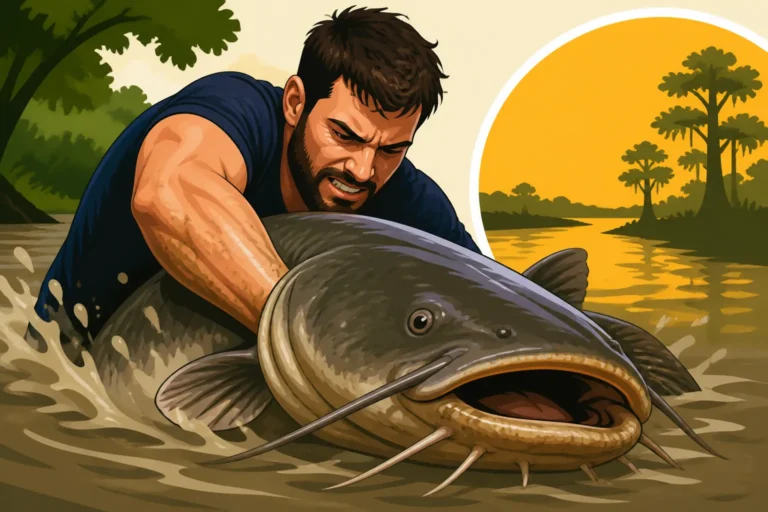
| Catfish | Pre-dawn darkness, cloudy mornings, stable weather | Cut Bait, Worms, Stink Baits (on bottom rigs) | Deeper channels, ledges, creek mouths, structure | Medium (can take time to locate, slower bite) |
Maximizing Your Limited Time on the Water
Every minute counts when you're trying to fish before work. Beyond gear and species selection, having a solid game plan for efficient fishing is paramount.
Location, Location, Location: Instant Access Spots
Your most critical decision for a pre-work trip is where you're going to fish. Don't venture to a new, unfamiliar spot. Stick to known, productive areas that are easy to access.
- Proximity is King: Choose a launch or bank access point that's as close as possible to your house and to a proven fishing spot. The less time you spend driving or running your boat, the more time you'll spend fishing.
- Target High-Percentage Areas: Focus on spots that typically produce fish early in the morning. This might be a specific lily pad field where you know bass ambush bait, a brush pile holding crappie, or a particular bank stretch where bream congregate. Don't waste precious minutes exploring; hit your honey holes. Our article on Best Time of Year to Fish Ross Barnett Reservoir often highlights spots that are hot during specific seasons.
- Quick Shoreline Access: If bank fishing, identify areas that are clear of dense brush or steep banks, allowing for easy casting and movement. Look for defined points, coves, or areas where current brings baitfish closer to shore.
The Short Window Strategy: Fish Fast, Fish Smart
With a looming work schedule, you need to be strategic in your fishing approach.
- No Time for Tinkering: Rig your rods the night before. Tie on your chosen lures. Charge your boat batteries. Lay out your clothes and pack your coffee. Eliminate any steps in the morning that aren't directly related to fishing.
- Cover Water Efficiently: If you're targeting bass with topwater or spinnerbaits, cast rhythmically and keep moving along the shoreline or around structure. Don't linger too long in one spot if it's not producing. For crappie, once you find a school, work it thoroughly before moving on.
- Adapt Quickly: If your primary bait isn't working after 15-20 minutes, switch it up. Have a backup plan. If bass aren't hitting topwater, try a weightless worm or a spinnerbait. If crappie aren't biting jigs, try a minnow. The goal is to get bites, not to stubbornly stick to one technique.
- Set a Hard Stop Time: Decide beforehand when you must leave the water to make it to work on time. Stick to it. Don't risk being late for the sake of one more cast. Even if the fish are biting, knowing when to quit is part of being a responsible angler.
Safety and Awareness in Low Light
Even on short trips, safety should always be your priority, especially when fishing in low light.
- Vessel Lights (Boat): Ensure your boat's navigation lights are functioning if you're launching before dawn. It's not just a regulation; it's vital for avoiding collisions.
- Personal Flotation Device (PFD): Wear your PFD, especially when operating a boat in low light or cooler temperatures. Accidents can happen quickly.
- Know Your Surroundings: If bank fishing, be aware of uneven terrain, slippery banks, and potential wildlife. A headlamp is crucial for safe footing.
- Check the Weather: Even if it's clear when you leave, a quick check of the morning forecast for unexpected storms or high winds is a smart move. To stay on top of local weather without fiddling with your phone, a dedicated weather radio or a smart device that can quickly pull up forecasts, often sourced through services like Amazon Alexa, can be incredibly helpful.
The Power of Routine
Building a consistent routine for your pre-work fishing trips will make them smoother and more enjoyable.
- Pre-Trip Prep: Develop a checklist for what you need to do the night before: charge batteries, rig rods, pack snacks/coffee, check weather.
- Post-Trip Routine: Have a plan for cleaning up your gear and yourself quickly once you're off the water. A designated spot for muddy boots or wet gear can keep your car clean and save you time.
- Embrace the Small Victories: Even if you only catch a few fish or none at all, the peace and quiet of being on the water before the daily grind begins is a reward in itself. It's about the experience as much as the catch.
By being intentional with your preparation, choosing the right spots, and focusing on efficient tactics, those precious pre-work hours at Ross Barnett Reservoir can become a cherished part of your routine. You can enjoy the thrill of the bite, the serenity of the sunrise, and still clock in on time, feeling like you've already won the day.
Disclaimer
This article is for general informational purposes only and does not constitute professional advice. Laws, prices and regulations vary by location and change over time. Consult a qualified professional for guidance on your specific situation.