Best Time to Fish Before a Cold Front Arrives
We've all been there: you plan a perfect fishing trip, maybe even take a day off work, and then the weather forecast shifts. That ominous "cold front" appears, and suddenly, you're wondering if you should even bother. It's frustrating to feel like your carefully laid plans are doomed by a weather system. But here's a little secret from us seasoned anglers: a cold front isn't always the kiss of death for fishing. In fact, the moments leading up to it can be some of the most productive you'll ever experience. This guide is all about helping you recognize those crucial hours before a cold front hits, so you can adapt your strategy and turn a potential washout into an epic fishing memory.
Understanding the Pre-Front Advantage: Why Fish Get Hyperactive
It might seem counterintuitive, but many fish species actually go on a feeding binge right before a significant weather change. They don't have a weather app, of course, but they are incredibly sensitive to changes in their environment, especially atmospheric pressure and water conditions. This sensitivity is precisely what creates that golden window of opportunity for anglers who know how to read the signs.
Why Fish Feel the Urgency to Feed
Imagine you know a big storm is coming, and you want to stock your pantry. Fish operate on a similar instinctual level. As a cold front approaches, there's a noticeable drop in barometric pressure. This subtle but significant change in atmospheric pressure has a profound effect on fish. Their swim bladders, which help them maintain buoyancy, are directly impacted by external pressure. A sudden drop can make them feel uncomfortable, and more importantly, it signals an impending shift in conditions.
Beyond the barometric pressure, cold fronts often bring with them increased cloud cover and sometimes stronger winds. This can churn up the water, distributing oxygen more evenly and, critically, making baitfish more disoriented and vulnerable. For predatory fish like bass, crappie, and catfish, this combination of factors creates a clear imperative: eat now, because foraging might get tougher and less productive once the front actually passes and the high-pressure system settles in. It's not just about hunger; it's about preparation for leaner times. They're trying to pack on calories while the picking is good and before their metabolism potentially slows down in the colder, clearer post-front conditions.
The "Feeding Frenzy" Window: Timing is Everything
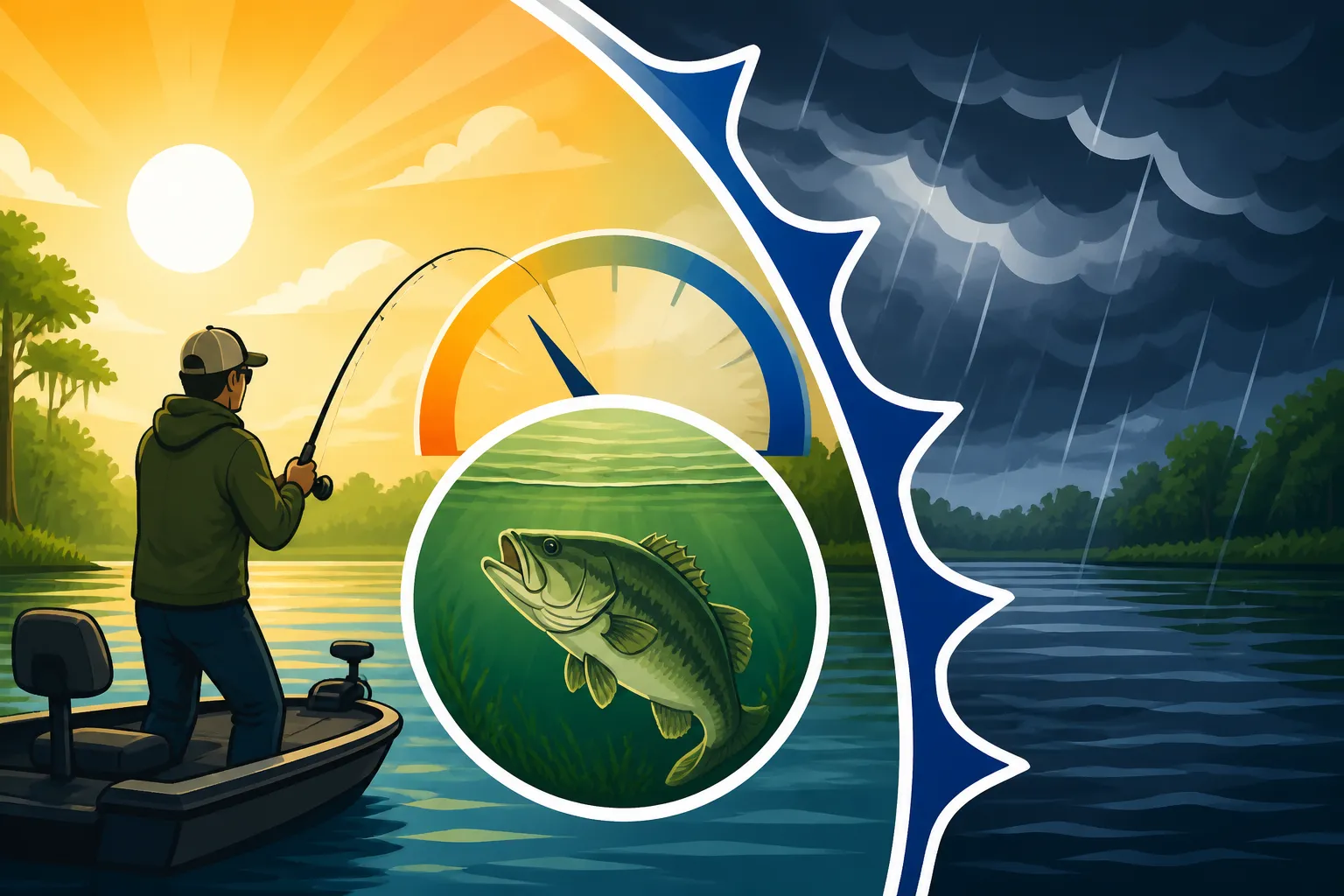
This pre-front feeding frenzy isn't an all-day affair; it's a specific, often relatively short, window. Typically, the most intense activity occurs anywhere from 12 to 24 hours before the actual front arrives. This is when the barometric pressure is steadily falling, the air might feel heavy, and you'll often notice a shift in wind direction or an increase in its intensity.
Let's say a strong cold front is predicted to move through your area in Mississippi around midnight. You might find that the late afternoon and early evening leading up to it are prime fishing times. The fish are already feeling that pressure drop and reacting to the changes. If the front is milder or moving slower, that window could extend for a longer period, perhaps even through an entire day. It's about being on the water when the conditions are transitioning, not after they've stabilized post-front. This critical timing means keeping a close eye on the forecast and being ready to drop everything and head out to your favorite fishing spot.
Species-Specific Responses to Approaching Fronts
While many fish respond to an approaching cold front, some species react more dramatically than others. Understanding these nuances can help you target the right fish with the right tactics.
- Largemouth Bass: These aggressive predators are often among the first to "turn on" before a front. They'll move shallower, become more active, and chase down bait with gusto. Think about fishing for Largemouth Bass Fishing in Mississippi during this time.
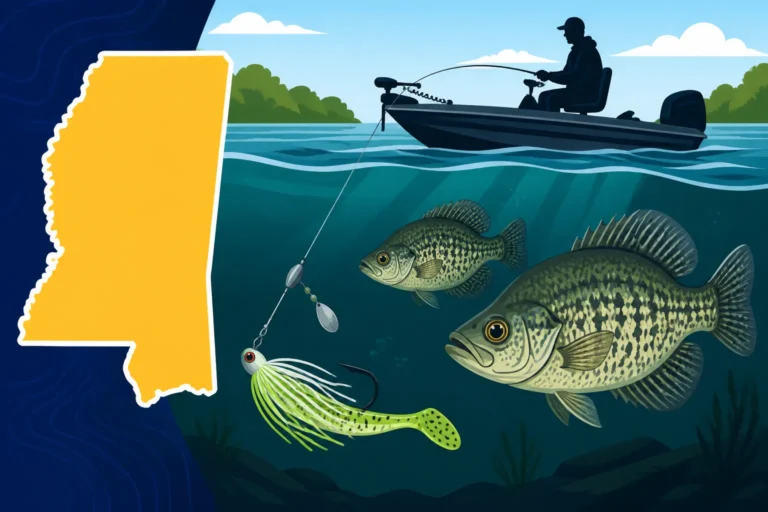
- Crappie: Crappie can also become very active, moving to the edges of cover or suspending just off structure as they feed heavily on baitfish. They might even be found a bit shallower than usual as they take advantage of the disoriented bait. For tips on how to catch them, check out our guide on Crappie Fishing Techniques for Mississippi Lakes.
- Catfish: Catfish, always opportunistic feeders, will also sense the change. They might become more active in their feeding lanes, searching for easy meals along river channels or lake bottoms. Our article on Catfish Fishing Techniques offers some excellent insights into their habits.
- Bream/Bluegill: Even smaller panfish like bream and bluegill will often feed more actively, though perhaps less dramatically than their larger counterparts. They'll stick to their usual haunts but might be less finicky about what they eat.
Knowing which species are most likely to bite can help you prioritize your tackle and locations. For instance, if you're primarily a bass angler, the pre-front period is your chance to shine with fast-moving baits.
Reading the Signs: How to Predict a Cold Front
Being prepared means being able to accurately predict when that magic pre-front window will occur. You don't need to be a meteorologist, but understanding a few key indicators will give you a significant advantage.
Utilizing Modern Weather Apps and Forecasts
Gone are the days of guessing based solely on cloud formations. Today, we have a wealth of information at our fingertips. Reliable weather apps and online forecasts are your best friends here. Don't just look at the temperature and chance of rain; dig a little deeper.
- Barometric Pressure: This is the most critical factor. Look for forecasts that show a steady drop in barometric pressure. A falling barometer indicates a front is on its way. Once the front passes, the pressure will usually rise sharply and stabilize at a higher level, which typically means tougher fishing. Many advanced weather apps include a barometric pressure graph.
- Temperature Trends: Notice if temperatures are predicted to drop significantly over a short period. A sharp drop is a hallmark of a cold front.
- Wind Shifts: Pay attention to wind direction and speed. Often, before a cold front, winds will pick up and might shift from a southerly direction to a more westerly or northerly one. This can significantly influence How Wind Direction Affects Bass Fishing and other species.
- Cloud Cover: An increase in cloud cover, often thickening from wispy cirrus clouds to lower, denser cumulus or stratus clouds, is another visual cue that a front is approaching.
I personally like to check a couple of different sources to get a consensus. There are even specialized fishing weather apps that try to correlate these atmospheric changes directly with fish activity, which can be super helpful. Just remember, these are predictions, so always keep an eye on the actual conditions too.
The Crucial Role of Barometric Pressure Changes
Let's dive a little deeper into barometric pressure because it truly is the lynchpin for understanding pre-front fishing. Barometric pressure is essentially the weight of the air above us. Fish are highly attuned to these changes because, as mentioned, it affects their swim bladders.
- Falling Pressure: When the pressure is steadily falling, it indicates a low-pressure system is moving in, which is characteristic of an approaching front. Fish feel this and often react by feeding. It makes them feel "lighter" in the water, too, potentially making them more comfortable to move and hunt. This is your cue to get on the water. For more details on this, look up Best Barometric Pressure for Fishing.
- Stable Low Pressure: If the pressure is low but stable, fish might still be somewhat active, but usually not with the same urgency as during a falling trend.
- Rising Pressure (Post-Front): Once the cold front has passed, a high-pressure system typically settles in, and the barometric pressure rises and stabilizes. This is often accompanied by clear skies and cooler temperatures. This sudden increase in pressure can make fish feel "heavy" and uncomfortable, sending them deeper or into thick cover, making them much harder to catch.
You can even get small, portable barometers that you can take with you on the boat or in your tackle box to monitor the trend in real-time. Finding one on Amazon could be a smart move if you're serious about tracking these changes.
Visual Cues and Natural Indicators on the Water
While technology helps, don't ignore what nature is telling you directly. Your eyes and ears can confirm what the forecast is suggesting.
- Darkening Skies and Shifting Winds: Observe the sky. Are clouds building up and getting darker? Is the wind picking up suddenly, perhaps from a direction you don't usually experience? These are classic signs of an approaching front.
- Wildlife Behavior: Pay attention to other wildlife. Birds might become more active or fly lower. Squirrels might be frantically gathering nuts. These animals also sense impending changes and often react with increased activity or by seeking shelter.
- Insect Activity: Sometimes, a sudden burst of insect activity (like flies or gnats) can be a sign of a pressure drop, which in turn can bring baitfish to the surface, followed by the predators.
- Water Clarity and Temperature: While cold fronts often bring cooler air, the water temperature might not change immediately. However, if strong winds churn the water, you might notice a change in clarity or surface chop.
Combining all these observations – the forecast, the barometric pressure, and what you see and feel on the water – will give you the most accurate picture of when that pre-front feeding window is open.
Adapting Your Tactics for Pre-Front Success
Now that you know when to fish, the next crucial step is how. Fish behavior changes significantly before a front, so your usual methods might not be the most effective. This is the time to be bold and aggressive.
Lure and Bait Choices: Go Bold and Fast
Because fish are actively feeding and often chasing, this is not the time for subtle, finesse presentations. You want to trigger a reaction bite, capitalize on their urgency, and cover water effectively.
-
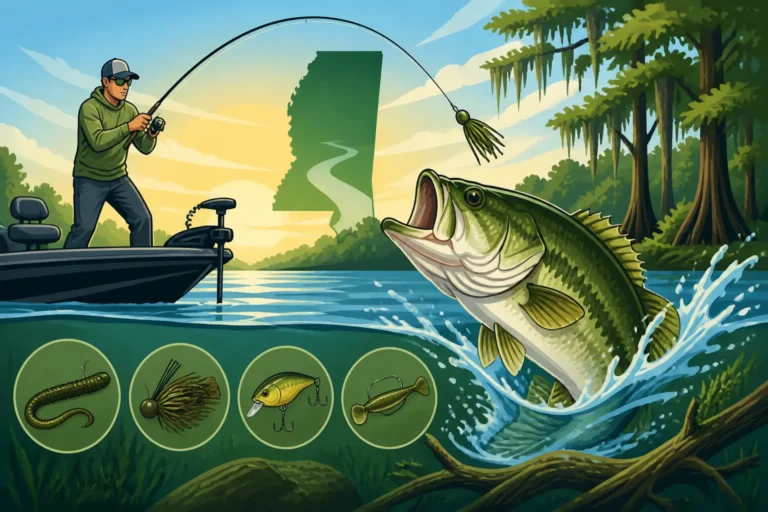
For Bass: Think loud, flashy, and fast-moving.
- Spinnerbaits: Chartreuse and white or silver blades are often excellent choices. Their flash and vibration mimic fleeing baitfish. You can find a wide variety of these on Amazon.
- Crankbaits: Medium to deep-diving crankbaits in shad or crawfish patterns are fantastic for covering larger areas and bumping off submerged structure. Choose ones with rattles for extra appeal.
- Bladed Jigs (Chatterbaits): These combine the flash of a spinnerbait with the erratic action of a jig, often irresistible to aggressive bass.
- Topwater Lures: If conditions are right (low light, calm water), even a big walking bait or popper can draw explosive strikes as bass feed upwards.
- For more specific lure advice, check out Best Lures for Largemouth Bass.
-
For Crappie: While crappie can be finicky, before a front, they often become more willing to chase.
- Jigs: Tipping a brightly colored jig (like chartreuse, pink, or white) with a minnow can be deadly. Don't be afraid to use slightly larger jigs than usual.
- Minnows: Live minnows are always a top choice for crappie. Before a front, they might be more inclined to chase a lively minnow. Consider buying a good aerator to keep your minnows active, many options are available on Amazon.
- Small Crankbaits: Very small, shallow-diving crankbaits can be surprisingly effective for active crappie, especially when trolled slowly around brush piles or creek channels.
-
For Catfish: Catfish are already prone to strong scents and aggressive takes, and this amplifies before a front.
- Cut Bait: Fresh cut bait (shad, skipjack, or even legal panfish) allowed to sit on the bottom in known feeding areas is fantastic. The strong scent will draw them in.
- Prepared Baits: Stink baits or blood baits can also be very effective. Ensure your bait is fresh and smelly.
- Large Worms: A big wad of nightcrawlers can attract hungry channel catfish.
The key is often to size up your presentation slightly and increase your retrieval speed or bait presentation's activity.
Locating Active Fish: Where to Find the Pre-Front Feeders
Fish will often move to specific areas to take advantage of the pre-front conditions. Knowing these hotspots can save you a lot of time.
- Shallow Flats and Points: As pressure drops and clouds increase, bass will often push up onto shallow flats, especially those with access to deeper water nearby. Points leading into major creek channels are also excellent ambush spots. They'll be looking for baitfish that are also moving shallower.
- Creek Channel Edges and Bends: Crappie and catfish will often position themselves along the edges of creek channels, particularly on bends where baitfish might be concentrated by current or wind. These areas provide easy access to deeper water if they need to retreat but put them right in a feeding corridor.
- Dense Cover: While fish are active, they still appreciate cover. Look for brush piles, submerged timber, lily pad fields, or grass lines adjacent to open water. They'll use this cover to ambush prey.
- Wind-Blown Banks: A steady wind pushing across a point or bank can concentrate baitfish, making it a prime feeding ground for predators. If you find a good wind-blown bank, it's worth exploring thoroughly.
Don't be afraid to cover a lot of water initially. The fish will tell you where they are by reacting to your presentations. Once you get a bite, slow down and thoroughly work that area.
Speed and Aggression: The Name of the Game
This is probably the most important tactical adjustment for pre-front fishing. Forget slow, subtle retrieves. This is the time to be aggressive.
- Fast Retrieves: When throwing spinnerbaits or crankbaits for bass, reel them in at a quicker-than-average pace. The goal is to trigger a reaction strike from fish that are actively feeding and don't want to miss an easy meal.
- Power Fishing: Utilize "power fishing" techniques where you cover a lot of water quickly. Fan-cast an area with a search bait, then move on if you don't get bites. Don't linger too long in unproductive spots.
- Erratic Action: Impart an erratic action to your lures. A jerkbait fished with sharp twitches and pauses, or a jig hopped aggressively off the bottom, can mimic an injured or fleeing baitfish, making it an irresistible target.
- Up-Sizing Your Gear: Don't be afraid to use slightly heavier line or a more powerful rod to handle larger, more aggressive fish and to extract them quickly from cover. You want a robust fishing line that can handle the fight, and you can always stock up on reliable spools from Amazon.
Think of it as exploiting their urgency. They're trying to get a meal before things shut down, so make it easy for them to commit to your bait.
Gear Considerations for Approaching Weather
When a cold front is coming, you'll want to make sure your gear is up to snuff and you're comfortable. The weather can change quickly!
- Rain Gear: Even if rain isn't initially in the forecast, having a good quality rain jacket and pants is essential. You don't want to be caught unprepared if a squall moves through before the main front.
- Layered Clothing: Temperatures can drop sharply after the front, but the pre-front period might still be warm. Dressing in layers allows you to adjust to changing conditions.
- Reliable Rods and Reels: Ensure your rods have enough backbone to handle potential big fish and your reels are smooth and properly spooled. This isn't the day for tackle failures. You might even consider upgrading some of your basic tackle by browsing options on Amazon.
- Tackle Organization: Keep your tackle organized and easily accessible. When fish are biting, you don't want to waste time fumbling for the right lure or tying knots. A good tackle box or bag can make all the difference, and finding a suitable one on Amazon is simple.
Being prepared with the right gear ensures you can focus on the fishing, not on being cold, wet, or fighting with tangled lines.
Post-Front Reality Check: Why Fishing Gets Tougher Later
While the focus of this guide is on the pre-front advantage, it's important to understand why fishing becomes so challenging after a cold front passes. This understanding reinforces the need to capitalize on that earlier window.
The Shock Factor for Fish
Once the cold front has officially moved through, the weather dramatically shifts. The barometric pressure rises sharply and stabilizes at a high level. Skies often clear, winds might die down or settle from a steady direction, and temperatures drop. For fish, this is like a sudden shock to their system.
The stable high pressure makes them feel uncomfortable, often pushing them deeper or tight into heavy cover. The clear skies allow more light penetration into the water, making them more wary and spooky. Their metabolism often slows down with the colder temperatures, reducing their need to feed actively. It's not that they stop eating entirely, but they become much more lethargic, less aggressive, and considerably harder to tempt. They might retreat to deep sanctuaries, suspended off structure, or burrowed deep into brush piles. This drastically changes how you should approach them, requiring much slower, more subtle presentations.
Trying to replicate that pre-front feeding frenzy after the front has passed is usually a recipe for frustration. Instead of chasing active fish, you'd be trying to coax lethargic fish into biting, often requiring finesse techniques, smaller baits, and excruciatingly slow retrieves. That's why that pre-front window is so valuable – it's the period of peak activity before the "lockdown" occurs.
Summary of Cold Front Fishing Strategies
To help you quickly grasp the differences in strategy, here's a brief overview:
| Factor | Pre-Front (Falling Pressure) | Post-Front (Rising, Stable High Pressure) |
|---|---|---|
| Fish Activity | Highly active, aggressive, feeding frenzy | Lethargic, spooky, seek deep cover |
| Location | Shallower, points, creek channel edges, wind-blown banks | Deeper water, tight to heavy cover, suspended |
| Lure/Bait Choice | Large, flashy, noisy, fast-moving artificials; active live bait | Small, subtle, natural colors, finesse baits; slow-moving live bait |
| Presentation Style | Fast retrieves, power fishing, erratic action | Slow, subtle, careful, precise casts |
| Best Time to Fish | 12-24 hours before front arrives | Very challenging, often requires patience and finesse |
| Gear Focus | Versatile, strong rods/lines, rain gear | Sensitive rods, light line, stealth |
This table really highlights why timing is everything, and why understanding the subtle signs of an approaching cold front can be the difference between a frustrating day and a fantastic one. By adjusting your approach to match the fish's pre-front behavior, you're setting yourself up for success in Mississippi's diverse waters.
Disclaimer
This article is for general informational purposes only and does not constitute professional advice. Laws, prices and regulations vary by location and change over time. Consult a qualified professional for guidance on your specific situation.