Best Time of Year for Catfish Fishing in Mississippi
Figuring out the absolute best time to hit the water for catfish in Mississippi can feel like trying to solve a riddle. You hear stories of monster catches in the summer, whispers of steady bites in the fall, and even tales of winter lunkers. It’s enough to make you wonder if there’s a secret calendar only the pros get to see. But don't you worry, because this guide is going to break down the rhythms of Mississippi catfishing, helping you understand when and why these powerful fish are most active, no matter what month it is.
Understanding Catfish Behavior Through the Seasons
Catfish are fascinating creatures, and their behavior shifts dramatically with the changing seasons, largely dictated by water temperature and their biological drive. Knowing these patterns is half the battle when it comes to consistently finding and catching them.
Spring: Pre-Spawn and Spawning Frenzy
Ah, spring in Mississippi! The air warms up, the trees green, and the catfish start to shake off their winter lethargy. This is a truly exciting time for catfish anglers.
As the water temperatures climb from the high 50s into the 70s, catfish become incredibly active. Initially, they're in a pre-spawn feeding frenzy, trying to pack on calories before the rigors of reproduction. They'll move out of their deep winter holes and start exploring shallower areas, especially those with cover like submerged logs, rock piles, or undercut banks. Look for them in depths of 5 to 15 feet, particularly where there’s a good food source washing in, like creek mouths or points near deeper water. This is when your bait choices, like fresh cut bait or even worms, become irresistible as they gorge themselves.
Once the water hits that sweet spot, typically between 68-75 degrees Fahrenheit, the catfish will begin to spawn. Unlike some fish that make elaborate nests, catfish seek out dark, secluded spots like hollow logs, old tires, rock crevices, or even muskrat holes. During the spawn itself, the bite can sometimes slow down because their focus is elsewhere. However, before and immediately after this intense period, they are aggressive and hungry. Don't be afraid to fish tighter to cover and structure during this time; those big males guarding nests can be incredibly territorial and will strike anything they perceive as a threat. Knowing the general Mississippi Fishing Season Dates and Limits for different species, including catfish, can help you plan your spring outings effectively.
Summer: Deep Water and Nighttime Opportunities
When Mississippi summers arrive, bringing with them scorching heat and high water temperatures, catfish adapt by seeking refuge in cooler, deeper waters. This is when the deeper parts of our large reservoirs and the main channels of major rivers become prime real estate for whiskerfish.
During the daytime, especially when the sun is high, you'll often find channel cats, blue cats, and flatheads congregating in deep holes, along ledges, or near the thermocline if it exists in a particular lake. They’re looking for stable temperatures and oxygen. Fishing vertically with heavy weights right on the bottom or using methods like Jug Fishing and Trotline Setup in open, deep water can be incredibly effective. However, the heat also ushers in one of the most exciting times for catfishing: night fishing. As the sun sets and the surface water cools, catfish will often move shallower to feed, making them more accessible from the bank or in shallower boat-accessible areas. Many anglers swear by Night Fishing for Catfish in the summer, finding that the biggest blues and flatheads are more active under the cloak of darkness.
Fall: Feeding Blitz Before Winter
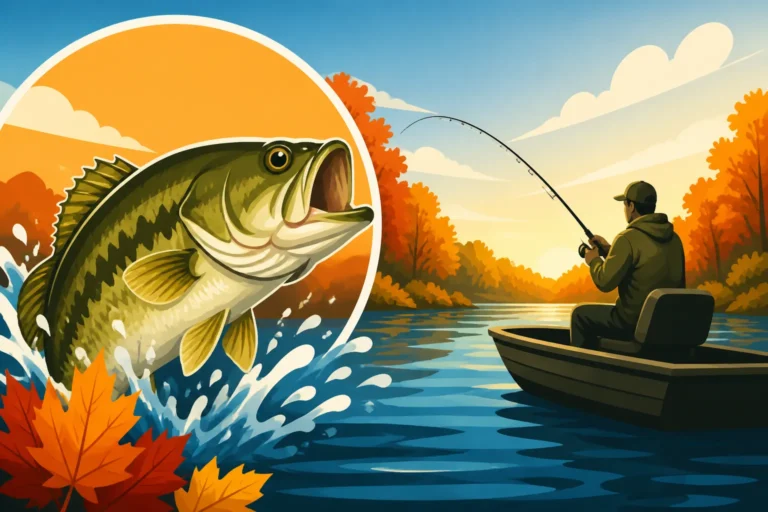
As the air cools and the leaves begin to turn, fall ushers in another fantastic period for catfish fishing in Mississippi. This season is characterized by a second major feeding spree as catfish prepare for the leaner winter months.
Water temperatures gradually drop, stimulating catfish to bulk up. They’ll often spread out from their deep summer haunts and become more active across a wider range of depths, similar to spring. Look for them along creek channels, points, and even flats where baitfish are abundant. Shad, minnows, and other forage species are often schooling up and moving, and catfish are right on their tails. Fresh cut bait, especially shad, becomes incredibly potent during this time. Drifting with cut bait or slow-trolling can cover a lot of water and help you locate actively feeding fish. The consistent, cooler temperatures often lead to more predictable bites throughout the day compared to the extremes of summer.
Winter: Slow and Steady Rewards
Winter catfishing in Mississippi might not offer the fast-paced action of spring or fall, but it can still be incredibly rewarding for those with patience. The key to winter success lies in understanding that catfish metabolism slows down significantly in cold water.
As water temperatures dip below 50 degrees, catfish become lethargic and less inclined to chase food. They'll typically concentrate in deep, stable areas like river bends, the deepest sections of reservoirs, or large creek channels. Finding these "wintering holes" is crucial. Once you locate a concentration of fish, the bite can be steady, albeit slow. Presentation is paramount: think small baits, fished slowly and directly on the bottom. Don't be afraid to downsize your hook and bait. Prepared baits or smaller chunks of cut bait might entice a slow-moving catfish that wouldn't expend energy for a large offering. While not as thrilling for quantity, winter can often produce some surprisingly large, healthy catfish for dedicated anglers.
Factors Influencing Catfish Activity Beyond the Calendar
While seasons provide a general roadmap, a truly successful catfisherman in Mississippi knows that other environmental factors play a huge role. Ignoring these details can mean the difference between a full stringer and an empty cooler.
Water Temperature: The Master Key
Water temperature is, without a doubt, the single most critical factor influencing catfish activity. It dictates everything from their metabolism and digestion to their spawning urges and where they choose to reside.
- Cooler Water (Below 50°F): As mentioned, catfish become slow and concentrated. They need less food, and they won't move far to get it. Think deep, still water, and very slow presentations.
- Optimal Range (65-75°F): This is the magic zone for aggressive feeding and spawning. Catfish are active, chasing bait, and generally more spread out. This temperature range is usually hit during late spring, early summer, and throughout much of the fall in Mississippi.
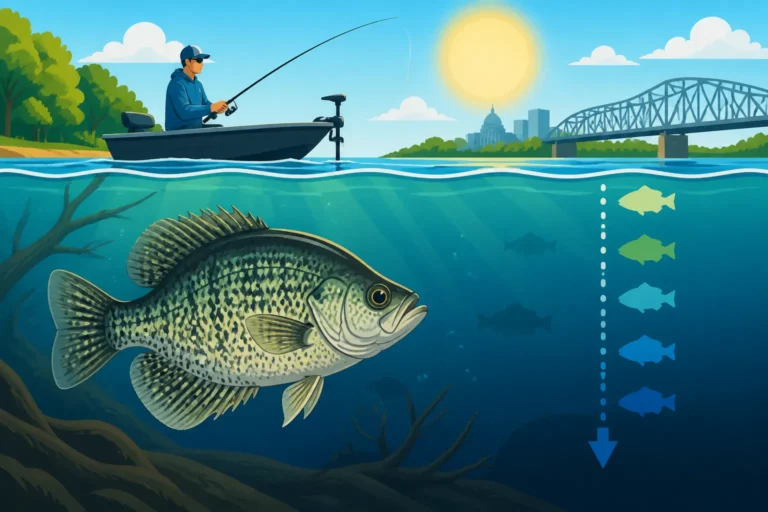
- Warmer Water (Above 80°F): While they can tolerate warm water, extreme heat pushes them deeper to find cooler, more oxygenated water. This is when How Deep Do Crappie Go in Summer applies to catfish too, as they seek similar thermal refuges. Nighttime becomes prime feeding time as surface temperatures drop.
Understanding the water temperature of your specific fishing spot is far more important than just glancing at a calendar. A cold front in May could push fish back into deeper patterns, just as an unseasonably warm spell in November could keep them active in shallower areas longer.
Barometric Pressure and Weather Patterns
Just like many other fish, catfish are sensitive to changes in barometric pressure. Think of it as a subtle "weather report" for fish that impacts their comfort levels and feeding habits.
- Stable High Pressure: Often leads to good, consistent fishing. The weather is clear, and the fish are comfortable in their patterns.
- Falling Pressure (Pre-Front): This is often one of the absolute best times to fish for catfish. As a cold front approaches and the pressure drops, fish tend to feed aggressively, sensing the upcoming change. They’re trying to pack in food before the weather gets nasty. Many anglers make it a point to head out right before a storm hits, knowing the bite can be incredible.
- Rising Pressure (Post-Front): After a cold front passes and high pressure settles in, fishing can be tough. The water might clear, the air gets colder, and the fish often become lethargic and reluctant to bite. It's a prime example of Fishing After a Cold Front where patience and slower tactics are essential.
Paying attention to local weather forecasts and understanding Best Weather Conditions for Catfish Fishing can significantly improve your success rate. A simple weather app on your phone can give you a heads-up on pressure changes, helping you plan your trips strategically.
Time of Day and Moon Phases
While catfish are often thought of as primarily nocturnal, their activity levels can fluctuate significantly throughout the day, and even the moon's cycle can play a role.
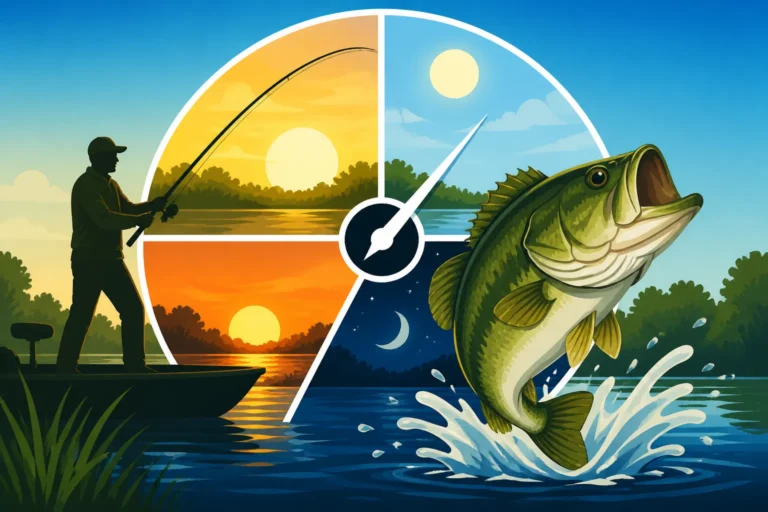
- Dawn and Dusk: These transitional periods are almost always prime for catfishing, regardless of the season. The lower light conditions give catfish a predatory advantage, and they'll often move into shallower areas to forage.
- Nighttime: Especially in summer, night fishing for catfish can be phenomenal. Larger, more cautious fish will often venture out under the cover of darkness. This is when you can target those trophy blue and flathead catfish in big river systems or large reservoirs.
- Mid-day: In cooler months, or during overcast days, catfish can still be active during the middle of the day, particularly if they're holding in deep, stable areas. In summer, mid-day fishing usually means going deep.
- Moon Phases: Some anglers swear by moon phases, with anecdotal evidence suggesting that fishing can be better during a full moon or new moon, or during specific "major" or "minor" feeding times predicted by lunar tables. While not universally agreed upon, many find that a full moon, in particular, can stimulate increased nighttime activity, making the best time of year for catfish fishing in Mississippi even more specific during certain lunar cycles. You can often find fishing calendars that incorporate moon phases on outdoor supply sites like Amazon.
Top Baits and Techniques for Seasonal Catfish Success
The right bait and technique can make all the difference, and what works wonders in spring might get you skunked in winter. Matching your approach to the season is crucial for consistent catches.
Spring and Fall Favorites
These seasons are generally the most active for catfish, meaning you can often get away with a wider variety of baits and more aggressive presentations.
- Cut Bait: Hands down, fresh cut bait is king for channel and blue catfish during spring and fall. Shad, skipjack, or even smaller panfish cut into chunks release strong scent trails that catfish find irresistible. For flatheads, live bait is usually preferred, but a lively cut bait can still entice them. Knowing Best Bait for Catfish in Mississippi will certainly help you narrow down your choices, but fresh is almost always best.
- Worms: Good old nightcrawlers and earthworms are fantastic for channel catfish, especially smaller ones, and can also pick up flatheads. They're particularly effective in smaller lakes, ponds, and slower-moving rivers.
- Prepared Baits (Stink Baits): These pungent baits, often in dip or punch forms, are excellent for channel catfish, especially when they're actively feeding. They're convenient and easy to use, making them a popular choice for bank anglers.
- Bottom Fishing: The most common technique. Use a Carolina rig or a three-way swivel rig to keep your bait on the bottom where catfish are often feeding. In rivers, use enough weight to hold your bait in place against the current.
- Drifting/Controlled Drifting: In larger lakes and reservoirs, drifting with cut bait or worms behind your boat can be very effective for covering water and finding active fish. Use just enough weight to keep your bait near the bottom as you drift with the wind or current.
Summer and Winter Specifics
These seasons often require more specialized approaches due to extreme temperatures.
- Summer Deep Water Tactics:
- Live Bait: For trophy flatheads, live bluegill, sunfish, or even small carp are often the most productive. Use a heavy-duty rig to present them near deep cover.
- Heavy Cut Bait: For large blue catfish, large chunks of fresh cut bait (shad or skipjack) presented on heavy tackle in deep holes are key.
- Vertical Jigging/Spoon Fishing: While less common for catfishing, in some deep-water scenarios, a heavily scented jig or spoon bounced near the bottom might trigger a strike from a lethargic catfish.
- Jug Fishing/Trotlining: As mentioned, these passive techniques are highly effective in summer, allowing you to target fish across a wide area in deep water without needing to hold a rod.
- Winter Slow and Steady:
- Smaller Baits: Downsize your offerings. Small pieces of cut bait, single worms, or even tiny prepared baits can be more effective than large chunks.
- Patience is Key: Allow your bait to sit for longer periods. Catfish won't expend much energy to chase, so your bait needs to be right in front of them.
- Warmth: Remember to dress warmly! A good pair of insulated gloves and waterproof boots (you can find reliable options on Amazon) will make your winter outings much more enjoyable and allow you to stay out longer.
Regional Nuances: Fishing Mississippi's Diverse Catfish Waters
Mississippi is blessed with a fantastic variety of fishing waters, from sprawling reservoirs to winding rivers and countless smaller lakes and ponds. Each environment presents unique challenges and opportunities for the catfish angler.
River Systems (Mississippi, Pearl, Pascagoula)
Fishing river systems for catfish is an entirely different ballgame than still waters. The current, depth changes, and abundance of snags define the strategy.
- Mississippi River: This majestic river is home to truly giant blue and flathead catfish. The best time of year for catfish fishing in Mississippi often includes targeting the "Big Muddy" during its stable periods. Look for deep holes in bends, washouts behind wing dams, and main channel ledges. The Mississippi River Catfish Hotspots are often well-known to locals, but finding your own productive stretch involves a lot of studying charts and exploring. Heavy tackle, strong lines, and plenty of weight are non-negotiable here to battle the current and the massive fish it holds. Be mindful of Mississippi Freshwater Fishing Rules which can have specific regulations for river systems, especially on border waters.
- Pearl River: The Pearl offers excellent catfishing, particularly for channel catfish and respectable blues. Focus on deeper bends, logjams, and areas where smaller creeks feed into the main river, especially after a rain. Access can be more challenging here, but the rewards are worth it.
- Pascagoula River: Similar to the Pearl, the Pascagoula is known for its channel cats and some good blues. Target structure, fallen trees, and deeper scour holes. The tidal influence closer to the coast can also affect catfish movement and feeding patterns.
Large Reservoirs (Ross Barnett, Pickwick, Grenada)
Mississippi's large reservoirs are renowned for their incredible fishing, and catfish are no exception. These bodies of water offer vast expanses, and finding catfish often means understanding underwater topography.
- Ross Barnett Reservoir: Often called "The Rez," Ross Barnett offers fantastic catfishing. In spring and fall, look for channel and blue cats along creek channels, points, and even riprap banks. In summer, they'll move to the main lake basin, congregating in deep holes and along the river channel. A Ross Barnett Reservoir Fishing Guide often highlights key areas for catfish.
- Pickwick Lake: Up in the northeast corner, Pickwick is famous for its smallmouth bass, but it also holds a healthy population of catfish. The Tennessee River channel that runs through it is a magnet for big blue cats. Target current seams, deep rock piles, and the areas below the dam.
- Grenada Lake: While primarily known for its crappie, Grenada Lake has a robust catfish population. Focus on the main lake channel, flooded timber, and humps during warmer months. The best time of year for catfish fishing in Mississippi at Grenada might coincide with crappie fishing, as both species relate to similar structures.
Smaller Lakes and Ponds
Don't overlook the incredible catfishing opportunities in Mississippi's numerous smaller public lakes and private farm ponds. These waters are often less pressured and can offer consistent action.
- State Fishing Lakes: Many of Mississippi's state-managed fishing lakes are regularly stocked and managed, providing excellent catfish habitat. These lakes are typically easier to navigate and can be great for family outings. Just remember that Mississippi State Park Lake Fishing Permits might be required in addition to your standard fishing license.
- Farm Ponds: If you have access to a private farm pond, you're in for a treat. Ponds often hold an abundance of channel catfish. Look for them around any available structure – fallen trees, pond dams, or deeper holes. Learning How to Catch Catfish in a Farm Pond is often simpler than in vast waters, focusing on basic bottom fishing techniques. The convenience of pond fishing means you can often hit the water at prime times, like dusk or dawn, without a huge time commitment.
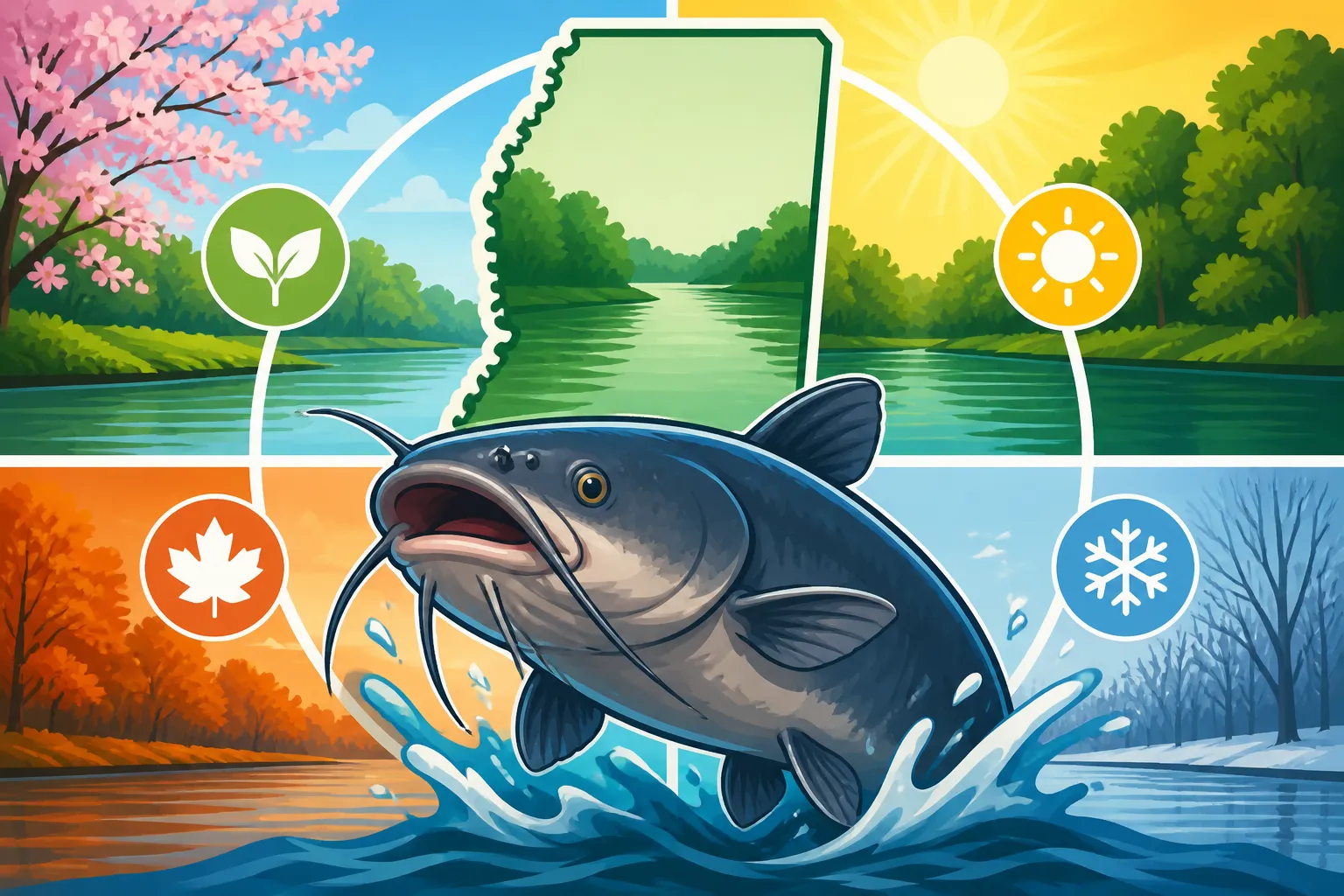
Seasonal Catfish Fishing at a Glance
To help summarize, here's a quick look at the general patterns for catfish fishing in Mississippi:
| Season | Water Temperature Range (Approx.) | Catfish Activity Level | Prime Locations | Recommended Baits/Techniques | Notes |
|---|---|---|---|---|---|
| Spring | 60-75°F (Pre-spawn to Spawn) | Very High | Shallower areas (5-15ft), creek mouths, cover, spawning sites | Fresh cut bait, worms, prepared baits; Bottom fishing, drifting, tight to cover | Pre-spawn feeding frenzy, aggressive |
| Summer | 75-90°F+ (Warmest) | Moderate-High | Deep holes, main channels, ledges; moves shallower at night | Live bait, large cut bait, prepared baits; Night fishing, jug fishing, bottom fishing deep | Best for night fishing, seeks deep water during day |
| Fall | 60-75°F (Cooling) | High | Similar to spring, main lake points, creek channels, baitfish schools | Fresh cut bait (especially shad), worms; Drifting, slow-trolling, bottom fishing | Second feeding frenzy before winter, consistent bite |
| Winter | Below 55°F (Coldest) | Low-Moderate | Deepest holes, main river/lake channels, concentrated areas | Small cut bait, worms, small prepared baits; Very slow bottom fishing, patience! | Lethargic, but can catch large fish in concentrated schools |
Remember, this is a general guide, and local conditions, recent rainfall, or unique features of a specific body of water can always alter catfish behavior. But by understanding these overarching patterns, you'll be well on your way to figuring out the best time of year for catfish fishing in Mississippi, no matter where you cast your line.
Disclaimer
This article is for general informational purposes only and does not constitute professional advice. Laws, prices and regulations vary by location and change over time. Consult a qualified professional for guidance on your specific situation.