How to Catch Crappie in Cold Winter Water
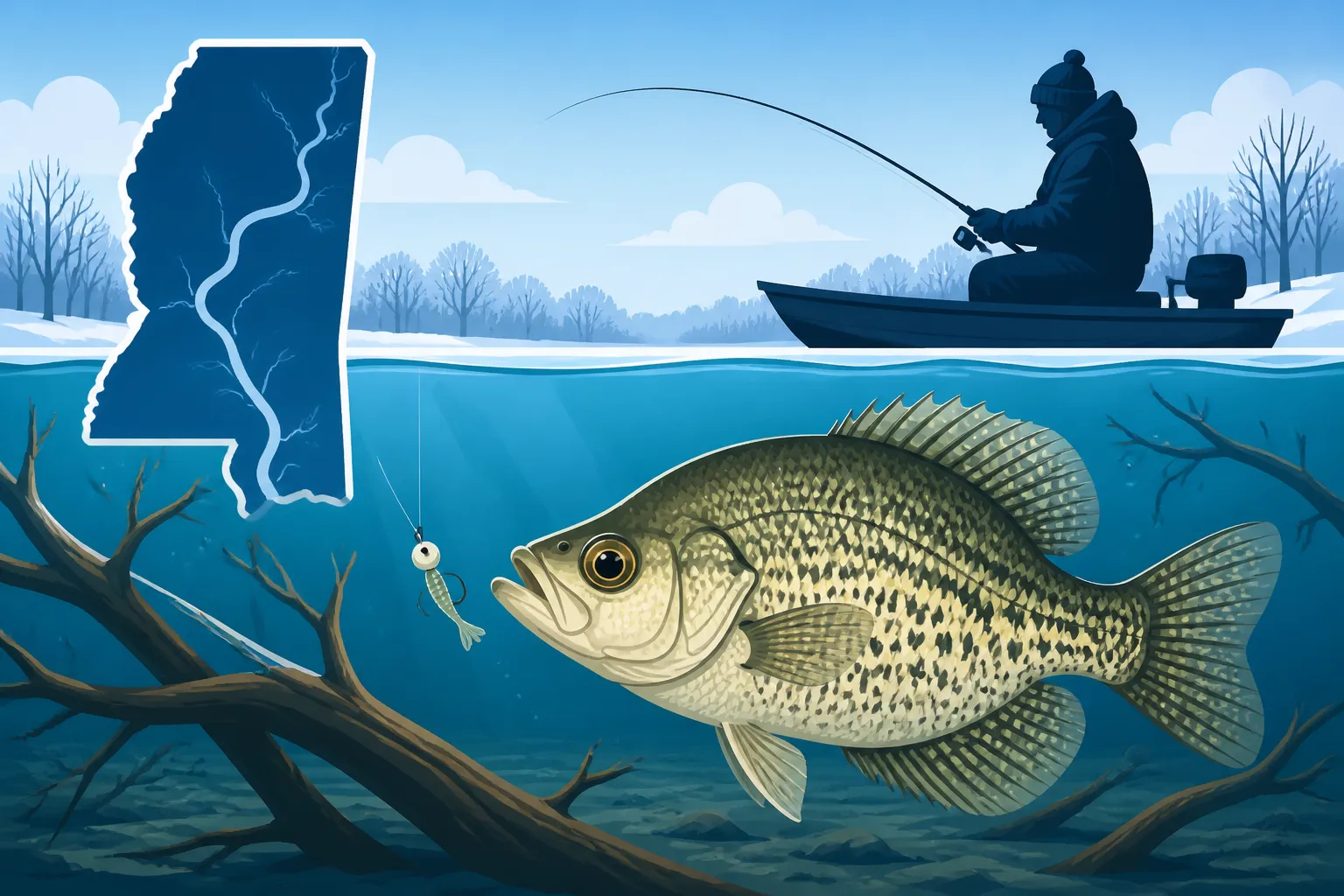
There’s nothing quite like the crisp air of a Mississippi winter morning, but for many anglers, the thought of fishing for crappie when the temperatures drop can feel daunting. It's easy to assume the fish disappear or simply stop biting, leaving you shivering on the bank with an empty cooler. But let me tell you, that couldn't be further from the truth! Crappie are absolutely catchable in cold water, and in some ways, winter can offer some of the most rewarding and strategic fishing. This guide is here to unravel the mysteries of winter crappie, sharing practical tips, essential gear, and proven techniques to help you put slabs in the boat (or from the bank!) even when Jack Frost comes to visit.
Understanding Winter Crappie Behavior
When the thermometer dips, crappie, like most cold-blooded fish, undergo significant physiological changes. They're not gone, they're just adapting, and understanding these adaptations is the first step to consistent winter success. It's a completely different game than the frantic bite of the spring spawn or the scattered patterns of summer.
Metabolism Slowdown and Feeding Habits
The most crucial thing to grasp is that a crappie's metabolism slows way down when water temperatures plummet. Think of it like us trying to run a marathon in a blizzard versus a comfortable spring day – we're just not as energetic. This means crappie don't need to eat as often, and when they do, they're not expending much energy to chase down a meal. Their digestion is slower, so they stay full longer.
This isn't to say they don't eat; they absolutely do! But their strikes will be much more subtle, often feeling like a slight weight on the line or a tiny tick, rather than an aggressive tug. You'll need to pay extra close attention to your line and rod tip. The key is presenting a slow, easy target right in front of their face. Forget fast retrieves or erratic movements; slow and steady wins the race in winter. This also means you might catch fewer fish, but often, the ones you do catch can be some of the biggest slabs of the year, as larger crappie are often more resilient to cold and group up.
Schooling and Depth Preferences
Crappie are schooling fish year-round, but in winter, this behavior becomes even more pronounced. They'll gang up in massive schools, often numbering in the hundreds, seeking out stable water temperatures and available food sources. These schools can be tightly packed, sometimes vertically stacked, making them easier to locate with good electronics once you find the right depth.
Where do they go? Generally, winter crappie will retreat to deeper water, seeking thermal refuge. Mississippi's reservoirs and lakes, like the legendary Grenada Lake or Sardis Lake, are prime examples where crappie will gravitate towards main lake channels, deep creek beds, and humps with access to these deeper areas. They're not necessarily in the deepest water of the lake, but rather in the deepest water adjacent to structure or a thermocline (if one exists in early winter). We’re talking depths of 15-30 feet, sometimes even deeper, depending on the lake and specific conditions. Look for sudden drops, submerged timber, brush piles, or old roadbeds that offer both cover and a pathway to deeper water. For a general overview of seasonal patterns, you might find our full guide on the Mississippi Winter Fishing Guide helpful.
Reaction to Cold Fronts
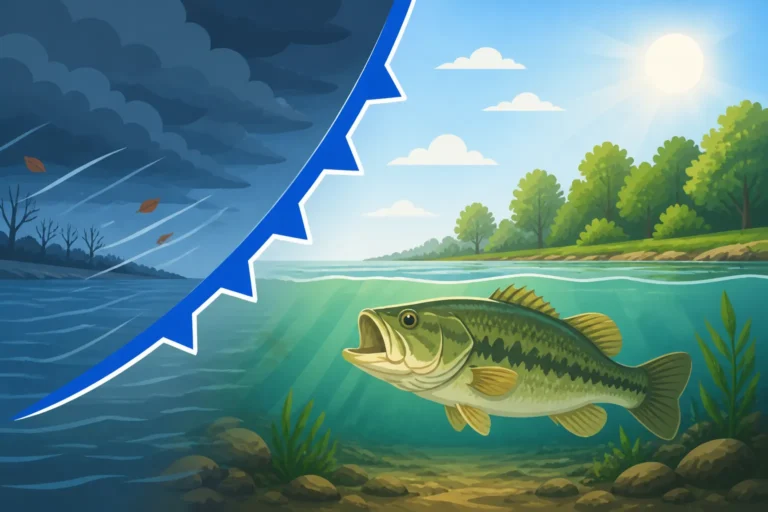
A sudden cold front in Mississippi can really throw a wrench in your plans, but it doesn't mean you should pack up and go home. Crappie react strongly to these changes. When a cold front pushes through, barometric pressure often rises, and the air temperature drops significantly. This can make crappie even more lethargic and push them deeper, or sometimes, scatter them slightly.
The key after a cold front is to slow down even more and fish with even greater precision. They might move to the deepest, thickest cover they can find, burying themselves in submerged brush piles or deep timber. You might need to scale down your bait size and lighten your line to get bites. Don't be discouraged if the bite is tougher; simply adjust your approach, be patient, and keep presenting that slow, enticing meal. Sometimes, waiting a day or two after the initial front passes can lead to a rebound bite, as the fish adjust to the new stable (albeit cold) conditions.
Essential Gear for Cold Water Crappie
Cold water crappie fishing demands a thoughtful approach to gear. It’s not just about what catches fish, but also what helps you detect those incredibly subtle bites and stay comfortable in chilly weather. Having the right tools makes a world of difference.
Rods, Reels, and Line
When crappie are barely breathing on your bait, sensitivity is paramount. You need a rod that can transmit the slightest tap, and a line that offers minimal stretch.
For rods, think light action, fast tip spinning rods, typically 6 to 7 feet in length. Graphite rods are excellent for sensitivity. Many experienced crappie anglers swear by specialized crappie rods that are incredibly light and sensitive, often rated for 2-6lb test line. Brands like Lew's or St. Croix make fantastic rods that will help you feel everything. A longer rod can also help with line control and hook sets, especially when fishing vertically in deeper water from a boat.
Matching these sensitive rods with equally smooth spinning reels is crucial. Look for reels in the 1000-2000 size range. The most important feature is a super smooth drag system, as you’ll be fighting fish on light line. If you're looking for good deals, you can often find reliable options on Amazon from brands like Daiwa or Shimano.
As for line, fluorocarbon is your best friend in cold, clear winter water. Its low stretch and near invisibility underwater make it ideal for detecting light bites and enticing wary crappie. Stick to 4 to 6-pound test. Monofilament can work, especially if you prefer a bit more stretch for softer bites, but it's more visible. Braided line is also an option for ultimate sensitivity, but it's highly visible and prone to icing up in freezing conditions, so it's often best reserved for warmer seasons unless you use a fluorocarbon leader. When looking for the best line, consider options like Seaguar Invizx, which is a popular choice for serious anglers. Understanding Best Fishing Line for Crappie can give you even more insights.
Jigs and Lures
In winter, finesse is the name of the game. Crappie aren't chasing, so your lure needs to be small, slow, and enticing.
- Jig Heads: The weight of your jig head is critical. In deeper water, you’ll typically need heavier jig heads to get down quickly and stay vertical. Think 1/8 to 1/4 ounce, or even 3/8 ounce if you're battling current or extreme depth. However, if the crappie are super lethargic, a lighter 1/16 or even 1/32 ounce jig head with a tiny plastic can sometimes be just enough to entice a bite without overpowering the subtle presentation. The hook size should generally match the size of your plastic, usually a #2 or #4 hook.
- Soft Plastics: These are arguably the most effective winter crappie baits. Tiny finesse plastics, usually 1 to 2 inches long, are perfect. Think tube jigs, small grubs with thin tails, or tiny straight-tail minnow imitations. Color can vary, but in clear winter water, natural colors like smoke, clear with silver flake, or dull greens and browns often work well. If the water has a bit more stain, chartreuse, pink, or orange can be surprisingly effective. Popular brands often include Bobby Garland, Mister Twister, or Johnson Jigs, many of which are readily available on Amazon.
- Live Bait: While this guide focuses on artificials, a live minnow on a small hook (often tipped with a jig head for weight) is still deadly in winter. Its natural action can sometimes be the only thing to tempt a sluggish crappie. However, artificials offer more control over depth and presentation speed. You can also review Best Bait for Crappie in Mississippi for more details on bait choices.
Electronics and Apparel
Modern electronics are a true game-changer for winter crappie fishing. A good fish finder is almost mandatory for consistently finding those tightly schooled crappie in deeper water.
- Fish Finder/Sonar: Look for units with down imaging and side imaging capabilities. Brands like Humminbird (their HELIX series) or Garmin (their ECHOMAP series) offer excellent clarity. Use your sonar to scan creek channels, humps, and drop-offs for submerged timber and brush piles. Once you mark a school of crappie, you can position your boat directly over them and fish vertically. Being able to see your jig descend into the school on your sonar display is an incredible advantage. For those starting out, understanding Reading a Fish Finder for Crappie can significantly boost your success.
- GPS: Integrated GPS on your fish finder allows you to mark waypoints for brush piles, schools of fish, and productive spots. This is invaluable, especially on large reservoirs like the Ross Barnett Reservoir, where returning to a precise location can mean the difference between a full livewell and an empty one.
- Warm Apparel: Don't underestimate the cold! Dressing in layers is key. A good waterproof and windproof outer shell, insulated base layers, warm gloves (fingerless options are great for fishing), a warm hat, and waterproof boots are non-negotiable. There's nothing worse than cutting a great day short because you're freezing. Staying warm keeps you comfortable, focused, and ultimately, more successful.
Top Techniques for Winter Crappie Success
Once you understand crappie behavior and have the right gear, it's time to put it all into practice. Winter crappie fishing is often about precision and patience, and mastering a few key techniques will significantly improve your catch rates.
Vertical Jigging
This is hands down the most effective technique for cold water crappie, especially when you’ve located a school with your electronics. Vertical jigging involves positioning your boat directly over the crappie and dropping your jig straight down to them.
The key is control. Drop your jig to the depth where you’re seeing fish on your sonar. Let it sit there for a few seconds, then impart a very subtle twitch of the rod tip – just enough to make the plastic quiver. Then let it sit again. Remember, their metabolism is slow, so they aren't going to chase. You’re trying to tempt them, not trigger a predatory instinct. Sometimes, simply holding the bait perfectly still in front of a crappie's nose is all it takes. Experiment with different depths within the school; sometimes they prefer the top, sometimes the bottom. For targeting specific structures like brush piles, this technique allows you to precisely work your lure through the cover without getting snagged constantly.
Slow Trolling (Spider Rigging)
For those fishing larger areas or trying to locate scattered schools, slow trolling, often called "spider rigging" due to the multiple rods splayed out around the boat, can be incredibly effective. This technique involves moving very slowly (0.5 to 1.5 mph) with multiple rods rigged with different jig weights and colors, covering a range of depths and presentations.
Spider rigging allows you to present multiple baits simultaneously, increasing your chances of finding what the crappie want on a given day. You'll use longer rods (8-14 feet) to spread your lines out, preventing tangles. Each rod should have a small jig (1/16 to 1/8 ounce) or a jig-and-minnow combo. Focus on trolling along deep creek channels, submerged humps, and main lake points. When you get a bite, note the depth, lure, and speed, then try to replicate that successful pattern. This method is particularly popular on big crappie lakes like Grenada Lake or Enid Lake. You can explore more detailed "Trolling for Crappie on Mississippi Reservoirs" techniques for deeper dives into this method.
Casting and Retrieving (Finesse)
While vertical jigging dominates, there are times when casting to specific targets can pay off. This is especially true if crappie are holding shallower on the edges of deep water, or if you're fishing from the bank.
When casting, the retrieve must be painfully slow. Use lighter jigs (1/32 or 1/16 ounce) and let them fall slowly. A common technique is to cast, let the jig sink to the bottom (or just above where you expect fish), then retrieve with a very slow, steady reel, perhaps incorporating a small pause or twitch every few seconds. Think of a dying baitfish slowly fluttering through the water. This technique requires patience and a keen eye on your line for those subtle “ticks.” Casting to submerged timber, boat docks, or bridge pilings that have access to deeper water can be very productive.
Finding the Right Spots in Winter
Knowing how to fish is only half the battle; you also need to know where to find these winter crappie. Their cold-weather hideouts are predictable once you understand their basic needs: stable temperatures, cover, and proximity to food.
Deep Main Lake Channels and Creek Beds
The main channels of rivers and large creeks that feed into big reservoirs are primary highways for winter crappie. These areas typically offer the deepest water and therefore the most stable temperatures. Crappie will often suspend in these channels or relate to any structure found within them.
Use your electronics to follow these channels. Look for humps, submerged ledges, or old roadbeds that cross or run parallel to the channel. These features provide ambush points and current breaks. Pay close attention to channel bends, as crappie often stack up where the current slows or where they can tuck out of the main flow. Many of Mississippi's major reservoirs, like Pickwick Lake, feature extensive creek channel systems that become prime crappie real estate in winter. For more specific location strategies, refer to our guide on How to Fish Creek Channels for Winter Crappie.
Submerged Timber and Brush Piles
Crappie love cover, and winter is no exception. Submerged timber (standing trees, laydowns) and man-made brush piles offer protection from predators, current, and a stable environment. These also attract baitfish, which in turn attracts crappie.
The trick is finding these hidden gems. This is where your fish finder with side imaging really shines. Spend time idling over promising areas like channel edges or points, slowly scanning for structure. Once you mark a brush pile or a cluster of submerged trees, mark it on your GPS. Then, you can return to that spot and fish it vertically. Be prepared to lose some jigs, as fishing dense cover inevitably leads to snags, but the reward of pulling out a slab crappie from a thick brush pile is often worth it.
Bridge Pilings and Boat Docks
Don't overlook man-made structures that extend into deeper water. Bridge pilings and boat docks, especially those in deeper coves or along main lake access points, can hold significant numbers of winter crappie. The concrete and wood of these structures can absorb and radiate a slight amount of heat, making them marginally warmer than the surrounding water.
Crappie will often suspend around the pilings or underneath the docks, particularly on the shady side. These areas also provide vertical relief and shade, which crappie appreciate. Fish these spots carefully with vertical jigging or slow, precise casting. On a bright, sunny winter day, the crappie might move up slightly in the water column to absorb some warmth, so be prepared to check different depths around these structures. Remember that some docks are private, so always respect private property when fishing.
A Quick Comparison of Winter Crappie Jigging Depths and Weights
Here's a handy table to guide your winter crappie jigging setup based on common scenarios in Mississippi waters:
| Scenario | Typical Depth (Feet) | Jig Weight (Ounces) | Suggested Colors | Notes |
|---|---|---|---|---|
| Deep Channels/Humps | 20-35 | 1/8 – 1/4 | Natural, White, Chartreuse | Focus on slow, vertical drops. Utilize electronics. |
| Brush Piles (Deep) | 15-25 | 1/8 | Smoke, Green Pumpkin | Finesse jigging directly into cover. Be prepared for snags. |
| Bridge Pilings/Docks | 10-20 | 1/16 – 1/8 | Black, Blue/White | Vertical jigging or slow casting alongside structure. |
| Post-Cold Front (Deep) | 25-40 | 1/4 – 3/8 | Glow, Darker Shades | Slowest presentations, heavier jigs to reach lethargic fish. |
| Clear Water, Sunny Day | 10-20 (suspended) | 1/16 | Natural, Light Green | Very subtle movements, almost no action. Check middle depths. |
| Stained Water, Overcast | 10-20 | 1/8 – 1/4 | Chartreuse, Pink, Orange | Brighter colors for visibility, consistent slow retrieve. |
Remember, these are general guidelines. Always start with a versatile setup and adjust based on what the crappie tell you they prefer on that specific day. Local conditions, water clarity, and even the type of baitfish present can influence their preferences. Don't be afraid to experiment with different lure sizes and scents you can buy on Amazon.
Disclaimer
Fishing conditions and regulations in Mississippi can change. Always check the latest Mississippi Fishing Regulations Explained and specific lake rules from the Mississippi Department of Wildlife, Fisheries, and Parks (MDWFP) before heading out. This guide is for informational purposes only and does not supersede official regulations.