Best Bait for Crappie at Grenada Lake
Fishing for crappie on a legendary lake like Grenada can be both exhilarating and, let's be honest, a little intimidating. You've heard the stories, seen the pictures of slabs, and now you're wondering: what's the secret bait that truly brings in those Grenada Lake crappie? It’s not just about throwing out any old bait; it's about understanding what these fish are looking for in this specific environment. This guide is going to peel back the layers, giving you the inside scoop on the best baits and techniques to make your next Grenada trip a resounding success.
Understanding Grenada Lake's Crappie Habitat and Forage
Before we even talk about specific baits, it's vital to grasp what makes Grenada Lake such a crappie powerhouse and what these fish are naturally munching on. Crappie are finicky eaters sometimes, and their preferences are often dictated by what's readily available and how their environment changes throughout the year. Ignoring these factors is like trying to convince a toddler to eat broccoli when they've got a plate of cookies right in front of them – it's just not going to happen easily.
The Dynamics of Grenada Lake's Ecosystem
Grenada Lake is a massive body of water, over 35,000 acres at pool stage, known for its flood control mission, which means water levels can fluctuate significantly. These fluctuations create a dynamic environment for crappie, constantly changing their access to food and cover. Crappie here thrive on a diet primarily consisting of baitfish like shad, small minnows, and various invertebrates. Understanding this natural forage base is the first step in selecting the right bait.
The lake bottom varies from stump-filled flats and creek channels to vast open water, all of which crappie utilize depending on the season and water conditions. During periods of high water, crappie will often move into flooded timber and shallow cover, providing ample ambush points. Conversely, during lower water levels or in the heat of summer, they'll retreat to deeper channels, brush piles, and ledges. Knowing these movements helps you present your chosen bait exactly where the crappie are hiding. The more you observe these patterns, the more successful you'll be.
Natural Forage of Grenada Lake Crappie
The primary diet of crappie in Grenada Lake revolves around small baitfish. Gizzard shad and threadfin shad are abundant, forming the backbone of the crappie's food chain. Crappie are opportunistic predators, and they'll readily consume anything that resembles these natural food sources. This is why artificial baits that mimic shad are often incredibly effective.
Beyond shad, crappie also feed on insect larvae, small crustaceans, and even other smaller fish fry. This varied diet suggests that while minnows are a classic choice, other baits that mimic these smaller food items can also produce excellent results, especially when crappie are being particularly selective. Considering the sheer volume of baitfish in Grenada, anything that looks, smells, or moves like an easy meal is going to get their attention.
The Unbeatable Live Baits for Grenada Lake Crappie
When it comes to consistently catching crappie, especially those trophy-sized slabs Grenada is famous for, it’s hard to beat live bait. There’s something about the natural movement and scent of a live offering that artificial lures just can't always replicate. It's the difference between a real steak and a plastic one – one is going to entice a lot more interest!
Shiner Minnows: The Grenada Crappie Gold Standard
If there’s one bait that's synonymous with Grenada Lake crappie fishing, it’s the good old live minnow, particularly shiners. These aren't just any minnows; crappie in Grenada have a strong preference for larger, livelier shiners, especially when targeting bigger fish. A 2-inch to 3-inch shiner often proves irresistible. They're the prime rib of the crappie diet here.
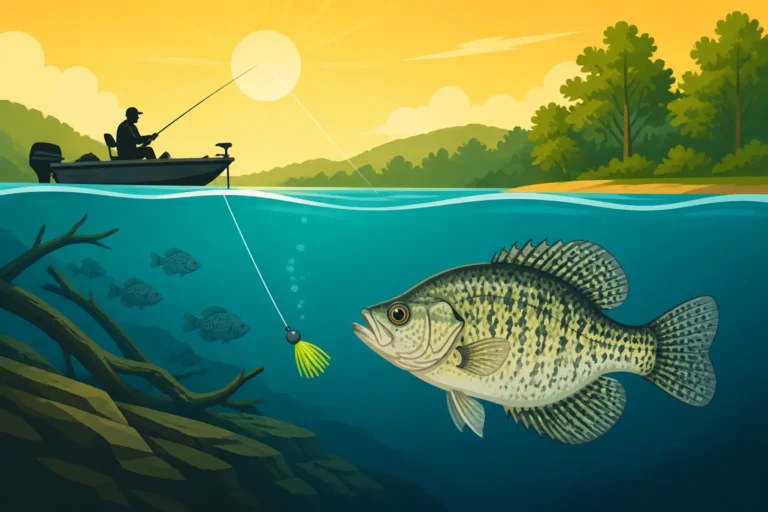
You can fish shiners in a variety of ways: suspended under a bobber, tight-lined in deep brush piles, or slowly trolled. Many anglers prefer to use a single hook (often a #1 or #2 light-wire hook) through the lips or just behind the dorsal fin to keep the minnow lively. The key is presenting it naturally where crappie are holding. During the spring spawn, when crappie move shallow, a minnow under a cork near flooded timber is absolutely deadly. For those deeper, summer crappie, dropping a shiner into a brush pile, often located with a good fish finder, can yield phenomenal results. Remember to check the Mississippi Fishing License Guide to ensure you're compliant with all regulations before you head out.
Other Live Bait Options to Consider
While shiners dominate, other live bait can sometimes surprise you, especially if the crappie are being picky. Small crickets or even red wigglers, typically associated with bream, can occasionally tempt crappie that are feeding on insect larvae. This is less common for crappie but useful to keep in mind, particularly when they're in a strange feeding pattern.
Consider small freshwater prawns or even tiny pond-raised goldfish if you're looking to really experiment. These aren't standard choices, but when crappie are in a strange mood, a different natural offering might be just the ticket. However, always prioritize the freshest, liveliest shiners you can find, as they are overwhelmingly the top performer for Grenada Lake's notorious slabs. You can often find quality bait at local tackle shops around Grenada or even order specialized bait containers on sites like Amazon to keep your minnows frisky and healthy for your trip.
Dominating with Artificial Lures on Grenada Lake
While live bait has its undeniable charm, artificial lures offer incredible versatility, allowing anglers to cover more water, target different depths quickly, and adapt to changing conditions with ease. Plus, there's a certain satisfaction that comes from fooling a big crappie with a perfectly presented jig.
The Power of Crappie Jigs
Jigs are perhaps the most versatile and productive artificial lure for crappie fishing on Grenada Lake. From tiny hair jigs to soft plastic bodies, the options are endless, and understanding which to use when can significantly boost your catch rate. For detailed strategies, you might want to look into Jig Fishing for Crappie.
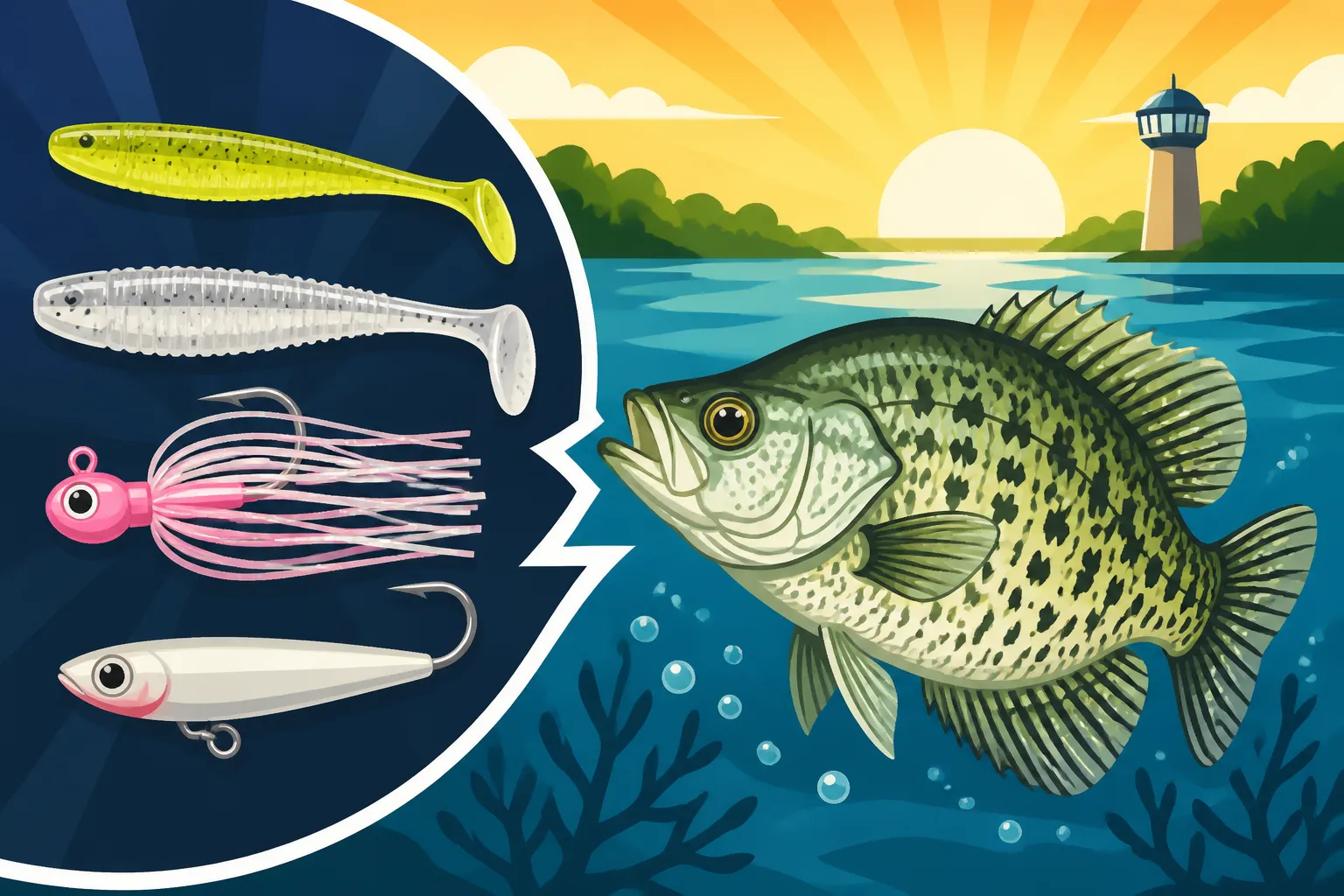
- Soft Plastic Jigs: These are the workhorses. Grubs, tubes, and small minnow imitations (like those from Bobby Garland or Johnson Jigs, easily found on Amazon) in sizes ranging from 1/32 to 1/8 ounce are incredibly effective. Popular colors vary, but chartreuse, black and chartreuse, white, and translucent patterns often produce well in Grenada's stained waters. The "Stinger Shad" or "Baby Shad" patterns are local favorites. The tail action, even with a subtle twitch, mimics a fleeing baitfish, and crappie simply can't resist.
- Hair Jigs: Sometimes, especially in colder water or when crappie are extremely finicky, a small marabou or bucktail jig can outperform soft plastics. Their subtle breathing action in the water is incredibly lifelike, and they often draw strikes from wary crappie when nothing else will. These are generally fished slower, with minimal rod action.
- Spider Rigging with Jigs: This technique, where multiple rods are fanned out from the boat, each presenting a jig or a jig-and-minnow combination, is incredibly popular and effective on Grenada, particularly for covering large areas of open water or deep channels. This is where those smaller, lighter jigs shine. To learn more, check out Spider Rigging Techniques. Many anglers also practice Trolling for Crappie on Mississippi Reservoirs with similar setups.
- Vertical Jigging and Casting: For crappie holding tight to structure like brush piles or submerged timber, vertical jigging a small jig directly into their hiding spot is often the ticket. When crappie are suspended or chasing bait in open water, casting and retrieving a grub jig can be highly effective. The retrieve speed is crucial – usually a slow, steady retrieve with occasional pauses is best.
Small Crankbaits and Other Artificials
While jigs are paramount, don't overlook small crankbaits, especially when crappie are aggressive and scattered. Tiny shallow-diving crankbaits can be deadly when trolled along contours or cast into shallow flats during the spawn. They cover water quickly and can trigger reaction strikes. Brands like Bandit Crappie Crankbaits or Rapala Ultra Light Minnows are excellent choices, offering realistic baitfish profiles and enticing wobbles. Many of these effective lures can be found on Amazon, making it easy to stock up before your next trip.
Spinnerbaits, particularly small ones designed for crappie, can also be effective in stained water or around sparse cover. Their flash and vibration can draw crappie from a distance. The key with any artificial is experimentation with color, retrieve speed, and depth until you find what the crappie are responding to on that particular day. For more general advice, consider Crappie Fishing Techniques for Mississippi Lakes.
Seasonal Strategies and Advanced Tips for Grenada Lake Crappie
Grenada Lake crappie don't behave the same way year-round. Their feeding patterns, depth preferences, and even their preferred baits shift with the seasons, water temperature, and lake levels. Being able to adapt your approach is what separates a good crappie angler from a truly great one.
Spring: The Spawn Bonanza
Spring is prime time on Grenada Lake, as crappie move shallow to spawn. This is when some of the biggest slabs are caught. Water temperatures in the 60s Fahrenheit typically signal the start. During this period, crappie will be found in relatively shallow water, often in 2-6 feet, congregating around flooded timber, cypress trees, and buck brush in the creek arms and shallower bays.
- Bait Strategy: Live minnows under a small float are incredibly effective here. Position the float so the minnow is just above the submerged cover. Small, brightly colored jigs (chartreuse, pink, or white) pitched into visible cover or fan-cast across shallow flats can also be deadly. Slow retrieves are key. For specific timing, refer to Best Time to Fish Grenada Lake for Crappie. The Grenada Lake Crappie Daily Limit also provides important information for your catch.
Summer: Deeper and Cooler
As temperatures rise and crappie finish spawning, they retreat to deeper, cooler waters. This means looking for them in the main lake channels, along ledges, and in deep brush piles. Finding these hidden structures with good electronics is crucial.
- Bait Strategy: Vertical jigging with minnows or heavier jigs (1/8 to 1/4 ounce) is the go-to. Spider rigging, where you present multiple baits at varying depths while slowly trolling, also excels during summer. Target depths of 10-20 feet, or even deeper, depending on the thermocline. Pay attention to Mississippi Crappie Regulations by Lake for any specific summer rules.
Fall: The Feeding Frenzy
Fall can be another fantastic time on Grenada Lake. As water temperatures cool, crappie become highly active, feeding aggressively to build up fat reserves for winter. They'll often follow schools of baitfish into creek channels and shallower main lake areas.
- Bait Strategy: Both live minnows and jigs can be incredibly effective. Crappie will often be suspended, so trolling jigs or minnows at various depths is a productive method. Pay attention to schooling baitfish on your electronics; crappie won't be far behind. You might find useful insights in the Mississippi Fishing Seasons Calendar.
Winter: Slow and Deep
Winter fishing on Grenada Lake means slower presentations and targeting deep structures. Crappie will hold tight to brush piles, creek channel bends, and submerged timber in the deepest parts of the lake.
- Bait Strategy: Light jigs (1/32 to 1/16 ounce) tipped with a minnow or fished extremely slowly are best. The key is minimal movement. Many anglers will hold their boat directly over known brush piles and simply drop their offering vertically, watching their sonar closely for any signs of fish or bites. Remember that the Mississippi Fishing License Costs are the same no matter the season, so ensure you're covered! For a broader understanding of crappie habits, check out Crappie Fishing in Mississippi.
Essential Gear and Techniques
No matter the season or bait, having the right gear is critical. Lightweight rods (ultra-light to medium-light action) paired with sensitive reels spooled with 4-8 pound test monofilament or fluorocarbon line are ideal. A good fish finder is invaluable for locating structure and schools of baitfish, especially in deeper water. Don't forget a quality net for those big Grenada slabs!
| Bait Type | Best Conditions | Pros | Cons | Common Rigging |
|---|---|---|---|---|
| Live Minnows | All seasons, especially picky fish | Natural movement & scent, highly effective, often triggers larger fish | Messy, requires aeration, can be expensive, not always available | Under a float, tight-lined, spider rigged |
| Soft Plastic Jigs | Versatile, active fish, covering water | Durable, wide variety of colors and shapes, easy to cast long distances | Less natural movement and scent, sometimes ignored by wary fish | Jig head, spider rigging, vertical jigging |
| Hair Jigs | Cold water, finicky fish, clear water | Subtle, lifelike action, very appealing, excellent for slow retrieves | Less durable, can be harder to cast long distance, limited color | Jig head, vertical jigging |
| Small Crankbaits | Active fish, covering large areas, trolling | Covers water quickly, triggers reaction strikes, good for suspended fish | Can get snagged easily, less effective for very picky or deep fish | Trolling, casting and retrieving |
For anyone seriously looking to up their crappie game on Grenada, consider hiring one of the expert Grenada Lake Fishing Guides. They often have years of experience and can show you exactly what's working on any given day. To help you choose, there's also specific info on Grenada Lake Crappie Fishing Guides.
Disclaimer
Fishing regulations can change frequently. Always consult the official Mississippi Department of Wildlife, Fisheries, and Parks (MDWFP) website or their current regulations digest before heading out. This guide is for informational purposes only and does not supersede state or local laws.