Inshore vs Offshore Fishing on the Mississippi Coast
One of the biggest questions that swirls around inshore and offshore fishing on the Mississippi Coast isn't just what to catch, but where to even begin your adventure. For many anglers, especially those new to our beautiful Gulf Coast waters or just trying to decide on their next trip, the choice between sticking close to land or venturing far out into the deep blue can feel like a daunting one. This guide will meticulously break down the differences between inshore and offshore fishing, exploring the unique experiences, target species, gear requirements, and logistical considerations for each, helping you make the most informed decision for your next Mississippi fishing excursion.
Understanding Inshore Fishing: The Nearshore Niche
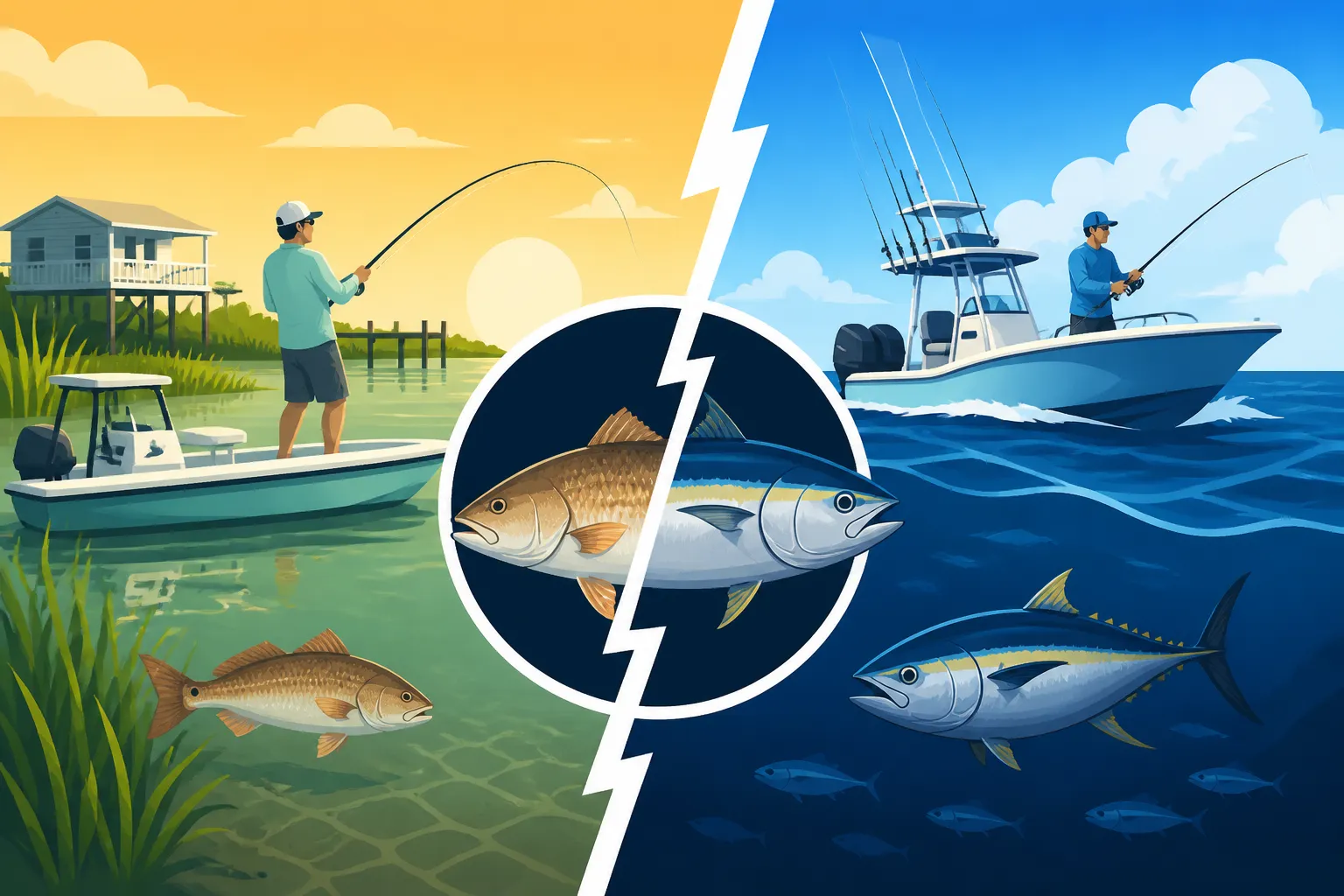
Inshore fishing, simply put, is all about staying close to the coastline, usually within a few miles of land or inside bays, estuaries, and sounds. It's often characterized by shallower waters, typically less than 30 feet deep, where the bottom is still visible in many areas, or at least you're not battling truly oceanic depths. This type of fishing offers a wonderfully diverse experience, accessible to a wide range of skill levels and boat types, making it a popular choice for many visiting or local anglers.
Shallow Water Habitats
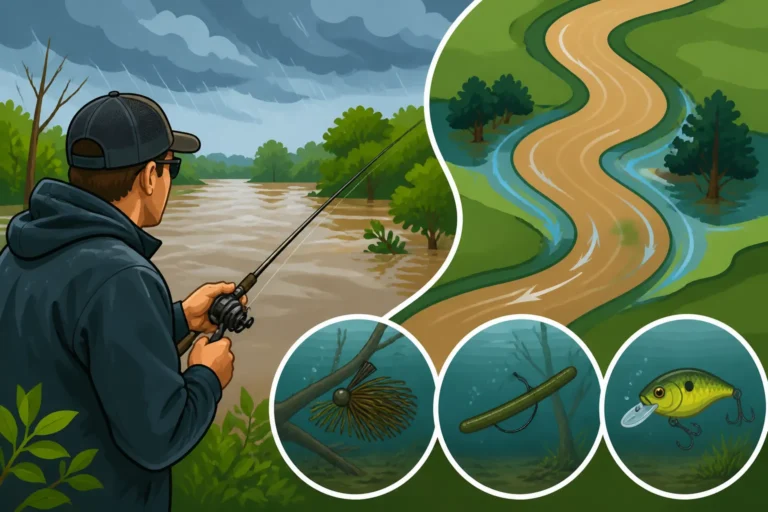
When you're fishing inshore along the Mississippi Coast, you're primarily targeting habitats like oyster reefs, seagrass beds, sandy flats, mangrove shorelines (though less prevalent here than in Florida, our marsh grass serves a similar purpose), and the myriad structures found in our bays and bayous. Think about the calm, protected waters of Biloxi Bay, Bay St. Louis, or the Pascagoula River estuaries. These areas are teeming with life because they provide food, shelter, and spawning grounds for countless species. You'll often find yourself casting near jetties, around bridge pilings, or along the edges of marsh grass. The clarity of the water can vary wildly depending on recent rainfall, tides, and proximity to river mouths, which adds another layer of challenge and excitement to the game.
Fishing these shallow-water habitats often involves a lot of reading the water – looking for subtle signs like baitfish scattering, birds diving, or even the tell-tale wake of a cruising redfish. It's an immersive experience where you feel deeply connected to the coastal environment. The scenery alone is often worth the trip, with chances to spot dolphins, various wading birds, and even the occasional alligator in the brackish reaches of the rivers. The relatively calm conditions, especially on a sunny day with light winds, make it ideal for smaller boats, kayaks, or even just fishing from the bank or a pier.
Common Inshore Target Species
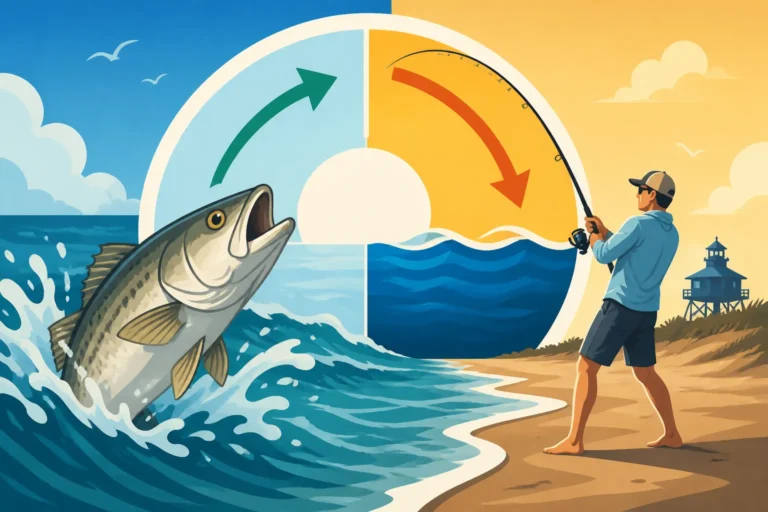
The bounty of inshore waters is incredible, with a rich variety of fish that thrive in these coastal environments. When discussing Redfish Fishing on the Mississippi Coast, anglers are almost certainly talking about inshore trips. Redfish, with their distinctive spot and powerful fight, are a prime target. They love to cruise the flats and patrol oyster reefs, making them a sight-fishing favorite. Another star of the inshore scene is the speckled trout, often found in schools over grass beds or around structure. For those interested in Speckled Trout Fishing on the Mississippi Coast, these shallower waters are your playground.
Beyond these two mainstays, you'll also encounter flounder, especially during their migratory periods, often ambushing baitfish from sandy or muddy bottoms. Black drum, similar to redfish but typically larger and with a more robust body, are also common, particularly around bridge pilings and deeper holes in bays. Sheepshead, known for their human-like teeth and knack for stealing bait, are frequently found around barnacle-encrusted structures like pilings and rock jetties. White trout, croaker, and even the occasional small shark or Spanish mackerel can add to the excitement of an inshore trip. Each species has its preferred habitat and feeding patterns, requiring anglers to adapt their techniques and bait choices.
Navigating Offshore Fishing: Venturing into the Deep
Offshore fishing is a completely different ballgame, involving trips much further out into the open Gulf of Mexico. This is where you leave the sight of land behind and enter deeper, often more challenging waters. Typically, offshore fishing starts several miles from shore and can extend tens or even a hundred miles out, targeting depths that range from 50 feet to hundreds of feet, often around natural and artificial reefs, oil rigs, or ledges.
Deep Sea Realms
When you head offshore, you're entering a vast, dynamic environment where the ocean floor is far below and the currents are stronger. The primary targets aren't the bottom structures like inshore, but rather underwater features that attract pelagic (open ocean) and reef-dwelling species. This includes things like the Mississippi Canyon, various natural rock formations, and the countless oil and gas platforms that dot the northern Gulf. These structures act as artificial reefs, providing habitat and hunting grounds for a wide array of fish. The deep blue water out here is a world unto itself, often clearer and colder than inshore, reflecting the incredible depths below.
The journey offshore itself is part of the experience. It can mean a long boat ride, often an hour or more, to reach prime fishing grounds. The weather plays a crucial role, as calm inshore conditions can quickly turn into choppy, uncomfortable seas further out. Anglers heading into these deep sea realms need to be prepared for the elements, from intense sun reflecting off the water to sudden squalls. The isolation and vastness of the open water are both exhilarating and humbling, providing a true sense of adventure that you simply can't get from inshore fishing.
Prized Offshore Target Species
The fish you'll encounter offshore are typically larger, stronger, and often more migratory than their inshore cousins. Many of the fish associated with Deep Sea Fishing Charters in Mississippi are found in these blue waters. Red snapper are arguably the most sought-after species, known for their delicious white meat and powerful fight, though their season is notoriously short and strictly regulated. Amberjack, often referred to as "reef donkeys" due to their stubborn resistance, are another common catch around rigs and wrecks.
Other highly prized species include mahi-mahi (dorado), tuna (yellowfin, blackfin), wahoo, and marlin, particularly for those venturing into the truly deep, bluewater areas. These are the pelagic speedsters, often found near weed lines, temperature breaks, or schools of baitfish. Around the same deep structures that hold snapper and amberjack, you might also find triggerfish, grouper, and various types of snapper. The sheer size and power of many offshore fish require heavy-duty tackle and a different set of fishing skills. Catching one of these beasts can be an epic battle, a true test of strength and endurance, making the long run out to sea completely worth it.
Key Differences: Inshore vs. Offshore Essentials
While both types of fishing are incredibly rewarding, they demand different approaches, gear, and mentalities. Understanding these fundamental distinctions is crucial for planning your trip and ensuring you have the right expectations and equipment. It's not just about the distance from shore; it's about the entire ecosystem, the logistics, and the fishing experience itself.
Vessel Requirements and Capabilities
This is perhaps one of the most immediate and impactful differences. For inshore fishing, you have a lot of flexibility. Many anglers use smaller boats like bay boats, skiffs, jon boats, or even kayaks. These vessels are designed to navigate shallow waters, often with a shallow draft that allows access to skinny water flats and estuaries. They are generally easier to trailer, launch, and operate, making them ideal for a quick solo trip or a family outing in protected waters. Even simple pontoon boats can be adapted for effective inshore fishing in the Mississippi Sound.
Offshore fishing, however, demands a much more robust vessel. You'll typically see large center consoles, walkarounds, or dedicated sportfishers. These boats are built to handle the rougher conditions of the open Gulf, with deeper hulls, more powerful engines, and a greater fuel capacity for long runs. Safety equipment is paramount, including advanced navigation systems, EPIRBs (Emergency Position Indicating Radio Beacons), and VHF radios. The investment in an offshore-capable boat is significantly higher, not just in purchase price but also in maintenance, fuel, and storage. If you're looking into Mississippi Boat Fishing Regulations, you'll find there are specific safety requirements depending on the size of your vessel and how far offshore you venture.
Tackle, Techniques, and Strategies
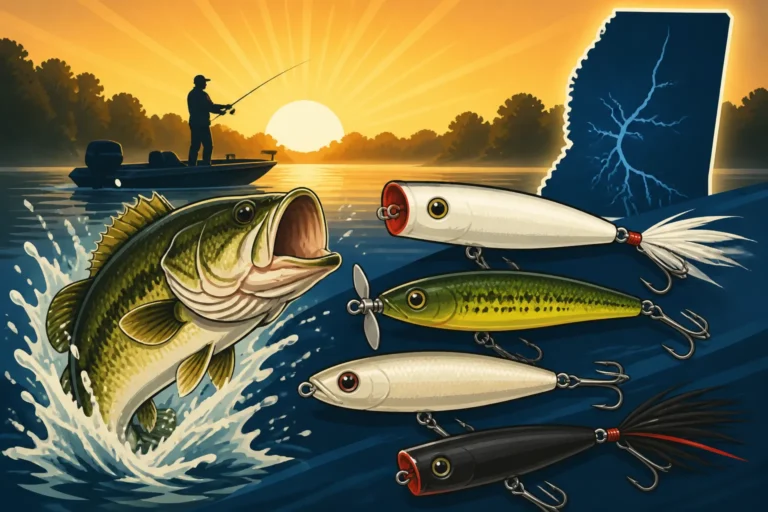
The tackle and techniques used inshore are generally lighter and more finessed. You'll often be using light to medium spinning rods or baitcasting setups, spooled with 10-20 lb test line. Live shrimp, live mullet, or artificial lures like soft plastics (think Z-Man or Vudu Shrimp), topwater plugs, and spoons are common baits. Techniques include casting and retrieving, drifting with the current, or sometimes just soaking a bait under a popping cork. Precision casting around structure or into shallow pockets is often key. You might find a great deal on a sensitive graphite rod suitable for these lighter presentations on Amazon.
Offshore fishing, conversely, requires heavy-duty gear built for power and endurance. Think stout conventional reels, heavy action rods, and lines ranging from 30 lb monofilament to 80+ lb braided line, especially when targeting powerful species like tuna or amberjack. Baits include large live baits like hardtails or cigar minnows, whole squid, or heavy jigs and trolling lures. Techniques vary from bottom fishing (dropping heavy weights and baits to the seafloor), vertical jigging, and trolling multiple lines at speed, to chumming and sight-casting to pelagic species. The battles are often prolonged and physically demanding, a true test of both angler and tackle. Getting a sturdy fighting belt for your offshore trips is often a smart move, and you can certainly find many options on Amazon.
Species, Seasons, and Regulations
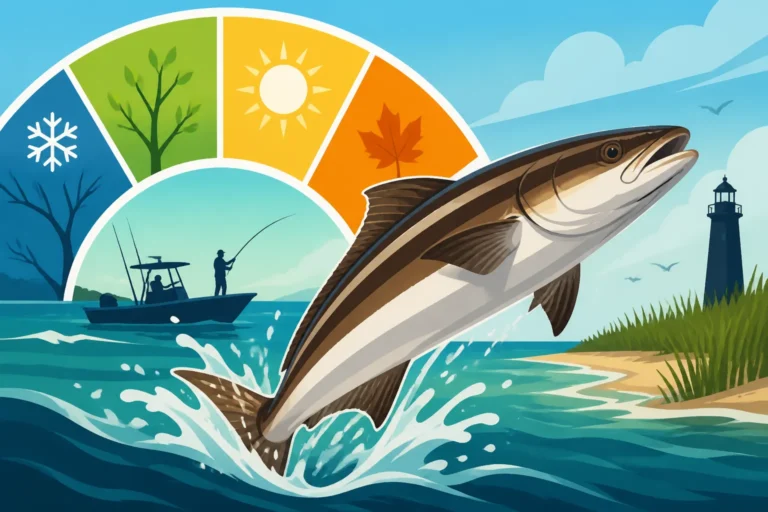
While there's some overlap, the dominant species and their seasons differ significantly. Inshore fishing offers a more consistent bite year-round for species like speckled trout and redfish, although their patterns change with the seasons. The Mississippi Fishing Seasons Calendar will show you that even in winter, there are good inshore opportunities in deeper bayous and protected areas. The size and creel limits for these species are set by the Mississippi Department of Marine Resources (MDMR) and are generally quite stable. You'll want to check current Mississippi Fishing Regulations Explained before you go.
Offshore fishing often has more distinct seasonal peaks, driven by migrations and spawning cycles. For instance, the highly anticipated red snapper season is usually short, often just a few weeks in summer, and opens based on federal quotas. Cobia make strong runs in spring and fall. Mahi-mahi are more prevalent in warmer months. These species are subject to both state and federal regulations, which can be complex and change frequently. Having an up-to-date understanding of federal regulations, in addition to state rules, is absolutely essential. A good idea is to look for waterproof charts or regulation guides on Amazon to keep handy on the boat.
| Feature | Inshore Fishing | Offshore Fishing |
|---|---|---|
| Location | Bays, estuaries, sounds, near shore (0-5 miles) | Open Gulf, far from shore (5+ miles, often 20-100+) |
| Depth | Typically 2-30 feet | Typically 50-1000+ feet |
| Target Species | Redfish, Speckled Trout, Flounder, Black Drum, Sheepshead, White Trout | Red Snapper, Amberjack, Grouper, Mahi-Mahi, Tuna, Wahoo, Marlin |
| Boat Type | Skiffs, Bay Boats, Kayaks, Jon Boats | Large Center Consoles, Sportfishers, Walkarounds |
| Tackle | Light to Medium Spinning/Baitcasting (10-20 lb line) | Heavy Conventional/Spinning (30-80+ lb line) |
| Techniques | Casting, Drifting, Popping Corks, Sight Fishing | Bottom Fishing, Trolling, Jigging, Chumming |
| Typical Costs | Lower (fuel, bait, charter rates) | Higher (fuel, specialized bait, charter rates) |
| Experience | Calm waters, varied scenery, consistent action | Open ocean, potential for rough seas, trophy fish battles |
| Regulations | State (MDMR) | State (MDMR) & Federal (NOAA Fisheries) |
The Advantages and Challenges of Inshore Fishing
Choosing between inshore and offshore fishing isn't just about what fish you want to catch; it's about the entire experience you're seeking. Inshore fishing offers a distinct set of benefits that make it incredibly appealing, along with a few considerations that might steer some anglers towards deeper waters.
Inshore Advantages
One of the biggest upsides to inshore fishing is its accessibility. You don't necessarily need a massive, expensive boat or years of experience to get started. Smaller boats are perfectly adequate, and you can often reach productive spots from public piers, jetties, or even by wading. This makes it a fantastic option for families, beginners, or those on a tighter budget. The costs associated with inshore trips are generally lower; less fuel is burned, and charter rates for inshore guides are typically more affordable than deep-sea excursions. You can often find a great local guide specializing in Redfish Fishing on the Mississippi Coast for a reasonable half-day trip.
Furthermore, inshore fishing usually takes place in more protected waters, meaning less chance of seasickness and a more comfortable ride. This is a huge factor for many people, especially children or those prone to motion sickness. The scenery is also a major draw, with ever-changing marsh landscapes, barrier islands, and coastal towns providing a beautiful backdrop. Action can be incredibly consistent, with a good chance to catch multiple species throughout the day, ensuring everyone on board gets a bending rod. The sheer variety of habitats and the ability to adapt to changing conditions by moving from a bayou to a flat or a bridge pilings keeps the experience fresh and engaging.
Potential Inshore Challenges
While largely enjoyable, inshore fishing isn't without its challenges. The fish tend to be smaller on average compared to offshore behemoths, so if you're chasing truly trophy-sized fish like marlin or giant tuna, inshore won't satisfy that craving. The shallower waters can also be heavily influenced by weather, particularly heavy rains that can muddy the water, or strong winds that can make fishing specific areas difficult. Navigation in shallow, marshy areas can be tricky, requiring a keen eye for oyster bars and submerged hazards, and a good GPS with detailed mapping is a must.
Crowding can also be an issue, especially on popular fishing spots or during peak seasons. Bridge pilings, popular jetties, or easily accessible grass flats can draw a crowd, which might detract from the serene fishing experience some are looking for. Furthermore, while the action is often consistent, targeting a specific trophy fish inshore can sometimes require more patience and local knowledge, as these fish can be very sensitive to pressure and environmental changes. The best inshore anglers are often those who spend countless hours learning the local tides, currents, and fish movements.
The Excitement and Considerations of Offshore Fishing
For many, the allure of offshore fishing is undeniable – the vastness of the ocean, the mystery of the deep, and the chance to battle truly monstrous fish. But this adventure also comes with its own set of demands and considerations that are important to weigh before you commit.
Offshore Thrills
The primary draw of offshore fishing is the potential for truly spectacular catches. This is where you go if you're dreaming of a wall-hanger red snapper, a screaming reel with a tuna on the other end, or the epic fight of an amberjack. The fish are generally larger, stronger, and more challenging to bring to the boat, providing an incredible adrenaline rush that is hard to match. The feeling of being miles offshore, surrounded by nothing but the ocean, is an experience in itself – a profound connection with nature's raw power.
Offshore trips often yield a greater variety of large, prime eating fish. While inshore fish are delicious, many offshore species like snapper, grouper, and mahi-mahi are highly prized for their table fare. It's an opportunity for a truly memorable adventure, whether it's a dedicated Red Snapper Fishing on the Mississippi Coast trip or a quest for pelagic species. The techniques employed are also different, often involving specialized gear and tactics that add another layer of skill and excitement. Many anglers find the challenge of deep-sea navigation and finding fish in vast waters incredibly rewarding.
Offshore Realities and Challenges
The "realities" of offshore fishing often come down to cost, comfort, and commitment. Offshore trips are significantly more expensive due to higher fuel consumption, more specialized tackle, and the larger, more complex vessels required. Charter rates for offshore fishing in Mississippi will reflect this, often being several times more than an inshore trip. You might also want to look into Mississippi Saltwater Sportfishing License Cost, as federal permits for certain species can sometimes be required even on charter trips, or for personal boats.
The biggest challenge for many is the unpredictable nature of the open ocean. Seasickness is a very real possibility, and even on a calm day, the constant motion of a boat can be tiring. Weather can change quickly, turning a pleasant outing into a rough, uncomfortable, or even dangerous experience. Trips can be cancelled at the last minute due to unfavorable conditions, which can be frustrating if you've planned a vacation around it. Also, there's no guarantee of a catch. You might spend hours running to a spot and not get a single bite, which can be disheartening given the investment of time and money. It's a high-risk, high-reward endeavor that requires patience, a strong stomach, and a good dose of resilience. When preparing for an offshore trip, it's wise to consider durable, foul-weather gear you can find on Amazon, just in case.
Choosing Your Coastal Adventure: Making the Right Call
Deciding between inshore and offshore fishing ultimately comes down to your personal preferences, goals for the trip, and what you're willing to invest in terms of time, money, and comfort. There's no single "better" option; both offer unique and incredible experiences on the Mississippi Coast.
Matching Your Skill Level and Experience
If you're a beginner angler, have young children with you, or are new to boating, inshore fishing is generally a much more approachable starting point. The calmer waters, simpler techniques, and often more consistent action are perfect for building confidence and creating positive memories. You don't need to be a seasoned veteran to enjoy a productive day chasing speckled trout or redfish in the Mississippi Sound. A local inshore guide can provide all the necessary gear and expertise, ensuring a fun and safe introduction to saltwater fishing.
Experienced anglers who crave a greater challenge, bigger fish, or the thrill of true deep-sea adventure might naturally gravitate towards offshore. If you're comfortable with longer boat rides, potentially rougher seas, and more physically demanding fights, offshore fishing can be incredibly rewarding. It’s also a great option for those who have mastered inshore techniques and are looking to expand their horizons. However, even seasoned anglers should consider hiring a reputable charter captain for their first few offshore trips, especially when targeting complex species like tuna or marlin, to learn the ropes.
Considering Your Budget and Time Commitment
Your budget will play a significant role in this decision. Inshore fishing is almost always the more economical choice. Whether you're bringing your own small boat or hiring an inshore guide, the costs for fuel, bait, and charter fees are generally much lower. This allows for more frequent trips or a longer overall vacation for the same amount of money. Many guides offer shorter, half-day trips that are perfect for a quick outing without breaking the bank.
Offshore fishing requires a larger financial commitment. The boats are bigger, consume more fuel, and the specialized gear is more expensive. Offshore charters typically cost hundreds, sometimes thousands, of dollars for a full day, and you'll be dedicating a much larger block of time to the trip itself, often an entire day from dawn to dusk, or even longer for multi-day excursions. Factor in travel to the marina, preparation, and the actual fishing time, and you're looking at a substantial time investment. If you're pondering Is a Mississippi Fishing License Worth Buying for One Trip? and only have a day, an inshore trip might give you more fishing time per dollar.
What Kind of Catch Are You Hoping For?
Ultimately, the type of fish you dream of catching will heavily influence your decision. If you're focused on delicious panfish like speckled trout, hard-fighting redfish, or tasty flounder, then inshore fishing is your sweet spot. You'll likely have a higher chance of bringing home a cooler full of fresh fish for dinner, as these species are generally more numerous and less regulated than some offshore counterparts. This is ideal for those who prioritize consistent action and table fare.
If your aspirations involve battling a monster fish – a trophy red snapper, a powerful amberjack, or the speed of a pelagic tuna – then offshore is the only way to go. These are the fish that demand heavy tackle and often result in epic stories (and sometimes, sore muscles!). While catch rates can be less predictable offshore, the potential for a truly memorable, once-in-a-lifetime fish is much higher. Many anglers also appreciate the larger size and different culinary qualities of species like grouper or mahi-mahi. Both types of fishing offer fantastic opportunities to put fresh, delicious fish on the dinner table, just different varieties.
Disclaimer
Please remember that fishing regulations, seasons, and licensing requirements in Mississippi can change. Always consult the latest rules and guidelines from the Mississippi Department of Marine Resources (MDMR) and federal authorities before planning any fishing trip to ensure compliance. Safety should always be your top priority on the water.