Spider Rigging Techniques
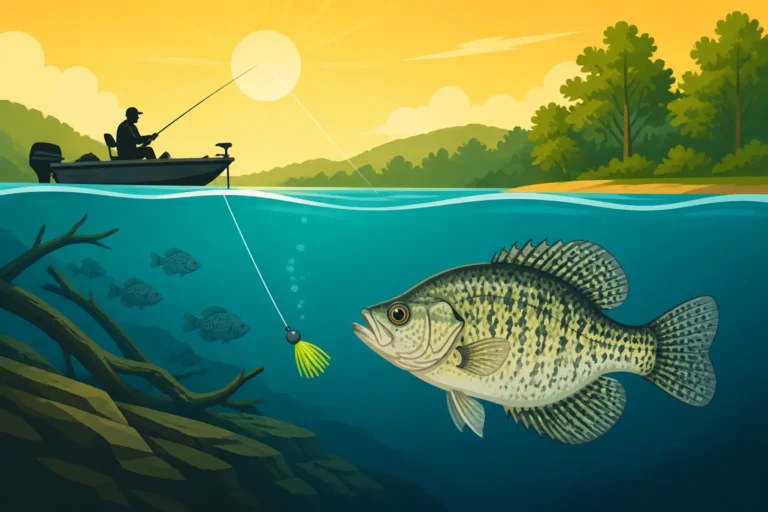
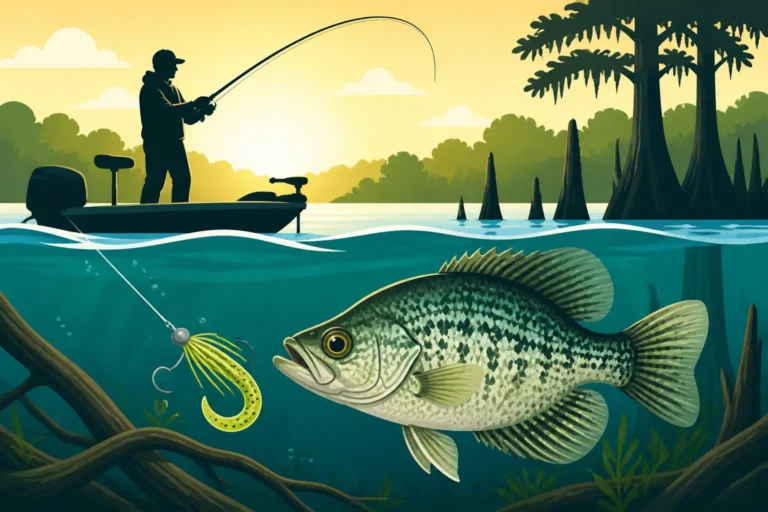
There's nothing quite like the thrill of crappie fishing in Mississippi, but let's be honest, those wily slabs can be incredibly frustrating to locate, especially when they're scattered or suspended in deeper water. You spend hours casting, drifting, trying to pinpoint them, and sometimes it feels like you're just guessing. That's where spider rigging comes in – it’s a tried-and-true method that transforms your boat into a crappie-catching machine, covering more water and presenting multiple baits with precision. This guide will walk you through everything you need to know to master spider rigging and put more crappie in your livewell.
What Exactly is Spider Rigging?
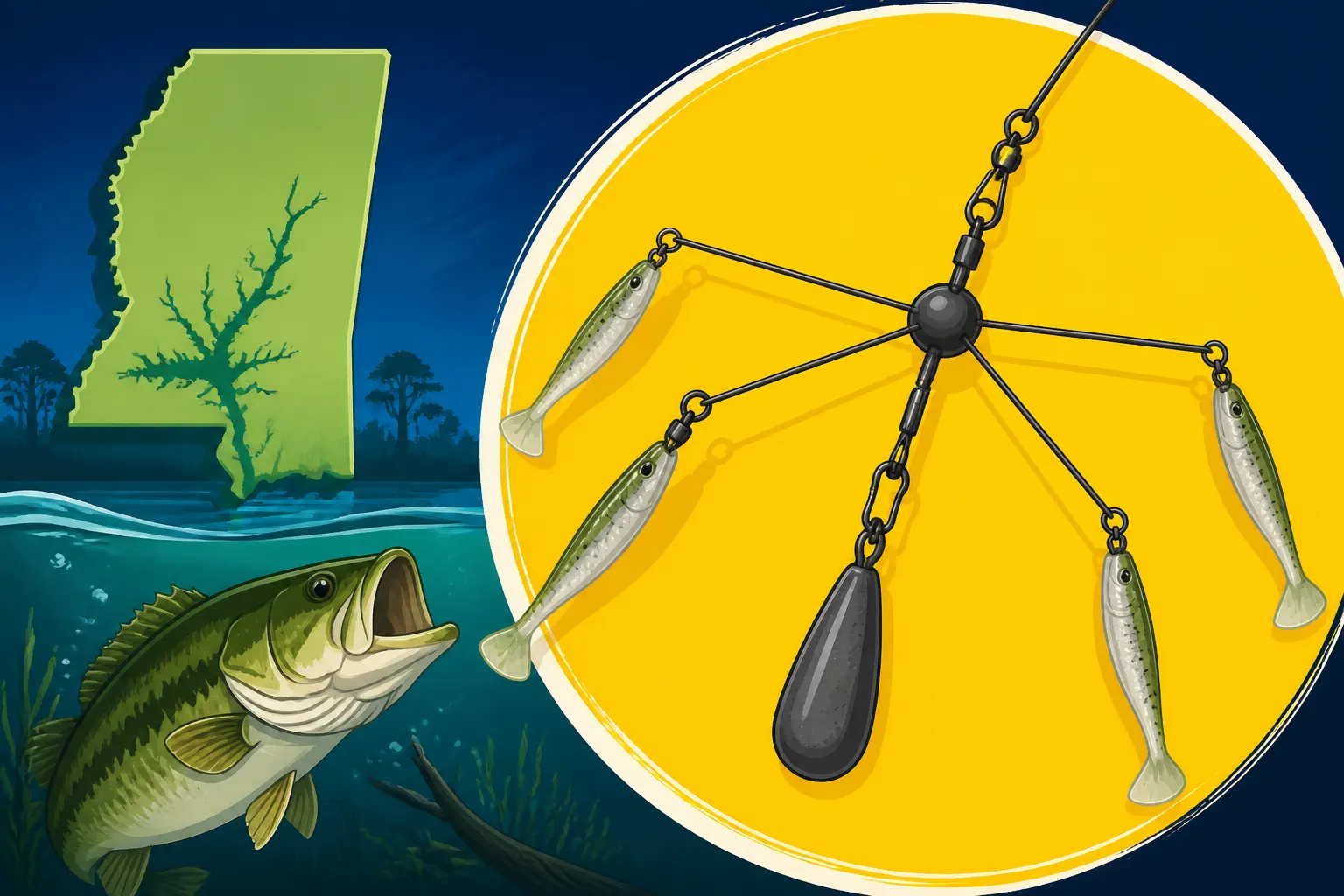
For those new to the term, spider rigging might sound a bit intimidating or even a little strange. But trust me, once you understand the core concept, you'll see why it's a staple technique for serious crappie anglers across Mississippi and beyond. It’s essentially a refined, highly effective form of slow trolling, using multiple long rods extended from the front of your boat, creating a "spider web" of lines.
The Philosophy Behind the Method
The genius of spider rigging lies in its ability to present numerous baits at various depths and distances simultaneously. Imagine trying to cover a vast open flat or a deep creek channel with just one or two rods. You’d miss countless fish. With a spider rig setup, you can run four, six, or even eight rods, each carefully spaced and weighted, effectively quadrupling your chances of intercepting a school of crappie. This method shines when crappie are suspended, scattered across flats, or holding to subtle structure that might be hard to pinpoint with traditional casting. Instead of waiting for the fish to come to you, you're systematically moving your baits through their habitat, increasing the odds of a strike. It’s less about pinpoint casting and more about methodical coverage.
Essential Gear for a Proper Setup
Getting started with spider rigging requires a bit of an investment, but it's one that pays off handsomely. You'll need specialized equipment that allows for the unique presentation this technique demands. First and foremost are the rods – usually long, flexible crappie-specific rods ranging from 10 to 16 feet in length, designed to spread lines wide and absorb the shock of a strike. These are paired with small spinning reels or baitcasting reels spooled with light line, typically 6-10 pound test.
Then comes the heart of the setup: sturdy rod holders. These aren't your typical bank fishing holders; they're heavy-duty systems that mount directly to your boat, often in a "T-bar" or "Driftmaster" style configuration that allows you to fan out multiple rods. When you're searching for specific components or even entire kits, places like Amazon offer a wide selection that can be shipped right to your door, making it easy to gather everything you need. You'll also need a variety of weights, from bell sinkers to egg sinkers, to present your baits at different depths. And, of course, a good selection of baits, from live minnows to an array of crappie jigs, will be crucial.
Setting Up Your Spider Rigging Spread
Once you have your gear, the next step is to configure your boat for optimal spider rigging. This isn't just about sticking rods in holders; it's about creating a system that works efficiently and effectively, allowing you to react quickly to bites and manage multiple lines without tangles.
Choosing the Right Rods and Holders
Selecting the correct rods is paramount. While you can technically use shorter rods, the advantage of spider rigging comes from spreading your baits out. That's why 10-foot to 16-foot jigging rods are preferred. These rods typically have a moderate action, meaning they bend easily throughout their length, which is crucial for detecting the often-subtle bite of a crappie, especially when you have a lot of line out. A softer tip helps prevent fish from feeling too much resistance and dropping the bait.
For rod holders, quality truly matters. You want something robust and secure that can withstand the constant vibration of the boat and the occasional hard strike. Popular choices often involve a "spider rig" or "crappie rack" system, like those from Driftmaster or Hi-Tek, which can hold several rods in a fanned-out pattern. These typically mount on the front deck or gunwales of your boat. The key is to arrange them so that each rod tip is clearly visible, and the lines are spread widely enough to minimize tangles during turns or when reeling in a fish. You can find excellent options for these specialized rod holders on Amazon, ensuring you get a durable setup. Consider the space on your boat and how many rods you comfortably want to manage.
Line, Weights, and Hook Considerations
With multiple lines in the water, line choice becomes important. Many spider riggers opt for a high-visibility monofilament line, typically 6 to 10-pound test. The high-visibility aspect makes it easier to track your lines and detect subtle bites against the water's surface, especially on bright days. Some anglers prefer fluorocarbon leaders for invisibility, but the stretch of mono can also be an advantage, absorbing shock.
Weights are critical for depth control. Bell sinkers are common, attached to the main line, with a leader (or two, if using a double rig) tied below. The weight you use depends on the depth you're targeting and your trolling speed. In shallower waters or when drifting slowly, lighter weights (1/4 to 1/2 ounce) might suffice. For deeper water or faster trolling, you might need 1 ounce or more to keep your baits down. The goal is to keep your lines as vertical as possible, minimizing the scope.
For hooks, crappie jigs are the standard. They come in a vast array of colors and sizes. Jig head weights typically range from 1/16 to 1/8 ounce, but you can go lighter or heavier depending on conditions. Some anglers prefer just a bare hook with a minnow. For optimal results, use sharp hooks. Look for quality jig heads with stout hooks that won't straighten out on a good fish. You can also vary your presentation by using different jig colors and styles on different rods, helping you quickly determine what the crappie are biting on that day.
Baiting Your Rig for Success
The choice of bait for spider rigging is a topic that can spark lively debates among crappie anglers, but generally, two main approaches dominate: live minnows and artificial crappie jigs. Both have their merits, and often, the most successful days involve a combination of the two.
Live minnows, specifically small shiners or rosy reds, are often considered the gold standard. There’s something about the natural movement and scent of a live minnow that crappie simply can’t resist. They provide a continuous, irresistible action that artificial baits can sometimes struggle to replicate, especially when fishing in murky water or during slower bite periods. When rigging minnows, you can hook them through the lips for a more natural swimming action, or through the back, which keeps them lively for longer and presents a larger target. Ensure your minnows are fresh and lively; a sluggish minnow is far less effective. Remember to check out where to find the Best Bait for Crappie in Mississippi to ensure you're using what works best locally.
Artificial crappie jigs offer incredible versatility. They come in an endless array of colors, shapes, and sizes, allowing you to "match the hatch" or experiment until you find what triggers a bite. Soft plastic bodies like tubes, grubs, and creature baits are popular choices, often tipped with scent or a small piece of minnow for added appeal. The advantage of jigs is their durability and the ability to impart subtle action with rod movement, even when slow trolling. Many anglers will run a mix, perhaps live minnows on some rods and different colored jigs on others, effectively testing what the crappie prefer at that particular moment. Don't be afraid to add a bit of scent to your artificial lures – sometimes that extra kick is all it takes.
Mastering the Art of Presentation and Depth
Spider rigging isn't just about putting lines in the water; it's about understanding the subtle nuances of crappie behavior and adapting your presentation to get those fish to bite. This requires a keen eye on your electronics and an intuitive feel for boat control.
Reading Your Electronics for Structure and Fish
Modern electronics are an absolute game-changer for spider rigging. Your sonar, down imaging, and especially side imaging units are your eyes below the surface. Before you even deploy your rods, take the time to scan the area thoroughly. Look for changes in depth, submerged brush piles, creek channels, stumps, and ledges. These are all prime crappie holding areas. More importantly, look for actual fish arches or schools of baitfish, which crappie often follow.
A good fish finder will show you not only the fish but also the depth at which they are suspended. If you see a school of crappie at 15 feet over a 30-foot bottom, that's your target depth. Don't just guess; use your electronics to guide your depth adjustments. As you're slowly trolling, continuously monitor your screen. If you pass over a brush pile and see fish, make a mental note, or better yet, mark it on your GPS. This allows you to fine-tune your path and ensure your baits are passing right through the strike zone. Learning How to Use a Fish Finder to Locate Crappie Brush Piles can significantly enhance your spider rigging success.
Adjusting Depth and Speed for Optimal Bites
Once you've identified a likely depth, you need to set your baits accordingly. This often involves adjusting the amount of line you let out and the weight you're using. A good starting point is to have some baits just above the fish you're marking and some right at their level. Crappie often look up to feed, so having a bait slightly above them can be very effective. Don't be afraid to stagger depths across your rods – maybe 12 feet on one, 15 on another, and 18 on a third – until you find the "magic" depth.
Your trolling speed is equally critical and often overlooked. For crappie, slow and steady usually wins the race. An ideal speed for spider rigging typically ranges from 0.3 to 1.0 miles per hour, though this can vary depending on water temperature, crappie mood, and the type of bait you're using. On a calm day, you might go as slow as possible, barely moving. On a windy day, you might need to pick up the pace slightly to maintain bait presentation. Pay close attention to your rod tips. If they're barely moving, your bait might not be working enough. If they're vibrating too much, you might be going too fast. This is where a good trolling motor with GPS capabilities, often found on Amazon, becomes invaluable for maintaining a consistent speed.
Dealing with Wind and Current
Mother Nature rarely cooperates perfectly, and dealing with wind and current is a constant challenge for spider riggers. Both can drastically affect your boat's speed and direction, making it difficult to maintain a consistent presentation. The most common tool for mitigating these effects is a drift sock. Deployed off the bow or stern, a drift sock acts like an underwater parachute, slowing your boat's drift and helping you maintain a straighter path, especially in windy conditions.
Another crucial piece of equipment is a reliable electric trolling motor, preferably one with GPS anchoring or "spot-lock" capabilities. This technology allows you to hold your boat precisely on a waypoint, even in wind and current, or to program a specific trolling path and speed. Without it, you'll be constantly fighting the elements with your main engine, which is much less precise and burns more fuel. In rivers or areas with strong currents, you might need heavier weights to keep your baits down. Always adjust your strategy based on the conditions; sometimes, a crosswind or current can even be beneficial, creating a natural drift that covers water effectively. Understanding these nuances is part of mastering Trolling for Crappie on Mississippi Reservoirs.
Spider Rigging in Mississippi's Top Crappie Lakes
Mississippi is truly a crappie angler's paradise, boasting some of the best crappie fisheries in the nation. Each lake, however, presents its own unique challenges and opportunities, and successful spider rigging often involves tailoring your approach to the specific body of water you're fishing.
Grenada Lake and Sardis Lake Strategies
When you talk about crappie in Mississippi, Grenada Lake and Sardis Lake immediately come to mind. These North Mississippi reservoirs are legendary for their giant crappie and prolific numbers. For spider rigging on Grenada Lake, the key often lies in targeting the submerged timber and creek channels that dissect the lake. During colder months, crappie will often stack up in these channels, and slowly working your spider rig over these depths can be incredibly productive. Focus on the main river channel and its tributaries, especially where they meet open water or significant structure. In spring, as the water warms, crappie move shallower, but spider rigging can still be effective on the edges of spawning flats or in deeper pockets adjacent to known spawning areas. Anglers on Grenada frequently report success with a mix of chartreuse and black jigs, often tipped with a live minnow. Exploring the Grenada Lake Fishing Guide will offer even more localized insights.
Sardis Lake, much like Grenada, holds an abundance of crappie and similar deep-water structures. However, Sardis also has vast flats and areas with scattered stumps. Spider rigging here is excellent for covering these expansive areas, slowly trolling until you hit a school of fish. Pay close attention to depth changes, even subtle ones, as crappie often relate to these transitions. In both lakes, using your side imaging to spot individual brush piles or logs, and then slowly pulling your spread past them, can be devastatingly effective. During the colder seasons, when crappie go deep, applying Deep Water Crappie Fishing Techniques with your spider rig will yield the best results on these big lakes.
Ross Barnett Reservoir and Enid Lake Approaches
Moving further south, Ross Barnett Reservoir, just outside Jackson, and Enid Lake offer different but equally rewarding spider rigging experiences. Ross Barnett is a shallower, more stained reservoir compared to the northern lakes, which means crappie behavior can be a bit different. Here, spider rigging is particularly effective along the main river channel, especially around turns and bends, and also over submerged grass beds or stump fields that are prevalent throughout the lake. Due to the stained water, brighter jig colors like chartreuse, orange, and even bright pink often perform well, as do scented baits that give fish an olfactory target. Don't overlook the main lake points and humps during transition seasons. A detailed Ross Barnett Reservoir Fishing Guide can help you pinpoint the hottest spots.
Enid Lake, another crappie powerhouse, is known for its incredible crappie population and diverse structure. It has a significant amount of standing timber and flooded creek channels, making it a prime location for spider rigging. The timber, while a challenge to navigate, offers excellent cover for crappie. Focus your efforts on the edges of these timber stands, or slowly work your way through less dense areas. Like Grenada and Sardis, electronics are your best friend on Enid for navigating the structure and finding fish. Pay attention to how the crappie relate to the timber; are they right in it, or are they holding just off the edge? Your spider rig allows you to probe both scenarios simultaneously. The Enid Lake Fishing Guide offers more specific details for anglers.
| Lake | Primary Structure to Target | Recommended Depths (Seasonal) | Popular Bait Choices |
|---|---|---|---|
| Grenada Lake | Submerged timber, creek channels | 15-30 ft (winter), 8-15 ft (spring/fall) | Chartreuse/black jigs, live minnows |
| Sardis Lake | Creek channels, flats, scattered stumps | 12-25 ft (winter), 6-12 ft (spring/fall) | White/pink jigs, minnows, scent |
| Ross Barnett Res. | River channel, grass beds, stump fields | 8-20 ft (winter), 4-10 ft (spring/fall) | Bright jigs (chartreuse, orange), scented plastics, minnows |
| Enid Lake | Standing timber, creek channels | 15-30 ft (winter), 8-18 ft (spring/fall) | Green/chartreuse jigs, Bobby Garland's, minnows |
Common Mistakes and How to Avoid Them
Even with the best gear and intentions, spider rigging has a learning curve. Many anglers fall into common traps that can drastically reduce their success. Being aware of these pitfalls and knowing how to steer clear of them will put you miles ahead.
Overlooking Subtle Bites and Rod Flinches
One of the most frequent mistakes new spider riggers make is not paying close enough attention to their rod tips. Crappie bites, especially in cold water or when fish are sluggish, can be incredibly subtle. It's rarely a violent tug that bends the rod dramatically. Instead, you might see a slight quiver of the rod tip, a momentary dip that barely registers, or even just a slight change in the rhythm of the boat's movement if your rod is against the gunwale.
The key is constant vigilance. Position your rod holders so that all rod tips are in your line of sight. Avoid distractions and regularly scan your entire spread. If you see anything out of the ordinary, even a twitch, assume it's a bite and investigate. Gently pick up the rod, feel for weight, and if you feel resistance, set the hook. Sometimes, a crappie will "mouth" the bait without really committing, and a quick, light sweep of the rod can turn that hesitant nibble into a solid hookup. This heightened awareness is crucial, particularly when applying Winter Crappie Fishing in Mississippi techniques, as bites become even more delicate.
Neglecting Proper Bait Maintenance and Rotation
Another common oversight is assuming your bait is always working perfectly once it's in the water. Live minnows, while effective, can become sluggish, die, or fall off the hook. Artificial jigs can get fouled with weeds, lose their tails to small fish, or simply become less appealing over time due to wear and tear or loss of scent.
Make it a habit to regularly check your baits, especially after a long stretch without bites or after reeling in a fish. If you're using live minnows, ensure they're still lively; replace any that are dead or dying. For jigs, visually inspect them for damage and refresh any scent attractants. Don't be afraid to rotate colors or styles of jigs if one isn't producing. If you're catching fish on a particular color on one rod, it might be worth changing other rods to that same successful pattern. Sometimes, crappie are very particular, and finding the hot color or bait is key to a productive day. It's about being proactive rather than reactive with your bait choices. Learning the Best Bait for Crappie in Mississippi will also guide your rotation strategy.
Advanced Tips for Experienced Spider Riggers
For those who have already mastered the basics of spider rigging, there's always room to refine your techniques and push the boundaries of what's possible. These advanced strategies can help you maximize your catch rates and truly dial in on the crappie.
Incorporating Side Imaging for Precise Placement
While traditional sonar and down imaging are invaluable, side imaging takes your ability to locate fish and structure to a whole new level. Instead of just seeing what's directly beneath your boat, side imaging projects a wide swath to either side, revealing hidden brush piles, submerged timber, rock piles, and even individual fish that you might otherwise troll right over.
For the advanced spider rigger, side imaging allows for incredibly precise bait placement. Imagine you're scanning a flat and spot a small, isolated brush pile 50 feet off to your port side. With side imaging, you can orient your boat and adjust your trolling path to ensure your outside port-side rods pass directly over or slightly past that brush pile. This level of precision can turn an average day into an exceptional one, as you're no longer just covering water generally but actively targeting specific pieces of productive cover. It also helps you identify areas with no fish or structure, allowing you to quickly eliminate unproductive water and move on. This ties directly into How to Use a Fish Finder to Locate Crappie Brush Piles for maximum efficiency.
Experimenting with Scent and Noise
Crappie primarily rely on sight and their lateral line to detect prey, but their sense of smell and hearing can also play a significant role, especially in stained water or low light conditions. Advanced anglers often experiment with scent attractants and subtle noise to draw in curious crappie.
Scent attractants, available in gels, sprays, or dyes, can be applied directly to artificial jigs or even live minnows. Brands like "Crappie Nibblers" or "Berkley Gulp!" offer powerful scents that disperse in the water, creating a scent trail that crappie can follow. This can be particularly effective when fish are scattered or sluggish, giving them an extra reason to investigate your bait.
For noise, some crappie jigs come with small rattles embedded in their bodies. These rattles emit subtle clicks and vibrations as they move through the water, mimicking the sounds of feeding baitfish or insects. While not as aggressive as some bass lures, these subtle sounds can be enough to trigger a predatory response from nearby crappie. Experiment with different combinations of scent and noise. Perhaps a scented jig on one rod and a rattling jig on another. Pay attention to which setup gets more bites, and then replicate that success across your spread. Understanding how different factors influence fish behavior, including the Best Time of Day to Catch Crappie, can help you fine-tune your use of scent and noise.
Disclaimer
Fishing conditions and regulations in Mississippi can change. Always consult the latest Mississippi Department of Wildlife, Fisheries, and Parks (MDWFP) regulations before heading out. This guide is for informational purposes only and does not constitute legal advice.