Which Mississippi Lake Holds the State Record Crappie?
It’s a common dream for any angler: to reel in a fish so impressive it makes the record books. But when you’re talking about crappie in Mississippi, a state renowned for its incredible crappie fishing, the question of which lake holds that coveted state record can feel like searching for a hidden treasure. Many anglers spend years chasing that monster slab, often wondering if they're even fishing in the right waters. This guide dives deep into the legendary waters of Mississippi to uncover the lake that claims the state's crappie record and provides insights into how you might just catch your own trophy.
The Legendary Lake Holding Mississippi's Crappie Record
For those who dream of a truly massive crappie, knowing where the biggest ones have been caught is half the battle. Mississippi is blessed with several reservoirs famous for their crappie populations, but only one can boast the ultimate state record.
The Record-Breaking Slab and Its Home
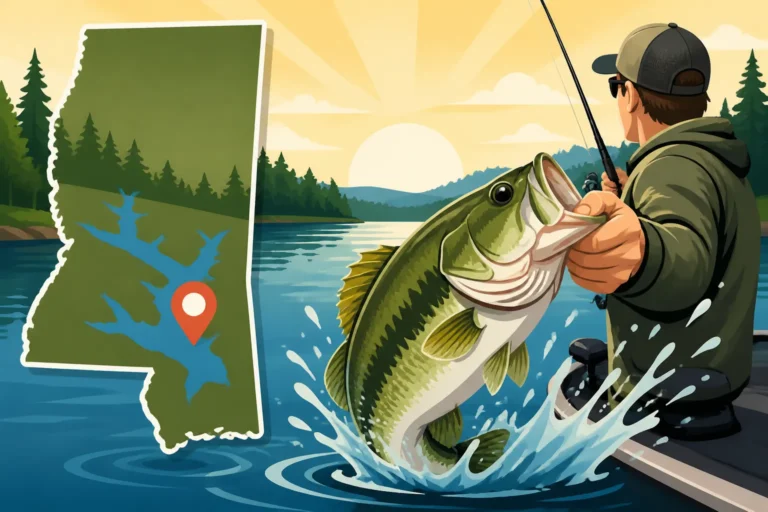
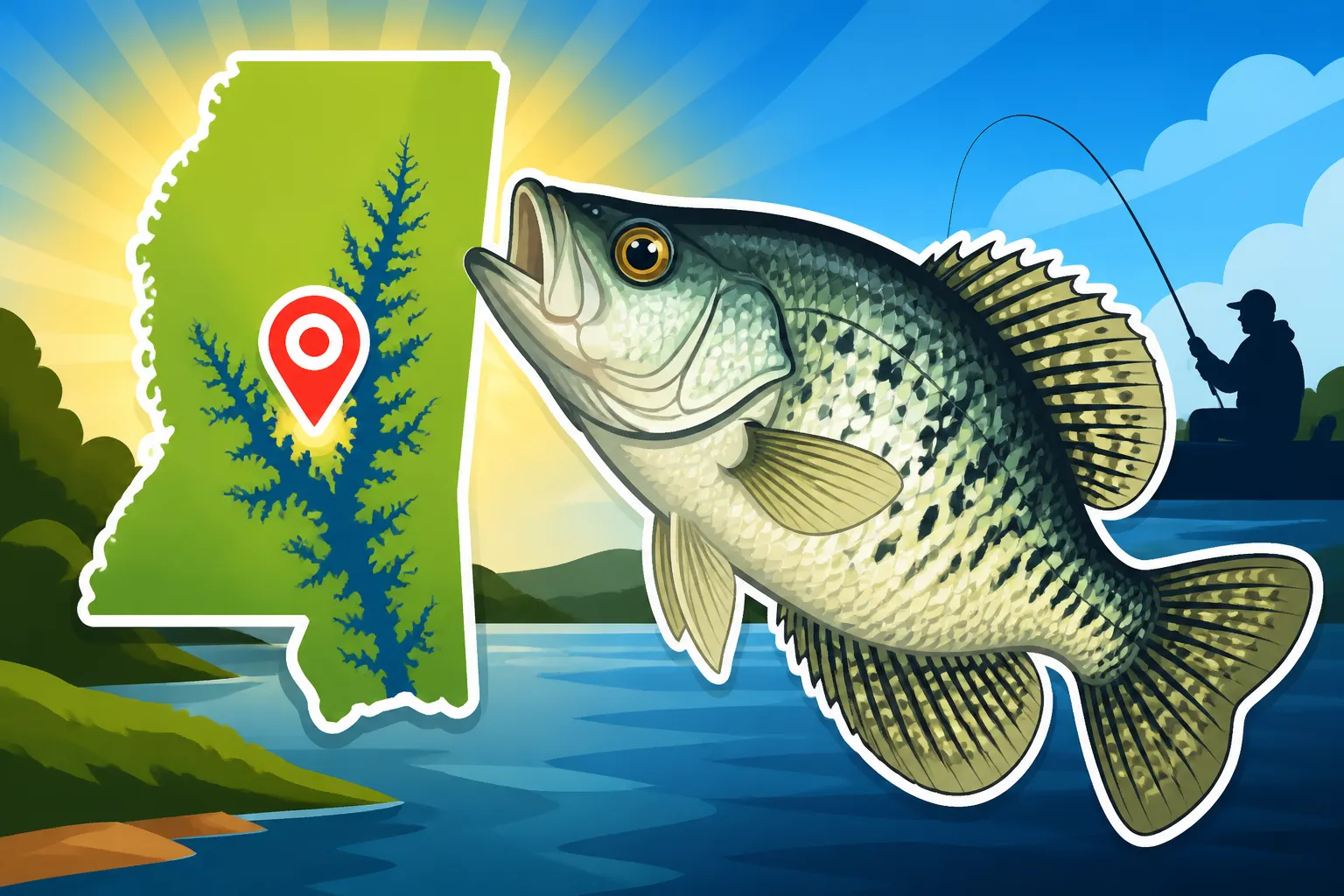
The undisputed champion for Mississippi's state record crappie belongs to Enid Lake. This northern Mississippi reservoir has long been a legendary destination for crappie enthusiasts, and it truly cemented its place in history with an astonishing catch. The record crappie, a massive white crappie weighing in at 3 pounds, 1 ounce, was caught by an angler named Fred Bright on July 31, 1957. That's right, 1957! It’s a record that has stood the test of time, proving the enduring quality of Enid Lake's crappie fishery.
Imagine the excitement of reeling in a crappie over three pounds. For many, a two-pound crappie is a fish of a lifetime, so a three-pounder is truly in a league of its own. Enid Lake continues to produce exceptional crappie, even if no one has yet broken Fred Bright's incredible record. This historical catch is a testament to the lake's sustained ability to grow truly monstrous fish, making it a bucket-list destination for serious crappie anglers.
Understanding the Allure of Enid Lake for Crappie
So, what is it about Enid Lake that allowed it to produce such a monumental crappie, and why does it still draw anglers hoping to replicate that feat? Enid Lake is one of the four U.S. Army Corps of Engineers flood control reservoirs in northern Mississippi, alongside Sardis, Grenada, and Arkabutla. These lakes were designed with fluctuating water levels in mind, which paradoxically creates incredibly rich environments for crappie.
Enid Lake, specifically, is known for its vast expanses of submerged timber, creek channels, and nutrient-rich waters that provide an abundance of forage. The periodic flooding and draining cycles help distribute nutrients, create new cover, and concentrate baitfish, all factors that contribute to rapid growth rates for crappie. The lake's structure includes numerous standing trees, brush piles, and roadbeds that offer perfect ambush points and spawning grounds. Furthermore, the Mississippi Department of Wildlife, Fisheries, and Parks (MDWFP) actively manages these waters, ensuring healthy crappie populations and promoting conditions for trophy growth. If you're planning a trip, looking up the latest reports or even considering a local guide through platforms like FishingBooker can provide invaluable insights into current conditions.
What Makes a Lake a Prime Spot for Trophy Crappie?
Catching a record-breaking crappie isn't just luck; it's a combination of ideal environmental conditions, abundant food sources, and effective fisheries management. Understanding these factors can help you identify other potential trophy crappie lakes, not just in Mississippi, but anywhere.
Ideal Habitat and Forage Availability
Trophy crappie need three main things to thrive and grow large: excellent habitat, an abundance of food, and enough time to mature. In Mississippi's large reservoirs like Enid, Sardis, and Grenada, these elements come together beautifully.
Firstly, diverse habitat is crucial. Crappie, especially larger ones, are ambush predators that love structure. This means submerged timber, brush piles, old roadbeds, bridge pilings, and even deep rock formations. These areas provide protection from larger predators and offer prime locations for crappie to hide and wait for unsuspecting baitfish. A lake with a variety of depths and structures will support a healthier crappie population and give older, larger fish more places to reside without heavy competition.
Secondly, a robust forage base is non-negotiable. Crappie primarily feed on small baitfish like threadfin shad and gizzard shad, as well as insects and crustaceans. Lakes with healthy populations of these baitfish will see crappie grow faster and larger. The productivity of the water – how rich it is in nutrients – directly impacts the baitfish population, which in turn impacts the crappie. The fertile waters of Mississippi's reservoirs, fed by various creeks and rivers, provide this crucial food chain. You can learn more about what these fish eat in our guide on Crappie Diet and Feeding Habits.
The Impact of Water Levels and Management
The fluctuating water levels characteristic of Mississippi's flood control reservoirs, while sometimes challenging for anglers, play a vital role in creating trophy crappie fisheries. When water levels rise, they flood new vegetation, creating fresh cover and spawning areas. This influx of nutrients can boost the entire ecosystem, leading to more baitfish and, consequently, bigger crappie. When water levels recede, it can concentrate fish in remaining channels and cover, making them easier to locate for anglers, but also providing a natural cycle of renewal for the habitat.
Beyond natural cycles, active fisheries management by the MDWFP is paramount. This includes strategic stocking programs, establishing appropriate Mississippi Fishing Creel and Size Limits, and habitat enhancement projects. For example, MDWFP biologists regularly monitor crappie populations, growth rates, and overall lake health. They might sink artificial brush piles or encourage the growth of specific aquatic vegetation to improve habitat. These efforts ensure that the lakes remain productive for trophy crappie year after year. Understanding these rules is crucial, so be sure to check out our comprehensive Mississippi Fishing Regulations Explained before heading out.
Beyond the Record: Other Top Mississippi Lakes for Big Crappie
While Enid Lake holds the state record, Mississippi boasts several other lakes that are legendary for producing exceptional crappie. These waters consistently yield large numbers of slabs, and many anglers would argue they offer just as good, if not better, opportunities for a trophy catch on any given day.
Grenada Lake: A Consistent Producer of Giants
When you ask an experienced crappie angler in Mississippi where to find big fish, Grenada Lake will almost always be at the top of their list. Located near Grenada, this massive reservoir is famous worldwide for its crappie fishing. It consistently produces "slab" crappie, with many fish regularly weighing over two pounds. While it hasn't broken Enid's state record, Grenada is arguably the most consistent trophy crappie lake in the entire state.
What makes Grenada so special? It shares many characteristics with Enid, including fluctuating water levels and abundant submerged timber. However, Grenada is particularly noted for its deep, distinct creek channels and vast areas of standing timber that offer year-round cover. During the spring spawn, crappie move into shallower coves and flats, making them accessible to a wide range of anglers. In the cooler months, they retreat to the deeper channels, where anglers skilled in Deep Water Crappie Fishing Techniques can find them schooling. Guides specializing in Grenada crappie, often found through services like FishingBooker, can put you on fish during any season. Check out our in-depth Grenada Lake Fishing Guide for more details on this phenomenal fishery.
Sardis Lake: A Northern Mississippi Gem
Another jewel in Northern Mississippi's crappie crown is Sardis Lake. Located east of Batesville, Sardis is another one of the major flood control reservoirs and a fantastic crappie destination. It’s known for its broad, relatively shallow flats, extensive standing timber, and a reputation for producing both quantity and quality crappie.
Sardis Lake often produces some of the earliest spawns among the northern lakes due to its shallower nature, which warms up faster. This makes it a prime spot for spring crappie fishing. Anglers here often employ techniques like spider rigging or single-pole jigging around the numerous brush piles and submerged structures. While perhaps not as globally renowned for sheer trophy size as Grenada, Sardis consistently yields large numbers of healthy crappie, with plenty of fish exceeding the one-pound mark and many pushing into the two-pound range. For more specific information on this lake, our Sardis Lake Fishing Guide is an excellent resource.
Arkabutla Lake and Other Notable Crappie Waters
Not to be overlooked, Arkabutla Lake, the westernmost of the four northern reservoirs, also offers excellent crappie fishing. While perhaps less famous for "giant" crappie than Grenada or Enid, Arkabutla can produce some truly impressive fish, especially for anglers who know its unique structure and patterns. Its waters are generally shallower, making it a favorite for those who prefer fishing slightly less deep cover.
Beyond these big four reservoirs, Mississippi offers a plethora of other fantastic crappie fishing opportunities. Many smaller state fishing lakes, private ponds, and river systems also hold healthy crappie populations. Lakes like Lake Washington, Okhissa Lake, and the backwaters of the Mississippi River all have their own unique crappie fisheries. While these might not typically produce state-record contenders, they can offer exceptional fishing days and, occasionally, surprise anglers with an unexpected slab. Before hitting any of these spots, always check the Mississippi Freshwater Fishing Rules to ensure you're compliant.
Here's a quick comparison of some of Mississippi's top crappie lakes:
| Lake | State Record Crappie (White) | Typical Trophy Size (lbs) | Primary Crappie Species | Key Features |
|---|---|---|---|---|
| Enid Lake | 3 lbs, 1 oz (1957) | 1.5 – 2.5 | White, Black | Extensive submerged timber, creek channels, flood control |
| Grenada Lake | 2 lbs, 8 oz (unofficial large catches common) | 2.0 – 3.0 | White, Black | World-famous for large crappie, deep channels, standing timber |
| Sardis Lake | 2 lbs, 2 oz (unofficial large catches common) | 1.5 – 2.5 | White, Black | Shallower flats, extensive timber, early spawn |
| Arkabutla Lake | 1 lb, 14 oz (unofficial large catches common) | 1.0 – 2.0 | White, Black | Shallower overall, diverse cover, less crowded |
Proven Strategies for Hooking Mississippi's Largest Crappie
Chasing a trophy crappie requires more than just showing up at a good lake; it demands skill, patience, and the right approach. Whether you're targeting the record holder or just hoping to land your personal best, these strategies can give you an edge.
Mastering Depth and Structure for Slabs
Big crappie, especially those pushing two pounds or more, are often found in specific locations. They don't typically school up with the smaller "keepers" in dense brush piles. Instead, they prefer slightly more isolated, substantial pieces of cover, or the edges of major structures.
- Deep Water Edges: During much of the year, trophy crappie will relate to deeper water. Look for drops-offs, the edges of old creek channels, river bends, and deep points. They might be suspended slightly above the bottom or tucked tightly into timber along these contours. A good fish finder is invaluable here for identifying these depth changes and any associated structure.
- Isolated Cover: Instead of dense forests of timber, focus on individual submerged trees, large brush piles, or old stumps that stand alone. These provide enough cover for a large crappie without the competition of hundreds of smaller fish.
- Bridge Pilings and Riprap: Bridges that cross major channels can be hotspots, especially the pilings or areas where riprap drops off into deeper water. These offer vertical structure that crappie will use at various depths.
- Spider Rigging and Trolling: For covering large areas of open water and systematically presenting baits at specific depths, spider rigging with multiple rods is a highly effective technique. It allows you to present several baits at different depths and colors simultaneously, increasing your chances of finding where the big ones are holding. Many crappie guides on Grenada and Sardis use this method extensively. You can dive deeper into this technique in our guide on Trolling for Crappie on Mississippi Reservoirs.
Selecting the Right Gear and Baits
When targeting trophy crappie, your gear choice becomes more critical. While light tackle is generally associated with crappie, a slightly heavier setup might be beneficial for bigger fish in thick cover.
- Rod and Reel: A sensitive, medium-light action spinning rod (6-7 feet) paired with a small, smooth spinning reel spooled with 6-8 pound fluorocarbon or monofilament line is a good starting point. This provides enough backbone to handle a large fish while maintaining sensitivity for subtle bites.
- Jigs: Small jigs are the bread and butter of crappie fishing. For trophy fish, consider slightly larger jigs (1/8 to 1/4 ounce) than you might use for smaller crappie. Colors can vary, but chartreuse, black and chartreuse, white, and natural shad patterns are consistently effective. Experiment with tail styles – paddle tails, curly tails, and straight tails – to see what the fish prefer on a given day. Our guide on Best Bait for Crappie in Mississippi has more detailed recommendations.
- Live Bait: Live minnows are incredibly effective for crappie, especially larger ones. Use medium to large minnows hooked lightly through the back or lips. Present them under a slip bobber at the precise depth where fish are located, or slow troll them on a tight line. Sometimes, the natural action and scent of a live minnow is simply irresistible to a cautious slab.
- Scent and Attractants: Don't underestimate the power of scent. Applying crappie-specific attractants to your jigs or minnows can make a significant difference, especially in murky water or when fish are less aggressive. Brands like Bobby Garland or Strike King offer a range of scented jigs and attractants.
Timing Your Hunt for Optimal Success
Timing is everything when it comes to trophy crappie. While crappie can be caught year-round, certain seasons and conditions offer better opportunities for landing a truly big one.
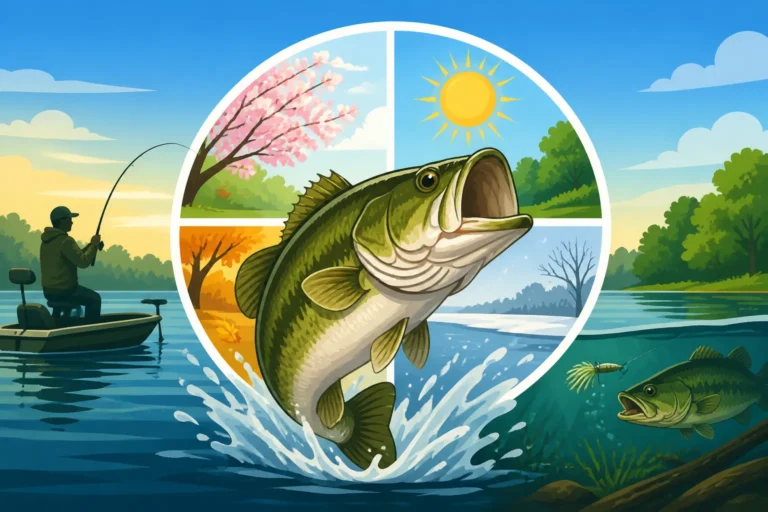
- Pre-Spawn and Spawn: The period leading up to and during the spawn (typically late February to May in Mississippi, depending on water temperature) is prime time. Crappie move shallower, become more aggressive, and are concentrated. This is when many of the biggest crappie are caught as they feed heavily before and during egg-laying. Understanding when crappie spawn in Mississippi is crucial for planning your trip.
- Fall Transition: As water temperatures begin to drop in the fall, crappie often follow baitfish into creek channels and congregate in predictable areas. This can be another excellent time for targeting larger fish as they feed actively to bulk up for winter.
- Winter Deep Water: Don't write off winter! While tougher to locate, large crappie can be found schooling in deep water on main lake channels or deep timber. Using a good fish finder and vertical jigging or slow trolling can be very effective, especially on warmer winter days. You can find more specific tips in our Winter Crappie Fishing in Mississippi guide.
- Weather Patterns: Stable weather conditions, especially a few days of consistent mild temperatures, often lead to better fishing. Cold fronts can shut down a bite, but fishing before a cold front can be incredibly productive as fish feed aggressively. High, stained water after heavy rains can also turn on the bite, especially in newly flooded areas.
Remember, patience and persistence are key. It often takes many hours on the water, experimenting with different techniques and locations, to connect with a truly legendary crappie. But the reward of feeling that heavy thump on your line, and eventually hoisting a Mississippi slab, is an experience you won't soon forget.
Disclaimer
Fishing conditions and regulations in Mississippi can change. Always consult the latest Mississippi Department of Wildlife, Fisheries, and Parks (MDWFP) regulations before you head out on the water. This guide is for informational purposes only and does not supersede official rules and advisories.