Sardis Lake Best Fishing Season
We've all been there: staring at a calendar, wondering when the 'perfect' time is to hit the water for a truly memorable fishing trip. If your sights are set on the legendary Sardis Lake, figuring out the best fishing season can feel like a puzzle, especially with varying reports and conditions. This guide is here to lay out exactly when and how to maximize your chances for success on Sardis Lake, detailing the nuances of each season and what you can expect to reel in.
Understanding Sardis Lake's Fishing Appeal
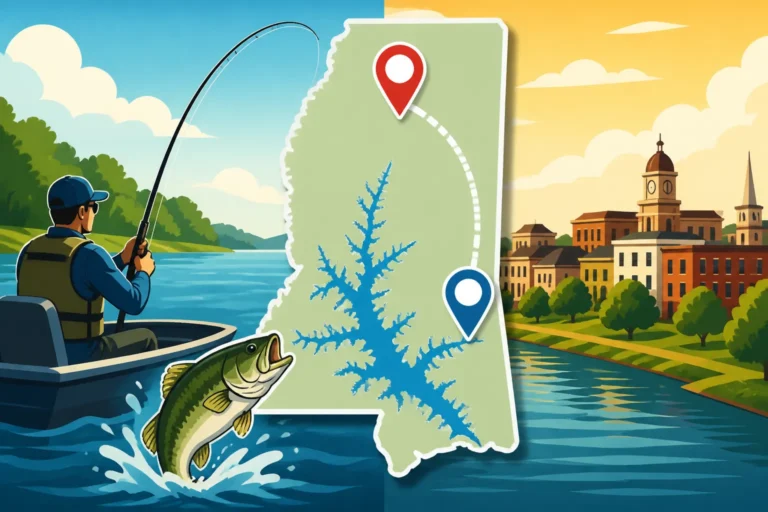
Sardis Lake, nestled in North Mississippi, is a jewel in the state's crown when it comes to freshwater fishing. It's not just a pretty face; this massive Corps of Engineers reservoir, one of Mississippi's flood control lakes, boasts a reputation as a true crappie mecca. But don't let that fool you into thinking it's a one-trick pony. Sardis offers incredible opportunities for various species, attracting anglers from all over the Southeast.
Why Sardis Lake Stands Out
What makes Sardis Lake so special? For starters, its sheer size – over 98,000 acres at flood stage, though it typically hovers around 32,000 acres during normal conservation pool levels – provides a diverse range of habitats. You've got vast open water, stump fields, submerged timber, creek channels, and plenty of shallow flats that attract different fish at different times of the year. This variety means that no matter your preferred fishing style or target species, there's a good chance Sardis can deliver. The lake is consistently ranked among the top crappie fisheries in the nation, drawing dedicated anglers seeking trophy slabs. However, it's also a fantastic destination for
Beyond its fishing prowess, Sardis Lake is simply a beautiful place to spend a day (or a week!) on the water. The surrounding Sardis Lake State Park and numerous access points make it angler-friendly, offering everything from primitive boat ramps to full-service marinas. It’s the kind of place where memories are made, whether you're battling a big bass or filling a cooler with crappie for a family fish fry.
Year-Round Opportunities and Challenges
While some lakes have very defined "on" and "off" seasons, Sardis Lake offers fishing opportunities pretty much year-round. However, this doesn't mean every day is equally productive, nor that the same techniques will work in January as they do in July. Each season brings its own set of unique conditions and, consequently, its own strategies for success. It's easy to get discouraged when you hit the lake during what you thought was the prime time, only to find the fish tight-lipped because you haven't adjusted to the subtle changes in water temperature, clarity, or fish behavior. Understanding these seasonal shifts is the key to consistently catching fish on Sardis, rather than just relying on luck.
The Prime Seasons for Sardis Lake's Top Species
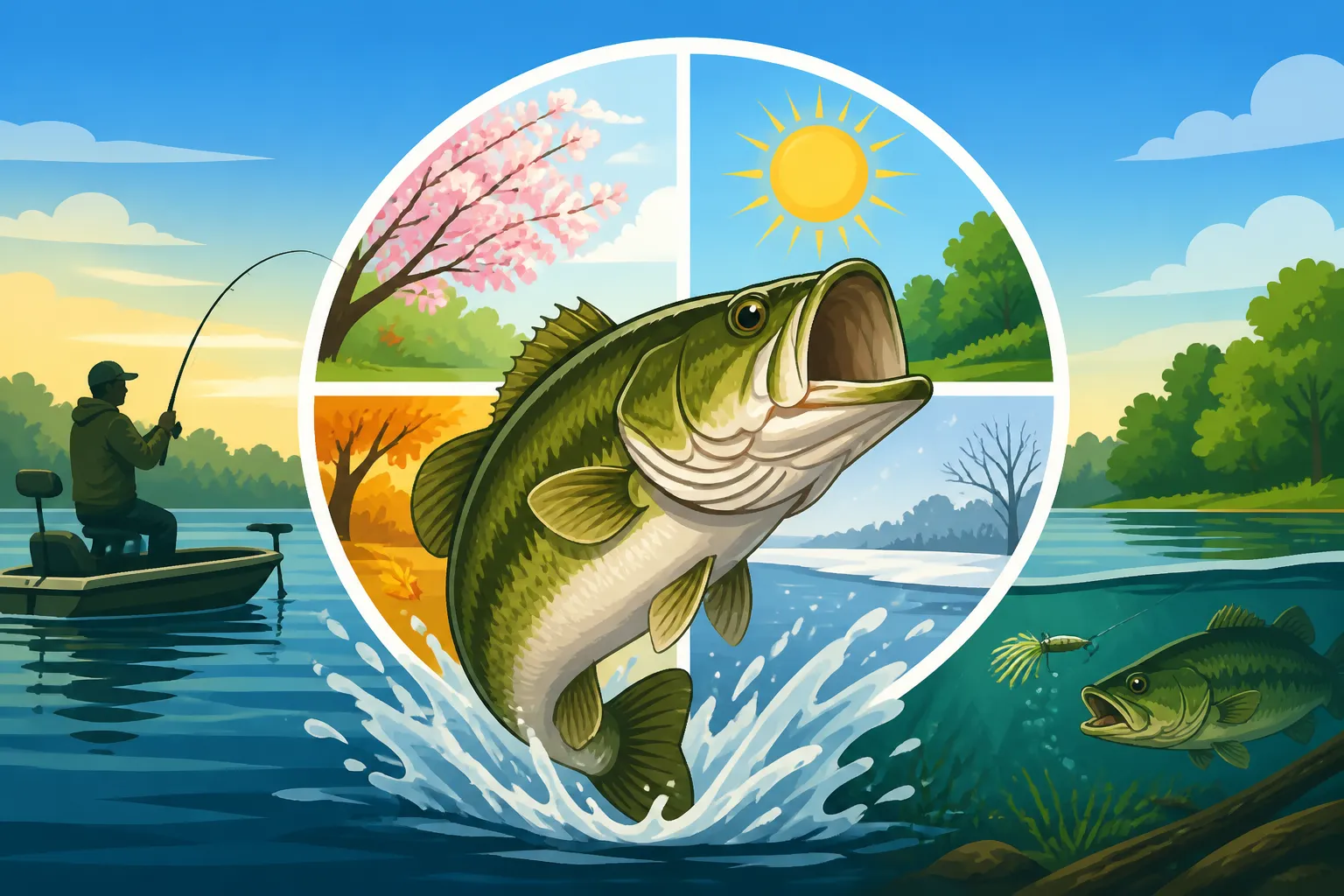
To truly pinpoint the best fishing season on Sardis Lake, you need to consider what kind of fish you're hoping to catch. Different species have different peak activity periods, largely driven by their spawning cycles and feeding habits in response to water temperature.
Spring: Crappie Bonanza and Bass Awakening
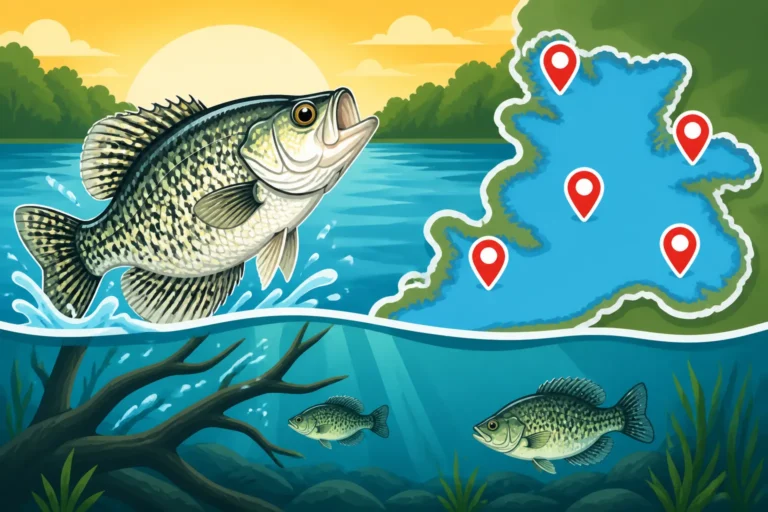
Ask any local angler, and they'll likely tell you that spring is the time for crappie on Sardis Lake. As the water temperatures begin to climb into the 50s and 60s Fahrenheit, typically from late February through May, crappie move out of their deeper winter haunts and into the shallower waters to spawn. This is when they become incredibly accessible and aggressive, making it an ideal time for anglers of all skill levels. If you're planning a trip during this period, you might want to review our
- Crappie Spawning Frenzy: March, April, and early May are prime months for crappie. As the water warms, these fish migrate from deep creek channels and ledges to shallow banks, brush piles, and submerged timber. They're looking for structure to lay their eggs, and that means they'll be in water as shallow as 1-5 feet. Anglers targeting them often use
Crappie Fishing Techniques for Mississippi Lakes like casting small jigs (1/16 to 1/8 ounce) in chartreuse, white, or black-and-chartreuse combinations, or fishing live minnows under a bobber. The key is to cover water and pay attention to where you get bites, as crappie often school up tightly during the spawn. You might find a dozen fish on one brush pile and none on another just yards away. - Bass on the Move: While crappie get a lot of the spotlight, spring is also fantastic for largemouth and spotted bass. They follow a similar pattern, moving shallow for their pre-spawn and spawning phases. In March and April, bass are heavy and hungry as they prepare to spawn, offering some of the best opportunities to catch a true trophy. They'll readily hit spinnerbaits, crankbaits, and jigs around rocky points, submerged timber, and warming flats. As the water temperatures hit the mid-60s, the bass move onto their beds, typically in protected coves and shallow pockets, making them visible and catchable for sight-fishing enthusiasts.
Summer: Catfish and Early Morning Bass
As the scorching Mississippi summer heat settles in, typically from June through August, Sardis Lake fishing changes gears. The shallow water action for crappie and bass slows down significantly as these fish retreat to deeper, cooler waters or become primarily nocturnal feeders. This can be frustrating if you're not prepared, but summer still offers plenty of opportunities, especially for different species.
- Catfish Domination: Summer is prime time for Catfish Fishing Techniques on Sardis Lake. Channel catfish, blue catfish, and flathead catfish are all highly active in the warm water. They'll often move into creek channels, deep holes, and around submerged river bends, feeding aggressively. Using cut bait, prepared stink baits, or live bait like shad or worms can be incredibly effective. Night fishing for catfish is particularly popular and productive during the summer, offering relief from the heat and often leading to bigger catches. Jug fishing and trotlines are also common methods for targeting catfish in the expansive waters of Sardis.
- Early Morning/Late Evening Bass: For bass anglers, summer means adjusting tactics. The midday sun and high water temperatures drive bass deep or into thick cover. Your best bet for largemouth and spotted bass will be during the cooler parts of the day – the first few hours after sunrise and the last few hours before sunset. Topwater lures can be explosive at dawn, and fishing plastic worms, deep-diving crankbaits, or jigs around ledges, drop-offs, and deep brush piles becomes crucial during the day. If you're looking for specific guidance during this hotter period, check out our
Mississippi Summer Fishing Guide .
Fall: Active Predators and Cooling Waters
Fall, generally from September through November, is a favorite season for many anglers on Sardis Lake, and for good reason. As the oppressive summer heat begins to wane and water temperatures start to drop, the fish become incredibly active. This is a transition period where many species, especially bass and crappie, begin to feed heavily in preparation for winter.
- Aggressive Bass and Crappie: The cooling water temperatures signal a major feeding spree for both bass and crappie. Shad, the primary baitfish in Sardis, begin to school up, and predatory fish follow them into shallower coves and creek arms. Bass fishing can be phenomenal, with fish chasing schools of bait on the surface or congregating around points and humps. Spinnerbaits, crankbaits, lipless crankbaits, and topwater lures are all excellent choices. For crappie, the fall bite can rival spring in terms of action, though they might not be as shallow. They'll often be found suspended over brush piles or along creek channels, particularly as the water cools down further into late fall. Mississippi Fall Fishing Guide dives deeper into this exciting season.
- Versatile Opportunities: Fall offers a great mix of opportunities. You can still catch plenty of catfish, especially if you target deeper areas, and bream remain active on warmer days. The comfortable weather and vibrant fall foliage also make for a truly enjoyable day on the water, often with fewer crowds than in the spring.
Winter: Deep Water Crappie and Less Crowds
Winter on Sardis Lake, typically December through February, can be a challenging but rewarding time for the persistent angler. While many fair-weather fishermen pack up their gear, those who brave the colder temperatures can find incredible success, particularly for crappie. The lake also offers a unique tranquility, with far fewer boats on the water.
- Deep-Water Crappie Tactics: In winter, crappie generally retreat to deeper, more stable water. They'll often be found suspended in large schools in the main lake channels, around deep timber, or along bluff walls. This is when vertical jigging with small jigs or live minnows becomes incredibly effective. Boat control and a good fish finder are essential for locating these tight schools. While the bite might be slower, the fish you catch tend to be bigger and healthier, having packed on weight during the fall feed. This is definitely a time to refine your
Crappie Fishing Techniques for Mississippi Lakes for deep-water scenarios. - Slower, but Still Productive Bass and Catfish: Bass fishing during winter can be tough, requiring slow presentations with jigs, finesse worms, or suspending jerkbaits in deeper water. Look for bass to relate to steep drops, submerged timber, or rocky points near deep water. Catfish can also be caught, often by targeting deep holes in creek channels with fresh cut bait. The key to winter fishing for all species is patience and precision. For a more detailed look at this chilly period, refer to our
Mississippi Winter Fishing Guide .
Factors Influencing Your Sardis Lake Fishing Success
While understanding the general seasonal patterns is crucial, the "best" fishing day isn't just about the month on the calendar. Several other factors play a significant role in how productive your time on Sardis Lake will be. Ignoring these can quickly turn a promising outing into a frustrating one.
Water Levels and Conditions
Sardis Lake, being a flood control reservoir, experiences significant fluctuations in water levels throughout the year. These changes can dramatically impact fish behavior and where you'll find them. High water, often associated with heavy spring rains, can push fish into newly flooded cover like bushes and timber, spreading them out and sometimes making them harder to locate. Conversely, low water levels can concentrate fish in tighter areas but also make boat navigation challenging in certain spots.
Water clarity is another huge factor. After heavy rains, the lake can become muddy, especially in the upper arms. This often means fish rely more on scent and vibration, making baits like noisy crankbaits or scented plastics more effective. In clearer water, fish become more wary, and lighter lines, natural colors, and subtle presentations are often necessary. Monitoring the lake's current conditions, often available through the Corps of Engineers website or local bait shops, is a vital step in planning your trip.
Weather Patterns and Temperature Swings
The day-to-day weather plays an enormous role in fishing success. Sudden cold fronts after a warm spell can shut down a bite instantly, making fish lethargic and less willing to chase lures. Conversely, stable weather patterns, even if they're hot or cold, tend to lead to more predictable fishing. Barometric pressure changes, often associated with approaching or departing storm systems, can also trigger or suppress feeding activity. A steady or falling barometer often means fish are more active, while a high, stable barometer can sometimes indicate a tougher bite.
Wind is another element to consider. A gentle breeze can create a "walleye chop" that helps break up the surface, making fish less spooky and often pushing baitfish into certain areas. However, strong winds can make boat control incredibly difficult and even dangerous, especially on a large lake like Sardis, forcing anglers to seek more protected coves or reschedule their trip entirely. Always check the forecast not just for temperature, but for wind speed and direction before heading out.
Solunar Tables and Daily Timing
Many experienced anglers swear by solunar tables, which predict periods of increased fish and wildlife activity based on the moon's position relative to the earth. While not a guaranteed science, these tables often highlight "major" and "minor" feeding times that can align with peak fishing success. It's an extra layer of planning that can provide an edge, especially on days when the fishing is tough.
Beyond solunar theory, the simple timing of your day on the water is crucial. As mentioned earlier, early mornings and late evenings are almost universally the best times to fish for most species, particularly in warmer months. The lower light conditions and cooler temperatures often trigger feeding binges. Even in cooler weather, these "prime time" windows can make a significant difference in your catch rates. Don't discount the middle of the day entirely, but be prepared to adjust your techniques to target deeper, less active fish if you're out during peak sun.
Planning Your Ideal Sardis Lake Fishing Trip
With all this information about seasons, species, and environmental factors, how do you put it all together for your best chance at success on Sardis Lake? It comes down to preparation and staying informed.
Checking Forecasts and Local Reports
The absolute best thing you can do before any fishing trip to Sardis Lake is to check current conditions. Don't rely solely on historical data or general seasonal advice. Local bait shops are often an invaluable source of real-time information. They'll know what's biting, what baits are working, and what the water levels and clarity are like. Online fishing forums dedicated to Mississippi fishing, as well as the Mississippi Department of Wildlife, Fisheries, and Parks (MDWFP) website, can also provide recent reports and stocking information. Keeping an eye on a detailed weather forecast right up until you launch is also non-negotiable. Knowing if a cold front is coming, or if the wind is going to howl, can help you adjust your plans or even decide to fish a different body of water.
If you're unsure about specific regulations or need to renew your
Considering a Guided Experience
For anglers new to Sardis Lake, or those looking to drastically shorten the learning curve, hiring a local fishing guide can be an absolute game-changer. These professionals spend countless hours on the water and possess an intimate knowledge of the lake's ever-changing conditions, fish patterns, and hotspots. They know which
Even if you're an experienced angler, a guided trip on a new lake like Sardis can quickly help you understand its unique characteristics and fishing nuances. Many anglers find it convenient to research and book their fishing adventures through reputable platforms like FishingBooker, which allows you to compare guides, read reviews, and find the perfect match for your trip. Whether you're targeting crappie during the spring spawn or seeking
| Species Targeted | Best Season(s) | Key Conditions | Recommended Lures/Bait |
|---|---|---|---|
| Crappie | Spring, Fall, Winter | Spring: Warming water (50-60°F), shallow cover. Fall: Cooling water, baitfish schools. Winter: Cold, deep, stable water. | Small jigs (1/16-1/8 oz), live minnows, spider rigging. |
| Largemouth Bass | Spring, Fall, Summer (early/late) | Spring: Pre-spawn/spawn (55-70°F), shallow points/coves. Fall: Cooling water, shad migration. Summer: Deep structure, low light. | Spinnerbaits, crankbaits, jigs, plastic worms, topwater. |
| Catfish | Summer, Fall | Warm water (70-85°F), deep holes, creek channels. | Cut bait, prepared baits, live shad, worms. |
| Bream/Bluegill | Spring, Summer | Warm water, shallow beds/cover. | Crickets, worms, small poppers/flies. |
Remember, a guide booked through services like FishingBooker can often provide up-to-the-minute details that online reports might miss, making your trip as successful as possible. Investing in a knowledgeable local can pay dividends in memories and a full cooler.
Disclaimer
Please note that fishing conditions, regulations, and fish behavior can change rapidly. Always consult the latest regulations from the Mississippi Department of Wildlife, Fisheries, and Parks (MDWFP) before heading out. This guide provides general information and recommendations, but local conditions can vary.