Barnett Reservoir Spillway Fishing
Ah, the Ross Barnett Reservoir Spillway! Many folks drive right over it, or maybe glance at the churning water and think, "Too chaotic to fish." But let me tell you, if you’ve ever found yourself frustrated trying to find a consistent bite, especially when the main lake is slow, you might be overlooking one of Mississippi’s most action-packed and unique fishing destinations. This guide is all about peeling back the layers of this dynamic environment, offering you the deep insights and practical tips you need to confidently tackle the spillway and land some impressive fish.
Understanding the Ross Barnett Reservoir Spillway Ecosystem
The spillway isn't just a random stretch of water; it's a carefully managed, yet wild, ecosystem that offers a constantly changing and challenging fishing experience. For those who know how to read it, it’s a goldmine.
The Dynamic Environment of the Spillway
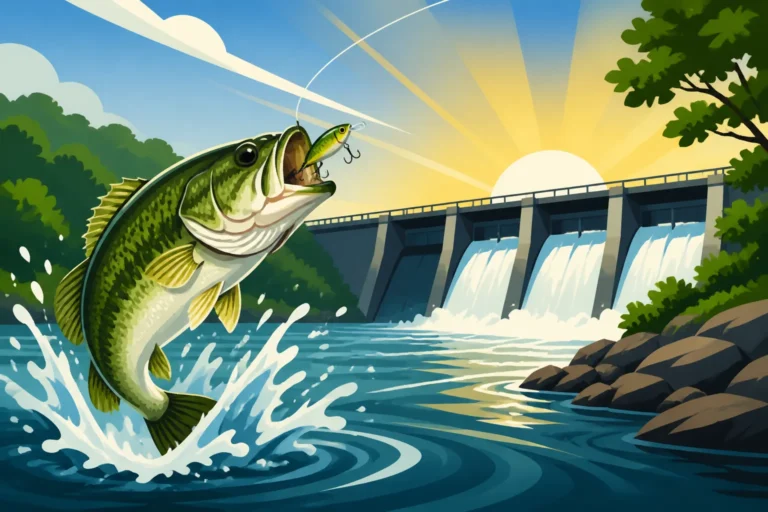
Picture this: tons of water from the massive Ross Barnett Reservoir, often lovingly called "The Rez" by locals, are released through gates, creating a powerful, ever-present current. This isn't your calm, serene pond fishing. This is dynamic, churning water that fundamentally alters the environment below the dam. The constant flow creates highly oxygenated water, even in the dog days of summer, which is a massive draw for fish looking for comfortable conditions. It also acts like a giant conveyor belt, pushing baitfish, crustaceans, and other forage through the system, practically ringing the dinner bell for hungry predators.
The bottom structure is often characterized by riprap (large rocks placed to prevent erosion), scour holes carved out by the relentless current, and various natural or man-made structures like bridge pilings or concrete abutments. These features create crucial current breaks and ambush points where fish can rest out of the main flow and dart out to snatch passing meals. Understanding how water flows around these structures is key to figuring out where the fish will be holding, as they’re always looking for that sweet spot of easy feeding and minimal effort. The water levels can fluctuate significantly, impacting access and fish patterns, so staying aware of the dam's release schedule is a major advantage.
Key Fish Species Attracted to the Spillway
The sheer diversity of fish species that congregate in the spillway is one of its most exciting aspects. You’re not just targeting one type of fish; you could potentially catch several different species in a single outing! Largemouth bass are drawn to the turbulent waters, often hiding behind current breaks, ready to ambush unsuspecting baitfish. These bass can be incredibly aggressive due to the constant need to feed in the high-energy environment.
Then there are the crappie, which might seem out of place in such strong current, but they absolutely thrive in the calmer eddies and deeper pockets just out of the main flow. They’re often found suspended in schools, waiting for food to drift by. Catfish, especially big blue and channel cats, are absolute beasts in the spillway. They use their incredible sense of smell and powerful bodies to hold in the deepest holes and channel edges, gorging on whatever the current brings them. Many anglers consider this one of the best spots to go Catfish Fishing Techniques in central Mississippi.
And let's not forget the schooling fish that make the spillway truly legendary: white bass, hybrid striped bass, and even pure striped bass. These hard-fighting fish are often found chasing shad in massive schools, creating explosive surface boils or lurking deeper in the current. They're drawn by the abundant bait and the cooler, oxygen-rich water. It's a truly diverse fishery, offering something for every angler, from those seeking a challenging fight with a striper to those looking to fill a cooler with crappie or catfish. For a broader look at the species available, check out our guide on Mississippi Freshwater Fish Species Guide.
Seasonal Changes and Their Impact
Just like any fishery, the Barnett Reservoir Spillway has its distinct seasonal patterns, and understanding them is crucial for consistent success. In spring, as water temperatures rise, fish become incredibly active. The current can still be strong, but bass move shallower to feed before and after the spawn, and crappie will stage in adjacent deeper waters before moving to calmer, brushy areas to lay eggs. Spring also sees an increase in baitfish movement, triggering aggressive feeding from all predatory species. It's a fantastic time for both artificial lures and live bait, as fish are often at their most willing to bite.
Summer fishing at the spillway can be fantastic, especially during periods of higher water release when the oxygen levels are prime. While the main lake might get stagnant and hot, the spillway often remains a comfortable sanctuary for fish. Early mornings and late evenings, or even night fishing, can be incredibly productive for catfish and schooling bass and stripers. As fall approaches, the water starts to cool, and fish enter a major feeding frenzy, bulking up for winter. This is when the white bass and hybrid runs can be epic, with massive schools chasing shad. It's an exciting time to throw reaction baits like crankbaits and spoons.
Winter can be a bit slower, but don’t count the spillway out. Fish will often move to the deepest, most stable holes and current breaks. While the bites might be more subtle, patience can reward you with larger, lethargic fish that are easier to target once found. Vertical presentations with jigs or slow-trolling live bait become more effective. For a comprehensive overview of how these changes play out statewide, consult our Mississippi Fishing Seasons Calendar.
Essential Gear and Tackle for Spillway Success
Fishing the spillway requires a slightly different approach to gear than what you might use on a calm lake. The strong currents, varied species, and potential for heavy cover mean you need versatile, robust equipment.
Rod, Reel, and Line Selection
When you're fishing the Ross Barnett Reservoir Spillway, versatility is your friend. You're dealing with current, potential big fish, and often a need for accurate casts. I typically recommend a medium-heavy to heavy power spinning or baitcasting rod, somewhere in the 7-foot range. A fast action tip is great for feeling subtle bites and delivering quick hooksets, which is crucial when fish take your bait in a strong current. For general-purpose fishing, a medium-heavy rod allows you to throw a wide range of lures, from jigs and crankbaits to heavier spoons, and still have the backbone to fight a sizable striper or catfish. If you're specifically targeting bigger catfish or alligators gar, you'll want to step up to a heavy rod with even more power.
Matching your reel to your rod is important for balance and efficiency. For spinning gear, a 3000-4000 series reel with a smooth drag system is ideal. For baitcasting, a reel with a good braking system and a decent gear ratio (around 7.1:1) will help you manage line in the current and quickly retrieve slack. Line choice is critical. Braided line in the 20-30 pound test range is excellent as a main line due to its strength, sensitivity, and lack of stretch, which helps detect bites and set hooks in current. However, for leader material, I always recommend a fluorocarbon leader (15-25 lb test) in clear water, as it’s nearly invisible and more abrasion-resistant against the rocks and debris in the spillway. The stretch in mono can be a disadvantage in current.
Baits and Lures That Dominate the Spillway
The spillway's diverse ecosystem calls for a diverse tackle box. When it comes to live bait, shiners and shad are absolutely deadly for crappie, white bass, hybrid stripers, and even larger bass. Minnows fished under a bobber or vertically jigged near structure can entice crappie in calmer eddies. For catfish, nothing beats cut bait – fresh shad, skipjack, or even chicken liver. Worms, particularly nightcrawlers, can also be effective for smaller catfish and various panfish. Live bait offers a natural presentation that's hard for hungry fish to resist, especially in current where they're used to finding easy meals.
On the artificial side, jigs are kings. Bucktail jigs in white, chartreuse, or natural baitfish colors are fantastic for stripers, white bass, and bass when cast into current seams and retrieved with a jigging motion. Soft plastic swimbaits, grubs, or paddle tails rigged on a heavy jig head (1/4 to 1/2 oz or more, depending on current) can imitate baitfish perfectly and are great for bass and hybrids. Diving crankbaits that can get down to the 8-15 foot range are excellent for bumping off rocks and triggering reaction strikes from bass and stripers. Silver or chrome spoons, like Kastmasters or Little Cleos, are also highly effective for schooling fish chasing shad. Topwater lures, such as poppers or walking baits, can be exhilarating during low-light conditions when bass or stripers are aggressively feeding on the surface. Don’t forget spinnerbaits for bass, especially those with willow leaf blades for slicing through current. For more specific crappie lure suggestions, check out our guide on Best Bait for Crappie in Mississippi.
Must-Have Accessories and Safety Gear
Beyond your rod and reel, a few key accessories will make your spillway fishing trip much more enjoyable and, more importantly, safer. First off, if you plan on wading, a sturdy pair of felt-soled wading boots or cleats worn over rubber boots is non-negotiable. The rocks in the spillway can be incredibly slick, covered in algae, and the current can be deceptive. A wading staff can also provide crucial stability. Always wear a life vest, even if you’re a strong swimmer, especially if wading or using a small boat or kayak. The current can be powerful and unpredictable, and an accidental slip can happen quickly.
Other essentials include a good pair of fishing pliers for hook removal, a sturdy landing net with a long handle (essential for netting fish in current), and a stringer or cooler to keep your catch fresh. A dedicated tackle box or bag that you can easily carry is also helpful, keeping your lures and tools organized. Don’t forget basic safety items like a first-aid kit, a fully charged cell phone, and plenty of water, especially on hot Mississippi days. Sunscreen, a wide-brimmed hat, and polarized sunglasses are also vital for eye protection and spotting fish or structure beneath the glare. You'll thank yourself for bringing insect repellent too, as the water attracts all sorts of critters.
Strategic Fishing Techniques for the Spillway
Fishing the Barnett Reservoir Spillway isn't about aimless casting; it's about understanding the water, reading the current, and applying specific techniques to target the fish holding in this unique environment.
Mastering Current Seams and Eddies
If you want to unlock the secrets of spillway fishing, you must learn to read the water, especially current seams and eddies. Think of the current as a river. Fish, like us, don't want to constantly fight against a strong flow. Instead, they'll position themselves just out of the main current, in what we call current breaks or eddies, where the water is calmer. These spots are prime ambush points. A current seam is where the fast-moving water meets the slower water, creating a distinct line on the surface. Fish often sit right on this seam, letting the current bring food to them, then darting into the faster water to grab a meal before returning to their resting spot. Look for these seams around large rocks, bridge pilings, submerged timber, or any change in bottom contour.
When fishing these areas, it's often best to cast slightly upstream of where you think the fish are holding. This allows your bait or lure to drift naturally into the strike zone, mimicking natural forage being carried by the current. It also gives the fish time to see and react to your presentation. If you cast directly to the fish, your lure might hit too hard or too fast, spooking them or making it difficult for them to track. For jigs or soft plastics, a subtle lift-and-drop or a slow retrieve, just fast enough to keep the lure moving naturally, is often the ticket. For crankbaits, you want them to dive and "bump" off any structure in the current break, triggering a reaction strike. Understanding these nuances is a hallmark of successful spillway anglers, and it takes practice to really get a feel for how your lure behaves in different current strengths.
Targeting Specific Species with Precision
Because the spillway is so diverse, tailoring your approach to the species you're after will drastically improve your success. Let's break down a few key targets.
Bass Fishing Techniques
For largemouth bass, focus on structure and current breaks. Pitching jigs (like a 3/8 to 1/2 oz football or swim jig) with a creature bait trailer into pockets of calmer water behind large boulders, bridge pilings, or submerged timber is incredibly effective. Let the jig sink, feel for the thump, and work it slowly along the bottom or structure. Crankbaits are also deadly, especially those that dive to appropriate depths to hit the riprap or bottom contours. Cast them parallel to current seams or directly into eddies and retrieve them, allowing them to deflect off structure. Early mornings or late evenings are prime times for topwater lures — poppers, walking baits, or buzzbaits — especially near calmer stretches or where current pushes into slack water. The bass here are often robust and aggressive, making for exhilarating fights. Our detailed guide on Bass Fishing Techniques for Mississippi Anglers can offer more tips.
Crappie Fishing Strategies
Crappie in the spillway often congregate in less turbulent areas, like deep eddies, behind large rocks, or in the slower-moving water along the banks. Vertical jigging is a fantastic technique. Use small jigs (1/16 to 1/8 oz) tipped with a soft plastic grub or a live minnow, lowering it directly to where you've marked fish or believe they're holding. A sensitive rod is key to feeling those light crappie bites. Another effective method is fishing a live minnow under a slip bobber. Adjust the depth so the minnow is suspended just above any observed structure or schools of fish. Let the bobber drift naturally into the target zone, paying close attention for any subtle dips or movements. Sometimes, light casting with small tube jigs or minnow-imitating soft plastics in chartreuse, white, or black-and-chartreuse can also yield results.
Catfish and Striper Tactics
Catfish in the spillway are generally targeting by bottom fishing in deeper holes and channels. Use a heavy enough weight (1-3 oz, depending on current) to hold your bait firmly on the bottom. A standard Carolina rig with a circle hook and fresh cut bait (shad, skipjack) or a strong-smelling prepared bait is a proven winner. Cast upstream and let your bait settle into those deep current-protected pockets. Patience is a virtue here, as catfish often take their time. For striped bass, white bass, and hybrid stripers, the game is often about finding schooling fish. Look for birds diving, baitfish flickering on the surface, or use your fish finder to locate schools in the main current or deeper channels. Spoons (like a 1/2 oz chrome spoon), heavy swimbaits, or bucktail jigs are excellent for casting into these schools. Fast retrieves often trigger aggressive strikes. Live shad, fished under a balloon or free-lined into schooling fish, can also be incredibly effective for larger stripers.
Bank Fishing vs. Wading vs. Kayak/Boat Approaches
Accessing the spillway can be done in several ways, each with its own advantages and challenges.
Bank Fishing Advantages and Limitations
Bank fishing is often the most accessible option for many anglers at the Barnett Reservoir Spillway. There are designated areas and natural banks where you can set up, often right on the riprap. The primary advantage is ease of access – no boat needed, just walk up and cast. You can often reach prime current seams and eddies from strategic points. However, bank fishing limits your mobility and reach. You're restricted to what you can cast to, and if the fish are holding in the middle of the channel or far out, you might be out of luck. Be mindful of slippery rocks and steep banks, especially after rain. It’s also important to follow any posted signs regarding restricted areas, which often exist near the dam structure itself. For general inquiries about accessibility, it's a good idea to consult the Ross Barnett Reservoir Fishing Guide.
Wading Opportunities and Safety Concerns
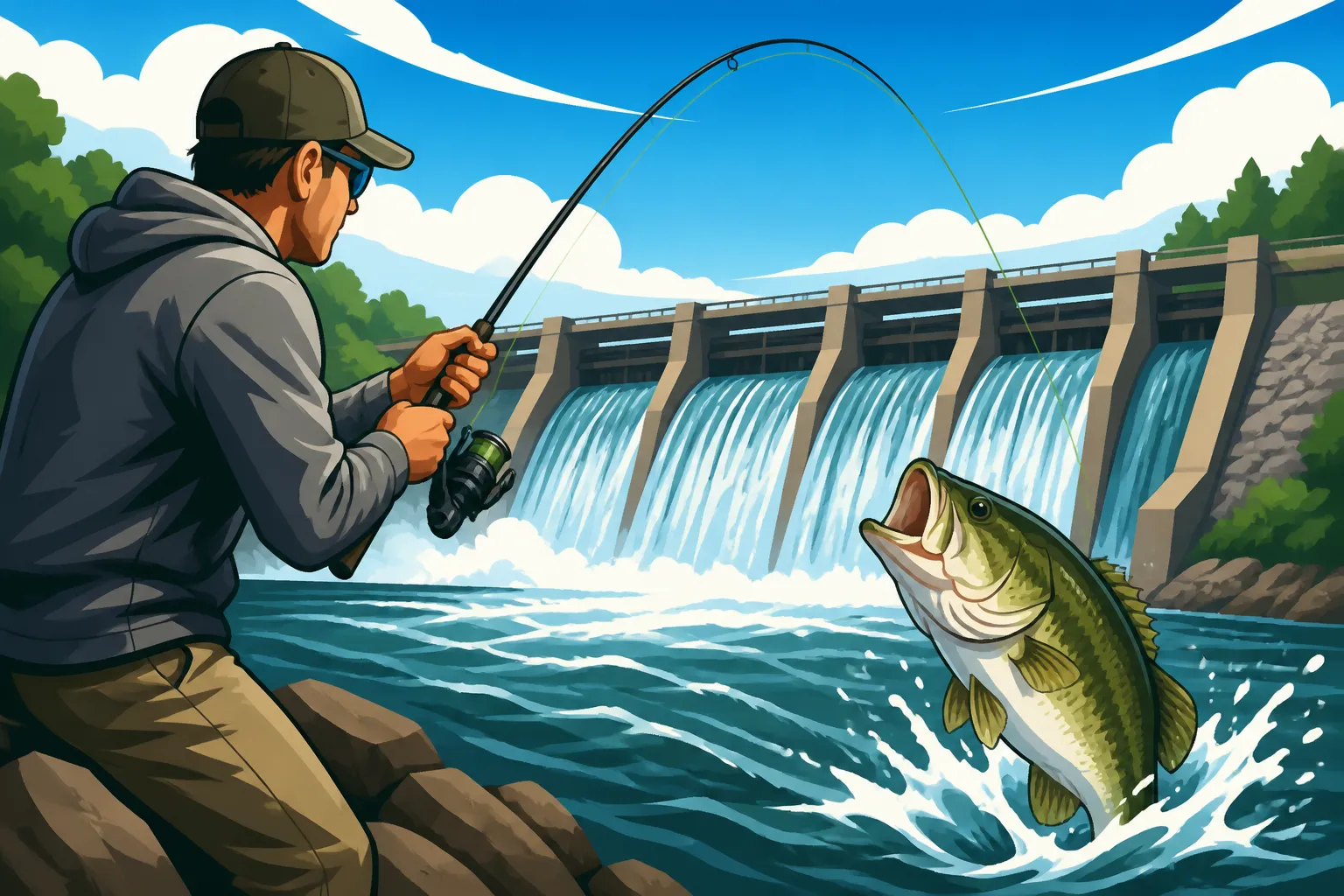
Wading offers a fantastic compromise between bank fishing and using a boat, allowing you to get closer to the action and explore areas inaccessible from the bank. Being able to position yourself right in the current seams or on submerged structures can be incredibly productive. The physical sensation of the water flowing around you as you cast is exhilarating. However, wading the spillway comes with significant safety concerns. The current can be deceptively strong, and the bottom is often uneven, with slippery rocks, sudden drop-offs, and deep scour holes. Always wear a life vest, use a wading staff, and go with a buddy if possible. Check water release schedules before heading out, as sudden increases in flow can be extremely dangerous. Avoid wading in fast-moving, chest-deep water, and always know your limits.
Kayak or Small Boat Considerations
For those with a kayak or a small boat, the spillway can offer even greater access to key fishing areas. You can reach those mid-channel current breaks, submerged islands, and isolated eddies that bank anglers can't touch. Kayaks, in particular, are nimble and can navigate tighter spaces, allowing you to stealthily approach fish. However, using a boat in the spillway demands respect for the current and other potential boat traffic. Larger boats and powerful currents can create hazardous conditions for smaller craft. Always wear a life vest, understand the flow, and have a plan for how you'll maneuver and anchor (if necessary) in strong currents. A quality anchor with plenty of rope is essential to prevent being swept downstream. Remember to check local regulations for any horsepower restrictions or no-wake zones in the immediate spillway area.
Navigating Regulations and Best Practices
Fishing the Ross Barnett Reservoir Spillway is an incredible experience, but it’s crucial to do it legally and responsibly. Mississippi has specific rules designed to protect our natural resources and ensure everyone has a safe and enjoyable time on the water.
Understanding Spillway-Specific Rules and General Regulations
Before you even think about casting a line, make sure your fishing license is current. In Mississippi, almost everyone needs one, with very few exceptions like young children or specific free fishing days. You can find detailed information on how to get your license in our Mississippi Fishing License Guide. The Ross Barnett Reservoir, including its spillway, falls under the general statewide fishing regulations established by the Mississippi Department of Wildlife, Fisheries, and Parks (MDWFP). This includes rules for creel and size limits for various species. For example, there might be specific limits on Mississippi Black Bass Regulations or Mississippi Catfish Regulations. Always double-check these before you go, as they can change.
Beyond statewide rules, spillways and dam areas sometimes have unique restrictions. These might include no-fishing zones directly below the dam gates for safety reasons, restrictions on certain types of bait or tackle, or limits on how many rods you can use (though typically you can use How Many Fishing Poles Can You Use in Mississippi?). It’s vital to pay attention to any posted signs in the spillway area itself, as these signs will explicitly outline any localized rules. Ignoring these can lead to fines and penalties. For a comprehensive look at all the rules, refer to our Mississippi Fishing Regulations Explained article. Always err on the side of caution and ensure you’re fully compliant to avoid any issues.
Conservation and Ethical Angling
As responsible anglers, we have a vital role to play in preserving the excellent fishing at the Barnett Reservoir Spillway for future generations. This means practicing conservation and ethical angling whenever possible. One of the most impactful practices is catch and release, especially for larger, older fish that are crucial for breeding. If you do plan to release a fish, handle it minimally, gently, and get it back in the water quickly. Use appropriate tools like de-hookers to minimize stress and injury. Wet your hands before handling fish to protect their slime coat, which is their primary defense against disease.
Beyond specific fish handling, "leave no trace" is a philosophy every angler should adopt. Whatever you bring in, take out. That includes discarded fishing line, bait containers, snack wrappers, and anything else. Fishing line, in particular, can be incredibly harmful to wildlife if left behind. Respect private property and avoid trespassing. If you're fishing near other anglers, maintain a respectful distance. By demonstrating good stewardship, we ensure that special places like the spillway remain vibrant and accessible.
Safety Considerations at the Spillway
Safety at the spillway cannot be overstated. The very forces that make it such a productive fishing spot—strong currents and fluctuating water levels—also make it potentially dangerous. Always check the water levels and flow rates before you visit. This information is often available through the MDWFP or the reservoir's controlling authority. Rapidly changing water levels can create hazardous wading conditions or quickly submerge previously exposed structures.
The riprap and natural banks are frequently covered in algae, making them incredibly slippery. Wear appropriate footwear, like wading boots with felt soles or cleats, if you plan to wade or walk along the banks. Avoid venturing into fast-moving water that is above your knees, and if the current feels too strong, back out immediately. Always wear a life jacket, especially when wading, kayaking, or in a small boat. The current can drag you quickly if you lose your footing. Be aware of boat traffic, even small fishing boats, as they may be maneuvering in the current. Finally, always keep an eye on the weather. Thunderstorms can pop up quickly in Mississippi, and lightning near open water is extremely dangerous. When in doubt, it’s always better to pack up and come back another day.
Tips for Maximizing Your Spillway Fishing Trip
Fishing the Barnett Reservoir Spillway offers constant opportunities for learning and adaptation. Even seasoned anglers find new nuances each time they visit. Here are some pro tips to give you an edge.
Timing Your Visit for Optimal Success
Timing is everything at the spillway. The "best" time often depends on what you're targeting and the current conditions. Generally, dawn and dusk are prime feeding windows for most predatory fish like bass and stripers, as the lower light conditions give them an advantage over baitfish. These times also tend to have less angler pressure, offering a more peaceful experience. For catfish, night fishing can be incredibly productive, as they are primarily nocturnal feeders and use their keen senses to navigate the current.
However, the single biggest factor influencing success at the spillway is the water flow. Periods of increased water release from the dam often trigger significant feeding activity. This influx of fresh, oxygenated water and displaced baitfish can turn a slow bite into a feeding frenzy. Conversely, periods of very low or no flow can make fishing tougher, as fish might become lethargic or move out of the spillway entirely. It’s worth checking the water release schedules for the Ross Barnett Reservoir (often available through the Pearl River Valley Water Supply District) before you plan your trip. A little research can help you hit the water when the fish are most active, giving you a huge advantage. You might also want to consult a general guide like Best Time of Year to Fish in Mississippi for broader seasonal patterns.
Locating Key Structure and Cover
Fish in current-driven environments like the spillway are always looking for two things: food and a break from the current. This means understanding and locating key structure and cover is paramount. The riprap that lines the banks and channel edges is not just a bunch of rocks; it's a complex habitat. Fish will hold in the crevices and voids, using the rocks as ambush points or shelters. Target areas where the riprap transitions into a different bottom type, like sand or mud, as these transition zones often concentrate bait.
Bridge pilings and concrete abutments offer substantial current breaks and vertical structure that fish love to relate to. Cast your lures or position your bait tight to these structures, letting the current carry your offering naturally past them. Submerged timber, if present, also acts as a magnet for fish, providing both cover and current relief. Pay attention to any visible signs of current breaks, like foam lines or swirling water, as these indicate areas where fish might be holding just out of the main flow. Deeper scour holes, carved out by years of water flow, are also prime spots, especially for catfish and larger bass, offering them refuge and cooler water. Using a fish finder from a boat or kayak can help you pinpoint these deeper features.
Leveraging Local Knowledge and Resources
No matter how much research you do, there’s no substitute for local knowledge. If you're new to the spillway, a great first step is to visit local bait and tackle shops in the Jackson or Reservoir area. The folks working there are often avid anglers themselves and can provide invaluable, up-to-the-minute information on what's biting, what baits are working, and any specific areas to focus on. They can tell you about recent water levels or changes in dam operation. Places like Van’s Deer Processing and Tackle Shop or smaller local spots near the reservoir are fantastic resources.
Online fishing forums and social media groups dedicated to Mississippi fishing can also be a goldmine of information. Anglers often share reports, techniques, and even photos of their catches, giving you a real-time snapshot of conditions. Just remember to take everything with a grain of salt and cross-reference information. For those who want to accelerate their learning curve or simply enjoy a hassle-free day on the water, consider hiring a local fishing guide who specializes in the Ross Barnett Reservoir. They know the spillway intimately, understand its currents, and can put you on fish quickly. Services like FishingBooker can help you find reputable guides operating in the area, offering you a personalized and productive experience. They'll provide the right gear and teach you the specific nuances of fishing this unique spot.
Mississippi Spillway Fishing at a Glance
To help you quickly reference some key aspects of fishing the Barnett Reservoir Spillway, here's a table summarizing common species, their preferred locations, and effective techniques.
| Species | Preferred Location | Effective Baits/Lures | Best Time | Key Strategy |
|---|---|---|---|---|
| Largemouth Bass | Current breaks, riprap, bridge pilings, eddies | Jigs, crankbaits, spinnerbaits, topwaters | Dawn/Dusk, Overcast, After Water Release | Focus on structure; cast upstream into strike zone; aggressive retrieves. |
| Crappie | Deeper eddies, calm pockets behind rocks, brush | Live minnows, small jigs (plastic or hair) | Morning, Evening | Vertical jigging; suspend bait under bobber; target structure. |
| Catfish | Deep scour holes, main channel edges, current breaks | Cut bait (shad/skipjack), chicken liver, worms | Night, Overcast, After Water Release | Bottom fishing with heavy weight; target deep current-protected areas. |
| White/Hybrid Striped Bass | Main current, schooling baitfish, oxygenated water | Spoons, swimbaits, bucktail jigs, live shad | Dawn/Dusk, Overcast, Strong Current | Look for surface activity; cast into schools; fast retrieves; troll. |
| Bream/Bluegill | Calmer pockets, shallower eddies, brushy banks | Worms, crickets, small jigs | Daytime, Warmer Months | Light tackle; target calmer edges; close to cover. |
Disclaimer
The information provided in this guide is for general informational purposes only. Fishing conditions, regulations, and safety guidelines can change. Always consult the official Mississippi Department of Wildlife, Fisheries, and Parks (MDWFP) website and local authorities for the most current regulations and safety advisories before planning your fishing trip. Engage in outdoor activities at your own risk.