Biloxi Bay Fishing Guide
It's no secret that fishing on the Mississippi Gulf Coast can be absolutely incredible, but for many anglers, especially those new to the area, the sheer vastness and variety of Biloxi Bay can feel a bit overwhelming. You stare at that beautiful water, rods in hand, wondering where the best bites are, what bait to use, and how to navigate the ever-changing tides. This comprehensive guide is here to cut through that confusion, giving you the insider knowledge you need to turn your next Biloxi Bay fishing trip into a resounding success.
Why Biloxi Bay is a Top Fishing Destination
Biloxi Bay isn't just another pretty stretch of water on the Gulf Coast; it's a dynamic and incredibly productive fishing ground, a true gem for anglers seeking both quantity and quality. The bay's unique geography and nutrient-rich waters create an environment where a huge variety of game fish thrive, making it a perennial favorite for locals and visitors alike.
Diverse Ecosystem and Abundant Species
What makes Biloxi Bay so special is its incredible diversity. You have the deeper, more open waters of the main bay, which eventually connect to the Mississippi Sound and the Gulf of Mexico, bringing in a host of saltwater species. Then, there are the countless bayous, creeks, and marshes that feed into the bay, offering brackish water sanctuaries where many fish go to feed and spawn. This blend of environments supports a robust food chain, from tiny baitfish to large predatory species. You'll find everything from the sought-after speckled trout and redfish to flounder, black drum, white trout, croaker, and even some shark species further out. The sheer abundance means that even on a slow day, you're likely to find something biting.
Accessibility and Infrastructure for Anglers
Another huge draw to Biloxi Bay is how incredibly accessible it is for all types of anglers. Whether you prefer casting from a pier, launching your own boat, or hopping on a guided charter, the infrastructure is here to support your adventure. Along the shoreline, you'll find numerous public fishing piers and jetties, perfect for those who enjoy shore-based fishing without needing a boat. These spots often put you right on the action, especially during peak seasons. For boat owners, there are well-maintained public and private boat ramps all along the bay, from Biloxi to Ocean Springs and beyond, offering easy access to the deeper channels, oyster reefs, and marshy backwaters. Plus, a thriving network of bait and tackle shops means you're never far from fresh bait, essential gear, and invaluable local advice.
Top Fish Species to Target in Biloxi Bay
Biloxi Bay boasts an impressive roster of popular game fish, each offering a unique challenge and rewarding experience. Knowing what to target and when is key to maximizing your catch.
Speckled Trout and Redfish
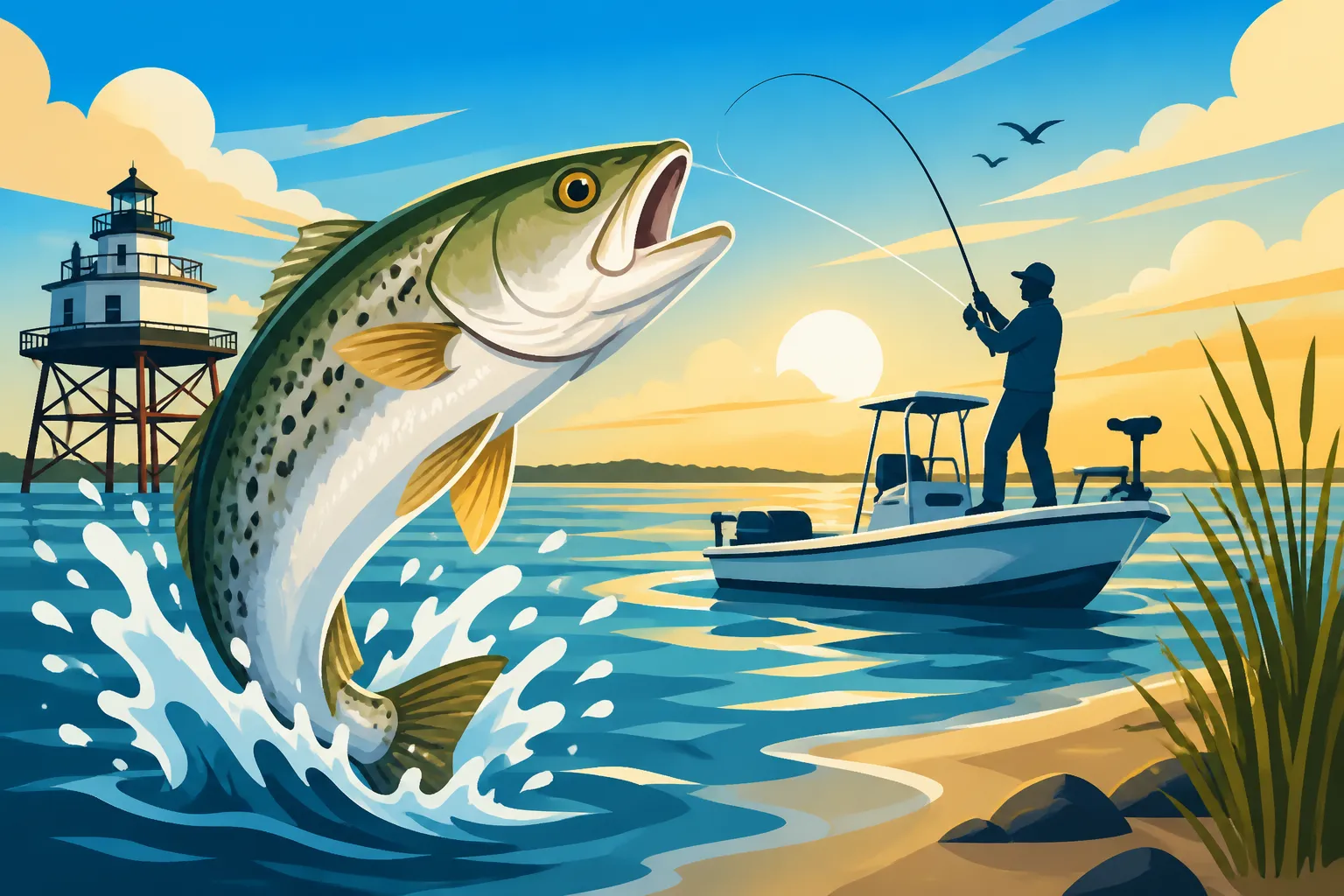
These two species are, without a doubt, the crown jewels of Biloxi Bay fishing, drawing anglers from all over the country. Speckled trout, known for their aggressive strikes and delicious fillets, are typically found in grassy flats, around oyster reefs, and near creek mouths where baitfish congregate. They tend to school up, so when you find one, you've often found several. Early mornings and late evenings are prime times, especially during the spring and fall when the water temperatures are ideal.
Redfish, or red drum, are revered for their powerful fights and willingness to chase a variety of baits. You'll often find them cruising shallow flats, probing marsh edges, and lurking around structure like docks and pilings. The "bull reds" — larger, mature redfish — tend to move into the deeper bay and Mississippi Sound, while slot-sized reds are abundant in the bayous and estuaries. Both species are a blast to catch, whether you're sight-casting to a tailing redfish in the marsh or jigging for speckled trout in a deep channel. If you want to dive deeper into the tactics, our guide on Redfish Fishing on the Mississippi Coast and Speckled Trout Fishing on the Mississippi Coast offers more specialized tips.
Flounder and Sheepshead
While speckled trout and redfish often steal the spotlight, flounder and sheepshead offer equally exciting and delicious opportunities in Biloxi Bay. Flounder are masters of camouflage, lying in ambush on sandy or muddy bottoms, waiting for an unsuspecting baitfish or shrimp to swim by. They are often found near structure like jetties, bridge pilings, and oyster beds, particularly where there's a good current to wash food to them. Gigging for flounder at night is also a popular and productive method in the shallower flats during warmer months.
Sheepshead, with their distinctive zebra-like stripes and human-like teeth, are notorious bait stealers but incredibly fun to catch. They feed primarily on crustaceans and mollusks, using those unique teeth to crush barnacles, oysters, and crabs off pilings and rocks. Jetties, artificial reefs, bridge structures, and any other hard-bottomed areas in the bay are prime sheepshead territory. They require a delicate touch and quick reflexes to hook, making them a favorite challenge for many anglers.
Other Notable Catches
Beyond the "big four," Biloxi Bay teems with other exciting species that can provide plenty of action. White trout are abundant and often caught in schools, especially around deeper channels and oyster reefs, offering fast-paced fishing and tasty fillets. Black drum, often mistaken for redfish when they're young, grow to impressive sizes and are frequently found alongside redfish in similar habitats. They love crabs and shrimp.
Additionally, you'll encounter croaker, a smaller but very common panfish that provides great family fun, particularly from piers or while bottom fishing. Mangrove snapper can be found around docks and pilings, especially in the warmer months, and offer a feisty fight. And for those looking for a bigger pull, juvenile sharks like blacktips and Atlantic sharpnose are often found cruising the bay's deeper waters, especially near passes, providing an adrenaline rush on medium tackle.
Best Fishing Spots and Access Points in Biloxi Bay
Knowing where to drop a line is half the battle in any fishing adventure, and Biloxi Bay offers a wealth of productive spots easily reachable by land or by boat.
Popular Piers and Jetties
For anglers who prefer to stay on solid ground, Biloxi Bay offers several excellent piers and jetties that consistently produce fish. The Biloxi Pier, located right in the heart of Biloxi, is a fantastic public option. It extends far enough into the bay to reach deeper water and provides access to schooling white trout, croaker, and even speckled trout. It's also a popular spot for crabbing. You'll often see locals using a variety of setups here, from simple bottom rigs to popping corks. The Ocean Springs Pier, a bit further east, offers similar opportunities and beautiful views, often yielding speckled trout, redfish, and flounder, especially near its ends or around any submerged structure.
Jetties, like those found protecting harbors or passes, are fish magnets. These rock piles provide excellent habitat for baitfish, crabs, and shrimp, which in turn attract larger predatory fish. Fishing the jetties, particularly around high tide or when the current is running, can be incredibly productive for sheepshead, flounder, redfish, and even juvenile snapper. Remember to use sturdy tackle around these abrasive structures.
Productive Bayou and Marsh Areas
The intricate network of bayous and marsh systems that feed into Biloxi Bay are absolute goldmines for inshore species. The Back Bay of Biloxi itself is a huge, sprawling area with countless nooks and crannies, oyster reefs, and grass beds. This area is a prime nursery ground and feeding area, making it ideal for targeting redfish and speckled trout. Exploring these smaller tributaries with a kayak or a shallow-draft boat can unlock some truly incredible fishing.
Deer Island, just off the coast of Biloxi, is another fantastic natural feature. The waters surrounding Deer Island, especially the grass flats and channels on its protected sides, are perfect for speckled trout. The island's shorelines also provide excellent opportunities for sight-casting to redfish. Further up the bayous, you'll find more brackish water, which can hold a mix of freshwater and saltwater species, creating a unique fishing challenge. These areas are particularly hot during cooler months when fish retreat to more stable water temperatures.
Boat Ramps and Marinas
Accessing the deeper parts of Biloxi Bay and the more remote marsh systems is best done by boat, and thankfully, there are numerous convenient boat ramps and marinas. In Biloxi, the Biloxi Small Craft Harbor and Point Cadet Marina offer excellent public ramps, providing direct access to the main bay and nearby fishing grounds. These facilities are usually well-maintained and have ample parking. Over in Ocean Springs, you'll find other municipal ramps that serve the eastern side of the bay and the entrance to the vast marsh areas.
For those planning an extended stay or looking for full-service options, several private marinas offer ramps, fuel, bait, and sometimes even guide services. Launching your boat gives you the freedom to explore oyster reefs, deep channels, and the outer reaches of the bay where larger fish tend to congregate. Always check the tides before heading out, as some ramps can be tricky at very low water. You can find more comprehensive information about Mississippi Boat Fishing Regulations if you plan to hit the water in your own vessel.
Essential Techniques and Baits for Biloxi Bay
Successfully fishing Biloxi Bay often comes down to matching your techniques and baits to the species you're targeting and the conditions of the day. It’s about knowing what the fish are looking for and how to present it effectively.
Live Bait Strategies
When it comes to consistency, live bait is often king in Biloxi Bay. The universal favorite for nearly all inshore species is live shrimp. Fished under a popping cork, on a Carolina rig, or free-lined, a lively shrimp is almost irresistible to speckled trout, redfish, flounder, and even sheepshead. The popping cork creates a "chugging" sound that mimics feeding baitfish, drawing attention to your bait. When the shrimp is suspended below, its natural movements do the rest.
Live minnows (like finger mullet or mud minnows) are excellent choices for flounder, redfish, and larger speckled trout. They can be rigged similarly to shrimp, either under a cork or on the bottom. For sheepshead, small pieces of fiddler crabs or oyster pieces are hard to beat. These finicky eaters are accustomed to prying crustaceans off structure, and a well-presented crab piece is usually too tempting to pass up. Always remember to keep your live bait fresh and lively; a sluggish bait is far less appealing to a hungry fish.
Artificial Lure Mastery
While live bait certainly has its place, artificial lures offer the advantage of covering more water and targeting aggressive fish. Soft plastics rigged on jig heads are incredibly versatile and deadly for speckled trout and redfish. Popular choices include shrimp imitations, paddle-tail plastics, and jerk shads, typically in colors like chartreuse, white, or natural baitfish patterns. Vary your retrieve, from a slow drag along the bottom to a series of sharp jerks, until you find what the fish prefer.
Topwater lures are thrilling to use, especially for speckled trout and redfish during low-light conditions or when fish are actively feeding on the surface. Walk-the-dog style baits or poppers can elicit explosive strikes that get your heart pounding. For deeper water or when fish are holding tight to structure, spoons and lipless crankbaits can also be effective, especially for redfish. Learning to effectively work different artificial lures can really elevate your Biloxi Bay fishing game. For more specific lure choices, consult our guide on Best Lures for Largemouth Bass, which surprisingly also has crossover with some inshore artificials!
Tides and Weather Impact
Understanding the influence of tides and weather is crucial for consistent success in Biloxi Bay. The tide dictates water movement, which in turn affects baitfish behavior and predator activity. Generally, moving tides (incoming or outgoing) are more productive than slack tide, as the current concentrates bait and makes it easier for fish to ambush prey. Many anglers prefer an incoming tide, as it often pushes baitfish into the bayous and shallow flats. However, a strong outgoing tide can be excellent for targeting fish congregated at the mouths of creeks as bait gets flushed out.
Weather conditions also play a significant role. Overcast days with light chop can often be fantastic for speckled trout, as it reduces light penetration and allows them to hunt more confidently. Extremely bright, calm days can make fish skittish, pushing them into deeper water or shaded areas. Wind direction can also affect water clarity and bait distribution, so paying attention to the forecast and adjusting your plans accordingly is always a smart move.
Planning Your Biloxi Bay Fishing Trip
A successful fishing trip to Biloxi Bay, or anywhere for that matter, often starts long before you even cast your first line. Thoughtful planning can make all the difference between a frustrating day and a memorable catch.
When to Go
Biloxi Bay offers year-round fishing opportunities, but the best time to target specific species can vary significantly. Spring (March-May) is arguably the most popular time for speckled trout and redfish, as these fish become very active and move into shallower waters to spawn and feed heavily after the winter. The water temperatures are ideal, and baitfish are becoming plentiful.
Summer (June-August) can be excellent, particularly for early morning or late evening trips to avoid the heat. Speckled trout will move to deeper grass beds and channels, while redfish can still be found in the marshes. Flounder gigging is also popular in summer. Fall (September-November) sees a resurgence in activity, often considered another prime season, with fish fattening up for winter. The "fall run" of baitfish can bring in some incredible redfish and trout action. Even Winter (December-February) can be productive, especially for redfish and large black drum in deeper holes and protected bayous, though weather can be more unpredictable. Our Best Time of Year to Fish in Mississippi guide offers a broader perspective on seasonal trends.
Gear Up Right
Having the right tackle can make a huge difference in your success and enjoyment. For general inshore fishing in Biloxi Bay, a medium-light to medium action spinning rod, around 7 feet long, paired with a 2500-3000 size spinning reel is a versatile setup. This combo will handle everything from speckled trout to respectable redfish. Spool your reel with 10-20 lb braided line for sensitivity and casting distance, and always use a fluorocarbon leader (20-30 lb test) for abrasion resistance and stealth.
Bring an assortment of tackle: various jig heads (1/8 oz to 1/2 oz), popping corks, a selection of soft plastics, and maybe a topwater lure or two. Don't forget terminal tackle like hooks, swivels, and sinkers if you plan on bottom fishing with live bait. A good pair of polarized sunglasses is essential for spotting fish and structure, and plenty of sunscreen and a hat are non-negotiable for sun protection. A small tackle box with essentials and a cooler for your catch and drinks will round out your gear.
Consider a Charter
If you're new to Biloxi Bay, don't have a boat, or simply want to maximize your chances of success and learn the local nuances, booking a fishing charter is an excellent option. Local captains are intimately familiar with the bay's ever-changing conditions, secret spots, and the most productive techniques. They provide all the necessary gear, bait, and most importantly, their expertise. A guided trip means less worrying about navigation or regulations and more focus on fishing.
Platforms like FishingBooker make it incredibly easy to find and book experienced fishing guides operating out of Biloxi, Gulfport, and Ocean Springs. You can browse different captains, compare prices, read reviews, and choose a trip tailored to your preferences, whether you're chasing speckled trout, redfish, or even offshore species. Engaging with a charter through FishingBooker not only gives you a leg up on the fishing itself but also offers a fantastic learning experience about the local fishery. It’s a great way to explore the waters without the upfront investment of gear or the stress of navigating a new area. If you're curious about what to expect, check out our Biloxi Fishing Charters Guide.
Regulations and Licensing for Biloxi Bay
Before you even think about wetting a line in Biloxi Bay, it's absolutely crucial to understand the local fishing regulations and ensure you have the correct licenses. Ignoring these rules can lead to hefty fines and a ruined day on the water.
Understanding Mississippi Saltwater Rules
Mississippi has specific regulations governing saltwater fishing, which apply directly to Biloxi Bay. These rules are designed to protect fish populations and ensure sustainable fishing for future generations. They typically cover minimum size limits, daily creel limits (how many fish you can keep), and sometimes even specific seasons for certain species. For instance, there are strict slot limits and bag limits for redfish and speckled trout. These limits can change, so it's vital to always consult the latest regulations published by the Mississippi Department of Wildlife, Fisheries, and Parks (MDWFP) before each trip. Our Mississippi Fishing Regulations Explained article provides an in-depth look at these guidelines.
For example, currently, the daily creel limit for speckled trout is usually 15 per person with a 15-inch minimum size limit, and for redfish, it's typically 3 per person within a specific slot limit (e.g., 16-30 inches total length). Exceeding these limits or keeping undersized fish is illegal and punishable. It's also important to be aware of any protected species or areas where fishing might be restricted.
License Requirements for Biloxi Bay
The vast majority of anglers, regardless of whether they are residents or non-residents, will need a valid fishing license to fish in Biloxi Bay. This falls under the category of saltwater recreational fishing licenses. Mississippi residents aged 16 to 64 typically need a Resident Saltwater Fishing License. Non-residents, regardless of age (over 16), will need a Nonresident Saltwater Fishing License. Even if you're fishing from a pier, you usually need a license. There are certain exemptions, such as for very young children or during designated "free fishing days," but it's always best to assume you need one and verify if you think you're exempt.
You can purchase your license online through the MDWFP website, at various sporting goods stores like Bass Pro Shops or Walmart, or from local bait and tackle shops around Biloxi Bay. These licenses are generally valid for one year from the date of purchase. If you're booking a charter through a service like FishingBooker, it's common for the charter company to either include the license in the trip cost or advise you on how to obtain one beforehand. Always confirm this detail when booking. For a full breakdown of requirements, refer to our comprehensive Mississippi Fishing License Guide and the more specific Mississippi Saltwater Fishing License Guide.
Biloxi Bay Fishing Quick Reference Guide
To help you plan your Biloxi Bay adventure, here's a quick reference table summarizing key information for popular species:
| Species | Best Seasons | Typical Habitat | Recommended Baits/Lures | Common Size Range | Daily Limit (Subject to Change) |
|---|---|---|---|---|---|
| Speckled Trout | Spring, Fall | Grass flats, oyster reefs, creek mouths | Live shrimp, soft plastics, topwater | 15-25 inches | 15 (15" minimum) |
| Redfish | Spring, Fall, Summer | Marsh edges, shallow flats, structure | Live shrimp, finger mullet, spoons | 16-30 inches (slot) | 3 (within slot) |
| Flounder | Summer, Fall | Sandy/muddy bottoms, jetties, bridge pilings | Live minnows, live shrimp, Gulp! | 12-20 inches | 10 (12" minimum) |
| Sheepshead | Winter, Spring | Jetties, bridge pilings, oyster bars | Fiddler crabs, oyster pieces, small shrimp | 10-18 inches | 10 (14" minimum) |
| White Trout | Year-round | Deeper channels, oyster reefs | Live shrimp, dead shrimp, small jigs | 10-14 inches | 25 (no minimum) |
| Black Drum | Year-round (cooler months) | Muddy bottoms, oyster beds, marsh edges | Crab pieces, dead shrimp | 14-30 inches | 5 (within slot, one >30") |
Always consult the latest MDWFP regulations before fishing, as limits and sizes are subject to change.
Disclaimer
The information provided in this guide is for general informational purposes only and is not intended as legal advice or a substitute for consulting official Mississippi Department of Wildlife, Fisheries, and Parks (MDWFP) regulations. Fishing rules and conditions can change rapidly. Always verify current regulations, licensing requirements, and safety guidelines with the MDWFP before engaging in any fishing activities.