Should I Bring My Own Rod on a Charter Trip?
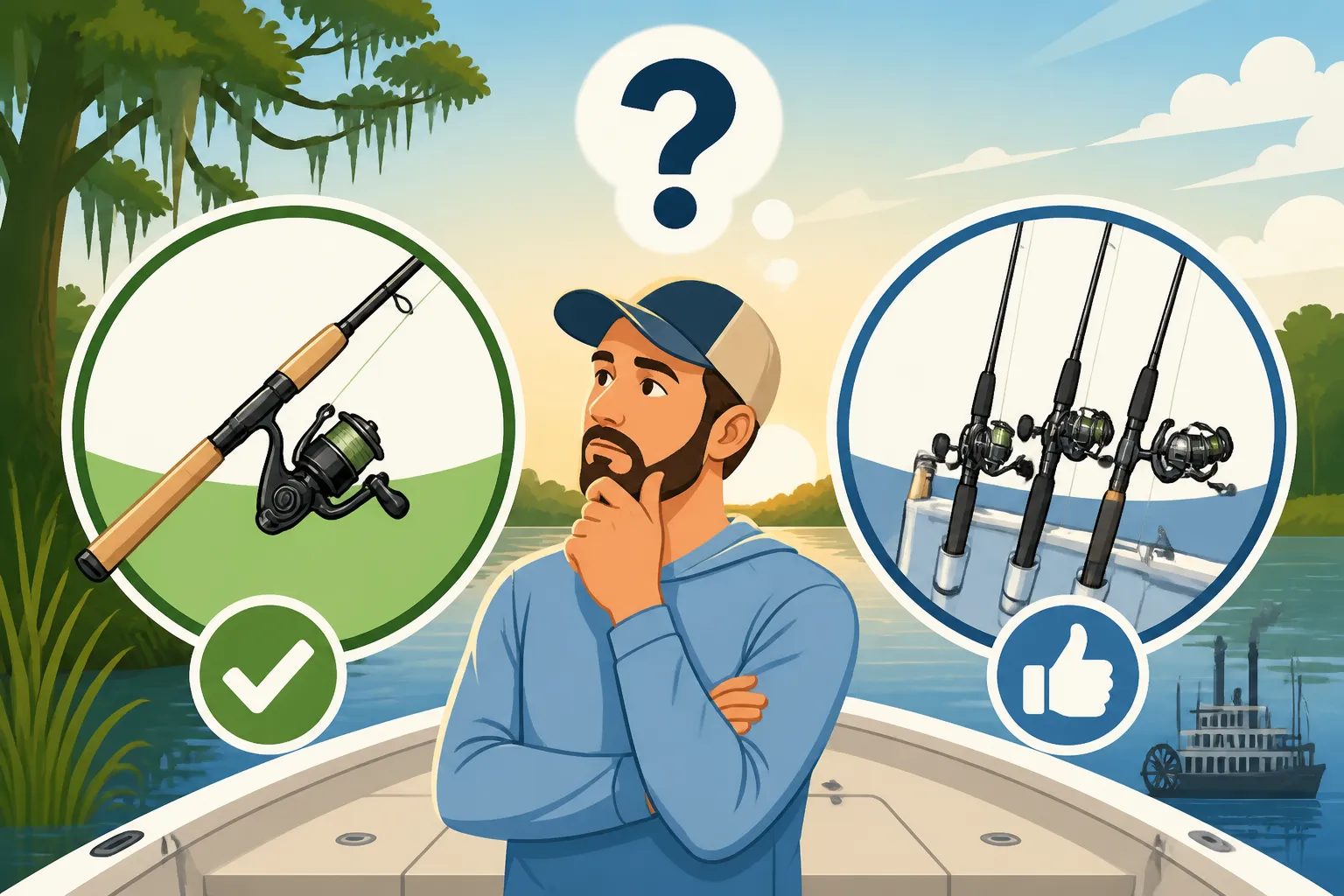
It’s a question every angler asks themselves when they're planning a guided trip, especially if they’ve invested a good bit in their own gear: "Should I bring my own rod on a fishing charter?" It feels a bit like taking your own sandwiches to a fancy restaurant, right? You want to use your trusty setup, but you also don't want to be that person. This guide is here to help you navigate that common dilemma, exploring when it makes sense to pack your personal rod and when it’s better to let the professionals handle it.
What Charters Typically Provide
One of the big perks of booking a fishing charter, whether it's for chasing big bass on Ross Barnett Reservoir or battling redfish on the Mississippi Gulf Coast, is that you don’t have to worry about the gear. The captain and crew generally have everything you need, and it’s usually top-notch.
Standard Gear Included
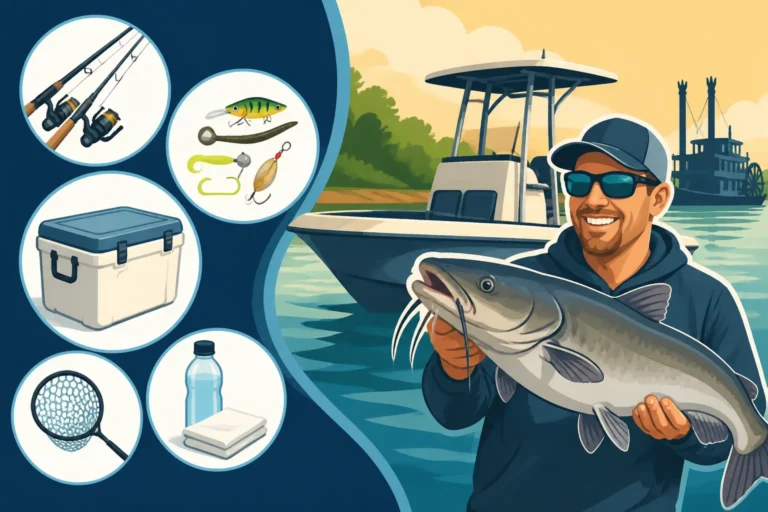
Most Mississippi fishing charters proudly furnish all the standard fishing equipment you'll need for your trip. This means quality rods, perfectly matched reels, a selection of fresh or live bait, and the appropriate terminal tackle – hooks, weights, leaders, and swivels – all specifically chosen for the species you’re targeting and the local conditions. Think of it as a comprehensive service; you're not just paying for the captain's expertise and the boat, but for the entire fishing experience, fully equipped. This convenience is a huge draw for many anglers, especially those traveling from out of state or beginners who don't own specialized gear. It also saves you the hassle of transporting your own equipment, which can be a real headache, particularly if you're flying in.
You might be heading out for a Deep Sea Fishing Charters in Mississippi trip or even an Inshore Fishing Charters on the Mississippi Coast, and in both cases, the captain will have the right rods and reels. For example, if you’re bottom fishing for snapper offshore, they’ll have stout rods with heavy conventional reels rigged with appropriate weight and circle hooks. If you're sight fishing for speckled trout in the marsh, they'll likely have lighter spinning gear spooled with braid and fluorocarbon leaders, ready for popping corks or soft plastics. It’s all part of the package, designed to maximize your chances of a successful and enjoyable day on the water.
Why Charter Gear is Often Superior
It's easy to assume your own gear is always the best, but when it comes to a charter, the captain's equipment often has an edge. First, charter captains are professionals who rely on their gear daily. They invest in high-quality, durable rods and reels that can withstand the constant use and the harsh marine environment, whether that’s saltwater or the powerful freshwater systems here in Mississippi. They maintain their equipment meticulously, ensuring smooth drags, sharp hooks, and strong lines, which are all crucial for fighting and landing fish.
Moreover, a seasoned captain has an intimate knowledge of what works best for the specific fish in their local waters. They've tested countless setups and know which rod action, reel size, and line strength are ideal for wrestling a big blue catfish out of the Mississippi River or detecting the subtle bite of a redfish in a shallow bayou. Their gear is perfectly matched to the challenges of the fishery. Plus, they always have backups. Snapped a rod? Lost a reel overboard? No problem, they've got another ready to go, ensuring your fishing time isn't cut short. This peace of mind, knowing you're using proven, well-maintained, and perfectly matched equipment, is a significant advantage of using the charter's gear.
When Bringing Your Own Rod Makes Sense
While charter boats provide excellent equipment, there are definitely situations where bringing your own rod isn't just acceptable, but actually enhances your experience. It's about personal preference and specific fishing goals.
Specialization and Comfort
For many passionate anglers, fishing isn't just about catching fish; it's about the feel, the technique, and the connection to their chosen equipment. If you've spent years honing a particular style, like fly fishing for Bream and Bluegill Fishing in Mississippi or delicate ultralight tackle work for crappie, then your specialized rod is an extension of your skill. A standard charter rod, while functional, might not offer the sensitivity or action you're accustomed to. Bringing your own gear in these cases allows you to fish with the comfort and familiarity that often translates to better performance and more enjoyment.
Perhaps you're accustomed to a specific baitcasting setup for Largemouth Bass Fishing in Mississippi and prefer its ergonomics and balance over anything else. Or maybe you're a fly fisherman looking to tackle some redfish on the flats and need your particular fly rod, reel, and line setup. Many captains are happy to accommodate these preferences, especially if you communicate with them beforehand. Just remember, your comfort shouldn't come at the expense of boat safety or the success of the trip for others.
Testing New Gear or Techniques
A guided charter trip can be an amazing opportunity to put new equipment through its paces under real-world conditions. You just bought that brand-new high-end spinning reel or a custom-built rod and want to see how it performs against some hard-fighting fish without the pressure of a tournament. A charter provides the perfect testing ground, often with an experienced captain who can offer tips and insights on how to get the most out of your new setup.
Similarly, if you're trying to learn a new technique, like finesse jigging for deep-water crappie or working a specific topwater lure for bass, practicing with your own rod can be invaluable. The captain can guide you on the boat's electronics to find fish and offer instruction, allowing you to get a feel for the technique with your preferred gear. It’s a bit like taking a lesson with your own musical instrument; it helps you apply what you learn directly to what you'll use regularly.
Sentimental Value or "Lucky" Rods
Let’s be honest, many of us have that one rod. The one that’s been with us through thick and thin, the one that caught your personal best, or the one passed down from a family member. It’s more than just a tool; it’s steeped in memories and perhaps even a bit of superstition. Anglers often refer to these as their "lucky" rods. There's a certain satisfaction that comes from catching a great fish on your gear, especially a rod that holds significant sentimental value.
For some, it's about the pride of using their own meticulously selected and maintained equipment. It's a testament to their dedication to the sport. If catching a trophy fish on your cherished rod is part of your dream for a Mississippi Fishing Seasons Calendar trip, then it's a perfectly valid reason to consider bringing it along. Just be sure to treat it with care and respect the captain's guidelines for storage and use on their boat.
Considerations Before You Pack Your Rod
Before you start packing your favorite rod and reel for your upcoming Mississippi fishing adventure, there are a few practical matters to think about. It’s not just about preference; it’s about logistics, effectiveness, and respect for the charter operation.
Space and Logistics on the Boat
Charter boats, while often spacious, have limited room, especially for extra gear. Every vessel, from a nimble bay boat for Speckled Trout Fishing on the Mississippi Coast to a larger offshore rig for Red Snapper Fishing on the Mississippi Coast, has a designed layout for its equipment and passengers. Bringing an extra rod or two, especially if they are long or numerous, can quickly become a tripping hazard or simply take up valuable deck space that other anglers or crew members need. On a shared charter where you’ll be fishing with other groups, space is even more at a premium.
Think about how your rod will be stored and secured. Will it interfere with casting? Could it get stepped on or damaged? Charter captains are responsible for the safety of everyone on board and the integrity of their own equipment. An improperly stowed personal rod could be a liability. Always assume that the captain needs to know beforehand if you plan to bring your own gear so they can advise on whether it's feasible and where it can be safely stored during the trip. This pre-trip communication is paramount and something you can easily address when booking through platforms like FishingBooker.
Matching Your Gear to the Target Species and Conditions
This is where the captain's expertise truly shines. They have spent countless hours on the water, understanding the nuances of the local fish species and how they react to different conditions. The gear they provide is specifically chosen to give you the best chance of success. Your personal rod and reel might be fantastic for bass in a small pond, but it might be completely inadequate for fighting a powerful redfish in a strong current or hauling up a deep-dwelling snapper.
Using inappropriate gear can lead to a frustrating experience for you and potentially harm the fish. For instance, if your rod is too light, you might take too long to land a fish, stressing it unnecessarily if it’s destined for release. If your reel lacks sufficient line capacity or drag, you might get spooled by a hard-running fish. A good captain will politely, but firmly, advise you if your personal gear isn't up to the task. Respecting their judgment here isn't just about etiquette; it's about increasing your chances of a memorable catch. They know what tackle is needed for various Mississippi Saltwater Fish Species Guide and Mississippi Freshwater Fish Species Guide you might encounter.
Communication is Key
I cannot stress this enough: always communicate with your charter captain before you decide to bring your own rod. This isn't just a courtesy; it's a fundamental part of planning a successful trip. A simple phone call or email detailing your intentions will clear up any potential issues.
When you're booking your trip, perhaps through a reputable platform like FishingBooker, make a note or send a message asking if bringing your own rod is okay. Be specific about what you want to bring. Is it one specific rod for a particular technique, or a whole tackle box? This transparency allows the captain to prepare, perhaps by clearing a spot for your gear or suggesting alternatives if your preferred setup isn't suitable for the day's fishing plan. Surprising them with a bulky rod case at the dock is generally frowned upon and can start your trip off on the wrong foot. Good communication ensures a smooth experience for everyone involved.
How to Discuss Bringing Your Own Gear with Your Captain
So, you've decided you really want to bring your lucky rod. Excellent! Now let's talk about the right way to approach your captain about it. It's a bit of a delicate dance, but when done correctly, it can lead to a more personalized and enjoyable experience.
Initial Contact and Preparation
The best time to discuss bringing your own gear is before you've even confirmed your booking, or at the very least, as soon as possible after. Don't wait until you're standing on the dock with your rod case in hand. When you're making inquiries about a Mississippi Gulf Coast Fishing Charters trip or perhaps a freshwater guide for Grenada Lake Fishing Guides, mention your desire to bring your personal rod.
Be specific in your request. Instead of just saying, "Can I bring my rod?", try something like, "I have a favorite ultralight setup I like to use for crappie; would it be okay to bring that along for some of the shallower spots, in addition to using your standard gear?" This shows you've thought about it and are being considerate. Prepare to briefly describe your rod and reel, its primary use, and what species you intend to target with it. This information helps the captain assess if it's suitable and if there's space. Reputable platforms like FishingBooker often have messaging features that make this kind of pre-trip communication easy and documented.
Respecting the Captain's Expertise
This is crucial. Remember, you're hiring a professional for their knowledge, their boat, and their ability to put you on fish safely and effectively. If your captain expresses reservations or outright declines your request to bring your own rod, respect their decision without argument. They're not being difficult; they're operating based on years of experience, current conditions, boat capacity, and safety protocols.
Perhaps your chosen rod is too fragile for the heavy-duty action expected, or perhaps the boat is already packed with specialized equipment for a particular fishing technique that day. Maybe they’re planning to do some Trolling for Crappie on Mississippi Reservoirs, and your chosen rod isn't suited for that. Listen to their reasoning. Sometimes, they might suggest a compromise, like bringing one specific rod for a certain part of the trip but relying on their gear for others. Their advice is gold, and following it will always lead to a better trip, even if it means leaving your prized rod at home this time.
Potential Scenarios and Solutions
You might encounter a few different responses when you ask your captain about bringing your own rod. Knowing how to react to each can smooth things over.
- Captain says "No problem!": Fantastic! This means they have the space, and your gear sounds appropriate for the trip. Still, ask where they'd like you to store it so it's out of the way and safe. This ensures good boat etiquette.
- Captain says "Yes, but…": This is a common scenario. They might say, "Yes, but just one rod," or "Yes, but please keep it in the rod holder until we start fishing," or "Yes, but we'll still use our terminal tackle." These conditions are perfectly reasonable and are often about maximizing safety and fishing efficiency. Be prepared to comply with their requests. They might also say, "Yes, but if we're targeting big Blue Catfish Fishing in Mississippi, your rod might be a bit light for the main fishing, so have our heavier gear ready too." This is good advice; take it.
- Captain says "No, I'd prefer you use ours.": This can feel a little disappointing, but it's important to accept it graciously. The captain has their reasons, whether it's limited space, concern for your gear's safety, or simply a strong preference for their own proven setup. Don't push it. Trust that they want you to have the best possible fishing experience, and they believe their equipment is the way to achieve it. Focus on enjoying the trip and learning from their expertise.
Ultimately, the goal is to have a fantastic day on the water, catching some amazing fish. Whether that happens with your rod or the charter's, a positive attitude and open communication are always your best tackle.
Pros and Cons of Bringing Your Own Fishing Rod on a Charter
To help you decide, here’s a quick overview of the advantages and disadvantages of bringing your personal fishing rod on a Mississippi charter trip.
| Feature | Pros of Bringing Your Own Rod | Cons of Bringing Your Own Rod |
|---|---|---|
| Familiarity/Comfort | Fish with gear you know and love, enhancing personal enjoyment. | Might not be perfectly suited to charter's target species/conditions. |
| Specialization | Use highly specialized gear for specific techniques (e.g., fly fishing). | Can be cumbersome or take up valuable space on the boat. |
| Testing New Gear | Test out new rods/reels in real-world fishing scenarios. | Risk of damage or loss if not properly stored/handled on the boat. |
| Sentimental Value | Catch a memorable fish on your "lucky" or cherished rod. | May not be permitted by the captain due to safety/logistics. |
| Cost Savings | (N/A – Charters typically include gear, so no direct savings). | Can be an awkward conversation if the captain prefers their own gear. |
| Captain's Expertise | Can get tips on using your gear from a professional. | Your gear might not perform as well as the charter's well-maintained, species-specific tackle. |
Remember that most Mississippi fishing guides, whether you're targeting bass with a Ross Barnett Reservoir Fishing Guides service or chasing crappie with Sardis Lake Crappie Fishing Guides, provide all the necessary gear. For many, leaving their own equipment at home is part of the stress-free charm of a guided trip.
Disclaimer
This article is for general informational purposes only and does not constitute professional advice. Laws, prices and regulations vary by location and change over time. Consult a qualified professional for guidance on your specific situation.