Mississippi Freshwater Fishing Guides
There's nothing quite like the allure of Mississippi's freshwater lakes and rivers, offering anglers everything from trophy bass to buckets of crappie and monster catfish. But let's be honest, these waters are vast and can be incredibly intimidating if you don't know them intimately. You can spend days, even weeks, on a new lake trying to figure out the patterns, the hidden brush piles, or where the fish are holding in different seasons, often with frustratingly little to show for it. This comprehensive guide is here to shed light on the invaluable asset that is a Mississippi freshwater fishing guide, explaining what they offer, how to choose the best one, and how they can transform your fishing trip from a guessing game into a memorable, successful adventure.
Why Hire a Mississippi Freshwater Fishing Guide?
Many anglers, especially those new to an area or wanting to level up their skills, wonder if a guide is truly worth the investment. Believe me, the answer is a resounding yes, and for a multitude of reasons that go far beyond just catching more fish. It's about efficiency, learning, and peace of mind on the water.
Local Expertise on Complex Waters
Mississippi's freshwater systems, from massive reservoirs like Ross Barnett and Grenada to winding rivers and countless smaller lakes, are incredibly diverse. Each body of water has its own personality, its own secret spots, and its own seasonal quirks. What works on Sardis Lake in April for crappie might be completely useless on Pickwick Lake in August for bass. This is where a local guide truly shines.
These folks spend hundreds of days a year on their specific waters. They know the depths, the contours, the brush piles, the thermocline, and where the baitfish are holding. They understand how barometric pressure changes, wind direction, and recent rainfall can completely alter a fish's behavior. They've likely built or located countless fish attractors over the years that no map will ever show you. Imagine pulling up to a spot that looks like any other stretch of water, but your guide confidently drops anchor, tells you exactly where to cast, and within minutes, you're reeling in a fish. That's the power of hyper-local knowledge – knowledge that takes decades to acquire on your own. For a visitor or someone with limited time, this expertise is practically priceless, saving you from aimless searching and frustrating, unproductive hours on the water.
Maximizing Your Catch and Experience
Let’s be real, most of us go fishing because we want to catch fish. And a good guide significantly increases your chances of doing just that. They don't just put you on fish; they help you understand why the fish are there and how to catch them. This isn't just a charter boat where you blindly drop a line; it's an educational experience.
Beyond the sheer numbers, guides help maximize your overall experience. They provide all the necessary gear – often high-end rods, reels, and specialized electronics you might not own. This means you don't have to worry about packing your entire tackle box or wondering if you have the right lure color for the day. They handle all the boat maintenance, launching, and retrieving, allowing you to simply step on board and focus on the fishing. If you're targeting specific species, like trophy Largemouth Bass Fishing in Mississippi or slab Crappie Fishing in Mississippi, a guide specializes in those fish and knows the most effective techniques for the current conditions. They often have multiple spots in mind for different species and weather conditions, offering flexibility to ensure you're fishing productively, even if the primary plan isn't working out.
Safety and Stress-Free Outings
Navigating unfamiliar waters, especially large reservoirs or river systems, can come with hidden hazards. Submerged stumps, sandbars, rapidly changing weather, or strong currents can turn a pleasant day into a dangerous situation quickly. This worry alone can detract from the enjoyment of your trip.
A professional freshwater fishing guide is not only intimately familiar with these hazards but is also trained in safe boating practices and often carries certifications in first aid. They understand the local weather patterns and can make informed decisions about when and where it's safe to fish. They ensure all required safety equipment, like life jackets, is on board and easily accessible. Furthermore, guides typically handle all the bureaucratic bits, like making sure the boat is properly registered and equipped. This allows you to relax, knowing you're in capable hands. You can truly immerse yourself in the joy of fishing without the added stress of navigation, safety, or legal compliance, which is a huge plus, especially for families or less experienced boaters.
What to Expect from a Freshwater Fishing Guide Trip
Booking a trip with a freshwater fishing guide is an investment in your time and enjoyment, so it's good to know what you're getting into. While every guide and every trip is unique, there are some common elements you can generally count on.
Typical Trip Duration and Structure
Most Mississippi freshwater fishing guides offer a couple of standard trip durations: half-day and full-day trips.
A half-day trip usually lasts about 4-5 hours. These are fantastic for beginners, families with young children, or anglers who want a taste of the action without committing to an entire day on the water. They're often scheduled for early mornings or late afternoons, hitting those prime bite windows. You'll typically meet your guide at a designated boat ramp, get a quick safety briefing, and head straight to known fishing spots. The guide will have a game plan based on recent conditions and your target species, focusing on efficiency to maximize your limited time. These shorter trips are often more affordable and can be a great way to "test the waters" with a new guide or a new lake.
A full-day trip, usually running 8-9 hours, offers a much more comprehensive experience. This allows for more travel time to explore different areas of the lake, try various techniques, and target multiple species if desired. With a full day, you have the flexibility to adjust strategies if the morning bite is slow, and the guide can often provide more in-depth instruction. Lunch breaks might be on the water, or you might pull up to a shore spot for a quick bite. This option is ideal for serious anglers, those looking for a deep dive into specific techniques, or groups wanting a more extended adventure. No matter the duration, your day will generally involve a mix of active fishing, moving between spots, and plenty of conversation and learning with your guide.
Gear, Bait, and Tackle Provided
One of the major conveniences of hiring a guide is that they typically provide all the necessary fishing equipment. This usually includes:
- Rods and Reels: Expect good quality, species-specific rods and reels. If you're crappie fishing, you'll likely have lighter action rods for jigs or minnows. For bass, you might find an array of baitcasting and spinning setups rigged for different presentations.
- Lures and Bait: Guides come prepared with a vast selection of artificial lures tailored to the current conditions and target fish. More importantly, if live bait is effective, they'll have a fresh supply. This could be shiners or minnows for crappie, or even various forms of cut bait or worms for catfish. They know what's biting best and will have it ready.
- Electronics: Modern guide boats are often outfitted with high-end fish finders, GPS, and side-imaging sonar. Your guide uses these tools constantly to locate fish, identify structure, and navigate safely, and they often explain how these technologies aid in fishing.
While guides provide the essentials, if you have a lucky rod or a specific lure you'd like to try, most are happy to accommodate, as long as it fits the overall fishing plan and doesn't hinder the trip. Always discuss this with your guide beforehand. The beauty here is that you don't have to worry about packing a heavy tackle bag or investing in expensive gear you might only use once a year. The guide takes care of the technical side, allowing you to just fish.
Target Species and Techniques
Mississippi's freshwater fisheries are incredibly diverse, and guides often specialize in particular species and the techniques required to catch them.
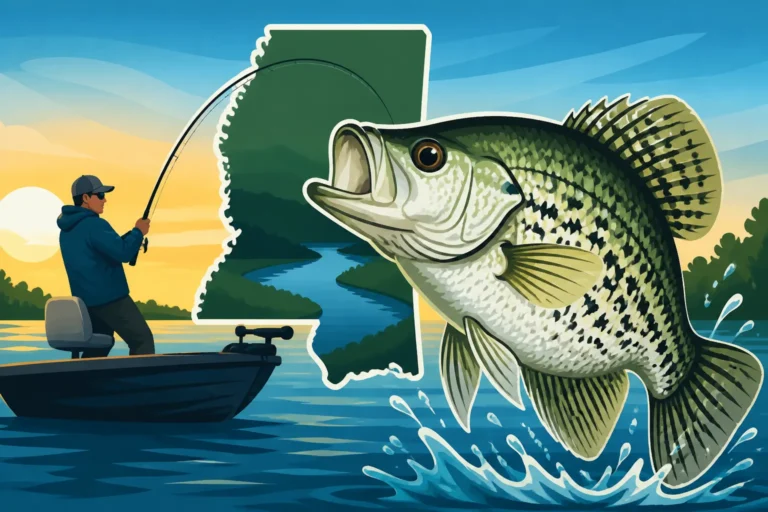
- Crappie Fishing: This is arguably the most popular guided trip, especially on North Mississippi lakes. Guides often employ techniques like spider rigging (multiple rods fished vertically from the front of the boat), long-lining (trolling jigs behind the boat), or single-pole jigging over brush piles. They know how to read their electronics to find schools of fish in deep water or locate them shallow during the Crappie Spawning Season Closure Rules. They'll show you how to present a minnow or a jig effectively to entice a bite. For instance, a guide on Grenada Lake is a master of these tactics.
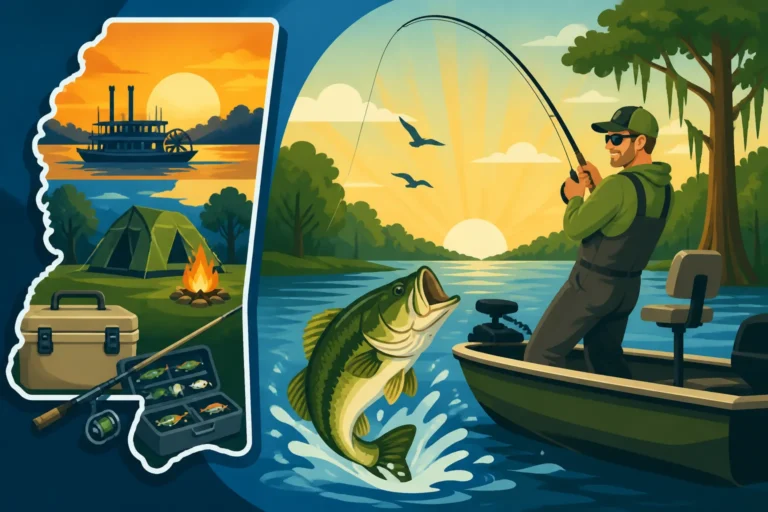
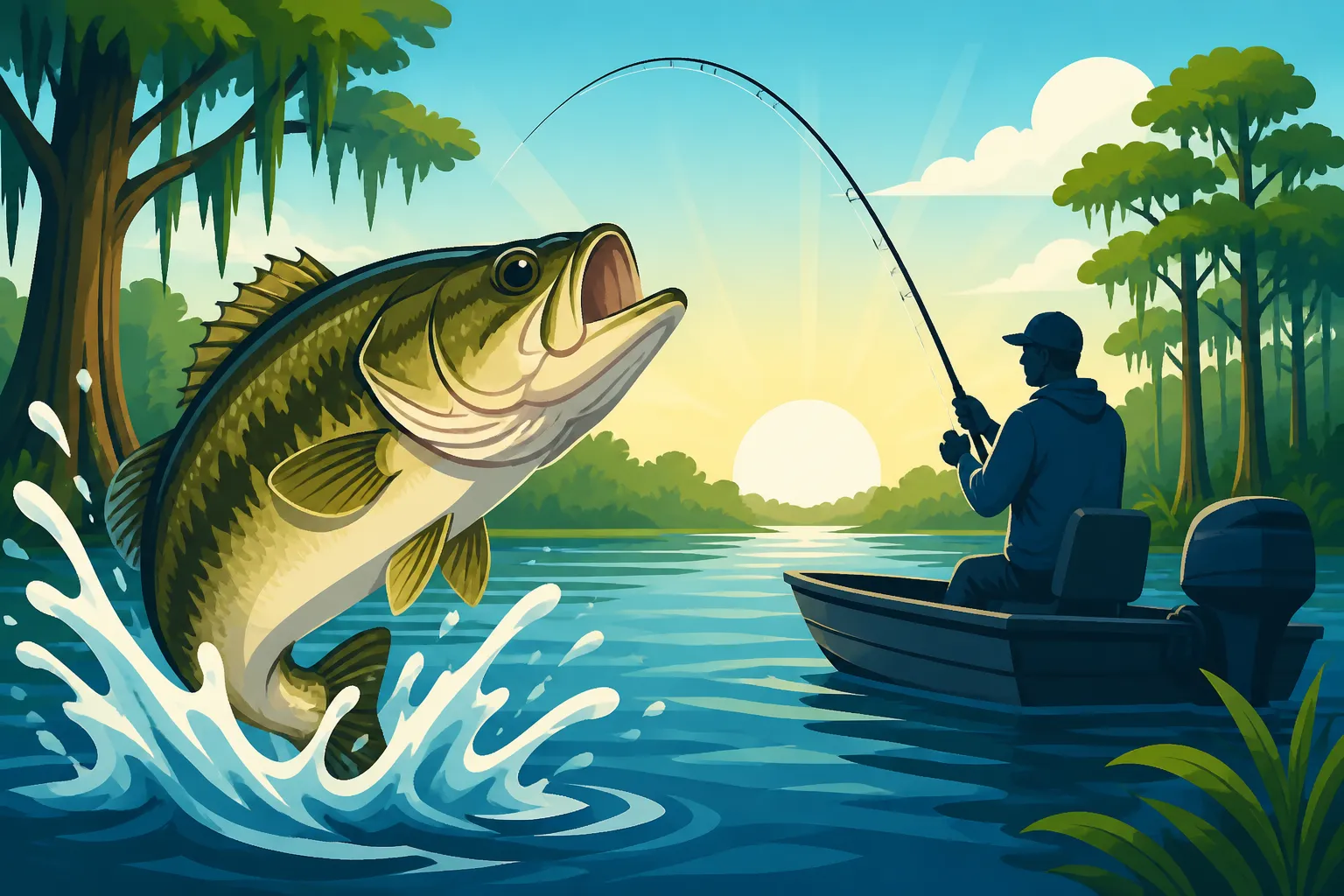
- Bass Fishing: Whether you're chasing Largemouth Bass Fishing in Mississippi or spotted bass, guides will use a variety of techniques depending on the season and water conditions. This might include flipping jigs into heavy cover, cranking points and ledges, throwing topwater lures in the early morning, or slow-rolling spinnerbaits through grass beds. They understand bass behavior and how to adjust presentations to changing moods and patterns. On lakes like Ross Barnett or Pickwick, bass guides are highly sought after.
- Catfish Fishing: For those who love the fight of a big blue or flathead catfish, guides often specialize in targeting these powerful bottom dwellers. Techniques can range from drift fishing with cut bait in river channels to setting up on specific humps and holes with heavy tackle. Catfish Fishing Techniques differ greatly from crappie or bass, and a dedicated guide can make a huge difference in landing a trophy whiskerfish.
A good guide will assess your skill level and preferences and tailor the techniques accordingly. If you're a seasoned angler, they might push you to learn advanced tactics. If you're a beginner, they'll patiently teach you the basics, ensuring you have a positive and productive experience, always making adjustments to ensure your success and enjoyment.
Popular Freshwater Lakes and Their Guides
Mississippi is blessed with an abundance of fantastic freshwater fishing opportunities. While you can find guides on many bodies of water, some lakes stand out as prime destinations for guided trips, each with its own reputation and fishing culture.
Grenada Lake: Crappie Capital of the World
When people talk about crappie fishing in Mississippi, Grenada Lake almost always comes up first. It's not an exaggeration to call it the "Crappie Capital of the World" during certain times of the year, particularly in spring. Anglers from all over the country flock here, and for good reason – the lake consistently produces massive crappie, often referred to as "Grenada Slabs."
Guides on Grenada Lake are highly specialized, focusing almost exclusively on crappie. They live and breathe crappie fishing, spending countless hours mapping brush piles, understanding water levels, and tracking the fish movements through the seasons. A guided trip here often involves techniques like spider rigging multiple rods, targeting submerged timber, or long-lining small jigs in open water. Many guides have a fleet of boats and often work together, sharing information to ensure their clients have the best chance at a trophy catch. Booking a Grenada Lake Crappie Fishing Guides trip, especially from March through May, is almost essential if you want to experience the legendary fishing this lake offers without wasting precious time trying to figure it out yourself. They know the patterns on spots like Skuna Bottom and Graysport Crossing like the back of their hand.
Ross Barnett Reservoir: Bass and Crappie Hotspot
Just northeast of Jackson, the Ross Barnett Reservoir is a massive, diverse fishery that draws anglers targeting a variety of species. It's a favorite for both bass and crappie fishermen, and the guides here often have a broader skill set.
For bass anglers, a Ross Barnett Reservoir Fishing Guide knows how to navigate the numerous stumps, lily pads, and creek channels that hold big largemouth. They'll employ a range of techniques from flipping heavy jigs into thick cover in Pelahatchie Bay to running crankbaits along the main lake ledges. They understand how the water levels and current from the spillway affect fish behavior. If crappie are your passion, guides on Barnett will still find those brush piles and creek channels where schools congregate, especially in the cooler months. The reservoir offers different challenges than the flood-control lakes up north, with more diverse habitat and water clarity variations, meaning guide expertise is particularly valuable for deciphering the day's best patterns. Whether you're chasing your next personal best largemouth or a cooler full of crappie, a guide can unlock the secrets of this complex body of water.
Sardis and Enid Lakes: North Mississippi Gems
Nestled in the rolling hills of North Mississippi, Sardis Lake and Enid Lake are two more jewels in the state's crappie fishing crown, offering experiences very similar to Grenada but with their own unique characteristics.
Sardis Lake, like Grenada, is a flood control reservoir renowned for its crappie fishing. Guides operating on Sardis Lake Fishing Guide typically focus on the same proven crappie tactics – spider rigging, slow trolling, and vertical jigging over structure. They understand the lake's vastness and the subtle nuances of its many creek arms and main lake flats. During the spring spawn, they know the specific shallow areas where crappie move up, and in the summer and winter, they pinpoint the deep-water sanctuaries. The "tailwater" below the dam also offers unique fishing opportunities that a guide familiar with the fluctuating conditions can help you capitalize on.
Enid Lake is another fantastic crappie destination, slightly smaller than Grenada or Sardis, but equally productive. Guides on Enid Lake Fishing Guides are experts at finding those elusive schools of crappie, often in the same structure-oriented patterns as its sister lakes. The benefit of these north Mississippi lakes is the concentration of highly skilled crappie guides, many of whom have honed their craft over decades. They’ll teach you not just how to catch crappie, but also how to interpret your electronics, choose the right bait, and understand the fish's movements, transforming you into a more effective angler.
Other Notable Freshwater Destinations
While the "Big Three" crappie lakes and Ross Barnett Reservoir often grab the headlines, Mississippi offers many other excellent freshwater fishing opportunities where guides can enhance your trip.
Pickwick Lake, located in the far northeast corner of the state, bordering Tennessee and Alabama, is an absolute powerhouse for smallmouth and largemouth bass, as well as being a fantastic crappie and catfish destination. Guides on Pickwick Lake Fishing Guide often specialize in targeting trophy smallmouth, using techniques like deep-water jigging, crankbait fishing, and targeting current seams. Its unique character as a Tennessee River impoundment means different strategies are required, and a local guide can be essential for breaking down its immense structure and currents.
Beyond these major reservoirs, smaller state fishing lakes like Lake Washington, Arkabutla Lake, or even local ponds and river stretches of the Pearl River or Pascagoula River, may have local experts who offer guided trips. These trips might focus on species like bream and bluegill for family-friendly outings, or even offer specialized Catfish Fishing Techniques on the Mississippi River Fishing Guide or the large river systems. The key is to seek out guides who are intimately familiar with the specific body of water and the species you wish to pursue, even if it's not one of the state's most famous spots. Each offers a unique experience, and a guide can unlock its potential.
Choosing the Right Freshwater Fishing Guide
Selecting the right guide is just as important as choosing the right lake. A great guide can turn a slow day into a memorable learning experience, while a less-than-ideal match can leave you feeling frustrated. Here’s what to look for:
Experience, Specialization, and Licensing
When you're searching for a guide, start by considering their experience and specialization. You don't want a "jack of all trades, master of none" if you're serious about catching a specific fish.
- Experience: Look for guides with years, if not decades, of experience on the specific lake you plan to fish. They'll have seen the water through all its cycles, understood its patterns, and adapted to changes. Don't be afraid to ask how long they've been guiding on that particular body of water.
- Specialization: If you want to catch crappie on Grenada, find a guide who specializes in Grenada crappie. If you're chasing trophy bass on Ross Barnett, find a guide known for bass. These specialists often have dedicated gear, knowledge, and a passion for their chosen species that generalist guides might lack. Check their websites, social media, and reviews for consistent mentions of their expertise.
- Licensing and Insurance: This is absolutely critical. A reputable guide in Mississippi will hold the necessary state and federal licenses, which typically include a U.S. Coast Guard (USCG) Captain's license if they're taking paying passengers, and a Mississippi hunting and fishing guide license. They should also carry adequate liability insurance. Don't hesitate to ask about their credentials. This protects both you and the guide and ensures they operate legally and safely. For details, you can look into How to Become a Fishing Guide in Mississippi. A guide operating without proper licensing is taking a huge risk and putting you at potential risk as well.
Communication and Personality
Beyond skill and experience, a guide's personality and communication style can make or break your trip. You'll be spending several hours in a boat with this person, so compatibility matters!
- Good Communicator: Does the guide answer your questions promptly and clearly before the trip? Are they patient and willing to explain techniques on the water? A good guide is not just a driver; they're a teacher and a host. They should be able to articulate why they're doing what they're doing, whether it's choosing a specific bait, moving to a new spot, or adjusting a fishing technique.
- Adaptability: The best guides are adaptable. If the bite is slow, do they have a backup plan? If you're struggling with a particular technique, are they patient and able to offer alternative approaches? They should be focused on your experience, not just showing off their own skills.
- Patient and Encouraging: This is especially important for beginners, children, or those new to a specific type of fishing. A good guide makes everyone feel comfortable and encouraged, celebrating every catch, no matter the size. Reading reviews online can often give you a strong sense of a guide's personality and how they interact with clients. Platforms like FishingBooker often include client reviews that touch on these aspects, which can be incredibly helpful in your decision-making process.
Checking Availability and Booking Logistics
Once you've narrowed down your choices, it's time to iron out the practical details of booking.
- Book in Advance: Especially for popular guides and during peak seasons (like spring crappie or fall bass), guides book up quickly. Don't wait until the last minute. It's not uncommon for top guides to be booked months in advance.
- Deposit and Payment: Most guides require a deposit to secure your date, with the balance due on the day of the trip. Understand their payment methods (cash, check, digital payment) and clarify their refund or rescheduling policy, especially concerning bad weather.
- Confirmation: Always get a confirmation of your booking, including the date, time, meeting location, and what's included. This prevents any misunderstandings down the road. Websites like FishingBooker simplify this process by allowing you to check availability, read detailed trip descriptions, and book securely online, often with clear cancellation policies laid out. This removes a lot of the guesswork and makes the booking process much smoother. Don't hesitate to call the guide directly for a brief chat before booking – it's a great way to gauge their personality and ensure they're a good fit for your group.
Preparing for Your Guided Freshwater Trip
You've chosen your guide, picked your lake, and booked your trip. Now, how do you make sure you're ready to make the most of your adventure on Mississippi's waters? A little preparation goes a long way.
What to Bring: Essentials and Comfort Items
While your guide will provide the fishing gear, there are several personal items you'll want to bring to ensure your comfort and enjoyment throughout the day.
- Sun Protection: Mississippi sun can be intense, even on cloudy days. Pack sunscreen (reapply often!), a wide-brimmed hat, and polarized sunglasses. Polarized lenses are not just for comfort; they help you see into the water, potentially spotting fish or structure that would otherwise be invisible.
- Layered Clothing: The weather in Mississippi can change quickly, with cool mornings giving way to warm afternoons. Dress in layers so you can adjust throughout the day. Consider moisture-wicking fabrics. Even in summer, a light long-sleeve shirt can protect you from the sun. Also, consider bringing rain gear – a lightweight, packable rain suit can be a lifesaver if an unexpected shower pops up.
- Food and Drink: Most guides do not provide meals or snacks, so bring your own. Pack a cooler with plenty of water, soft drinks, and easy-to-eat snacks like sandwiches, fruit, or energy bars. Make sure your cooler is a reasonable size to fit comfortably in the boat.
- Cooler for Your Catch: If you plan on keeping fish (within legal limits, of course!), bring an empty cooler to transport your fillets home. Your guide will often clean your catch, and having a ready cooler with ice means those fresh fillets stay in prime condition.
- Camera: You'll want to capture those trophy shots! Make sure your phone or camera is fully charged and protected from water.
Remember, space on a fishing boat can be limited, so avoid overpacking. Stick to essentials that enhance your comfort without cluttering the boat.
Understanding Licenses and Regulations
This is a critical point that sometimes catches anglers off guard: while your guide will be licensed to operate their boat and carry passengers, you are still responsible for having your own valid Mississippi fishing license.
- Individual License Required: Every angler on the boat, unless specifically exempt (like very young children or during a designated Free Fishing Days in Mississippi), must possess a valid Mississippi Fishing License Guide. This applies to both residents and non-residents. You can often purchase these online from the Mississippi Department of Wildlife, Fisheries, and Parks (MDWFP) website, at bait shops, or sporting goods stores like a local Bass Pro Shops.
- Know the Rules: While your guide will be intimately familiar with current Mississippi Fishing Regulations Explained, including Mississippi Fishing Creel and Size Limits for specific species, it's always good practice to have a basic understanding yourself. This helps you appreciate the conservation efforts and ensures you're a responsible angler. Your guide will instruct you on what fish are legal to keep and how many, but the ultimate responsibility rests with you. Make sure you understand the difference between resident and Mississippi Nonresident Fishing License Guide options, and consider if a short-term license like a Mississippi 1-Day and 3-Day Fishing Licenses is right for your trip.
Communication with Your Guide Beforehand
Open communication before your trip is key to a successful and enjoyable outing. Don't be shy about reaching out to your guide a few days before your scheduled date.
- Confirm Details: Reconfirm your meeting time and exact location. Ask about any specific weather considerations or last-minute changes due to conditions.
- Set Expectations: Discuss what you hope to achieve. Are you looking for a trophy fish, or just a fun day catching a lot of smaller fish? Are you interested in learning new techniques, or just relaxing and reeling them in? Be honest about your skill level and any physical limitations. If you have a bad back, for example, mention it so the guide can plan spots that don't involve excessive casting or uncomfortable positions.
- Target Species: Reconfirm your primary target species. While guides are adaptable, knowing your preference helps them prepare the right gear and plan the best strategy.
- Questions: This is your chance to ask any lingering questions you might have about the boat, amenities, or what to expect. A good guide will appreciate your proactive approach and will be happy to ensure you're fully prepared.
By handling these details in advance, you eliminate potential stress points and ensure that both you and your guide are on the same page, ready for a fantastic day of fishing.
Maximizing Your Learning and Enjoyment
A guided fishing trip is more than just catching fish; it's an opportunity for growth, learning, and making lasting memories. To truly get the most out of your experience, approach it with an open mind and engagement.
Asking Questions and Learning Techniques
Think of your guide as a walking, talking encyclopedia of local fishing knowledge. Their expertise is a treasure trove, and they’re there to share it with you. Don't be afraid to ask questions!
- Be Curious: Ask why the guide chose a particular spot, how they're rigging a specific bait, or what they're seeing on their electronics. Inquire about the fish's behavior: "Why are the crappie holding at this depth today?" or "What's the best retrieve for this bass lure in these conditions?" Many guides love to teach and share their passion.
- Observe and Practice: Pay attention to how the guide casts, how they work a lure, and how they handle fish. If they're showing you a new technique, like Jig Fishing for Crappie or how to properly work a Texas Rig for bass, take the opportunity to practice. The hands-on instruction you get from a guide is invaluable and can significantly improve your own fishing skills long after the trip is over. They can offer real-time feedback that you just can't get from watching a video or reading an article. This personalized coaching is one of the biggest benefits of a guided trip.
Tipping Etiquette for Guides
Just like in other service industries, tipping your fishing guide is customary and highly appreciated, recognizing their hard work, expertise, and effort to ensure you have a great day.
- Standard Range: The general rule of thumb for tipping a fishing guide in Mississippi is 15-20% of the total trip cost. If your guide went above and beyond – perhaps they put you on a trophy fish, were exceptionally patient, provided incredible instruction, or worked extra hard in challenging conditions – a tip closer to 20% or even a bit more is a wonderful way to show your appreciation.
- Consider the Experience: Your tip should reflect the quality of the service, not just the number of fish caught. Sometimes, fish simply aren't biting, but a good guide will still work tirelessly, try different spots and techniques, and keep your spirits high. Their effort and attitude are what you're tipping for.
- Cash is King: While some guides might accept digital payments, cash is often preferred for tips as it avoids processing fees and is immediately available to them. Handing the tip directly to the guide at the end of the trip is the most common practice. For more detailed information, check out Tipping Etiquette for Mississippi Fishing Guides. Remember, guiding is a demanding profession, and tips form a significant part of a guide's income.
Handling Your Catch Responsibly
A successful fishing trip often means a cooler full of delicious fish. Your guide plays a crucial role in ensuring responsible handling of your catch.
- Conservation and Limits: Guides are passionate about conservation and will adhere strictly to all Mississippi Fishing Creel and Size Limits for the species you're targeting. They will remind you of what's legal to keep and what needs to be released. If you're interested in practicing catch-and-release, communicate this to your guide beforehand. They can adjust their techniques and gear to ensure fish are handled in a way that maximizes their survival rate.
- Cleaning and Packaging: One of the best perks of a guided trip is often the guide's willingness to clean and fillet your catch at the end of the day. This is a huge time-saver and ensures your fish are prepared expertly. Make sure you bring that empty cooler with ice, as mentioned earlier, so your freshly cleaned fillets can be stored properly for the journey home. This convenience ensures you leave with perfectly prepared fish, ready for the dinner table, making the end of your trip as enjoyable as the fishing itself.
| Trip Type | Duration | Best For | Typical Inclusions | Why Hire a Guide |
|---|---|---|---|---|
| Half-Day | 4-5 hours | Beginners, families, quick trips | Rods, reels, bait, safety gear, guide expertise | Efficient fishing, taste of experience, less commitment |
| Full-Day | 8-9 hours | Serious anglers, learning, varied techniques | All half-day inclusions, more fishing time/locations | In-depth learning, target multiple species, comprehensive trip |
| Crappie Spec. | Variable | Targeting slab crappie, specific lake action | Specialized crappie gear, live minnows, electronics | Expert knowledge of crappie patterns, brush piles, techniques |
| Bass Spec. | Variable | Trophy bass, specific bass techniques | High-end bass rods/reels, variety of lures | Mastering bass presentations, finding specific bass structure |
| Catfish Spec. | Variable | Big blues/flatheads, river systems | Heavy tackle, cut bait, trotline/jug techniques | Locating catfish channels, handling powerful fish |
Disclaimer
This article is for general informational purposes only and does not constitute professional advice. Laws, prices and regulations vary by location and change over time. Consult a qualified professional for guidance on your specific situation.