Is It Safe to Swim Where You Fish in Mississippi?
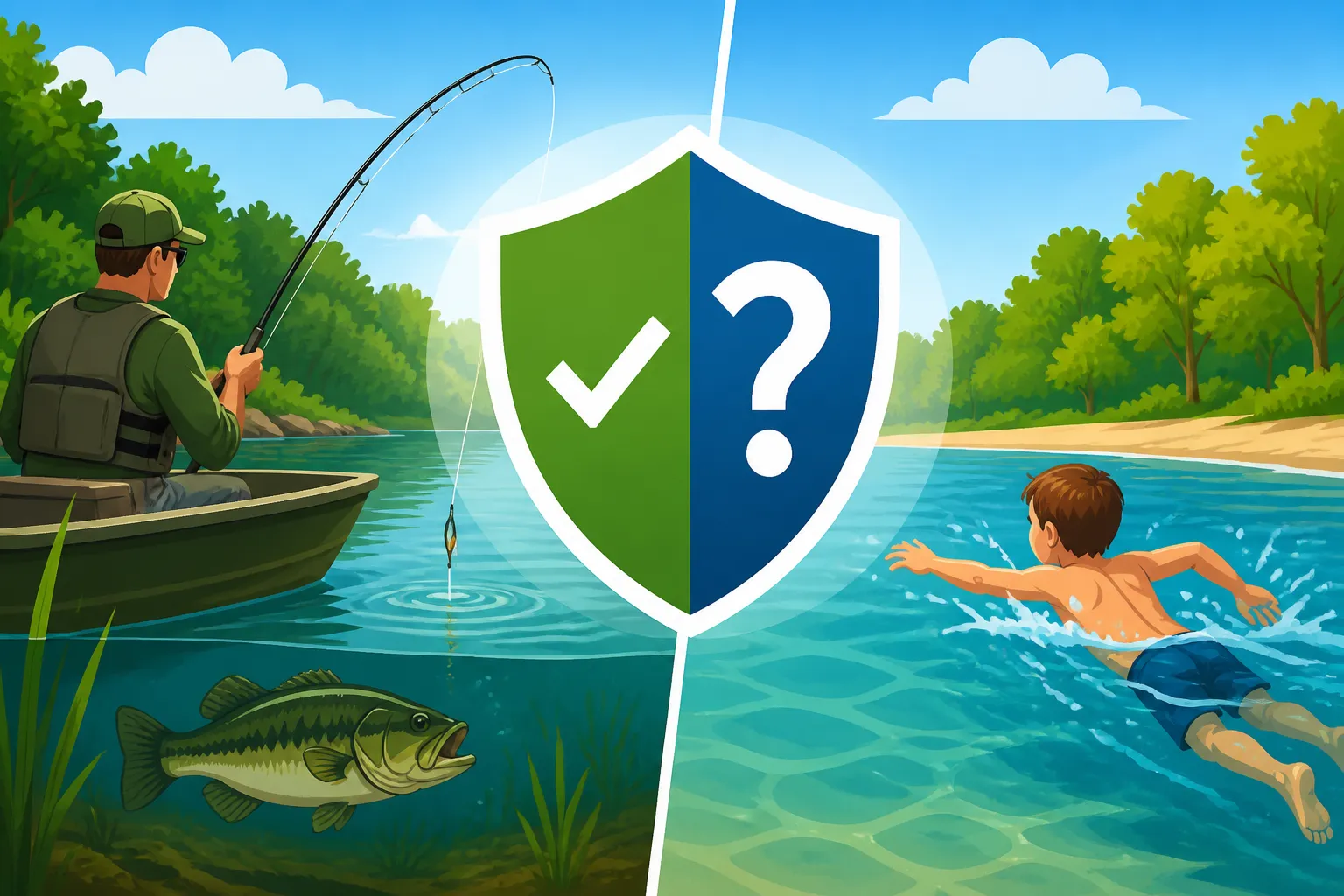
There's nothing quite like the allure of Mississippi's beautiful waterways – whether you're casting a line into a quiet lake or reeling in a big one on the Gulf Coast. Many of us dream of taking a refreshing dip after a successful morning of fishing, but the question naturally arises: is it truly safe to swim right where you fish? It’s not a simple yes or no answer, as various factors come into play, from water quality to wildlife. This comprehensive guide will dive deep into the potential concerns and offer practical advice to help you enjoy both fishing and swimming responsibly in the Magnolia State's diverse aquatic environments.
Understanding the Risks: More Than Just Fish Hooks
When you're out fishing in Mississippi, your primary focus is usually on the catch. However, if you're considering jumping in for a swim, a whole new set of considerations comes into play. It's about being aware of the environment, understanding potential hazards that aren't always visible, and respecting the natural world around you. This isn't just about avoiding a stray hook; it's about comprehensive water safety.
Environmental and Water Quality Concerns
One of the biggest factors to consider when thinking about swimming in a fishing spot is the water quality itself. Mississippi's waters are beautiful, but they're also part of a larger ecosystem that can be impacted by various natural and human-made elements.
First, let's talk about pollution and runoff. Many of our lakes and rivers are near agricultural areas or urban centers. Rain can wash fertilizers, pesticides, and other chemicals from lawns and farms into the water, especially after a heavy storm. While these might not always be immediately visible, they can create conditions that are less than ideal for swimming, potentially causing skin irritation or other health issues. Similarly, urban runoff can carry pollutants from streets and industrial areas. It’s always a good idea to be mindful of recent weather conditions; a sudden downpour often means higher levels of runoff.
Then there are harmful algal blooms (HABs). These are a natural phenomenon, but they can be exacerbated by nutrient pollution. You might see the water looking discolored, often green or blue-green, sometimes with a thick scum on the surface. These blooms can produce toxins that are dangerous to both humans and animals, causing skin rashes, respiratory problems, or even more severe illness if ingested. The Mississippi Department of Environmental Quality (MDEQ) often issues advisories when HABs are detected, especially in popular recreation areas. Always keep an eye out for any unusual water appearance before you decide to take a dip. Clear, clean-looking water is generally a better sign than murky or discolored patches.
Beyond pollution, even natural occurrences can affect water safety. Heavy rainfall can also increase bacteria levels from overflowing sewage systems or agricultural waste, making the water unsafe for swimming. Always check for any local public health advisories or warnings before entering the water, particularly in lakes and coastal areas.
Wildlife Encounters Beyond the Catch
While you're certainly hoping to encounter some fish with your rod and reel, an unplanned swim in a natural body of water might bring you face-to-face with other creatures you weren't expecting. It’s important to remember that these are wild places, and you are sharing them with the native inhabitants.
The most prominent concern for many in Mississippi's freshwater systems is the alligator. Yes, alligators live in many of our lakes, rivers, and even some ponds throughout the state. While they generally prefer to avoid humans, they are powerful predators. Swimming in areas known for alligator presence, especially at dawn, dusk, or night, significantly increases risk. They are more active during warmer months, which unfortunately often coincides with peak swimming season. If you're fishing in a spot where you’ve seen gators, or where signs warn of their presence, it’s best to keep your swimming to designated, monitored areas. For more on these incredible reptiles, check out Are There Alligators in Mississippi Fishing Lakes?.
Beyond alligators, snakes are another common resident. Cottonmouths (water moccasins) are venomous and frequently found in and around Mississippi's waterways. They often bask on logs or low-hanging branches near the water's edge and can be territorial. While they usually only bite if provoked or startled, accidentally swimming near one or stepping on one in murky water could lead to a painful and dangerous encounter.
And let's not forget about snapping turtles. These ancient creatures have powerful jaws and can inflict a serious bite if they feel threatened, especially if you accidentally step on one in shallow water or brush against one while swimming. They tend to be bottom-dwellers, so wading in murky areas where you can't see your feet can be risky.
Always be aware of your surroundings. If you see wildlife, give it a wide berth. Remember, you're a visitor in their home.
Hidden Dangers Beneath the Surface
The biggest risk factors aren't always swimming or slithering. Often, the most dangerous elements are unseen, lurking just beneath the water's surface.
Submerged structures are a prime example. In many fishing spots, especially reservoirs and larger lakes, there might be old stumps, sunken trees, discarded fishing gear, or even remnants of old homesteads and bridges that were flooded when the lake was created. These can pose serious hazards. Diving into unknown waters is incredibly risky, as you could hit your head on a submerged object. Even wading can lead to cuts or punctures from sharp debris. It's a common issue, and unfortunately, accidents happen all too frequently due to unforeseen underwater obstacles.
Then there are currents and uneven depths. Rivers, especially larger ones like the Mississippi River, can have extremely strong and unpredictable currents that can quickly sweep even experienced swimmers away. Even in lakes and reservoirs, outflow areas near dams or spillways can have dangerous undertows. Additionally, lake bottoms can be very uneven. You might be walking in shallow water one moment and suddenly step into a deep drop-off, leading to disorientation or panic. Always assume the depth can change drastically and be cautious, especially in areas with flowing water. For those interested in river dynamics, a good read is Mississippi River Fishing Guide.
Finally, for those who love coastal fishing, rip currents on the Mississippi Gulf Coast are a serious danger. These powerful, narrow channels of water can pull swimmers away from shore very quickly. Always check local beach conditions and flag warnings before entering the Gulf. Even in seemingly calm waters, these currents can form, so knowing how to spot them and how to escape one (swim parallel to the shore, not against the current) is crucial.
Best Practices for Combining Fishing and Swimming
So, you love to fish, and you also love to swim. It's totally possible to enjoy both safely in Mississippi, but it requires a conscious effort to adopt best practices. It's about being prepared, making smart choices, and always prioritizing your safety and the safety of those with you.
Choosing the Right Spot and Time
The decision to swim where you fish should always start with careful consideration of the location itself. Not all fishing spots are created equal when it comes to swimming suitability.
Designated swimming areas are always your safest bet. These areas, often found in state parks or public beaches, are usually monitored for water quality, have clear boundaries, and may even have lifeguards or clearer indications of safe swimming zones. They are often free of submerged hazards and have less fishing activity. For example, many state parks, while requiring Mississippi State Park Lake Fishing Permits for fishing, also offer designated swimming beaches. If swimming is your priority, seek these spots out.
Conversely, wild fishing spots, particularly those deep in the backcountry, remote river bends, or areas known for dense underwater vegetation, are generally not ideal for swimming. These places are less monitored, more prone to unknown hazards, and often have higher concentrations of wildlife. If you're fishing in such an area, it's best to stick to fishing and save your swim for a more appropriate location.
The time of day also plays a significant role. As mentioned earlier, alligators are more active at dawn, dusk, and night. Swimming during these low-light hours in freshwater areas is highly discouraged. Mid-day, when visibility is at its best and most wildlife is less active (or more easily spotted), is generally safer for a dip. The water conditions are also crucial. Look for clear water where you can see the bottom, or at least a good distance into the water. Avoid murky, heavily vegetated, or discolored water. If the water has a strong odor, an oily sheen, or an unusual film, stay out. Pay attention to how hot the water is; How Hot Mississippi Water Gets in Summer can make stagnant areas more prone to bacterial growth or algal blooms.
Essential Safety Gear and Habits
Preparation is key to a safe outing, whether you're fishing, swimming, or both. Having the right gear and adopting smart habits can make all the difference.
First up: foot protection. Stepping on a submerged hook, sharp rock, broken glass, or even a sharp shell (in saltwater) can quickly ruin your day. Water shoes or old sneakers are highly recommended if you plan to wade or swim in natural bodies of water. Don't underestimate this simple step.
Personal flotation devices (PFDs), or life jackets, aren't just for boating. If you're swimming in unfamiliar waters, especially rivers with currents or large lakes where help might be far, wearing a PFD can be a lifesaver. This is especially true for children or weaker swimmers. Remember, Mississippi Life Jacket Rules for Anglers often apply to boats, but a life jacket for swimming is always a smart personal choice. You can find comfortable and affordable PFDs on Amazon that are designed for swimming and other water sports.
Never underestimate the power of the buddy system. Swimming alone in natural waters is never a good idea. Always have someone with you who knows how to swim and can call for help if needed. Even strong swimmers can get into trouble quickly due to unexpected currents, cramps, or medical emergencies.
Before you even get wet, take a moment to check the conditions. Look for current advisories online from the MDWFP or local health departments. Observe the water itself: is it calm? Are there any visible hazards? Is the weather stable? A sudden thunderstorm can turn a calm fishing trip into a dangerous swimming situation. Lastly, always make sure someone on shore knows where you are and when you expect to return.
Post-Swim Care and Precautions
Your safety measures shouldn't stop once you're out of the water. What you do after your swim is just as important for preventing potential health issues.
The first and most crucial step is to shower thoroughly as soon as possible after swimming in natural waters. This helps to wash off any potential bacteria, parasites, or chemical residues that might be clinging to your skin or hair. Use soap and warm water if available. If a full shower isn't an option, at least rinse off with clean water, paying close attention to areas like ears and skin folds.
After your shower, check your body carefully for any irritants or unwelcome hitchhikers. This includes looking for ticks, which are common in vegetated areas near water, and leeches, which can sometimes attach in freshwater. Also, inspect for any new rashes, cuts, or unusual skin irritations. If you develop a rash, itchiness, or any other skin changes, consult a doctor.
Be vigilant for signs of illness in the days following your swim. Waterborne illnesses can manifest with symptoms like stomach cramps, diarrhea, nausea, vomiting, or fever. If you experience any of these symptoms after swimming in natural waters, especially if the water quality was questionable, seek medical attention and inform your doctor about your recent swim. Early detection and treatment are always best. By taking these simple post-swim precautions, you significantly reduce your risk of unpleasant or serious health consequences.
Specific Mississippi Considerations for Anglers Who Also Swim
Mississippi offers an incredible range of fishing and swimming environments, from tranquil inland lakes to the bustling Gulf Coast. Each ecosystem comes with its own set of rules and unique considerations for safety. Understanding these differences is crucial for a worry-free experience.
Freshwater vs. Saltwater Nuances
The type of water you're in dramatically changes the potential risks and best practices. Mississippi boasts diverse options, and each requires a tailored approach.
Freshwater Lakes and Rivers: In Mississippi's abundant freshwater lakes and rivers, like Ross Barnett Reservoir or the Pearl River, the primary concerns are often water quality issues stemming from runoff, as discussed earlier. Harmful algal blooms are more prevalent in still or slow-moving freshwater bodies, particularly during warmer months. Wildlife encounters in freshwater usually revolve around alligators, venomous snakes like cottonmouths, and snapping turtles. The depths can be highly variable, and submerged timber is a common hazard in many reservoirs created by impounding rivers. Mississippi Freshwater Fish Species Guide will give you an idea of what swims around you. Always check with local authorities for specific advisories for popular spots such as Sardis Lake Fishing Guide or Grenada Lake Fishing Guide.
Mississippi Gulf Coast: Shifting to the saltwater environment of the Mississippi Gulf Coast brings a different set of considerations. Here, rip currents are a major concern, as are encounters with marine life like jellyfish, stingrays, and even some species of sharks (though unprovoked shark attacks are extremely rare). Jellyfish stings can range from mild irritation to severe reactions, and stepping on a camouflaged stingray in shallow water can result in a painful barb injury. While water quality is generally good for swimming on the coast, it can be affected by bacterial levels after heavy rains, particularly in bays and estuaries, so local health departments issue advisories. The currents in the Gulf can also be powerful and unpredictable. For those venturing out, Mississippi Saltwater Fish Species Guide details the common catches and potential marine life. Wearing water shoes is a good idea to protect against shells and possible stingrays in shallow, sandy areas.
Checking Local Advisories and Regulations
You wouldn't head out fishing without knowing the creel limits or whether you need a Mississippi Fishing License Guide, and the same due diligence applies to swimming. Being informed is your first line of defense.
The Mississippi Department of Wildlife, Fisheries, and Parks (MDWFP) is your go-to source for fishing regulations and general water body information. While they primarily focus on fish and wildlife, they can sometimes provide insights into environmental conditions that might impact human safety. For specific recreational areas, especially state parks, they will often post warnings or close swimming areas if conditions are unsafe. For example, rules regarding Mississippi Fishing Regulations Explained often include boat safety, which directly impacts all water users.
Crucially, local health departments and the Mississippi Department of Environmental Quality (MDEQ) are the authorities for water quality advisories. These agencies monitor public swimming areas for bacterial contamination and harmful algal blooms. They will issue public notices, often through local news, their websites, or signs posted at affected locations, if water is deemed unsafe for swimming. Always check these resources before you head out. A quick search for "Mississippi water quality advisories" or checking the MDEQ website can often give you the latest information.
For those planning to fish and swim within a Mississippi State Park, remember that these parks often have specific rules regarding where you can fish and where you can swim. They may have designated swimming beaches that are regularly maintained and monitored, and it's always best to use these areas. Do not assume that because you can fish somewhere, it's also a safe and permitted place to swim. Always look for signage and respect park guidelines.
Respecting the Ecosystem and Fellow Anglers
Part of being a responsible outdoor enthusiast in Mississippi means not only ensuring your own safety but also being mindful of the environment and others who share the waterways.
Leaving no trace is paramount. When you're fishing, always collect all your trash, including discarded fishing line, bait containers, and food wrappers. Plastic pollution is a serious threat to aquatic ecosystems and can be dangerous to wildlife. Hooks, lures, and fishing line left in the water can also pose a hazard to swimmers or other animals. Be a good steward of the environment by packing out everything you pack in, and perhaps even a little more if you spot someone else's litter. Carrying a small trash bag in your gear, perhaps a waterproof one you picked up from Amazon, makes this easy.
When combining fishing and swimming, it’s essential to avoid disturbing wildlife. This means not harassing alligators, snakes, or any other creatures you might encounter. Observe them from a distance. If you're swimming near nesting areas for birds or other animals, give them plenty of space. Disturbing wildlife can not only be harmful to the animals but can also increase the risk of an aggressive encounter. Remember that Alligator Gar Fishing in Mississippi has its own rules, and you certainly don't want to accidentally provoke one while swimming!
Finally, sharing the water responsibly with fellow anglers and other recreational users is a golden rule. If you're planning to swim in an area where others are fishing, communicate with them. Ask if they mind you swimming nearby, and be mindful of their lines and lures. Avoid splashing excessively or creating loud noises that could disturb their fishing. Similarly, if you are fishing, be aware of swimmers and give them ample space. Respect for others' enjoyment of the water contributes to a positive experience for everyone.
Here's a quick comparison of risks when considering swimming in Mississippi's fishing waters:
| Factor | Freshwater (Lakes, Rivers) | Saltwater (Gulf Coast, Bays) |
|---|---|---|
| Water Quality | Algal blooms, agricultural runoff, bacterial from heavy rain | Bacterial from heavy rain (especially bays), storm-related debris |
| Wildlife Encounters | Alligators, cottonmouth snakes, snapping turtles, leeches | Jellyfish, stingrays, occasional sharks, marine parasites |
| Hidden Dangers | Submerged timber, old structures, uneven depths, river currents | Rip currents, offshore currents, hidden debris, oyster beds |
| Visibility | Can be murky due to sediment/algae, especially after rain | Generally clearer, but can be turbid near shore or after storms |
| Foot Protection | Highly recommended due to sharp debris, potential wildlife | Highly recommended due to shells, broken glass, stingrays |
| Typical Rules Source | MDWFP, MDEQ, State Park guidelines | MDEQ, local health departments, Coast Guard (boating) |
Disclaimer
This article is for general informational purposes only and does not constitute professional advice. Laws, prices and regulations vary by location and change over time. Consult a qualified professional for guidance on your specific situation.