Average Bluegill Size
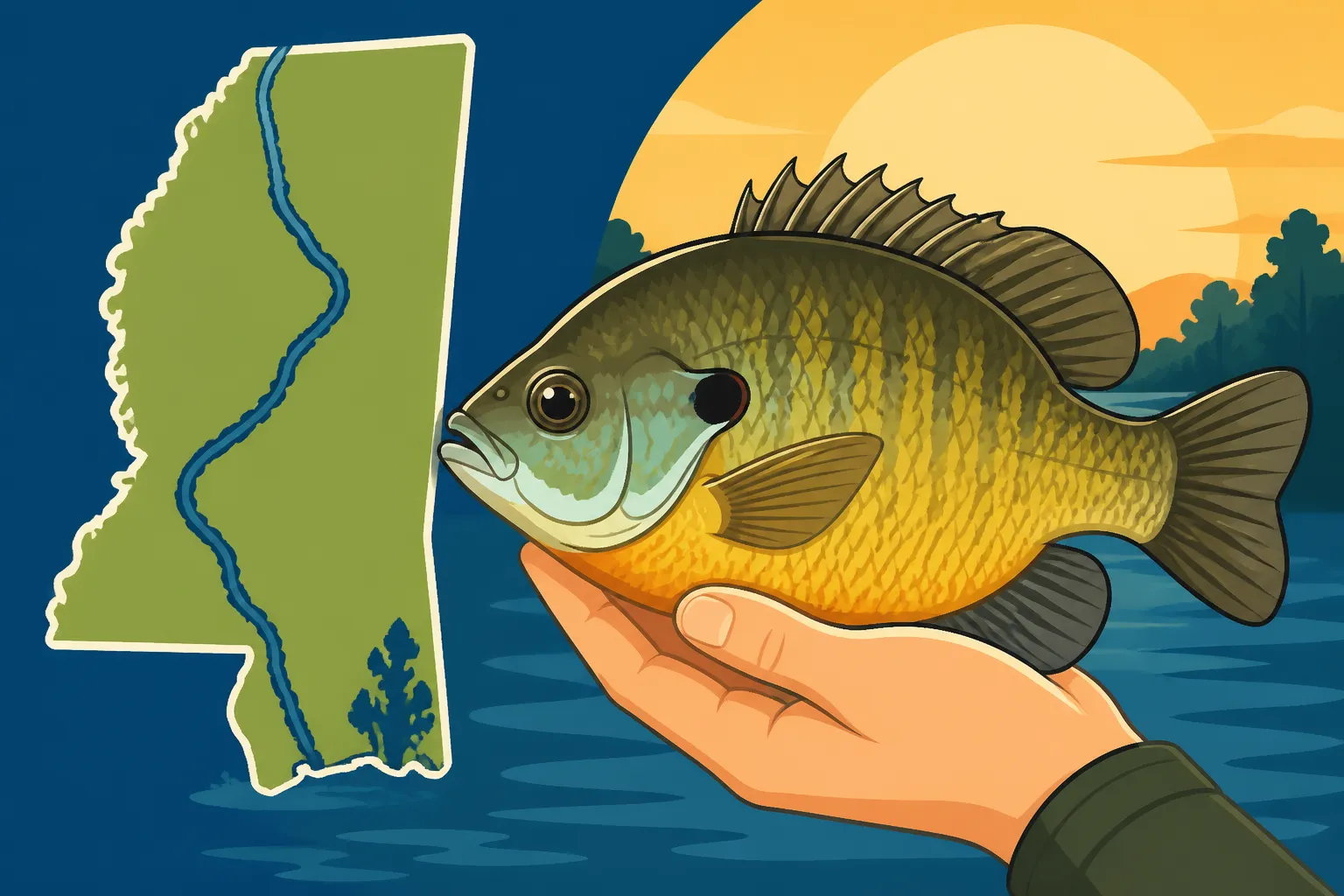
We've all been there, standing on the bank of a shimmering Mississippi lake or pond, pulling in bluegill after bluegill. Sometimes you feel like a fishing superhero, reeling them in one after another, but then you look at your catch and wonder, "Are these really all that small? What's the average size anyway?" It's a common question, and it speaks to a desire for those bigger, platter-sized panfish we all dream about. This guide is going to dive deep into what constitutes an "average" bluegill in Mississippi, explore why their size varies so much, and give you some real talk on how to increase your chances of hooking those impressive, palm-sized specimens.
Understanding Bluegill in Mississippi Waters
Bluegill (often affectionately called bream here in the South, alongside other sunfish species) are undeniably one of Mississippi's most popular and accessible game fish. They're found virtually everywhere – from large reservoirs like the Ross Barnett to countless farm ponds, lazy rivers, and oxbow lakes. Their abundance and willingness to bite make them a fantastic target for anglers of all ages and skill levels, especially those just starting out or families looking for some consistent action.
But let's be honest, while catching a bunch of bluegill is fun, there's a difference between a "dink" that fits in the palm of your hand and a true "slab" that makes a satisfying thump in the bottom of your cooler. That distinction often comes down to size, and it's something every bluegill enthusiast thinks about. Understanding the typical size range, and what contributes to it, is the first step in appreciating these feisty little fighters and, perhaps, even learning how to target their larger kin. They're a cornerstone of our freshwater fishing scene, providing endless hours of enjoyment, and getting to know them better only enhances that experience. For a broader look at what swims in our state, check out our Mississippi Freshwater Fish Species Guide.
The Ubiquitous Panfish: Why We Love Bluegill
Bluegill are just fantastic. They're feisty on light tackle, beautiful with their iridescent blues and greens, and absolutely delicious on the dinner plate. They’re also incredibly adaptable, thriving in a wide range of habitats as long as there's plenty of cover and food. This adaptability is precisely why you can find them in nearly every body of water across Mississippi, from the smallest creek to our largest impoundments. They’re often the first fish a child ever catches, sparking a lifelong love for fishing. They really are the perfect entry point into the angling world, teaching patience, casting skills, and the thrill of a tug on the line.
However, their very abundance can sometimes be a double-edged sword when it comes to size. In many waters, bluegill populations can become over-populated, leading to intense competition for food. When there are too many mouths to feed, growth rates slow down, and you end up with a high number of small fish rather than a healthy mix of various sizes. This is a common management challenge for pond owners and fisheries biologists alike.
The Quest for "Slab" Bluegill
While catching any bluegill is a good day on the water for many, the seasoned panfish angler is often on the hunt for those exceptional individuals. We're talking about bluegill that measure 8, 9, or even 10 inches and boast a significant hump on their forehead and a girth that makes them truly impressive. These are the "slabs" that inspire tales and fill frying pans with generous fillets. The pursuit of these larger bluegill is a passion for many, requiring a bit more strategy, understanding of their habits, and sometimes, a visit to particular bodies of water known for producing bigger specimens. It's a bit like hunting for trophy bass; it's not just about quantity, but quality. If you’re serious about this, you might also be interested in other sunfish species and how they compare, which you can learn about in Sunfish Species Found in Mississippi Lakes.
The frustration of constantly catching smaller bluegill can be real, especially when you're hoping for a meal. But don't despair! By understanding what drives their growth and where they prefer to hang out, you can definitely improve your odds of finding those larger, more desirable bluegill. It’s all part of the angling journey, learning the nuances of each species and adapting your approach.
What "Average" Really Means for Bluegill
When we talk about the "average" bluegill size in Mississippi, it’s not a single, fixed number. It’s a range, influenced by a multitude of factors, and it varies significantly from one body of water to another. Think of it like trying to define the "average" size of an oak tree – it depends on how old it is, where it’s growing, and how much sunlight and water it gets. The same goes for our finned friends.
Generally speaking, for a typical healthy population in a managed pond or reservoir, most bluegill you’ll encounter will fall within a certain spectrum. These aren’t necessarily the monster "slabs" that win awards, but they're respectable, catchable fish.
Typical Size Ranges and What to Expect
In Mississippi, an average bluegill often measures somewhere between 5 to 7 inches in length and might weigh a quarter to half a pound. These are the common catches you'll find in many public lakes, streams, and less-intensively managed private ponds. They're perfect for kids, offer consistent action, and still make for a decent meal if you catch a good number of them. For specific information on what you can keep, you should always check Is There a Limit on Bream in Mississippi?.
However, the potential for bluegill to grow larger is definitely there! A truly large or "trophy" bluegill in Mississippi would typically be 8 inches or more, with some exceptional specimens reaching or even exceeding 10 inches. These bigger fish can weigh upwards of three-quarters of a pound to over a pound. These are the ones that really put a bend in your ultralight rod and provide those memorable photo opportunities.
Here's a quick look at the typical size categories:
| Category | Length Range (Inches) | Weight Range (Pounds) | Description |
|---|---|---|---|
| Small/Fingerling | Under 4 | Under 0.1 | Young fish, good for forage, light tackle fun. |
| Average Catch | 5 – 7 | 0.25 – 0.5 | Most common size, great for consistent action. |
| Large/Slab | 8 – 9 | 0.75 – 1.0 | Desirable size, puts up a good fight, excellent for eating. |
| Trophy/Giant | 10+ | 1.0+ | Rare, highly sought-after, a true prize. |
It's important to remember that these are general guidelines. You might fish a pond that consistently produces 4-inch bluegill, or a lake where 7-inchers are the norm. The key is to understand what influences these variations.
Factors That Define "Average" in a Given Waterbody
The "average" size of bluegill in any specific lake, river, or pond is a reflection of its unique ecosystem. Just like people, fish grow differently based on their environment. A bluegill in a nutrient-rich, well-managed private pond with balanced predator-prey dynamics will likely grow faster and larger than one in an overpopulated, stagnant public pond. It’s all about resources – food, space, and a healthy balance of competition.
Think about it: if a pond has too many bluegill, they all compete for the same limited food supply. This leads to stunted growth, where many fish are present, but few reach a desirable size. Conversely, a pond with fewer bluegill but abundant food will see those fish grow much faster and larger. It's a delicate balance that fishery managers strive to maintain, often through stocking strategies and harvest regulations.
Factors Influencing Bluegill Growth and Size
So, what truly dictates whether you’ll be catching a handful of tiny bluegill or a stringer full of chunky slabs? It comes down to a few critical environmental and biological factors. Understanding these can help you pinpoint the best places to fish for larger bluegill or even manage your own private waters more effectively.
Food Availability and Diet
This is arguably the most critical factor. Bluegill are opportunistic feeders, meaning they’ll eat just about anything they can fit in their mouths. Their diet typically consists of insects (both aquatic and terrestrial), small crustaceans, snails, worms, and even very small fish or fish eggs.
- Abundant Forage: Waters with a rich and diverse food supply tend to produce larger bluegill. This means a healthy insect population, good aquatic vegetation that harbors food, and a stable ecosystem. If a lake has a thriving population of smaller invertebrates, those bluegill have a buffet, leading to faster growth rates and larger overall size.
- Competition: Conversely, in waters with too many bluegill, the competition for food intensifies. This is where you see stunted populations, as no single fish gets enough to grow to its full potential. Imagine a crowded dinner table with limited food – everyone gets a little, but no one gets a full meal. This often happens in unmanaged farm ponds where bluegill reproduce prolifically without enough predators to keep their numbers in check.
Water Quality and Habitat
Bluegill are quite tolerant of varying water conditions, but optimal conditions definitely promote better growth.
- Clean, Oxygenated Water: While they can survive in murkier, lower oxygen conditions, bluegill thrive in clean, well-oxygenated water. This leads to healthier fish and a more robust food chain overall.
- Structure and Cover: Bluegill absolutely love structure. This includes submerged timber, brush piles, rock piles, lily pads, docks, and even dense stands of aquatic vegetation. This cover provides them with protection from predators and prime ambush points for feeding. Waters with abundant, diverse cover tend to hold healthier populations of bluegill, including larger ones, as it offers a sanctuary where they can grow. For ideas on where to find these spots, consult Best Spots for Bream and Bluegill in Mississippi.
- Depth and Temperature: Bluegill prefer warmer waters, typically thriving in temperatures between 70-80°F. During cooler months, or in very hot summer conditions, they’ll often retreat to deeper water where temperatures are more stable. Understanding these preferences helps anglers locate them throughout the year.
Population Dynamics and Predator-Prey Balance
This is a big one, especially for private pond management.
- Overpopulation: As mentioned, too many bluegill in a given body of water is a recipe for stunted growth. They outcompete each other for food, and the result is a lake full of small fish. This is why some bluegill anglers practice selective harvesting, keeping the smaller fish to thin the herd and allow the remaining fish to grow larger.
- Predator Presence: A healthy population of predators, like largemouth bass, is crucial for maintaining a balanced bluegill population. Bass eat the smaller, weaker bluegill, which reduces competition for food among the remaining bluegill and allows them to grow larger. Without enough predators, bluegill can quickly overpopulate. This natural thinning process is essential for the overall health and size structure of the bluegill population. It's a tough world out there, but it leads to better fishing for us!
- Genetic Factors: While less significant than environmental factors, genetics do play a role. Some bluegill strains may simply have the genetic potential to grow larger than others. Fisheries agencies sometimes stock specific strains of bluegill known for their growth potential to enhance populations.
By understanding these interconnected factors, you start to see that "average" bluegill size isn't just arbitrary; it's a direct reflection of the health and balance of the specific aquatic environment they call home.
Catching Bigger Bluegill in Mississippi
Now that we understand why bluegill size varies, let's talk about how to increase your chances of catching those sought-after slabs in Mississippi. It often involves a combination of smart location choices, proper bait and tackle, and a little bit of patience.
Targeting Specific Waters Known for Quality Bluegill
Not all waters are created equal when it comes to trophy bluegill. Some lakes and ponds simply have better conditions for growing larger fish.
- Managed Private Ponds: Often, the biggest bluegill come from well-managed private ponds. These ponds are typically stocked with a balanced predator-prey ratio (e.g., proper numbers of bass to thin out small bluegill) and sometimes even fed high-protein fish food. If you have access to one of these, you're in luck!
- Larger Reservoirs and Oxbow Lakes: Big public waters like the Tennessee-Tombigbee Waterway, parts of the Mississippi River oxbows, and larger reservoirs such as Ross Barnett Reservoir can produce impressive bluegill. These expansive waters often have diverse habitats, abundant food sources, and a healthy ecosystem that supports larger fish. They can be a bit more challenging to navigate, but the reward can be substantial. Keep an eye out for reports from local bait shops or fishing forums about specific areas known for larger panfish.
- State Fishing Lakes: The Mississippi Department of Wildlife, Fisheries, and Parks (MDWFP) manages several state fishing lakes that are often intensively managed for quality fishing, including bluegill. These can be excellent options, though some may require an additional permit beyond your standard Mississippi Fishing License Guide.
Bait and Lure Selection for Bigger Bites
While bluegill are generally not picky, if you want to target larger individuals, a slight adjustment in your bait or lure choice can make a difference. Bigger baits often deter smaller fish, allowing the larger ones to find your offering first. For more general advice, consider Best Bait for Bream in Mississippi.
- Live Bait:
- Worms: A classic for a reason! Red wigglers, nightcrawlers (pinched in half for smaller mouths), and even crickets are irresistible to bluegill. Presenting a slightly larger piece of worm might entice a bigger fish.
- Grasshoppers/Crickets: These are fantastic, especially during summer and fall. The larger size can appeal to bigger bluegill.
- Small Minnows: Believe it or not, larger bluegill are predatory and won't hesitate to hit a tiny minnow. Use very small shiners or fathead minnows on a tiny hook.
- Artificial Lures:
- Small Jigs: Tiny jigs (1/32 to 1/16 oz) tipped with a small plastic grub, tube, or a piece of Berkley PowerBait Micro Gulp! can be deadly. Colors like chartreuse, white, and black are often productive. The key is to use a slightly larger profile than you might for a tiny jig, enough to make a difference.
- Small Spinners: Tiny inline spinners (like those from Panther Martin or Rooster Tail) are great for covering water and often attract more aggressive, larger bluegill.
- Fly Fishing: For a truly engaging experience, fly fishing with small poppers, nymphs, or wet flies can be incredibly effective for larger bluegill. It’s a rewarding challenge that often connects you with some of the most beautiful fish. For those keen on this method, check out Fly Fishing for Bream in Mississippi.
When using artificial lures, consider brands like Amazon for a wide variety of options that can be delivered right to your door, helping you stock up on different sizes and colors to experiment with.
Tackle and Techniques for the Dedicated Bluegill Angler
Your gear can also play a role in both the enjoyment of the catch and your success in landing larger bluegill.
- Ultralight Rod and Reel: This is the standard for bluegill fishing. An ultralight spinning rod (4-6 foot range) paired with a small spinning reel spooled with 4-6 lb test monofilament or fluorocarbon line provides maximum sensitivity and makes even average-sized bluegill feel like a heavyweight. It also protects your lighter line from breaking with a bigger fish. If you're just starting out, a Best Beginner Fishing Rod and Reel Combo is a great place to begin.
- Hooks: Use small, sharp hooks. A size 8 or 10 Aberdeen hook is usually perfect. The long shank makes it easier to remove from a bluegill's small mouth.
- Bobbers: A small, sensitive bobber (slip bobber or fixed) will help you detect light bites and keep your bait suspended at the right depth.
- Depths and Structure: Bluegill often congregate around cover. Look for them near weed lines, lily pads, submerged brush, fallen trees, and docks. They might be shallow in the spring during the spawn, but during hotter summer days or colder winter periods, they'll often retreat to deeper water, sometimes congregating in brush piles 10-20 feet deep. Learning to "read" the water and locate these structures is key.
- Patience and Persistence: Sometimes, catching bigger bluegill requires moving around and trying different spots until you hit a productive area. Don't be afraid to experiment with different depths and presentations.
By adjusting your approach and being more strategic about where and how you fish, you can definitely tip the scales in your favor and start consistently catching those impressive, average-sized, and even trophy bluegill that Mississippi waters have to offer! Do You Need a License to Fish in Mississippi? is a good starting point for ensuring you're ready to hit the water legally.
Disclaimer
This article is for general informational purposes only and does not constitute professional advice. Laws, prices and regulations vary by location and change over time. Consult a qualified professional for guidance on your specific situation.