Are Alligator Gar Dangerous to Swim With?
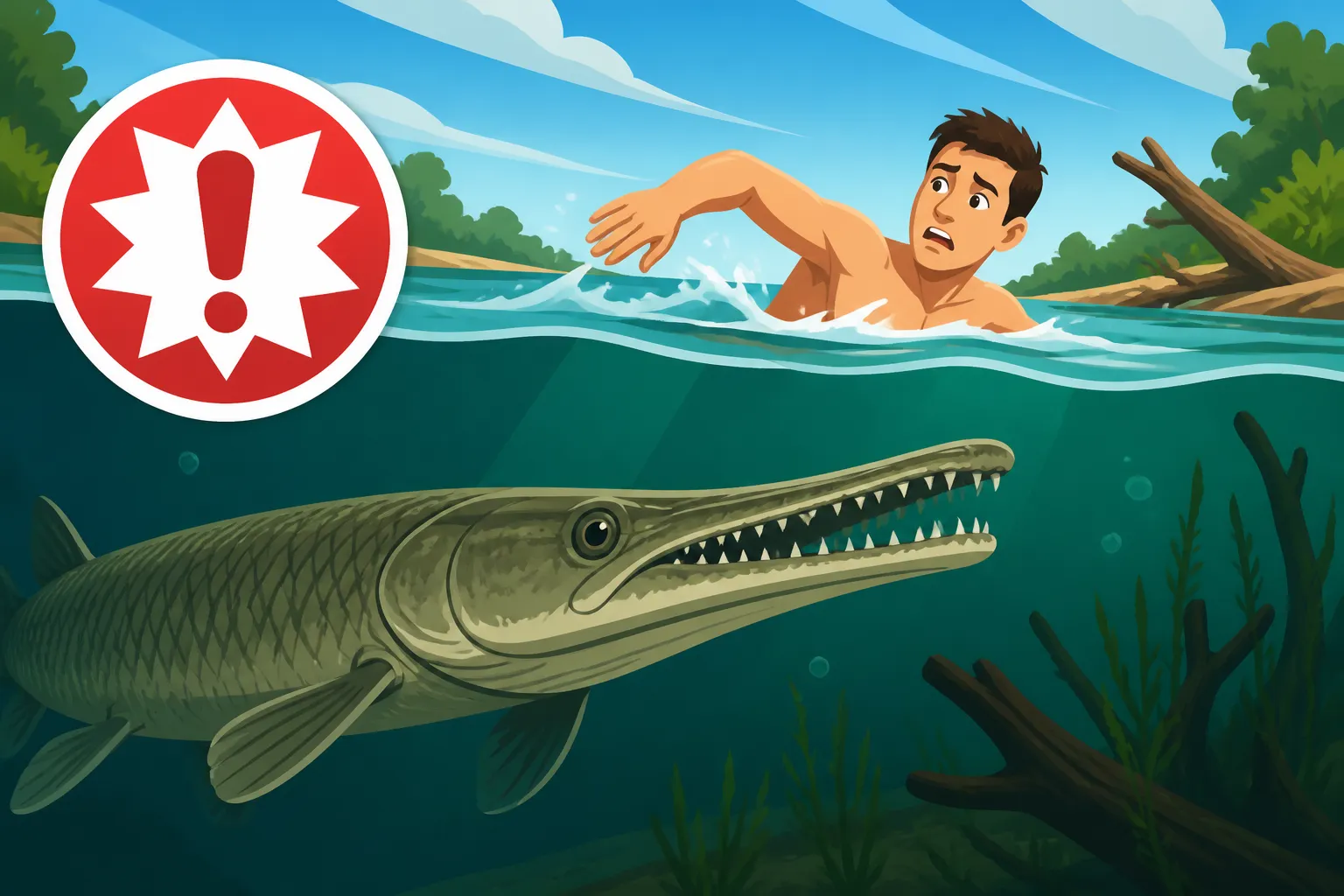
It’s a thought that has probably crossed many a Mississippi angler or swimmer’s mind: just how dangerous are those prehistoric-looking alligator gar lurking in our waters? With their rows of sharp teeth and imposing size, it's easy to imagine them as fearsome predators, ready to snap at anything that enters their domain. This guide aims to clear up the common misconceptions and anxieties surrounding alligator gar, giving you a realistic understanding of their behavior and whether you should genuinely worry about swimming in waters they inhabit.
Understanding the Alligator Gar: More Myth Than Monster
Let's be honest, the alligator gar looks like something straight out of a primeval swamp movie. Their long, torpedo-shaped bodies, hard, bony scales, and those distinctive, tooth-filled snouts can certainly give you pause. It's natural to feel a bit of trepidation when you think about sharing the water with such a creature. However, the reality of alligator gar behavior is far less dramatic than their appearance might suggest.
A Look at Their Nature and Behavior
Alligator gar are incredible fish, a true testament to survival over millions of years. They are apex predators in their aquatic environments, primarily feasting on other fish. Think of them as the silent, efficient hunters of the underwater world. Their hunting strategy is typically ambush-based; they'll often lie in wait, blending into submerged vegetation or structure, and then strike with lightning speed when an unsuspecting fish swims by. They aren't constantly patrolling the waters looking for a fight or something to chase down.
These fish are also surprisingly reclusive. Despite their size, they generally prefer to keep to themselves, often inhabiting slower-moving rivers, backwater lakes, bayous, and large reservoirs. They are most active at night or during twilight hours, though they can be seen basking near the surface during the day, especially in warmer weather. This natural shyness means that encounters with humans, especially swimming humans, are far less common than you might imagine. They are perfectly content to avoid us.
Physical Characteristics and What Makes Them Formidable (to Fish)
When you see an alligator gar up close, you immediately notice their impressive dentition. Their jaws are lined with two rows of dagger-like teeth, perfectly designed for grasping and holding onto slippery prey. This isn't a fish that chews; it swallows its food whole. Their strong jaws and teeth are certainly formidable, but they are specifically adapted for catching and consuming fish, ducks, or other small aquatic animals.
An adult alligator gar can grow to be quite large, sometimes exceeding six feet in length and weighing over a hundred pounds. Tales of massive gar pushing eight or even ten feet exist, but those are exceedingly rare, especially in modern times. Their tough, diamond-shaped ganoid scales, which don't overlap, give them an almost armored appearance, providing excellent protection against predators and rough environments. They are truly living fossils, built to last. For more details on how big these giants can get, check out Alligator Gar Size in Mississippi Waters.
Analyzing the Risk: Are Alligator Gar a Threat to Swimmers?
This is the million-dollar question, isn't it? Given their size and toothy grin, it's a valid concern. However, based on decades of scientific observation and anecdotal evidence from anglers and swimmers in Mississippi and beyond, the answer is overwhelmingly clear: unprovoked alligator gar attacks on humans are virtually non-existent.
Documented Incidents (or Lack Thereof)
It’s truly remarkable how few documented cases exist of alligator gar attacking humans without provocation. When people talk about dangerous fish, they often think of sharks or piranhas. Alligator gar, despite their fearsome appearance, simply don't fall into that category of aggressive predators towards people. You might find sensationalized stories or old wives' tales, but actual, verifiable reports of an alligator gar biting a swimmer are extraordinarily rare – so rare, in fact, that most wildlife agencies, including our own Mississippi Department of Wildlife, Fisheries, and Parks, consider them to be a non-threat to humans.
In contrast to, say, a bear or a coyote, which might be curious or defensive if encountered in the wild, alligator gar tend to retreat. Their primary goal is survival, and that usually means avoiding large, unfamiliar creatures like humans. The vast majority of incidents involving gar and humans typically occur when an angler is attempting to unhook a fish, and the gar, thrashing in defense, might inadvertently cut or scrape a hand. These are not predatory attacks; they are defensive reactions from an animal under stress.
Why Attacks Are Exceedingly Rare
There are several key reasons why alligator gar don't pose a threat to swimmers:
- Humans Aren't Prey: Simply put, we are not on their menu. Alligator gar are visual hunters, but they rely heavily on vibration and scent to locate their natural prey, which are typically much smaller and behave very differently from a swimming human. A thrashing human in the water doesn't resemble a fish or a duck.
- Natural Shyness: Despite their size, these fish are inherently shy and reclusive. If they detect a large presence, like a person swimming or wading, their first instinct is almost always to move away and hide, not to approach and investigate. They want no part of a confrontation.
- Habitat Preference: Alligator gar often prefer areas with dense cover, submerged logs, or thick vegetation where they can ambush prey and hide. While these areas might be accessible to swimmers, they are generally not high-traffic swimming spots. Open, clear swimming areas are less likely to be prime gar territory, though they can move through any part of the water body.
- No Territorial Aggression Towards Humans: Unlike some animals that might defend a nest or territory against intruders, alligator gar do not exhibit this kind of aggression towards humans. Their focus remains on finding food and surviving.
So, while the image of a toothy monster might linger in your mind, the biological and behavioral facts tell a very different story. These magnificent creatures are far more interested in minding their own business than in bothering a human enjoying a dip. To learn more about the diverse aquatic life in our state, take a look at our Mississippi Freshwater Fish Species Guide.
Situations to Exercise Caution
While unprovoked attacks are virtually unheard of, it's always wise to exercise common sense and caution when interacting with any wild animal. There are a few scenarios where an alligator gar might react defensively, though these almost always involve direct human interference:
- Handling a Caught Gar: This is where nearly all "incidents" occur. If you're lucky enough to catch an alligator gar, remember that it's a powerful, wild animal. When being brought into a boat or onto the bank, a gar will thrash violently to escape. Those sharp teeth can easily inflict a nasty wound if a hand or limb gets in the way. Always use extreme caution, know how to properly handle and release them, and consider heavy-duty gloves or specialized tools if you plan on targeting them. How to Clean an Alligator Gar offers insights into handling them after the catch, which underscores the need for care.
- Cornered or Provoked: If a gar feels trapped or directly threatened in shallow water, it might lash out in self-defense. This isn't a predatory attack but a desperate attempt to escape. Think of it like a cornered dog; it's reacting out of fear. This is an incredibly rare scenario for a casual swimmer, as gar are usually adept at slipping away unnoticed.
- Swimming in Murky Water with Bait: While not a "danger to swim with," per se, if you are swimming in extremely murky waters near where fish are being actively caught or where bait is abundant, and a gar mistakes a sudden movement for a struggling fish, the possibility, however remote, exists for an investigative bite. However, they are highly selective predators and would likely quickly realize their mistake. It's more of an angler's concern than a swimmer's.
It’s crucial to differentiate between an animal defending itself when caught or provoked and an animal actively hunting a human. Alligator gar do the former, not the latter.
Coexisting with Alligator Gar in Mississippi Waters
The truth is, alligator gar are an integral and fascinating part of Mississippi’s aquatic ecosystem. Learning to appreciate them for the unique creatures they are, rather than fearing them, enhances our experience in the state's beautiful waters. Coexistence is not only possible but also quite easy when you understand their habits.
Best Practices for Swimmers and Anglers
For swimmers, the best practice is simple: just enjoy the water. Alligator gar are not looking for you. If you happen to see one, consider it a rare and special sighting, but keep your distance and let it go about its business. There’s no need to panic or make sudden, splashing movements that might startle any wildlife. Always be aware of your surroundings, and if you are swimming in less-trafficked, wilder areas, simply maintain a general respect for the natural environment. For general safety considerations in Mississippi waters, read Is It Safe to Swim Where You Fish in Mississippi?.
Anglers, on the other hand, have more direct interactions. If you're targeting alligator gar, ensure you have the right gear to handle such a powerful fish safely. Heavy lines, strong hooks, and a plan for safely unhooking and releasing or dispatching the fish are essential. Many anglers practice catch and release for these magnificent creatures. If you do plan to keep one for consumption, they are indeed edible and delicious, but proper handling is crucial. For those interested in the culinary aspect, see Is Gar Good to Eat?. Remember, always check the current Mississippi Fishing Regulations Explained for any specific rules regarding gar.
Here's a quick comparison of common fears versus reality:
| Aspect | Common Fear/Misconception | Reality |
|---|---|---|
| Danger to Swimmers | Actively hunts or attacks people in the water. | Unprovoked attacks are virtually non-existent. Humans are not prey. |
| Aggression | Highly aggressive, territorial, and unpredictable. | Shy, reclusive, and generally avoid human interaction. Defensive if provoked. |
| Appearance | Looks like a monster, therefore acts like one. | Formidable appearance is for hunting fish, not intimidating humans. |
| Habitat | Lurks in every popular swimming spot, waiting to strike. | Prefers slower, often vegetated waters; avoids busy areas. |
| Bite Risk | Will bite indiscriminately if given the chance. | Bites are almost exclusively defensive when caught or severely provoked. |
The Alligator Gar's Role in the Ecosystem
Beyond their impressive stature and ancient lineage, alligator gar play a vital role in the health of Mississippi's aquatic ecosystems. As top predators, they help maintain the balance of fish populations, often preying on slower, less healthy fish, which contributes to the overall fitness of the ecosystem. They are nature's clean-up crew in some respects, preventing overpopulation of certain species and helping to keep the gene pool strong.
Historically, alligator gar were often misunderstood and sometimes even persecuted, viewed as "trash fish" that competed with game fish. Thankfully, this perception has largely changed, and many now appreciate them for their ecological importance and as a unique challenge for sport fishing. Conservation efforts are now in place to ensure these magnificent fish continue to thrive in our waters. If you're interested in pursuing these incredible fish with a rod and reel, you might want to look into Alligator Gar Fishing in Mississippi. They are truly a species worth respecting and protecting for future generations of anglers and nature enthusiasts alike.
Disclaimer
This article is for general informational purposes only and does not constitute professional advice. Laws, prices and regulations vary by location and change over time. Consult a qualified professional for guidance on your specific situation.