Least Crowded Crappie Lake in Mississippi
There’s nothing quite as frustrating as heading out for a peaceful day of crappie fishing in Mississippi, only to arrive at your favorite spot and find it swarming with other anglers. The boat ramps are packed, every brush pile has a boat on it, and the peace you were craving quickly turns into a competition. It’s enough to make you wonder if there’s any quiet water left. This guide is here to help you escape those crowds, delving into some of Mississippi's less-pressured crappie havens where you can truly enjoy the sport without elbow-to-elbow combat.
The Quest for Solitude: Why Finding Uncrowded Crappie Lakes Matters
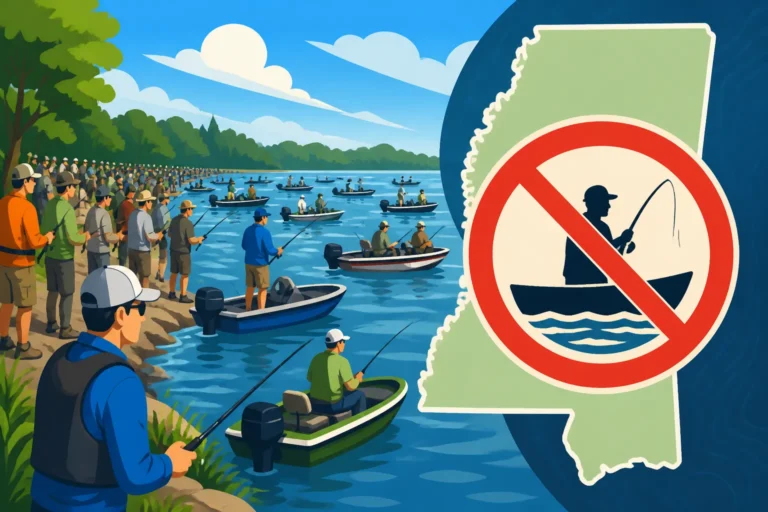
For many of us, fishing isn't just about catching fish; it's about the serenity of the water, the quiet hum of the trolling motor, and the simple joy of being outdoors. When popular crappie lakes like Grenada, Sardis, Enid, and Arkabutla draw massive crowds, especially during peak seasons like the spring spawn, that peaceful experience can quickly evaporate. The pressure isn't just on you, the angler, it's on the fish too.
The Impact of Heavy Pressure on Crappie
Crappie, while abundant in many Mississippi lakes, are not immune to fishing pressure. When a spot gets hammered day after day by dozens of boats, a few things happen:
- Fish become warier: Repeated catches and releases, constant boat traffic overhead, and a barrage of lures make crappie more hesitant to bite. They learn to associate certain presentations with danger, often moving to deeper, thicker cover.
- Prime spots get depleted: Even with catch limits, constant fishing pressure on specific brush piles, creek channels, or stump fields can thin out the population in those readily accessible areas. It forces anglers to constantly search for new fish, which can be exhausting.
- Reduced overall enjoyment: Beyond the fish, the sheer number of people can detract from your experience. You might spend more time navigating around other boats, waiting for a spot to open up, or feeling the unspoken pressure of needing to catch fish quickly before someone else does. It's just not what most of us signed up for.
Beyond the "Big Four" Lakes
When you hear "Mississippi crappie fishing," the minds of most anglers immediately jump to the "Big Four" Corps of Engineers reservoirs in the north: Grenada, Sardis, Enid, and Arkabutla. And for good reason – these lakes consistently produce incredible numbers of crappie, including some true slabs. They are undeniably fantastic fisheries. However, their fame is also their biggest drawback when it comes to finding solitude.
During the spring crappie spawn or even during good bite windows in other seasons, these lakes can resemble a small city on the water. Every major creek arm, every bridge piling, every known brush pile will likely have multiple boats working it. While the fish are there, getting a piece of the action can be a challenge, and the peaceful, contemplative aspect of fishing often gets lost in the bustle. That's why smart anglers often look to other, less-talked-about waters.
Discovering Mississippi's Hidden Crappie Gems: Lake Mary Crawford
When it comes to finding a less crowded crappie fishing experience in Mississippi, you often need to look past the well-trodden paths and explore the state's fantastic network of smaller, managed lakes. One such gem that consistently offers excellent crappie fishing with significantly less pressure than the major reservoirs is Lake Mary Crawford.
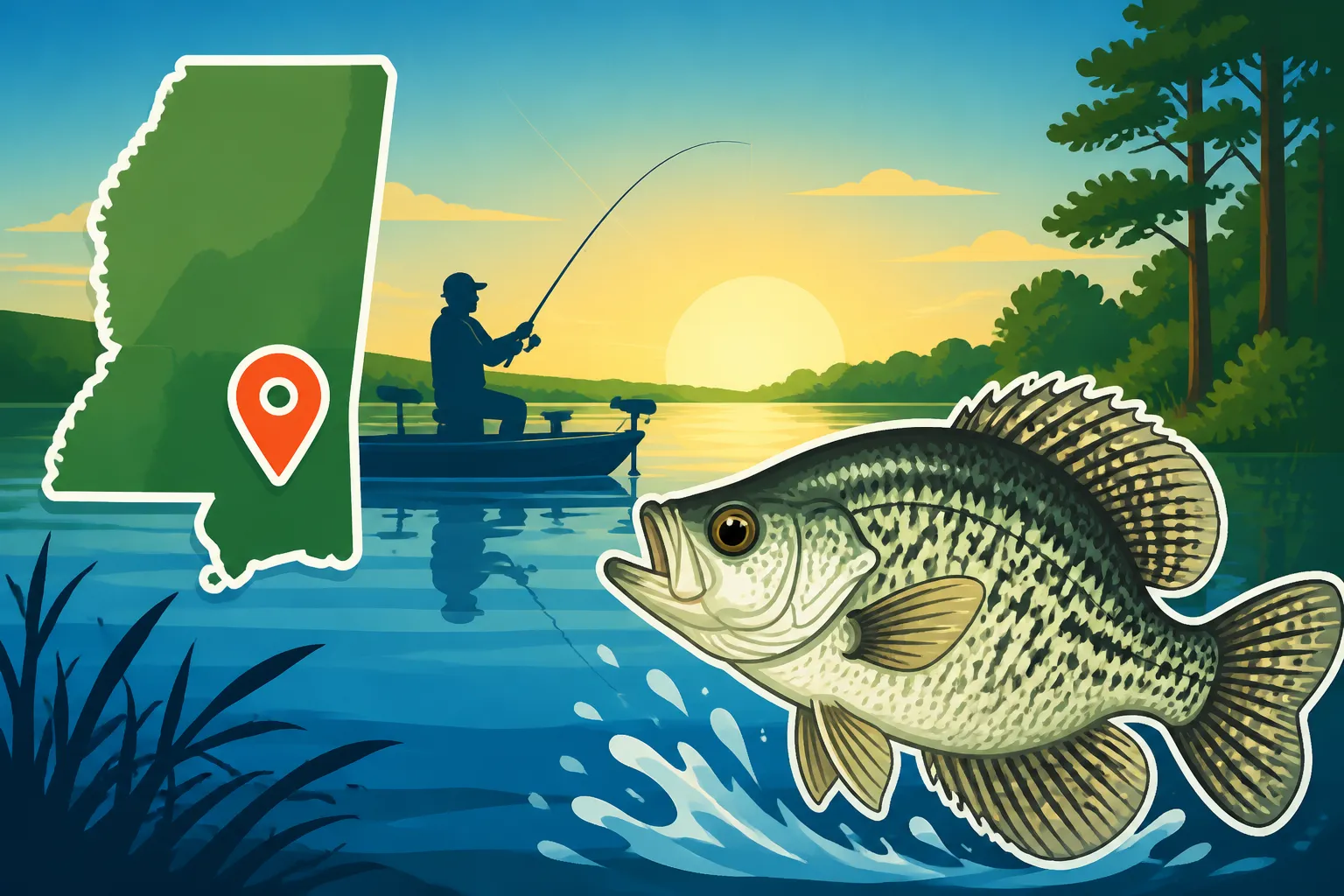
Located in Monticello, in Lawrence County, Lake Mary Crawford is a 128-acre state fishing lake managed by the Mississippi Department of Wildlife, Fisheries, and Parks (MDWFP). Unlike the massive reservoirs, its smaller size naturally disperses anglers and ensures a more intimate fishing experience. It’s a perfect example of a lake where you can actually enjoy the quiet while still pulling in plenty of fish.
Why Lake Mary Crawford Stands Out for Solitude
Lake Mary Crawford's charm lies in several key aspects that contribute to its less-crowded status:
- Size and Accessibility: Being a smaller lake, it doesn't attract the same kind of tournament traffic or large numbers of anglers from far-flung regions that the "Big Four" do. It's a local favorite, but not a regional magnet. While it has good facilities, including a boat ramp, they aren't designed for thousands of boats. This inherently limits the volume of traffic you'll encounter.
- MDWFP Management: The MDWFP actively manages these state fishing lakes for optimal recreational fishing. This includes regular stocking, habitat improvements, and careful regulation to ensure a healthy fishery. They focus on providing quality angling opportunities rather than just quantity of fish, often leading to a more stable and enjoyable crappie population. You can often find specific details about these lakes in the Mississippi Fishing Regulations Explained guide, which outlines rules particular to state lakes.
- Diverse Habitat: Despite its modest size, Lake Mary Crawford offers excellent crappie habitat. You’ll find submerged timber, creek channels, brush piles (both natural and intentionally placed), and open water areas. This diversity allows crappie to spread out, and for anglers to find different patterns and techniques, further preventing concentrated crowds on a single spot.
Crappie Hotspots and Techniques for Lake Mary Crawford
Fishing Lake Mary Crawford for crappie offers a refreshing change from the competitive scramble of larger lakes. Here’s what you might expect and how to approach it:
- Springtime: During the spring, when crappie move shallow to spawn, focus your efforts on the coves and shallow flats. Look for submerged brush, lily pads (if present), and any emergent vegetation. Small jigs (1/16 to 1/32 oz) in chartreuse, white, or black-and-chartreuse are deadly under a bobber or slowly retrieved. Live minnows rigged under a slip bobber are also exceptionally effective. This is a great time to implement simple Crappie Fishing Techniques for Mississippi Lakes.
- Summer: As the water warms, crappie will move to deeper, cooler water. Target the main creek channel, deeper timber, and brush piles in 10-15 feet of water. Spider rigging with multiple rods, slow trolling with jigs or minnows, or even simply vertical jigging over known structure will produce results. Remember to adjust your tactics based on the Best Time of Day to Catch Crappie during the summer heat, often early morning or late evening.
- Fall: The fall bite can be fantastic as crappie become more active, feeding heavily before winter. They often move back shallower during low-light conditions and can be found relating to baitfish schools. Look for them around structure on the edges of creek channels and deeper bends. Both jigs and minnows will work well.
- Winter: Don't overlook winter crappie fishing! While less popular, crappie will school up in deep holes and around major submerged structure. Slow presentations are key. Vertical jigging small spoons or slow-trolling tiny jigs can entice bites. Check out tips for How to Catch Crappie in Cold Winter Water to maximize your success.
When planning your trip, consider checking out resources like FishingBooker, which not only helps you find and book guides (though probably not necessary for a small lake like this unless you want local insight) but also provides valuable details and angler reviews for various fishing spots across Mississippi, including state lakes. It’s a useful platform for getting a feel for local conditions and what others are experiencing.
Other Promising, Less-Crowded Crappie Lakes in Mississippi
While Lake Mary Crawford is an excellent example, it's certainly not the only option for finding peace and crappie in Mississippi. The state is blessed with numerous smaller impoundments that often fly under the radar of the mainstream fishing crowds.
Exploring Other Mississippi State Fishing Lakes
The MDWFP manages a network of 19 State Fishing Lakes designed to provide quality angling opportunities across Mississippi. Many of these lakes, ranging in size from less than 100 acres to several hundred, offer excellent crappie populations with significantly less pressure than the large federal reservoirs. Here are a few more to consider:
- Lake Tom Bailey (Lauderdale County): At 230 acres, this lake is larger than Mary Crawford but still much smaller than the "Big Four." It's known for good crappie and bass fishing and often provides ample space.
- Lake Columbia (Marion County): A 90-acre lake that is regularly stocked and managed. Smaller lakes like this tend to have fewer boats and are ideal for quiet crappie pursuit.
- Lake Claude Bennett (Jasper County): This 71-acre lake also gets consistent crappie management and can be a fantastic spot for a peaceful outing.
- Lake Monroe (Monroe County): Another smaller state lake (98 acres) that provides good crappie opportunities.
- Lake Bogue Homa (Jones County): At 1,200 acres, this is one of the larger state lakes, offering more room to roam while still generally being less crowded than the mega-reservoirs. It’s a great option for a full day of fishing without too much competition.
These lakes often have well-maintained boat ramps, fishing piers, and amenities that make for a comfortable trip. You can learn more about these fisheries in the comprehensive Mississippi State Fishing Lakes Overview article. Remember that you will still need a valid Mississippi Fishing License Guide to fish these public waters, just like any other public fishing spot in the state.
Tips for Finding Your Own Undiscovered Honey Holes
While I can point you to some great options, part of the joy of fishing is discovering your own spots. Here’s how you can go about finding less-pressured crappie waters:
- Consult MDWFP Resources: The Mississippi Department of Wildlife, Fisheries, and Parks website is an invaluable resource. They publish detailed lake information, stocking reports, and even fishing forecasts. Look for lakes specifically managed for crappie that aren't the household names.
- Utilize Online Maps and Satellite Imagery: Google Maps or other satellite imaging services can reveal smaller ponds, oxbows, or lesser-known impoundments that might hold crappie. Look for public access points, small boat ramps, or areas that seem fishable but aren't prominent on popular fishing apps.
- Talk to Locals (Carefully): While anglers can be tight-lipped, sometimes a friendly chat at a tackle shop or bait store can yield gold. Ask about "local ponds" or "quiet spots" rather than "the best crappie lake."
- Explore Smaller Tributaries: Rivers like the Pearl, Pascagoula, or Tombigbee have numerous oxbow lakes and backwater sloughs that can be crappie factories, especially during high water. These are often harder to access and thus see less pressure. Be sure to understand Mississippi Freshwater Fishing Rules before exploring these areas.
- Timing is Everything: Even on moderately popular lakes, you can find solitude by fishing during off-peak times. Weekdays, early mornings, late evenings, or even during inclement (but safe) weather can drastically reduce the number of people on the water.
| Lake Type | Characteristics | Crowding Level | Crappie Quality | Solitude Factor |
|---|---|---|---|---|
| Major Reservoirs | Large, high boat traffic, renowned | High | Excellent | Low |
| State Fishing Lakes | Medium to small, managed, good facilities | Medium to Low | Good to Excellent | Medium to High |
| Oxbows/Backwaters | Variable size, often remote, fluctuating access | Low | Good | High |
| Private Ponds | Small, limited access, variable management | Very Low | Variable | Very High |
Making the Most of Your Uncrowded Crappie Trip
Once you've identified a less crowded crappie lake like Lake Mary Crawford, preparing for your trip with the right mindset and gear can make all the difference. These smaller, quieter waters often respond best to a slightly different approach than the highly-pressured giants.
Essential Gear and Tactics for Quiet Waters
You don't necessarily need a fancy, high-tech boat with all the bells and whistles to fish these lakes successfully. In fact, a simpler setup can often be more effective and less intrusive:
- Smaller Boats or Kayaks: A Jon boat, a smaller fiberglass boat, or even a fishing kayak can be ideal for these lakes. They allow you to navigate tighter spaces, launch from less developed access points, and generally minimize your footprint, which aligns perfectly with the goal of an uncrowded experience. A kayak is particularly good for silently sneaking into productive coves.
- Ultralight or Light Spinning Gear: For crappie, light tackle is the way to go. A 6 to 7-foot ultralight or light action spinning rod paired with a small spinning reel spooled with 4-6 pound monofilament or fluorocarbon line is perfect. This setup allows for delicate presentations and maximizes the fight of even a modest crappie. If you're new to fishing, Choosing the Right Rod and Reel for Mississippi Fishing can make a big difference.
- Crappie Jigs and Live Minnows: These remain the staples for a reason. Carry a variety of small jigs (1/16 to 1/32 ounce) in different colors (chartreuse, white, black, pink, various combinations). Tipping a jig with a crappie nibbler or a small piece of minnow can sometimes be the ticket. Live minnows, fished under a bobber or tight-lined, are almost always effective. Consider stocking up on the Best Bait for Crappie in Mississippi before you head out.
- Simple Electronics: While not strictly necessary, a basic fish finder can greatly assist in locating submerged structure and schools of crappie, even on smaller lakes. A good trolling motor is also helpful for quiet maneuvering.
Tactically, remember that less-pressured crappie are often less wary. You might not need to be as subtle with your approach. However, consistent and methodical fishing will still yield the best results. Fan cast areas with jigs, slowly troll, or anchor up and vertical jig around any visible or discovered cover.
Respecting the Resource and Other Anglers
When you find these less-crowded spots, it's crucial to treat them with respect to help maintain their appeal for everyone, yourself included.
- Practice Good Stewardship: Pack out everything you pack in. Don't leave trash, fishing line, or bait containers. Consider going a step further and picking up any litter you find. These smaller lakes are often more susceptible to pollution.
- Be Mindful of Regulations: Always adhere to all Mississippi Fishing Season Dates and Limits, as well as specific crappie regulations for the lake you are fishing. For state lakes, there might be unique rules not found on larger reservoirs. You can often check the Mississippi Crappie Regulations by Lake section on the MDWFP site or through platforms like FishingBooker for specific lake rules.
- Share the Water: Even on a less-crowded lake, you might encounter other anglers. Give them plenty of space, avoid noisy activities, and don't crowd into their fishing area. A friendly wave or nod goes a long way. The goal is peace and enjoyment for everyone.
- Consider Catch and Release: While keeping some crappie for a delicious meal is part of the experience, consider practicing catch and release, especially for larger "slab" crappie, to help maintain the quality of the fishery in these smaller lakes.
By embracing these less-pressured lakes and adopting a respectful, methodical approach, you can truly rediscover the joy of crappie fishing in Mississippi, away from the madding crowds.
Disclaimer
The information provided in this guide is for general informational purposes only and is subject to change. Always consult the official regulations published by the Mississippi Department of Wildlife, Fisheries, and Parks (MDWFP) before engaging in any fishing activities. Fishing conditions, fish populations, and specific lake rules can vary and may be updated periodically.