Lake Washington Bass and Crappie Fishing
Navigating the myriad of fishing options in Mississippi can sometimes feel overwhelming, especially when you're looking for that perfect blend of challenge and reward for specific species. Many anglers might overlook Lake Washington, or struggle to pinpoint the best strategies for its famously healthy populations of bass and crappie. This comprehensive guide is designed to cut through the guesswork, offering detailed insights and actionable advice to help you maximize your success when targeting largemouth bass and crappie on this incredible Delta lake.
Unveiling Lake Washington: A Jewel for Anglers
Nestled deep in the Mississippi Delta, Lake Washington isn't just another body of water; it's a living legend among local anglers, offering a unique and often productive fishing experience. It's a place where the cypress trees stand sentinel, and the vast lily pad fields hide true lunkers.
Geographical Overview and Unique Characteristics
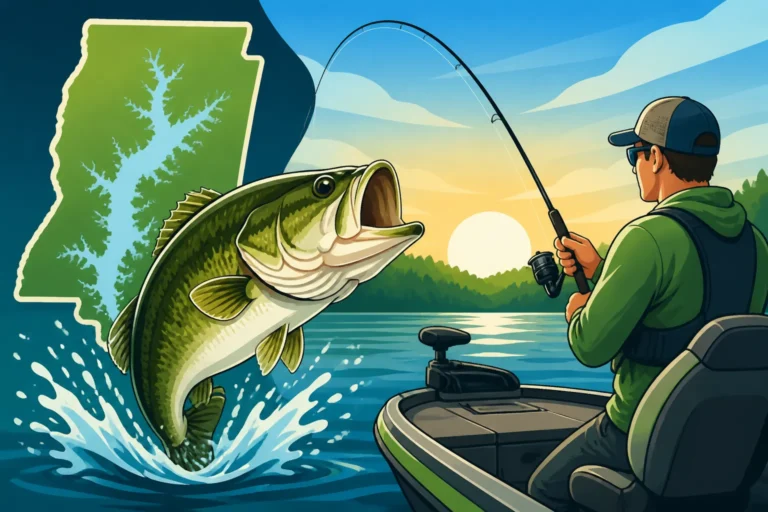
Lake Washington is a massive oxbow lake, a crescent-shaped body of water formed from an old bend in the Mississippi River, located primarily in Washington County, Mississippi. This isn't your typical deep, clear, rocky reservoir. Instead, Lake Washington is shallow, fertile, and boasts an incredible amount of aquatic vegetation, timber, and cypress trees. It spans roughly 5,000 acres, but its relatively shallow average depth, often just 5-7 feet, combined with extensive hydrilla, coontail, and lily pads, makes it feel like a sprawling bass and crappie paradise rather than a deep, open water fishery. The nutrient-rich Delta soils contribute to a vibrant ecosystem, supporting abundant baitfish populations which, in turn, fuel the growth of impressive game fish. Understanding its oxbow nature is key; these lakes often have deeper channels running through them (the old riverbed), which are crucial for fish movement, especially during colder months or high-pressure situations.
Key Fish Species to Target
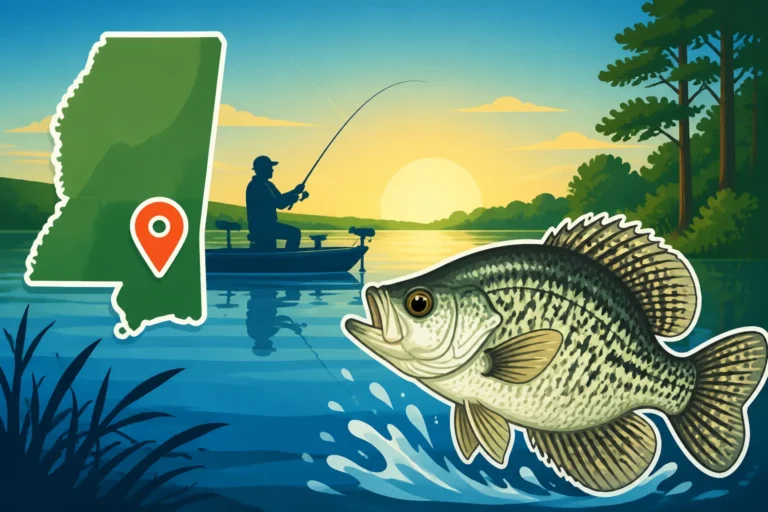
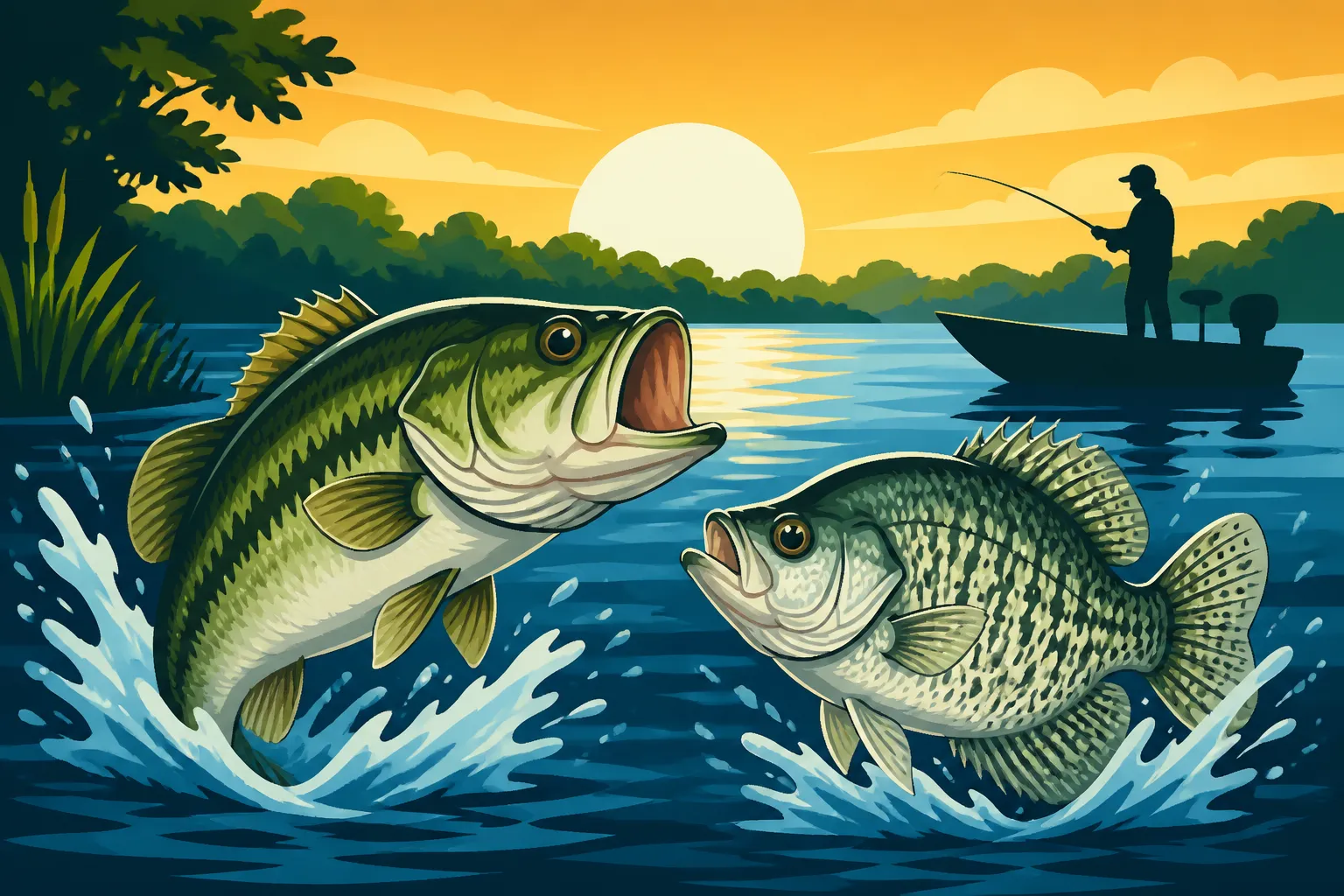
While Lake Washington is home to a variety of fish, its true claim to fame lies with its exceptional largemouth bass and crappie fishing. The lake consistently produces both good numbers and impressive sizes of these popular game fish. You'll find healthy populations of both black and white crappie, often intermingling in the same cover. For bass anglers, the lake is renowned for its potential to yield trophy-sized largemouths, fish often tipping the scales well into the double digits. Beyond these two stars, anglers can also encounter channel catfish, bluegill, redear sunfish (shellcrackers), and even some white bass, particularly during their seasonal runs. However, for most visiting anglers, the primary focus is squarely on the bass and crappie, and for good reason.
Why Lake Washington Stands Out
What truly sets Lake Washington apart from other fantastic fishing spots in Mississippi, like Ross Barnett Reservoir or Grenada Lake, is its unique blend of factors that create a perfect storm for fish growth and angler success. Firstly, its oxbow nature means it's incredibly fertile, leading to faster fish growth rates. Secondly, the sheer amount of diverse cover – from dense cypress forests to expansive lily pad fields and submerged hydrilla beds – offers an endless array of ambush points for predators and protection for baitfish. This natural complexity also means that while it can be challenging to navigate at times, it rarely feels "fished out." Furthermore, compared to some of the more heavily pressured reservoirs, Lake Washington often offers a more tranquil experience, allowing anglers to truly immerse themselves in the hunt for their next big catch. It truly embodies the spirit of Delta fishing.
Mastering Bass Fishing on Lake Washington
Lake Washington's largemouth bass fishery is nothing short of legendary. Anglers come from all over to test their skills against the lake's abundant and often trophy-sized green fish. But success here isn't just about showing up; it's about understanding the unique environment and adapting your tactics accordingly. For a general understanding of the species, you might want to review our guide on Largemouth Bass Fishing in Mississippi.
Prime Locations and Structures for Largemouth Bass
The secret to finding bass on Lake Washington lies in understanding their relationship with cover. These fish are masters of ambush, and the lake provides an endless supply of prime hiding spots.
- Lily Pad Fields: These are perhaps the most iconic feature of Lake Washington. Vast expanses of lily pads create an overhead canopy, offering shade, cover, and a hunting ground for bass. Focus on the edges, pockets within the pads, and any breaks in the vegetation. Flipping and pitching jigs or soft plastics into these openings is incredibly effective.
- Cypress Trees and Knees: The numerous cypress trees, especially those with their gnarly "knees" protruding from the water, are magnets for bass. These structures offer vertical cover, hard breaks in the soft bottom, and attract baitfish. Work spinnerbaits, crankbaits, or even topwater frogs around the base of these trees.
- Submerged Timber and Brush Piles: Below the surface, the lake is littered with stumps, logs, and strategically placed brush piles (both natural and man-made). These deeper structures hold bass, particularly when the weather gets hot or cold. A good fish finder is invaluable here to locate these hidden treasures. Jigging spoons, shaky heads, or deep-diving crankbaits can be deadly.
- Hydrilla and Coontail Beds: Throughout the year, extensive beds of hydrilla and coontail grass provide crucial habitat. Bass will relate to the edges of these beds, holes within them, and even suspended above or within the denser parts. Carolina rigs, Texas rigs, and bladed jigs are excellent choices for working these vegetation types.
- Old River Channel: As an oxbow lake, there's an old river channel that winds through Lake Washington. This deeper contour line acts as a highway for bass, especially during colder months or when fish move to deeper water for comfort. Targeting bends or depressions in this channel with deep crankbaits or even live bait can be highly productive.
Effective Techniques and Baits for Bass
Given the diverse cover, a versatile approach is best. Anglers often find success by combining different techniques.
- Flipping and Pitching: This is a classic Delta technique, perfect for getting baits into tight spots within the lily pads, hydrilla, or around cypress trees. Heavy jigs (1/2 to 1 oz.) with creature baits or craw trailers, or soft plastic worms (like a large Zoom Trick Worm or a creature bait like a Speed Craw) on a Texas rig with a heavy tungsten weight, are standard. The goal is to penetrate the cover and present the bait vertically.
- Topwater Fishing: On Lake Washington, topwater action can be incredible, especially during low light conditions or when bass are active in and around vegetation. Frogs (like the Spro Bronzeye Frog or a hollow-body frog) are unparalleled for working over lily pads and matted vegetation. Buzzbaits, poppers, and walking baits (like a Heddon Zara Spook) are effective along grass edges or around cypress trees.
- Spinnerbaits and Bladed Jigs: For covering water quickly, especially around emergent vegetation, cypress trees, or slightly stained water, a spinnerbait or a bladed jig (like a ChatterBait) can be a phenomenal choice. Their flash and vibration often elicit aggressive reaction strikes from bass. Tandem willow-leaf blades are great for open water, while Colorado blades shine in heavy cover or darker water.
- Soft Plastics (Texas Rig/Carolina Rig/Wacky Rig): These are workhorses for Lake Washington bass. Texas-rigged worms and creature baits are weedless and can be fished in nearly any cover. Carolina rigs allow you to present a bait subtly on a long leader, dragging it along the bottom or over submerged vegetation. Wacky-rigged Senkos or stickbaits are fantastic for targeting bass holding near structure or suspending in pockets.
Seasonal Strategies for Trophy Bass
The pursuit of a true trophy bass requires understanding their seasonal movements and feeding patterns. Our guide on Bass Fishing Techniques for Mississippi Anglers provides an excellent foundation.
- Spring (March-May): This is prime time for big bass, as they move shallow to spawn. Look for them in protected coves, shallow flats, and around emergent vegetation or cypress trees. Sight fishing for bedding bass can be effective. Spinnerbaits, jigs, and soft plastics are key. Follow our Mississippi Spring Fishing Guide for more details.
- Summer (June-August): As temperatures rise, bass often retreat to deeper, cooler water or seek refuge under dense mats of vegetation where the canopy blocks the sun. Targeting the old river channel, deep hydrilla beds, or punching through thick lily pads with heavy jigs can produce. Early morning and late evening topwater bites can also be explosive. Learn more in our Mississippi Summer Fishing Guide.
- Fall (September-November): The fall transition sees bass becoming more active as baitfish schools move. They'll often be found chasing shad along grass lines, creek channels, and around cypress trees. Crankbaits, topwaters, and reaction baits like spinnerbaits and bladed jigs are very productive.
- Winter (December-February): While fishing can be slower, it's a great time for quality bass. Fish often congregate in the deeper parts of the old river channel, around submerged timber, or in the thickest, densest cover available. Slow-rolling spinnerbaits, jigging spoons, and suspending jerkbaits can entice lethargic giants. Check out our Mississippi Winter Fishing Guide for colder weather tips.
Cracking the Crappie Code on Lake Washington
Lake Washington is equally celebrated for its crappie fishing, often producing slabs that challenge state records. Both white and black crappie thrive in its fertile waters, offering year-round opportunities for anglers willing to learn their patterns. For deeper insights into crappie behavior, consider our comprehensive guide on Crappie Fishing in Mississippi.
Top Crappie Hotspots and Habitat
Like bass, crappie are structure-oriented, but they have their own specific preferences on Lake Washington.
- Brush Piles: Whether natural fallen trees or man-made fish attractors, brush piles are absolute crappie magnets. These provide cover, ambush points, and attract the baitfish crappie feed on. Locating these on your electronics is crucial.
- Cypress Knees and Trunks: Similar to bass, crappie will relate to the vertical structure of cypress trees and their knees, especially those that extend into slightly deeper water.
- Deeper Channels and Bends: The old river channel that meanders through Lake Washington is a significant feature for crappie, particularly when they move to deeper water during temperature extremes. Look for fish suspended in the channel or along its edges.
- Lily Pad Edges and Pockets: While not as dense as bass habitat, crappie will often stage on the deeper edges of lily pad fields, particularly where they meet open water or a drop-off. Pockets within the pads can also hold fish.
- Submerged Vegetation: While hydrilla and coontail can be frustratingly thick, crappie will often be found suspended just above or along the edges of these submerged grass beds.
Recommended Crappie Fishing Methods
Lake Washington's crappie can be caught using a variety of effective techniques.
- Spider Rigging: This technique is extremely popular and effective on Lake Washington. It involves using multiple rods (often 4-8 or more) spread out from the boat, each rigged with a weight and a jig or live minnow. The boat moves slowly, presenting baits at various depths until a pattern is established. This allows you to cover a lot of water and present multiple offerings.
- Jigging: Whether casting and retrieving small jigs (1/16 to 1/8 oz.) or vertical jigging directly over brush piles, jigs are a crappie staple. Soft plastic crappie tubes, grubs, or small paddle-tail baits in natural colors or chartreuse are often irresistible.
- Trolling: Slow trolling small crankbaits or jigs can be very effective for covering expansive flats or the edges of channels, especially when crappie are scattered. This is a great search pattern to locate schools of active fish.
- Live Bait (Minnows): A timeless and often unbeatable method for crappie. Fishing a live minnow under a bobber or on a tight line near brush piles or structure is a highly effective way to entice even finicky crappie. Size 1 or 2 hooks with a split shot are typical.
Year-Round Crappie Tactics
Understanding the crappie's seasonal movements is paramount to consistent success on Lake Washington. You can gain more insights from our Crappie Fishing Techniques for Mississippi Lakes.
- Spring (March-April): The crappie spawn is a legendary time on Lake Washington. Fish move shallow into cypress trees, brush piles, and shallow vegetation, often in just 1-3 feet of water. Jigs and minnows fished under a bobber in these shallow areas can yield incredible numbers.
- Summer (May-August): As water temperatures rise, crappie retreat to deeper, cooler water. Look for them suspended over the old river channel, or relating to deeper brush piles and submerged timber, typically in 8-15 feet of water. Spider rigging and vertical jigging with electronics are key.
- Fall (September-November): Crappie become very active again in the fall as baitfish congregate. They can be found in a variety of depths, often moving to secondary channels and brush piles. Trolling or casting jigs can be very productive as they chase shad.
- Winter (December-February): Crappie will school up tightly in winter, often in the deepest parts of the old river channel or around very dense brush piles. They tend to hold close to the bottom. Vertical jigging or slow-trolling minnows directly over these schools is the most effective approach.
Essential Tips for a Successful Trip to Lake Washington
A successful fishing trip to Lake Washington requires more than just knowing where the fish are; it involves preparation, awareness, and respecting the unique environment.
Navigational Considerations and Boat Ramps
Lake Washington is generally shallow and can be tricky to navigate, especially for those unfamiliar with its layout. Extensive submerged vegetation and cypress stumps pose hazards, so careful navigation is critical. Always pay attention to your depth finder and GPS.
- Public Boat Ramps: Several public ramps provide access to the lake. The Lake Washington State Park offers a well-maintained ramp with good parking, though it can get busy. Other ramps, often smaller and more rustic, can be found around the lake, such as those near the communities of Glen Allan and Chatham. It's always a good idea to scout the ramps ahead of time or check current conditions, especially if you're bringing a larger boat.
Local Regulations and License Requirements
Before you even think about dropping a line, ensure you're compliant with Mississippi's fishing regulations. It's a fundamental part of responsible angling, and penalties for non-compliance can be stiff.
- Fishing Licenses: Everyone fishing in Mississippi's public waters generally needs a valid fishing license. There are various options available, including resident, non-resident, annual, and short-term licenses. You can purchase these online, at various retailers, or through the MDWFP mobile app. For a comprehensive overview, consult our Mississippi Fishing License Guide.
- Creel and Size Limits: Lake Washington falls under statewide regulations for bass and crappie, but always double-check for any specific lake-specific exceptions. Generally, bass have a daily creel limit (usually 10, with specific size slot limits that vary, often encouraging the release of larger fish while allowing harvest of smaller ones). Crappie often have a daily limit of 30, with a minimum size limit (typically 9 or 10 inches). Always refer to the most current Mississippi Fishing Regulations Explained provided by the Mississippi Department of Wildlife, Fisheries, and Parks (MDWFP) to ensure you're up-to-date. Understanding Mississippi Fishing Season Dates and Limits is also crucial.
Here's a quick reference for common statewide limits, but always verify with the MDWFP for the most current information:
| Species | Daily Creel Limit | Minimum Size Limit |
|---|---|---|
| Largemouth Bass | 10 fish | 12 inches (statewide, verify any lake-specific slot limits) |
| Crappie | 30 fish | 9 inches (statewide, verify any lake-specific exceptions) |
| Channel Catfish | 100 fish | No minimum |
Note: These are general guidelines. Lake Washington may have specific regulations. Always check the MDWFP official guide.
When to Visit for Best Results
Timing your trip to Lake Washington can significantly impact your success, especially if you're targeting specific species.
- Spring (March-May): Without a doubt, spring is peak season for both bass and crappie as they move shallow for the spawn. Water temperatures are ideal, and fish are highly active. This is arguably the best time to visit if you're looking for numbers and trophy potential.
- Fall (September-November): Another fantastic time for both species. The cooling temperatures trigger a strong feeding instinct as fish prepare for winter, and they become very active, chasing baitfish. The crowds also tend to thin out a bit after the summer rush.
- Summer (June-August): While it can be hot and challenging, summer offers excellent fishing for those who understand deep-water patterns for crappie or are willing to punch heavy cover for bass. Early mornings and late evenings are key for surface activity.
- Winter (December-February): For dedicated anglers, winter offers the chance for trophy fish, particularly crappie schooled up in deep channels. Bass can also be caught, but success often relies on slower presentations and locating tightly grouped fish in dense cover.
If you're new to the lake or prefer to learn from an expert, considering a local guide can be invaluable. Websites like FishingBooker are excellent resources for finding experienced guides who specialize in Lake Washington and can put you on the fish quickly, regardless of the season. They'll know the current patterns, hotspots, and how to navigate the lake's unique challenges. A good guide can significantly shorten your learning curve and provide an unforgettable experience.
Disclaimer
Fishing conditions and regulations in Mississippi can change. Always consult the latest official guidelines from the Mississippi Department of Wildlife, Fisheries, and Parks (MDWFP) before planning your trip. This guide is for informational purposes only and should not be considered legal advice.