Paddlefish (Spoonbill) in Mississippi Rivers
There's something truly mesmerizing about the waters of Mississippi, holding secrets and ancient wonders just beneath the surface. One such wonder, often overlooked yet utterly fascinating, is the paddlefish, or "spoonbill" as many folks affectionately call it. You might catch a glimpse of its distinctive, elongated snout, or even hear tales of its colossal size, but understanding this prehistoric creature and its role in our rivers can feel like trying to solve a riddle. This guide aims to pull back the curtain on these remarkable fish, diving deep into their lives within Mississippi’s waterways, exploring their unique biology, where to find them, and how we can all help protect them for generations to come.
The Enigmatic Paddlefish: An Ancient Marvel
When you talk about living fossils, the paddlefish truly fits the bill. It’s a species that has swum the Earth’s waters for millions of years, predating most modern fish we know. Just looking at one, you can tell it's something special, a relic from a bygone era that has adapted and endured.
What Makes a Paddlefish So Unique?
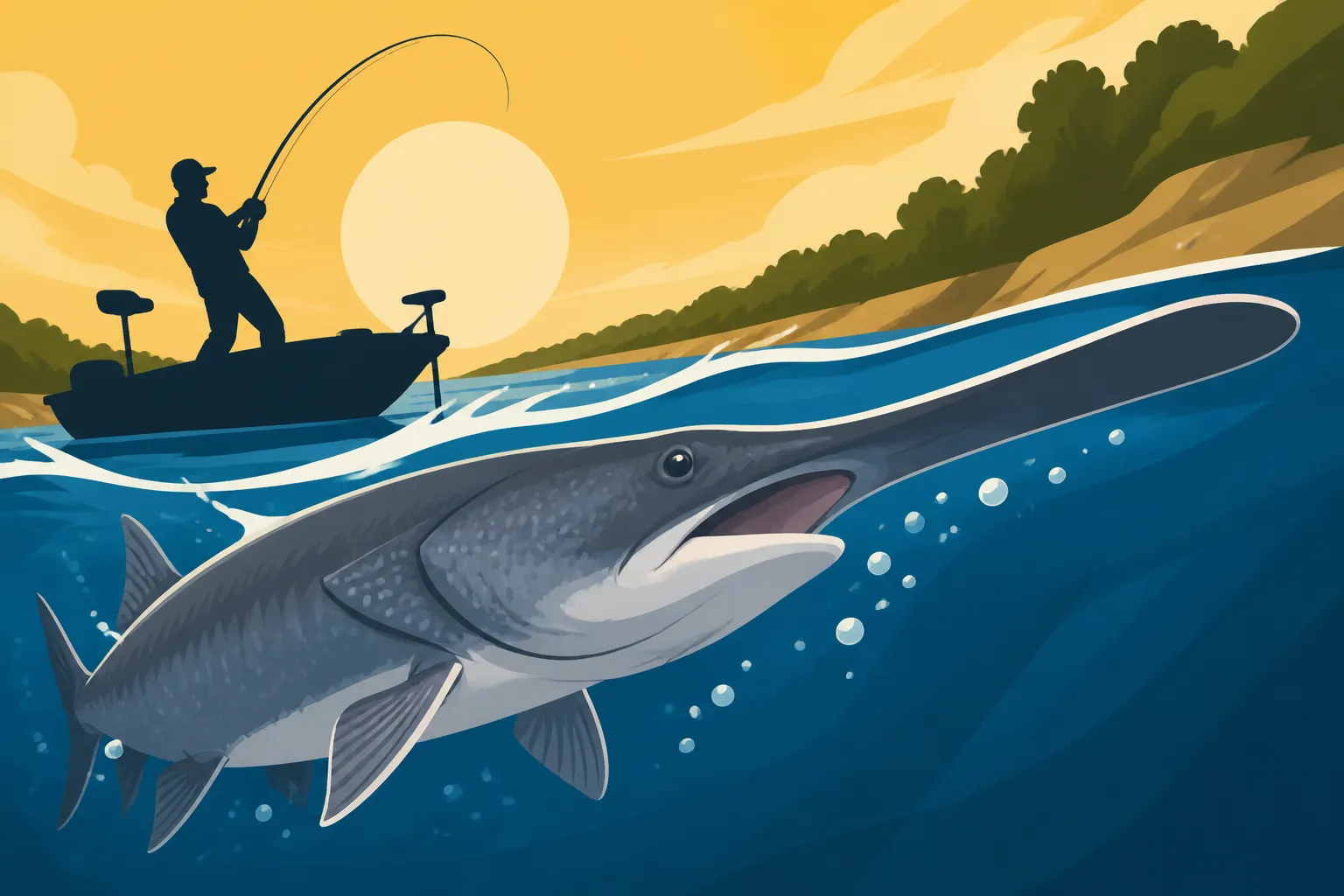
The most striking feature of the paddlefish is, without a doubt, its long, paddle-shaped snout, which can make up a significant portion of its total body length. This isn't just for show; it's a highly specialized sensory organ, covered in electroreceptors that allow the fish to detect the weak electrical fields of its prey – tiny plankton. Unlike many fish with bony skeletons, paddlefish have primarily cartilaginous skeletons, giving them a more flexible, shark-like feel, which is another nod to their ancient lineage. They're also mostly scaleless, with smooth skin, adding to their unique appearance.
Beyond their physical traits, their feeding method is quite remarkable. They are filter feeders, swimming with their enormous mouths open, sifting microscopic zooplankton and phytoplankton from the water. Imagine a gentle giant, cruising through the murk, silently feeding on the unseen world. This specialized diet means they aren't attracted to typical baits, which is why traditional hook-and-line fishing isn't effective for them. It’s a completely different game when you’re trying to understand or even pursue a fish that essentially "blindly" strains its food.
An Evolutionary Journey: The Paddlefish's Prehistoric Roots
The paddlefish's family tree extends back an astonishing 300 million years, making them older than dinosaurs! They belong to a small group of ray-finned fish, and the American paddlefish is one of only two remaining species in its family globally, the other being found in China. This incredible longevity speaks volumes about their evolutionary success, surviving countless environmental changes that drove other species to extinction.
For those of us who appreciate the grandeur of nature, the paddlefish serves as a tangible link to Earth’s deep past. They remind us that our rivers are not just waterways but living museums, constantly evolving yet holding onto ancient forms. Learning about their long history can deepen your appreciation for every ripple and current in the Mississippi River Fishing Guide and its tributaries. Their very existence tells a story of adaptation, resilience, and the delicate balance of aquatic ecosystems.
Where the Spoonbill Roams: Mississippi River Habitats
While paddlefish are broadly found in the Mississippi River basin, their presence within Mississippi itself is very specific, tied to particular types of habitat that meet their unique needs. It’s not just any patch of water; it’s a carefully selected environment that supports their filter-feeding lifestyle and reproductive cycles.
Ideal Conditions: Deep Channels and Backwater Lakes
Paddlefish thrive in large, slow-moving rivers with extensive backwater areas and deep pools. In Mississippi, this primarily means the main stem of the Mississippi River itself and some of its larger tributaries, particularly where they connect to old oxbow lakes or vast floodplains. These areas offer the rich plankton soup they depend on for food. The deeper channels provide refuge from strong currents and offer stable conditions, while the calmer, nutrient-rich backwaters are ideal for feeding.
Think of those expansive stretches of the Mississippi River, where the river braids around islands and flows into sluggish bayous. That's paddlefish country. They need plenty of open water to cruise and filter feed, often in the lower portions of the water column. You won't find them in small creeks or fast-flowing upland streams; they're big river fish through and through. Best Fishing Spots on the Mississippi River Near Vicksburg or Best Fishing Spots on the Mississippi River Near Greenville are certainly areas where paddlefish have been historically documented, given the sheer size and habitat diversity of the river in those stretches.
Seasonal Movements and Migration Patterns
Paddlefish are known for their migratory habits, especially during spawning season. When the water temperatures and river flows are just right in late winter and early spring, mature paddlefish will embark on significant upstream migrations to find suitable spawning grounds. These are usually gravel bars or rocky substrates in major river channels or larger tributaries, where eggs can settle and receive proper oxygenation.
After spawning, they disperse back into their preferred feeding habitats, often returning to the deeper pools and backwater areas they occupied before the migration. These movements are crucial for their survival and reproductive success, making them particularly vulnerable during these times. Understanding these patterns is key, not only for potential anglers but also for conservationists trying to protect their critical habitats. Factors like altered river flows due to dams or dredging can severely impact their ability to complete these essential migrations.
A Closer Look: Paddlefish Biology and Behavior
Understanding the internal workings and daily routines of a paddlefish helps us grasp just how specialized and vulnerable this ancient species truly is. They operate on a different biological clock and have evolved unique strategies to survive in their dynamic riverine environments.
Filter Feeders of the Deep: Their Unique Diet
As mentioned, paddlefish are obligate filter feeders, meaning they must feed by filtering microscopic organisms from the water. Their massive, gaping mouths are perfectly adapted for this. As they swim, water flows over specialized gill rakers that trap zooplankton, phytoplankton, and small insect larvae. This diet sets them apart from most other large freshwater fish, which are typically predators or scavengers.
Their sensory paddle, or rostrum, plays a crucial role in locating these unseen food sources. It's covered in thousands of electroreceptors, allowing them to detect the faint electrical fields generated by large aggregations of plankton, even in murky waters where vision would be useless. Imagine navigating and "seeing" your food not with your eyes, but with a highly sensitive nose! This specialized feeding makes them incredibly efficient at harvesting energy from the lower trophic levels of the aquatic food web, playing a vital role in maintaining ecological balance. Their continued presence indicates a healthy, plankton-rich river system.
Spawning Rituals and Early Life
Paddlefish reach sexual maturity relatively late in life—females often around 7-10 years old, and males a bit earlier. This slow reproductive rate makes them particularly susceptible to population declines. Spawning typically occurs in late spring when water temperatures are between 50-60°F (10-15°C) and river levels are rising, often associated with spring floods. They broadcast their eggs and milt over clean gravel bars in open river channels, relying on the current to disperse the eggs and prevent them from being smothered by silt.
The eggs hatch quickly, and the tiny larvae drift downstream into nursery areas, often quieter backwaters or floodplains, where they feed on small invertebrates. Survival rates for young paddlefish can be low, as they face numerous predators and depend heavily on suitable water levels and pristine habitats for their early development. A successful year-class often hinges on favorable environmental conditions during this critical period. Because of their unique life cycle, understanding Mississippi Fishing Season Dates and Limits for paddlefish is vital to ensure their populations are not negatively impacted during these sensitive times.
Navigating the Waters: Fishing for Paddlefish in Mississippi
Fishing for paddlefish is definitely not your everyday angling experience. It requires specific knowledge, specialized gear, and a deep respect for both the regulations and the fish itself. It's an active, often physically demanding, and highly rewarding pursuit for those who seek it out.
Understanding Mississippi's Paddlefish Regulations
Given their unique biology and conservation concerns, paddlefish fishing is tightly regulated in Mississippi. It falls under the umbrella of "non-game" fish, but with very specific rules. You absolutely need a valid Mississippi Fishing License Guide to begin with, and then you need to be acutely aware of the specific season dates, size limits, and possession limits. These can vary year to year based on population assessments by the Mississippi Department of Wildlife, Fisheries, and Parks (MDWFP). Always check the latest Mississippi Fishing Regulations Explained before heading out.
One of the most important regulations pertains to the method of capture: snagging. Because paddlefish are filter feeders, they won't bite a hook with bait. Therefore, they are typically caught by snagging, which involves using large, heavy treble hooks dragged through the water to hook the fish externally. There are strict rules on hook size, line strength, and even where and when snagging is permitted. Harvesting limits are usually quite conservative, often allowing only one fish per day during a very limited season. It's also crucial to know the Mississippi Non-Game Fish Rules, as paddlefish are part of this category, but their regulations are often distinct from other non-game species like gar or carp. Violating these rules can lead to significant Mississippi Fishing License Penalties and Fines, so careful study is essential.
The Art of Snagging: Techniques and Tackle
Snagging for paddlefish is a power game. You’ll need heavy-duty tackle capable of handling potentially massive, strong fish in strong river currents. This isn't finesse fishing; it's about brute strength and endurance.
- Rods and Reels: A stout, heavy-action rod, typically 7-9 feet long, paired with a large, strong conventional or spinning reel is essential. You'll want something that can cast heavy weights and withstand powerful runs. If you're looking to gear up, you might browse a site like Amazon for reputable brands that specialize in heavy-duty catfish or saltwater setups, as these often translate well for paddlefish snagging.
- Line: Braided line, with a test strength of 80-100 pounds or more, is standard. Its minimal stretch and incredible strength are crucial for setting hooks and battling these powerful fish.
- Hooks: Large, weighted treble hooks are used, often attached to a heavy lead sinker (4-12 ounces) to get them down to the fish's depth.
- Technique: The basic technique involves casting the weighted treble hook out and allowing it to sink, then sweeping the rod to drag the hook through the water column, hoping to "snag" a paddlefish as it swims. This is often done from a boat, drifting slowly with the current or anchored in a strategic location near deep channels or spawning runs. Using a depth finder, which you can find a good selection of on Amazon, can help tremendously in locating the depths where paddlefish are most likely to be holding.
Patience is key, as is the physical stamina to repeatedly cast and retrieve heavy tackle. It's a unique and demanding style of fishing, but for those who master it, the reward of landing one of these ancient giants is an unforgettable experience.
Protecting a Living Fossil: Conservation Efforts
The American paddlefish, despite its ancient lineage, faces significant challenges in the modern era. Its long lifespan, late maturity, and specific habitat requirements make it particularly vulnerable to human-induced changes. Conservation efforts are crucial to ensure these magnificent fish continue to swim in Mississippi's rivers.
Challenges to Survival: Habitat Loss and Overfishing
Historically, paddlefish populations were abundant, but over the last century, their numbers have declined dramatically across much of their range. Several factors contribute to this:
- Habitat Fragmentation: The construction of dams and other river alterations has fragmented their habitats, blocking their critical spawning migrations and isolating populations. This directly impacts their ability to reproduce and maintain genetic diversity.
- Habitat Degradation: Siltation from agricultural runoff, pollution, and channelization projects degrade water quality and destroy the gravel bars essential for spawning and the backwater areas vital for feeding and nursery grounds.
- Overfishing: While regulated now, historical overfishing, particularly for their valuable roe (which is processed as caviar), severely depleted stocks before stricter regulations were put in place. The slow reproductive rate of paddlefish means populations are slow to recover from such pressures.
- Bycatch: While not directly targeted, paddlefish can sometimes be caught as bycatch in other commercial or recreational fisheries, especially with methods like trotlines, which have their own Mississippi Trotline and Jug Fishing Rules.
These challenges highlight the delicate balance of river ecosystems and how quickly human activity can impact even the most resilient species.
What We're Doing: Stocking and Monitoring Programs
Recognizing the importance of paddlefish, the MDWFP, along with other state and federal agencies, actively works to conserve and restore their populations. These efforts often include:
- Stocking Programs: Hatchery-reared paddlefish are stocked into suitable river systems to supplement wild populations, especially in areas where natural reproduction is limited or where populations have been extirpated. This helps to re-establish fish in key parts of the Mississippi Freshwater Fish Species Guide.
- Habitat Restoration: Projects aimed at restoring natural river flows, creating fish passages around dams, and improving water quality are vital. Protecting and restoring critical spawning and nursery habitats is paramount for long-term recovery.
- Research and Monitoring: Scientists continually study paddlefish populations to understand their movements, reproductive success, and overall health. This data is critical for setting appropriate fishing regulations and guiding conservation strategies. For instance, MDWFP monitors populations in various parts of the Mississippi River to ensure sustainable practices.
- Public Awareness: Educating anglers and the general public about paddlefish biology, their conservation status, and the importance of adhering to regulations is a key component. A good waterproof field guide, easily found on Amazon, can be invaluable for identifying species and understanding rules.
Through a combination of strict regulations, active management, and public cooperation, there's hope that this magnificent "living fossil" will continue to grace the waters of Mississippi for countless generations to come.
Distinguishing Giants: Paddlefish vs. Sturgeon and Other River Dwellers
The waters of the Mississippi River are home to several large, ancient-looking fish species that can sometimes be confused with one another, especially by an untrained eye. Knowing the distinct features of the paddlefish compared to its river companions, like various sturgeon species, is essential for proper identification and compliance with specific fishing regulations.
Key Identification Features
While paddlefish might share a certain "prehistoric" vibe with sturgeon, they are actually quite different. Here's a quick comparison:
| Feature | American Paddlefish (Spoonbill) | Shovelnose Sturgeon | Other Sturgeon Species (e.g., Pallid, Lake) | Longnose Gar |
|---|---|---|---|---|
| Snout | Long, flat, paddle-shaped; 1/3 to 1/2 of body length | Shovel-shaped, shorter than paddlefish's; barbels underneath | Varies, but never paddle-like; often pointed or blunt; barbels | Long, cylindrical, filled with sharp teeth |
| Skin/Scales | Mostly scaleless, smooth; grayish-blue to greenish-gray back | Bony plates (scutes) on back and sides | Bony plates (scutes) on back and sides, more prominent than shovelnose | Diamond-shaped, interlocking ganoid scales |
| Skeleton | Primarily cartilaginous | Cartilaginous with some bone | Cartilaginous with some bone | Bony |
| Mouth | Large, wide, always open for filter feeding; no teeth | Small, protrusible, located on underside; no teeth | Small, protrusible, located on underside; no teeth | Large, opens wide, very prominent teeth |
| Size | Can reach over 7 feet and 200+ lbs, though typically smaller | Smaller, rarely exceeds 30 inches and 10 lbs | Can be very large (up to 8-10 ft and hundreds of lbs for some species) | Can reach 5-6 feet and 50+ lbs (Alligator Gar much larger) |
| Habitat Focus | Large, slow rivers, deep channels, backwater lakes, plankton rich | Main channels of large rivers, sand/gravel bottoms | Deeper pools, large lakes, main river channels | Backwaters, stagnant pools, slow rivers, shallow areas |
This table clearly illustrates that while they all might look a bit "dinosaur-like," their distinct features make them easily distinguishable. For example, Mississippi Sturgeon Fishing Regulations are quite strict, as many sturgeon species are endangered, making correct identification paramount. If you're really digging deep into freshwater fish, there are some fantastic books on Amazon about ancient fish species that can help you distinguish these fascinating creatures.
Ecological Roles in the River Ecosystem
Each of these large river dwellers plays a unique and vital role in the complex ecosystem of the Mississippi River:
- Paddlefish: As primary filter feeders, paddlefish are crucial for nutrient cycling. By consuming vast quantities of plankton, they help keep the water column clear and convert microscopic life into a larger biomass, which can then become food for other predators indirectly, through their own death and decomposition. Their health is often an indicator of the overall health and productivity of the river's plankton base.
- Sturgeon: Different sturgeon species occupy various niches. Shovelnose sturgeon, for example, are bottom feeders, using their barbels to detect invertebrates and small fish. They act as "clean-up crew," processing detritus and small organisms from the riverbed. Larger species like the Lake or Pallid sturgeon also forage on the bottom, their presence signifying healthy benthic communities.
- Gar: Species like the Alligator Gar Fishing in Mississippi and longnose gar are apex predators in their respective niches, helping to control populations of smaller fish and maintaining balance within the food web. They are often found in areas with slower current or in backwaters, ambushing prey. Their presence indicates a healthy population of prey fish.
Understanding these roles helps us appreciate the intricate web of life in our rivers. Protecting one species often has positive ripple effects on the entire ecosystem. The sheer diversity of Mississippi Freshwater Fish Species Guide is a treasure, and paddlefish are undoubtedly one of its most remarkable jewels.
Disclaimer
This article is for general informational purposes only and does not constitute professional advice. Laws, prices and regulations vary by location and change over time. Consult a qualified professional for guidance on your specific situation.