Red Snapper Fishing on the Mississippi Coast
There’s nothing quite like the thrill of heading offshore from the Mississippi Coast, with the salty air in your face and the vast Gulf of Mexico stretching out before you, all in pursuit of one of the most iconic and delicious fish: the red snapper. Many anglers dream of battling these strong, vibrant fish, but the reality of limited seasons, strict regulations, and the need for specialized gear can feel overwhelming. This comprehensive guide is here to demystify red snapper fishing, helping you prepare for a successful and memorable adventure off the Magnolia State's beautiful coastline.
The Allure of Red Snapper Fishing Off Mississippi
For many, catching red snapper isn't just about fishing; it's an experience. These fish hold a special place in the hearts of Gulf Coast anglers, revered for their powerful fights, impressive size, and, let's be honest, their incredible taste on the dinner plate. But what makes them such a coveted catch, and what can you expect from the waters they call home?
Why Red Snapper Are Such a Prized Catch
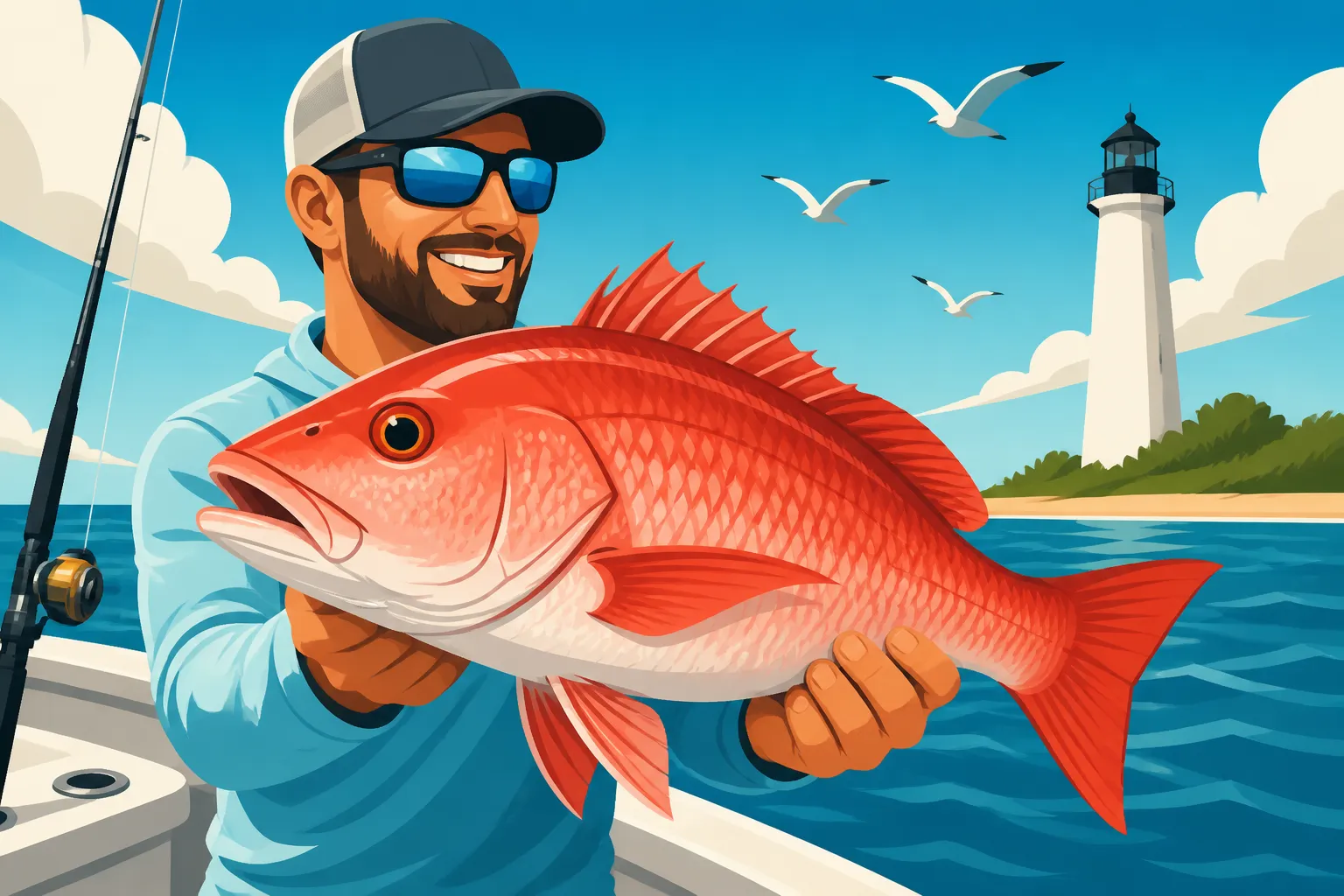
Red snapper are more than just pretty fish; they are tenacious fighters. Hook into a decent-sized one, and you'll quickly understand why they're so sought after. They fight hard all the way to the boat, making for an exhilarating challenge. Their vibrant red coloration is also striking, especially when they first come out of the deep blue water, making for fantastic photo opportunities. Beyond the fight and the beauty, it's the culinary aspect that truly elevates their status. The firm, white, flaky meat of a red snapper is considered a delicacy, perfect for grilling, frying, or baking, making them a top target for anglers who appreciate fresh seafood.
The sheer excitement of being offshore, often miles from land, adds to the appeal. It's a different world out there, with the possibility of encountering other incredible marine life, from dolphins breaching to sea turtles gliding by. When you finally boat a beautiful red snapper, there's a profound sense of accomplishment, knowing you've earned that catch through skill, patience, and a bit of luck. It's a deep-sea adventure that rewards those who are willing to put in the effort, and it’s why so many anglers eagerly await the Red Snapper Season Opening Date in Mississippi each year.
Understanding Mississippi's Offshore Waters
Mississippi's coast might be relatively short compared to some neighboring states, but its offshore waters are incredibly productive and diverse, offering fantastic opportunities for red snapper. These fish thrive in deeper, structured environments, meaning you'll typically be heading out into the Gulf, often beyond sight of land. This isn't your typical pier or bay fishing; it's a true deep-sea experience that requires specific knowledge and equipment.
The continental shelf drops off considerably as you move south from the Mississippi coastline, creating ideal habitats for red snapper. These waters are home to a variety of natural and artificial structures that attract baitfish and, consequently, predatory species like snapper. Expect to encounter depths ranging from 60 to over 200 feet, depending on where you're targeting the fish. Navigating these waters safely and effectively means having reliable boat equipment, including GPS, depth sounders, and marine radios, as well as a good understanding of weather patterns. It's an environment that demands respect and preparedness, but the rewards are truly extraordinary.
Navigating Red Snapper Seasons and Regulations
One of the most critical aspects of red snapper fishing, and indeed all fishing in Mississippi, is understanding and adhering to the complex regulations. Red snapper management is a federal and state undertaking, and the rules are designed to ensure the long-term sustainability of this popular species. Ignoring these rules can lead to hefty fines and penalties, so pay close attention.
The Short, Sweet Red Snapper Season Explained
If there's one thing every red snapper angler knows, it's that the season is often frustratingly short. Federal waters (beyond 9 nautical miles from shore) and state waters (within 9 nautical miles) have separate, but often coordinated, seasons. The dates can vary significantly from year to year, typically opening in early summer for a limited number of days or weekends. These seasons are set based on stock assessments and quotas, aiming to allow recreational anglers a chance to harvest fish while preventing overfishing. It's a balancing act that often leaves anglers eager for more time on the water.
Because the season is so brief and often announced relatively close to the opening, it's absolutely crucial to stay informed. The Mississippi Department of Marine Resources (MDMR) and federal agencies like NOAA Fisheries will publish the official dates. Before planning any trip, always double-check the most current regulations to avoid disappointment or, worse, a violation. This is where diligent planning comes into play, as prime charter dates during the open season fill up incredibly fast. You can always find more details in our Red Snapper Season Limit in Mississippi guide.
Essential Regulations: Limits, Sizes, and Reporting
Beyond the open season, there are strict rules regarding how many fish you can keep (creel limit) and how large they must be (size limit). These are non-negotiable and are enforced to protect the snapper population, especially younger fish, ensuring they have a chance to reproduce. Typically, there's a minimum fork length requirement, meaning the measurement is taken from the tip of the snout to the fork of the tail. There's also usually a daily bag limit per person. These regulations can be slightly different for state waters versus federal waters, so knowing where you're fishing is important.
Another critical regulation, especially for federally permitted vessels or those fishing in federal waters, often involves reporting your catch. This data helps fisheries managers track harvests and adjust seasons and limits as needed. Always be prepared to accurately measure and count your fish, and have any necessary reporting apps or forms ready. A good practice is to carry a tape measure or a marked cooler to ensure your fish meet the legal size. For a broader understanding of fishing laws, refer to our comprehensive Mississippi Fishing Regulations Explained article.
Here’s a simplified overview of typical Red Snapper regulations, but remember these always change, so consult official sources before you go:
| Regulation Type | Typical Requirements (Always Verify Current Info!) |
|---|---|
| Season Length | Varies annually; often a short period in early summer. Can be different for state vs. federal waters. |
| Bag Limit | Often two fish per person per day. |
| Minimum Size | Usually around 16 inches total length or fork length. |
| Vessel Limits | Some federal regulations may impose a maximum number of fish per vessel, regardless of the number of anglers on board, for specific vessel types (e.g., charter vs. private recreational). |
| Reporting | Recreational anglers may be required to report their catch through specific online systems or apps, particularly when fishing in federal waters or with federal permits. |
| Prohibited Gear | Certain gear types (e.g., non-stainless steel circle hooks, specific bait types) might be restricted in federal waters, especially when targeting reef fish. |
| Licenses | A valid Mississippi Fishing License Guide is required. If fishing in federal waters, additional federal permits (like a Reef Fish Endorsement) may be necessary, depending on your vessel and status. A Mississippi Saltwater Fishing License Guide is almost always a requirement for Gulf Coast fishing. |
Gear Up for Success: Rods, Reels, and Rigging
Red snapper are not small, delicate fish. They live around heavy structure, which means you need serious tackle to pull them away from snags and up from the depths. Showing up with light freshwater gear is a surefire way to lose fish and get frustrated. Investing in the right equipment is paramount for a successful red snapper trip.
Choosing the Right Heavy-Duty Tackle
When it comes to red snapper, think strength and durability. You're often targeting fish that can weigh into the double digits, often more, and they're accustomed to pulling hard against strong currents. A good rod for red snapper fishing will be a heavy to medium-heavy action conventional rod, typically 6 to 7.5 feet long, with a fast tip for sensitivity but plenty of backbone to lift heavy fish. Look for rods rated for lines in the 50-80 pound class. Graphite or composite blanks are excellent choices for their blend of strength and sensitivity.
Your reel needs to match that strength. Conventional reels are almost universally preferred over spinning reels for offshore bottom fishing due to their superior cranking power, line capacity, and drag systems. A star drag or lever drag reel in the 4/0 to 6/0 size range is ideal. It should be spooled with 60 to 80-pound braided line, which offers incredible strength-to-diameter ratio and minimal stretch, allowing you to feel even subtle bites in deep water. You'll then tie on a 60 to 100-pound fluorocarbon leader, typically 3-6 feet long, which offers abrasion resistance against sharp structures and fish teeth, and is nearly invisible underwater. For a wide selection of suitable rods, reels, and line, you can often find great deals on platforms like Amazon. Our guide on Choosing the Right Rod and Reel for Mississippi Fishing offers more general advice that can be applied here.
Essential Rigs and Baits for Red Snapper
The most common and effective rig for red snapper is a simple bottom rig. This typically consists of a heavy sinker at the very bottom, followed by two or three snelled circle hooks spaced above it. Circle hooks are crucial because they're designed to hook fish in the corner of the mouth, which reduces gut-hooking and increases the survival rate of released fish – an important consideration during closed seasons or if you catch an undersized fish. Hooks should be stout, often 7/0 to 9/0, to handle the powerful jaws and fights of a snapper.
Sinker weight is critical and depends heavily on depth and current. You might need anywhere from 8 ounces to a couple of pounds of lead to keep your bait on the bottom in strong currents. As for bait, red snapper are not particularly finicky, but they definitely prefer fresh options. Live bait, such as pogies (menhaden), pinfish, or squid, are often irresistible. If live bait isn't available, cut bait like strips of squid, mackerel, or bonita also work exceptionally well. The key is presenting a fresh, enticing piece of food directly on or near the bottom. To dive deeper into rigging options, check out our piece on Best Rigs for Offshore Red Snapper Fishing.
Finding the Fish: Locating Red Snapper Hotspots
Knowing where to fish is just as important as knowing how to fish, especially when it comes to a structure-oriented species like red snapper. These fish are not typically found over flat, barren seafloors; they congregate around features that provide shelter, ambush points, and attract their prey.
Natural and Artificial Reefs
The Mississippi Gulf Coast is blessed with both natural and artificial reef systems, all of which are magnets for red snapper. Natural reefs include rocky outcroppings, ledges, and hard bottom areas that naturally occur on the seafloor. These provide complex structures where snapper can hide and hunt. However, a significant portion of the productive red snapper habitat off Mississippi comes from artificial reefs. These are intentionally deployed structures, ranging from old military tanks and concrete culverts to purpose-built reef balls and even sunken ships. Oil and gas platforms further offshore also act as massive artificial reefs, attracting vast numbers of fish.
Identifying these spots typically involves advanced electronics. A good GPS chartplotter loaded with bathymetric charts (showing seafloor contours) and known reef coordinates is invaluable. A high-quality depth finder or fish finder will then help you pinpoint the exact location of fish holding on or around these structures. Look for sharp changes in depth, dense schools of baitfish, and distinct arches or marks on your screen that indicate larger fish. Sometimes, simply knowing the general area of an artificial reef complex, like those managed by the MDMR, can get you started. More information on where to find fish in the region can be found in our comprehensive Mississippi Gulf Coast Fishing Guide.
Reading the Water and Conditions
While structure is key, understanding the prevailing water conditions can dramatically improve your success rate. Currents, in particular, play a huge role. Too strong a current, and it can be difficult to get your bait to the bottom or keep it there. Too little current, and the fish might be less active. The ideal scenario often involves a moderate current that allows you to present your bait naturally while still requiring a manageable amount of weight. Tide charts are essential for predicting current strength and direction, especially closer to shore.
Water temperature also influences fish behavior, though red snapper are generally quite tolerant of the Gulf's temperature fluctuations in their deeper habitats. Clarity, on the other hand, can be a factor. While snapper aren't typically sight-feeders in the same way some inshore fish are, extremely muddy water can make it harder for them to locate bait. Finally, don't underestimate the power of chumming. A consistent drip or scattering of cut bait or fish scraps can create a scent trail that draws snapper up from their hiding spots and closer to your boat, making them more accessible to your baits.
Techniques for Landing That Trophy Snapper
Once you've found a good spot and geared up correctly, it's time to put your skills to the test. Red snapper fishing involves specific techniques, from how you drop your bait to how you fight these powerful fish back to the boat.
Effective Dropping and Drifting Strategies
Getting your bait to the strike zone is half the battle. When you locate a promising structure on your fish finder, the goal is to drop your rig as close to that structure as possible, right where the snapper are likely holding. The challenge is fighting the current. Many anglers position their boat upcurrent from the structure and allow their bait to drift back naturally, aiming to hit the target. Alternatively, if the current is manageable, you might try to anchor directly over a smaller, isolated wreck or reef.
A key technique for bottom fishing is a controlled descent. Don't just free-spool your line; feather the spool with your thumb to slow the bait's fall. This prevents tangles and allows your bait to sink more vertically, making it easier to keep track of its position relative to the bottom. As soon as you feel your sinker hit the bottom, take up any slack line until you can just feel the weight. You want your bait to be right on or very close to the bottom, where snapper typically feed. Staying vertical is crucial, so adjust your boat's position or your line release as the boat drifts. If you're going out on a guided trip, your Deep Sea Fishing Charters in Mississippi captain will be an expert at these maneuvers.
The Fight: Reeling in a Powerful Fish
Once you feel that unmistakable thump of a snapper bite, it's time for the fight. With circle hooks, you typically don't need a hard "hook set" like you would with J-hooks. Instead, simply reel steadily until the line comes tight and the rod loads up. The circle hook will usually find its way to the corner of the fish's mouth. Once hooked, the real battle begins. Red snapper will make powerful runs back towards the structure they came from, trying to cut your line on sharp edges. Your job is to pull them away from that structure quickly and steadily.
Maintain constant pressure on the fish, pumping the rod up and reeling down, rather than simply cranking. Keep your rod tip high to absorb shocks and maximize leverage. If the fish tries to run, let the drag do its job, but be ready to regain line as soon as it slows. The fight can be strenuous, especially with larger fish, so be prepared to work. It’s a rewarding feeling when you finally get that flash of red color appearing below the boat, signaling a successful retrieve.
Preserving Your Catch and Planning Your Trip
Catching a beautiful red snapper is just the first part of the journey. Ensuring the quality of your catch for the dinner table and planning your offshore adventure are equally important for a truly rewarding experience.
Proper Handling and Storage for Quality Meat
To truly enjoy the delicious flavor of red snapper, proper handling immediately after the catch is essential. The first step is often to bleed the fish. This involves making a quick cut to the gills or tail to allow the blood to drain. Bleeding helps to improve the flavor and texture of the meat by removing compounds that can cause a "gamey" taste. After bleeding, the fish should be immediately immersed in an ice slurry – a mixture of ice and saltwater. This rapid chilling stops bacterial growth and keeps the meat fresh and firm. A large, well-insulated cooler filled with plenty of ice is a must for any offshore trip.
Once back at the dock, you can then proceed with cleaning and filleting your catch. Many marinas and charter services offer fish cleaning services for a fee, which can be a huge convenience after a long day on the water. If you choose to do it yourself, clean your fish promptly and keep the fillets on ice until you can get them home for cooking or freezing. Taking these extra steps ensures that the journey from the deep blue Gulf to your plate results in the best possible dining experience. For more tips on maintaining freshness, refer to our article on Best Way to Keep Fish Fresh on a Hot Day.
Booking a Charter or Going DIY
Deciding whether to book a fishing charter or head out on your own boat is a significant choice, each with its own advantages. For many, especially those new to offshore fishing or visiting the area, a charter is the ideal option. Mississippi Gulf Coast Fishing Charters provide all the necessary gear, bait, and most importantly, an experienced captain who knows the local waters, regulations, and where the fish are biting. This eliminates the need for expensive equipment purchases and the learning curve of offshore navigation. You can typically choose between Half-Day vs Full-Day Charters on the Mississippi Coast, depending on your budget and endurance.
If you have your own suitable offshore boat and experience, going DIY offers the freedom and flexibility to fish on your schedule and explore different spots. However, it requires significant investment in your vessel, electronics, and fishing tackle. You'll also need to be self-sufficient in terms of safety equipment, navigation, and fishing knowledge. Regardless of your choice, make sure you and everyone on board has the appropriate Mississippi Fishing License Guide. If you're planning a charter, be sure to ask What's Included in a Mississippi Charter Trip and if the charter takes care of licenses or if you need to buy your own. Whether chartering or going solo, ensuring you have quality personal gear like polarized sunglasses, good sun protection, and appropriate clothing (which you can easily find on Amazon) will make your trip much more comfortable. For those considering a guided trip, our guide on How to Book a Mississippi Fishing Charter offers invaluable advice.
Disclaimer
This article is for general informational purposes only and does not constitute professional advice. Laws, prices and regulations vary by location and change over time. Consult a qualified professional for guidance on your specific situation.