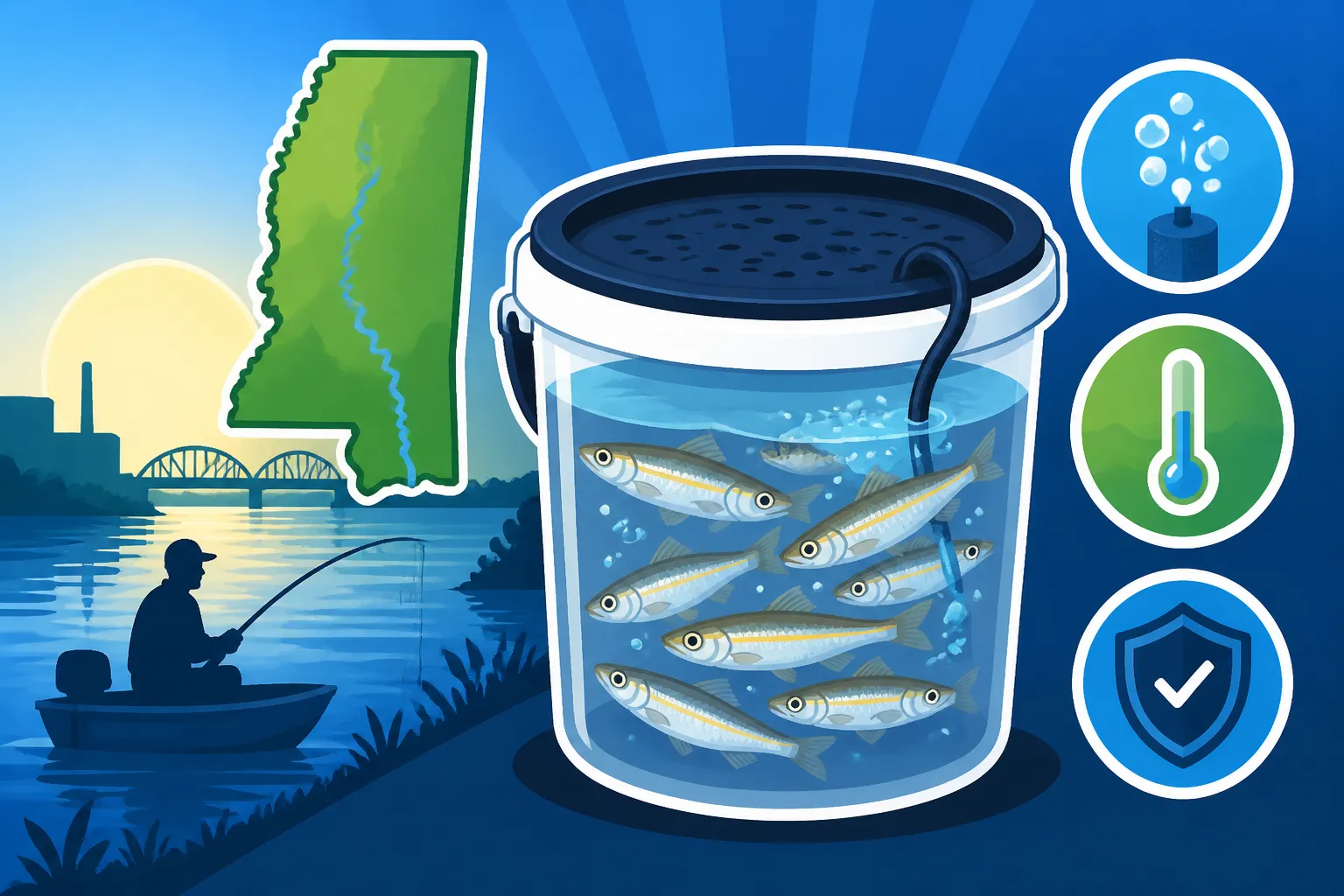
Best Way to Store Live Shiners
There’s nothing quite as frustrating as showing up at your favorite fishing spot, ready for a productive day, only to find your carefully purchased live shiners have kicked the bucket. It’s a common heartache for anglers, especially here in Mississippi, where live bait can be the difference between a great catch and a slow day. This guide is all about tackling that exact problem, sharing the best ways to store live shiners so they stay lively and appealing to those big crappie, bass, and catfish.
Why Keeping Shiners Alive is a Constant Battle (and Worth It!)
We all know the draw of live bait. There’s just something about a struggling shiner that bigger game fish, like the ones we target in Mississippi, can't resist. Whether you're chasing slabs on Grenada Lake or targeting a hawg bass on Ross Barnett Reservoir, a lively shiner often outperforms artificial lures, especially when the bite is tough. But let's be real, keeping these little silver bullets alive and kicking is often half the battle. They're delicate creatures, and a simple misstep can lead to a sad, still bucket of bait.
The Irresistible Appeal of Live Shiners
Think about it from a fish's perspective. A live shiner is not just food; it's active food. It swims erratically, flashes its scales, and sends out vibrations that trigger a predatory instinct. This natural presentation is incredibly effective. For species like crappie, especially when they're lethargic or spooky, a subtle, natural movement can be the only thing that gets a bite. The scent of a live shiner also plays a huge role, drawing fish in from a distance. Many anglers swear by them for targeting trophy fish, believing that bigger fish are often more discerning and prefer live, healthy prey. They're a staple for a reason, and if you're serious about your catch rates, investing the time in proper shiner care is an investment in your fishing success.
The Challenges of Live Bait Management
The truth is, shiners are fragile. They stress easily, are highly sensitive to water quality changes, and require specific conditions to thrive, even for a few hours. Temperature fluctuations, lack of oxygen, overcrowding, and even the pH balance of the water can quickly turn your vibrant baitfish into dead weight. Many of us have been there, buying a couple dozen shiners, only to lose half of them before we even cast a line. It feels like throwing money away, doesn't it? The frustration is real, and it often leads anglers to wonder if it's even worth the effort. But with a little knowledge and the right tools, you can dramatically improve their survival rate and get more value out of your bait. You can really maximize your fishing days when you master How to Keep Minnows Alive Longer.
The Core Principles of Shiner Survival
To truly understand how to keep shiners alive, you need to think like a shiner. What do they need to breathe, eat, and stay comfortable? It boils down to a few key environmental factors: oxygen, temperature, and water quality. Neglect any one of these, and your shiners will quickly decline.
Oxygen: The Breath of Life
Just like us, shiners need oxygen to survive. In their natural habitat, oxygen is dissolved in the water through currents, wave action, and aquatic plant photosynthesis. In a bait bucket, however, the oxygen levels drop rapidly, especially if it’s overcrowded or the water is still. This is often the primary reason for shiner mortality. When oxygen levels fall too low, shiners will begin to gulp at the surface, a clear sign of distress. Prolonged low oxygen will lead to stress, disease, and eventually, death.
A good aerator is non-negotiable for anyone serious about keeping shiners alive, especially when transporting them or storing them for more than a couple of hours. These devices pump air into the water, creating bubbles that increase the dissolved oxygen levels. You can find excellent portable aerators on sites like Amazon, many of which run on D-cell batteries or can plug into your boat's 12V outlet. It’s a small investment that pays huge dividends in bait longevity.
Temperature: Keeping it Cool (Literally)
Shiners, like most freshwater fish, are cold-blooded, meaning their body temperature mirrors their environment. When water gets too warm, their metabolism speeds up, they use more oxygen, and stress levels skyrocket. Warm water also holds less dissolved oxygen than cold water, creating a double whammy for your bait. This is particularly crucial during Mississippi's scorching summer months.
The ideal temperature range for most shiners is between 50-65°F (10-18°C). Keeping them within this range is vital. This often means adding ice to your bait water, but not just any ice. You want to use frozen water bottles or sealed freezer packs rather than loose ice cubes that can contain chlorine or other impurities harmful to fish. Slowly melting ice bottles will gradually cool the water without shocking the shiners or diluting the water quality. For those looking to brave the heat, remember How to Catch Bass in Hot Summer Weather.
Water Quality: Clean and Clear
Imagine trying to breathe in dirty air—that's what poor water quality is like for a shiner. Over time, shiners release ammonia and other waste products into the water, and any uneaten food can also decompose. These substances are toxic and will quickly foul the water, stressing the fish and making them more susceptible to disease. Murky, smelly water is a clear sign that your shiners are in trouble.
Regular water changes are essential. If you’re storing shiners for more than a day, plan to change at least 50% of their water daily. When adding fresh water, make sure it's dechlorinated if it comes from a tap source. You can buy dechlorination tablets or liquids specifically designed for baitfish. Some anglers even collect fresh pond or lake water beforehand, ensuring it's from a clean source. Avoiding overcrowding is another key factor here; fewer fish mean less waste and better water quality overall.
Essential Gear for Storing Live Shiners
While the principles of shiner survival are consistent, the tools you use can make all the difference. Investing in the right equipment can turn a frustrating chore into a simple routine, ensuring you always have lively bait at your fingertips.
The Right Bait Container
Not all bait buckets are created equal. You need a container that's well-insulated, easy to aerate, and big enough for the number of shiners you plan to keep.
- Insulated Bait Buckets: These are a game-changer. They help maintain stable water temperatures, especially when you're adding ice packs. Look for models with thick foam insulation or double-wall construction. Many come with internal aerator clips and a handy lid opening for easy access without exposing the shiners to too much light or disturbance. Brands like Engel or Frabill offer excellent insulated options that are popular among serious anglers.
- Larger Livewells (for Boats): If you're on a boat, your livewell is your best friend. Ensure it's functioning correctly, with a good recirculation pump and aeration system. Many modern livewells also have timer functions, so you can set them to cycle on and off, keeping water fresh without running the pump continuously. Remember to never overcrowd your livewell, even if it's large. A simple rule of thumb: more space is always better.
- Simple Buckets for Short Trips: For very short trips or if you only need a handful of shiners, a standard 5-gallon bucket with a battery-powered aerator can suffice. However, be mindful of temperature fluctuations and plan to change water more frequently.
Aerators and Oxygen Management
As discussed, an aerator is critical. But there are different types to consider based on your needs.
- Battery-Powered Aerators: These are fantastic for portability, ideal for bank fishing or small boats without dedicated livewells. They typically run on D-cell batteries and can last for many hours. Many models come with an air stone and tubing that fits easily into a bait bucket. They're a must-have for anyone transporting shiners. You can find many reliable models on Amazon.
- 12V Aerators: For boaters, 12V aerators can connect directly to your boat's power supply, offering continuous aeration without worrying about battery life. Some integrate directly into your livewell system, while others are portable units that draw power from an accessory plug.
- Oxygen Tabs/Liquid: These are emergency backups, not long-term solutions. They release oxygen into the water but don't circulate it as effectively as a mechanical aerator. They can be useful for a brief commute or if your primary aerator unexpectedly fails.
Water Treatment and Additives
While not always strictly necessary, certain additives can give your shiners an edge, especially if you're keeping them for longer periods or during stressful conditions.
- Dechlorinators: Absolutely essential if you're using tap water. Chlorine and chloramine are deadly to fish. These products neutralize harmful chemicals instantly.
- Baitfish Conditioners: Some products claim to reduce stress, remove heavy metals, and add essential electrolytes to the water, creating a healthier environment for your bait. While not a substitute for proper oxygenation and temperature control, they can be a beneficial supplement.
- Salt: A small amount of non-iodized salt (like rock salt or kosher salt) can help reduce stress and prevent parasitic infections in baitfish. A general guideline is about one cup per 5 gallons of water, but always research species-specific recommendations.
Table: Shiner Storage Methods at a Glance
| Storage Method | Ideal Duration | Key Equipment | Pros | Cons |
|---|---|---|---|---|
| Short-Term (1-6 hrs) | Transporting | Insulated bucket, battery aerator | Portable, easy to manage | Requires frequent monitoring, limited capacity |
| Mid-Term (6-24 hrs) | Day trip | Large insulated livewell/cooler, aerator | Good capacity, stable conditions | Bulkier, still needs temp/water quality checks |
| Long-Term (1-3 days) | Weekend trip | Large cooler/livewell, robust aerator, water treatment | Best for extended freshness, higher capacity | More intensive maintenance, takes up more space |
| Emergency/Backup | Brief use | Oxygen tablets, un-aerated bucket | Minimal gear, quick fix | Not sustainable, high stress on shiners |
Best Practices for Optimal Shiner Storage
Having the right gear is only half the battle. Knowing how to use it effectively and consistently applying best practices will ensure your shiners stay lively, whether you're heading out for a quick afternoon session or a full weekend of fishing.
Preparing Your Shiners for Storage
The care starts the moment you get them. When you purchase shiners from a bait shop, try to get them into your prepared bait container as quickly as possible. Ask the bait shop for fresh water in your bucket, or bring your own pre-treated water if possible. Avoid sudden temperature changes; if there's a significant difference between the bait shop's water and yours, acclimate them slowly by mixing small amounts of your water into theirs over 15-20 minutes. This reduces shock, which can quickly kill shiners. Also, don't let the bait shop overpack your bag or bucket; fewer fish per gallon of water is always better.
When bringing them home, especially if you have a drive, make sure your aerator is running constantly. You might even want to travel with a frozen water bottle in the bucket if it's a hot day, gradually cooling the water on the ride back. The goal is to minimize stress from the very beginning.
Short-Term Storage (Hours to Half a Day)
For most day trips, short-term storage is key. The focus here is maintaining oxygen and temperature, and preventing overcrowding.
- On the Go: Your insulated bait bucket with a strong battery-powered aerator is your best friend. Keep the bucket out of direct sunlight, perhaps under a seat or in a shaded area of the boat. Add a frozen water bottle or gel pack to keep the water cool, especially if you're out on the water for several hours. Monitor the shiners; if they start looking sluggish or gulping air, increase aeration or consider a partial water change if you have fresh, pre-treated water available. This is crucial for successful Crappie Fishing Techniques for Mississippi Lakes or even Catfish Fishing Techniques.
- Avoid Overcrowding: This is a silent killer. It's better to buy slightly fewer shiners than to stuff too many into a bucket. Each shiner consumes oxygen and produces waste, so a crowded bucket means rapidly deteriorating conditions.
- Handling with Care: When retrieving a shiner, use a soft mesh net to minimize handling. Don't grab them with bare hands unless absolutely necessary, as this can remove their protective slime coat, making them vulnerable to infection.
Long-Term Storage (Overnight to a Few Days)
If you're planning a multi-day trip or want to keep leftover shiners for another outing, you'll need a more robust setup.
- Dedicated Livewell or Large Cooler: A large, insulated cooler with a high-capacity aerator or a functioning livewell is ideal. You might even consider a dedicated bait tank system if you frequently keep shiners. These often have filtration systems in addition to aeration.
- Regular Water Changes: This is non-negotiable for extended storage. Change 50-75% of the water daily. Always use dechlorinated water that's close to the temperature of the water currently in the tank to avoid shocking the fish.
- Consistent Temperature Control: Keep a thermometer handy and aim for that 50-65°F range. Use frozen water bottles to slowly lower and maintain the temperature. During hot Mississippi summers, this might mean swapping out ice bottles multiple times a day.
- Minimal Feeding (Optional): If you're keeping them for more than a few days, you can feed them sparingly with specialized baitfish food. However, uneaten food quickly fouls the water, so it's often better to avoid feeding unless absolutely necessary and to perform a water change soon after. For most fishing trips, shiners can go a few days without food.
- Aeration 24/7: Your aerator should be running around the clock. Consider having a backup battery or a redundant system if possible. If the power goes out, your shiners are on the clock.
- Location, Location, Location: Keep your long-term storage container in a cool, dark place, like a garage or basement, to help maintain stable temperatures and reduce light stress on the shiners.
By focusing on these core principles and utilizing the right gear and techniques, you can keep your live shiners frisky and ready to entice the next big catch on your Mississippi fishing adventure. From Mississippi Freshwater Fish Species Guide to the Best Time of Year to Fish in Mississippi, your healthy bait will boost your success.
Troubleshooting Common Shiner Storage Problems
Even with the best intentions and equipment, things can sometimes go wrong. It’s important to know how to identify problems quickly and what steps to take to rectify them, saving your precious bait and your fishing trip.
Shiners Are Dying or Lethargic
This is the most common and disheartening problem. If your shiners are floating, lying on their sides, or just listlessly hanging in the water, it's a sign of severe distress.
- Check Oxygen Levels First: Is your aerator running? Is the air stone bubbling vigorously? Sometimes the tubing can get kinked, or the air stone can clog. If it's a battery-powered aerator, are the batteries fresh? Immediately replace batteries or clear any obstructions. If you have an oxygen tablet, drop one in as a temporary boost.
- Assess Water Temperature: Feel the water. Is it warm to the touch? Use your thermometer. If it's above 70°F (21°C), it's too warm. Introduce a frozen water bottle or gel pack slowly to bring the temperature down. Avoid drastic, sudden drops.
- Inspect Water Quality: Does the water look cloudy? Does it smell foul? These are signs of ammonia buildup. Perform an immediate partial water change (50-75%) with fresh, dechlorinated water that’s temperature-matched. If you have a baitfish conditioner, this would be a good time to use it.
- Consider Overcrowding: If you've been adding more shiners, or started with a large number, this could be the culprit. Reducing the number of fish can drastically improve conditions.
Cloudy or Discolored Water
Cloudy water indicates an accumulation of waste products, uneaten food, or bacterial growth. It's a precursor to serious water quality issues.
- Immediate Partial Water Change: This is your primary solution. Change out at least half the water, replacing it with fresh, dechlorinated, temperature-matched water.
- Clean the Container: If possible, transfer your shiners to a temporary bucket with fresh water and thoroughly clean the primary container. Scrub away any slime or residue on the sides and bottom.
- Reduce Overcrowding: Again, fewer fish mean less waste.
- Avoid Overfeeding: If you've been feeding your shiners, stop immediately. Uneaten food will quickly decompose and worsen water quality.
Foaming on the Water Surface
A layer of foam on the water surface typically indicates an excess of organic compounds—protein and waste products—which suggests poor water quality and insufficient aeration.
- Increase Aeration: A powerful aerator helps break up and dissipate these organic compounds. Ensure your current aerator is working at maximum efficiency.
- Perform a Water Change: Similar to cloudy water, a partial water change will remove many of the dissolved organics causing the foam.
- Reduce Fish Load: Overcrowding is a common cause of excessive waste and subsequent foaming.
Shiners Jumping Out of the Bucket
This usually happens when shiners are stressed, typically due to poor water quality, low oxygen, or extreme temperatures. It's their desperate attempt to escape unfavorable conditions.
- Check All Parameters: Re-evaluate oxygen, temperature, and water quality immediately. Address any deficiencies.
- Add a Lid: Make sure your bait bucket or livewell has a secure lid, preferably one with an opening for access but that prevents escape.
- Provide Shelter: Some anglers add a small piece of PVC pipe or an inverted plastic cup to the bottom of the bucket, offering the shiners a place to hide and feel less exposed, which can reduce stress.
By understanding these common problems and having a plan to address them, you can keep your shiners healthy and active, maximizing your chances for a successful fishing trip, whether you're using them as Best Bait for Crappie in Mississippi or as bait for trophy catfish. A healthy baitfish is a confident baitfish, and that translates directly into more bites!
Disclaimer
This article is for general informational purposes only and does not constitute professional advice. Laws, prices and regulations vary by location and change over time. Consult a qualified professional for guidance on your specific situation.