Best Way to Keep Fish Fresh on a Hot Day
There’s nothing quite as disappointing as landing a beautiful Mississippi slab crappie or a feisty redfish on a scorching summer day, only to realize by the time you get home that your hard-earned catch isn’t as fresh as it should be. The relentless heat and humidity here in the Magnolia State can turn a prize catch into a regretful loss if you're not prepared. This guide is dedicated to helping you master the art of keeping your fish pristine, from the moment it hits the deck until it's ready for the skillet, ensuring every fishing trip ends with the freshest possible bounty.
The Relentless Battle Against Heat: Why Freshness Slips Away
We've all been there: a fantastic day out on Ross Barnett Reservoir or a successful trip in the Mississippi Sound, but the sun is blazing, and the air is thick with humidity. The biggest enemy of fresh fish isn't just time; it's heat. Understanding what happens to fish flesh in warm temperatures is the first step to combating spoilage effectively.
The Science of Spoilage: What Heat Does
When a fish is caught, its biological processes don't just stop. Enzymes and bacteria naturally present on the fish, and in its gut, immediately start to break down tissue. This process, called autolysis and microbial spoilage, accelerates dramatically with heat. Think of it like a clock ticking faster under warmer conditions. The higher the temperature, the quicker those enzymes and bacteria multiply and work their magic, leading to soft flesh, off-flavors, and ultimately, an unsafe product. A fish left on a hot boat deck, even for a short while, starts to degrade rapidly, losing its firm texture and delicate flavor.
Mississippi summers, with temperatures often soaring into the 90s and humidity to match, create an ideal environment for rapid spoilage. This is why quick, decisive action is paramount. Ignoring proper care for even an hour or two can significantly impact the quality of your dinner. It's not just about losing a meal; it's about respecting the fish and the effort you put into catching it.
Taste, Texture, and Safety: The Real Stakes
Beyond the scientific breakdown, the practical implications for you, the angler, are immense. A fresh fish, properly handled, has firm, translucent flesh, a mild aroma, and a clean, delicious taste. A fish that has been exposed to heat, however, will often have mushy flesh, a strong "fishy" odor, and a noticeably poorer flavor profile. It's truly disheartening to spend hours pursuing a Trophy Crappie in Mississippi Waters or a big channel cat, only to have its quality compromised by poor post-catch care.
More importantly, there are food safety concerns. Harmful bacteria like Salmonella and E. coli can thrive in improperly stored fish, leading to foodborne illnesses. While the goal is deliciousness, safety should always be the top priority. By understanding these stakes, you're better equipped to adopt the best practices that ensure both culinary delight and peace of mind.
Immediate Post-Catch Care: The First Line of Defense
The moment a fish comes out of the water, its fate for freshness is largely determined by your actions in the next few minutes. This isn't just about throwing it in a cooler; it's about critical steps that slow down spoilage immediately.
The Bleed and Gut Method
One of the most effective, yet often overlooked, steps is bleeding your fish. When a fish is caught, its blood still contains metabolic waste products. If this blood remains in the flesh, it can contribute to a stronger, more "fishy" taste and a shorter shelf life. To bleed a fish, simply make a quick cut behind the gills, severing the main artery. For larger fish, you might even consider cutting the tail. Submerge the fish in a bucket of water or an ice slurry (more on this in a moment) to allow the blood to pump out. You'll be amazed at the difference this makes in the taste and appearance of the fillets. This technique is particularly vital for species like redfish or larger bass.
Following bleeding, gutting the fish as soon as practical is highly recommended, especially on hot days. The digestive tract contains a host of enzymes and bacteria that, once the fish dies, rapidly begin to break down the surrounding flesh. A quick gutting job removes this internal source of spoilage. Even if you don't plan to fillet immediately, removing the guts, rinsing the cavity with clean water, and then chilling the fish thoroughly can extend its freshness significantly. Make sure you're familiar with Mississippi Fish Cleaning Station Rules if you plan to clean fish at public access points.
The Power of an Ice Slurry
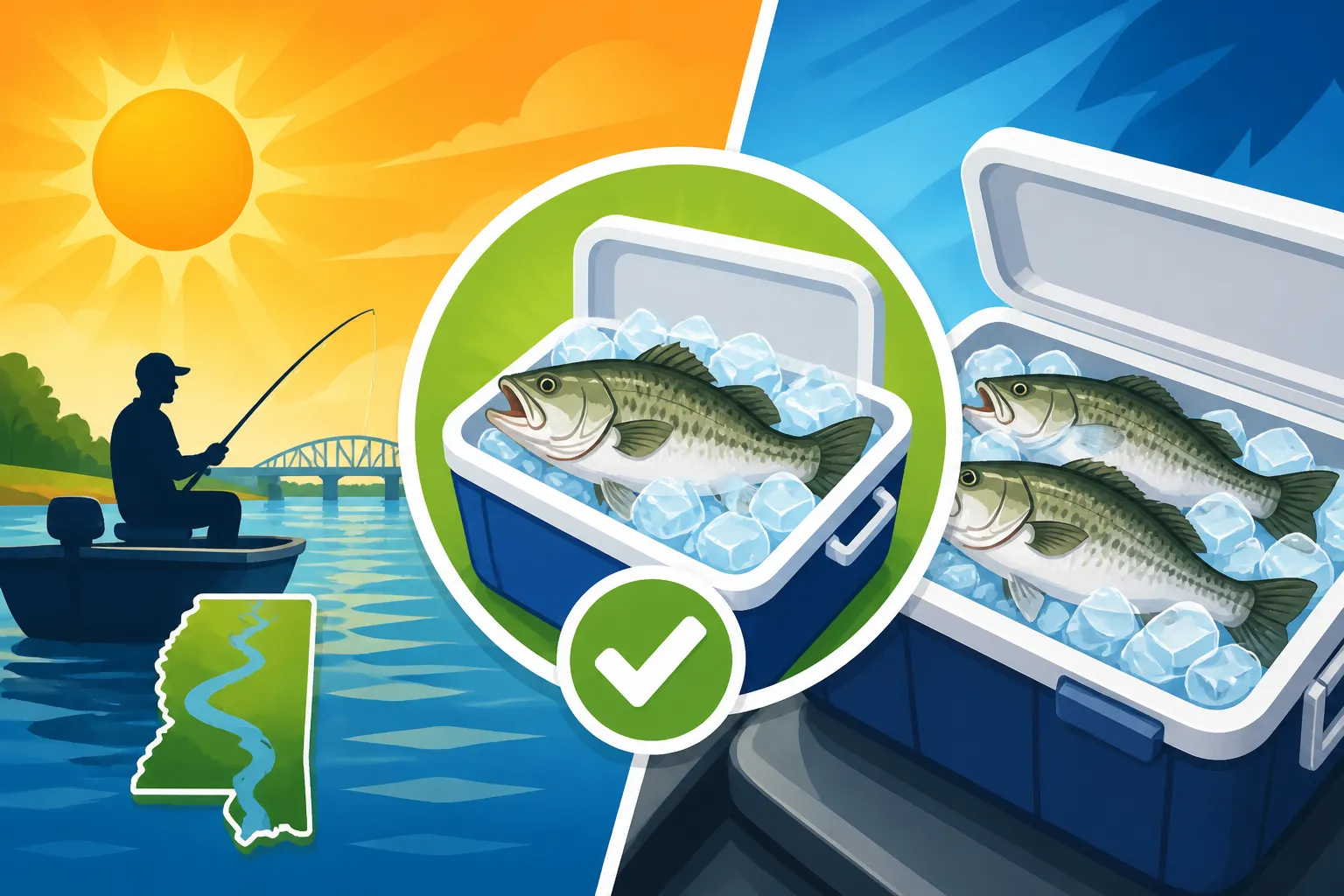
Once bled and, ideally, gutted, the most crucial step is rapid cooling. Merely placing fish on top of ice in a cooler isn't enough, especially on a sweltering Mississippi afternoon. The key is to create an "ice slurry" – a mixture of ice and water. This slurry works wonders for several reasons. First, water conducts heat away from the fish much more efficiently than air. Second, the slushy consistency allows the fish to be completely enveloped and cooled from all sides, reaching the core temperature quickly.
To create an effective ice slurry, you'll need plenty of ice and a good cooler. Fill your cooler about one-third to half full with ice, then add enough water to create a thick, icy slush. As you catch fish, immediately place them into this slurry. Ensure they are fully submerged. The colder the slurry (ideally just above freezing), the better. You might need to add more ice throughout the day as it melts, particularly if you're out for an extended Mississippi Summer Fishing Guide trip. This simple step can literally add days to the freshness of your catch.
Superior Storage Solutions for the Boat and Beyond
Having a plan for post-catch care is great, but it's only as good as the tools you use. Investing in quality storage solutions is not an expense; it's an investment in your catch.
High-Quality Coolers: Not All Are Created Equal
For serious anglers in Mississippi, a cheap foam cooler just won't cut it when the mercury climbs. Modern rotomolded coolers, like those from popular brands, offer vastly superior insulation. These coolers are designed to hold ice for days, even in extreme heat, which is precisely what you need when you're targeting Largemouth Bass Fishing in Mississippi or Crappie Fishing in Mississippi on a sunny day. They have thick, insulated walls and tightly sealing gaskets that minimize air exchange, keeping that precious ice slurry at its optimal temperature.
When choosing a cooler, consider its capacity for your typical catch and the amount of ice you'll need. Remember, you're not just cooling fish; you're also cooling the air space within the cooler and combating heat transfer from the outside. A good rule of thumb is to aim for a cooler that's large enough to hold your fish and twice their volume in ice/slurry. While the initial cost might be higher, the long-term benefits in terms of fish quality and ice retention are undeniable. You can find a wide range of these high-performance coolers on Amazon, often with various size and color options to fit your fishing style.
Insulated Fish Bags: A Game Changer
For many anglers, especially those on smaller boats or kayaks, a rigid cooler might not always be the most practical option. This is where insulated fish bags truly shine. These flexible, heavy-duty bags are essentially soft-sided coolers designed specifically for fish. They often feature dense foam insulation, waterproof liners, and durable zippers. The best part? They can be rolled up and stored compactly when not in use, making them ideal for space-conscious setups.
Just like with a hard cooler, the key to using a fish bag effectively is to fill it with an ice slurry. The flexible nature of the bag allows it to conform to the shape of the fish and ice, maximizing contact and cooling efficiency. Many of these bags also have drain plugs, making it easy to refresh your slurry or clean the bag after your trip. For trips targeting multiple species or simply needing extra space beyond your main cooler, a high-quality insulated fish bag can be an invaluable asset. You can find various sizes and styles of these bags on Amazon as well, making them easily accessible before your next outing.
Transporting Your Catch Home Safely
The journey from the boat ramp back to your kitchen can be just as critical as the time spent on the water. Don't let all your diligent efforts go to waste in the back of a hot truck or car.
Layering for the Long Haul
Once you've finished fishing for the day and are heading back to the ramp, ensure your fish are completely buried in the ice slurry within your cooler or fish bag. For an extra layer of protection, consider draining some of the water and adding a fresh layer of ice on top, particularly if you have a long drive ahead. Some anglers even use old towels or blankets draped over the cooler to provide additional insulation from the sun's rays during transport. This simple act of "layering" helps maintain the internal temperature of your cooler, preventing the ice from melting too quickly.
It's also a good idea to keep your cooler or fish bag out of direct sunlight in your vehicle. If you have a truck bed, cover it with a tonneau cover or a tarp. In a car, place it in the coolest part of the trunk or cabin. Every little bit helps to preserve that precious ice and keep your catch at an optimal temperature until you reach home. This proactive approach ensures that the delicious fish you plan to How to Fillet a Crappie or How to Fillet a Catfish will be at its peak quality.
Quick Processing at Home
The moment you arrive home, don't delay. The clock starts ticking again, even if your fish are still on ice. The faster you can process your catch, the better. Have your cleaning station ready – sharp knives, cutting board, and plenty of fresh water.
If you plan to fillet your fish, do so promptly. Rinse the fillets thoroughly under cold water, pat them dry, and then store them in airtight bags or containers. For longer-term storage, vacuum sealing is an excellent option to prevent freezer burn and extend freshness. If you're not going to consume the fish within a day or two, freezing is your best bet. Remember, even in the fridge, fish should be kept in the coldest part, ideally on a bed of ice, until cooking. Getting your catch out of the cooler and into a more controlled, colder environment at home is the final, crucial step in preserving its quality.
Pre-Trip Planning for Optimal Freshness
Success in keeping fish fresh often starts long before you even cast your first line. A little preparation goes a long way, especially when you're battling the heat of a Mississippi summer.
Ice, Ice, Baby: Quantity and Type
You can never have too much ice, especially when fishing in Mississippi. Don't just grab a single bag on your way to the lake or coast. Plan to have enough ice to fill your cooler for an adequate ice slurry and have extra on hand to replenish it throughout the day. For an all-day trip, two to three times the amount of ice you think you'll need is often a good starting point. Consider buying block ice in addition to cubed ice. Block ice melts slower, helping to keep your slurry colder for longer, while cubed ice creates the immediate chilling effect. Many gas stations and grocery stores across Mississippi offer bags of ice, but if you're in a remote area, buying in bulk ahead of time is wise.
Beyond traditional ice, some anglers utilize reusable ice packs or frozen water bottles. These can be helpful for keeping bait alive in a separate cooler – check out our tips on Best Livewell Tips for Keeping Bait Alive – but for direct fish contact and rapid cooling, nothing beats a proper ice slurry made with real ice. The sheer thermal mass and cold transfer of melting ice water are hard to beat.
Cooler Prep: Pre-Chilling is Key
Imagine putting a lukewarm drink into a cooler on a hot day. The ice immediately starts to work overtime just to cool the container itself, not the contents. The same principle applies to your fish cooler. Before you even think about putting ice or fish inside, pre-chill your cooler. This means filling it with ice and even some cold water the night before your trip, or at least several hours beforehand. Let it sit, allowing the cooler's insulated walls to cool down completely.
Just before you head out, dump out the "pre-chill" ice and water, and then immediately load it with fresh ice and water to create your main ice slurry. This small but significant step reduces the thermal load on your fresh ice, allowing it to last much longer and be more effective at keeping your catch cold from the very first moment. This is a pro tip that experienced anglers swear by, especially when planning for long days out chasing Mississippi Red Snapper Season Dates or navigating Mississippi Statewide Creel Limits. Preparing your cooler ahead of time is a habit that will pay dividends in the freshness of your catch.
Table: Comparison of Fish Cooling Methods
| Method | Description | Pros | Cons | Ideal Scenario |
|---|---|---|---|---|
| Ice Slurry (Ice & Water) | Fish submerged in a mix of ice and water at near-freezing temperatures. | Rapid and even cooling; excellent for heat transfer. | Requires significant ice and a waterproof cooler. | All-day fishing in hot weather; maximizing freshness. |
| Layered Ice (No Water) | Fish placed directly on ice, with layers of ice between fish. | Cleaner (less messy); good for short trips. | Slower cooling than slurry; less efficient heat transfer. | Shorter trips; when mess is a primary concern. |
| Insulated Fish Bag | Flexible, soft-sided insulated bag, typically used with ice slurry. | Portable, collapsible, excellent insulation; space-efficient. | Can be punctured; usually requires more careful handling than a hard cooler. | Kayak fishing; smaller boats; supplemental storage. |
| Stringer in Water | Fish kept alive on a stringer submerged in the lake/river. | Keeps fish alive until processing. | Water temperature may be too warm; risk of predation; limited to live fish. | Very short trips; when immediate processing is desired. |
| Livewell | Built-in tank with circulating water, often aerated. | Keeps fish alive and healthy. | Not for dead fish; water temperature might rise in summer; requires boat. | Tournaments (catch & release); keeping fish alive for release or immediate processing. |
Keeping Your Catch in Top Condition: A Summary of Best Practices
Ensuring your fish stays fresh on a hot Mississippi day isn't just one magic trick; it's a combination of smart techniques and proper planning. From the moment that fish comes over the rail, your actions dictate its quality. By bleeding and gutting immediately, creating a frigid ice slurry, and utilizing high-quality coolers or insulated fish bags, you're setting yourself up for success.
Don't forget the importance of pre-chilling your cooler and stocking up on plenty of ice – even considering Amazon for bulk purchases if local options are limited. And once you're off the water, quick and clean processing at home locks in that freshness. Adhering to these practices will not only enhance the taste and texture of your catch but also ensure food safety, making every fishing trip a truly rewarding experience. Remember to always consult the Mississippi Fishing Regulations Explained for specific rules regarding catch limits and handling, as these are part of being a responsible angler.
Disclaimer
This article is for general informational purposes only and does not constitute professional advice. Laws, prices and regulations vary by location and change over time. Consult a qualified professional for guidance on your specific situation.